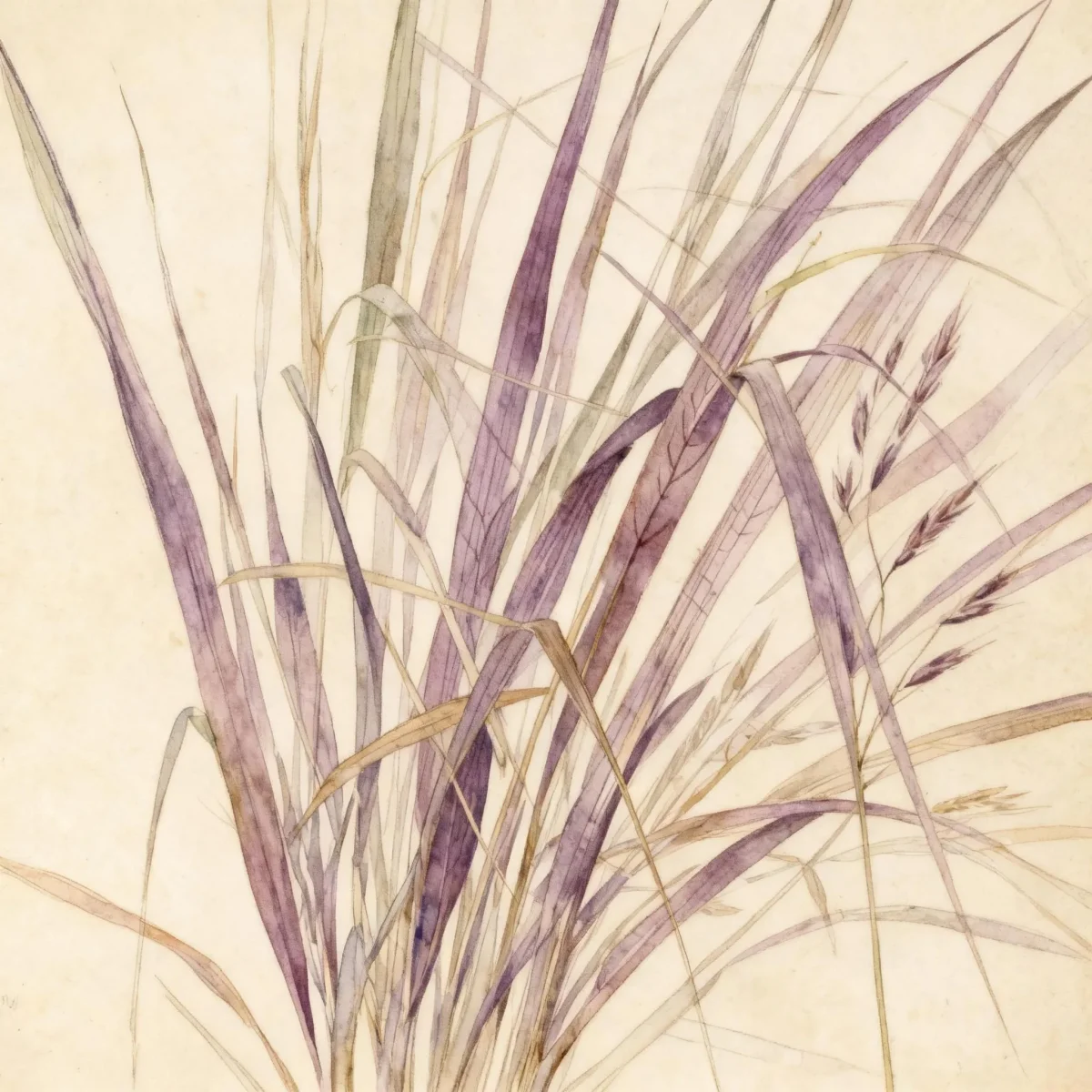
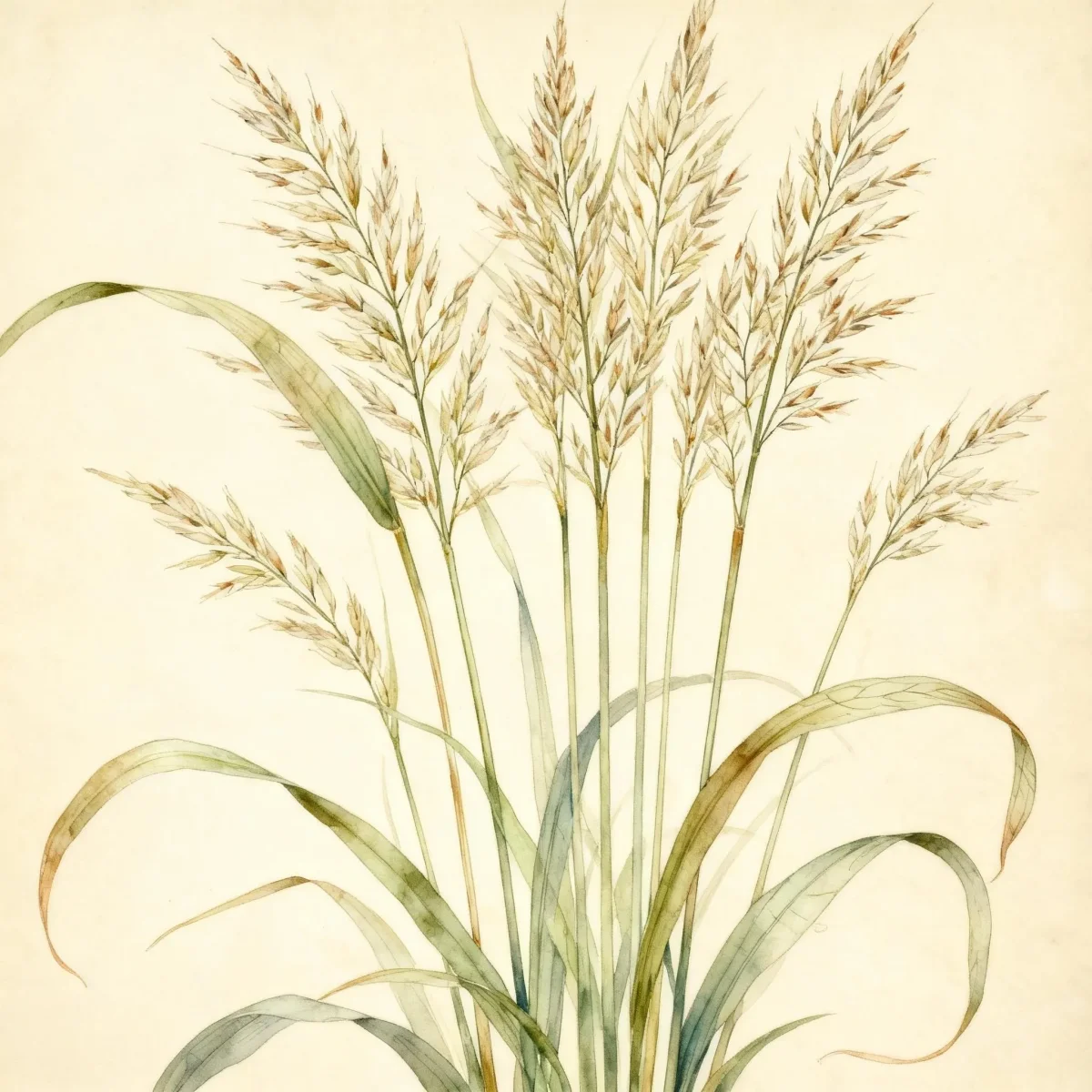
American beakgrain (Diarrhena obovata)
Discover American beakgrain (Diarrhena obovata), a low-maintenance ornamental grass perfect for shady, moist woodland gardens in USDA Zones 4-8.
Scroll down to discover growing tips, care requirements, companion plants, and more
Complete Plant Information
Overview
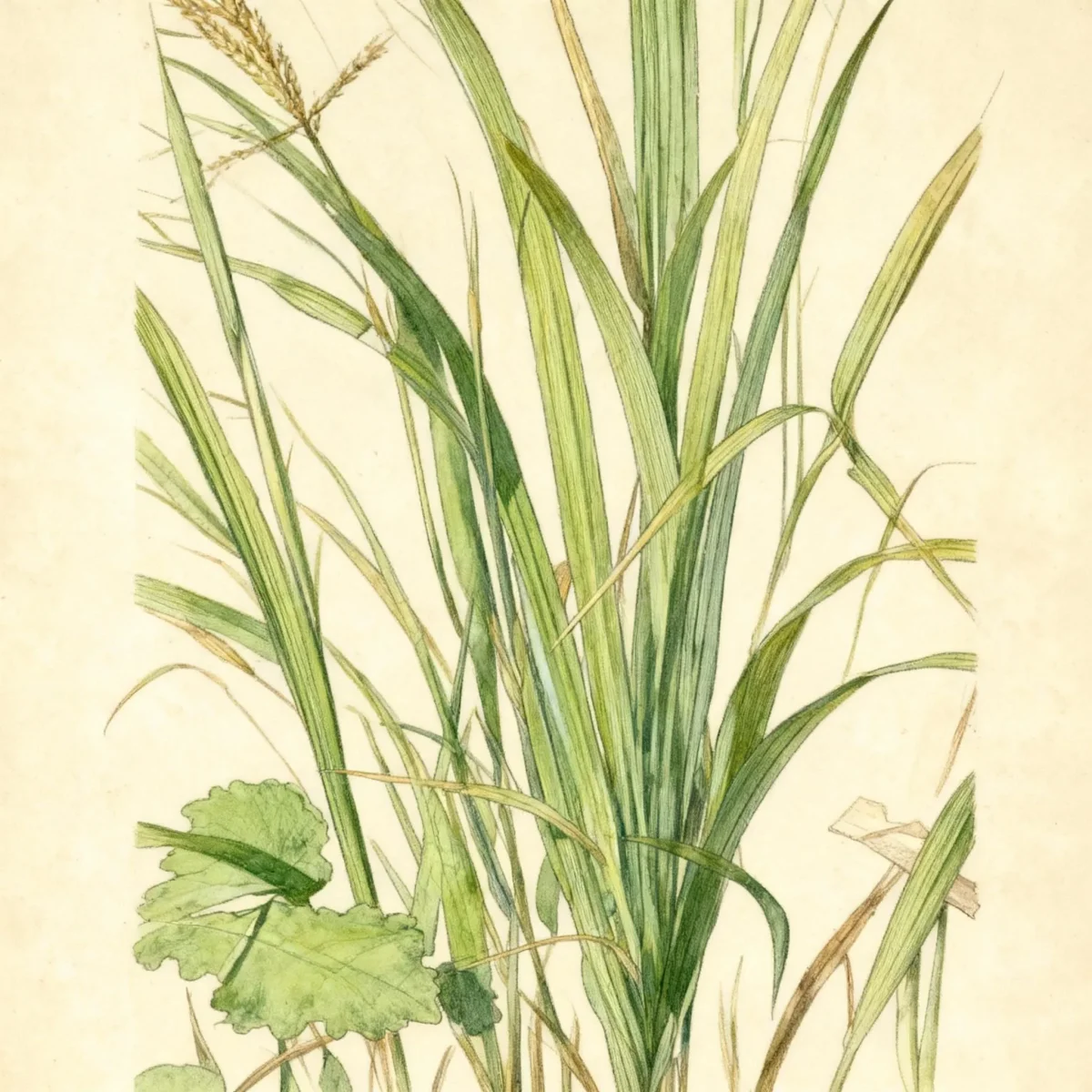
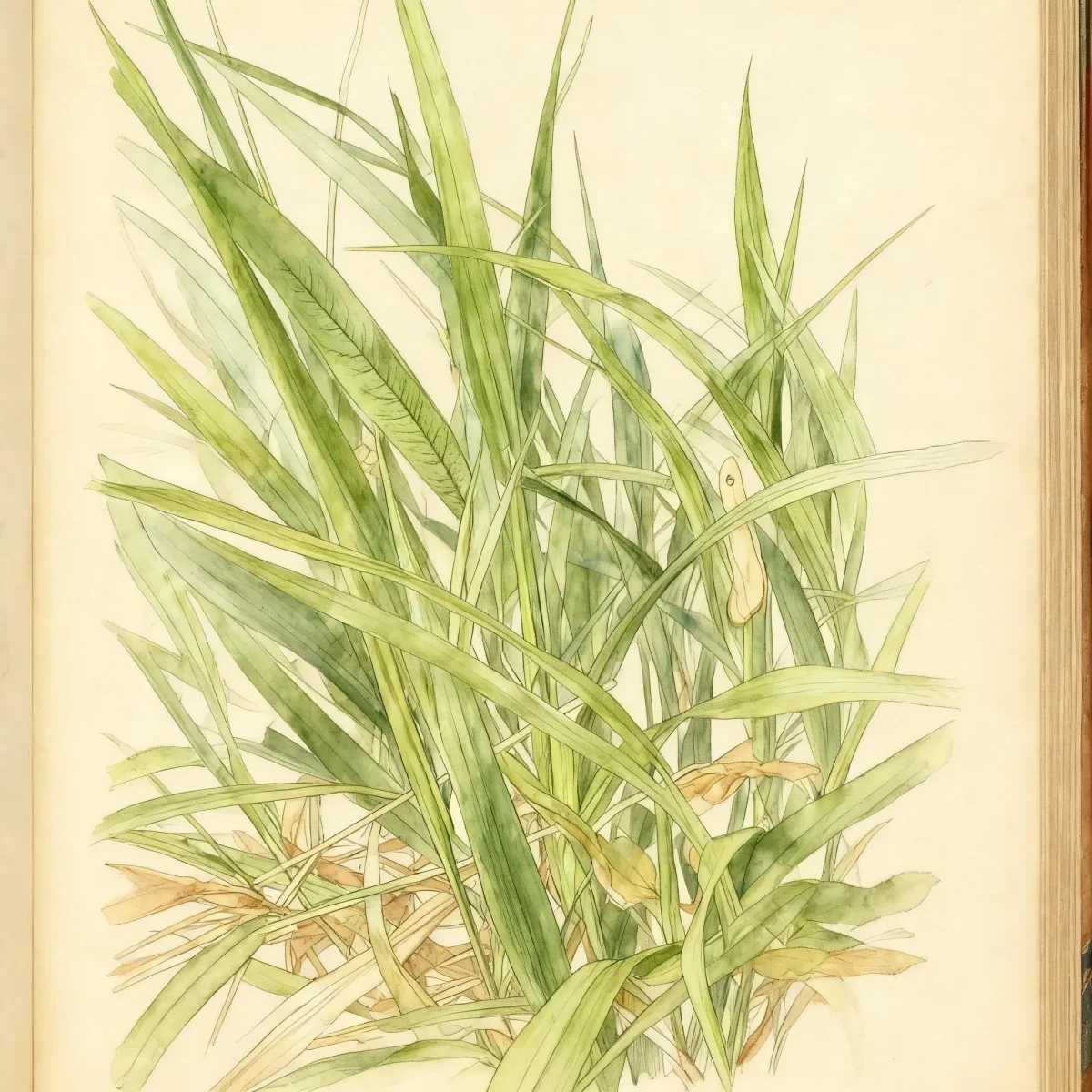
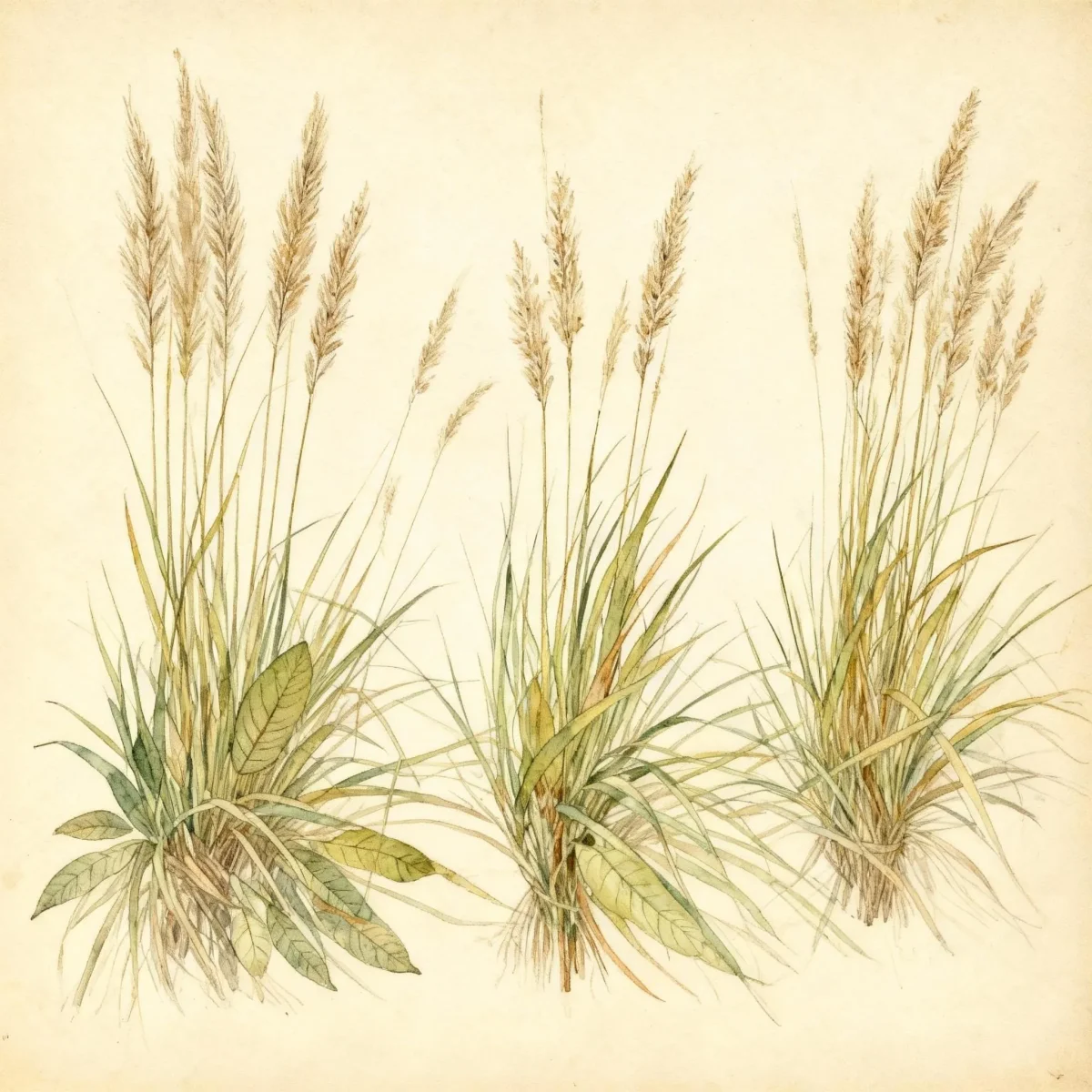
American beakgrain (Diarrhena obovata) is a superior, low-maintenance ornamental grass valued for its ability to thrive in deeply shaded and moist environments where many other grasses struggle. This Missouri native woodland perennial forms an attractive, upright to arching clump featuring shiny, narrow, bright green blades that offer excellent seasonal texture. As effective as it is beautiful, Diarrhena obovata rapidly naturalizes via slender, creeping rhizomes, making it an excellent groundcover or mass planting for larger shady landscapes.
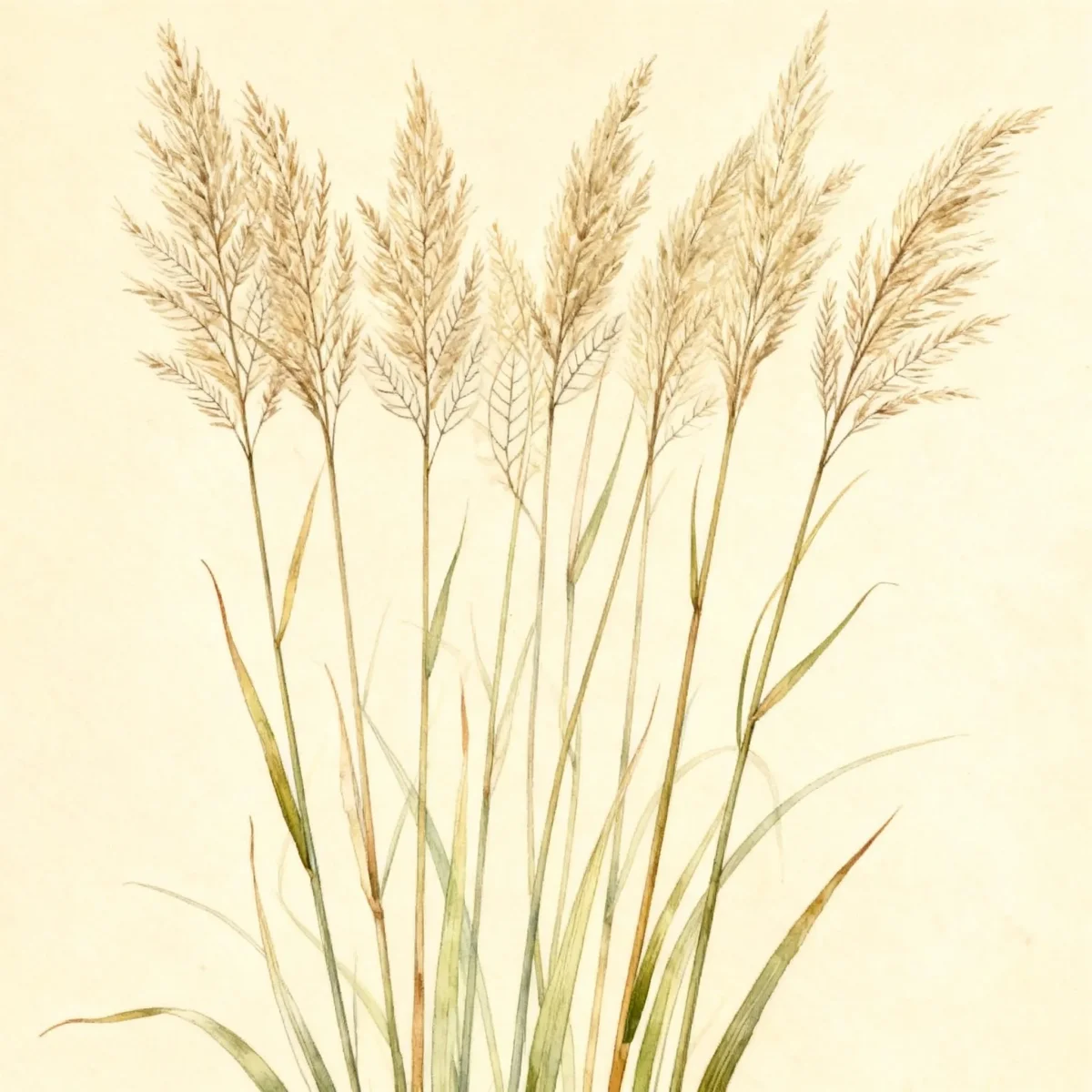
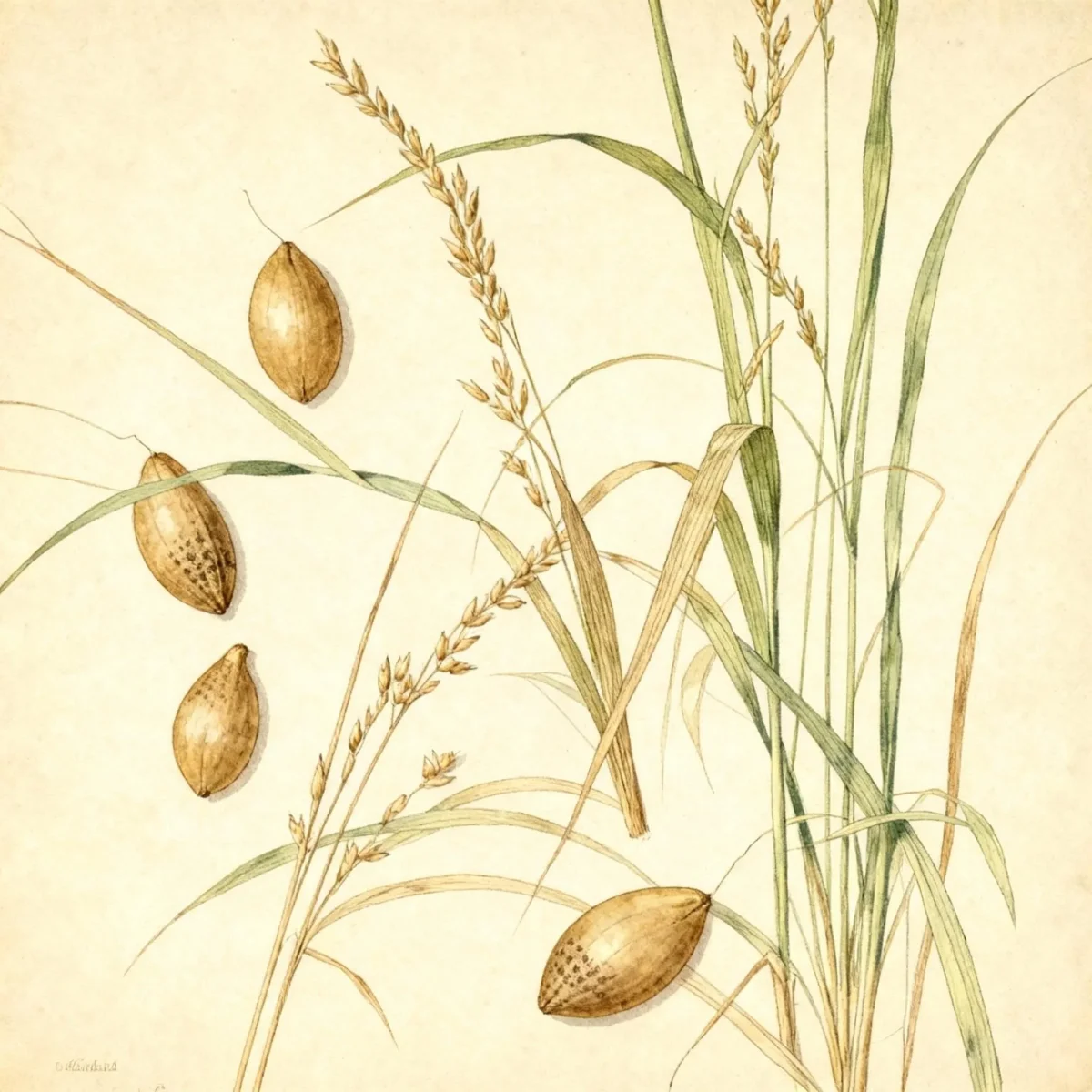
The appeal of American beakgrain extends through the growing season, culminating in distinctive seed heads late in the summer. Its common name derives from the hard, brown seed heads, which are uniquely tapered to a pointed beak, providing visual interest long after flowering ceases. Gardeners appreciate Diarrhena obovata for its toughness and adaptability, especially its tolerance for seasonal flooding and challenging root competition from trees like Black Walnut.
If you need reliable texture and year-round structure in difficult shade environments, American beakgrain is an ideal choice. Its low cultural demands and native status ensure it integrates well into ecological garden designs, establishing dense, attractive colonies under the canopy of mature trees.
Fast Facts
- Plant Family: Poaceae
- Plant Type: Ornamental grass
- Native Range: United States, Canada
- Hardiness Zones: USDA Zones 4-8
- Size at Maturity:
- Height: 2-3 ft
- Spread: 2-3 ft
- Bloom Time: June to October
- Bloom Description: Green with yellow anthers
- Sun Exposure: Part shade to full shade
- Water Needs: Medium to wet
- Maintenance Level: Low
How to Grow
For successful establishment, plant American beakgrain in the spring or fall when conditions are cool. It thrives in average soils, but truly excels when given moist to wet, rich loam that mimics its native woodland habitat. While it tolerates seasonal flooding, ensure the site does not remain waterlogged permanently, particularly if planting in full shade.
Once established, Diarrhena obovata requires minimal upkeep. Due to its preference for moisture, regular supplemental watering may be necessary during prolonged dry spells, especially for new plantings or those under dense tree cover. Fertilization is rarely needed; rich, average soil provides sufficient nutrition, as excessive feeding can lead to weaker stems.
This grass spreads effectively by creeping rhizomes, and it can form dense colonies quickly under optimum conditions. If growth becomes too aggressive in a specific area, cut back unwanted runners or divide the clumps in early spring before new growth begins. There is generally no need for deadheading, as the beaked seed heads provide aesthetic interest well into winter.
Landscape Uses
American beakgrain is specifically recommended as a tough, spreading solution for deep shade problems. It is superbly suited for naturalizing large areas beneath established hardwood trees, providing movement and texture where turfgrass fails. Its ability to form dense colonies makes it excellent for stabilizing slopes adjacent to woodland paths or stream banks.
For ornamental effect, mass plantings of Diarrhena obovata create a lush, green carpet effect, contrasting beautifully with bolder-leafed shade perennials like hostas or ferns. Because it handles wet conditions, consider grouping it near pond margins or in rain gardens where runoff collects. This grass integrates seamlessly into native plant gardens, reinforcing regional biodiversity.
Standout Features
Flower Qualities
- Insignificant
Noteworthy Characteristics
Diarrhena obovata is recognizable for its lustrous, narrow, bright green blades that age to gold in autumn and persist as tan foliage through winter. The flowers, though architecturally insignificant, feature yellowish anthers atop drooping panicles in mid-summer. This grass is most conspicuous in late summer or early fall when the hard, brown fruits appear, each uniquely tapering to a sharp, pointed beak, distinguishing it from related species like D. americana.
Tolerances
- Black Walnut
- Air Pollution
Potential Problems
Gardeners should find Diarrhena obovata exceptionally stress-free regarding pests and diseases. Serious insect or disease problems are rarely reported across its native range. Its primary management concern is controlling its vigor, as the creeping rhizomes can lead to aggressive colony formation if not contained or thinned periodically. Ensure air circulation remains adequate in dense plantings to prevent any minor fungal issues, although its preference for moistness generally does not translate into high disease susceptibility.
Frequently Asked Questions
What hardiness zones is American beakgrain suitable for?
Diarrhena obovata is reliably hardy across USDA Zones 4 through 8.
How large does American beakgrain grow?
This ornamental grass typically reaches a mature height between 2 and 3 feet tall and spreads to a similar width of 2 to 3 feet.
What sun exposure does Diarrhena obovata need?
This grass performs best in part shade to full shade conditions, thriving where overhead canopy filters direct sun exposure.
When does American beakgrain bloom?
Bloom time for Diarrhena obovata spans from June through October, featuring greenish flowers marked by prominent yellow anthers.
Conclusion
American beakgrain (Diarrhena obovata) stands out as a resilient, aesthetically pleasing choice for transforming difficult, shady, and moist areas of the landscape. Its low maintenance needs combined with its unique, beaked seed structures ensure year-round visual appeal in woodland settings. Before planting, confirm compatibility with your USDA zone (4-8) and ensure the location offers the medium to wet soil drainage this excellent native grass prefers.
Companion Planting
When designing a shade garden featuring Diarrhena obovata, focus on companions that enjoy similar moisture levels and filtered light. Excellent partners include moisture-loving ferns like Ostrich Fern (Matteuccia struthiopteris) or Cinnamon Fern (Osmundastrum cinnamomeum). For late-season color contrast against the green blades of American beakgrain, consider woodland natives such as various Turkscap Lilies (Lilium superbum) or large colonies of Foamflower (Tiarella cordifolia). Grouping it with other native sedges or rushes that tolerate wet feet will enhance the naturalized, woodland floor aesthetic.
Propagation Tips
The primary method for increasing stands of Diarrhena obovata is through division. Since this grass spreads vigorously by slender, creeping rhizomes, clumps should be dug up and separated during the early spring before active growth begins. Ensure each division contains a healthy segment of rhizome and several emerging shoots for the best chance of establishment in a new location. While seed collection is possible after the beaked grains mature in the fall, propagation via division is generally faster and more reliable for mature plants.