Cogon grass (Imperata cylindrica)
Cogon grass (Imperata cylindrica) is an aggressive ornamental grass, known for drought tolerance and full sun needs. USDA Zones 5-9.
Scroll down to discover growing tips, care requirements, companion plants, and more
Complete Plant Information
Overview
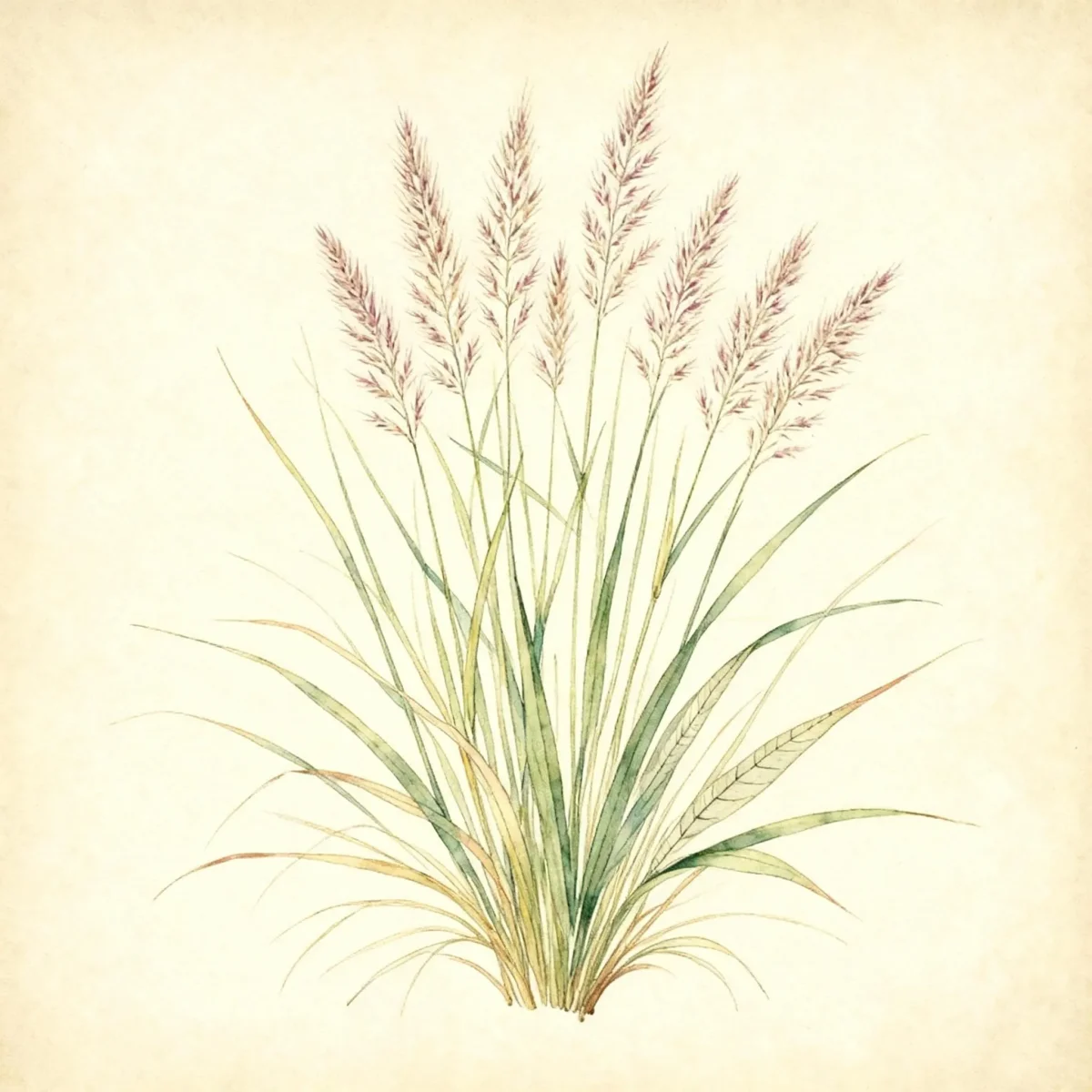
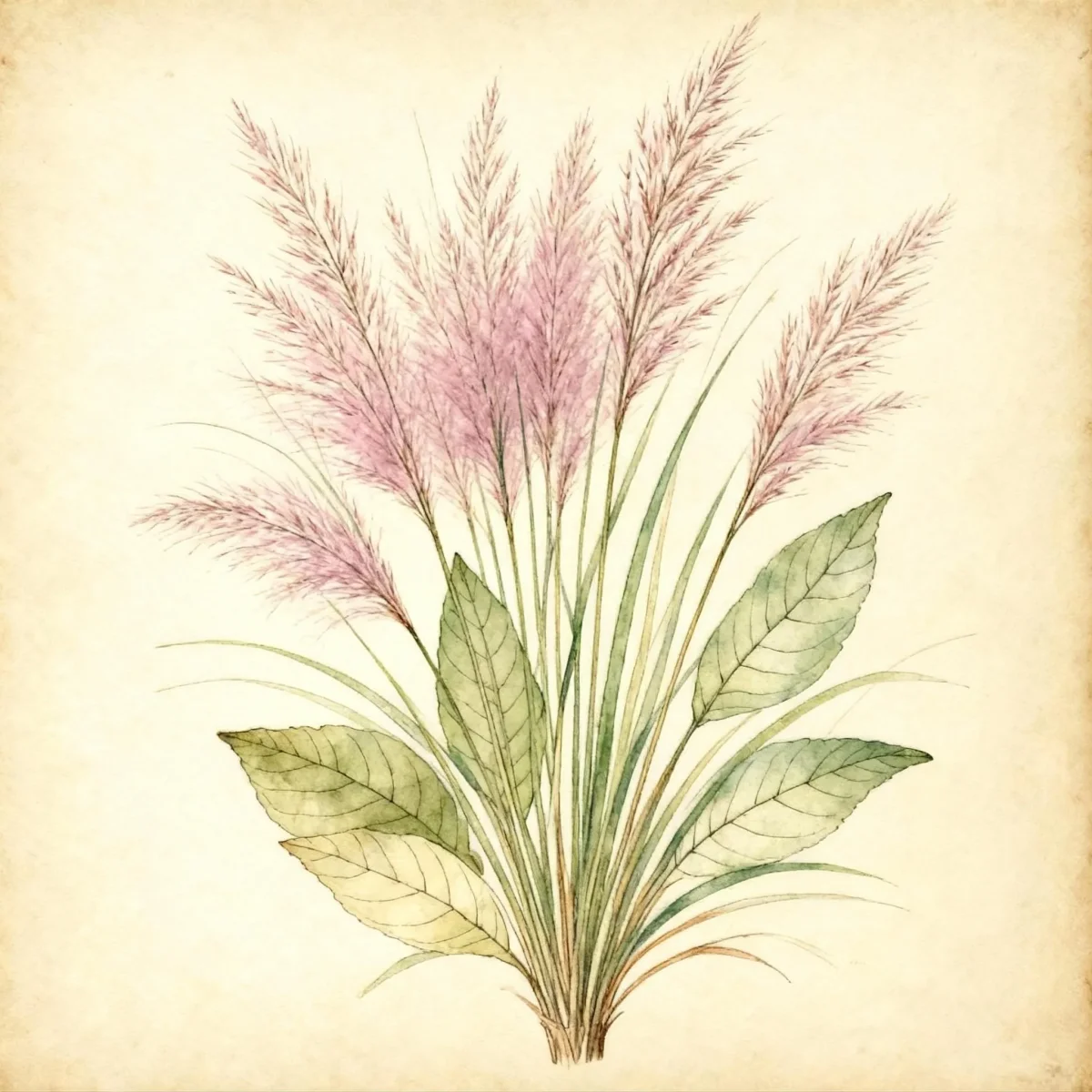
Imperata cylindrica, widely recognized as Cogon grass, is a fast-growing perennial grass notable for its resilience in challenging conditions. While valued historically for erosion control, its aggressive spreading nature by rhizomes and seed means modern gardeners must approach its cultivation with extreme caution. It forms distinctive spreading clumps, typically reaching heights between two and four feet tall.
This species is generally adaptable to various poor soils, tolerating both shade and significant drought once established. However, in warmer, frost-free environments, the invasive tendencies of Imperata cylindrica become critically pronounced, often resulting in dense monocultures that dominate the landscape and outcompete native flora. Gardeners in cooler regions (Zones 5-6) generally find it better managed.
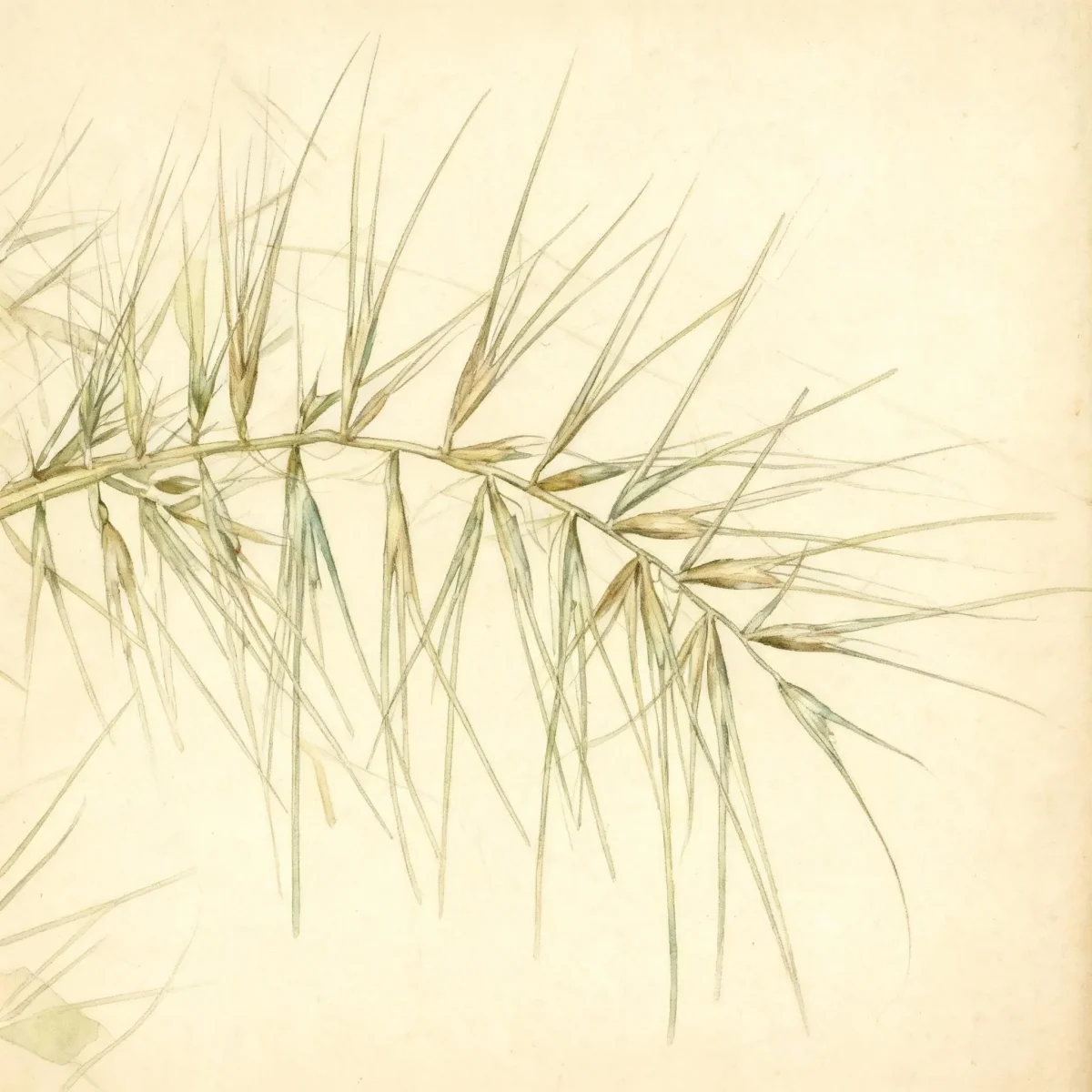
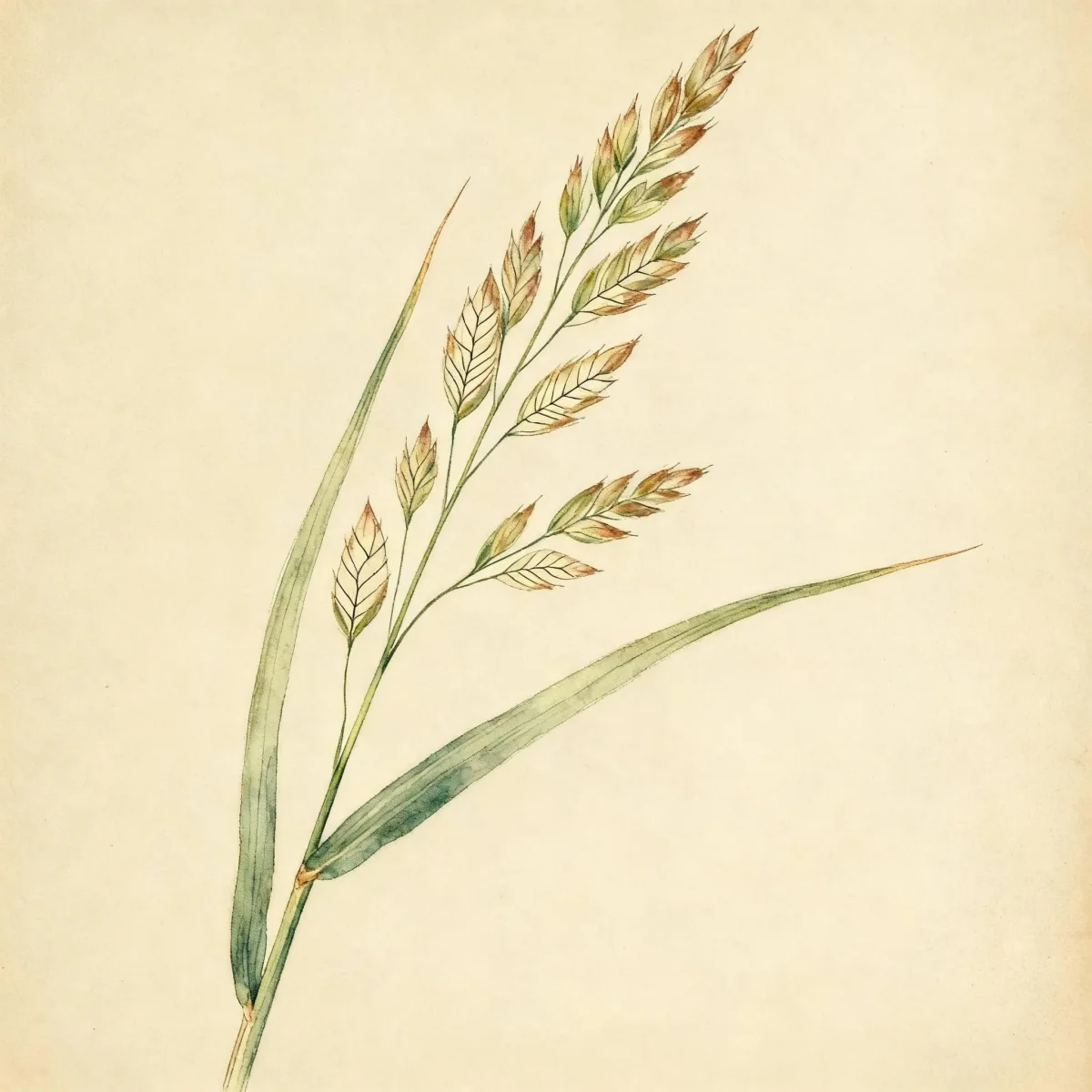
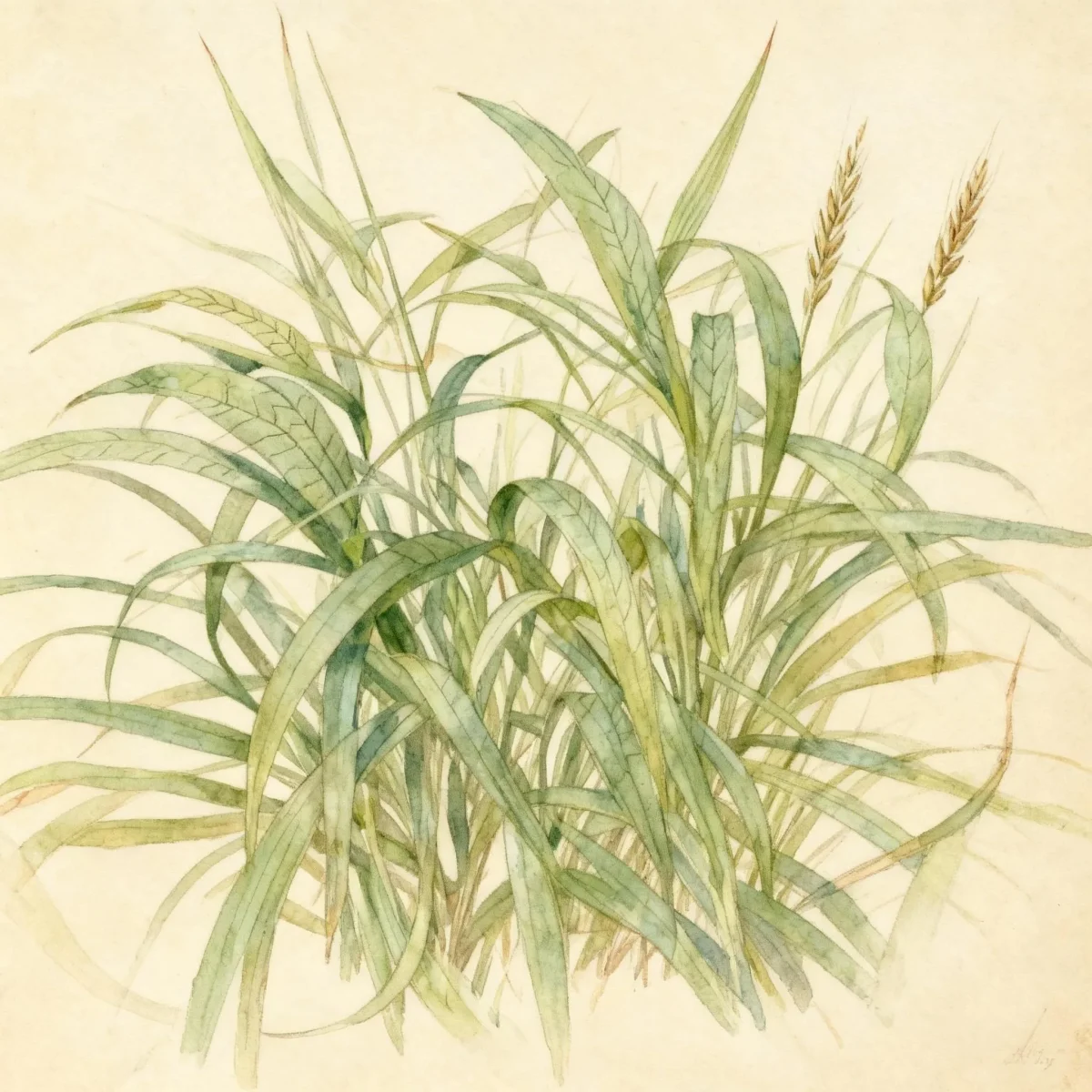
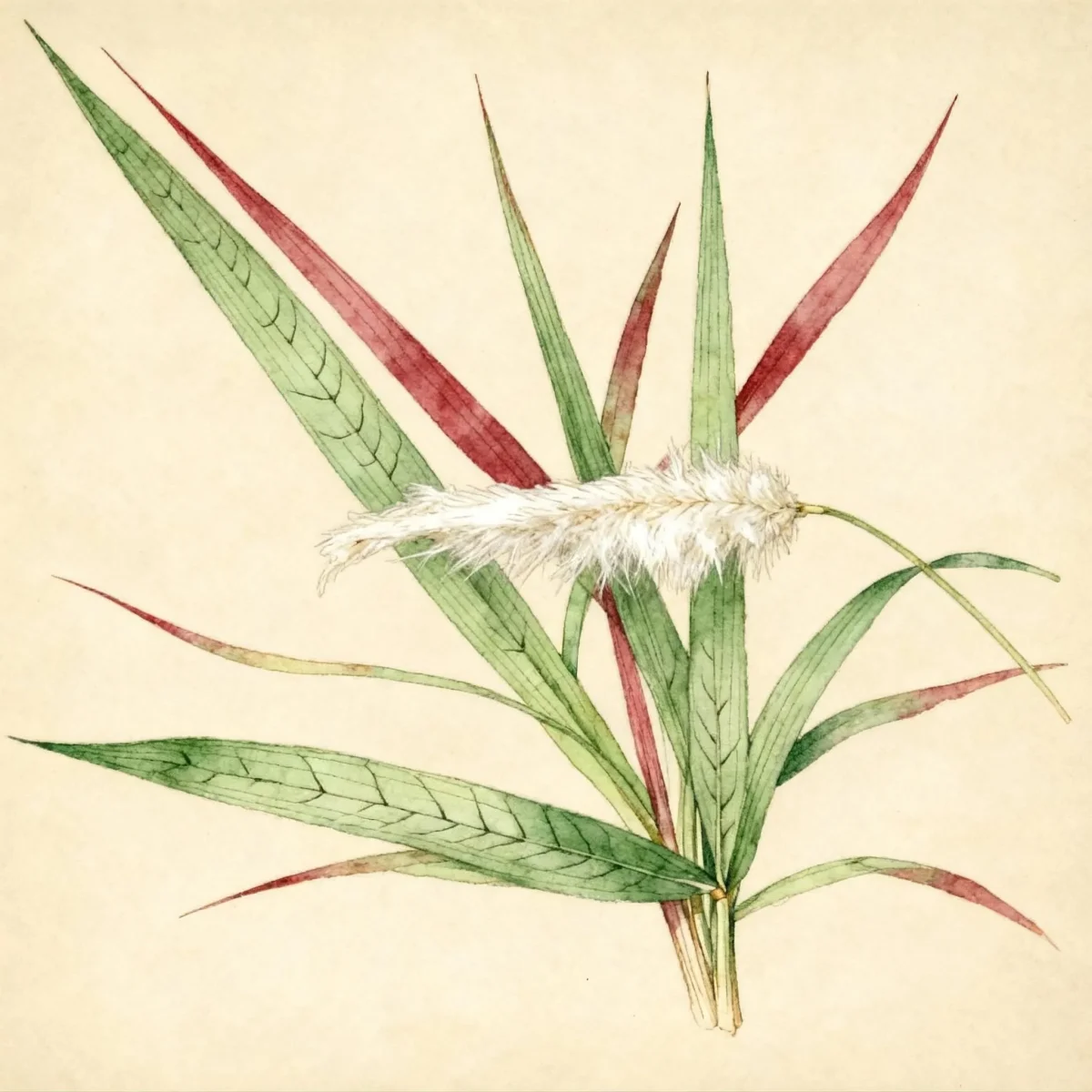
Aesthetically, the grass features yellowish-green foliage, accented by sharp tips and prominent, off-center midribs. Though it rarely flowers, when bloom spikes do appear, they add a unique structural element to the planting. Understanding the invasive risks associated with Cogon grass is paramount before introducing it to any garden setting.
Fast Facts
- Plant Family: Poaceae
- Plant Type: Ornamental grass
- Native Range: Japan
- Hardiness Zones: USDA Zones 5-9
- Size at Maturity:
- Height: 2-4 ft
- Spread: 2-4 ft
- Bloom Time: Rarely flowers
- Sun Exposure: Full sun to part shade
- Water Needs: Dry to medium
- Maintenance Level: Medium
How to Grow
Planting of Imperata cylindrica should be timed for the active growing season, ideally spring, ensuring the soil is well-drained, which is crucial for managing its spread. This grass is remarkably adaptable, thriving in conditions too poor or dry for many cultivated plants, provided it receives good sunlight, though it tolerates light shade. Avoid introducing it near sensitive natural areas due to its proclivity for naturalizing aggressively.
Care requirements are generally low once established, aligning with its drought-tolerant nature; water only during extended dry periods. Maintenance involves diligent monitoring, especially in warmer climates. Pruning is minimal, usually limited to cutting back old foliage either in late winter or very early spring before new growth initiates.
In cooler USDA Zones 5-6, the grass tends to be less aggressive, making management slightly easier than in subtropical locales. Across all zones, soil health is less critical than drainage; it easily tolerates lean soils, poor nutrients, and high levels of drought stress.
Landscape Uses
The suggested use for this plant is to naturalize areas, although this recommendation must be tempered immediately by legal and ecological warnings. Under federal law, transporting Cogon grass across state lines without a permit is illegal due to its classification as a Federal Noxious Weed in many southern states. Therefore, planting Imperata cylindrica outside of contained, appropriate environments should be avoided entirely.
Where restrictions allow and containment is absolutely guaranteed, it can be used in large, isolated restoration projects where an aggressive groundcover is required to stabilize difficult slopes, given its tolerance for poor sites. Companion planting should focus on very robust, fast-spreading native species that can compete effectively, though this is highly dependent on local regulations concerning invasive species management. Always verify that the specific variety being used is not the highly invasive var. Major.
Standout Features
Noteworthy Characteristics
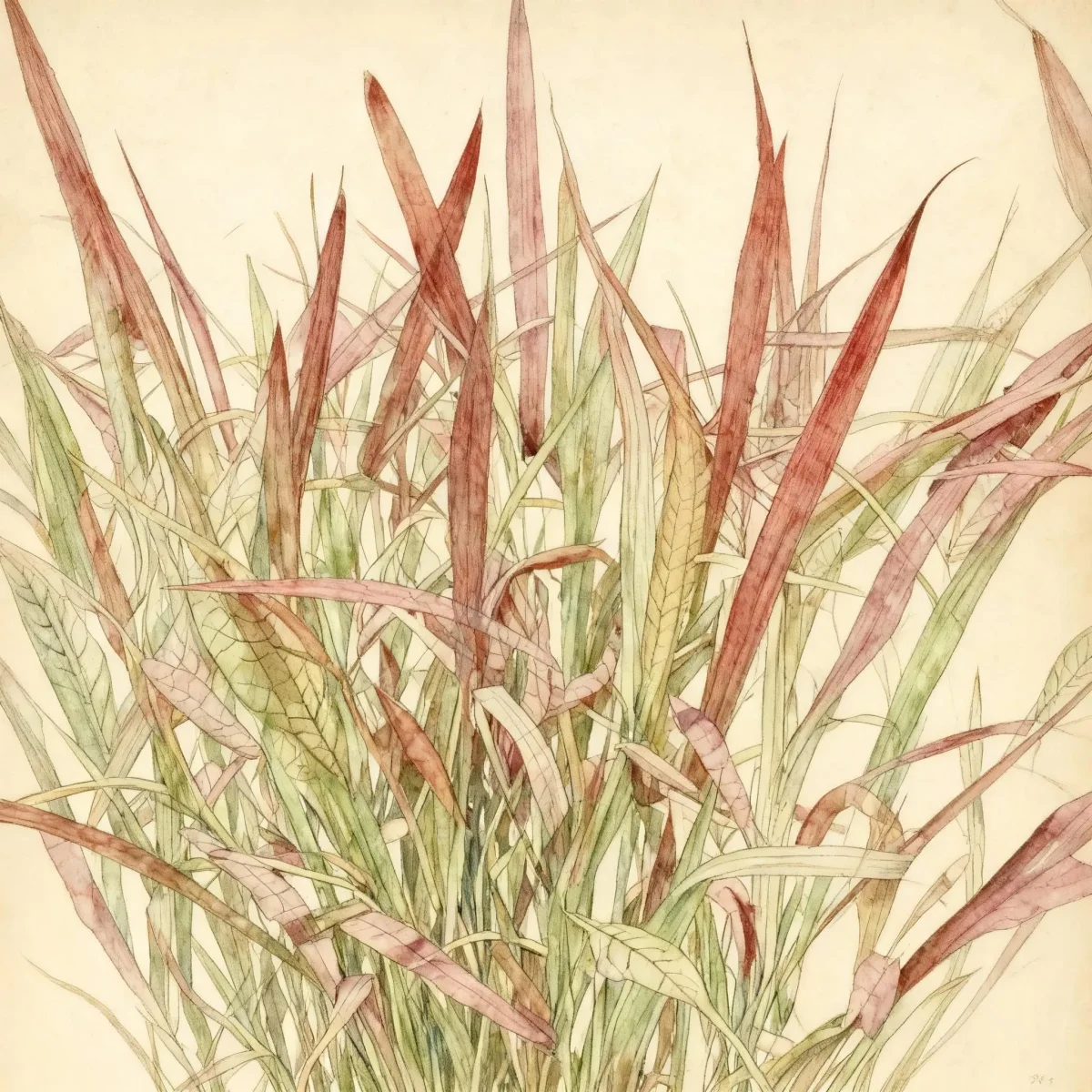
Imperata cylindrica, commonly known as cogongrass, is now considered to be one of the ten worst weeds in the world. It is native to Korea, Japan, China, India, and tropical eastern Africa. It was introduced into the southeastern U.S. In the early 1900s, unintentionally in the form of packing materials contained in shipping cartons imported into the U.S. And intentionally as a forage grass and/or erosion control plant. This grass is now listed as a Federal Noxious Weed under the Plant Protection Act which means it may not be imported or transported between States without first obtaining a federal permit. It has also been declared a noxious weed by a number of States including Florida, Alabama, Mississippi, North Carolina, South Carolina, Georgia and Hawaii. This is an opportunistic, rapid-growing perennial grass that spreads invasively in warm winter locations, particularly evident in the southeastern U.S. From South Carolina and Florida to Texas. It is typically found in a number of different sites including roadsides, pastures, mined areas, fields, sand dunes, utility right-of-ways and dry scrubs. It grows in spreading clumps to 2-4’ tall. Yellowish green leaves (to 30” long and to 3/4” wide) feature finely serrated edges, off-center light green to white midribs, and sharp tips. Flowers in cylindrical spikes to 16” long bloom in early spring (March-May), albeit infrequently, in the northern parts of its growing range, but can flower year round in semi-tropical to tropical areas. Some authorities currently list this grass as being present in five or more varieties, including var. Major (the highly invasive variety described herein which is found in the wild in east/southeast Asia and the southeastern U.S.) and var. Rubra (non-invasive ornamental red leaved cultivars still sold by nurseries in some states under the common name of Japanese bloodgrass).Genus name honors Ferrante Imperato (1550-1625) an apothecary (pharmacist) of Naples.Specific epithet means long and round, cylindrical.
Tolerances
- Drought
- Black Walnut
- Air Pollution
Potential Problems
No known serious insect or disease problems. Green-leaved species plants are highly invasive.
The primary concern with this grass is its extreme invasiveness, especially in warmer climates where it forms impenetrable stands, displacing virtually all other vegetation. Control requires aggressive, persistent management, typically involving herbicides combined with repeated mechanical removal of the extensive rhizome network. Never allow the green-leaved form of Imperata cylindrica to set seed or spread unchecked into natural areas.
Frequently Asked Questions
What hardiness zones is Cogon grass suitable for?
Imperata cylindrica is suitable for USDA Zones 5 through 9, though it is significantly more aggressive and invasive in the warmer end of this range.
How large does Cogon grass grow?
This ornamental grass typically reaches a mature height between 2 and 4 feet tall, with a similar spread of 2 to 4 feet.
What sun exposure does Cogon grass need?
Cogon grass performs best in full sun but demonstrates notable adaptability by tolerating partial shade conditions.
When does Cogon grass bloom?
It is noted for rarely flowering, though bloom spikes may occasionally appear in early spring in cooler areas or year-round in tropical zones.
Conclusion
The resilience and low water needs of Imperata cylindrica highlight its adaptability, but its classification as a noxious weed overshadows any aesthetic value for most home gardeners. Due to the severe environmental risks posed by invasive Cogon grass, gardeners should always check local regulations before considering cultivation. If you live in a region prone to warm winters, select proven, non-invasive alternatives.
Companion Planting
When considering alternatives or neighbors for environments where Imperata cylindrica is legally and responsibly managed (often in controlled trial sites or specific restoration zones), focus on plants that can tolerate dryness and poor soils but lack aggressive rhizomatous tendencies. In drier, full-sun borders, robust bunching grasses adapted to your local region make excellent companions, provided they can withstand the competition. For areas where the grass is known to be less aggressive (Zones 5-6), associate it with tough, native perennials that handle drought, such as certain species of Coreopsis or Rudbeckia.
Managing Invasive Risk Alternatives
For gardeners primarily seeking the visual appeal of a sharp-bladed, upright ornamental grass without the severe ecological threat, many cultivars exist. Consider varieties of Fountain Grass (Pennisetum) or Switchgrass (Panicum virgatum) cultivars noted for restricted spread, depending on your hardiness zone. The non-invasive ornamental cousin, often sold as Japanese Bloodgrass (Imperata cylindrica var. Rubra, the red-leaved cultivar), offers similar texture but lacks the aggressive spread of the dominant green-leaved type discussed here. Always confirm the specific variety’s known invasive potential before purchase.