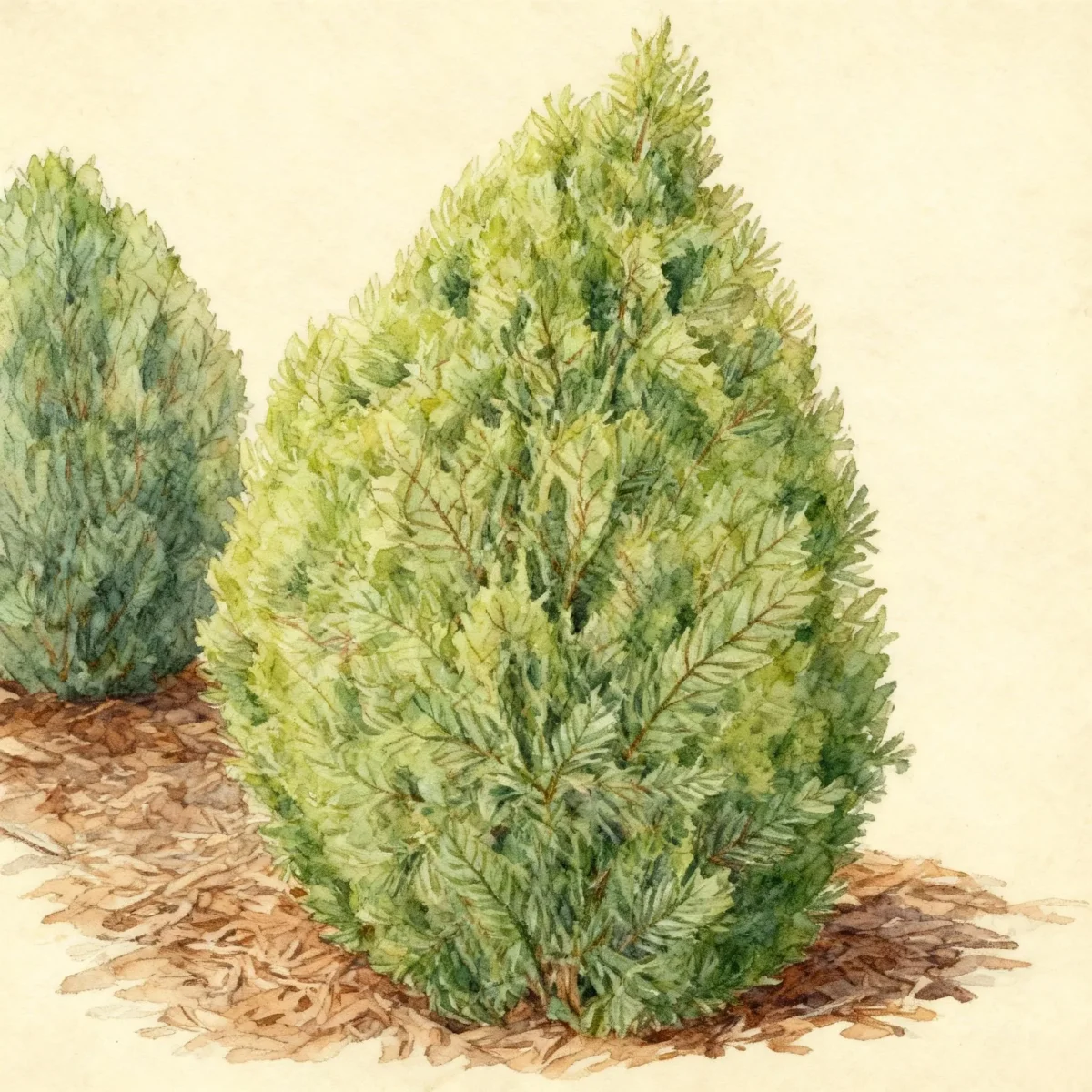
Yew plum pine (Podocarpus macrophyllus)
The Yew plum pine (Podocarpus macrophyllus) is a slow-growing, low-maintenance evergreen ideal for hedges and screens in warm climates.
Scroll down to discover growing tips, care requirements, companion plants, and more
Complete Plant Information
Overview
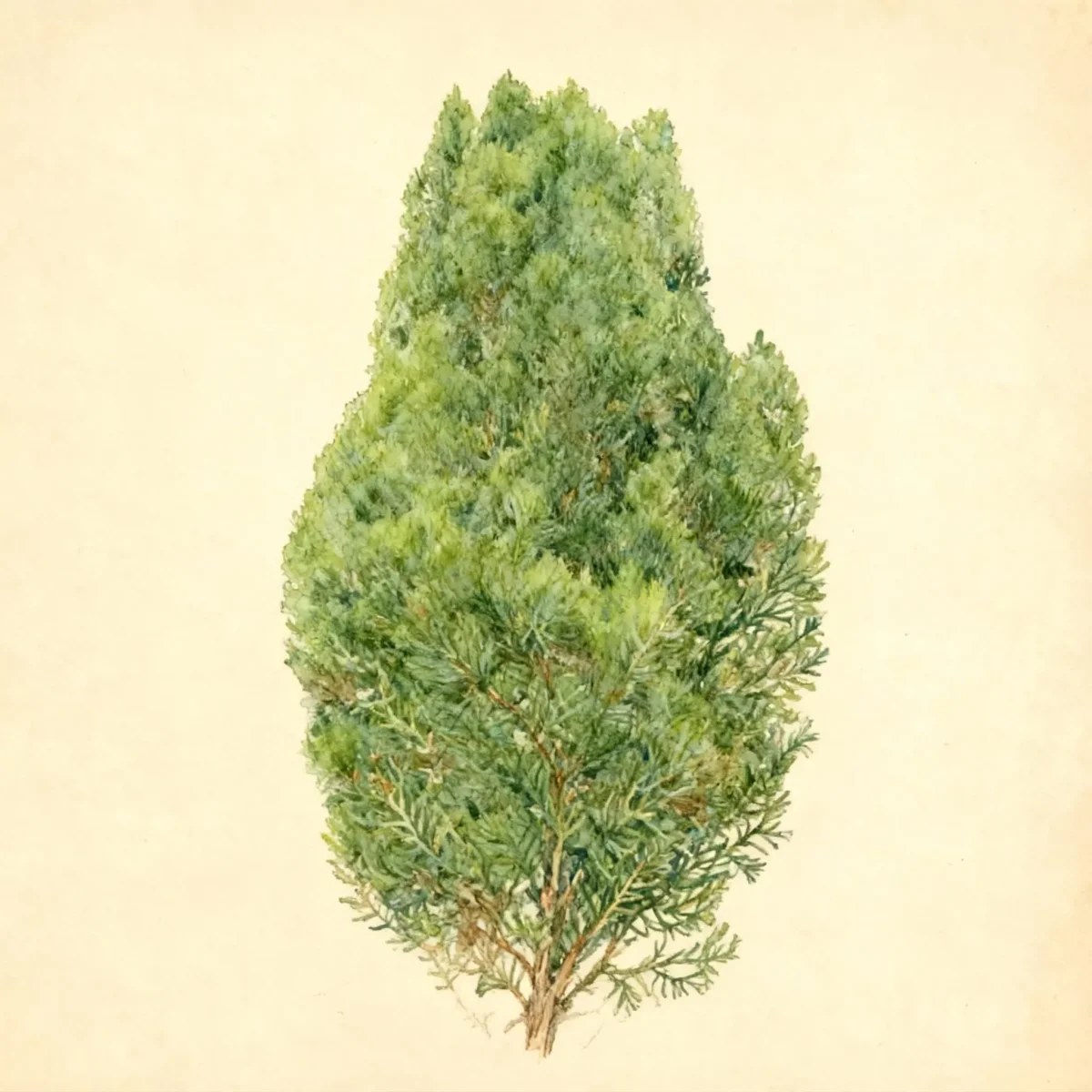
The Yew plum pine, scientifically known as Podocarpus macrophyllus, offers a refined texture unmatched by many other conifers. Its leathery, soft-textured, shiny dark green needles provide year-round interest, making it a highly valuable specimen or hedge plant in mild winter regions. This slow-growing evergreen adapts well to various conditions but excels when given adequate space to develop its unique, often narrow-conical form.
Native to mountainous regions of China and Japan, Podocarpus macrophyllus is prized for its tolerance to pruning and its fragrant foliage, which releases a pleasant scent when gently bruised. While it can eventually reach 40 feet in ideal climates, it often remains shorter in hotter areas of the continental US, fitting well into structured landscapes.
Functionally, the Buddhist pine is highly valued as a durable screen or formal hedge, lending an architectural quality to the garden. Its low maintenance requirements further elevate its status among gardeners looking for reliable, long-term evergreen structure that thrives in full sun to partial shade environments.
Fast Facts
- Plant Family: Podocarpaceae
- Plant Type: Needled evergreen
- Native Range: Southern China, Japan, Myanmar, Taiwan
- Hardiness Zones: USDA Zones 7-9
- Size at Maturity:
- Height: 20-40 ft
- Spread: 10-20 ft
- Bloom Time: Non-flowering
- Bloom Description: Non-flowering
- Sun Exposure: Full sun to part shade
- Water Needs: Medium
- Maintenance Level: Low
How to Grow
Planting Podocarpus macrophyllus is best achieved when dormant or during active growth in spring or fall, ensuring the location offers rich, slightly acidic, and exceptionally well-drained soil. While it prefers full sun, the Yew plum pine demonstrates good shade tolerance, though reduced sun may affect density. Good drainage is paramount, as this plant is intolerant of consistently wet soils; amend heavy clay heavily before planting.
Once established, the medium water requirements necessitate regular, deep watering, especially during dry spells, but allow the soil to dry slightly between applications. This slow-growing conifer rarely needs heavy fertilization, but a balanced feed in early spring can support new growth. Pruning is often required if maintaining it as a formal hedge; regular shearing will encourage denser foliage coverage.
For gardeners in the northern reaches of its range (Zone 7), ensure the plant is sheltered from harsh winter winds. Container-grown Podocarpus macrophyllus offers wonderful flexibility; these specimens should be moved outdoors during the growing season and brought into a brightly lit area indoors or a greenhouse for winter protection. Be aware that alkaline soils can induce chlorosis, causing leaves to yellow.
Landscape Uses
The primary practical application for the Yew plum pine is where a dense, formal vertical element is required. Whether clipped rigorously as a tight hedge along a property line or allowed to mature as a stately screen, Podocarpus macrophyllus provides excellent year-round privacy. In foundation plantings, select smaller specimens or commit to regular pruning to prevent overcrowding near structures.
Because of its somewhat formal appearance and slow growth rate, the Buddhist pine integrates well into contemporary or traditional designs requiring structure. Use solitary specimens as lawn anchors where their narrow outline can be appreciated against softer, mounding shrubs that enjoy similar light and moisture conditions.
Where winters are too severe for ground planting, growing Podocarpus macrophyllus in large containers allows homeowners to enjoy its distinctive foliage indoors during the cold months. Its tolerance for lower light levels permits use near light wells or in sheltered patio areas, expanding the reach of this ornamental evergreen.
Standout Features
Noteworthy Characteristics
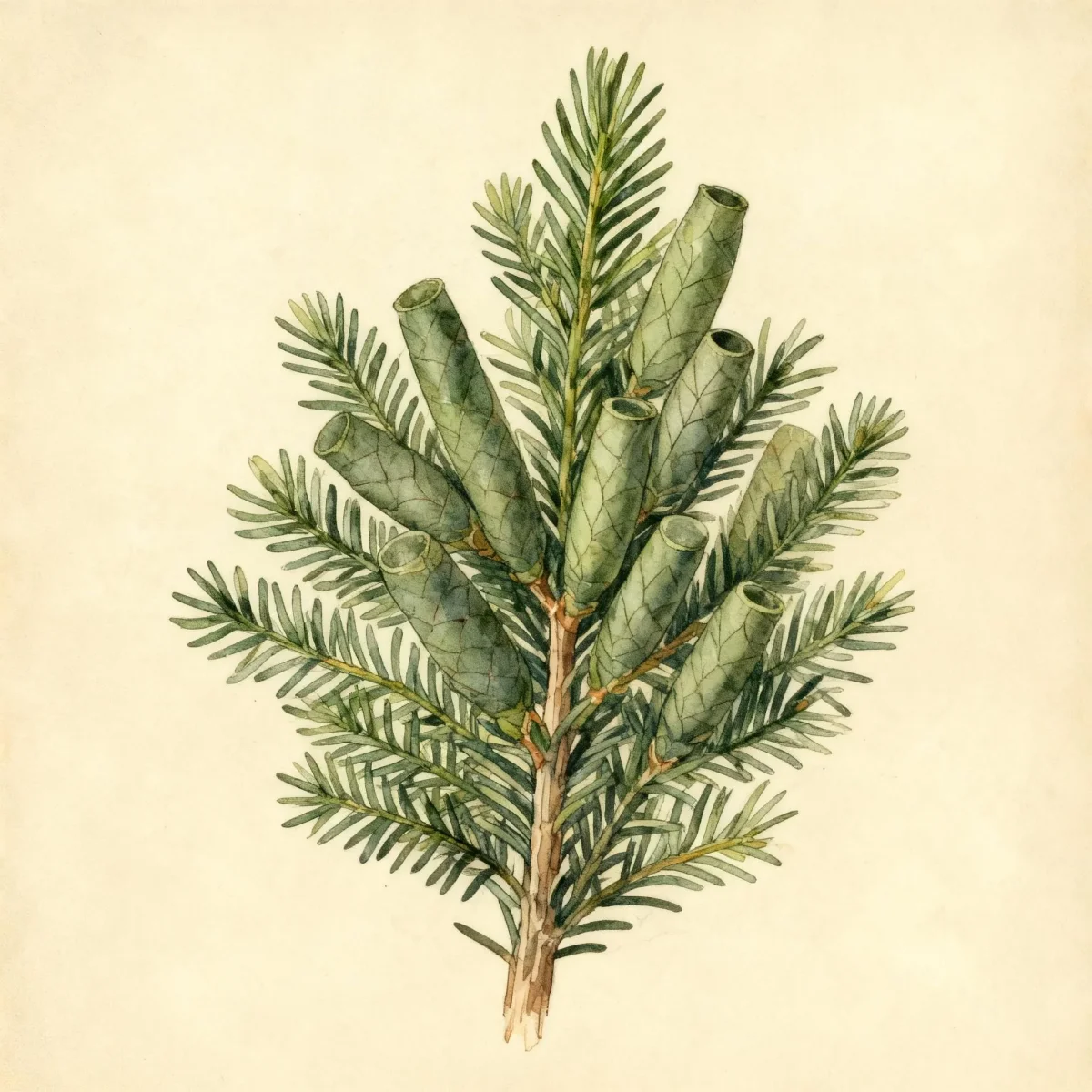
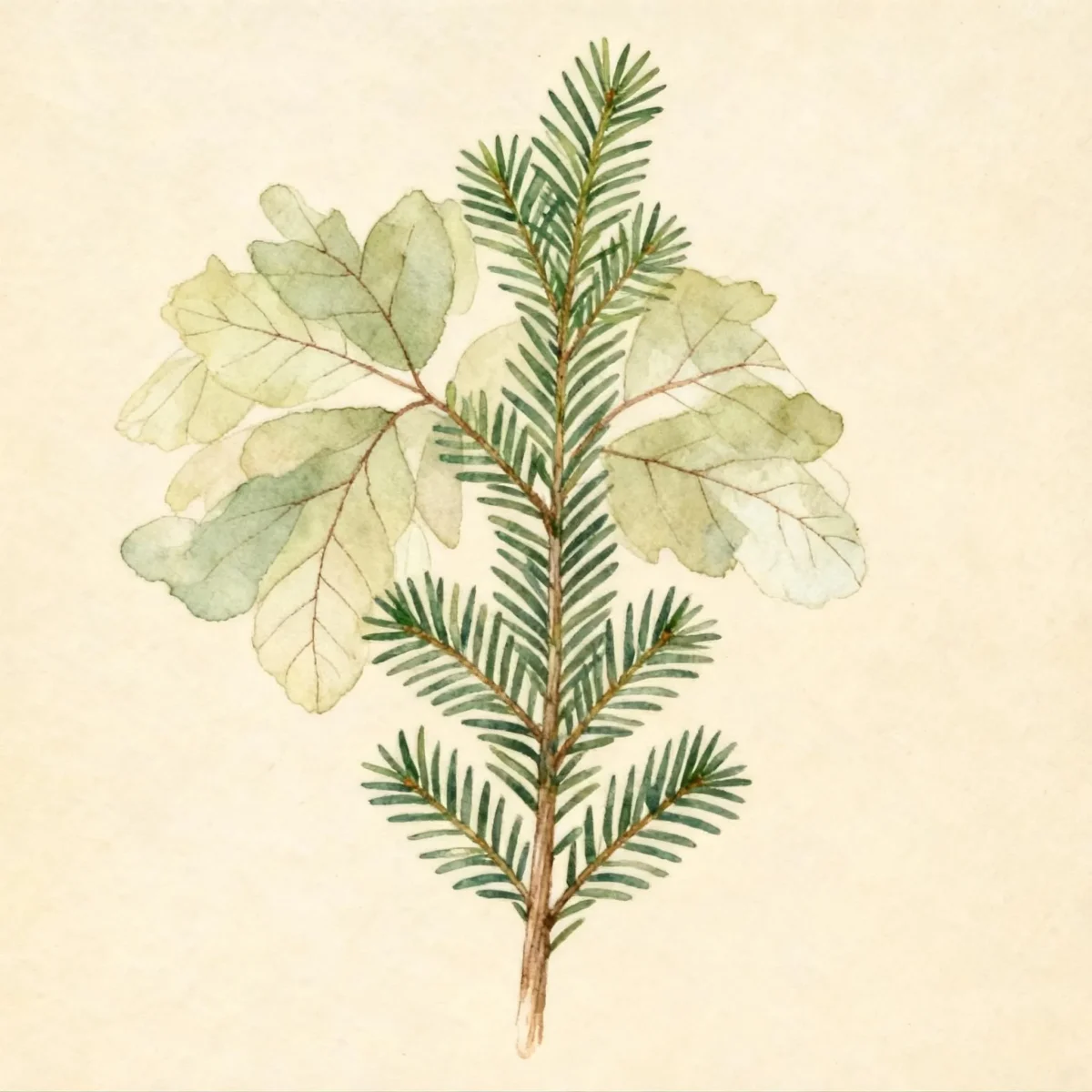
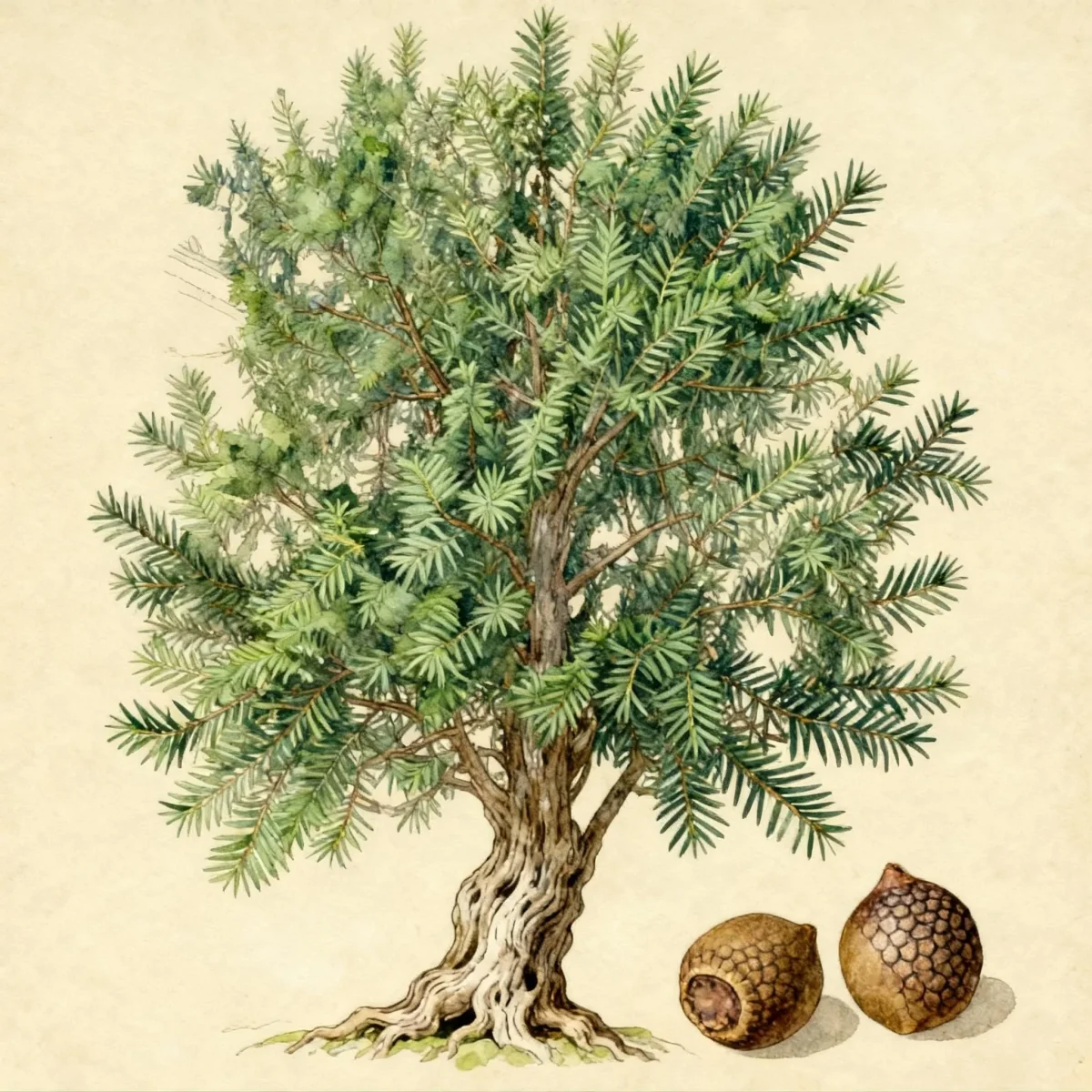
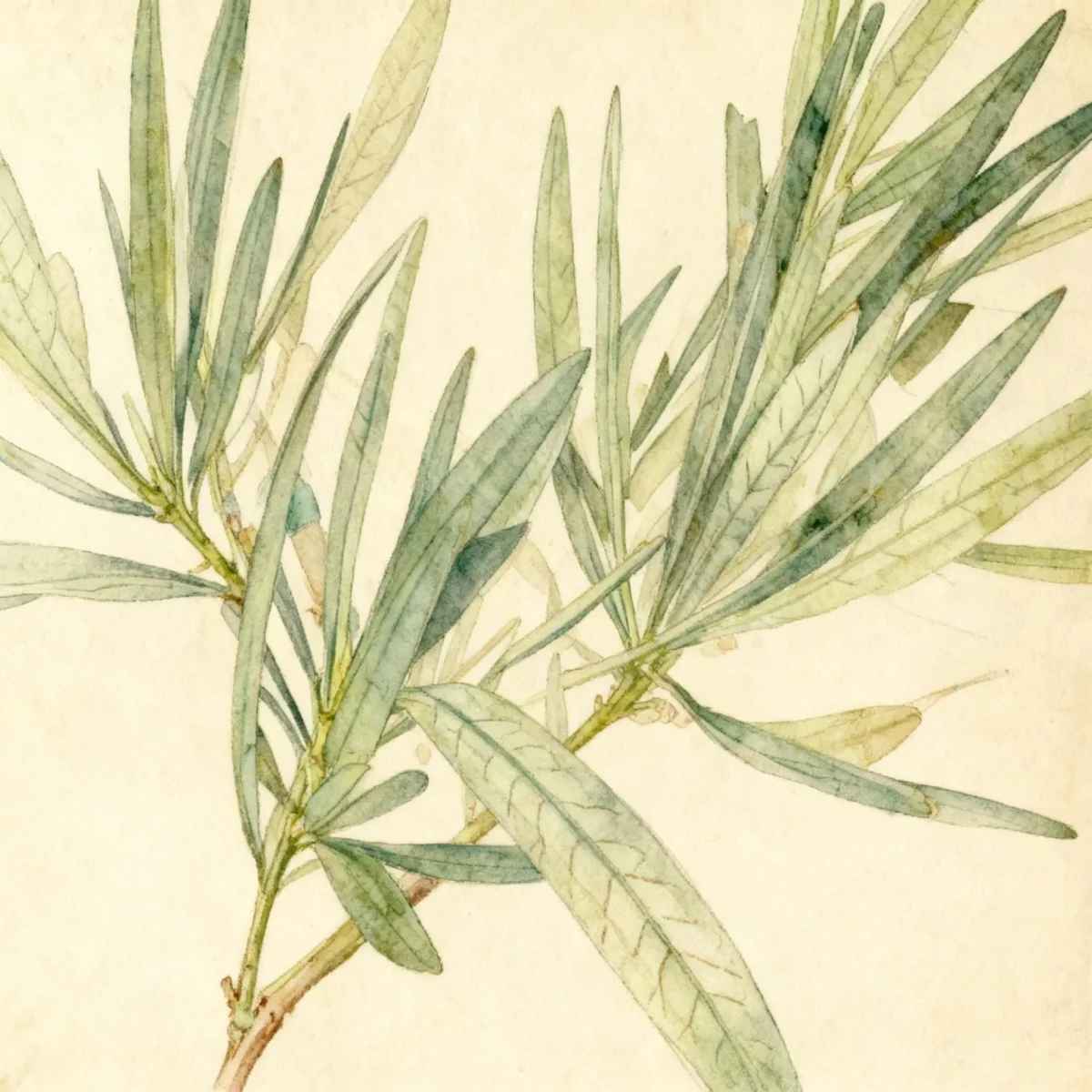
Podocarpus macrophyllus, commonly called yew plum pine or Buddhist pine, is native to mountainous areas of China and Japan. It is an evergreen conifer that typically grows as a narrow-conical tree to 50’ tall or sometimes as a large shrub, though it remains shorter (20-40’) in much of United States cultivation. This slow-growing conifer features leathery, soft-textured, shiny dark green, yew-like needles arranged in dense spirals, and its foliage is pleasantly fragrant when bruised. The ellipsoidal fruits are fleshy, berry-like cones that ripen to purple, adding seasonal interest.
Tolerances
- Intolerant of wet soils
Potential Problems
Container-grown specimens or plants situated in low-light interior settings may occasionally attract scale insects; monitor foliage closely during indoor overwintering. Generally, Podocarpus macrophyllus is remarkably resilient regarding pests and diseases in its preferred outdoor environment, suffering from no serious, recurrent issues. Prompt treatment with horticultural oil can manage any scale infestations that do develop.
Frequently Asked Questions
What hardiness zones is Yew plum pine suitable for?
The Yew plum pine (Podocarpus macrophyllus) is best suited for USDA Hardiness Zones 7 through 9, requiring protection if temperatures dip below those ranges.
How large does Yew plum pine grow?
In cultivation in the US, the height of Podocarpus macrophyllus typically ranges from 20 to 40 feet tall, with a spread between 10 and 20 feet.
What sun exposure does Yew plum pine need?
This conifer performs well in locations receiving full sun or partial shade, offering flexibility when site selection is limited.
When does Yew plum pine bloom?
The Yew plum pine is classified as Non-flowering, meaning it does not produce true flowers, though it does develop fleshy, berry-like cones.
Conclusion
The Podocarpus macrophyllus, or Yew plum pine, remains a distinguished choice for gardeners seeking evergreen structure with refined, soft texture. Its low maintenance needs and adaptability to pruning make it a spectacular candidate for hedges and screens across Zones 7-9 environments. Always confirm your native hardiness zone compatibility before planting this durable, handsome conifer.
Companion Planting
When selecting neighbors for your Podocarpus macrophyllus, focus on plants that share similar preferences for rich, acidic, and well-drained soil, while appreciating the filtered light often cast by this upright evergreen. Consider pairing the Yew plum pine with lower-growing broadleaf evergreens like certain varieties of Japanese Holly (Ilex crenata) or low Rhododendrons if your soil acidity levels are appropriate. For color contrast against the dark green needles, try vibrant perennials that thrive in part shade, ensuring they do not require constant water, which could lead to drainage issues detrimental to the conifer.
Design Ideas
Utilize the Buddhist pine near entryways or flanking formal garden gates where its narrow habit provides imposing symmetry without excessive lateral spread. In modern landscapes, group several Podocarpus macrophyllus at varying heights (if utilizing different specimens or managing growth) to create a staggered, textured screen that maintains architectural rigidity year-round. When incorporating it into foundation plantings, ensure adequate space exists between the plant and the foundation wall to allow for airflow and moisture management, preventing potential issues near building materials.