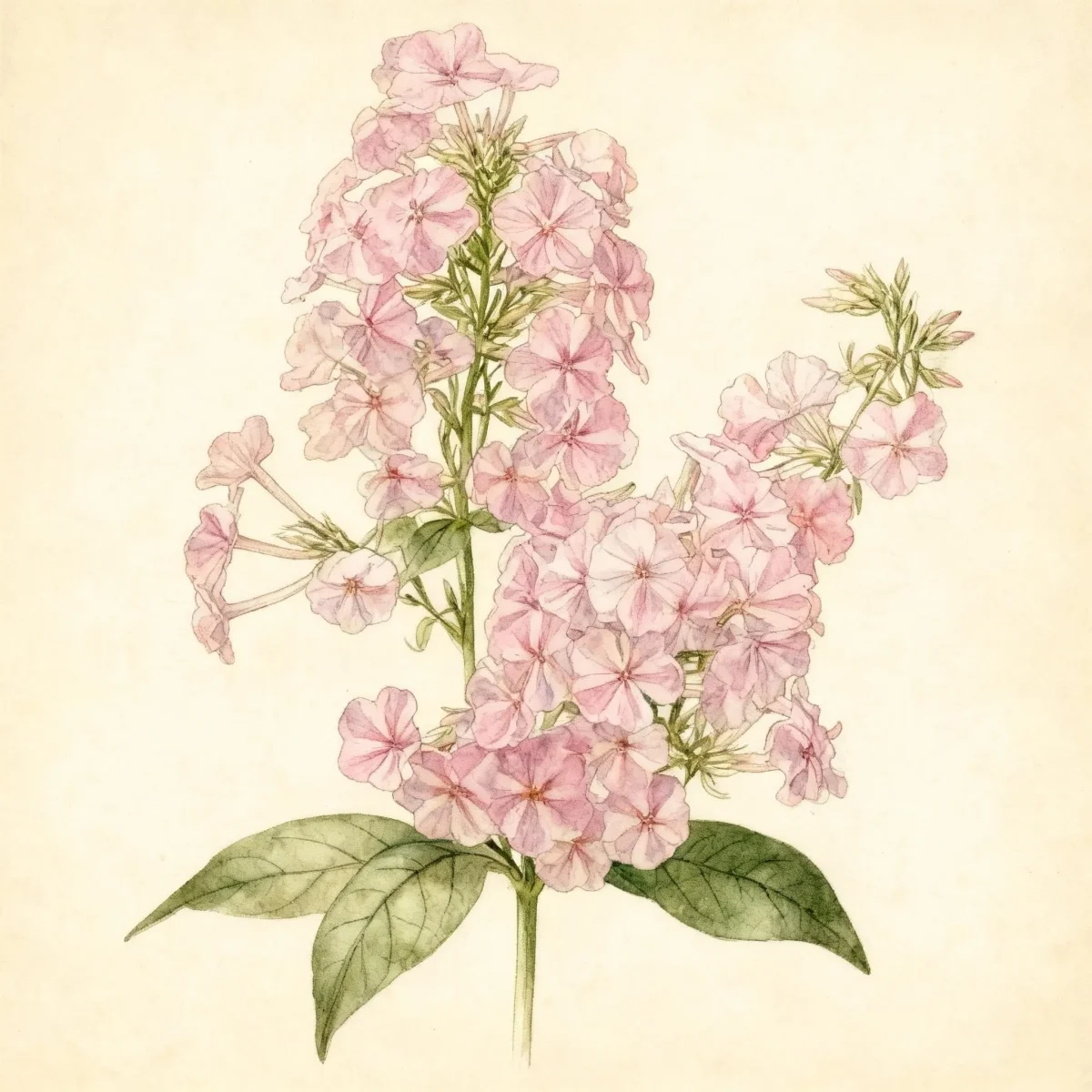
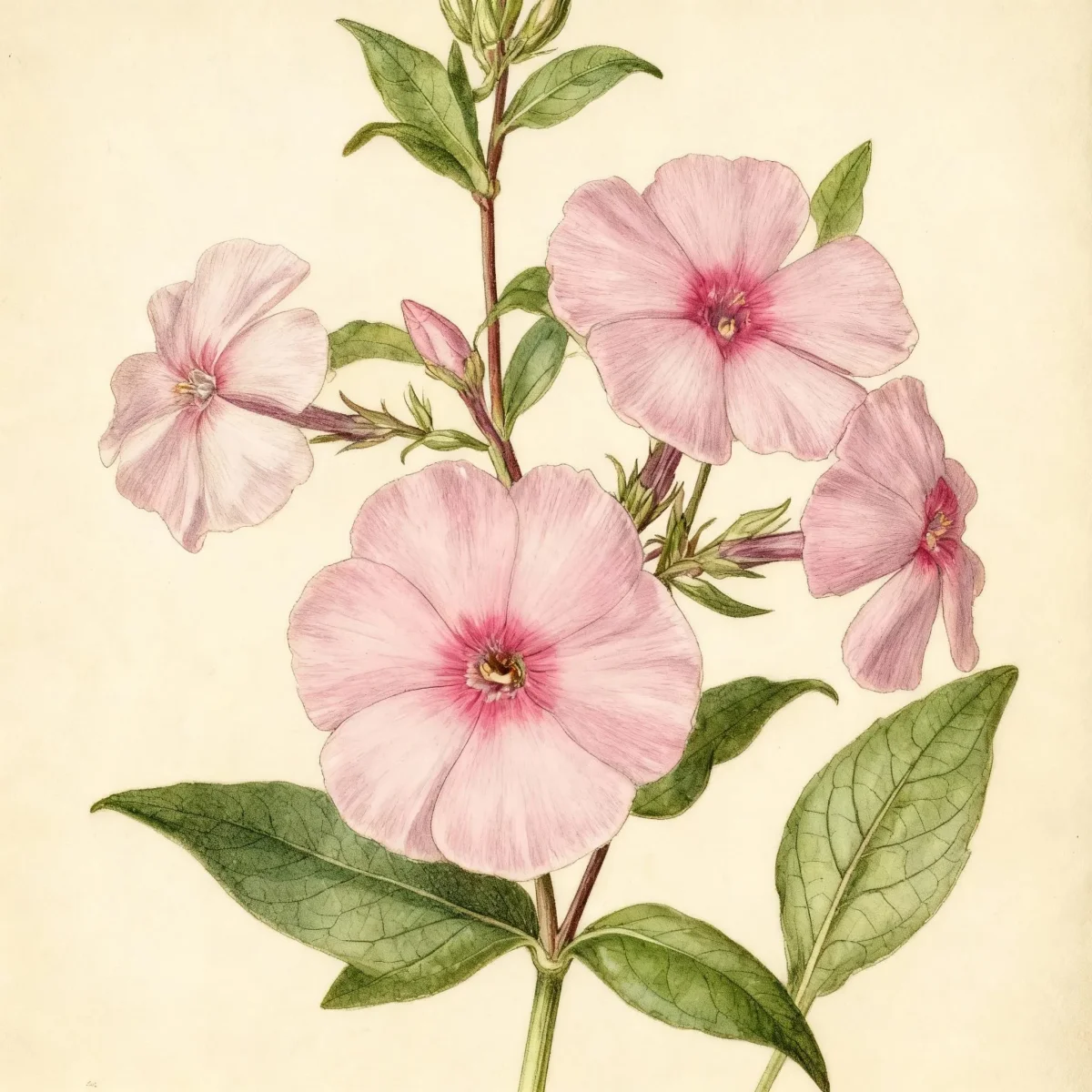
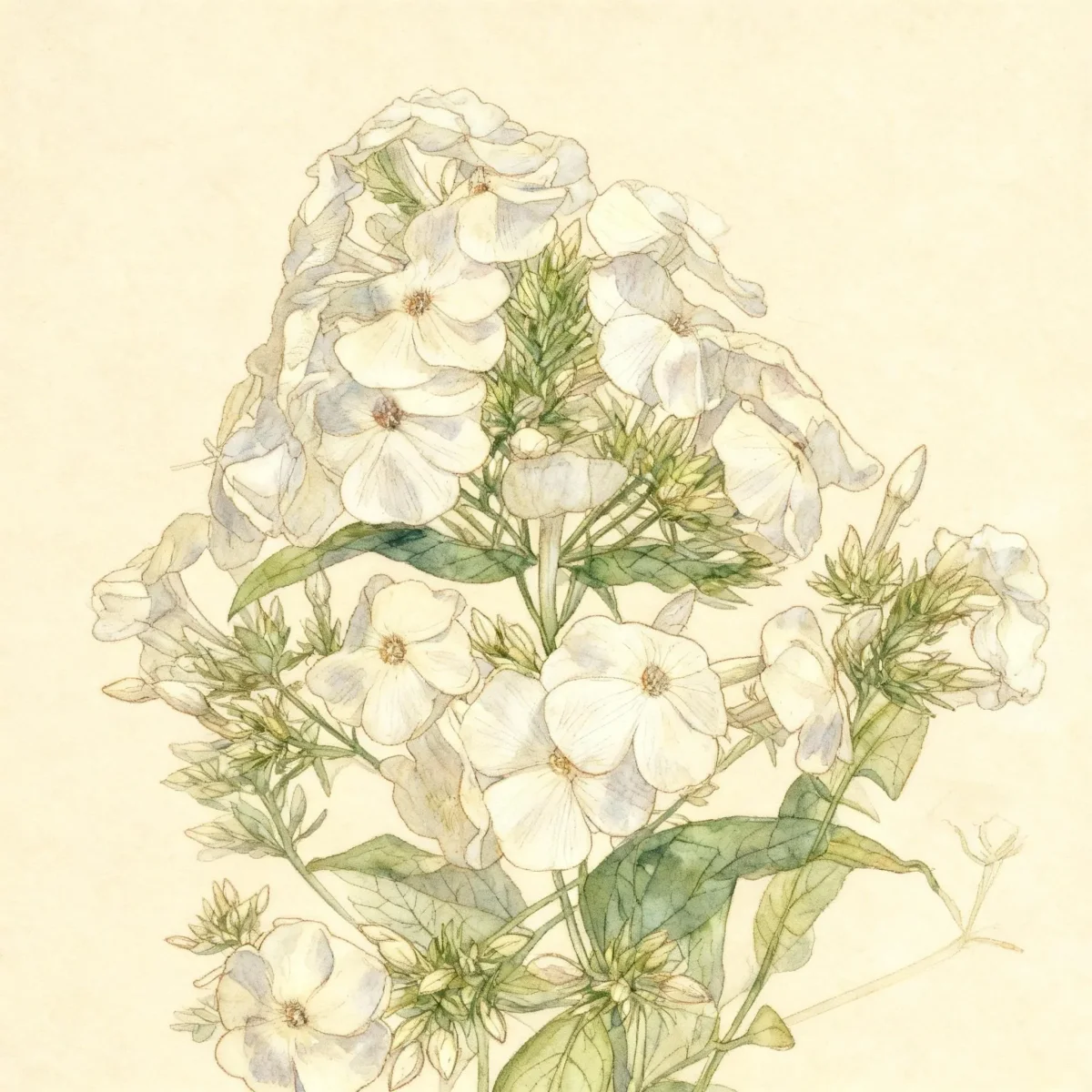
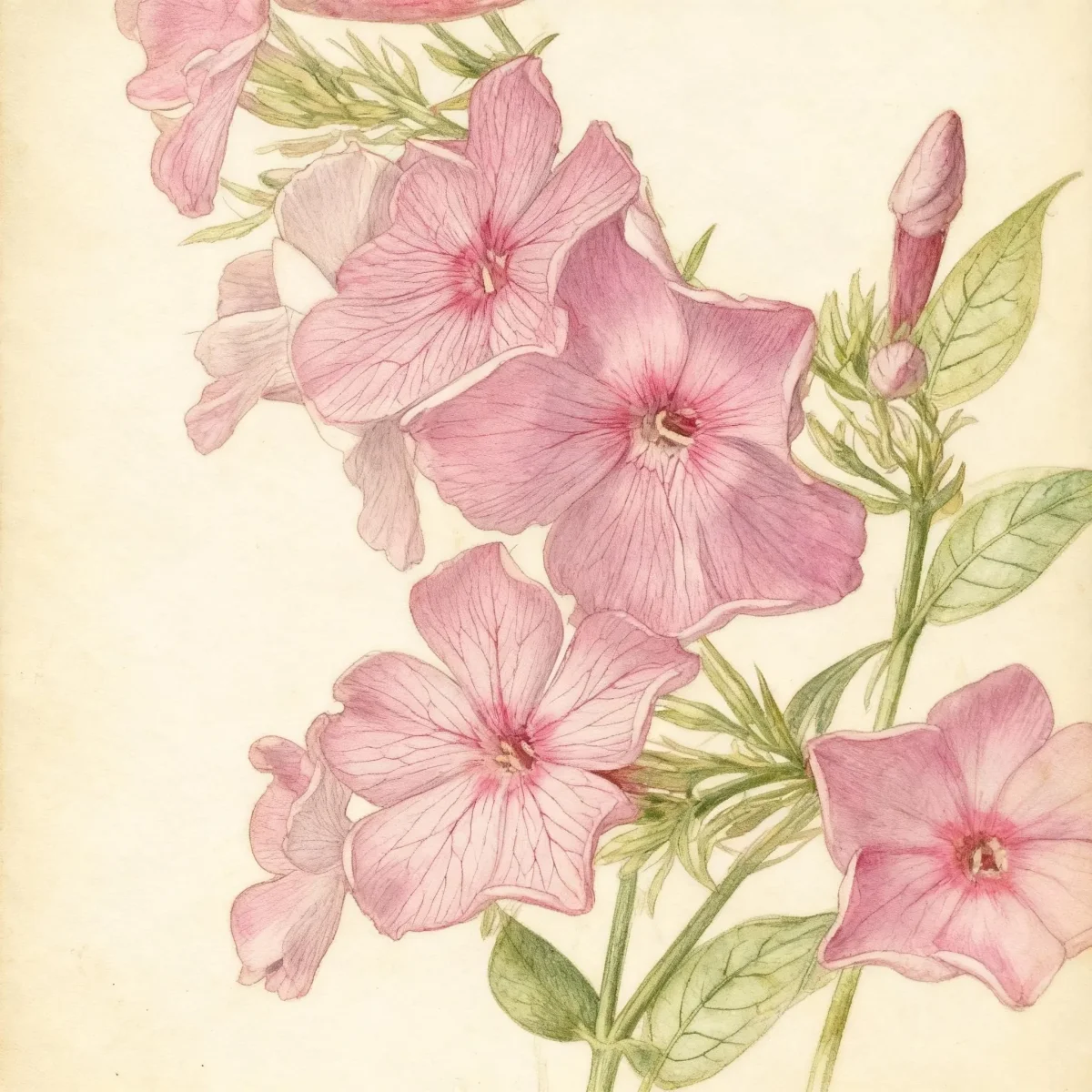
Sand phlox (Phlox bifida)
Discover Phlox bifida, the mat-forming Sand phlox perfect for dry, sunny spots. Enjoy fragrant, pale blue spring blooms.
Scroll down to discover growing tips, care requirements, companion plants, and more
Complete Plant Information
Overview
Sand phlox (Phlox bifida) is a highly valuable native ground cover recognized for its low-growing habit and delightful spring fragrance. This creeping phlox establishes a dense mat, making it excellent for stabilizing difficult slopes while providing an early burst of color. Gardeners appreciate its native resilience, thriving where many cultivated plants struggle.
This herbaceous perennial is native to the Central United States, preferring dry, often rocky conditions reminiscent of its native bluff ledges. Phlox bifida is notable for its unique, cleft petals, which give it its specific epithet. It handles challenging soils exceptionally well, requiring relatively little intervention once established.
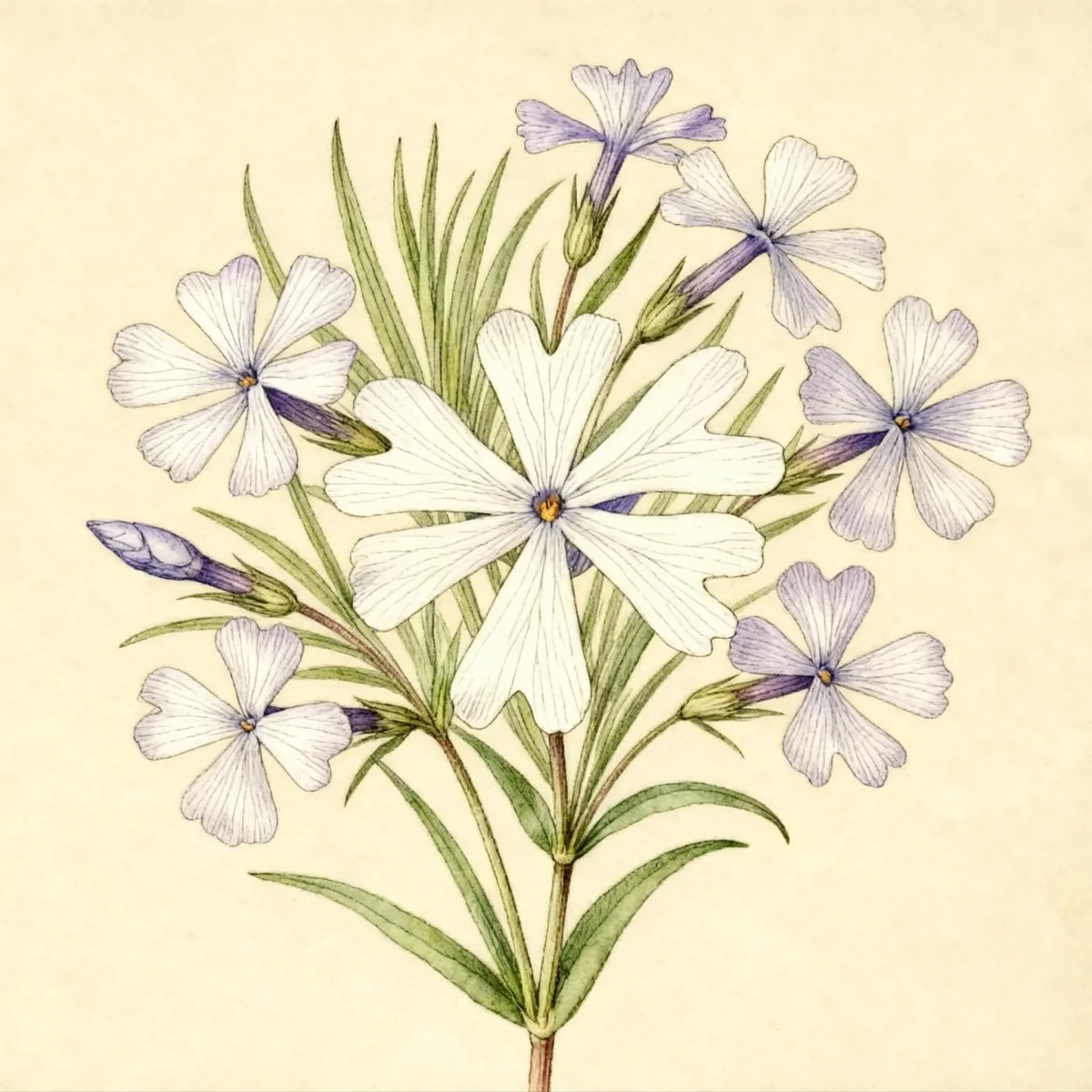
A key functional benefit of Phlox bifida is its adaptability; it performs best in full sun but tolerates light shade, offering pale blue to nearly white, showy flowers throughout May. For gardeners seeking durable, low-maintenance ground covers that support native ecology, Sand phlox is an outstanding choice.
Fast Facts
- Plant Family: Polemoniaceae
- Plant Type: Herbaceous perennial
- Native Range: Central United States
- Hardiness Zones: USDA Zones 4-8
- Size at Maturity:
- Height: 0.25-0.5 ft
- Spread: 0.5-1 ft
- Bloom Time: May
- Bloom Description: Pale blue to nearly white
- Sun Exposure: Full sun to part shade
- Water Needs: Dry to medium
- Maintenance Level: Medium
How to Grow
Establish Sand phlox during the cooler seasons, either spring or fall, allowing it time to root before summer heat arrives. The primary cultural requirement is excellent drainage; plant it in dry to medium, well-drained soil. While it tolerates light shade, full sun exposure promotes the densest growth and the most abundant flowering for this Phlox bifida variety.
Watering should be minimal once established, as this species is tolerant of both drought and poor soils. Avoid overly moist conditions, which can lead to cultural issues despite its natural mildew resistance. Fertilization is generally unnecessary; amending heavy soils with grit or sand to improve drainage is more beneficial than adding nutrients.
Maintenance is low, fitting perfectly into naturalized settings. Plants may slowly spread, forming large colonies over time through trailing stems and self-seeding. Pruning is rarely needed, though light trimming after flowering can help maintain a tidy shape if desired for formal borders.
Landscape Uses
Sand phlox excels wherever a low-maintenance, spreading carpet of color is desired in spring. Its short stature makes it an excellent ground cover beneath taller shrubs or trees where competition for light is moderate. Because it thrives in dry, exposed areas, look to incorporate Phlox bifida heavily into rock gardens or along retaining walls where soil is thin.
This spring-blooming phlox transitions beautifully into wildflower meadows or native landscape designs. Pair it with other drought-tolerant spring ephemerals or later-season blooms that appreciate low moisture levels. The fragrance of the Sand phlox flowers adds an olfactory dimension to perennial borders, providing an early contrast to emerging foliage.
In the perennial border, use it as a front-row edging plant where it can spill slightly over walkways or stone borders. Its ability to spread slowly means it can naturalize effectively, creating drifts of pale blue across the landscape without becoming aggressively invasive.
Standout Features
Flower Qualities
- Showy
- Fragrant
Noteworthy Characteristics
Phlox bifida, commonly called sand phlox, is a mat-forming phlox that grows to only 6” tall, and spreads by trailing or spreading stems and self-seeding. Native from Michigan to Iowa south to Kentucky, Arkansas and Oklahoma, this creeping phlox features 5-lobed, pale blue to almost white flowers with tubular corollas that bloom in spring (May). Each flower petal has a deep notch, and the plant features small, linear, lance-shaped, bright green leaves.
Tolerances
- Deer
- Drought
- Erosion
- Dry Soil
- Shallow-Rocky Soil
Potential Problems
While many ornamental phlox selections are prone to powdery mildew and root rot, native Phlox bifida shows excellent resistance, provided it is sited correctly. The primary potential problem arises from over-watering or planting in heavy, poorly drained clay soils, which can lead to crown or root rot. Ensure planting sites drain rapidly, mimicking the upland woods and bluff ledges where native populations establish themselves. If spread is too rapid for your taste, light shearing after flowering can help tidy the plant, but generally, healthy Sand phlox requires little intervention against pests or disease.
Frequently Asked Questions
What hardiness zones is Sand phlox suitable for?
Phlox bifida is suitable for USDA Zones 4 through 8, offering excellent cold tolerance.
How large does Phlox bifida grow?
This species is diminutive, typically reaching a height between 0.25 and 0.5 feet (3 to 6 inches) tall, with a spread ranging from 0.5 to 1 foot.
When does Sand phlox bloom?
Sand phlox blooms characteristically in May, producing flowers described as pale blue to nearly white.
What sun exposure does Phlox bifida need?
While it tolerates part shade, Phlox bifida performs best when given full sun exposure.
Conclusion
Phlox bifida offers exceptional value as a resilient, fragrant ground cover perfectly adapted to drier, sunnier locations in the garden. Utilizing this native Sand phlox helps create a low-maintenance tapestry of early spring color. Check your local USDA zone compatibility before planting this spring, ensuring well-draining soil to capitalize on its drought tolerance.
Companion Planting
For successful integration into dry garden schemes, pair Phlox bifida with other sun-loving, low-water perennials that share similar cultural needs. Consider companion plants that emerge later in the season, allowing the low-growing Sand phlox to provide early coverage without being overshadowed. Excellent companions include various sedums (Stonecrop), Dianthus species, or small native ornamental grasses that enjoy lean, dry soil conditions throughout summer.
Propagation Tips
Propagation of this species can be achieved through several methods, leveraging its natural growth habit. As noted, Phlox bifida plants may self-seed, producing new individuals along the edges of established colonies. Additionally, vegetative propagation is straightforward: take short stem cuttings from non-flowering growth during the early summer, ensure they have a node, and root them in a moist, gritty medium protected from intense sun. Dividing established clumps every few years is also an easy way to propagate more plants for new garden areas.