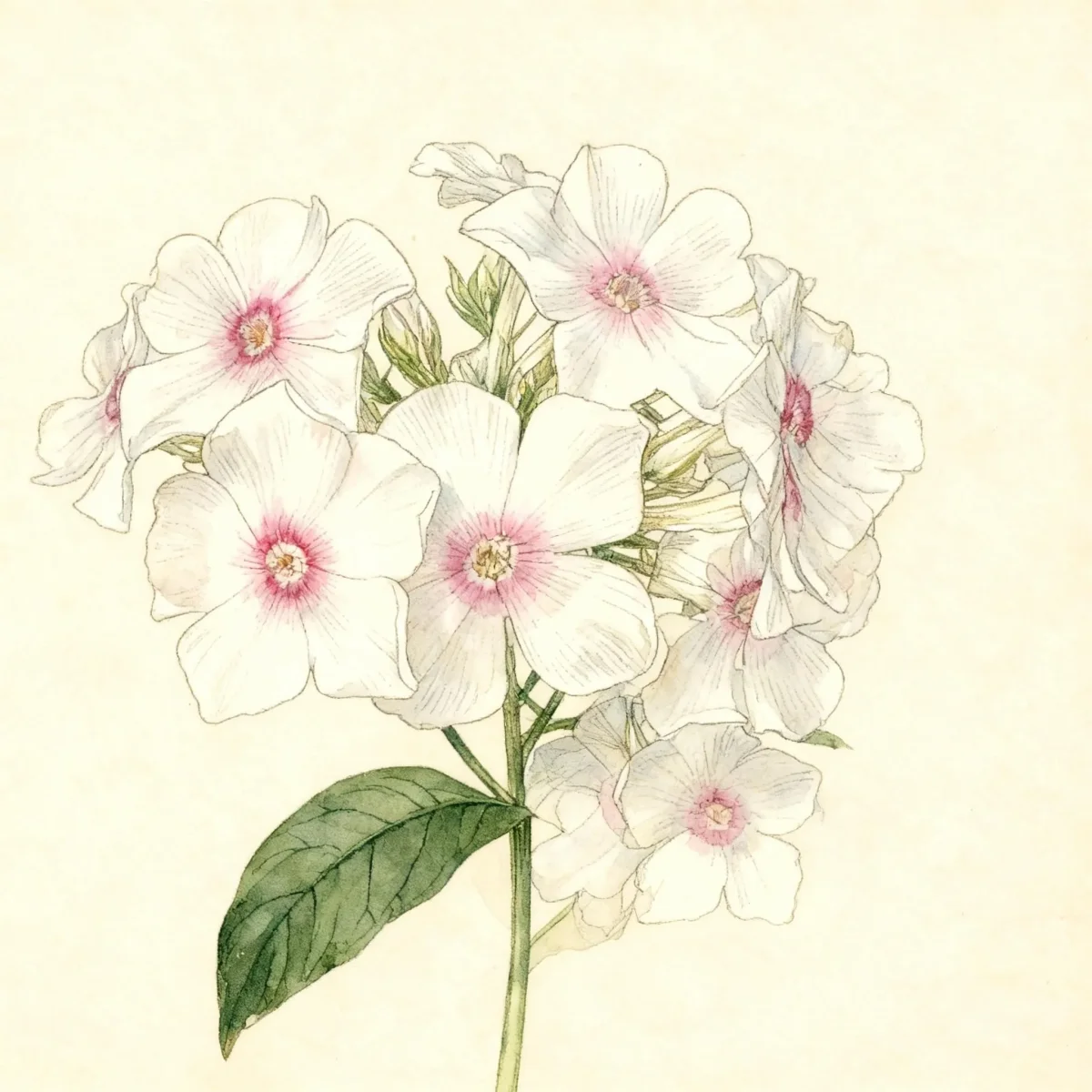
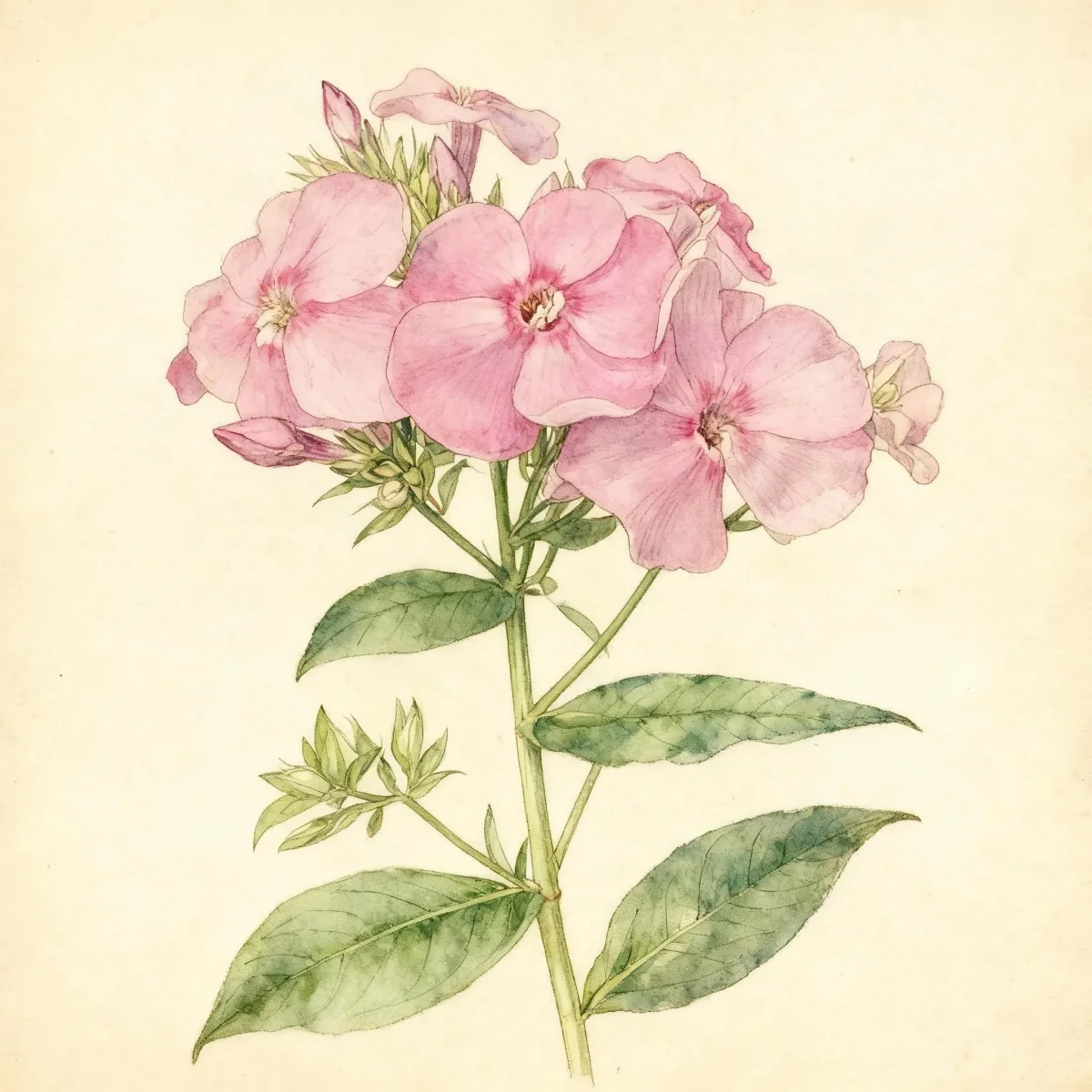
Phlox (Phlox drummondii)
Discover Phlox drummondii, a showy, fragrant annual Phlox native to Texas, blooming profusely from May to July.
Scroll down to discover growing tips, care requirements, companion plants, and more
Complete Plant Information
Overview
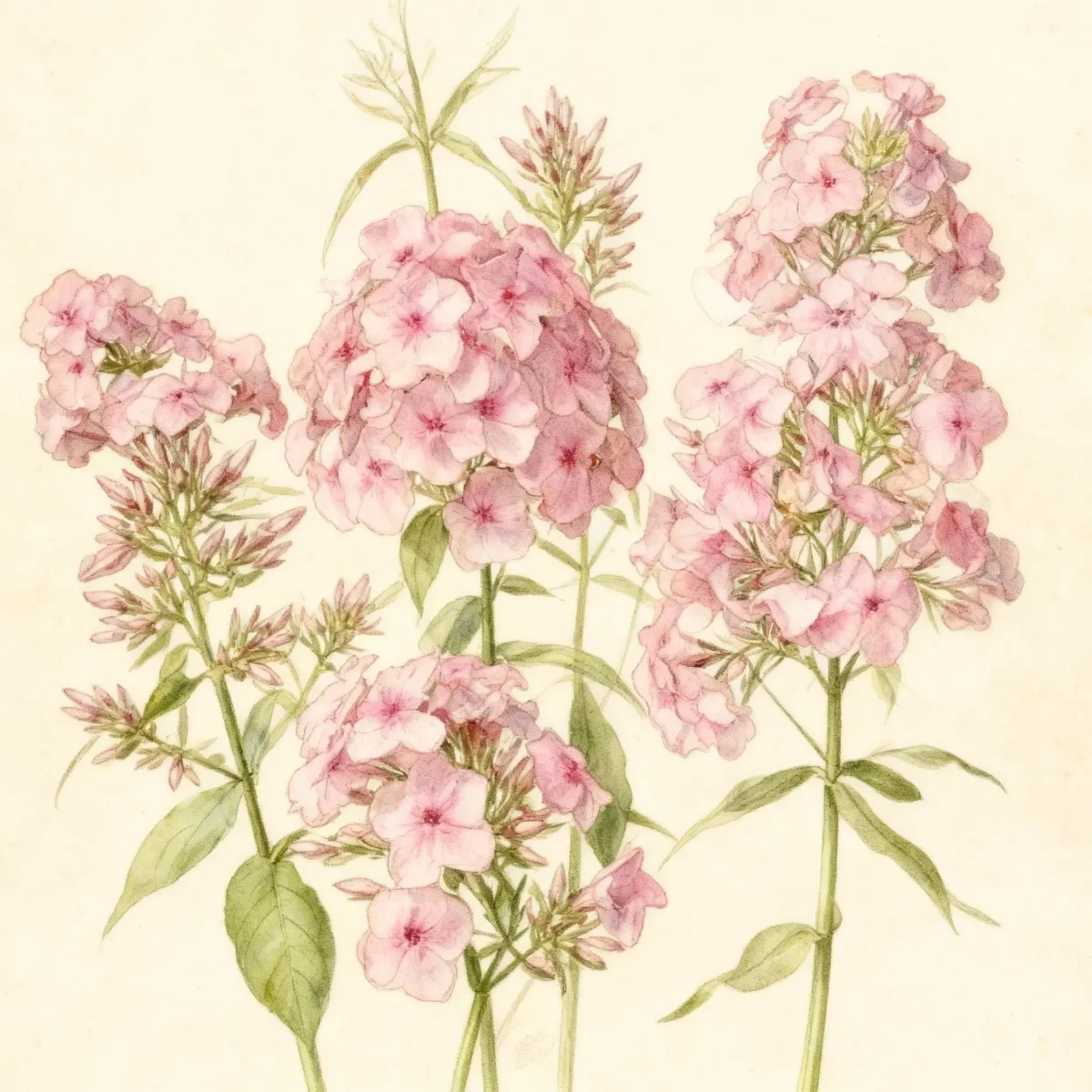
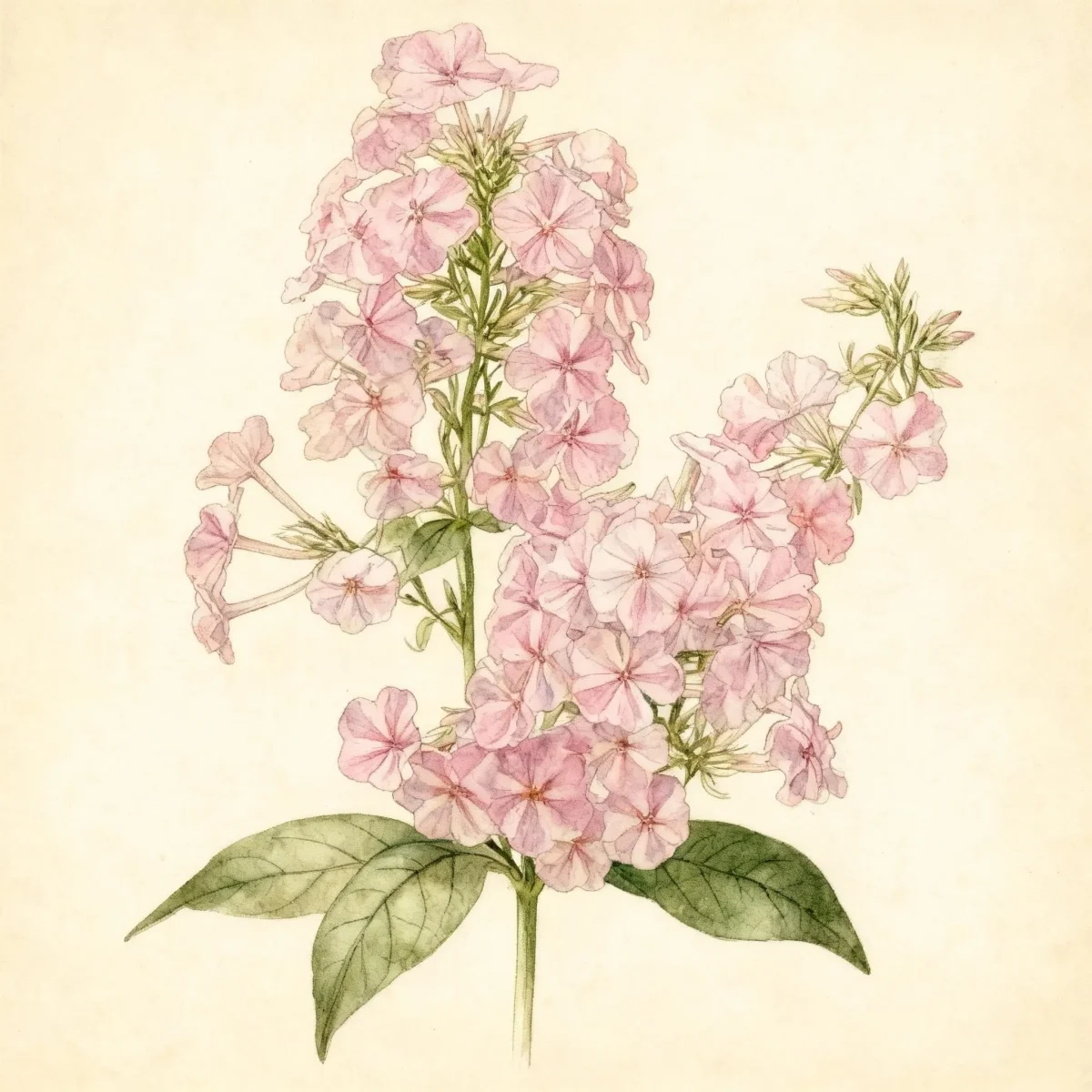
Phlox drummondii, commonly known as Phlox, is a highly valued annual prized for its vibrant, intense coloration and reliable summer performance. This species, native to Texas, brings a burst of rose-red, trumpet-shaped flowers to the garden beds from late spring into mid-summer, inspiring its common name, Texas Pride. Gardeners appreciate this Phlox for its relatively compact size and the delightful fragrance emitted by its clustered blooms.
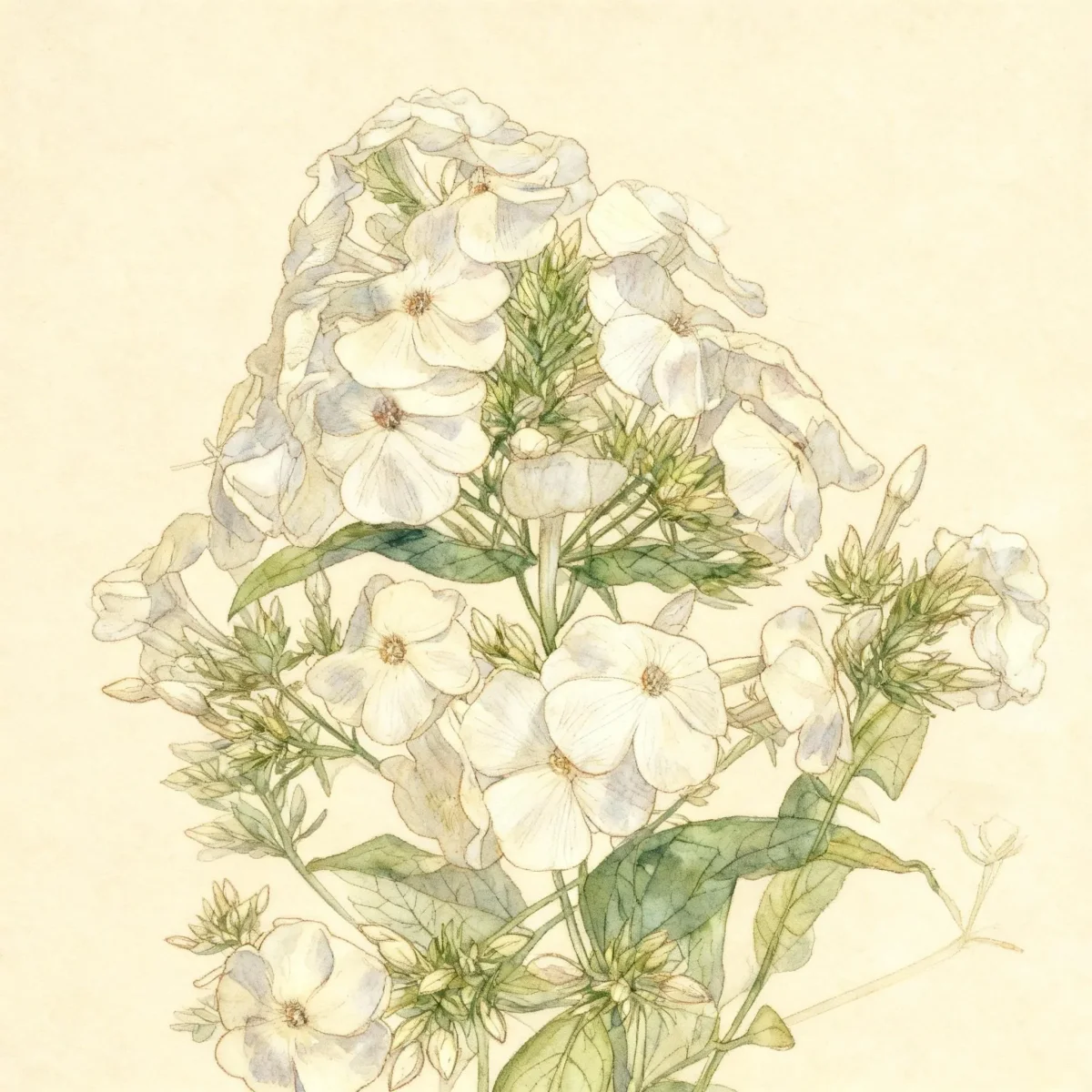
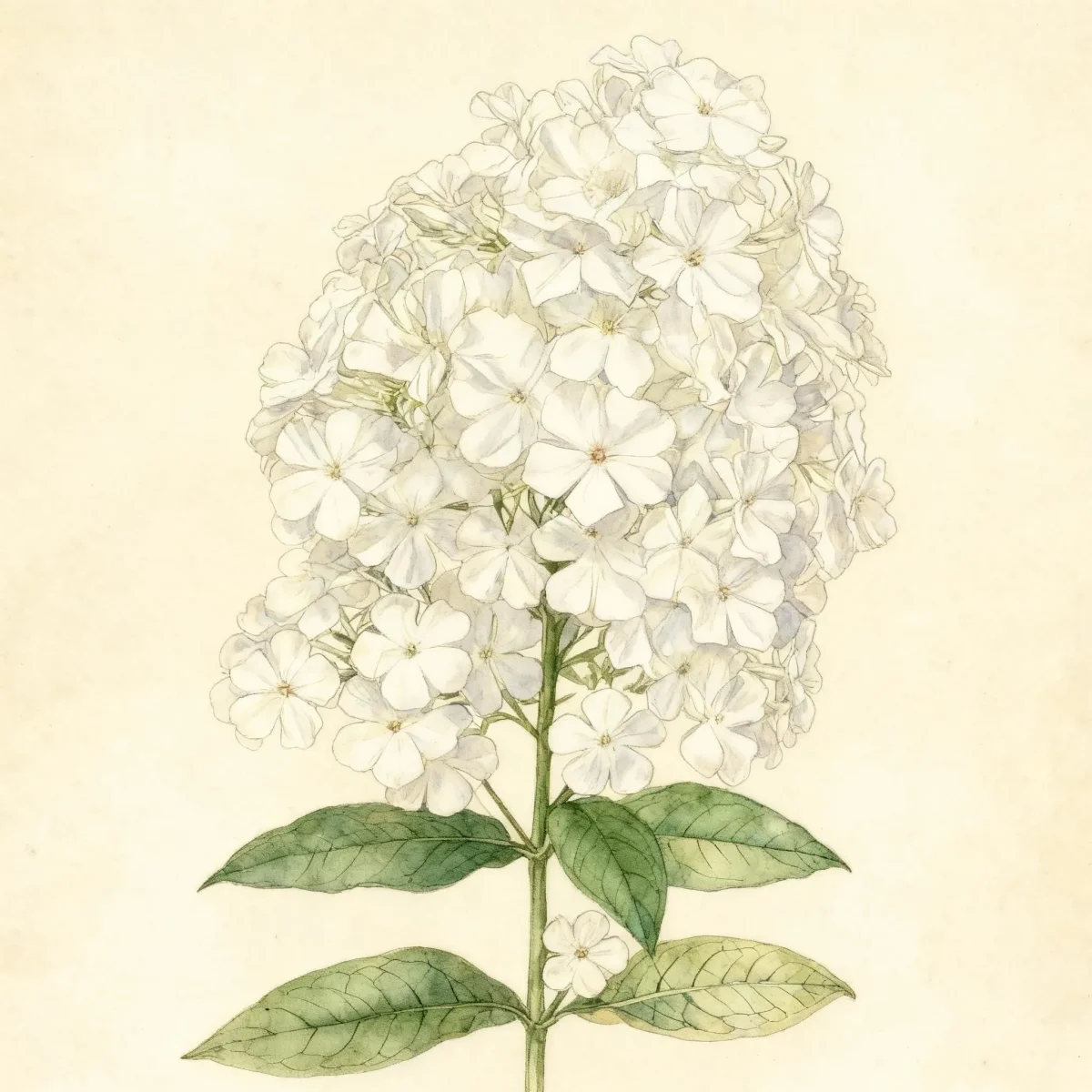
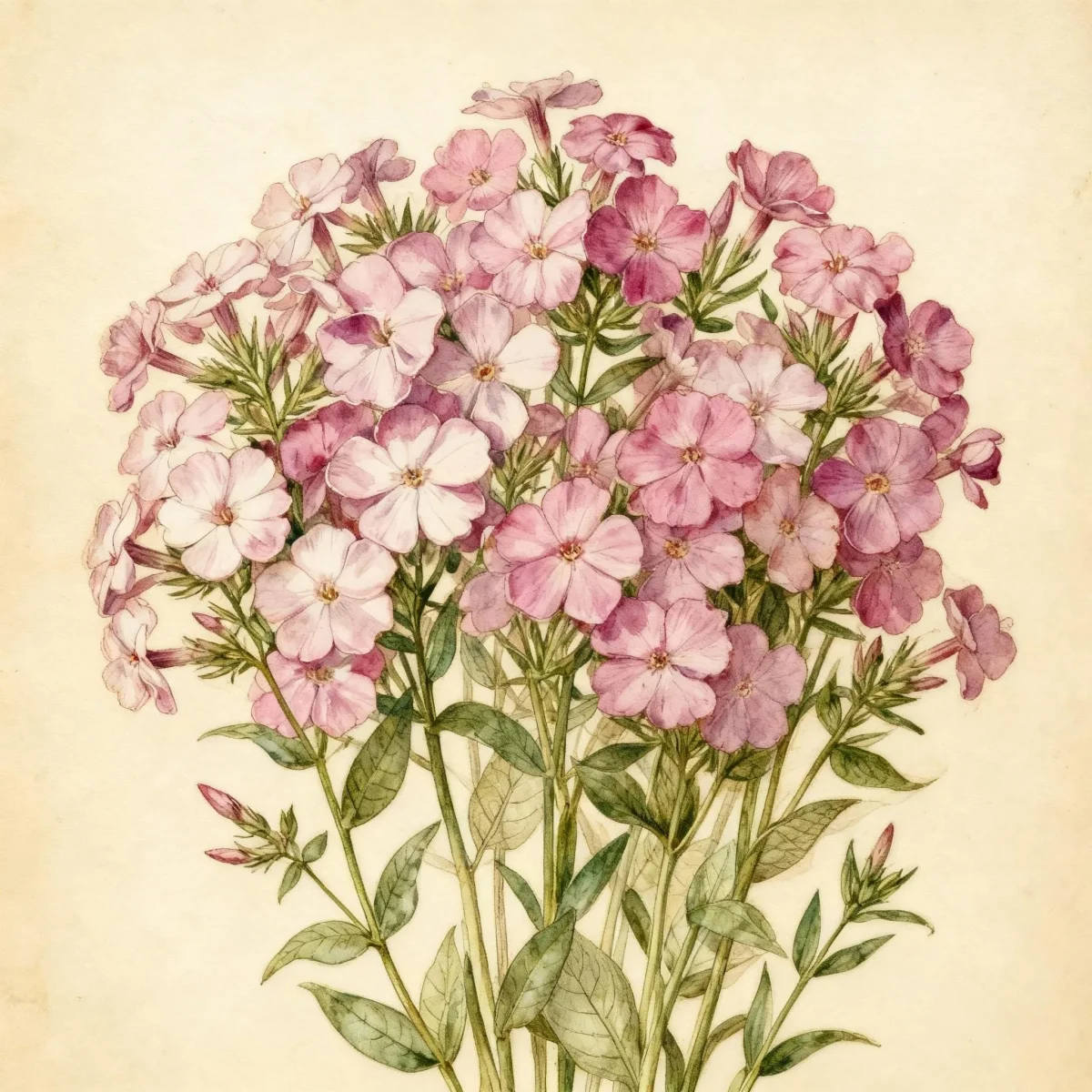
As an annual Phlox, it completes its life cycle in one season, making it a perfect choice for high-impact seasonal displays. While it performs best with consistent care, its ability to reseed means established colonies can return year after year under favorable conditions. The diversity available in modern cultivars ensures gardeners can find shades ranging from pink and lavender to white and buff, often featuring striking contrasting eyes.
The true charm of Phlox drummondii lies in its prolific flowering habit, which attracts attention until the oppressive heat of mid-summer forces a decline. Providing medium moisture and well-drained soil allows this Texan native to establish quickly—space plants about 8 inches apart to maximize visual impact in borders or mass plantings.
Fast Facts
- Plant Family: Polemoniaceae
- Plant Type: Annual
- Native Range: Texas
- Hardiness Zones: USDA Zones 2-11
- Size at Maturity:
- Height: 0.5-1 ft
- Spread: 0.5-1 ft
- Bloom Time: May to July
- Bloom Description: Rose-red
- Sun Exposure: Full sun to part shade
- Water Needs: Medium
- Maintenance Level: Medium
How to Grow
For the best display of Phlox drummondii, start seeds indoors about six to eight weeks ahead of your area’s last spring frost date, or purchase young plants in the spring. This annual thrives in loose, acidic, humusy, and consistently moist, well-drained soils. While it prefers full sun, locations receiving partial afternoon shade are beneficial in extremely hot summer climates.
Spacing plants approximately 8 inches apart ensures adequate air circulation, which is crucial for suppressing potential mildew issues. To encourage a bushy, denser habit rather than a leggy appearance, actively pinch the main stems of young Phlox plants. Regular deadheading—promptly removing spent flowers—is highly effective in prolonging the main bloom period, often until early July.
This Phlox prefers even moisture throughout its growing season; shallow, frequent watering is less effective than deeper, less frequent attention. Although it tolerates some dryness once established, maintaining consistent soil moisture maximizes flower production. In ideal garden settings, Phlox drummondii will often easily reseed itself, naturally appearing the following spring.
Landscape Uses
The compact stature and dense flowering of annual Phlox make it incredibly versatile for seasonal color design. These plants are excellent when massed together in beds and borders, providing a low-growing carpet of color that suppresses weeds and highlights taller selections planted behind them. Their bright hues are particularly effective along the edges of walkways and paths, creating a welcoming transition zone.
Due to their 0.5 to 1-foot spread, they function perfectly as bright edging material or as primary components in container arrangements and window boxes. Pair the intense colors of Phlox drummondii with fine-textured foliage plants or early-season bulbs that finish blooming as the Phlox reaches its peak. Rock gardens also benefit profoundly from their cheerful, low-maintenance coverage during the late spring.
Standout Features
Flower Qualities
- Showy
- Fragrant
Noteworthy Characteristics
Phlox drummondii is notable as an annual Phlox native to the grasslands and open woods of central and eastern Texas. Its striking flowers, which are fragrant and trumpet-shaped with five lobes, appear in dense clusters at stem tips, typically peaking from April/May to early July before slowing down in intense heat. Cultivars offer extended color palettes, making this species a fantastic, adaptable addition to annual rotations.
Tolerances
- Deer
Potential Problems
While generally robust, Phlox drummondii can face challenges, primarily related to humidity and soil conditions. Plants are susceptible to powdery mildew, especially when air circulation is poor or humidity levels remain high. To mitigate mildew, ensure proper spacing (8 inches apart) and water the soil directly rather than wetting the foliage.
Crown rot is a significant concern if the soil is not sufficiently well-drained, proving fatal to the annual Phlox. Avoid planting in heavy, waterlogged clay. Occasionally, spider mites can infest plants, particularly under hot, dry conditions, so monitor lower leaf surfaces and maintain adequate soil moisture to discourage these pests.
Frequently Asked Questions
What hardiness zones is Phlox drummondii suitable for?
This vibrant annual Phlox is surprisingly adaptable, suited for USDA Hardiness Zones 2 through 11.
How large does Phlox grow?
Phlox drummondii typically matures to a height and spread between 0.5 and 1 foot tall and wide.
When does Phlox bloom?
This annual Phlox offers its most spectacular displays from May through July, showing off bloom colors described as rose-red.
What sun exposure does Phlox need?
For optimal flowering, Phlox drummondii prefers a location that receives full sun, though it can tolerate part shade, especially where summer heat is intense.
Conclusion
The stunning colors and lovely fragrance ensure that Phlox drummondii remains a staple for vibrant seasonal bedding displays. This easy-to-grow annual Phlox provides reliable color from late spring until mid-summer heat sets in. Before planting, confirm your local last spring frost date to ensure the best start for establishing a beautiful carpet of this Texas native.
Companion Planting
When planning beds featuring Phlox drummondii, select companions that appreciate similar soil conditions—loose, well-drained, and medium moisture. Taller, structural annuals like Salvia farinacea or low-growing herbs with contrasting textures work well to offset the fine foliage and clustered blooms of the Phlox. Consider planting it alongside early-blooming perennials that fade before the Phlox peaks, ensuring continuous interest in the border.
Design Ideas
Use this low-growing annual to soften the edges of pathways where its flowers can cascade slightly over hardscape borders. In containers, place Phlox drummondii near the rim to maximize visibility of the showy blooms, using taller spillers or thriller plants in the center. Since the color is typically intense (rose-red offered here, but cultivars vary), utilize masses of white or cool blue companions to provide visual relief and enhance the vibrancy of this Phlox species.