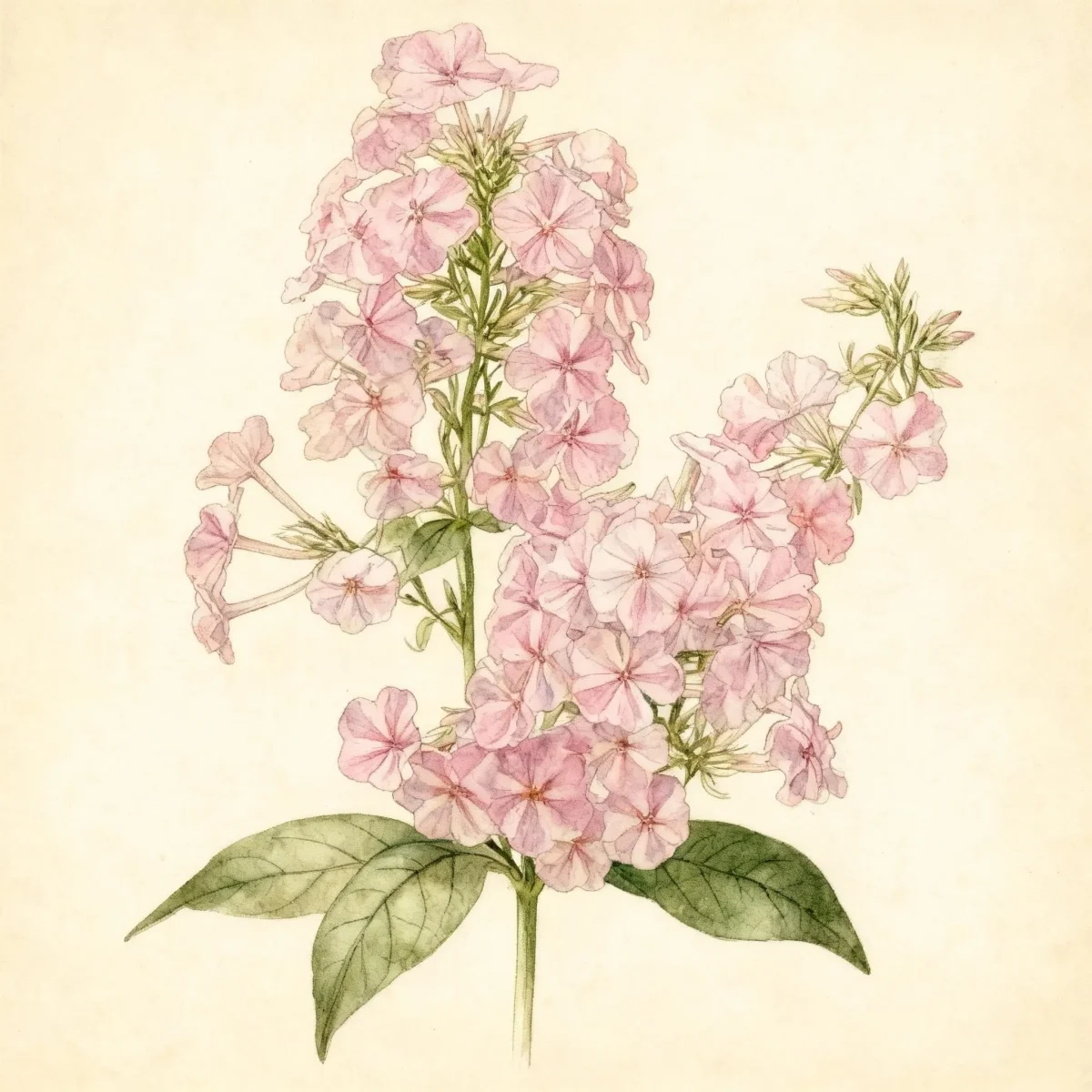
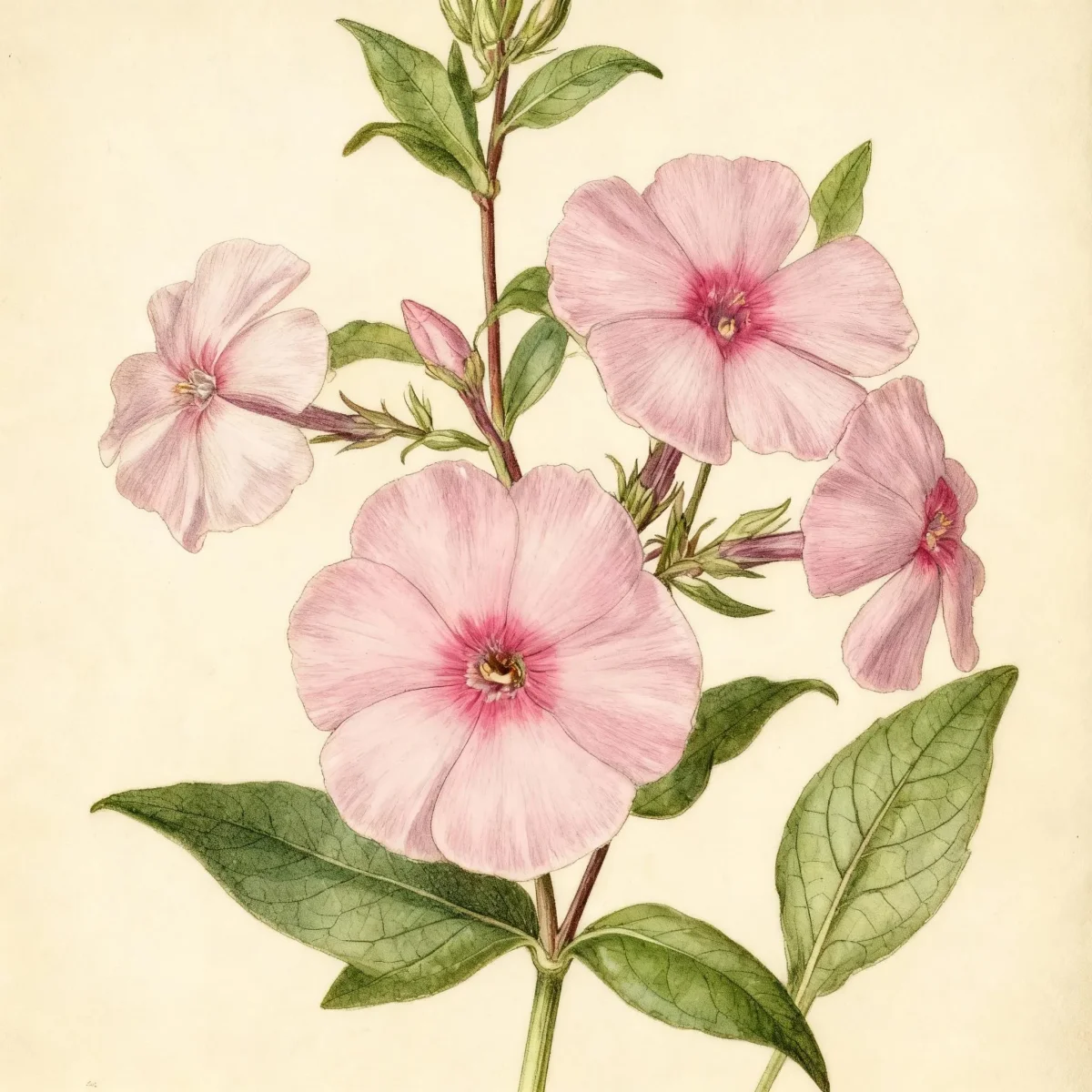
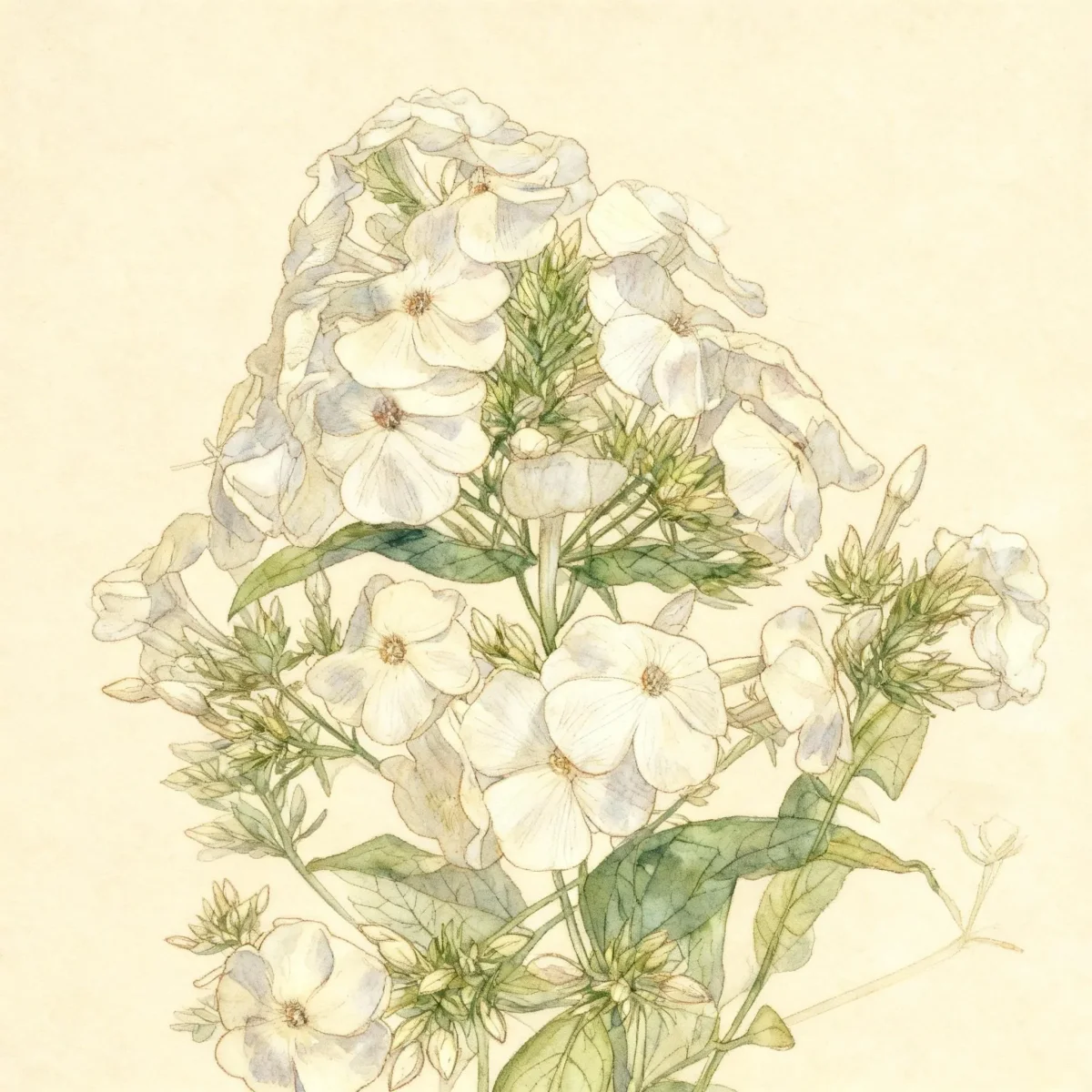
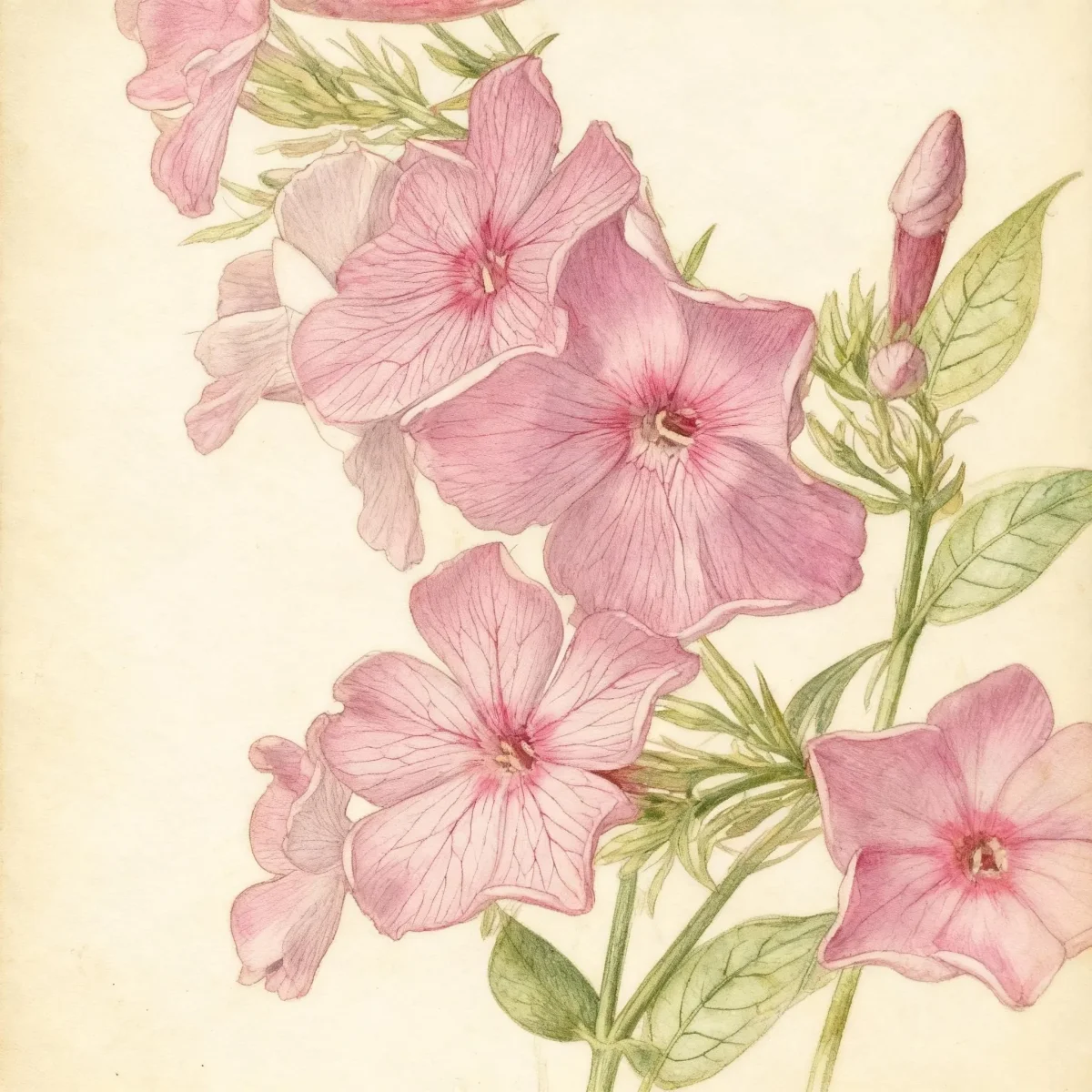
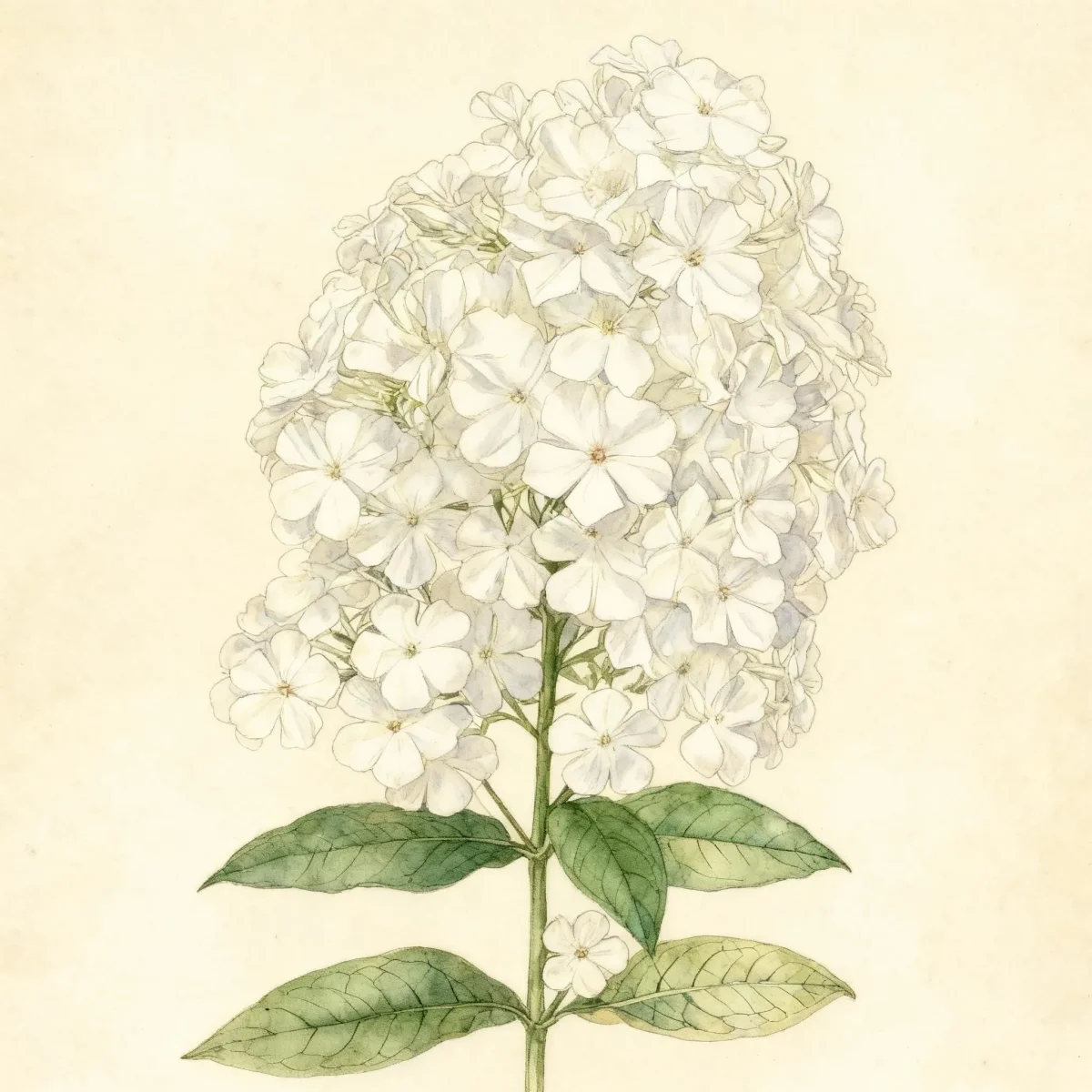
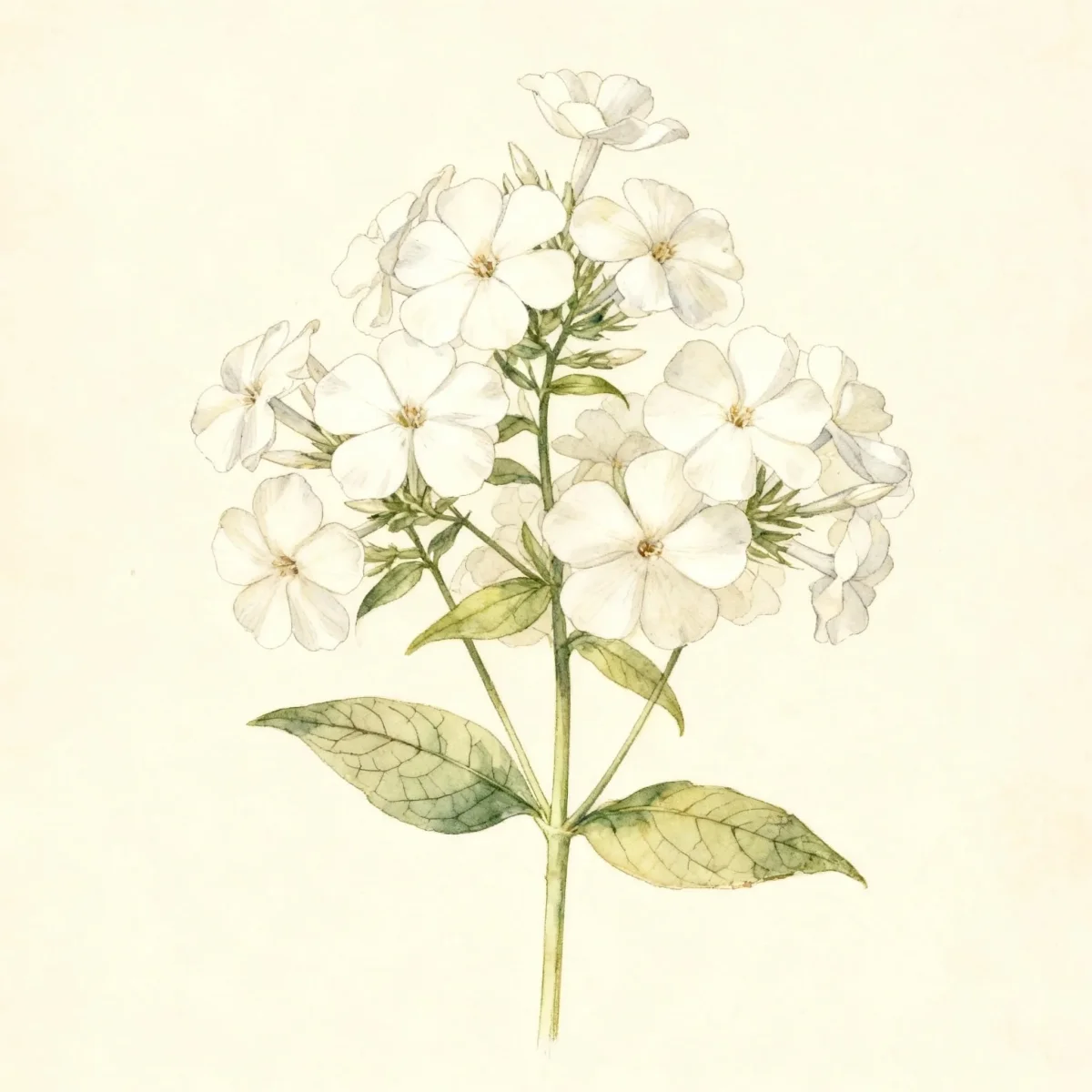
Smooth phlox (Phlox glaberrima)
Discover Phlox glaberrima, the Smooth phlox, an upright perennial blooming spring color. Zones 3-8, requires medium water.
Scroll down to discover growing tips, care requirements, companion plants, and more
Complete Plant Information
Overview
Phlox glaberrima, commonly known as smooth phlox, is a striking upright herbaceous perennial native to moist environments across the central and eastern United States. This species distinguishes itself by providing vibrant, sweetly-aromatic flower clusters relatively early in the season, often blooming in April and May when many other tall phlox varieties are still developing. It forms attractive, stiffly upright clumps suitable for adding vertical interest to spring gardens.
The value of Phlox glaberrima lies in its reliable performance and hardiness across USDA Zones 3 through 8. Unlike some sun-loving phlox relatives, this variety handles heat and humidity well and exhibits an excellent resistance profile against common foes like powdery mildew. Gardeners appreciate Smooth phlox for its ability to naturalize gently, creating welcoming colonies without becoming overly aggressive.
Overall, Phlox glaberrima offers showy, fragrant perennial color perfect for cottage gardens or native wildflower meadows. Its robust nature and moderate size (2 to 4 feet tall) make it a functional and beautiful addition to stable perennial borders that receive consistent moisture throughout the growing season.
Fast Facts
- Plant Family: Polemoniaceae
- Plant Type: Herbaceous perennial
- Native Range: Central and eastern United States
- Hardiness Zones: USDA Zones 3-8
- Size at Maturity:
- Height: 2-4 ft
- Spread: 2-2.5 ft
- Bloom Time: April to May
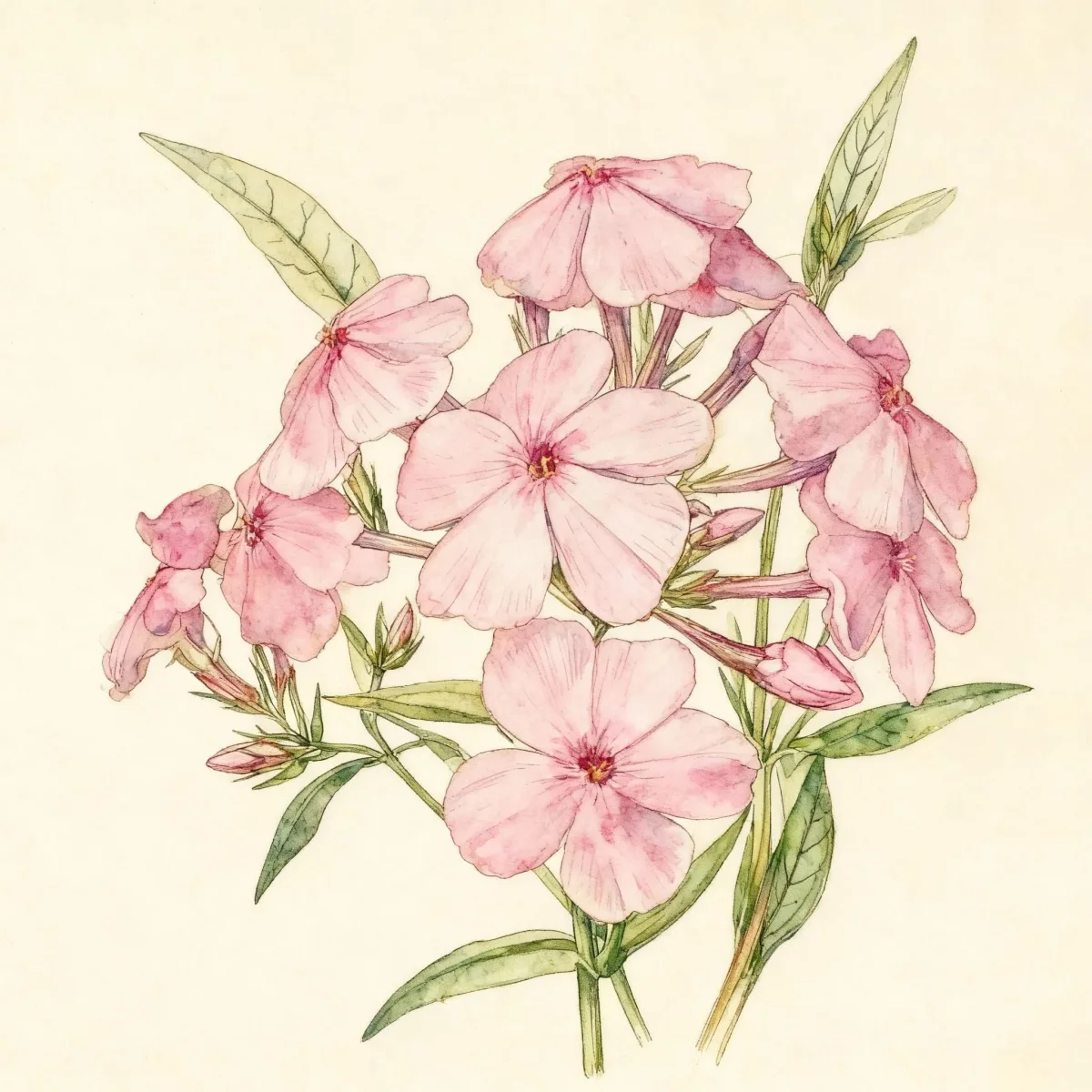
- Bloom Description: Reddish purple to pink, some white
- Sun Exposure: Full sun to part shade
- Water Needs: Medium
- Maintenance Level: Medium
How to Grow
The best time to establish Smooth phlox is typically in the spring or fall when conditions are cooler, though established plants are quite adaptable. Select a location that offers full sun exposure or light shade, ensuring the soil is moderately fertile and well-drained. Phlox glaberrima thrives in medium moisture conditions and benefits significantly from organically rich soils; remember this species prefers consistent moisture and is intolerant of drought, requiring supplemental watering during dry spells.
Maintenance for Phlox glaberrima is relatively straightforward. While the plant handles hot, humid summers well, deadheading faded flower panicles is recommended if you wish to slightly prolong the display or prevent excessive self-seeding. Since this plant can spread slowly via rhizomes and self-seeding to form colonies, occasional thinning may be necessary decades down the line to maintain desired spacing.
As one of the taller phlox varieties, ensure its placement allows its stiff, upright stems (which rarely need staking) to stand out. Because it handles more soil moisture than many other phlox species, avoid planting it in areas prone to waterlogging, which can lead to root issues. Good air circulation is always beneficial, particularly in humid climates.
Landscape Uses
Smooth phlox is highly valued as a sturdy backbone plant, particularly in settings aiming for a more naturalized look. Its suggested use is readily achieved in wildflower meadows or sprawling native plant gardens where it can form the sweeping patches it naturally prefers. Position this Phlox glaberrima toward the middle or back of a perennial border where its 2 to 4-foot height will provide excellent structure without overwhelming shorter foreground plants.
For cottage gardens, this plant mixes wonderfully with later-blooming perennials that can take over color duties once the spring bloom fades. Consider pairing Smooth phlox with plants requiring similar medium moisture regimes and partial sun, such as certain ferns or Astilbes, creating a lush, verdant backdrop. Its early flowering season ensures that the garden has structure and visual interest before the summer riot begins.
Standout Features
Flower Qualities
- Showy
- Fragrant
- Good Cut
Noteworthy Characteristics
Phlox glaberrima, commonly called smooth phlox, is native from Virginia to Wisconsin south to Florida and Texas, typically occurring in moist meadows and along riverbanks. It presents sweetly-aromatic, tubular, rose to reddish-purple flowers in dense, pyramidal terminal clusters atop stiff stems that seldom need staking. As the common name suggests, this plant is essentially hairless, helping to distinguish it from fuzzier phlox relatives while providing one of the few tall phlox displays in spring.
Tolerances
- Deer
Potential Problems
One of the main advantages of Phlox glaberrima is that it exhibits excellent resistance to two common phlox issues: powdery mildew and root rot, making it a reliable choice for the St. Louis climate and other humid regions. However, gardeners should remain vigilant for spider mites, especially during periods of sustained hot and dry weather. Consistent medium watering helps mitigate mite infestations, as these pests prefer dry, stressed conditions. Monitor the underside of the leaves and treat promptly with insecticidal soap if populations build up.
Frequently Asked Questions
What hardiness zones is Smooth phlox suitable for?
Phlox glaberrima is reliably hardy across USDA Zones 3 through 8, giving it a wide planting range across the country.
How large does Phlox glaberrima grow?
This herbaceous perennial typically matures to a height between 2 and 4 feet tall, with a spread of about 2 to 2.5 feet wide.
What sun exposure does Smooth phlox need?
Smooth phlox performs best in conditions ranging from full sun to light, partial shade, provided it receives adequate moisture.
When does Phlox glaberrima bloom?
This species blooms in the earlier part of the season, generally from April to May, displaying reddish purple to pink flowers, sometimes with white accents.
Conclusion
The Smooth phlox, or Phlox glaberrima, is an outstanding choice for gardeners seeking reliable, showy spring flowers paired with high disease resistance. Its ability to tolerate humidity and its moderate watering needs make it versatile for meadows and borders alike. We encourage you to incorporate this robust Phlox glaberrima into your landscape design this season, ensuring you check your local hardiness zone compatibility first.
Companion Planting
When planning the garden around your Phlox glaberrima, choose companions that share its preference for medium moisture and rich soil. Late-spring bloomers or summer foliage plants work well to fill the space after the phlox finishes flowering. Consider pairing it with Hosta varieties that tolerate sun, or native favorites like Culver’s root (Veronicastrum virginicum), whose vertical spires create visual contrast. Early spring bulbs are also excellent foreground plants, as the bulbs wither away just as the smooth phlox begins its vigorous summer growth.
Wildlife Benefits
As a native species producing abundant, easily accessible flowers, Phlox glaberrima is highly beneficial for early-season pollinators. The tubular structure of the flowers is particularly attractive to butterflies and long-tongued bees emerging from winter dormancy. Because the bloom time is early, it helps bridge the gap when fewer nectar sources are available for emerging beneficial insects. Planting substantial drifts of Smooth phlox ensures a reliable food source throughout its short but intense flowering period, supporting local biodiversity.