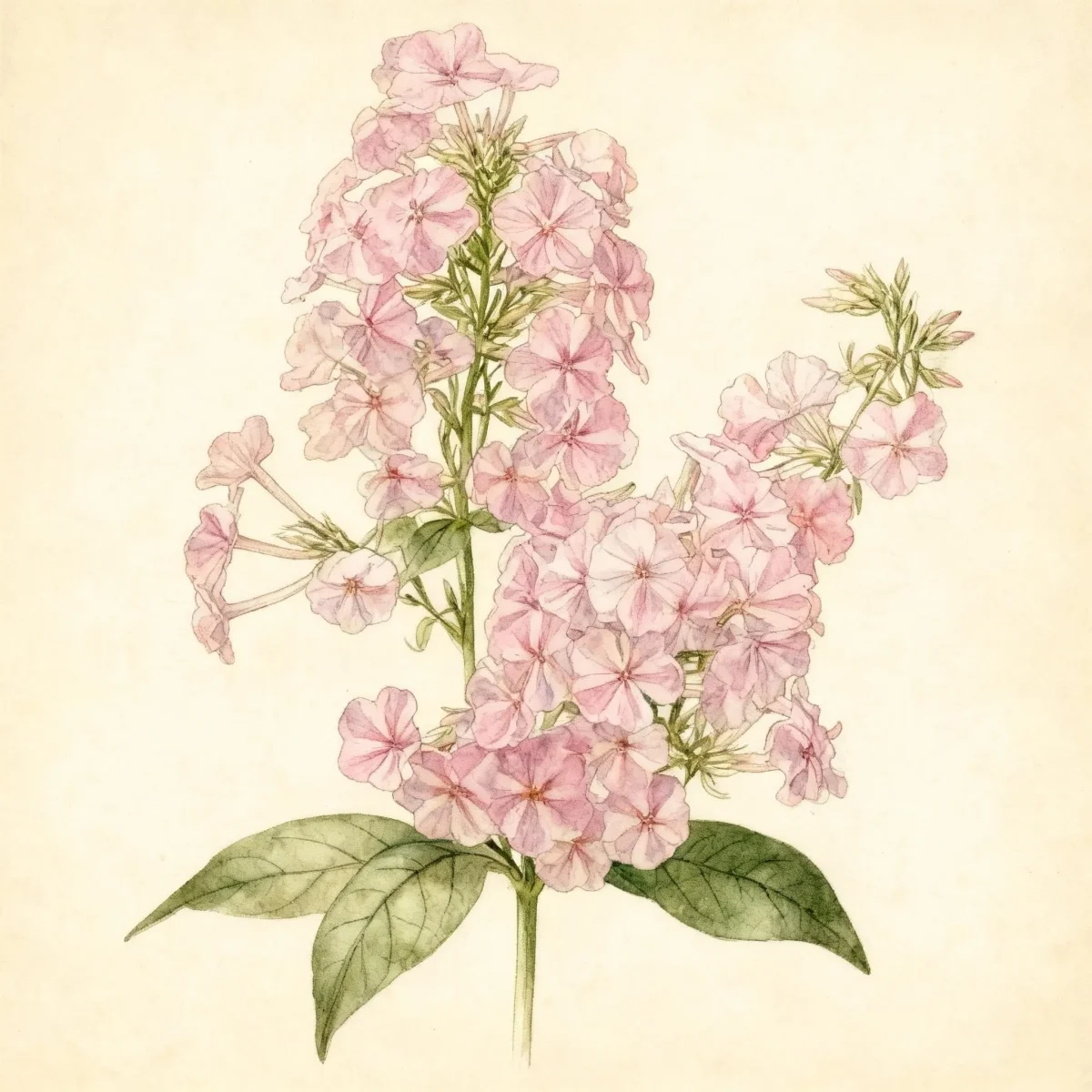
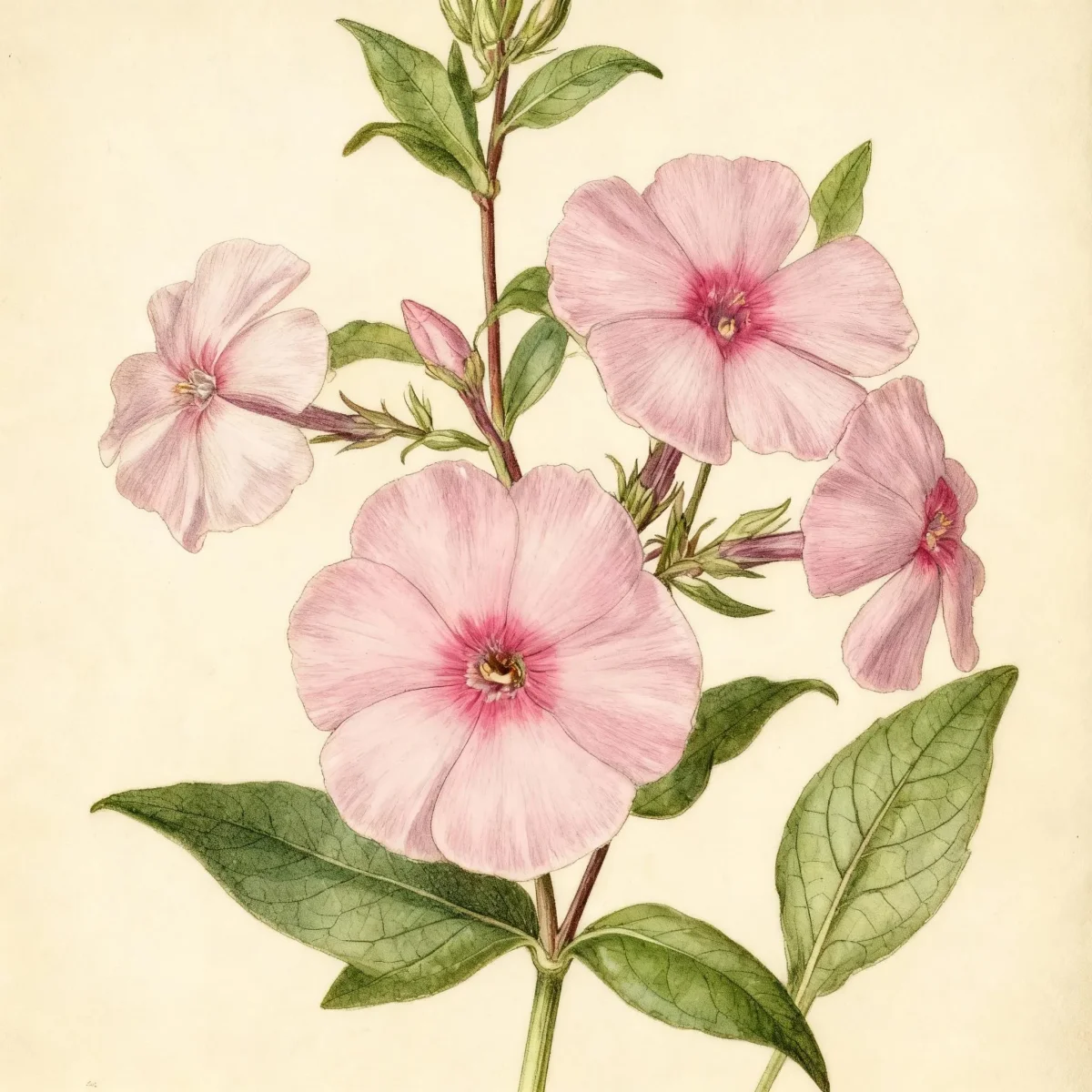
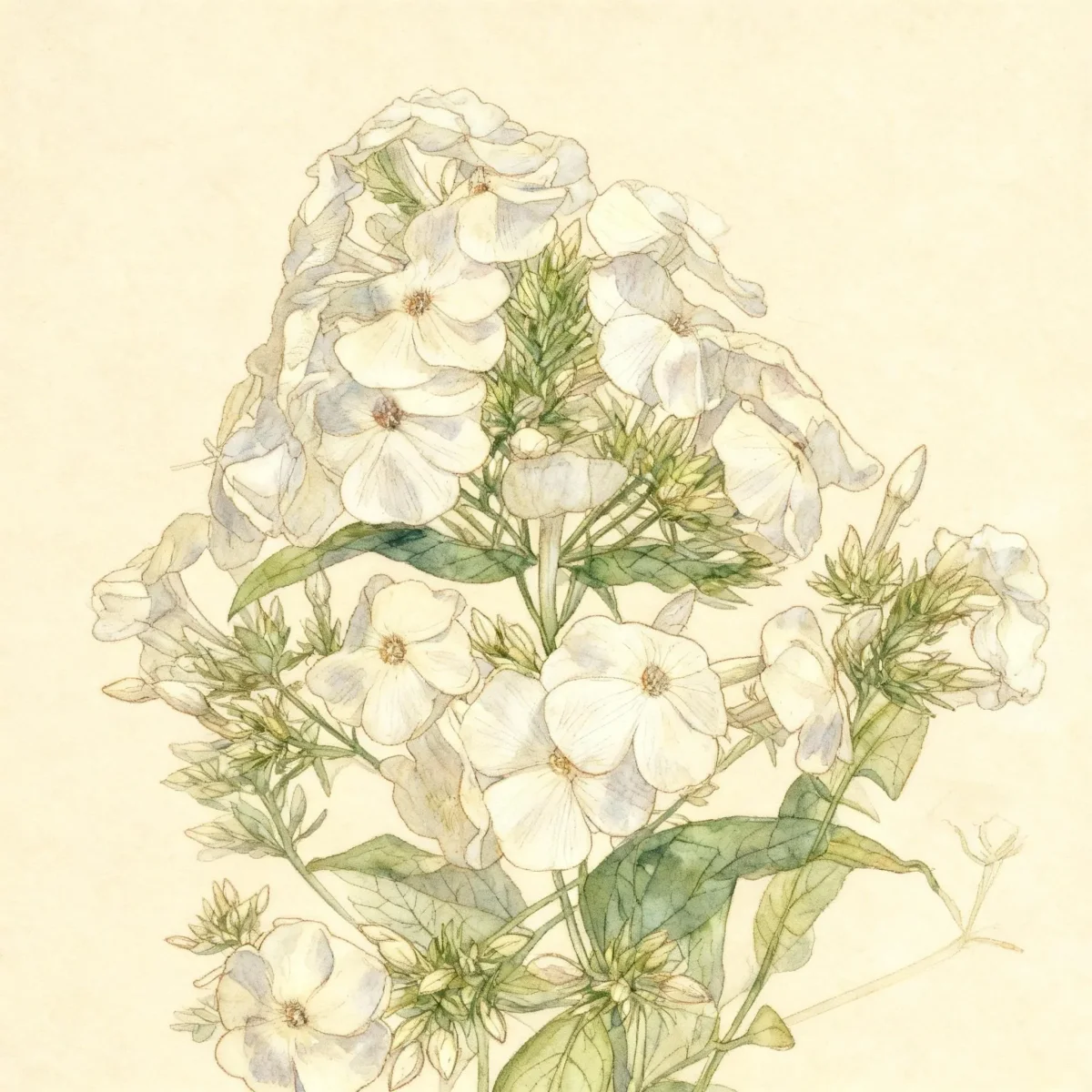
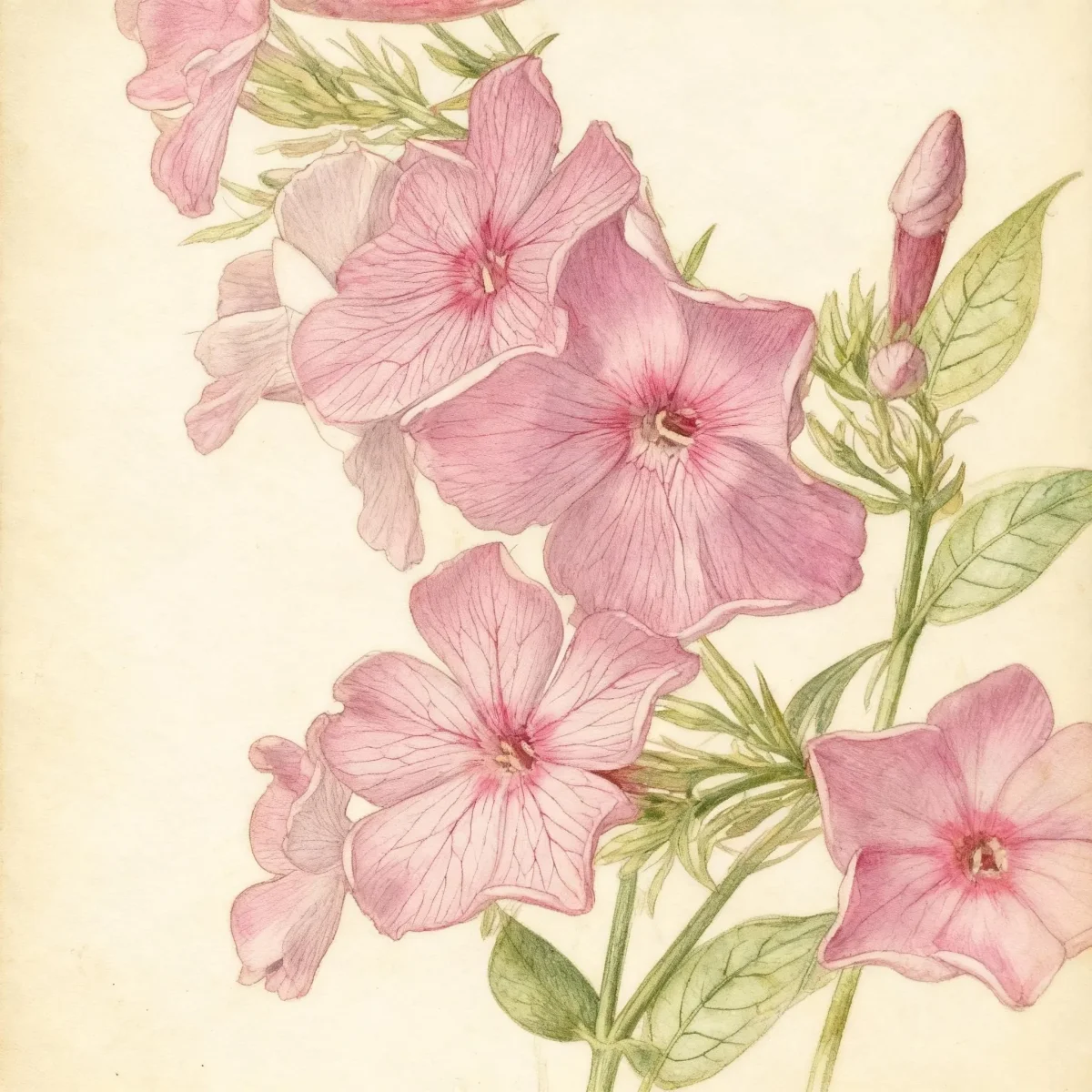
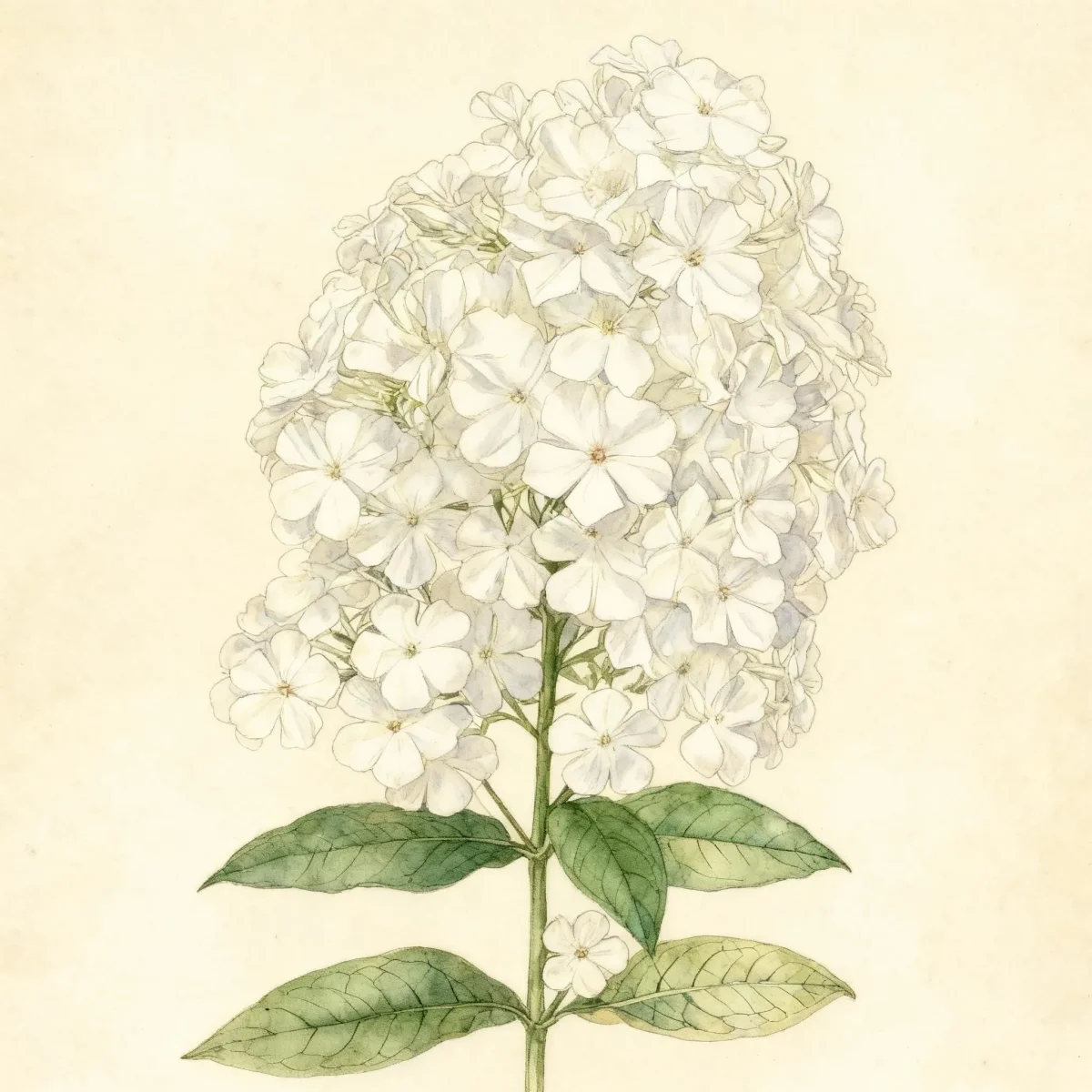
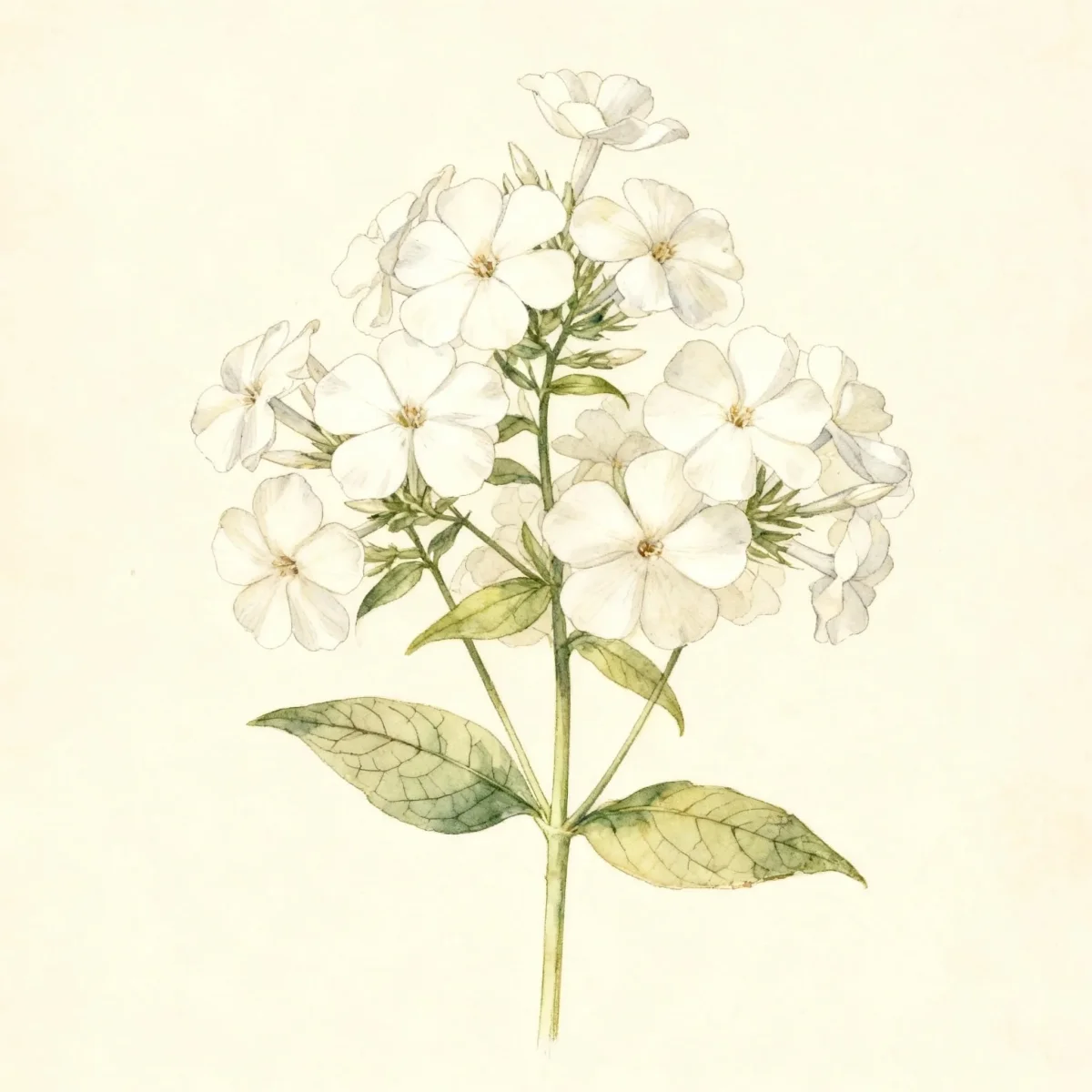
Spotted phlox (Phlox maculata)
Discover Spotted phlox (Phlox maculata), a mildew-resistant perennial for borders blooming pinkish-purple from August to October.
Scroll down to discover growing tips, care requirements, companion plants, and more
Complete Plant Information
Overview
Spotted phlox, botanically known as Phlox maculata, provides vibrant color late in the growing season, filling summer gardens from August through October. This native perennial is highly valued for its upright habit, striking pinkish-purple flowers, and noted resistance to powdery mildew, making it a superior choice over more susceptible garden phlox varieties. Phlox maculata is an excellent selection for gardeners seeking reliable late-season interest that is attractive to numerous pollinators.
Native to moist meadows and low woods across the Eastern United States, Spotted phlox thrives when given consistently moist, rich soil and good air circulation. It forms attractive clumps, gradually spreading via rhizomes and reseeding to create lush colonies over time, adding natural texture to perennial beds. The stiff, upright stems, which bear the distinctive reddish spots mentioned in its epithet, rarely require staking, ensuring tidy garden performance.
Beyond its aesthetic appeal in the border, Phlox maculata offers substantial ecological benefits. Its late bloom period supports pollinators when many other summer flowers are finished, and its structure provides vertical interest in native plantings. For a robust, moderately low-maintenance perennial that handles mid-to-late season moisture needs well, Spotted phlox remains a strong contender.
Fast Facts
- Plant Family: Polemoniaceae
- Plant Type: Herbaceous perennial
- Native Range: Eastern United States
- Hardiness Zones: USDA Zones 3-8
- Size at Maturity:
- Height: 2-3 ft
- Spread: 1-2 ft
- Bloom Time: August to October
- Bloom Description: Pinkish-purple
- Sun Exposure: Full sun to part shade
- Water Needs: Medium
- Maintenance Level: Medium
How to Grow
Plant Spotted phlox during the spring or fall, ensuring its location meets its primary soil needs: moderately fertile, organically rich, and well-drained. While it prefers full sun, it tolerates light shade, though too much shade can reduce flowering vigor. The critical requirement for successful cultivation of Phlox maculata is consistent moisture; plants are intolerant of drought and require supplemental watering during dry spells to prevent stress.
Maintaining good air circulation is key to managing potential disease issues, particularly preventing powdery mildew, even though this species is naturally more resistant. To promote health and density, avoid overhead watering, aiming moisture directly at the base of the plants. Applying a summer mulch will help keep the root zones cool and retain essential soil moisture throughout hot periods.
Maintenance is generally straightforward. Deadheading faded flower panicles can encourage a longer bloom period, and if you allow the flowers to remain, Phlox maculata will readily self-seed, helping to establish larger colonies over successive years. As an upright, clump-forming perennial, this species may slowly spread via slender rhizomes, though division is rarely necessary unless the clump becomes overcrowded.
Landscape Uses
Meadow phlox is an excellent summer-blooming plant perfectly suited for mixed perennial borders, lending vertical accents among shorter foreground plantings. Its late bloom season makes it invaluable for ensuring continuous summer color when spring flashier perennials have finished their cycle. Groupings of Spotted phlox create masses of color that look particularly charming in cottage gardens or naturalized settings like wildflower meadows.
Consider planting Phlox maculata alongside plants that enjoy similar medium moisture requirements, such as Astilbe, Chelone (Turtlehead), or Joe-Pye Weed. Its upright architecture also works well integrated into native plant gardens where structure is needed to contrast with looser, groundcover-style natives. The upright, red-spotted stems of Phlox maculata also provide subtle architectural interest even outside of bloom time.
Standout Features
Flower Qualities
- Showy
Noteworthy Characteristics
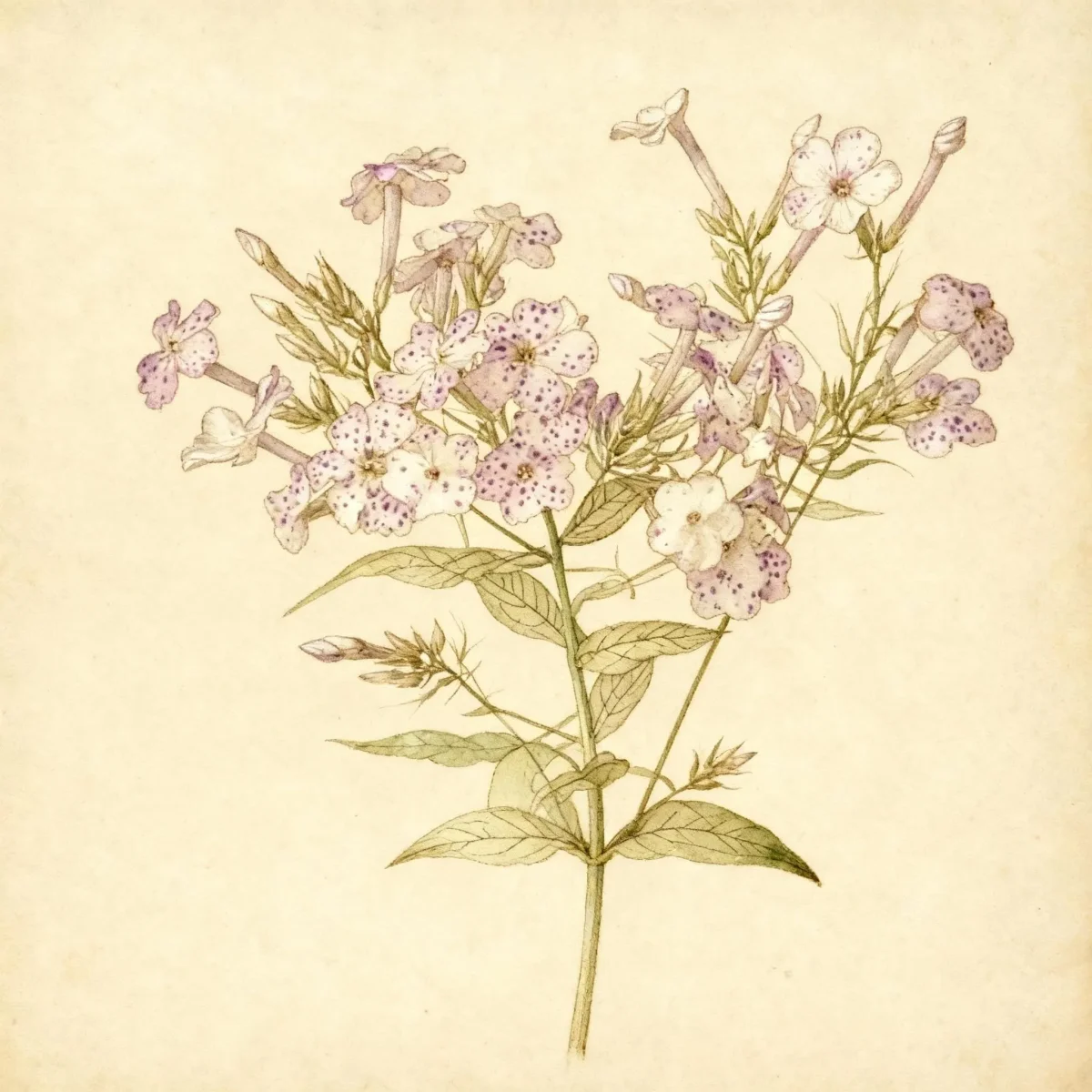
Phlox maculata, commonly called meadow phlox or wild sweet William, is native to eastern North America from New York south to North Carolina and west to Minnesota and Iowa where it typically occurs in moist meadows, low woods and riverbanks. It is an upright, clump-forming, rhizomatous perennial which typically grows 2-3’ tall. Sweetly-aromatic, tubular, 5-lobed, pinkish-purple flowers (to 1/2” across) with long corolla tubes are densely arranged in large, cylindrical, terminal clusters (panicles to 12” long) atop stiff, upright, red-spotted stems. The specific epithet maculata means “spotted” in reference to the spotted or streaked stems.
Tolerances
- Deer
Potential Problems
While some phlox varieties struggle, Spotted phlox is known for its good powdery mildew resistance, though good air circulation remains important to prevent issues. Root rot is a risk if soil drainage is poor or if the plant is overwatered, emphasizing the need for well-drained conditions even though it prefers moisture. In hot, dry conditions—particularly if moisture needs are neglected—spider mites can occasionally become a pest. Consistent watering during dry periods is the best defense against most common stresses for Phlox maculata.
Frequently Asked Questions
What hardiness zones is Spotted phlox suitable for?
USDA Zones 3 through 8 are suitable for successfully growing Spotted phlox.
How large does Phlox maculata grow?
Phlox maculata typically reaches a mature height between 2 to 3 feet tall, spreading moderately to 1 or 2 feet wide.
When does Spotted phlox bloom?
This perennial puts on its display of pinkish-purple flowers between August and October.
What sun exposure does Phlox maculata need?
It thrives best in full sun to part shade conditions, preferring moist, organically rich soils in full sun for best performance.
Conclusion
The late-season bloom and relative disease resistance make Spotted phlox (Phlox maculata) an indispensable component for summer and early autumn gardens. Its upright structure and attractiveness to wildlife add significant value to perennial borders and native plantings. Ensure you provide ample moisture and good air flow, and check your local USDA zone compatibility before planning your planting for next season.
Companion Planting
Choosing appropriate neighbors is crucial for maximizing the performance of Spotted phlox. Since it requires medium moisture and rich soil, pair it with other summer bloomers that share these cultural needs, such as swamp milkweed (Asclepias incarnata) or Joe-Pye Weed (Eutrochium species). These companions create a visually cohesive, moisture-loving tapestry in the garden border.
Avoid planting Phlox maculata next to plants that require dry conditions or sharp drainage, as these water needs conflict and could lead to poor growth or root stress for one or the other. For a slightly drier spot that still gets afternoon sun, you might pair it with drought-tolerant coneflowers further away from the moisture source, ensuring the Phlox maculata stems receive required water.
Wildlife Benefits
The flowers of Spotted phlox are a crucial late-season food source, making them highly attractive to beneficial insects. As flower clusters mature, they draw in butterflies, hummingbirds, and various bees when many other nectar sources are waning. The genus name Phlox, meaning flame, recognizes the intense color that signals nectar availability to these visitors.
The clusters of tubular, pinkish-purple flowers are perfectly structured for hummingbirds to access nectar deep within the corolla tubes. By including Phlox maculata in your landscape, you are actively supporting local pollinator populations heading into fall migration or overwintering preparations. Planting groups rather than single specimens maximizes the visual appeal and the functional value to local wildlife.