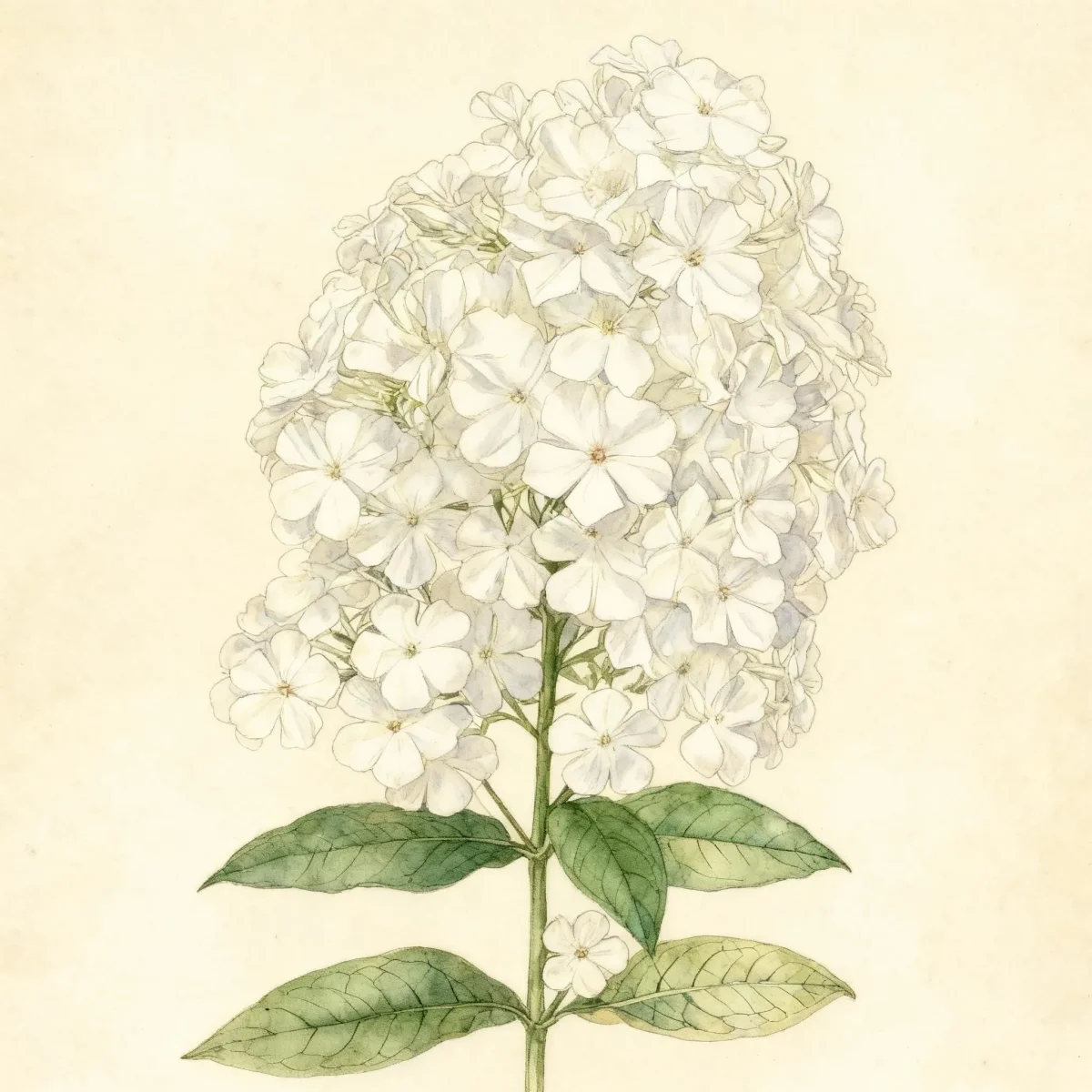
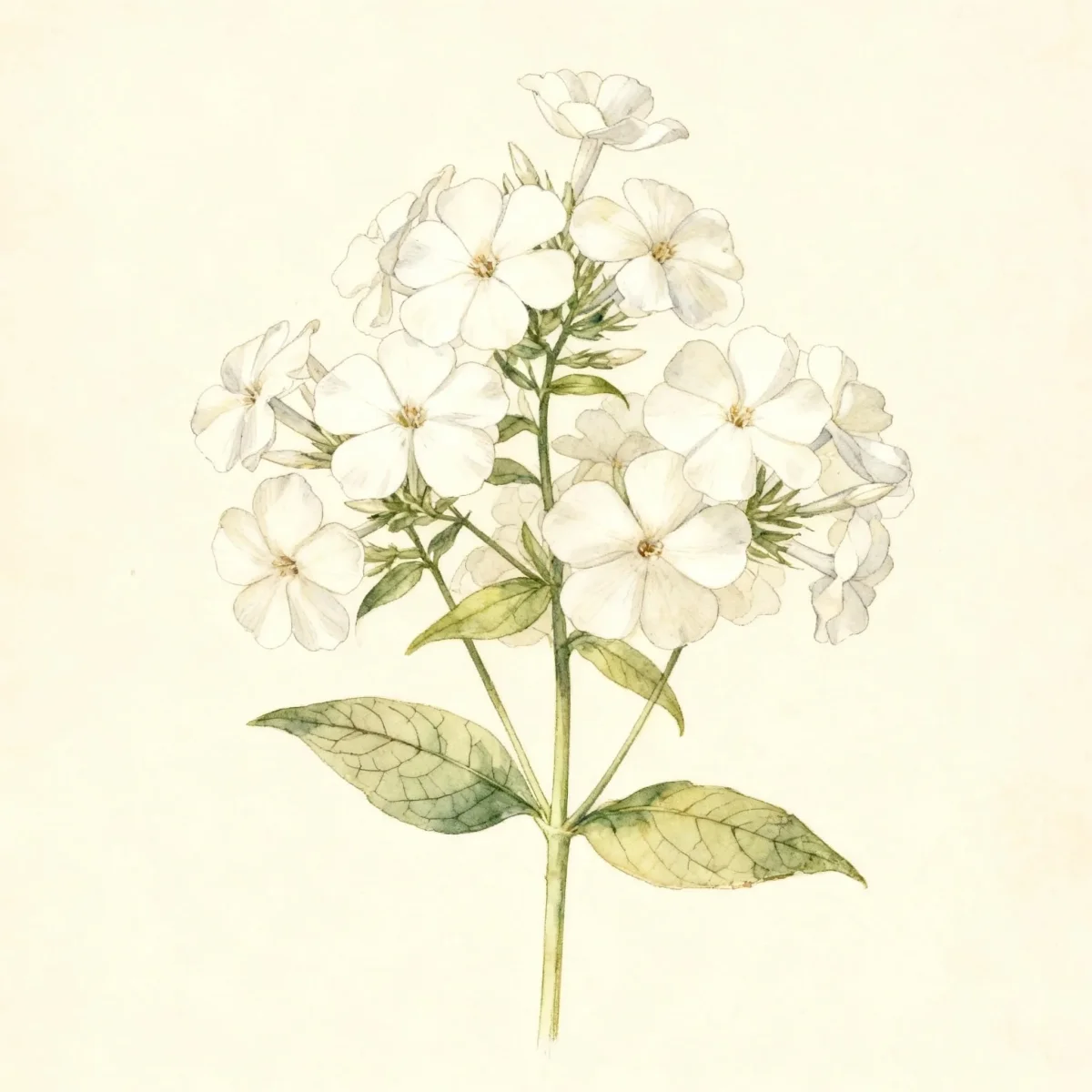
Garden phlox (Phlox paniculata)
Garden phlox (Phlox paniculata) produces showy, fragrant blooms from July to September in zones 4-8.
Scroll down to discover growing tips, care requirements, companion plants, and more
Complete Plant Information
Overview
Garden phlox, scientifically known as Phlox paniculata, stands as a cornerstone of the summer perennial border, celebrated for its towering stature and vibrant, clustered blooms. This herbaceous perennial provides essential late-season color, often flowering prolifically from midsummer well into autumn. Its upright habit and significant height make it an excellent structural element in mixed plantings.
Native to the Eastern United States, Phlox paniculata offers highly fragrant, showy flowers that reliably attract vital pollinators like butterflies and hummingbirds. While it is a robust plant offering long-lasting aesthetic appeal, gardeners must be mindful of its care requirements, specifically spacing and moisture, to ensure optimal health and bloom quality.
The sheer variety available in modern cultivars means that gardeners can easily find a shade to suit any design palette, though selecting mildew-resistant types is highly recommended for easier maintenance of this classic garden phlox.
Fast Facts
- Plant Family: Polemoniaceae
- Plant Type: Herbaceous perennial
- Native Range: Eastern United States
- Hardiness Zones: USDA Zones 4-8
- Size at Maturity:
- Height: 2-4 ft
- Spread: 2-3 ft
- Bloom Time: July to September
- Bloom Description: Pink-purple to white
- Sun Exposure: Full sun to part shade
- Water Needs: Medium
- Maintenance Level: Medium
How to Grow
The best time to situate Phlox paniculata is in the spring or fall, ensuring it establishes its roots before the stress of high summer heat. Plant in locations receiving full sun for the most robust flowering, though light afternoon shade is acceptable in hot climates. This plant thrives in moderately fertile, medium moisture, well-drained soil, preferring conditions rich in organic matter.
During the growing season, maintain medium water availability, especially during dry spells, as this phlox is intolerant of drought. Water deeply at the base of the plant, taking care to avoid overhead watering, which can encourage disease. Applying a summer mulch will help keep the complex root zone cool and retain necessary moisture.
To promote abundant blooming and control height, remove faded flower heads (deadheading) periodically. Crucially, good air circulation is vital. Space plants adequately and consider thinning interior stems during the early season to combat the common affliction of powdery mildew.
For winter preparation, cut the mature stems back to the ground after the first hard frost and thoroughly clean all plant debris from the area. This cleanup is essential to minimize overwintering fungal spores of the mildew pathogen, ensuring a cleaner start for your garden phlox next year.
Landscape Uses
Garden phlox is an indispensable element for creating traditional, cottage-style perennial borders, where its vertical accents contrast beautifully with mounding companions. Due to its tendency to provide such long summer bloom, it serves as a reliable mid-to-back-of-border anchor. Mix it liberally with other reliable perennials that share similar moisture and light needs.
Because Phlox paniculata is reliably attractive to native pollinators, it is an excellent choice for wildlife or pollinator gardens. Its height and showy nature also make it suitable for mass plantings used as a colorful, informal screen or hedge that transitions the eye from spring bloomers to late-season asters.
When planting, remember that taller varieties may benefit from staking if they become leggy, or you can select shorter cultivars specifically bred for compactness. The diversity within garden phlox ensures there is a perfect spot for this fragrant staple in almost any sunny perennial setting.
Standout Features
Flower Qualities
- Showy
- Fragrant
Noteworthy Characteristics
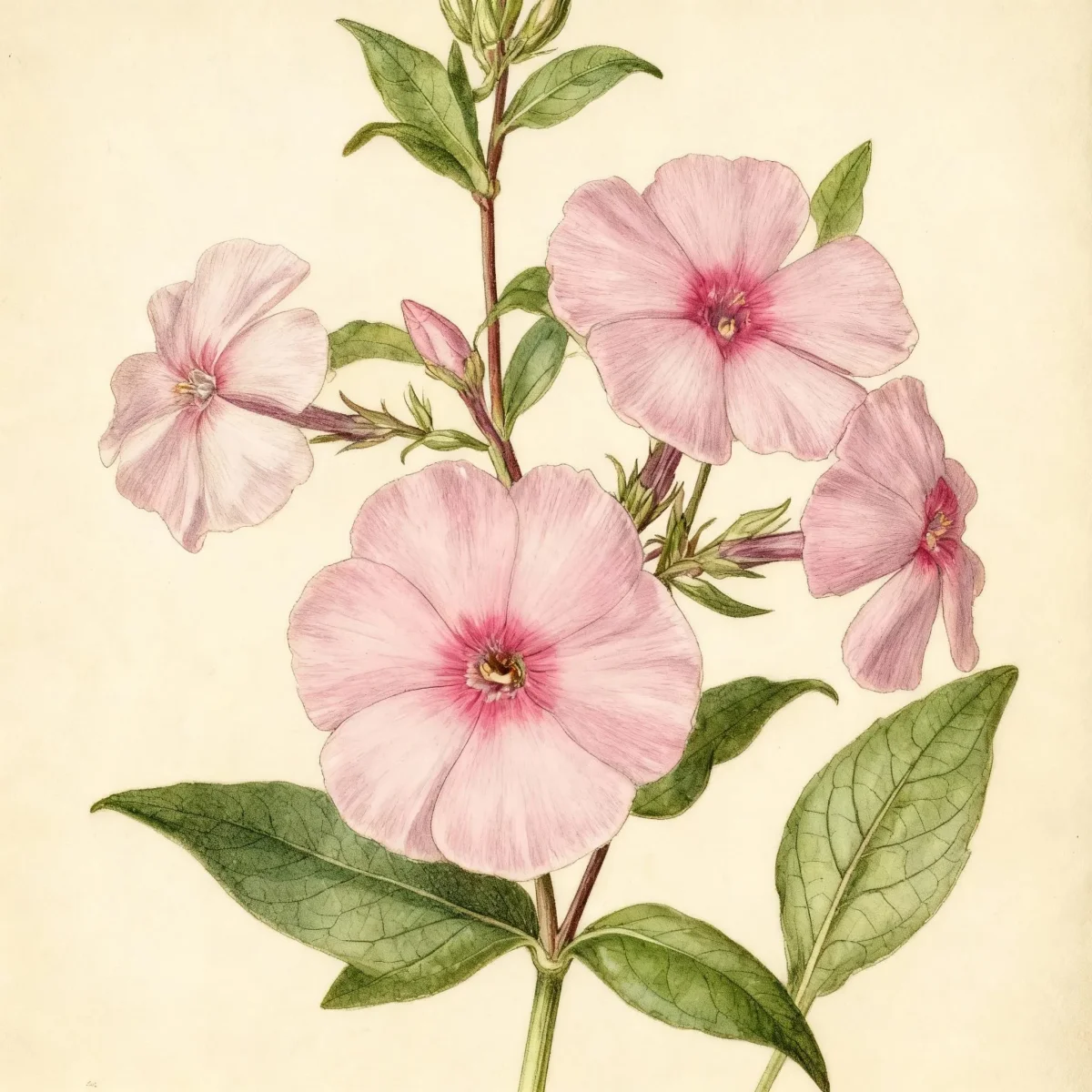
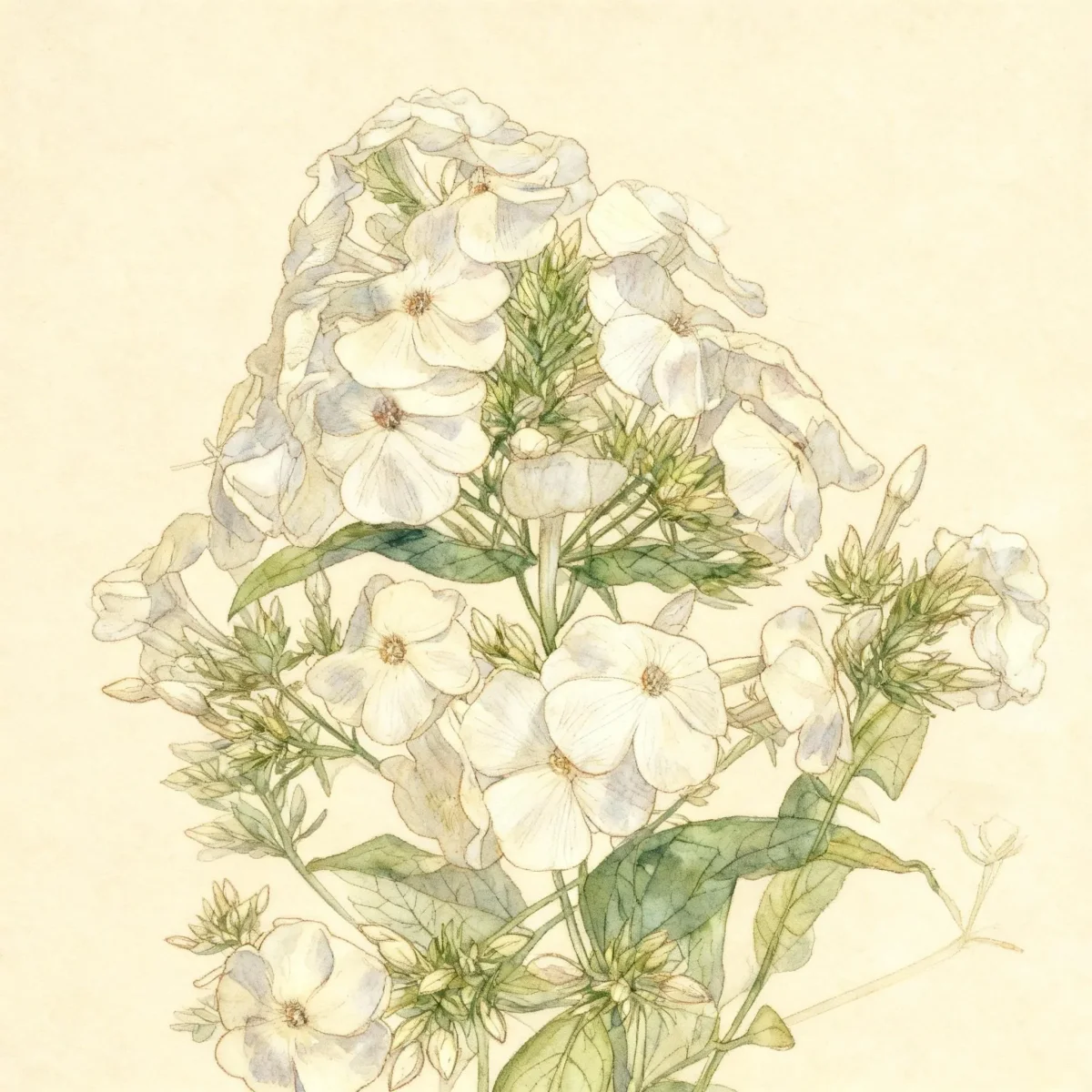
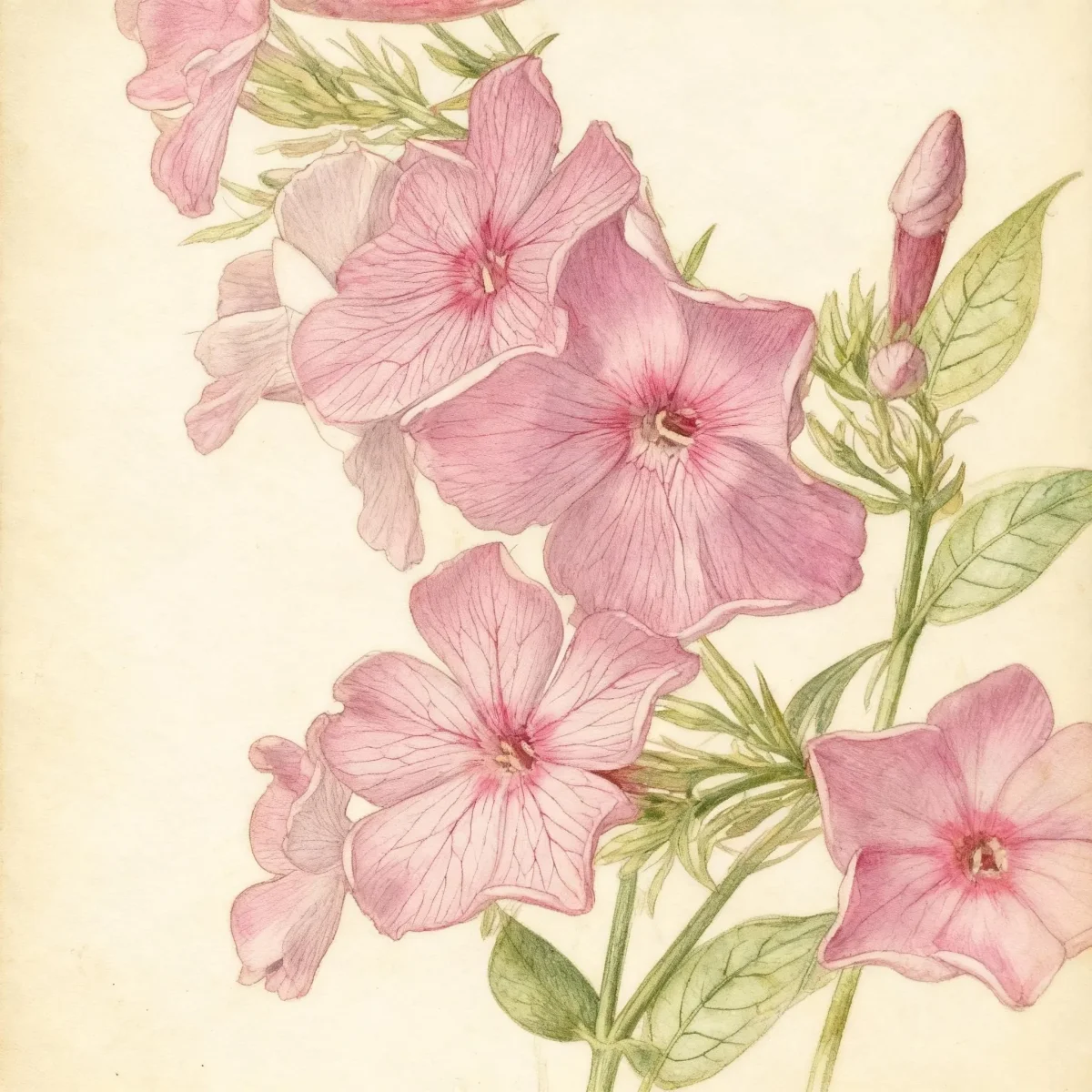
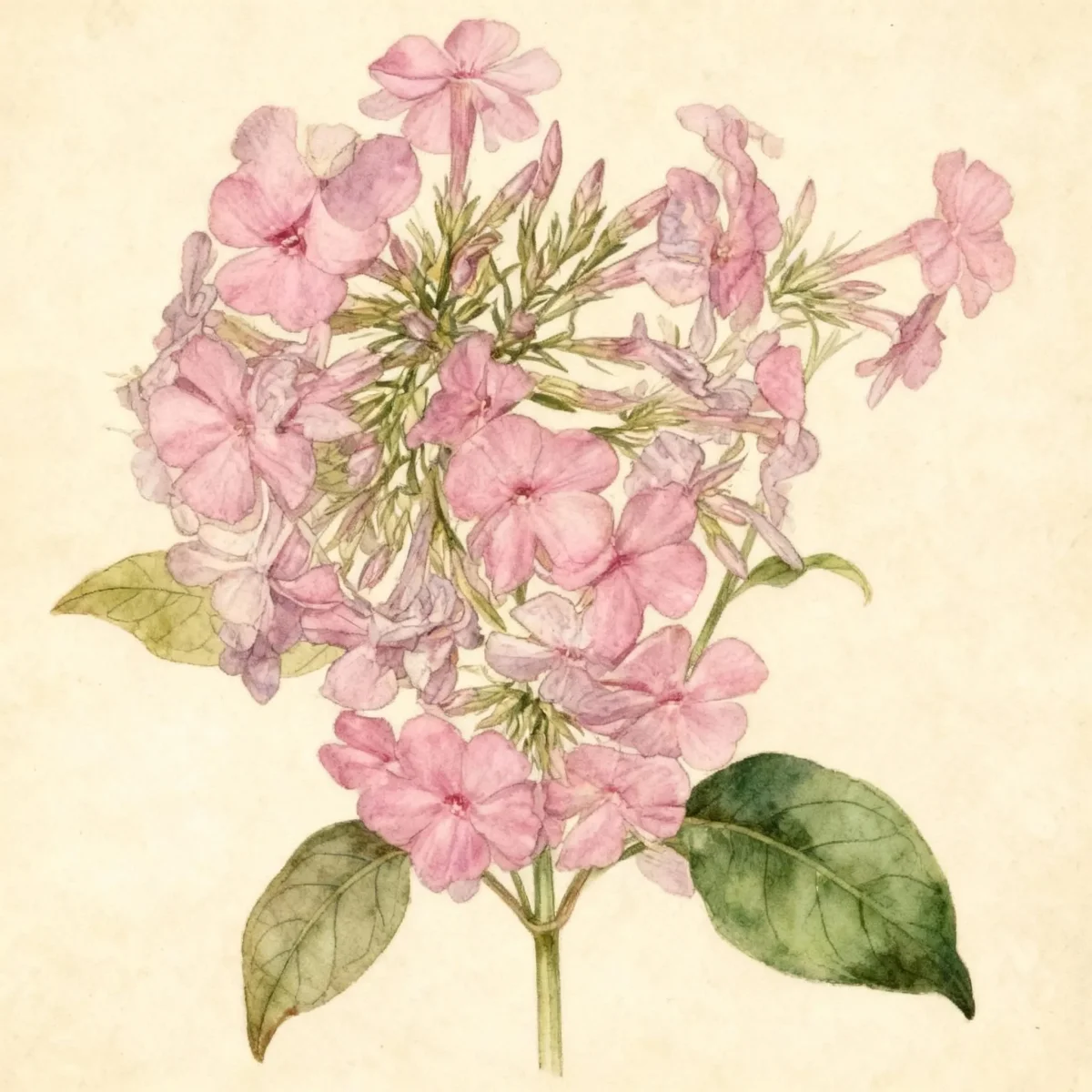
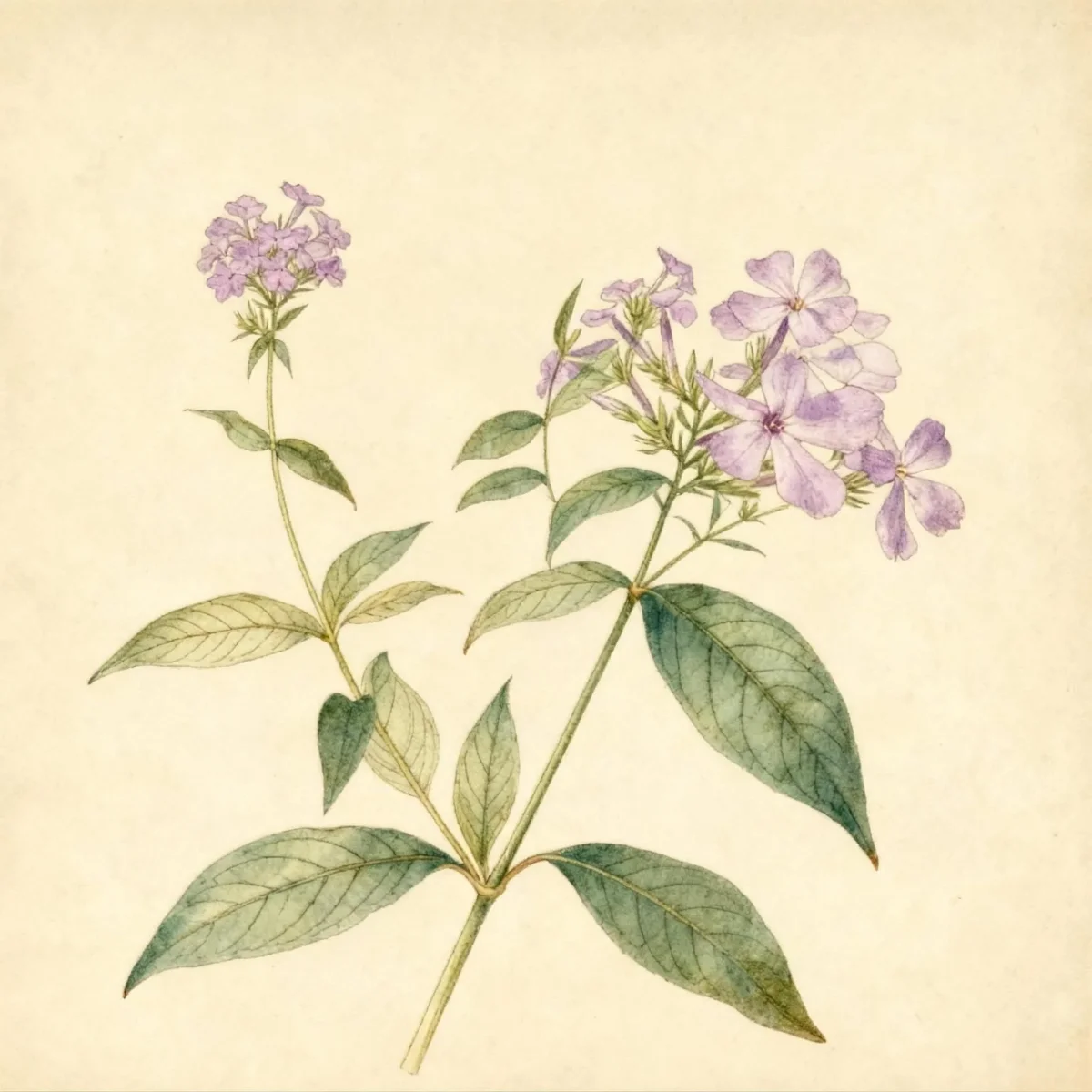
Phlox paniculata, commonly known as garden phlox, is native from New York to Iowa south to Georgia, Mississippi and Arkansas. It has escaped gardens and naturalized into areas beyond its original native range. This is an upright perennial that grows in a clump to 2-4’ tall and to 2-3’ wide on stiff stems clad with conspicuously veined, opposite, pointed, elliptic, deep green leaves. Fragrant, tubular, pink-purple to white florets are densely packed in large, tiered, domed terminal clusters over a long bloom period, attracting butterflies and hummingbirds. The genus name is derived from the Greek word phlox meaning flame in reference to the intense flower colors of some varieties.
Tolerances
- Deer
- Clay Soil
- Black Walnut
Potential Problems
Phlox paniculata is susceptible to several common issues that require proactive management. Powdery mildew is perhaps the most widespread problem, presenting as a white, dusty coating on the foliage, especially when air circulation is poor or humidity is high. To prevent this, ensure proper spacing between plants and avoid overhead watering during the day.
Pests like phlox bugs can cause distorted growth or spotting, while spider mites become problematic during hot, dry spells. Regular inspection can catch minor infestations early. Taller stems may occasionally require staking to maintain an upright presentation throughout the blooming season.
Root rot can occur in poorly draining soils, which underscores the importance of using well-drained media. Choosing newer cultivars bred specifically for mildew resistance has become the most effective long-term strategy for gardeners struggling with this perennial favorite.
Frequently Asked Questions
What hardiness zones is Garden phlox suitable for?
Garden phlox (Phlox paniculata) is hardy and reliably perennial in USDA Zones 4 through 8.
How large does Garden phlox grow?
This plant typically reaches a mature height between 2 and 4 feet tall, with a spread ranging from 2 to 3 feet wide.
When does Garden phlox bloom?
You can expect Phlox paniculata to provide dependable color from July all the way through September, bearing pink-purple to white flowers.
What sun exposure does Garden phlox need?
For the best performance and to keep mildew at bay, Phlox paniculata requires full sun, though it can tolerate light shade.
Conclusion
Phlox paniculata, or garden phlox, remains invaluable for its long season of showy, fragrant summer color and its strong appeal to hummingbirds. While managing moisture and air circulation is key to success, the rewards of this classic perennial border plant are well worth the effort. Check your local hardiness zone compatibility and plan installation during the cooler seasons for the best establishment.
Companion Planting
Selecting suitable companions helps Phlox paniculata thrive by addressing specific cultural needs or offering design contrast. Plants that enjoy similar moisture levels and full to partial sun conditions work best. Consider pairing garden phlox with companions that bloom earlier or later to extend the season of interest.
Sturdy, late-season bloomers like ornamental grasses or Coneflowers (Echinacea) are excellent partners, as they do not hog the light or compete aggressively. For contrast in texture, low-growing plants like Lamb’s Ear or various Sedums can act as living mulch at the base, helping to shade the roots and keep the soil cool, which Phlox paniculata appreciates.
Avoid planting aggressive spreaders directly beside the phlox, as overcrowding will inevitably lead to poor air circulation and exacerbate powdery mildew issues, which is a common concern for this species.
Wildlife Benefits
One of the primary joys of growing Phlox paniculata is its exceptional ability to draw in beneficial pollinators. The dense, terminal clusters of tubular flowers are perfectly structured for easy access by hummingbirds seeking nectar throughout the summer heat.
Butterflies are consistently observed nectaring on garden phlox, making it a vital staging ground during their migration periods. Plant a drift of these flowers to maximize the visual impact for both you and the visiting wildlife.
While its primary wildlife contribution is through its nectar source, the structure of the upright stems, if left standing through winter, can sometimes offer minimal cover or seed heads, although active cleanup is generally recommended for fungal disease control.