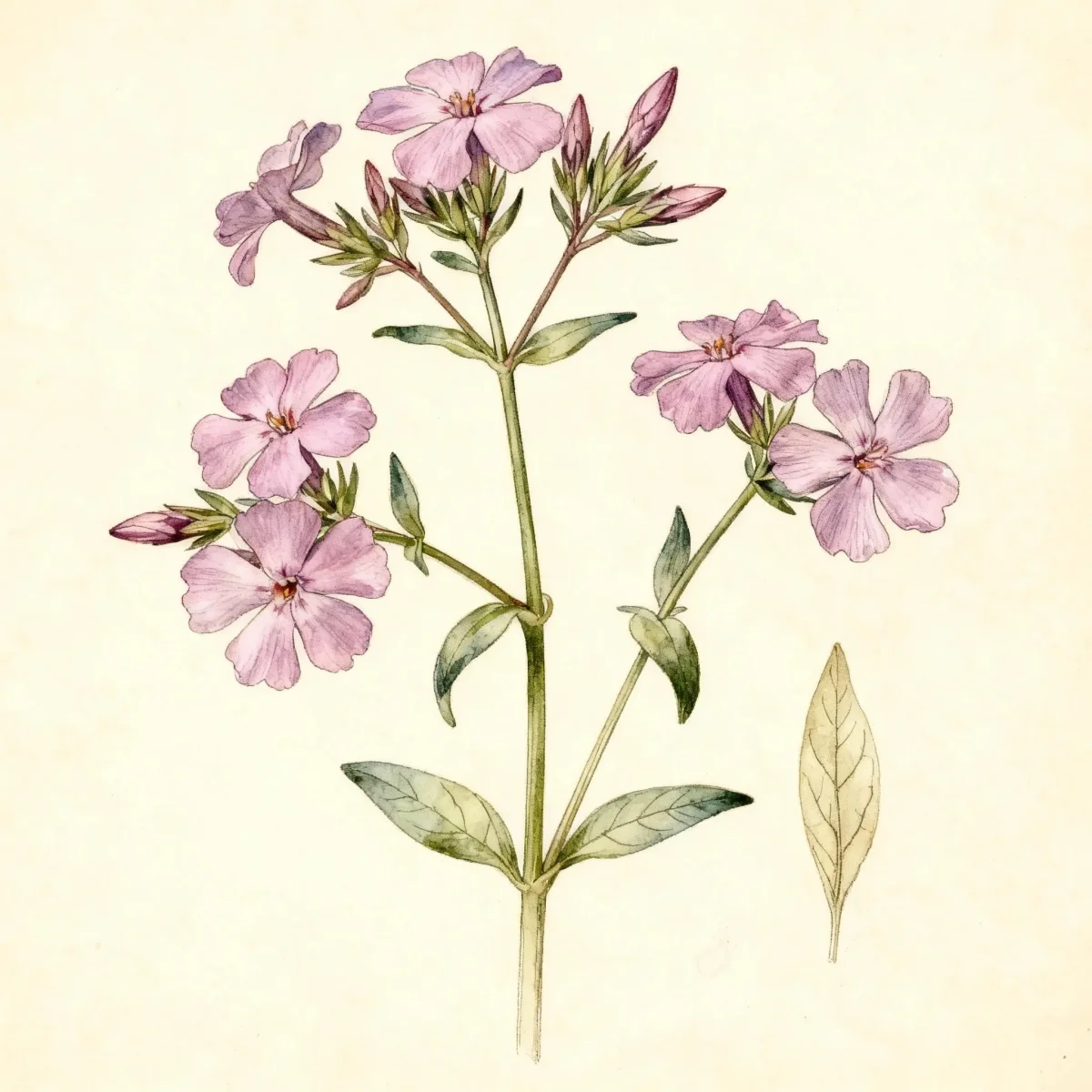
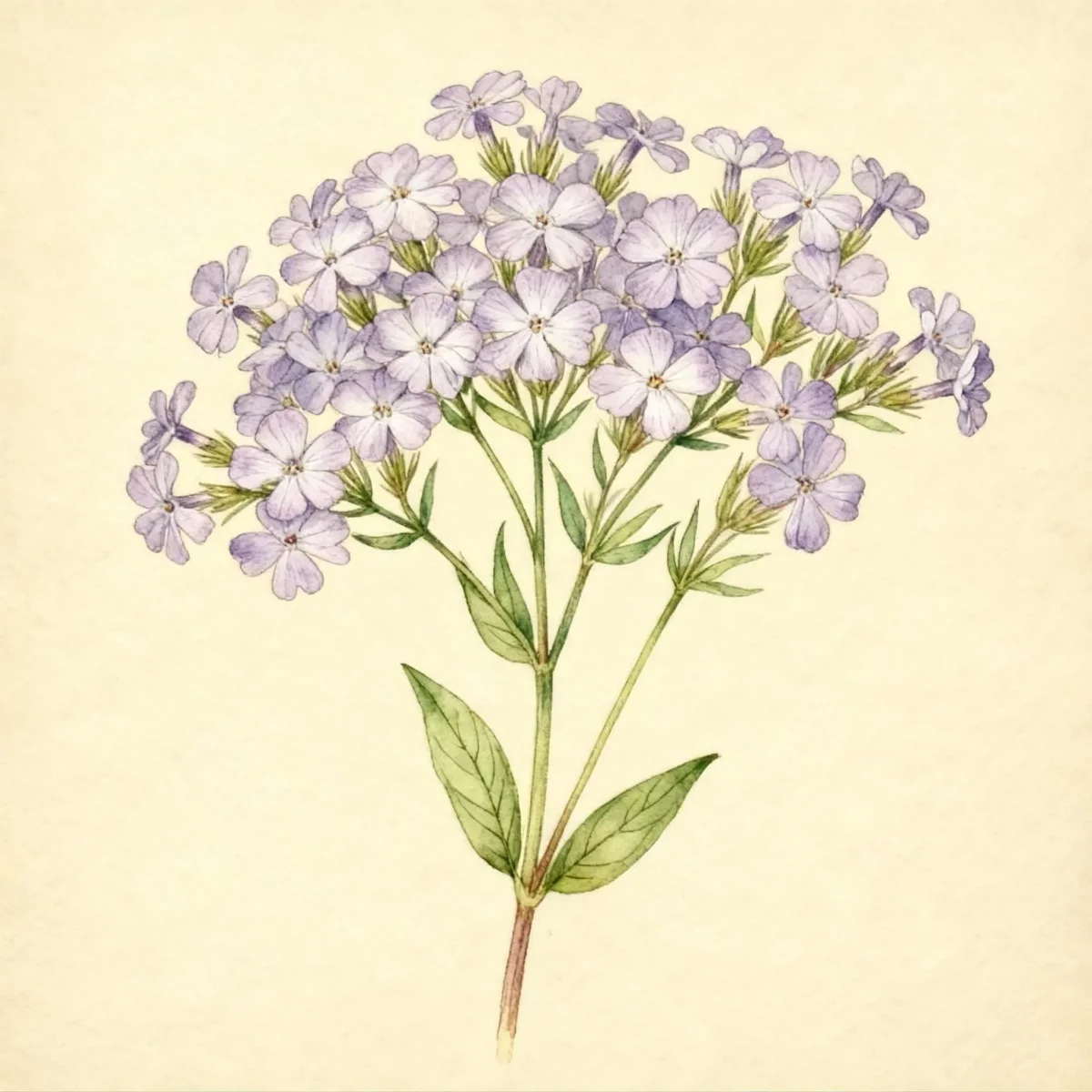
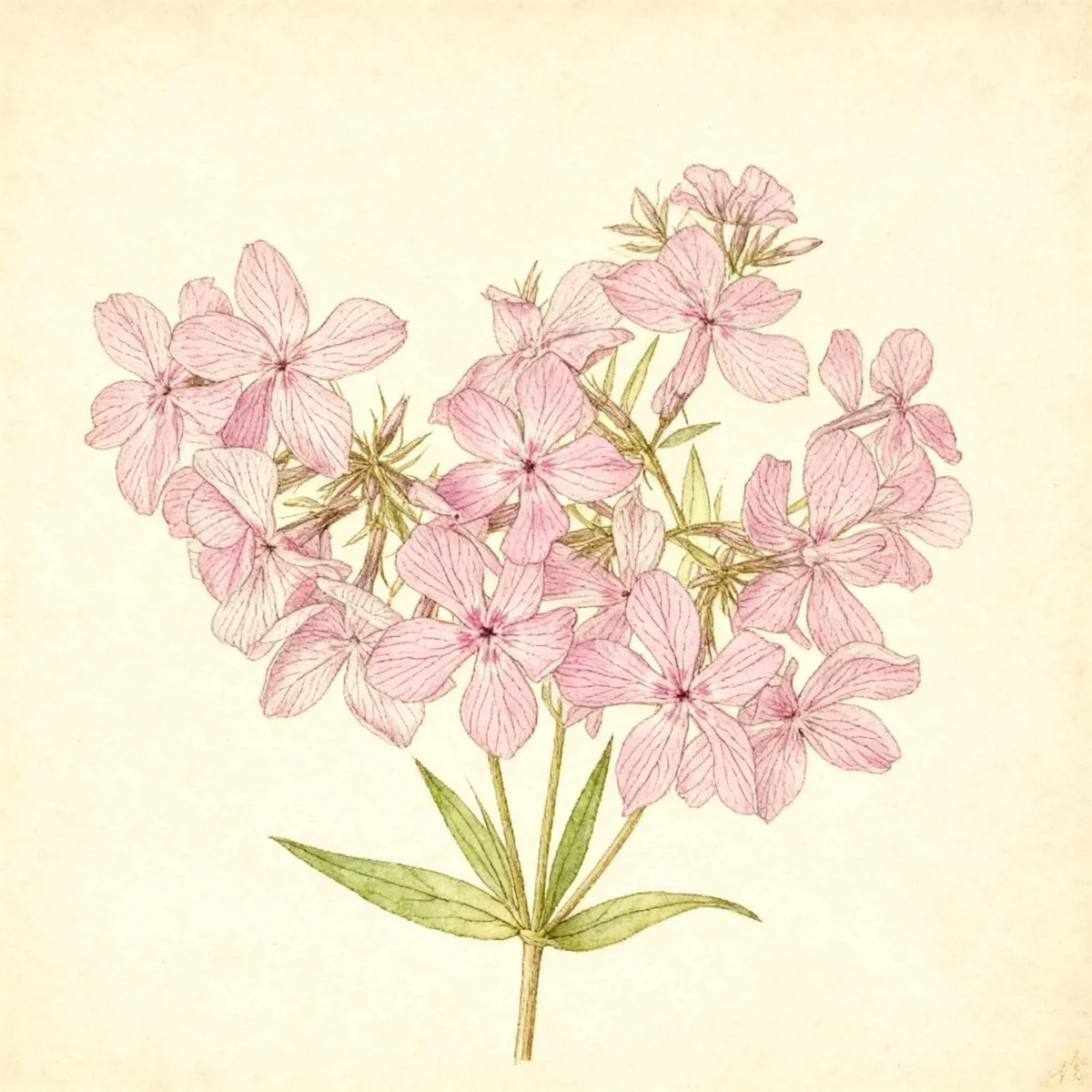
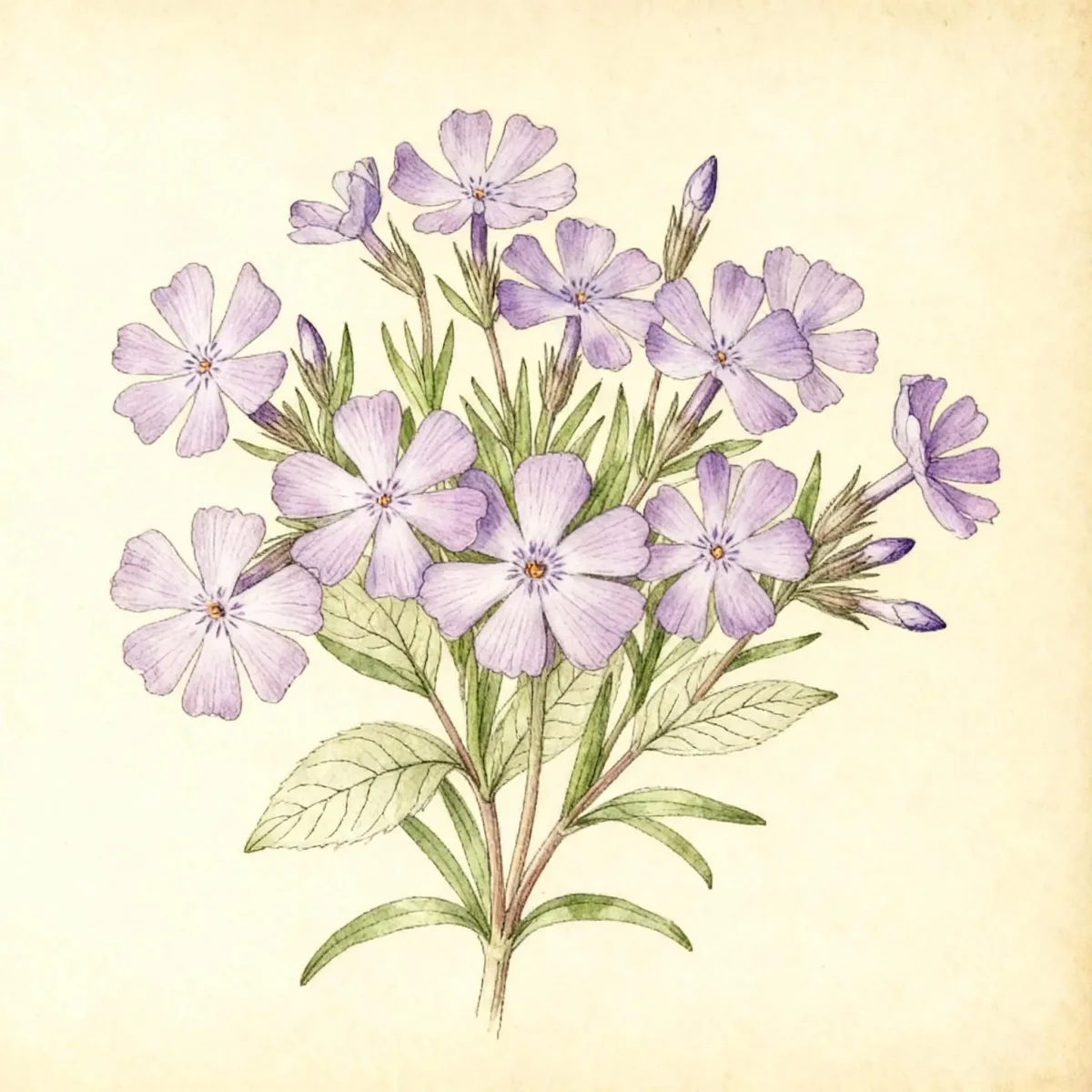
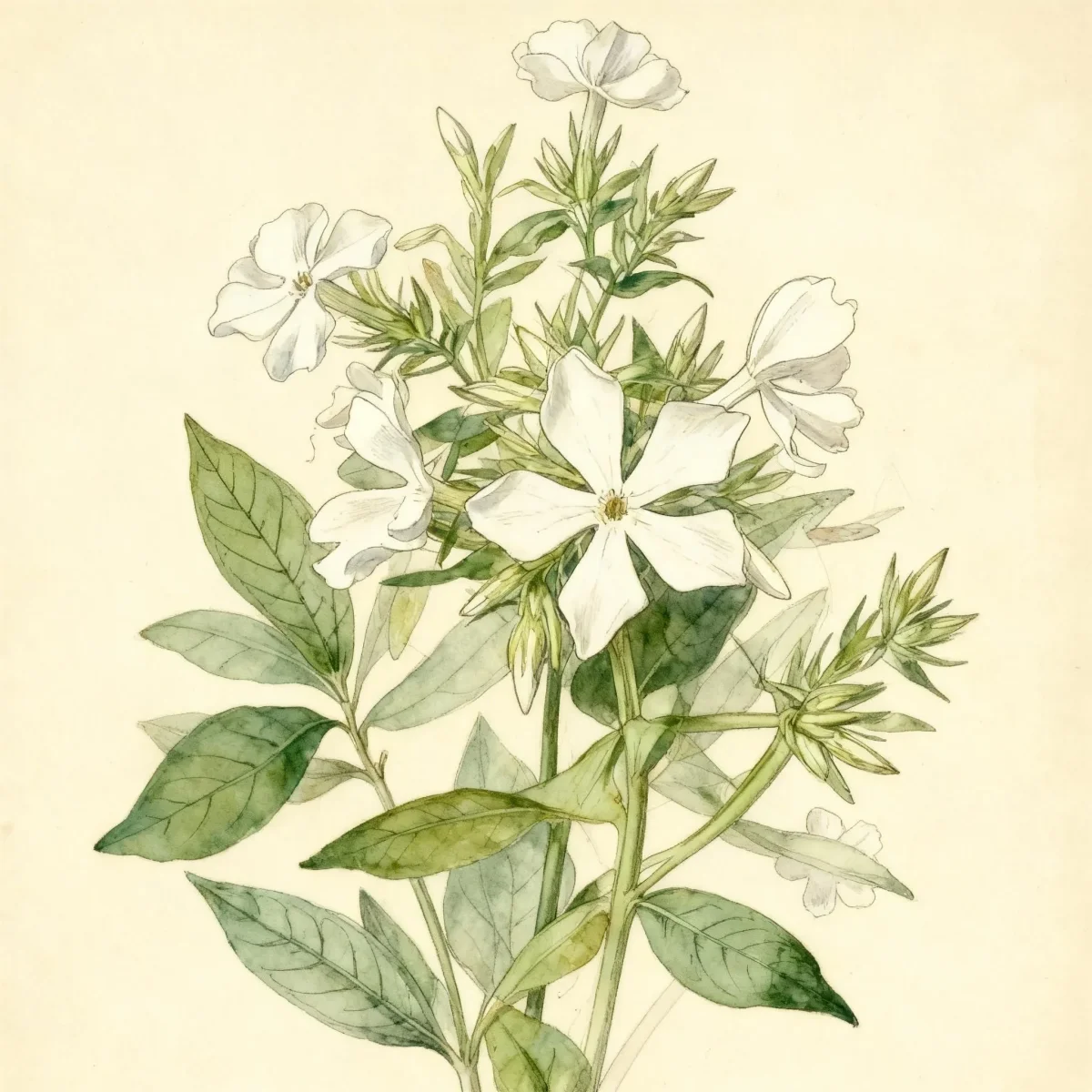
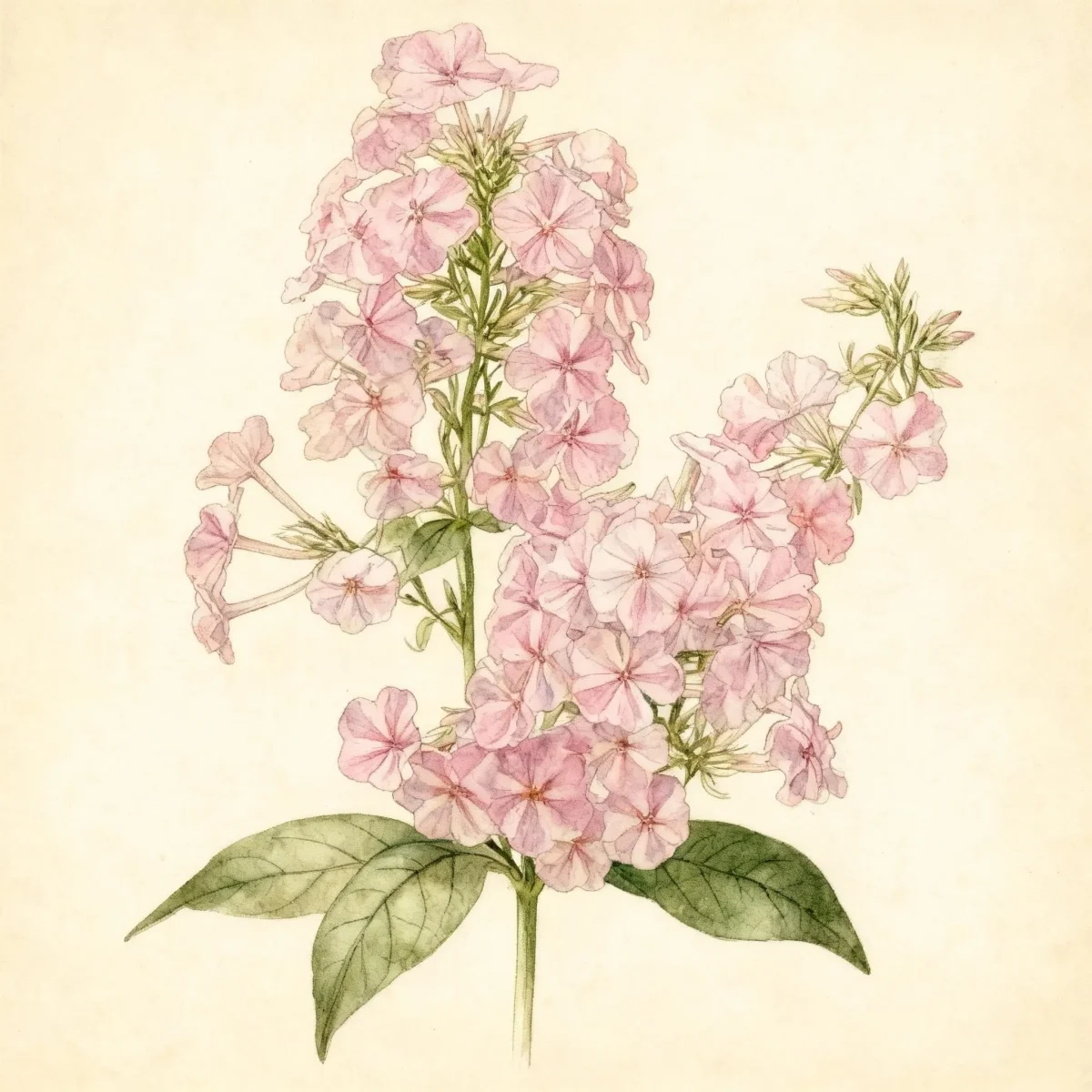
Prairie phlox (Phlox pilosa)
Discover Prairie phlox (Phlox pilosa), a showy, fragrant native perennial thriving in full sun with pink to purple summer blooms.
Scroll down to discover growing tips, care requirements, companion plants, and more
Complete Plant Information
Overview
Phlox pilosa, widely known as prairie phlox, is a highly valued native perennial celebrated for bringing vibrant color and fragrance early in the growing season. Gardeners appreciate this species for its relatively easy cultural needs and its ability to establish attractive clumps that spread gently via rhizomes. The upright stems bear deep green foliage topped by clusters of showy, fragrant flowers from late spring into mid-summer.
This herbaceous perennial offers significant ecological benefits, particularly attracting butterflies to the landscape. Its preference for full sun highlights the rich pink to pale purple coloration of the blooms, making it a standout feature in native plantings. While it requires medium moisture, Phlox pilosa demonstrates noteworthy tolerance to drier conditions once established.
Consider incorporating Phlox pilosa into your garden designs where you need reliable summer perennial color for dry, sunny spots. Its compact height (1 to 1.5 feet) makes it suitable for middle borders, while its adaptability ensures success in various soil types, including clay.
Fast Facts
- Plant Family: Polemoniaceae
- Plant Type: Herbaceous perennial
- Native Range: Eastern Texas
- Hardiness Zones: USDA Zones 4-9
- Size at Maturity:
- Height: 1-1.5 ft
- Spread: 1-1.5 ft
- Bloom Time: May to July
- Bloom Description: Pink to pale purple
- Sun Exposure: Full sun
- Water Needs: Medium
- Maintenance Level: Medium
How to Grow
Plant Prairie phlox during the spring or fall for best establishment, ensuring the location provides full sun exposure, although light partial shade is tolerated. This plant thrives in fertile, well-drained soil that is moderately moist, but it is unusually tolerant of drier soils compared to many other phlox species. Adequate drainage is crucial to prevent root issues.
Water needs are generally medium; maintain consistent moisture, especially during establishment or prolonged dry spells. While fertilizing is usually unnecessary due to its native adaptation, an appreciation for a summer mulch will help keep the root zone cool and conserve critical moisture. Phlox pilosa spreads by rhizomes, slowly forming increasingly dense clumps over time.
Maintenance is generally low. Deadheading spent blooms is not strictly necessary but can encourage a possible light rebloom later in the fall season. Cut back foliage in early spring before new growth emerges if necessary for tidiness. Phlox pilosa is easily established from seed, offering a rewarding, low-input approach to propagating this species.
Landscape Uses
The primary suggested use for Prairie phlox is to naturalize areas, allowing it to spread gently and colonize softly beneath taller grasses or shrubs. This characteristic makes it excellent for creating naturalistic, prairie-type plantings where its upright habit provides necessary vertical breaks in the tapestry of a native garden. The tolerance of poor or dry soils further broadens its application in challenging sites.
Its vibrant, fragrant blooms are highly sought after in cottage gardens and rock gardens, where the compact size prevents it from overwhelming smaller neighbors. Use Phlox pilosa in native plant gardens to support local ecosystems while blending seamlessly with other regional wildflowers adapted to similar sun and moisture regimes. It pairs well with early summer bloomers like Coreopsis or Rudbeckia in dry, sunny borders.
Standout Features
Flower Qualities
- Showy
- Fragrant
Noteworthy Characteristics
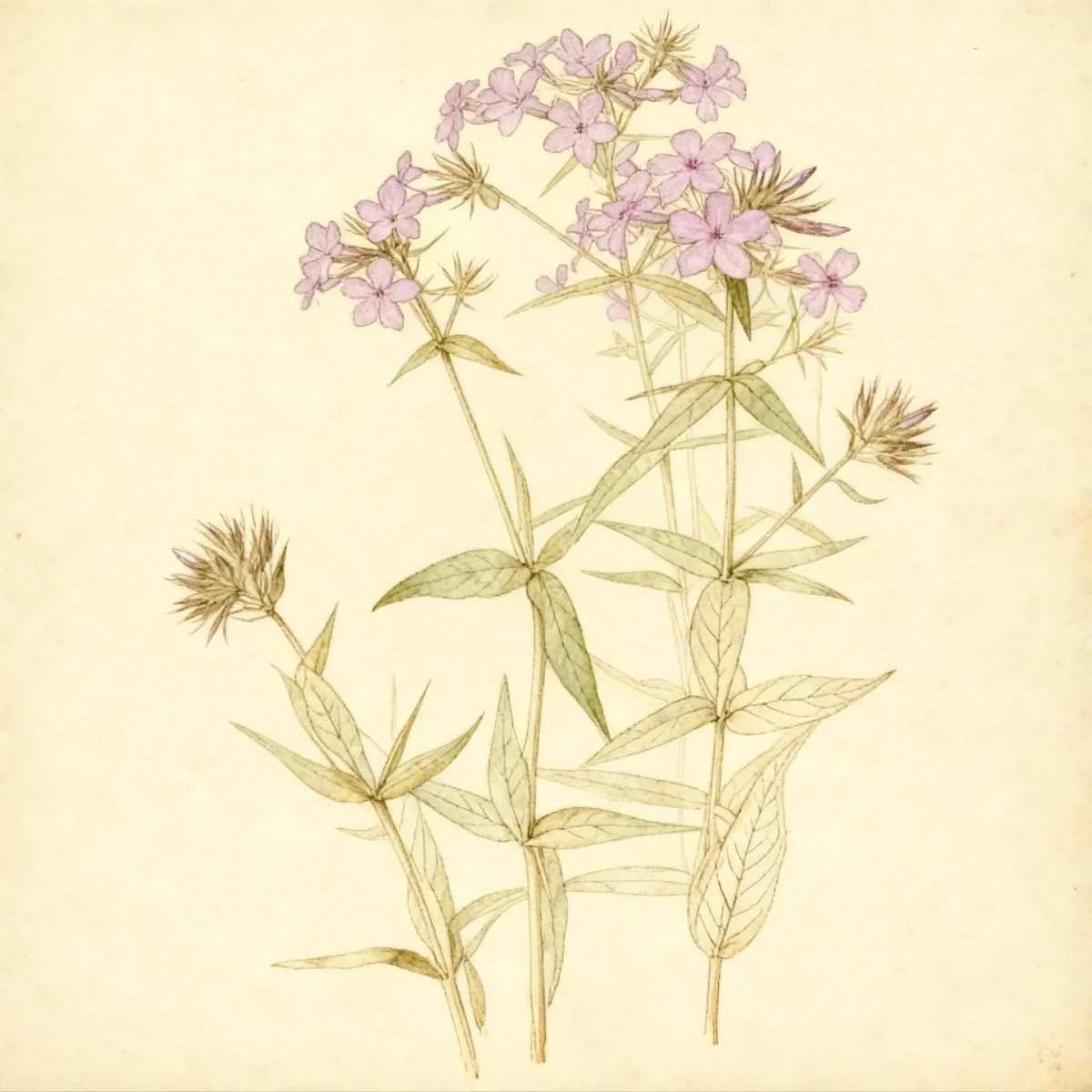
Phlox pilosa, commonly known as prairie phlox or downy phlox, is native from Connecticut to Ontario and Manitoba south to Louisiana and Florida. In Missouri, it is typically found in rocky or dry open woods, valleys, thickets, meadows, prairies and glades (Steyermark) throughout most of the State. This is an upright perennial that grows in a clump to 12-16” (less frequently to 24”) tall on stiff stems clad with opposite, widely-spaced, sharp pointed, linear to linear-lanceolate, stalkless, deep green leaves (each to 4” long and 3/4” wide) with prominent central veins. Fragrant, tubular, pink to pale purple flowers (to 3/4” diameter) are loosely packed in rounded terminal clusters (cymes). Butterflies love the flowers.
Tolerances
- Deer
- Drought
- Clay Soil
Potential Problems
This species generally avoids serious insect or disease issues, which is a significant advantage for low-maintenance gardening. Notably, Prairie phlox exhibits strong resistance to powdery mildew, a common complaint for many other garden phlox varieties. Ensure excellent air circulation when planting close together to minimize stress.
The most likely pest concern involves spider mites, which may appear during periods of intense heat combined with prolonged dry conditions. To mitigate this, maintain soil moisture adequacy through supplemental watering during severe droughts and consider applying the recommended summer mulch to keep the root zone insulated and cool.
Frequently Asked Questions
What hardiness zones is Prairie phlox suitable for?
Phlox pilosa is highly adaptable, thriving across USDA Zones 4 through 9.
How large does Prairie phlox grow?
This perennial typically reaches a height of 1 to 1.5 feet, spreading to a similar width of 1 to 1.5 feet across.
What sun exposure does Prairie phlox need?
For the best performance and blooming, Phlox pilosa requires full sun, though it can tolerate light partial shade in the hottest climates.
When does Prairie phlox bloom?
Prairie phlox provides reliable color throughout May to July, displaying beautiful pink to pale purple flowers.
Conclusion
The adaptability and striking mid-season color make Phlox pilosa an indispensable native plant for sunny borders and naturalized meadows. Its fragrance and deer resistance add significant functional value, while its cultural ease lowers the required maintenance level. Plan to incorporate Prairie phlox into your next native or dry-garden project, ensuring your planting spot receives ample sunlight.
Companion Planting
When selecting neighbors for Phlox pilosa, focus on plants that share its preference for full sun and well-drained, even somewhat dry, soils once established. Associating it with plants that bloom slightly earlier or later helps extend the visual interest of the perennial border surrounding the Prairie phlox. Good companion choices include various Coneflowers (Echinacea species) and native Milkweeds (Asclepias), which share similar site requirements and attract the same beneficial pollinators.
Other excellent pairings for complementing the height and texture of Phlox pilosa are certain ornamental grasses or shorter varieties of Black-eyed Susan (Rudbeckia). These companions help anchor the clump-forming habit of the phlox and enhance the overall appearance of a prairie or meadow planting scheme throughout the summer season.
Propagation Tips
Phlox pilosa is readily propagated through several approachable methods, making it excellent for sharing or increasing your stock. The most basic cultural instruction notes that it is easily grown from seed, which offers a low-cost way to generate many new plants, though germination can sometimes be slow or variable. For faster results, division is highly recommended.
Divide the clumps of Prairie phlox in the early spring before new growth hardens off, or in the fall after the foliage has died back. Gently lift the entire clump and carefully separate sections, ensuring each new division has a healthy portion of roots attached. Plant these divisions immediately into prepared, well-drained soil at the same depth they were previously growing.