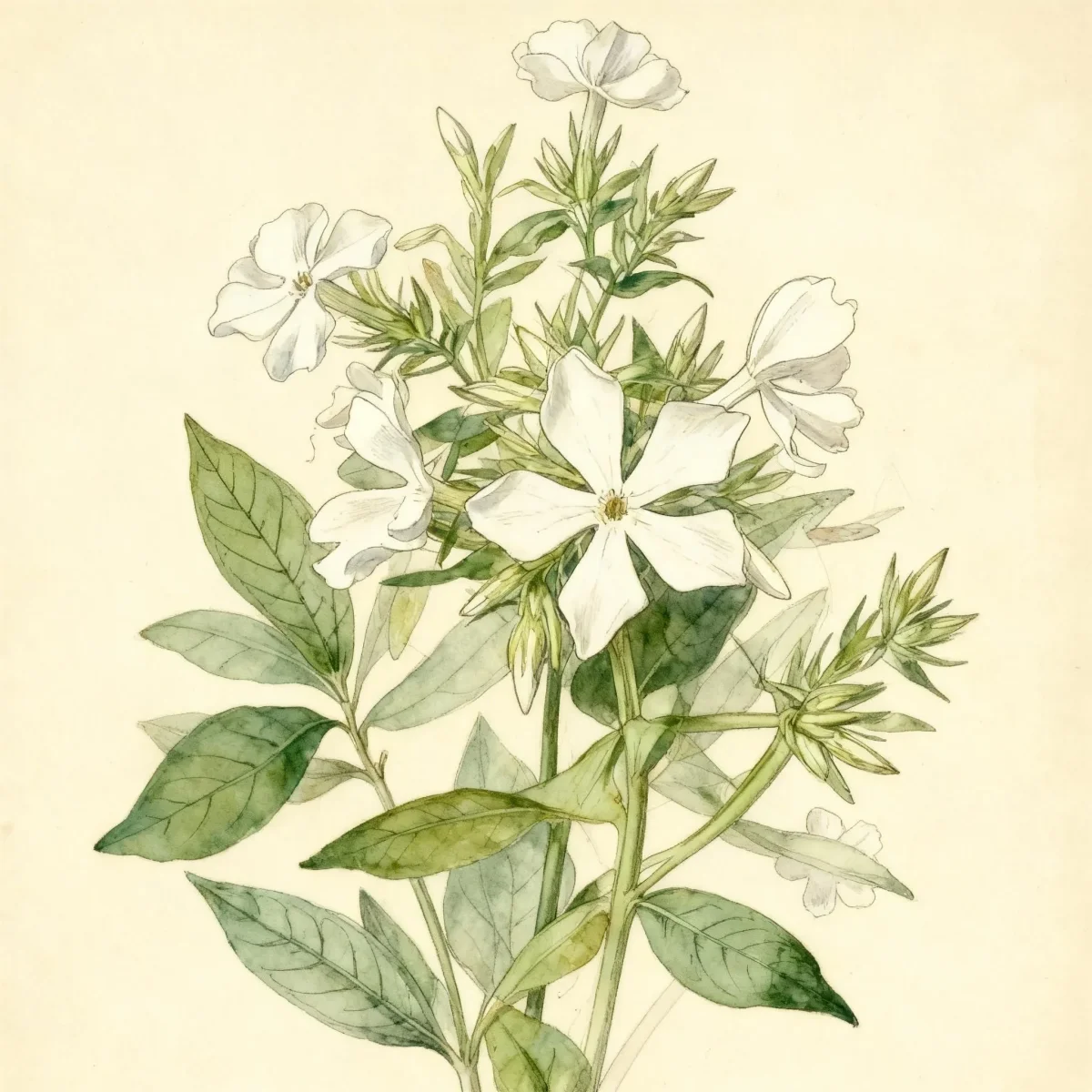
Moss phlox (Phlox subulata)
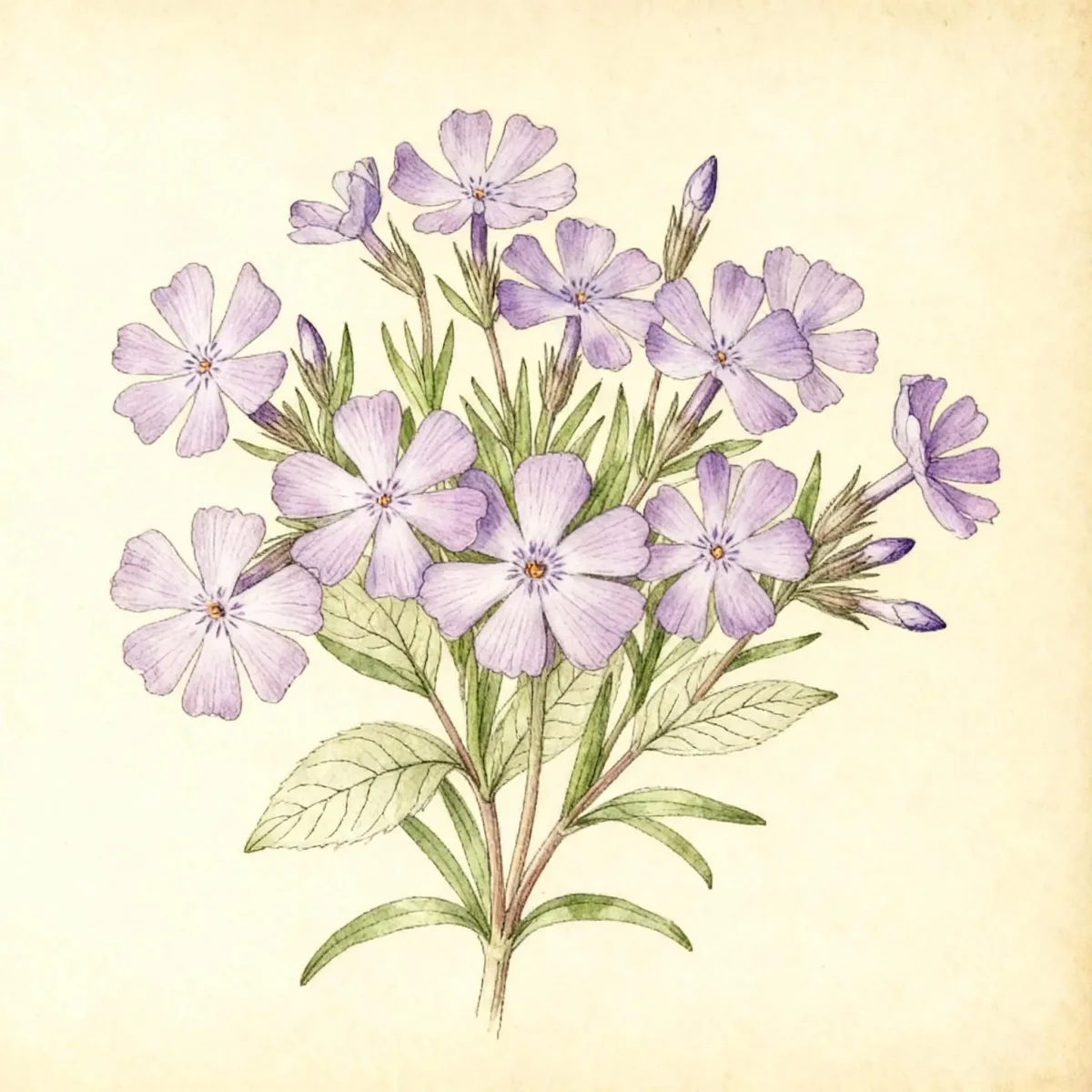
Moss phlox (Phlox subulata) creates a stunning, mat-forming carpet of color. This perennial thrives in full sun and handles drought well.
Scroll down to discover growing tips, care requirements, companion plants, and more

Complete Plant Information
Overview
Moss phlox (Phlox subulata) is an indispensable ground cover appreciated for its vigorous, spreading, mat-forming habit. This sun-loving perennial puts on an incredible display in mid-spring, creating a dense, low carpet of vibrant color before its foliage partially covers the ground in winter. Its value lies in its ability to colonize tough, sunny spaces where other plants struggle.
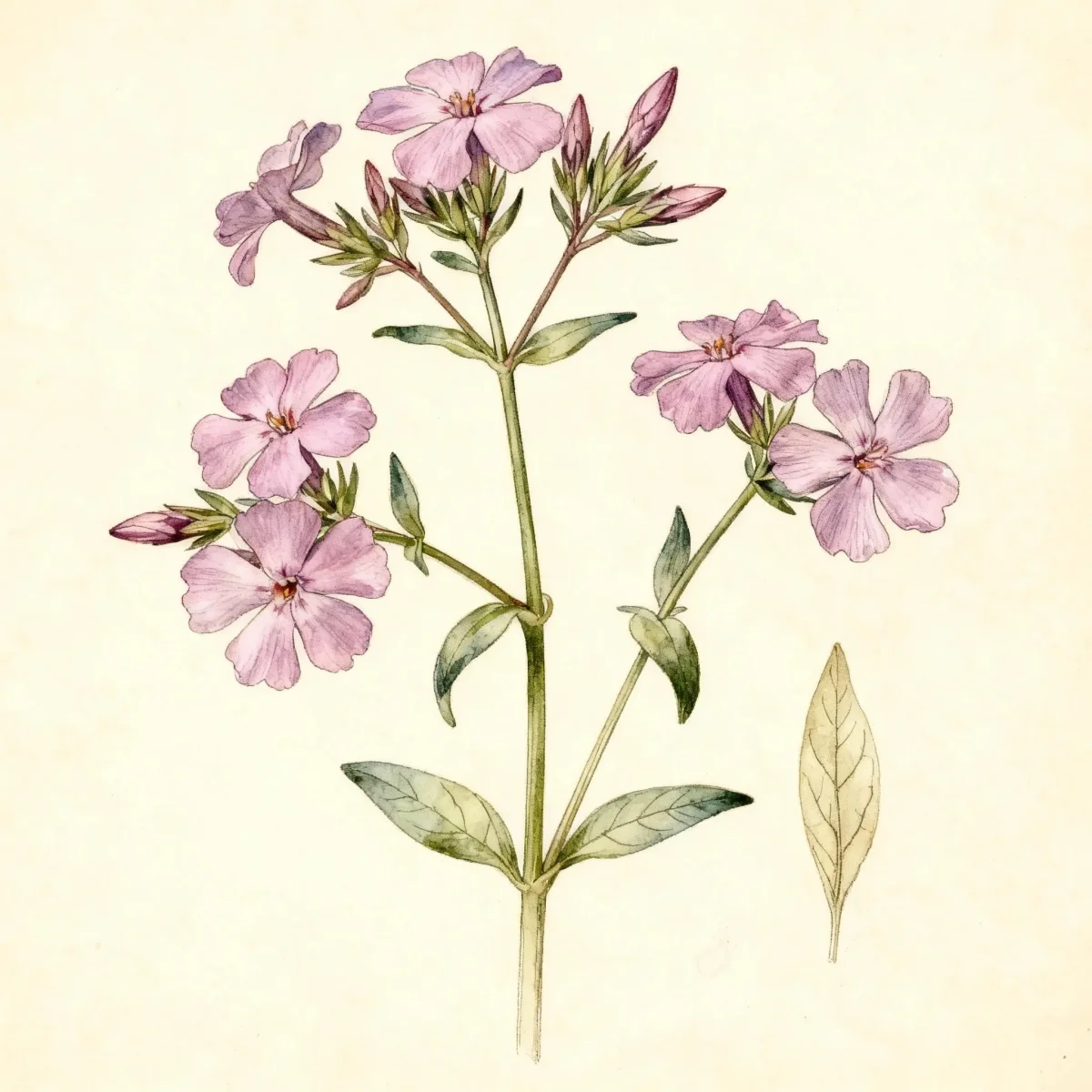
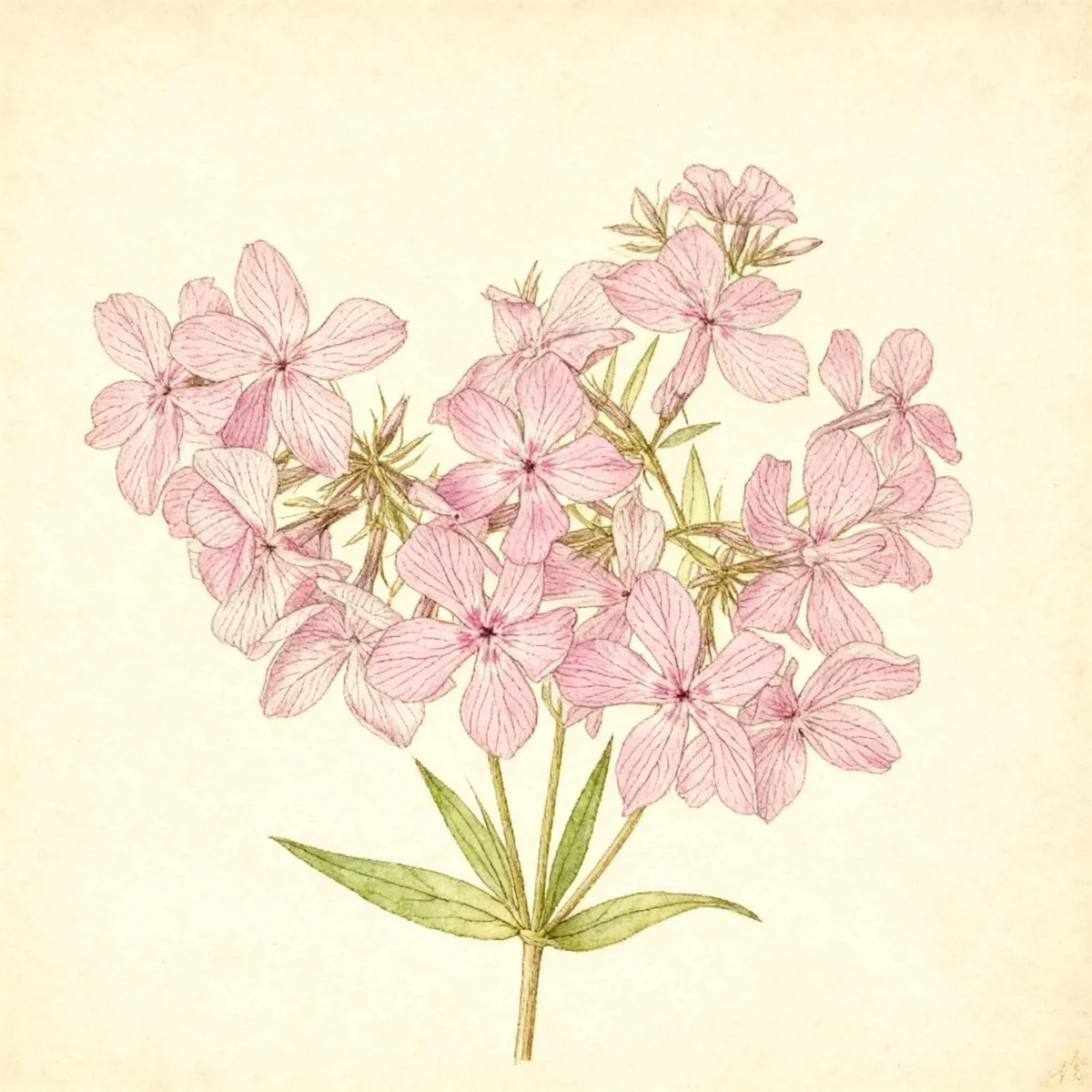
The distinguishing feature of Phlox subulata, often known as creeping phlox or moss pink, is its profusion of notched, tubular flowers that appear in tight clusters. While commonly achieving only 6 inches in height, this plant spreads rapidly to widths up to 2 feet, making it highly effective for blanketing slopes or filling large areas in rock gardens.
Gardeners seeking reliable performance from their ground covers will value Moss phlox for its tolerance to dry conditions once established. It thrives best in full sun, though some dappled light in intense summer climates can be beneficial, offering a durable, attractive solution for erosion control and border softening.
Fast Facts
- Plant Family: Polemoniaceae
- Plant Type: Herbaceous perennial
- Native Range: Eastern and central United States
- Hardiness Zones: USDA Zones 3-9
- Size at Maturity:
- Height: 0.25-0.5 ft
- Spread: 1-2 ft
- Bloom Time: March to May
- Bloom Description: Red-purple to violet-purple to pink to white
- Sun Exposure: Full sun
- Water Needs: Medium
- Maintenance Level: Medium
How to Grow
Optimal growth for Phlox subulata begins with planting in humusy, well-drained soils in the spring or early fall. While it prefers medium moisture, good soil drainage is paramount; this plant performs exceptionally well in sandy or gravelly soils and handles hot, dry exposures better than many other phlox species. Full sun maximizes flowering, though slight dappling can help during intense summer heat.
Water requirements are medium, focusing on consistent moisture during establishment. Once mature, the drought tolerance of moss phlox shines, requiring less supplemental watering than many border plants. Fertilization is rarely necessary; rich soils may actually reduce flower production.
After the heavy flush of bloom in spring, prune the stems back by half. This crucial maintenance step keeps the mat tidy, promotes denser, improved growth, and may stimulate a light secondary bloom. Plants will self-seed naturally in ideal growing conditions, helping to fill in the landscape over time.
Landscape Uses
Moss phlox excels as a textural and colorful ground cover, particularly valued in sunny, open areas. Its low, creeping habit makes it perfect for rock gardens, providing a vibrant springtime spill over stone edges. It is also ideal for edging foundations or softening the hard lines where lawn meets hardscape.
Use Phlox subulata on slopes where its deep root systems help stabilize soil and combat erosion effectively. Because it requires good drainage and tolerates hot exposures, it integrates seamlessly into native plant gardens or naturalized sunny meadows. Allow it to drape slightly over retaining walls for a dramatic, flowing effect.
For border fronts, use this colorful mat to anchor taller perennials or shrubs that appreciate similar sun exposure and sharp drainage. Its carpet of continuous foliage offers visual interest even outside the bloom season.
Standout Features
Flower Qualities
- Showy
Noteworthy Characteristics
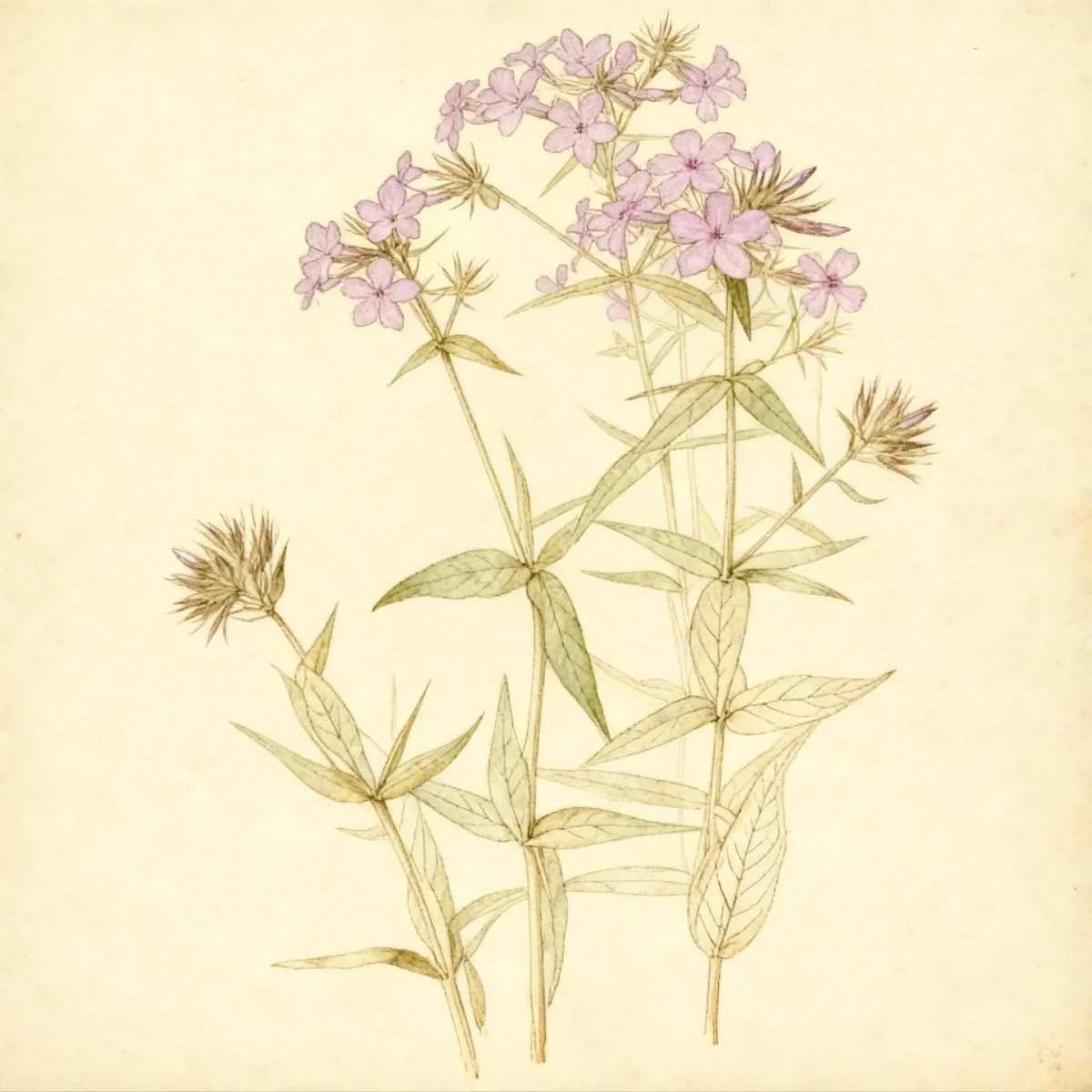
Phlox subulata, commonly called moss phlox, moss pink, mountain phlox or creeping phlox, is a vigorous, spreading, mat-forming, sun-loving phlox that grows to only 6” tall but spreads to 24” wide. It is noted for it creeping habit, its linear to awl-shaped leaves (which retain some green in winter) and its profuse carpet of mid-spring flowers with notched flower petals. The genus name is derived from the Greek word phlox meaning flame in reference to the intense flower colors of some varieties.
Tolerances
- Deer
- Drought
- Erosion
- Air Pollution
Potential Problems
Phlox subulata possesses an advantage over many other phlox species as it strongly resists powdery mildew, a common frustration gardener’s face. However, specific pests can still appear. Spider mites are the primary concern, often causing damage during hot, dry spells; monitor foliage closely and apply miticide or blast with water if numbers increase.
In consistently wet or humid conditions, watch for foliar nematodes, which can cause noticeable damage to the leaves. While deer typically avoid this plant, rabbits might occasionally sample the foliage, so appropriate exclusion methods may be necessary in high-risk areas.
Frequently Asked Questions
What hardiness zones is Moss phlox suitable for?
Moss phlox, Phlox subulata, is highly adaptable and suitable for USDA Zones 3 through 9.
How large does Moss phlox grow?
This plant typically reaches a short height between 0.25 to 0.5 feet, but it spreads considerably, achieving a spread of 1 to 2 feet wide.
What sun exposure does Phlox subulata need?
Phlox subulata absolutely requires full sun for the most abundant and colorful bloom display.
When does Moss phlox bloom?
Moss phlox begins its spectacular blooming period in early spring, typically from March through May, displaying colors ranging from deep violet-purple to pale pink and white.
Conclusion
The dense, colorful coverage offered by Phlox subulata sets it apart as a foundational plant for sunny, well-drained areas. Its deer and drought tolerance make Moss phlox a reliable, low-fuss performer for rockeries and slopes. Before planting, confirm your USDA hardiness zone alignment and prepare your soil to ensure excellent drainage for long-term success.
Companion Planting
Selecting companions that share the full-sun requirements and preference for sharp drainage enhances the overall health of your rock garden utilizing Phlox subulata. Consider pairing it with low-growing alpines, sedimentary rock dwellers, or plants that bloom later to extend the season of interest.
Dwarf Iris varieties, creeping thyme, and sedums are excellent companions that thrive under similar dry, sunny conditions. These combinations create textural contrast—the delicate moss texture against the succulent or linear leaves of its partners—while maintaining similar cultural needs.
Avoid placing Phlox subulata near plants that require consistent, rich moisture, as damp feet are the fastest route to decline for this tough perennial. By grouping it with drought-tolerant spring bulbs like miniature daffodils, you ensure that all plants benefit from the sharp drainage this phlox demands.
Wildlife Benefits
The intense floral display put on by Phlox subulata in the spring is not just for human enjoyment; it serves as a vital early-season nectar source for pollinators. The tubular shape of the flowers is highly attractive to various insect life emerging after winter dormancy.
This plant is noted as being attractive to butterflies, providing crucial fuel for migratory species and local populations preparing for the summer months. Its dense, low mat also provides excellent cover and nesting material opportunities for small ground-dwelling insects.
Focusing on native species like Phlox subulata in garden design contributes significantly to local ecosystem support. Planting large swaths ensures a substantial nectar reward, encouraging beneficial insects to stay within the garden environment.