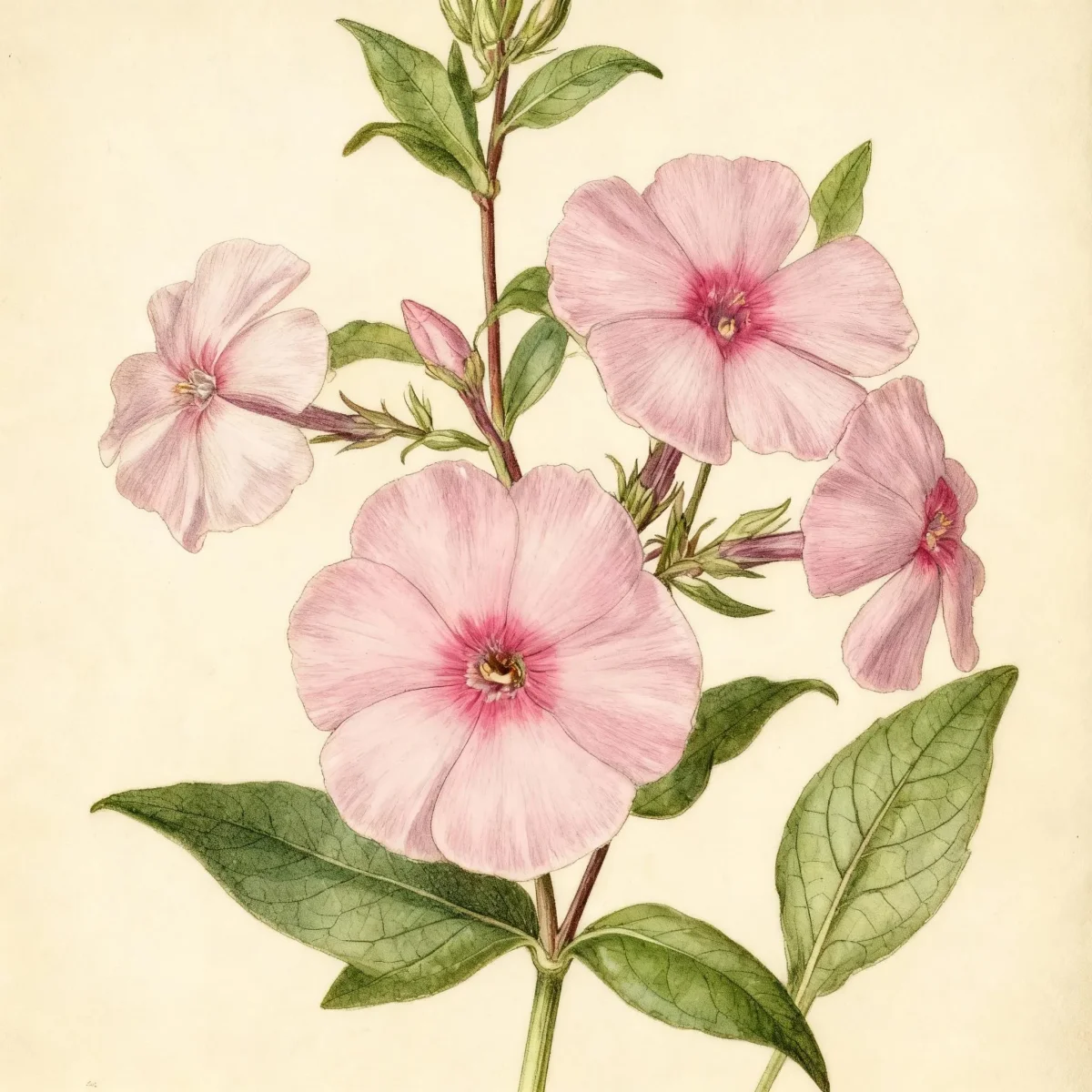
Jacob's ladder (Polemonium reptans)
Discover Jacob's ladder (Polemonium reptans), an elegant native perennial blooming blue from April to June in Eastern North America.
Scroll down to discover growing tips, care requirements, companion plants, and more

Complete Plant Information
Overview
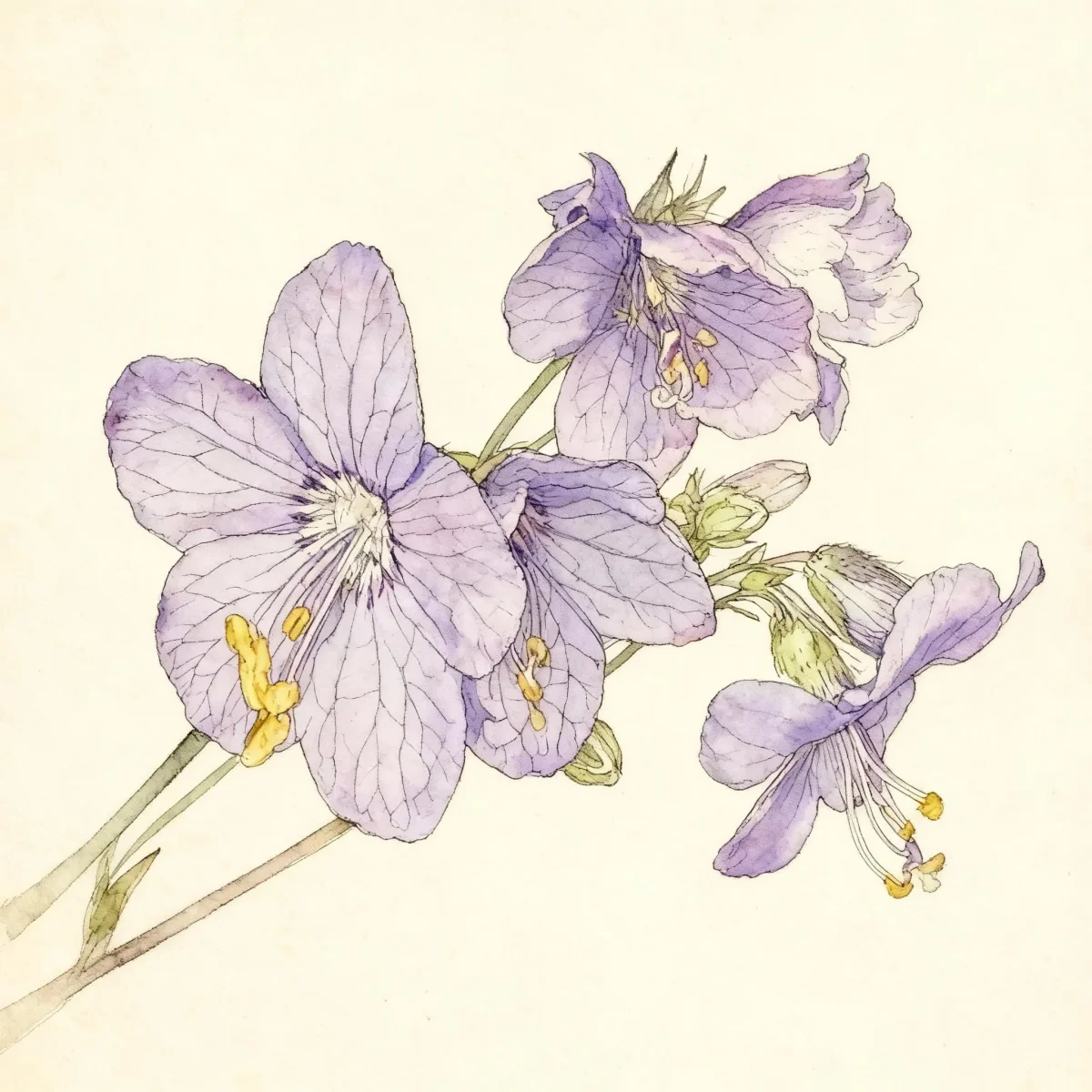
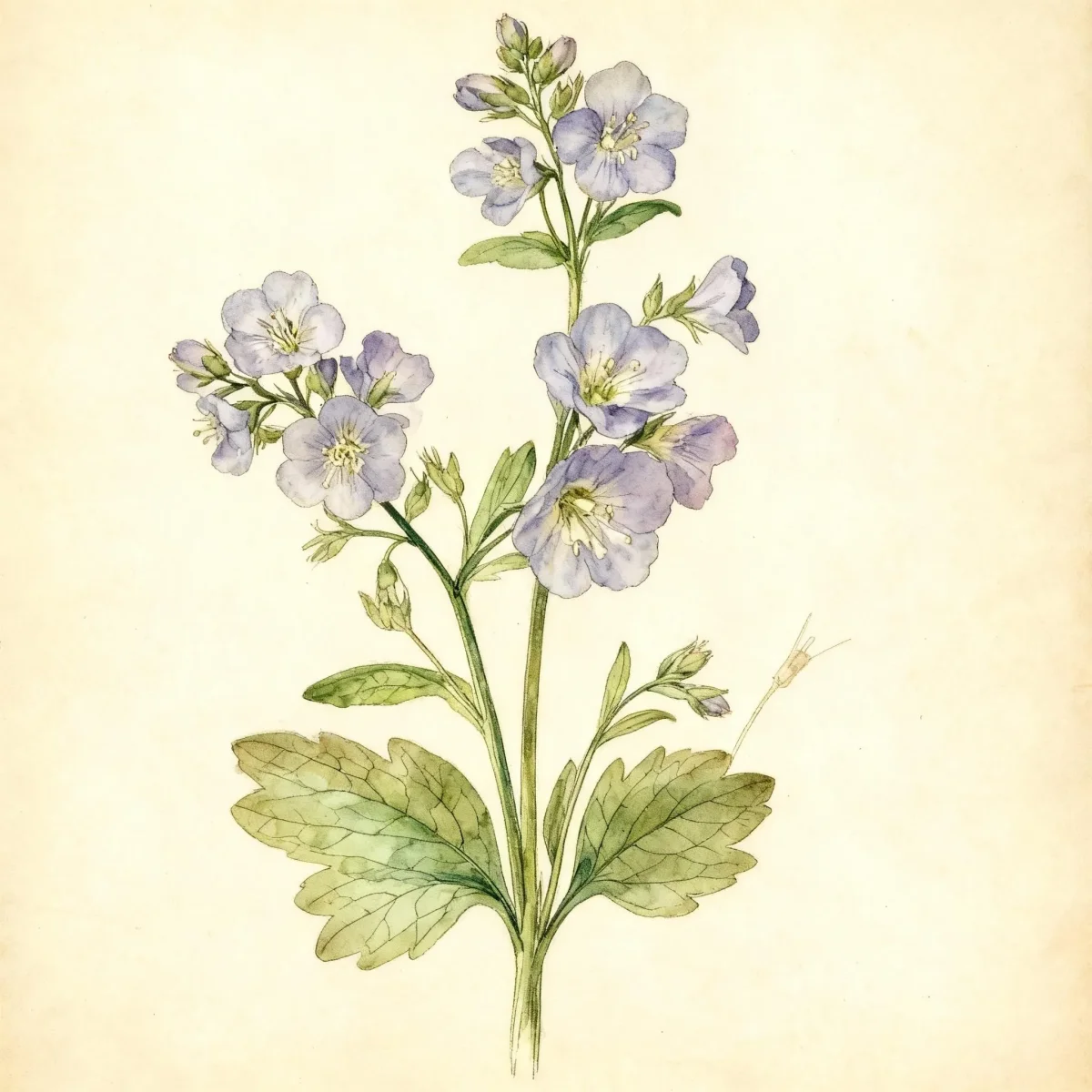
Jacob’s ladder, scientifically known as Polemonium reptans, is a cherished native wildflower prized for its delicate blue, bell-shaped flowers appearing remarkably early in the season. Its unique, pinnately compound foliage, arranged like the rungs of a ladder, gives the plant its evocative common name. This herbaceous perennial naturally emerges in the rich, moist woodlands of Eastern North America, offering essential early-season color.
Valuable for naturalizing, Polemonium reptans reliably signals the arrival of spring with its graceful display. It establishes quickly, forming a neat mound that brightens shady garden areas before taller summer bloomers take over. Gardeners appreciate this plant not only for its aesthetic appeal but also for its relatively low maintenance profile once established in the correct conditions.
When properly sited, expect Polemonium reptans to thrive and even freely self-seed, expanding its presence gently throughout woodland borders or native plant collections. Its resilience against common problems like deer browsing further enhances its utility in diverse landscape settings across USDA Zones 3 through 8.
Fast Facts
- Plant Family: Polemoniaceae
- Plant Type: Herbaceous perennial
- Native Range: Eastern North America
- Hardiness Zones: USDA Zones 3-8
- Size at Maturity:
- Height: 1-1.5 ft
- Spread: 1-1.5 ft
- Bloom Time: April to June
- Bloom Description: Blue
- Sun Exposure: Part shade
- Water Needs: Medium
- Maintenance Level: Medium
How to Grow
Polemonium reptans establishes best when planted in the spring or fall into moist, humusy soil that is well-drained. While its preferred location is part shade, mimicking its woodland home, it can tolerate full sun if you are gardening in a cooler summer climate zone. Proper moisture retention is key, as inconsistent watering stresses this otherwise adaptable perennial.
Consistent medium watering is required, especially during its first growing season to help it establish strong root systems. Fertilization is usually unnecessary if the soil structure mimics its native habitat—rich in organic matter. Pruning involves little more than light cleanup of spent foliage in late fall or early spring before new growth appears.
A key feature of Jacob’s ladder is its tendency to freely self-seed in optimum growing conditions, leading to charming colonies over time. To prevent excessive self-seeding, you can shear off the flower heads immediately after blooming fades, although allowing some seed set helps sustain the population. Ensure the location avoids both consistently wet feet and extreme summer drought.
Landscape Uses
Jacob’s ladder is perfectly suited for creating naturalistic sweeps in shaded environments. Its use as a naturalizing plant allows it to blend seamlessly into borders, woodland edges, and along stream banks where moisture levels remain consistent. It performs exceptionally well when used under deciduous trees, appreciating the dappled light provided before the canopy fully leafs out.
Consider mixing Polemonium reptans with other early-season woodland natives such as Trillium, wild Ginger (Asarum), or springtime bulbs like Daffodils. Its vibrant blue flowers provide a striking contrast against the deep greens of hostas or ferns that emerge later in the season. This perennial brings vital texture and early color to rock gardens and shaded native plant displays.
Standout Features
Flower Qualities
- Showy
Noteworthy Characteristics
Polemonium reptans, commonly called Jacob’s ladder, is a herbaceous perennial wildflower that occurs in rich, moist woods and along streams in the parts of the eastern and central United States. Typically grows in a mound to 12” (less frequently to 18”) tall. Features light blue, bell-shaped flowers (to 3/4” long) in loose, terminal clusters appearing on sprawling, weak stems in mid to late spring. The genus name comes from the Greek name polemonion, and the specific epithet means creeping.
Tolerances
- Deer
- Black Walnut
Potential Problems
Fortunately, Polemonium reptans rarely suffers from serious insect or disease problems, making it a reliably low-hassle selection for garden designers. Its natural resistance helps it thrive where more delicate ornamentals might struggle. To prevent potential issues like powdery mildew during humid periods, ensure good air circulation around the plants by providing appropriate spacing during planting.
Frequently Asked Questions
What hardiness zones is Jacob’s ladder suitable for?
Polemonium reptans is hardy across a wide range, suitable for USDA Zones 3 through 8.
How large does Jacob’s ladder grow?
This perennial typically reaches a mature height between 1 and 1.5 feet tall, and spreads to a similar width of 1 to 1.5 feet, forming a neat mound.
When does Jacob’s ladder bloom?
Jacob’s ladder features distinctive blue flowers which appear relatively early, primarily blooming from April through June.
What sun exposure does Jacob’s ladder need?
The ideal environment for Polemonium reptans is part shade, though it can handle brief periods of sun, especially in cooler summer climates.
Conclusion
For gardeners seeking reliable, early-season blue color in shaded areas, Jacob’s ladder (Polemonium reptans) offers an unmatched combination of charm and resilience. Its easygoing nature, combined with resistance to browsing deer, makes it a foundational plant for woodland and native gardens across numerous zones. Check your local USDA hardiness compatibility and plan your spring planting time soon to enjoy the beauty of Polemonium reptans next season.
Companion Planting
Companion planting with Polemonium reptans should focus on species that share its cultural needs: moist, well-drained soil and part shade exposure. Excellent partners include spring ephemerals that emerge and fade before the Jacob’s ladder reaches its full height, such as Bloodroot (Sanguinaria canadensis) or Spring Beauty (Claytonia virginica).
As summer approaches, select shade-tolerant perennials that offer differing foliage textures to complement the fine leaves of Polemonium reptans. Hostas, Astilbe, or Japanese Forest Grass (Hakonechloa macra) provide lush, textural contrast while benefiting from similar moisture levels, creating a cohesive, cool, shaded display throughout the growing season.
Propagation Tips
The most common and easiest method for increasing your stock of Polemonium reptans is through seed collection and sowing. Allow the seed capsules to mature fully on the plant in mid-summer before harvesting. Sow seeds indoors late winter for transplanting seedlings outside after the last frost, or directly sow them outdoors in the fall for natural cold stratification, leading to blooms the second year.
While less common, division is also an effective method for maintaining vigor every few years. Gently dig up the clump in early spring or fall and carefully tease apart the root mass, ensuring each division has several healthy crowns attached. Replant the divisions immediately into prepared, humus-rich soil to minimize transplant shock for your patches of Jacob’s ladder.