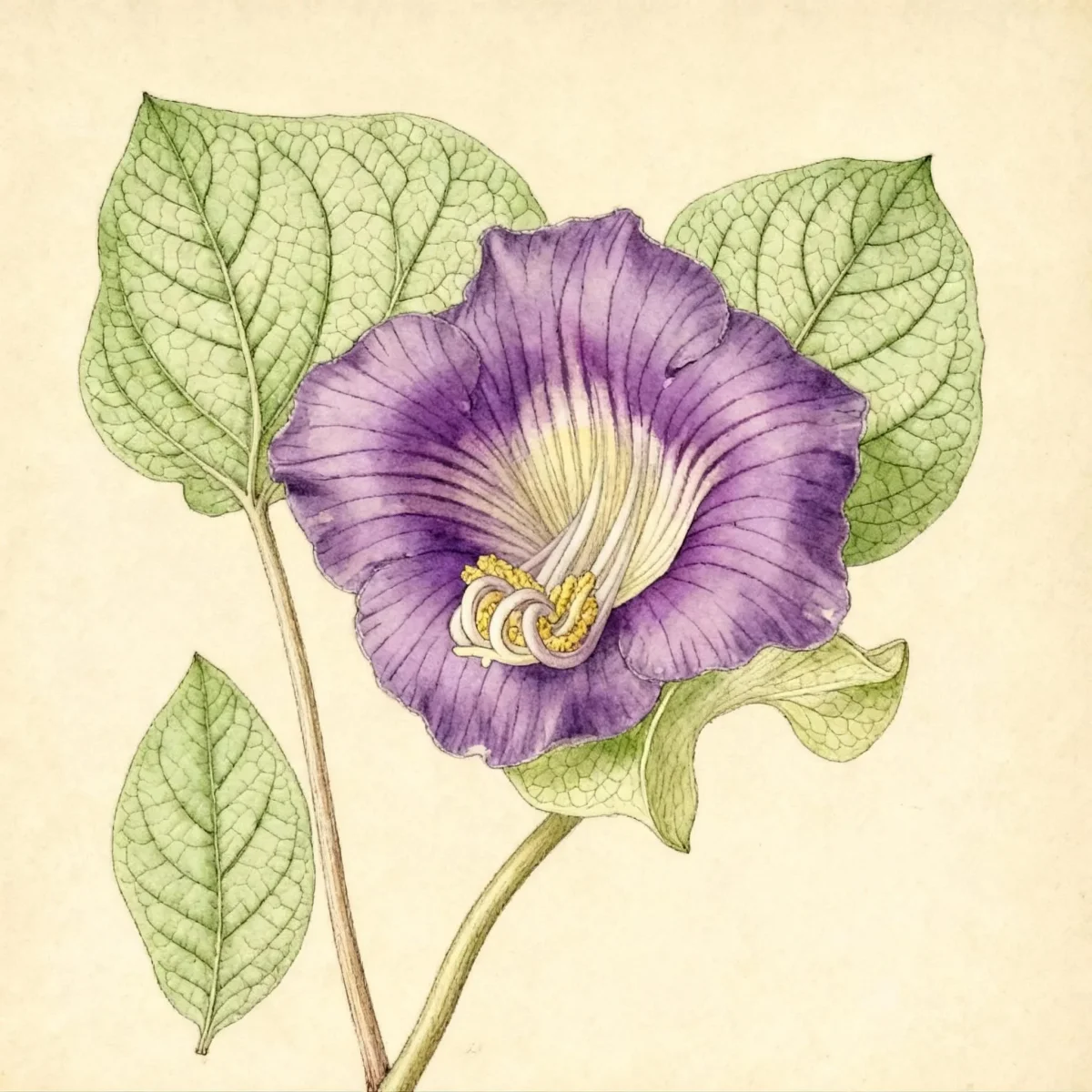
Coral vine (Antigonon leptopus)
Discover Coral vine (Antigonon leptopus), a rapid-growing, tuberous-rooted vine ideal for arbors, blooming profusely in late summer.
Scroll down to discover growing tips, care requirements, companion plants, and more

Complete Plant Information
Overview
The Coral vine, scientifically known as Antigonon leptopus, is a fast-growing, tuberous-rooted tropical vine celebrated for its vigorous growth habit and prolific late-season bloom. Native to Mexico, this plant offers significant ornamental value, quickly covering structures with its coarse, wavy-edged green foliage. Gardeners prize it for turning dull fences or arbors into a vibrant display of pink to white flowers just when many other plants are fading.
This rapidly climbing vine utilizes tendrils to cling successfully to supports, making it an excellent choice for vertical gardening applications where height and coverage are desired. While its true tropical potential allows it to reach 40 feet in ideal conditions, it typically matures to 8 to 10 feet in a single growing season when treated as an annual in cooler climates. Its relative ease of care further cements the appeal of Antigonon leptopus in diverse gardening settings.
As an introduction to Mexican flora, the Coral vine provides dramatic texture and color throughout the summer and into fall. Its cultural adaptability, tolerating drought once established, makes it a relatively forgiving specimen for sunny garden spots requiring consistent vertical interest.
Fast Facts
- Plant Family: Polygonaceae
- Plant Type: Vine
- Native Range: Mexico
- Hardiness Zones: USDA Zones 8-11
- Size at Maturity:
- Height: 8-10 ft
- Spread: 3-6 ft
- Bloom Time: Seasonal bloomer
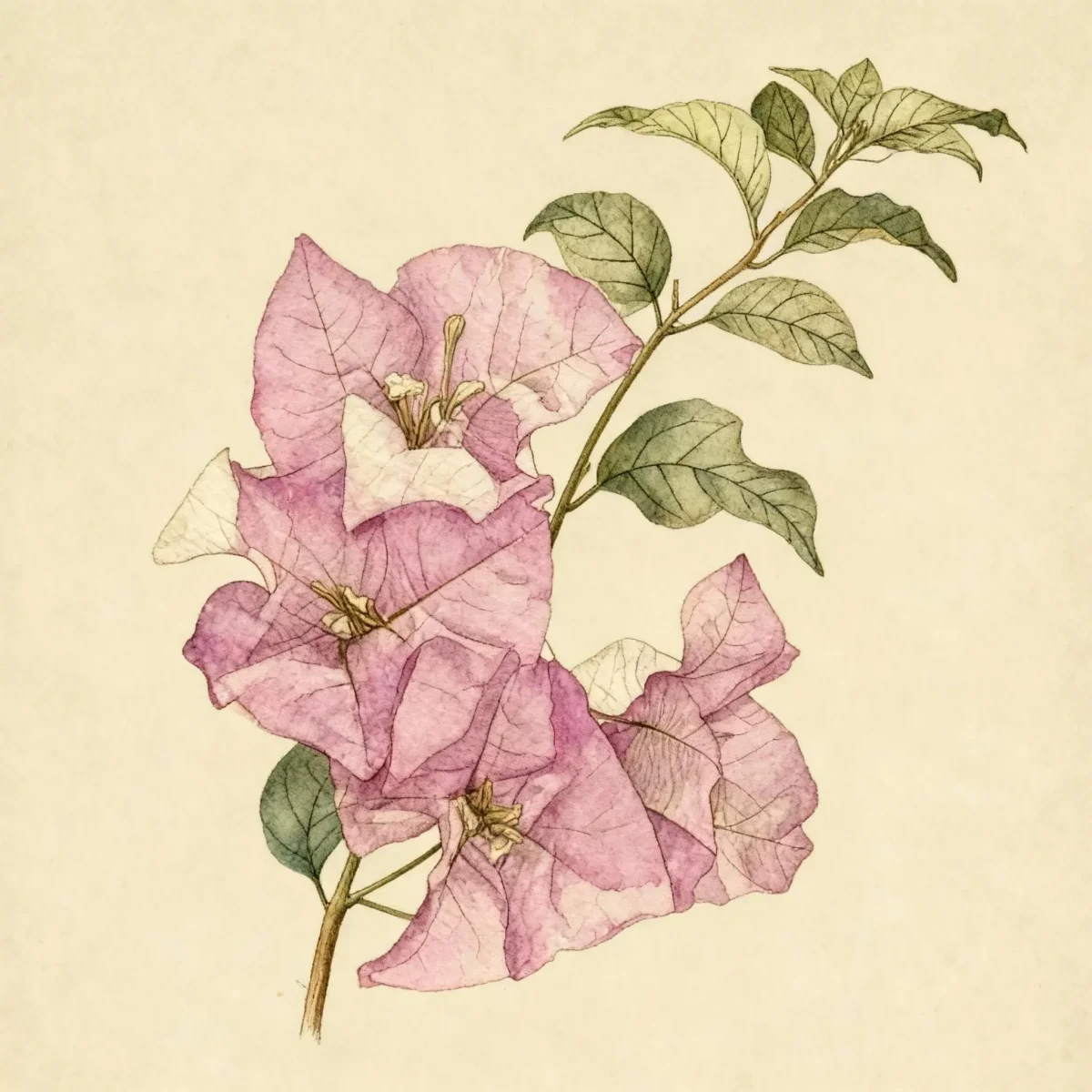
- Bloom Description: Pink to white
- Sun Exposure: Full sun
- Water Needs: Medium
- Maintenance Level: Medium
How to Grow
Planting the Coral vine is best done in late spring after all danger of frost has passed, especially when growing it as an annual. Choose a location receiving full sun exposure, as adequate light is crucial for robust flowering. Antigonon leptopus thrives in average, medium, well-drained soils; while it tolerates drought, ensuring consistent moisture during the active growing season will maximize its rapid coverage.
Care for established vines centers on providing consistent water, particularly during dry spells, although it recovers well from brief periods of dryness. Fertilization should be moderate; excessive nitrogen may promote leaf growth at the expense of flowers. Since it is deciduous in Zone 8 but evergreen in warmer zones (9-11), pruning practices vary by region. In colder areas, cut back the dead top growth in early spring.
In USDA Zones 8 and above, the tuberous roots generally survive winter, allowing the Antigonon leptopus to return the following year. In truly cool regions, the plant might be treated strictly as an annual or overwintered indoors if grown in containers. Always ensure robust support is in place before the plant establishes its tenacious tendrils.
Landscape Uses
The primary utility of the Coral vine lies in vertical accentuation, making it an ideal annual for rapidly softening hard architectural lines. Plant one Antigonon leptopus at the base of sturdy trellises, pergolas, or strong fences to create an immediate, lush screen. Its vigorous nature also suits large containers, provided the pots are substantial enough to support its root mass and provide the necessary medium volume.
Consider using pink or white flowered varieties to contrast with deep green or blue-foliaged neighbors. Because it fills in so densely, it serves well to hide unsightly utility boxes or equipment during the summer months. The beautiful flowers attract interest, though its rapid growth requires consistent monitoring to prevent the vine from overwhelming smaller adjacent plantings.
Standout Features
Flower Qualities
- Showy
Noteworthy Characteristics
Antigonon leptopus, commonly called coral vine, native to Mexico, is a tuberous-rooted, tendril-climbing tropical vine. Flowers appear in axillary racemes displaying pleasing pink to white sepals, typically blooming from late summer into fall. The genus name is derived from the Greek words anti (in place of) and polygonon (a knotweed), placing it within the knotweed family near other familiar polygonums.
Tolerances
- Drought
Potential Problems
The Coral vine generally displays an excellent health profile, exhibiting no serious insect or disease issues under typical growing conditions. A minor concern may involve caterpillars occasionally chewing on the coarse green foliage. If pests appear, standard controls for chewing insects are usually effective, though cultural stress from improper watering or poor drainage should be addressed first to maintain its inherent vigor.
Frequently Asked Questions
What hardiness zones is Coral vine suitable for?
Antigonon leptopus is reliably hardy in USDA Zones 8 through 11, thriving best where it can remain evergreen.
How large does Coral vine grow?
This vine generally reaches a height between 8 and 10 feet and spreads between 3 and 6 feet when grown as an annual, though it can grow much taller in tropical settings.
What sun exposure does Coral vine need?
For the best results and prolific blooming, Antigonon leptopus requires full sun exposure.
When does Coral vine bloom?
This plant is characterized as a seasonal bloomer, offering its signature pink to white flowers during the late summer and fall seasons.
Conclusion
The Antigonon leptopus, or Coral vine, offers unparalleled seasonal performance due to its rapid growth and attractive pinkish blooms, making it a superb choice for high-impact vertical decoration. Before planting, ensure your location provides the required full sun and sufficient robust support for this enthusiastic climber. Check your local hardiness zone to determine if you need to treat this Mexican native as a cherished annual or a semi-permanent fixture.
Companion Planting
When incorporating Coral vine into your design, selecting companions that appreciate similar cultural needs—full sun and medium water—will ensure overall garden harmony. Consider pairing the rapid coverage of Antigonon leptopus with structural, heat-tolerant perennials that offer contrasting leaf texture, such as ornamental grasses or structural succulents placed near the base. These companions help anchor the base of the vine, especially in the early season before the vine fully develops its canopy.
Seasonal Care Calendar
Early spring is the time for assessment; if you are in Zone 8, cut back the dead material to ground level as new growth emerges from the tubers. Throughout the summer, monitor watering closely, providing medium water amounts, especially during periods of intense heat to support the fast growth rate. As fall approaches, enjoy the late flush of bloom; this is often the visual peak for the Coral vine before cooler temperatures cause the vine to senesce if grown outside its ideal tropical range.