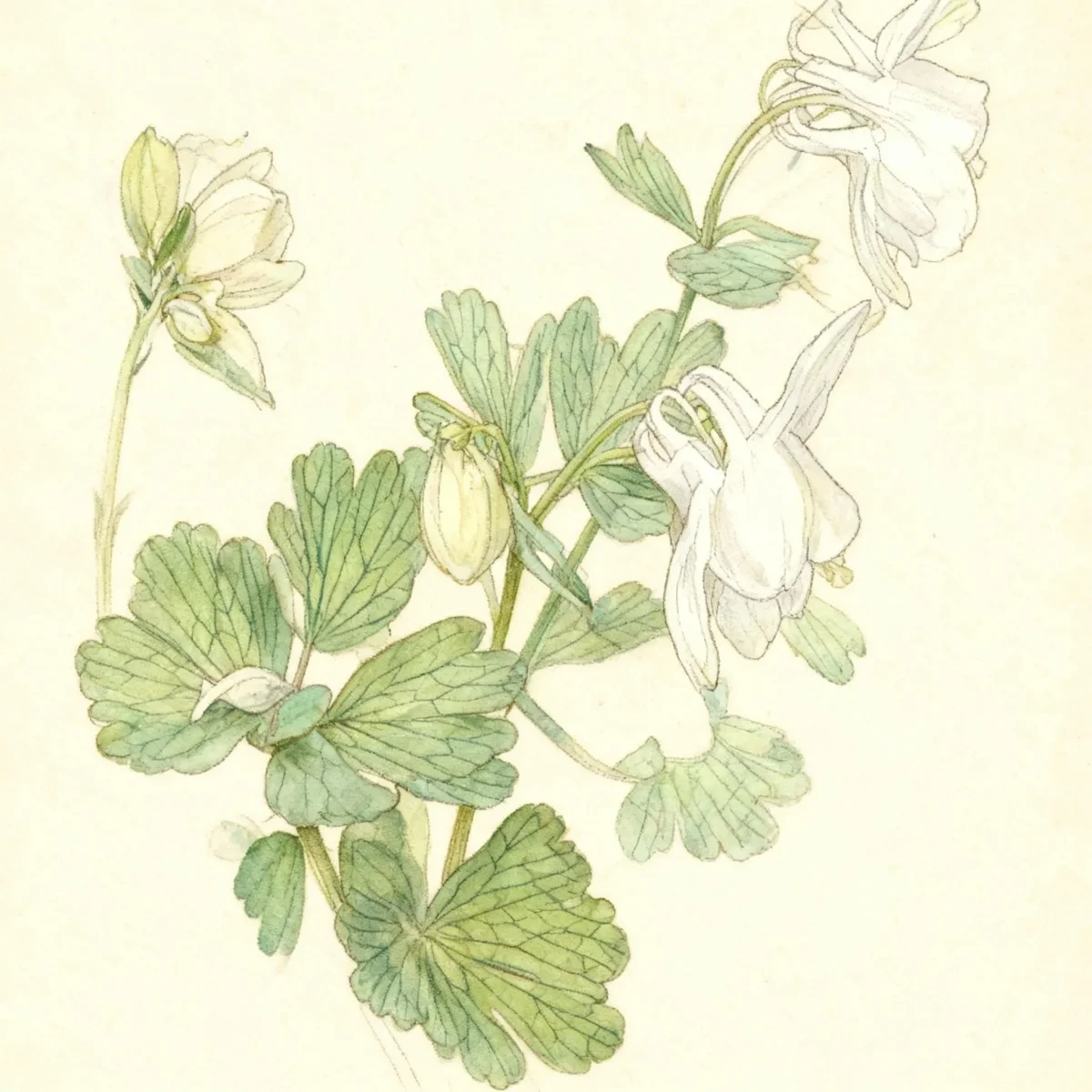
Spring beauty (Claytonia virginica)
Spring beauty (Claytonia virginica) is a delicate spring ephemeral featuring white to pink flowers, perfect for naturalizing in woodland settings.
Scroll down to discover growing tips, care requirements, companion plants, and more
Complete Plant Information
Overview
Claytonia virginica, widely known as spring beauty, is a highly valued, delicate native wildflower that signals the beginning of spring across Eastern North America. Its early bloom time and graceful structure make it a fundamental component for woodland and naturalized gardens. This species is prized for its ephemeral nature, covering the ground in soft color before deciduous tree canopies fully close.
This herbaceous perennial grows from small, potato-like tubers called corms, thriving in rich, moist soils. While it offers spectacular early-season interest, gardeners must note that the foliage disappears as summer heat arrives, entering dormancy. Successful cultivation of Claytonia virginica relies on respecting its natural cycle and providing the fertile, well-drained conditions it prefers.
A key feature of spring beauty is its ability to naturalize readily, often forming substantial colonies over time through bulb offsets and self-seeding. While this colonization is welcomed in meadows, it can lead to weedy behavior in highly optimal spots, requiring attentive management by the gardener.
Fast Facts
- Plant Family: Montiaceae
- Plant Type: Herbaceous perennial
- Native Range: Eastern North America
- Hardiness Zones: USDA Zones 3-8
- Size at Maturity:
- Height: 0.5-0.75 ft
- Spread: 0.5-0.75 ft
- Bloom Time: April
- Bloom Description: White to pink
- Sun Exposure: Full sun to part shade
- Water Needs: Medium
- Maintenance Level: High
How to Grow
The best time to establish Claytonia virginica is in the fall by planting the small corms. Ensure planting depth is approximately 3 inches deep with 3 inches of space between each plant to allow for natural spreading. These plants perform best in average, medium moisture, well-drained soils where they receive the filtered light of sun to part shade.
Once established, watering should remain consistent to maintain medium soil moisture, especially while the foliage is present in early spring. Fertilization is generally unnecessary if the soil is organically rich and fertile, as is preferred by this species. Because the foliage dies back completely by late spring, aggressive weeding around the location during summer must be done cautiously to avoid disturbing the submerged corms.
Claytonia virginica naturalizes easily, which is often its primary benefit in a garden setting. Allow the plants to self-seed freely within meadows or woodland borders. Be aware that the foliage may persist up to 9-12 inches tall before vanishing entirely as the plant prepares for its summer dormancy period.
Landscape Uses
The primary landscape function of Claytonia virginica is aggressive naturalization, mimicking its native habitat in rich woodlands, meadows, and valleys. This makes them perfectly suited for large-scale plantings where they can spread freely, softening edges and providing an early carpet of color. They are an excellent choice for wildflower gardens or integrated into lawns, much like spring crocus, where the grass can be allowed to grow long until the spring beauty foliage dies back.
Consider using spring beauty in woodland garden settings beneath deciduous trees, utilizing the space before the canopy leafs out fully. They pair exceptionally well with other early spring ephemerals and bulb-like plants that share similar moisture and soil preferences. Once established, the low profile and early bloom of Claytonia virginica create an ephemeral foreground layer in the spring landscape composition.
Standout Features
Flower Qualities
- Showy
Noteworthy Characteristics
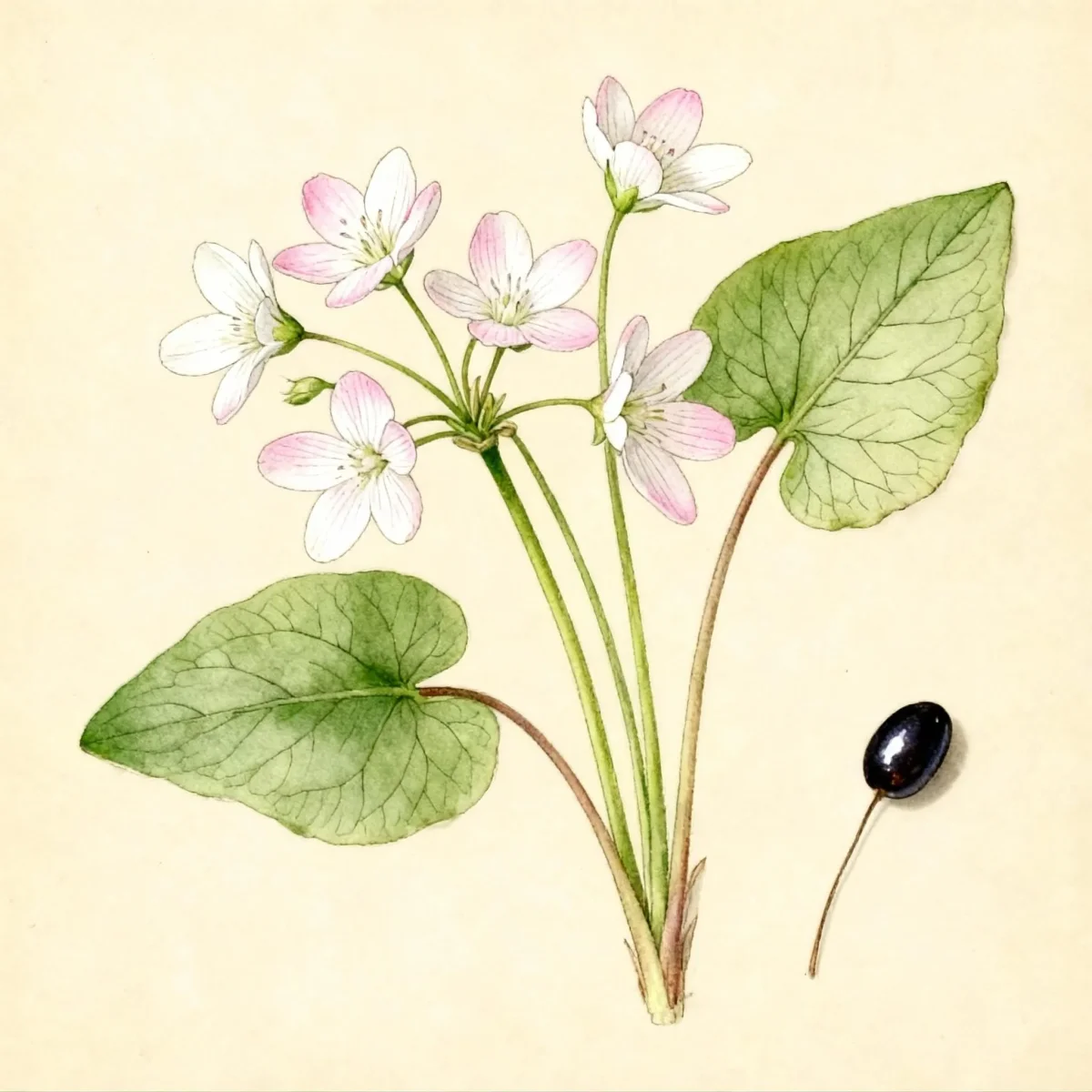
Claytonia virginica, commonly called spring beauty, is a delicate, much-beloved, native Missouri spring wildflower that typically occurs statewide in rich, moist woodlands and valleys, meadows, prairies and somewhat dry upland woods (Steyermark). It is a low-growing spring ephemeral that features clusters of star-like, five-petaled, white to light pink flowers (to ¾” wide) with pink veins and pink anthers. The narrow, linear, grass-like, dark green leaves often persist slightly longer than the bloom, eventually disappearing in late spring as the plants enter dormancy.
Tolerances
- No serious insect or disease problems.
Potential Problems
Gardeners integrating Claytonia virginica into their landscape should manage expectations regarding its rapid spread and subsequent post-bloom dormancy. While easy to establish, its vigorous naturalization can become problematic if planted too near formal borders or areas requiring strict control over groundcover. Preventing weed seed germination among the foliage in late spring is crucial, though care must be taken not to disturb the underground tubers during weeding.
No serious insect or disease problems are typically associated with this species, allowing for relatively low chemical intervention needs. The greatest management consideration involves accepting the plant’s ephemeral nature; do not cut back the leaves prematurely, as this depletes the energy reserves stored in the corms needed for next year’s display.
Frequently Asked Questions
What hardiness zones is Spring beauty suitable for?
Claytonia virginica is hardy across a wide range, thriving in USDA Zones 3 through 8.
How large does Spring beauty grow?
This compact perennial typically reaches a short height between 0.5 and 0.75 feet tall, with a spread of 0.5 to 0.75 feet.
When does Claytonia virginica bloom?
Spring beauty flowers emerge early, typically in April, displaying clusters of delicate white to pink blooms.
What sun exposure does Spring beauty need?
This native plant adapts well, tolerating conditions ranging from full sun to partial shade, though it prefers moist, rich soils.
Conclusion
The beautiful, short-lived display provided by Claytonia virginica marks a triumphant start to the growing season in many native landscapes. Its ease of naturalization makes spring beauty a wonderful choice for ecologically focused gardeners looking to restore native color to woodland floors. Before planting, ensure your site offers medium moisture and rich soil, and plan for its summer disappearance as you select companion plants.
Companion Planting
When planning a spring ephemeral display, pairing Claytonia virginica with other woodland natives that share similar sun and moisture needs is highly recommended. Consider planting it alongside Trout Lily (Erythronium americanum) or Spring Beauty’s close relative, Virginia Spring Beauty (Claytonia virginica), though be aware of the latter’s aggressive spreading habit. These companions provide sequential blooming interest or compatible foliage structure during the early spring emergence period.
These native groupings are excellent for underplanting the high canopy of mature shade trees like oaks or maples, capitalizing on the brief window of filtered sun before summer leaf-out. The eventual fading of the Claytonia virginica foliage allows later-emerging woodland perennials, such as wild ginger or ferns, to take over the visual interest through midsummer without competition.
Potential Problems and Management
While insect and disease pressure is low for Claytonia virginica, the primary management challenge is controlling its rapid spread. If the naturalizing tendency becomes excessive in an area, physical removal of the foliage before seed set, or careful digging and division of the corms in late summer dormancy, is the best cultural control method. Never use herbicides in areas where you are intentionally growing native wildflowers.
A secondary, though less common issue, is premature foliage removal. Because the plant relies heavily on its leaves to photosynthesize and replenish the corms for the following year, cutting the leaves back once they start to yellow or decline is acceptable, but mowing or heavy foot traffic during this transition period drastically weakens future blooms.