Rose moss (Portulaca grandiflora)
Discover Rose moss (Portulaca grandiflora): a vibrant annual succulent perfect for rock gardens needing low maintenance and intense sun.
Scroll down to discover growing tips, care requirements, companion plants, and more
Complete Plant Information
Overview
The Portulaca grandiflora, popularly known as Rose moss, is an exceptionally resilient annual recognized for dressing poor, dry sites in vibrant color from summer until the first frost. Its low-growing, spreading habit creates a dense, lush mat, making it visually appealing while requiring minimal gardener intervention.
This Portulaca grandiflora species is a succulent, meaning its fleshy stems and leaves efficiently store water, contributing significantly to its drought tolerance. Gardeners value the Moss rose for its proliferation of jewel-toned, rose-like flowers that reliably brighten hot, sun-drenched locations where other bedding plants might wilt.
As a true sun-lover, successful cultivation of Portulaca grandiflora relies heavily on providing full exposure to the brightest conditions available. Its low overall stature and excellent texture combine to make it a superb choice for edging, ground cover applications, or spilling artfully from containers.
Fast Facts
- Plant Family: Portulacaceae
- Plant Type: Annual
- Native Range: Brazil, Argentina, Uruguay
- Hardiness Zones: USDA Zones 2-11
- Size at Maturity:
- Height: 0.25-0.75 ft
- Spread: 0.5-1 ft
- Bloom Time: June to frost
- Bloom Description: Red, rose, orange, yellow or white
- Sun Exposure: Full sun
- Water Needs: Dry to medium
- Maintenance Level: Low
How to Grow
To establish Portulaca grandiflora, wait until all danger of frost has passed, as this plant strongly dislikes cold temperatures. It thrives in poor to average, dry to moderately moist, well-drained soils. Since it is highly drought tolerant, enrichments like heavy compost are unnecessary; sharp drainage is the most important soil prerequisite to prevent rot.
Sow seeds directly into the garden bed after the last frost date. Alternatively, if you desire earlier color, start Portulaca grandiflora seeds indoors about 6 to 8 weeks before transplanting. Seedlings or purchased plants should be carefully set out only after nighttime temperatures are reliably warm.
Routine care for Rose moss is minimal. Excessive watering is detrimental; allow the soil surface to dry out between waterings, especially once established. Fertilizing is generally not required due to its preference for lean soils. Keep an eye out for aphids, although otherwise, pests and diseases are uncommon.
This annual readily self-seeds, often returning the following year, especially in areas where it was allowed to mature fully. Deadheading is not necessary to encourage reblooming; the flowers generally fade discreetly during cloudy weather.
Landscape Uses
The stunning performance of Rose moss makes it versatile in challenging garden spots. Its low, spreading nature excels as dynamic ground cover, rapidly blanketing bare patches of earth or unifying mixed borders. Furthermore, Portulaca grandiflora creates brilliant, colorful edging along walkways and driveways, showcasing its blooms perfectly at ground level.
Due to their succulent nature and high heat tolerance, these plants are exceptional candidates for containers, window boxes, and especially hanging baskets. Allow the stems of the Portulaca grandiflora to spill over the edge, creating a colorful apron of flowers that contrasts beautifully with the compact foliage mat.
Consider planting Rose moss alongside heat-loving companions like Lantana, perennial succulents, or various ornamental grasses that also prefer sharp drainage and full sun. Given its adaptability, it serves as a low-maintenance solution for rock gardens where soil is inherently thin and subject to rapid drying.
Standout Features
Flower Qualities
- Showy
Noteworthy Characteristics
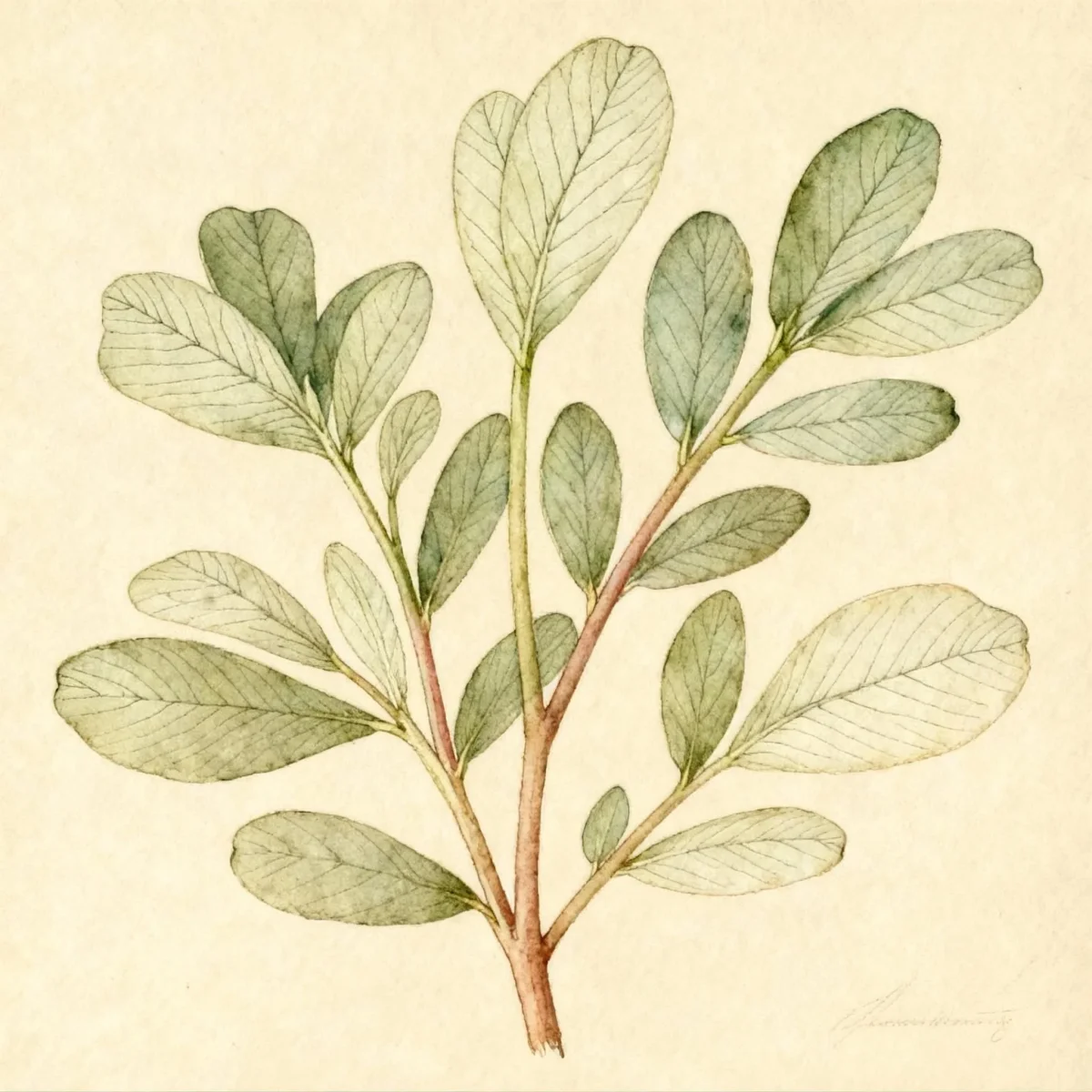
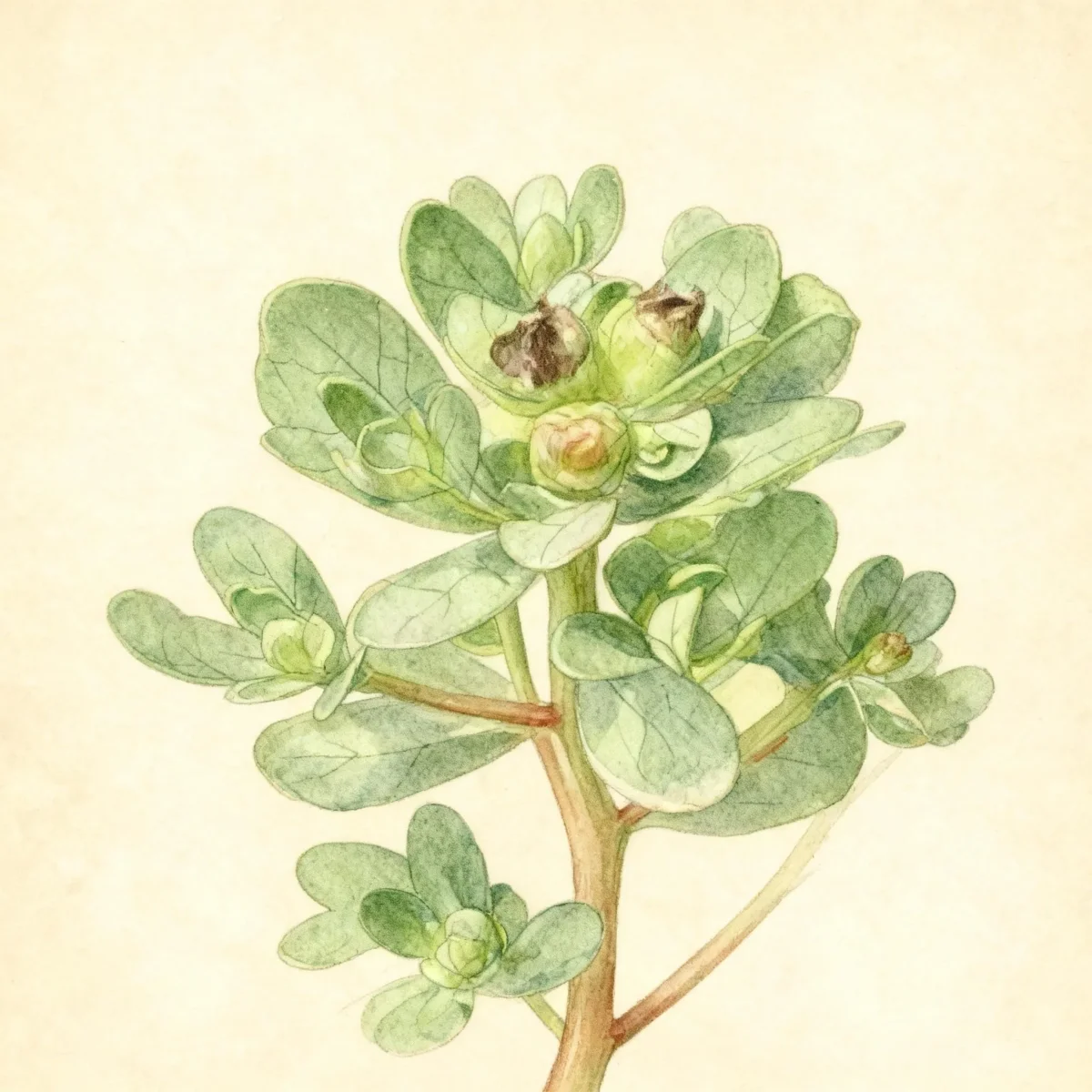
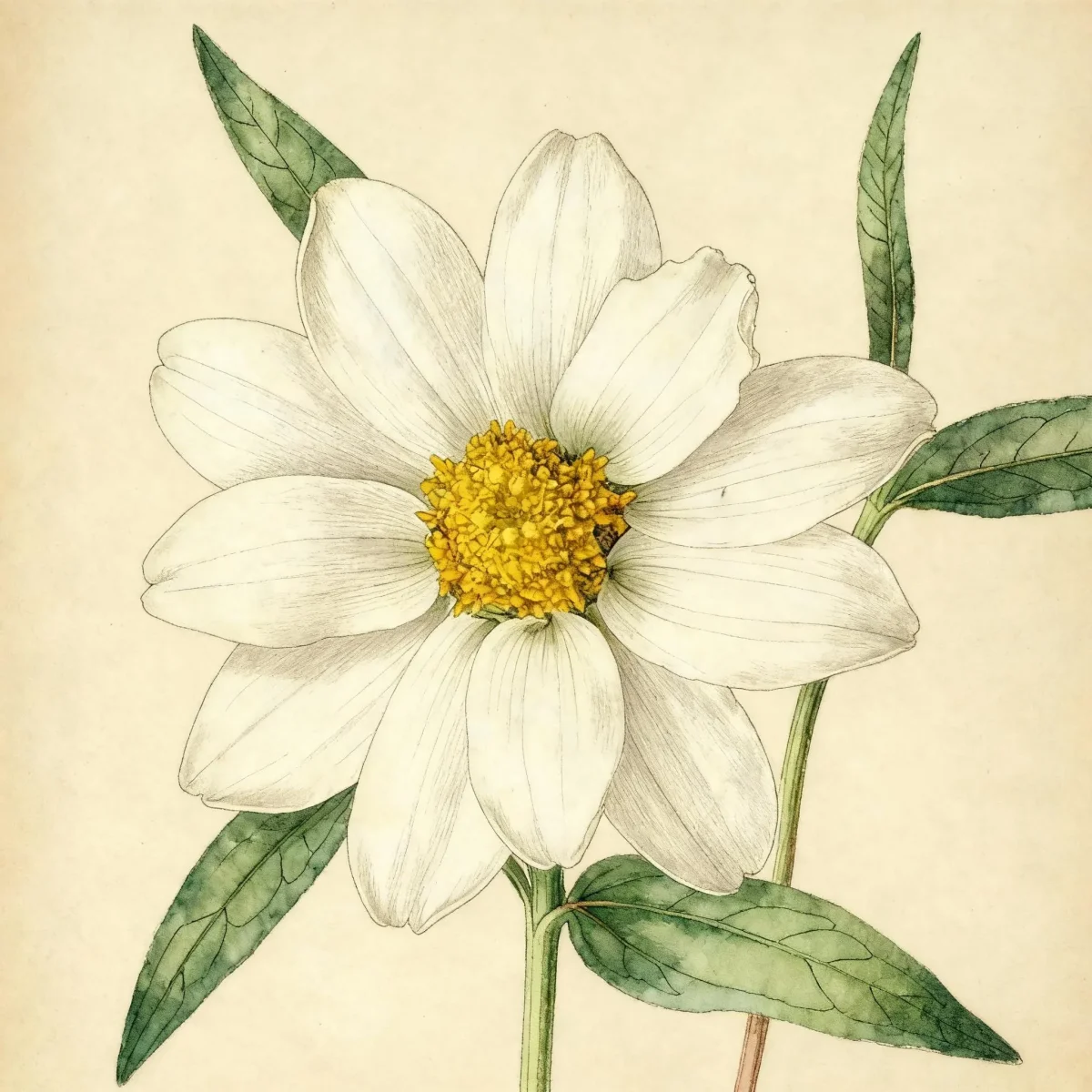
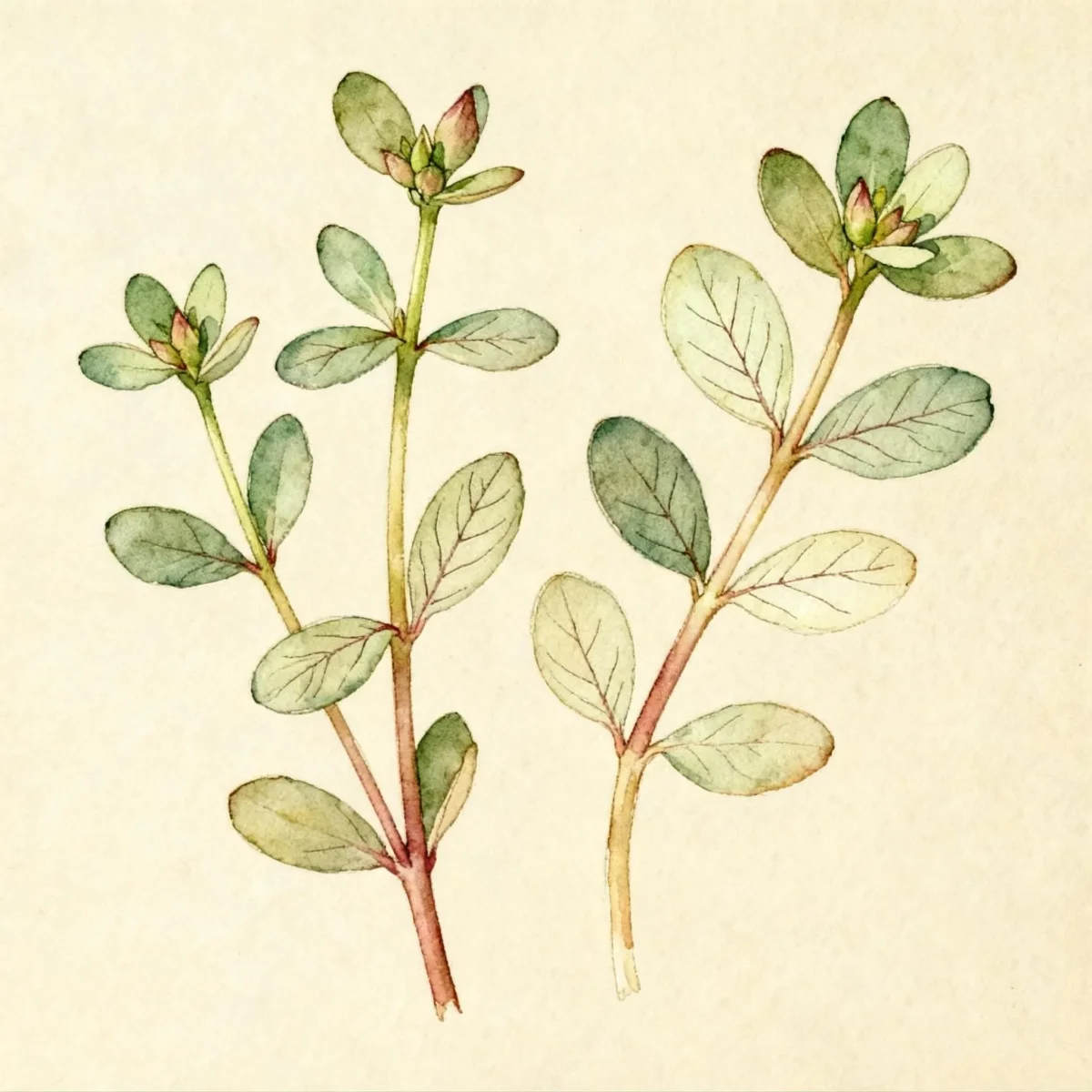
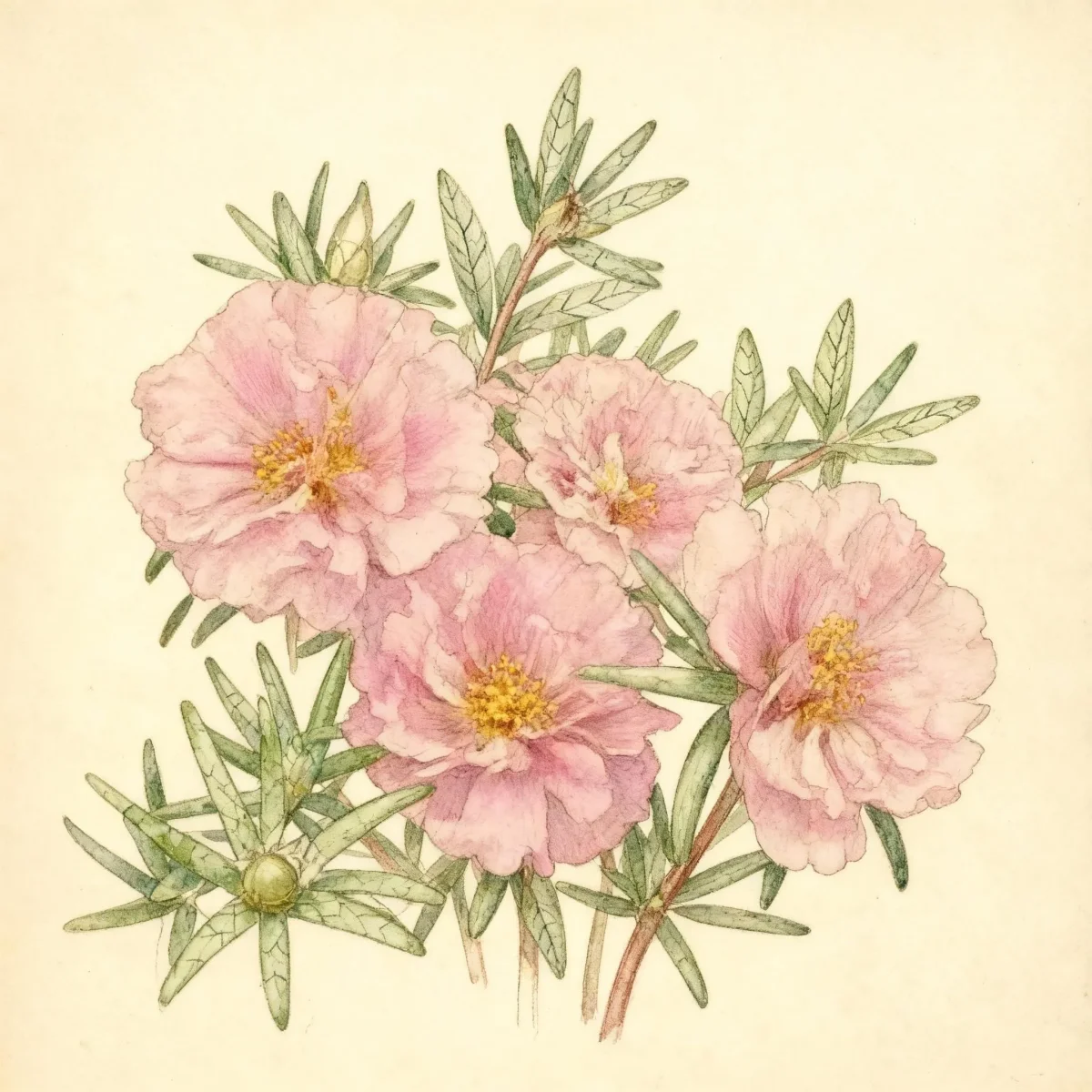
Portulaca grandiflora is commonly called moss rose, which is quite descriptive of this plant’s key ornamental features: ruffled, rose-like flowers (to 1” diameter) appearing on prostrate to slightly ascending stems that form a moss-like foliage mat. This annual is a succulent that typically grows to 6-8” tall and spreads to 12” wide or more. Flowers bloom summer to frost and come in single, semi-double or double forms in colors including red, rose, orange, yellow, white and pastel shades thereof. Flowers do not open on cloudy or rainy days. Cylindrical, fleshy, medium green leaves (to 1” long) appear in clusters along reddish stems.Genus name comes from the Latin name for P. Oleracea.Specific epithet means large-flowered
Tolerances
- Drought
- Dry Soil
Potential Problems
Portulaca grandiflora exhibits remarkable resistance to major pests and diseases, which contributes to its low-maintenance appeal. Gardeners should primarily watch for sporadic infestations of aphids, especially on new growth, which can usually be managed with a strong spray of water or insecticidal soap.
The most significant cultural threat comes from overly generous watering or planting in heavy, compacted soil. In poorly-drained conditions, the fleshy stems and roots are susceptible to crown rot, which quickly causes plant collapse. Ensure planting sites are dry and well-aerated to mitigate this risk entirely.
Frequently Asked Questions
What hardiness zones is Rose moss suitable for?
Portulaca grandiflora is rated for USDA Zones 2 through 11, indicating that while it functions as an annual in most climates, it can survive surprisingly harsh winter conditions.
How large does Rose moss grow?
This annual typically achieves a height between 0.25 and 0.75 feet, spreading outward from 0.5 to 1 foot wide, forming a dense, flat mat.
What sun exposure does Portulaca grandiflora need?
The Portulaca grandiflora absolutely requires full sun exposure to perform optimally and produce its abundant blooms.
When does Rose moss bloom?
The vibrant flowers of Moss rose begin appearing in June and continue their display right through to the first frost of the season.
Conclusion
The ability of Rose moss (Portulaca grandiflora) to thrive in intense heat and dry soil makes it an invaluable resource for difficult garden spaces. Its low maintenance demands, combined with the gorgeous, diverse floral display of Portulaca grandiflora, secure its place as a summer staple. Consider incorporating this tough, colorful annual into your heat-exposed borders or rockeries after confirming your local last frost date.
Companion Planting
When selecting neighbors for Rose moss, focus on other sun-loving, drought-tolerant Mediterranean or succulent-type perennials and annuals. Plants requiring consistent moisture will quickly be outcompeted or suffer from neglect if they are meant to share a bed with this dry-tolerant Portulaca grandiflora.
Consider pairing it with low-spreading thyme varieties or creeping sedums, which share similar low fertility and drainage preferences. This arrangement ensures a cohesive textural look across the landscape bed while allowing the Rose moss to spread freely without competition from thirstier neighboring species.
Propagation Tips
Propagating Portulaca grandiflora is straightforward, even without relying on seed germination. Cuttings establish incredibly easily, providing a rapid and true-to-type method for increasing your stock or creating new plantings. This is an excellent technique for maximizing the coverage of your favorite color varieties.
To take cuttings, simply snip 3-to-4-inch stem sections, stripping off the lower leaves, and allow the cut ends to dry and partially callous for about 24 hours. After callousing, place the cuttings directly into dry, sandy potting mix or even just lay them on top of moist garden soil in a bright, warm spot. Rooting usually occurs within a week or two, resulting in new flowering plants ready for planting once secure.