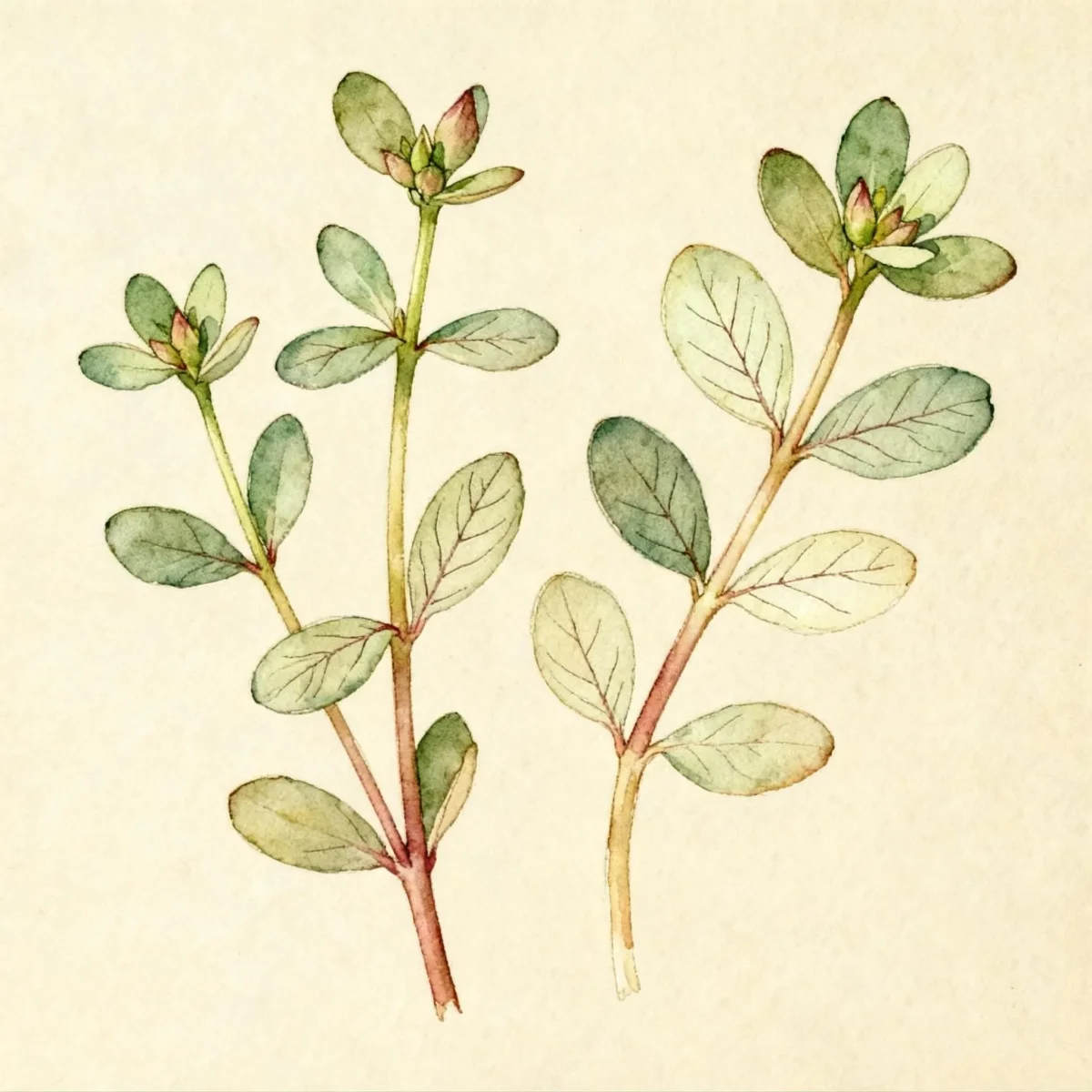
Little hogweed (Portulaca oleracea)
Discover Little hogweed (Portulaca oleracea), a tough, drought-tolerant annual ground cover thriving in full sun with low maintenance needs.
Scroll down to discover growing tips, care requirements, companion plants, and more
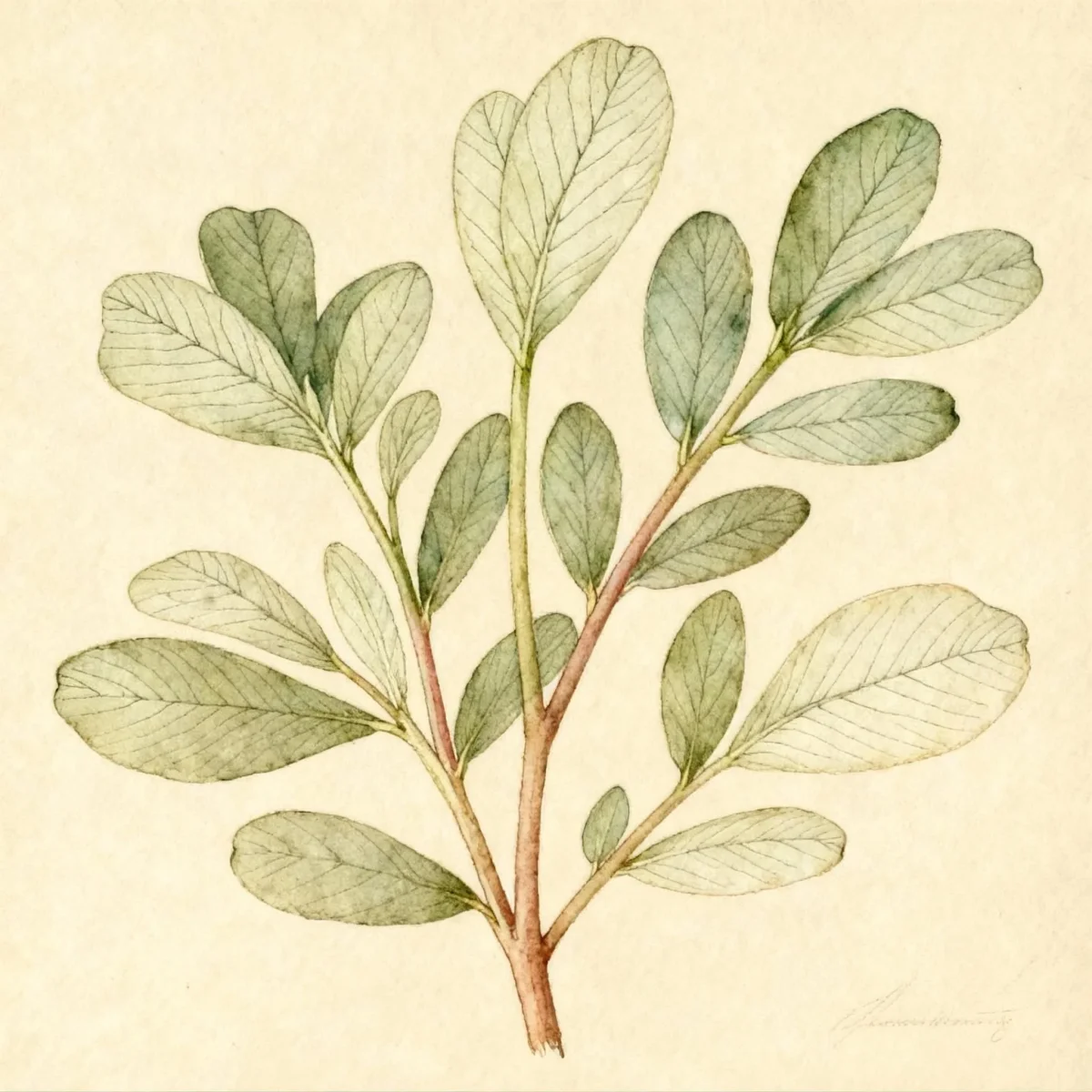
Complete Plant Information
Overview
The Portulaca oleracea, commonly known as Little hogweed, is a remarkably adaptable plant celebrated globally for its hardiness and utility. While often viewed as a common weed, select cultivars of Portulaca oleracea transform it into a vibrant ornamental groundcover featuring surprisingly bright blooms. This annual establishes quickly, providing dense coverage even in challenging, poor garden spots.
This species excels where other garden favorites fail, demanding little from the gardener once established. Its succulent foliage allows it to manage intense summer heat and dry conditions with ease, making it an excellent choice for low-water landscapes. Consider Portulaca oleracea when you need durable texture and color that lasts from early summer right up until the first frost.
Fast Facts
- Plant Family: Portulacaceae
- Plant Type: Annual
- Native Range: Cosmopolitan
- Hardiness Zones: USDA Zones 2-11
- Size at Maturity:
- Height: 0.25-0.75 ft
- Spread: 0.5-1.5 ft
- Bloom Time: June to frost
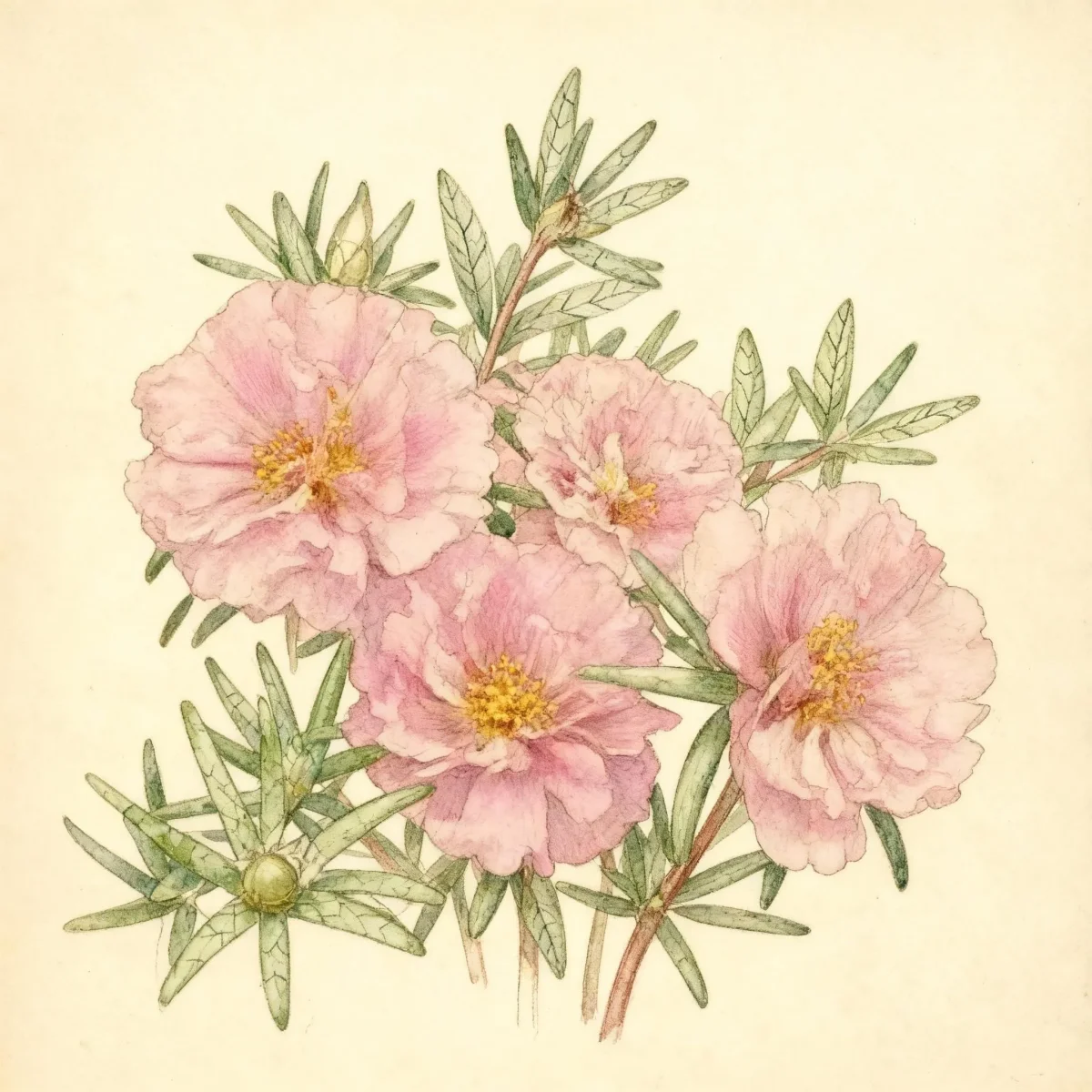
- Bloom Description: Orange, yellow, red, pink and white (Cultivars)
- Sun Exposure: Full sun
- Water Needs: Dry to medium
- Maintenance Level: Low
How to Grow
Sow Portulaca oleracea seed directly into the garden after all danger of frost has passed, as it prefers warm soil. You can start seeds indoors 6 to 8 weeks earlier for a head start. This plant thrives in poor to average, dry to moderately moist, well-drained soils, making it exceptionally low-fuss. Ensure it receives full sun exposure for the best flowering performance.
Maintenance for Little hogweed is wonderfully minimal. Watering should be infrequent; allow the soil to dry out between waterings, particularly since it is highly drought tolerant. Fertilization is rarely required; rich soil can sometimes lead to excessive foliage growth at the expense of flowers. Deadheading is generally unnecessary as the plant naturally continues to bloom.
As an annual, Portulaca oleracea focuses its energy on summer performance. In the fall, the plants will die back completely with the first hard frost. Plants are known to self-seed readily, meaning you may find volunteer seedlings returning next spring, offering easy naturalization year after year.
Landscape Uses
The prostrate, spreading habit of Little hogweed makes it an outstanding choice for difficult locations. Use it as an effective ground cover for beds where persistent weed suppression is desired, or along walkways where its low profile won’t obstruct views. The succulent texture and bright colors of Portulaca oleracea cultivars are excellent for softening the edges of rock gardens or trailing over stone walls.
For container designs, this plant spills beautifully, pairing well with upright annuals or taller dracaenas in hanging baskets. It is particularly recommended for poor, dry soils where many other ornamental plants struggle to establish roots. Its tolerance for dryness integrates perfectly into xeriscaping themes.
Standout Features
Flower Qualities
- Showy
Noteworthy Characteristics
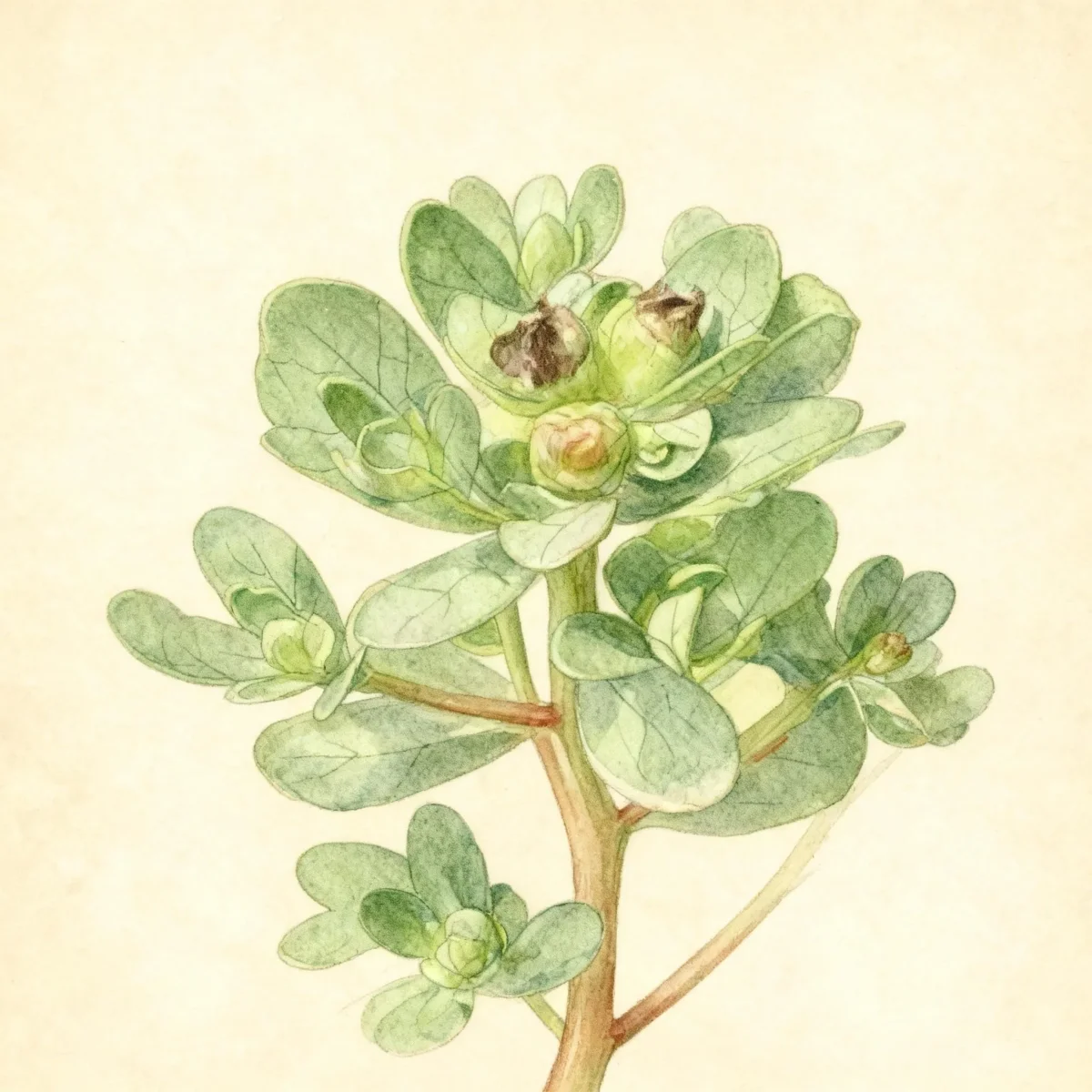
Portulaca oleracea is commonly known as purslane or moss rose. Although purslane is grown as a vegetable (stems and leaves) in some parts of the world, many American gardeners know it best as a prostrate, summer annual lawn weed that produces small non-showy yellow flowers. It is only certain large-flowered cultivars that elevate this plant into the realm of the ornamental. Those cultivars feature 2” diameter flowers in orange, yellow, red, pink, white and bicolors. Spatulate to ovate, flat, fleshy leaves provide structure through the heat of the summer.
Tolerances
- Drought
- Dry Soil
Potential Problems
This plant boasts a clean bill of health, suffering from generally no serious insect or disease problems. The primary concern arises from overly enthusiastic watering practices; stem and root rot may easily occur if Little hogweed is kept in consistently soggy environments. If pests do appear, watch out for minor outbreaks of aphids, snails, or slugs. Ensure excellent soil drainage to mitigate any rot issues, keeping management low.
Frequently Asked Questions
What hardiness zones is Little hogweed suitable for?
Portulaca oleracea is suitable for a remarkably wide range of climates, growing as an annual in USDA Zones 2 through 11.
How large does Portulaca oleracea grow?
This annual typically remains very low-growing, reaching only 0.25 to 0.75 feet in height, but spreading outwards from 0.5 to 1.5 feet wide.
What sun exposure does Portulaca oleracea need?
For optimal performance and vibrant blooms, Portulaca oleracea requires full sun exposure throughout the day.
When does Little hogweed bloom?
The blooming period for this adaptable plant generally runs from June until the arrival of the first hard frost, displaying flowers in shades of orange, yellow, red, pink, and white depending on the cultivar selected.
Conclusion
The rugged dependability of Portulaca oleracea makes it an invaluable tool for gardeners seeking vibrant, low-maintenance color in hot, dry spots. Whether utilized as Little hogweed or an ornamental annual, its drought tolerance and ease of culture ensure success. Check your local last frost date this spring and plan to sow seeds directly for dependable, colorful ground cover.
Companion Planting
When designing beds around Portulaca oleracea, select companions that appreciate similar conditions: full sun and dry or sharp-draining soil. Due to its extremely low stature, this plant functions perfectly as a colorful foreground element against taller, drought-tolerant spikes like ornamental grasses or sedums. Avoid grouping it with heavy feeders or moisture-loving species, as the excess water will compromise the health of your Little hogweed.
Propagation Tips
Since Portulaca oleracea readily self-seeds, saving seed from your favorite ornamental cultivars offers the easiest form of propagation for the following season. If you wish to expand an existing plant quickly, taking stem tip cuttings is highly effective. Simply snip off a 3-inch segment of fleshy stem, remove the lowest leaves, and place it directly in slightly moistened, sandy potting mix—roots will form rapidly, often within a week, even without rooting hormone.