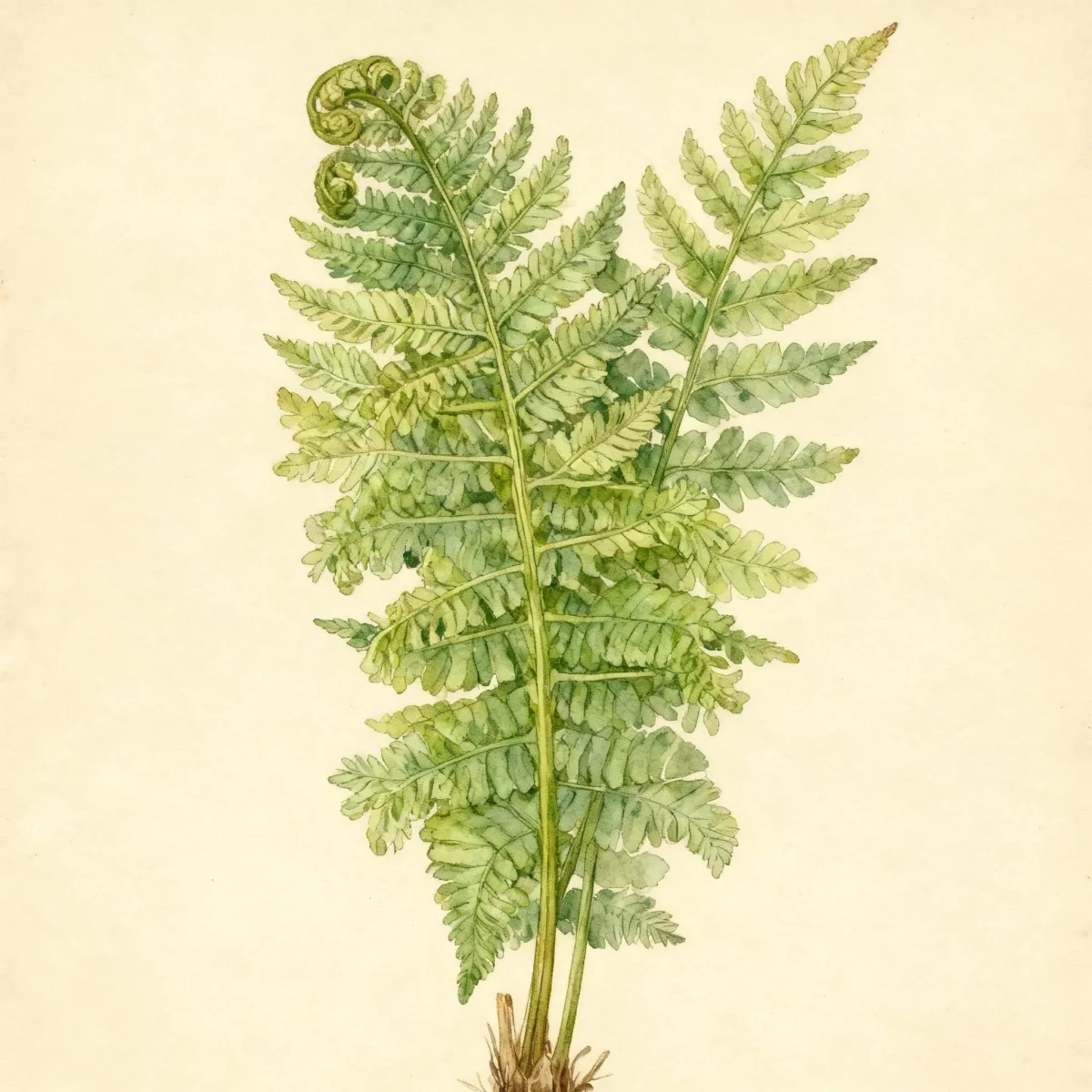
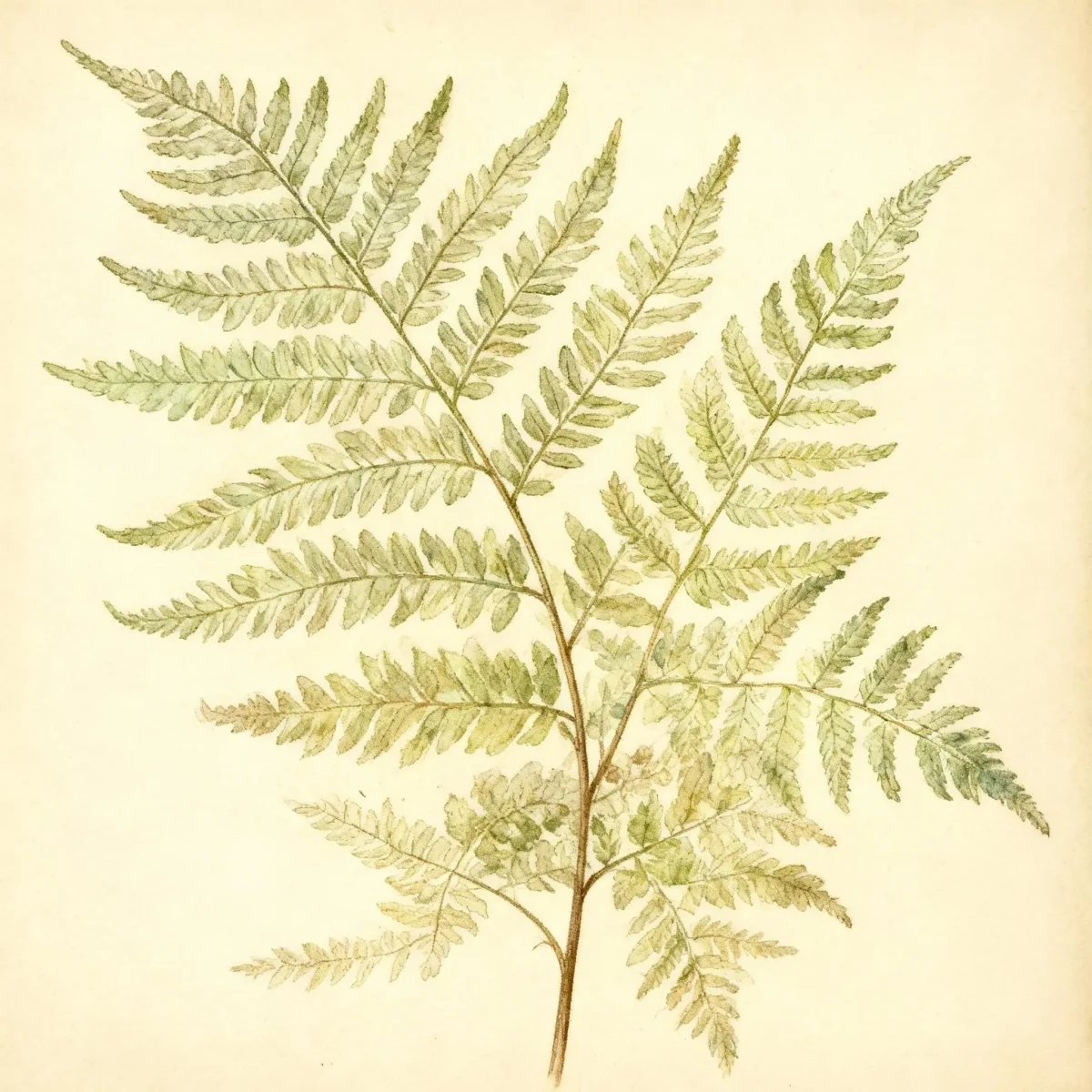
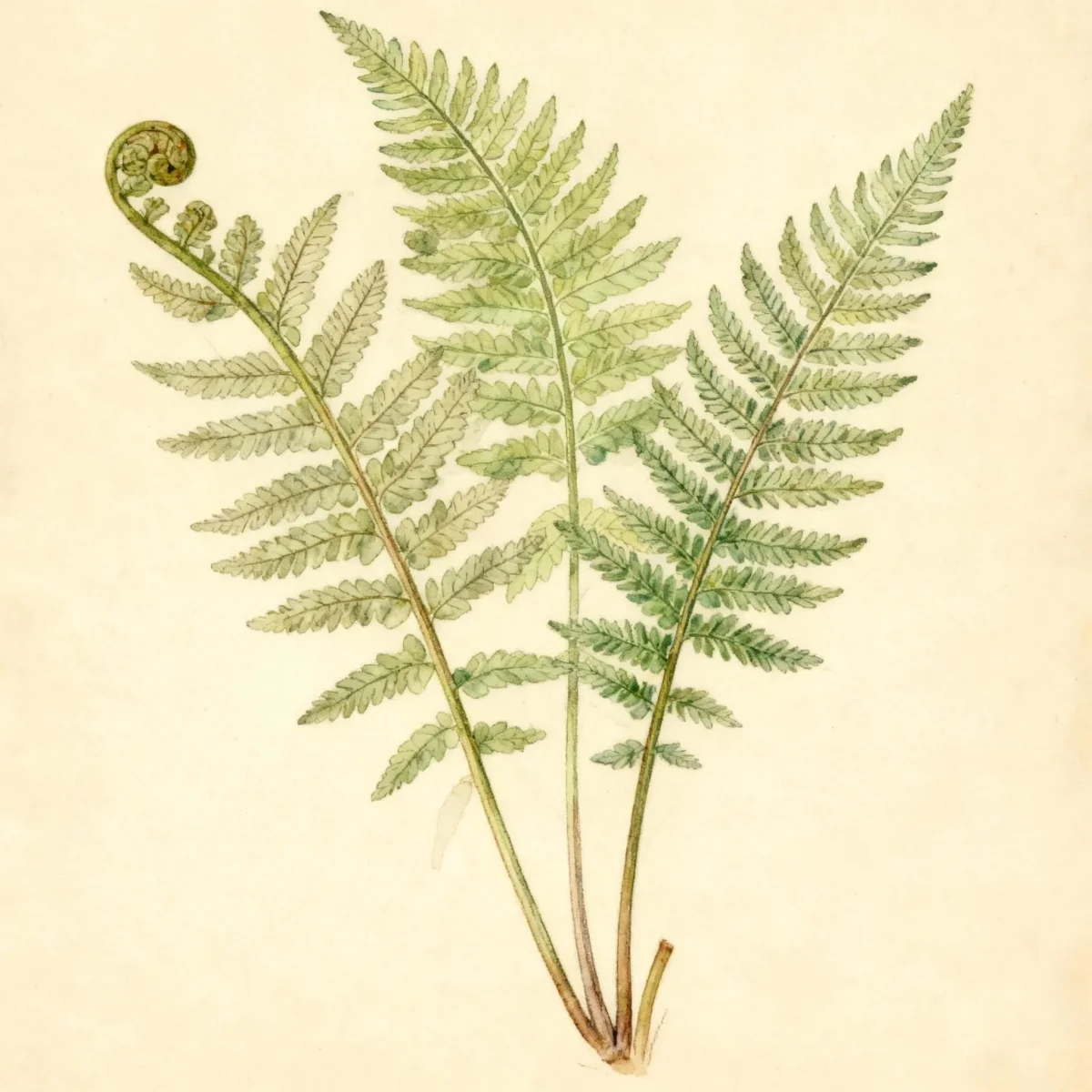
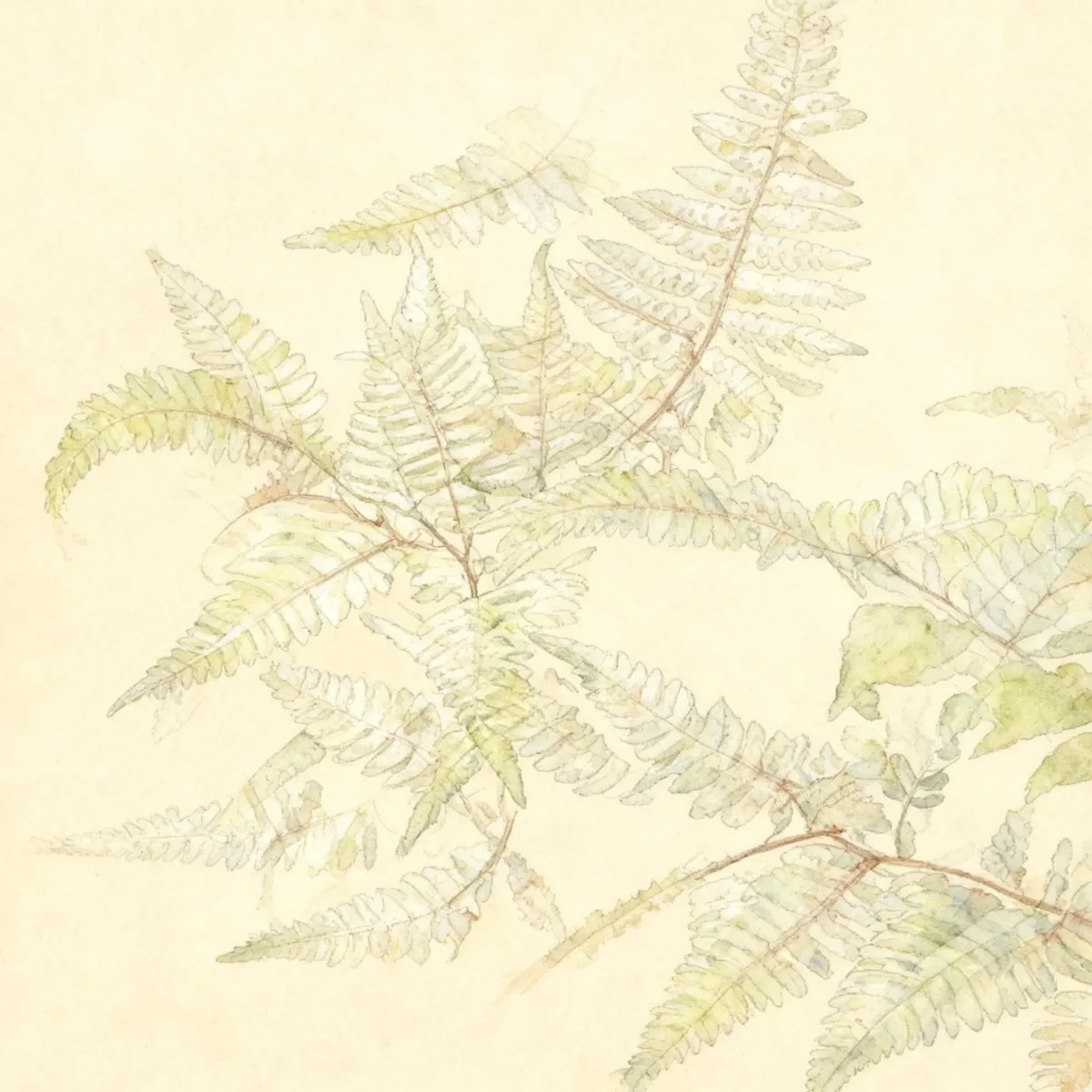
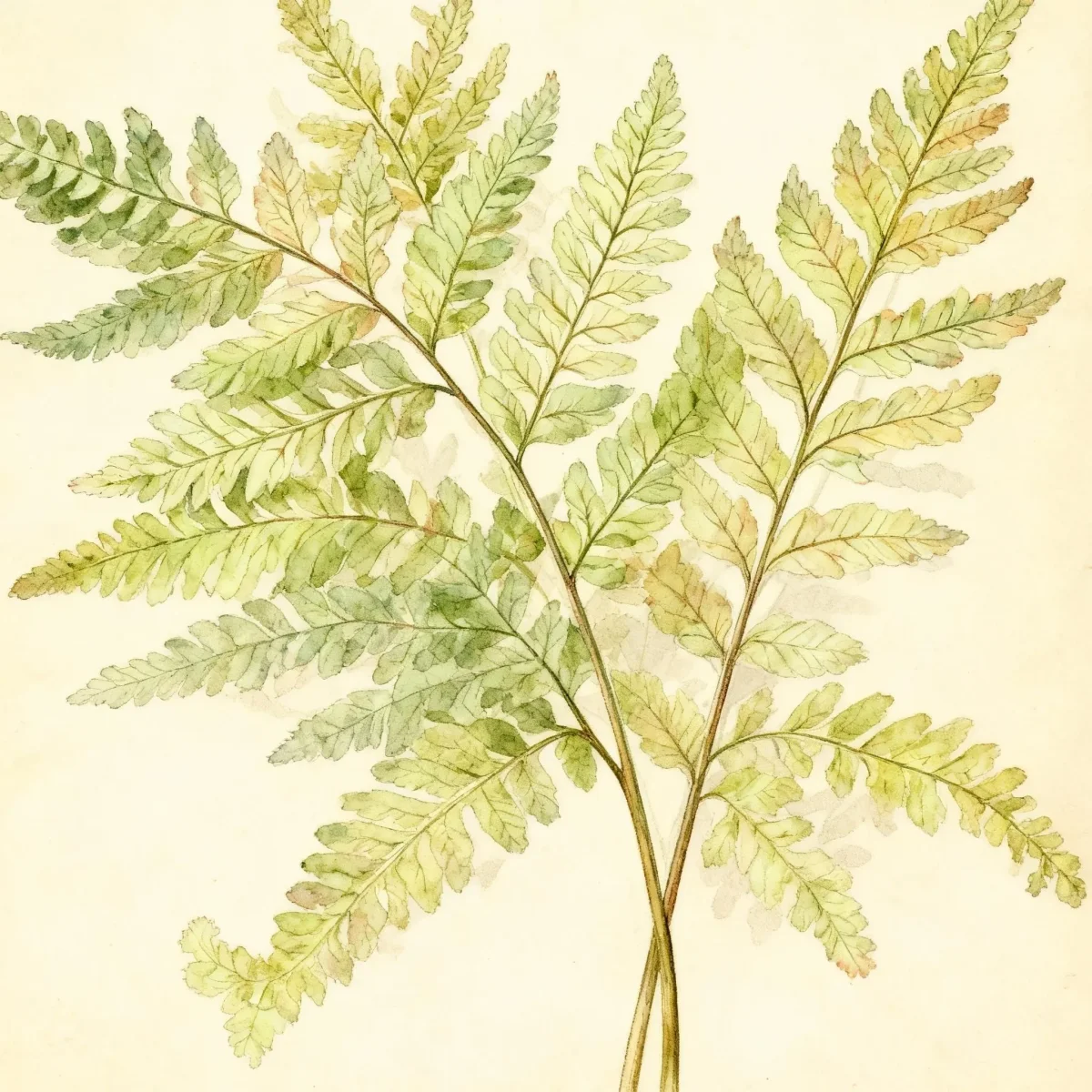
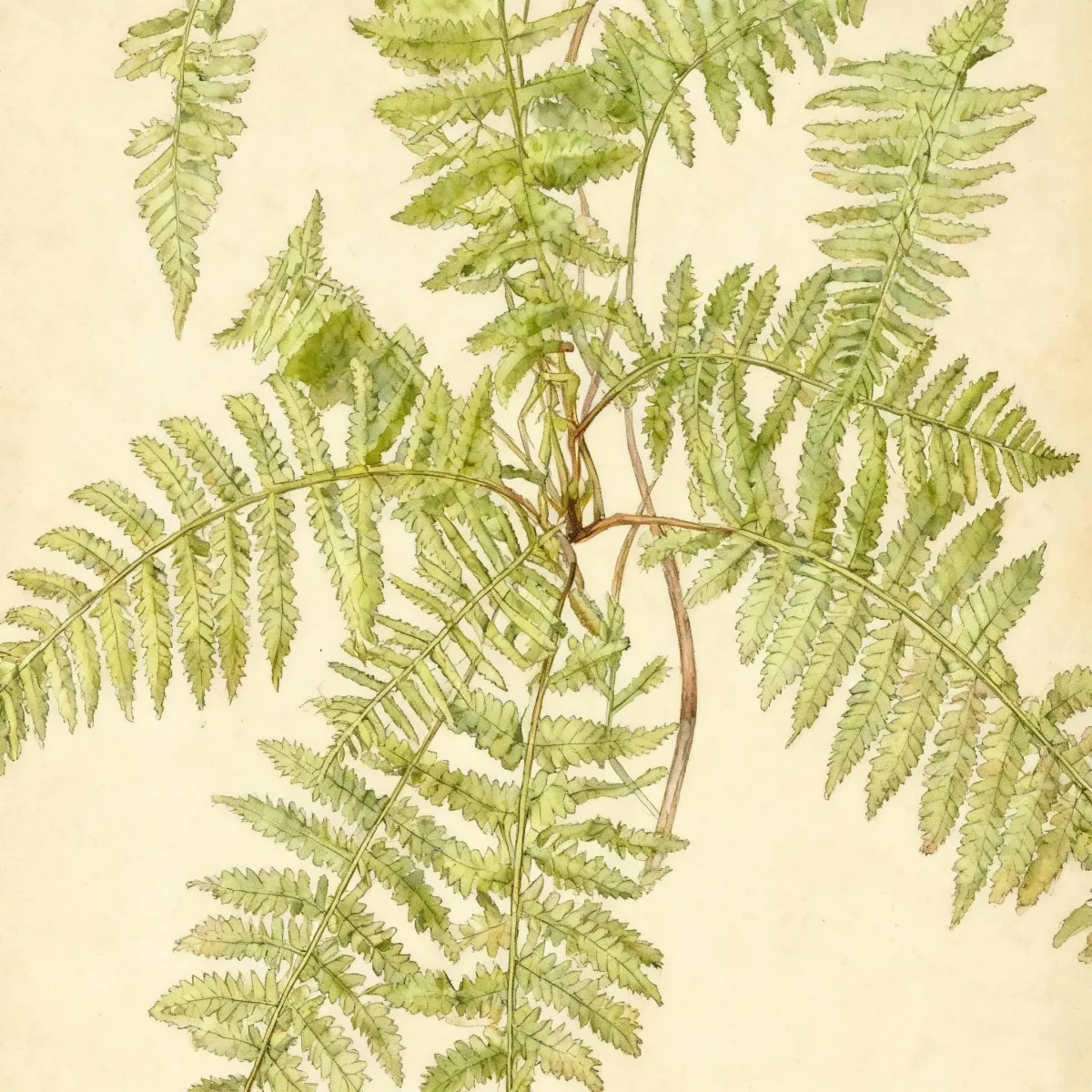
Lady fern (Athyrium filix-femina)
Athyrium filix-femina, the Lady fern, offers lacy, light green fronds perfect for deep shade gardens. Low maintenance and highly adaptable.
Scroll down to discover growing tips, care requirements, companion plants, and more
Complete Plant Information
Overview
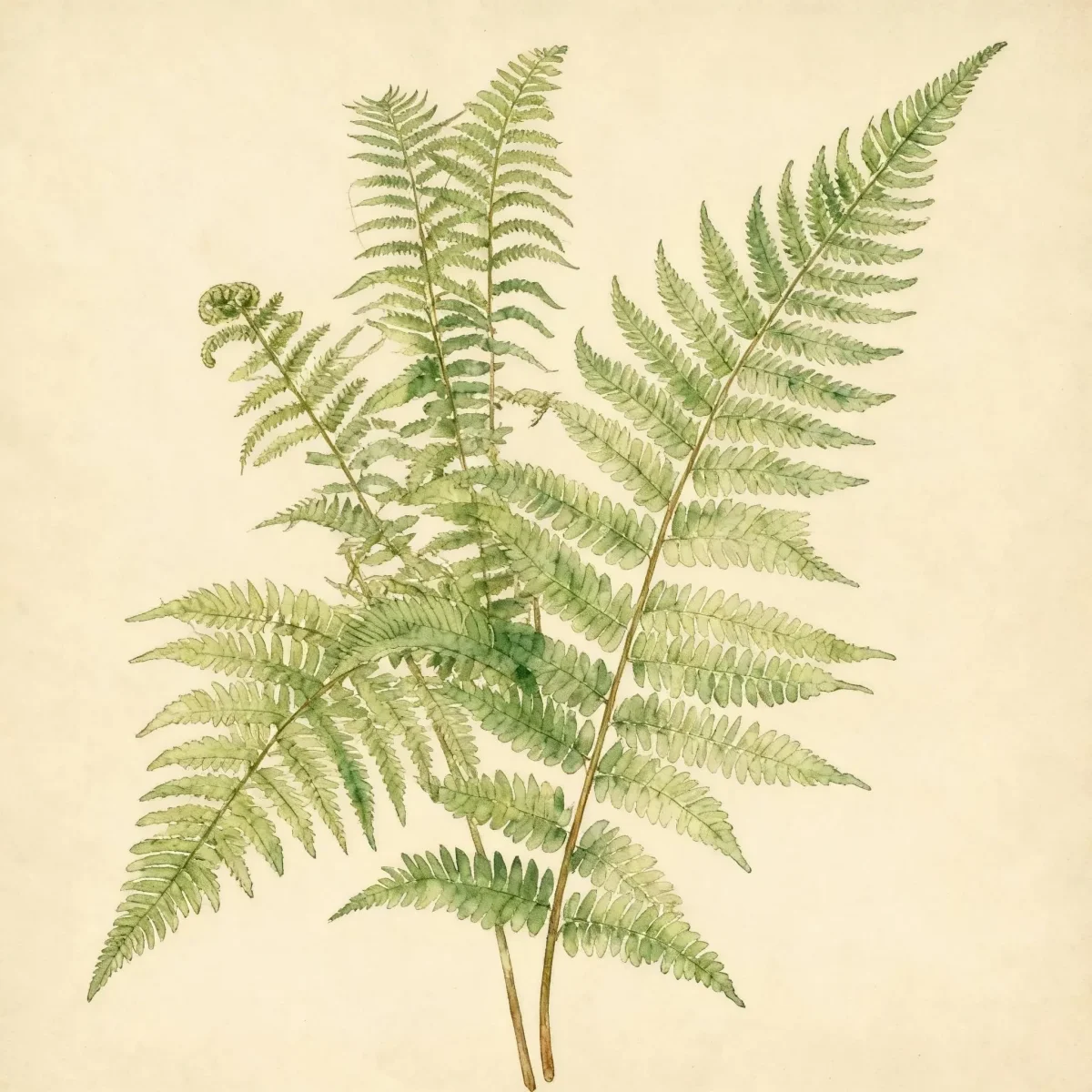
The Lady fern (Athyrium filix-femina) is a highly valued, classic woodland plant known for its delicate, lacy texture and bright light-green foliage. This hardy, deciduous fern provides elegant vertical interest in shady landscapes where few other substantial plants thrive. Athyrium filix-femina forms dense, attractive clumps described as a shuttlecock shape, offering consistent performance with minimal gardener intervention.
This species is widespread across northern temperate regions, attesting to its adaptability, though it performs best when cultural needs are met. Gardeners appreciate the low maintenance level of the Lady fern, especially when placed in its preferred habitat of rich, moist, well-drained soil under the canopy of trees or structures. Its graceful presence softens hardscape elements and brings vitality to dark corners of the yard.
If you seek reliable texture and year-round structure in a shade garden, the Athyrium filix-femina is an excellent choice. Its ease of culture, combined with its resistance to common pests like rabbits, makes the Lady fern a foundational plant for naturalistic or woodland-style garden designs.
Fast Facts
- Plant Family: Athyriaceae
- Plant Type: Fern
- Native Range: Northern temperate regions
- Hardiness Zones: USDA Zones 4-8
- Size at Maturity:
- Height: 1-3 ft
- Spread: 1-2.5 ft
- Bloom Time: Non-flowering
- Bloom Description: Non-flowering
- Sun Exposure: Part shade to full shade
- Water Needs: Medium
- Maintenance Level: Low
How to Grow
The Athyrium filix-femina is easily established when planted in the spring or fall in its preferred location. Successful placement requires rich, humus-laden soil that drains well while retaining consistent moisture. While it tolerates drier conditions better than many ferns, ensuring medium water availability is key, especially during establishment.
For optimal health, site the Lady fern in areas receiving part shade to full shade. Though Athyrium filix-femina can handle full sun exposures, this is only successful if the soil is kept constantly moist through supplemental irrigation. Furthermore, select a location sheltered from strong winds, which can easily shred the delicate fronds, causing them to look tattered by midsummer.
Maintenance is low once established; avoid over-fertilizing, as this plant prefers lean, natural soil conditions. If the clumps become overgrown every few years, they can easily be divided in the spring. Remember to check the crowns during division to ensure they are positioned correctly at the soil level for continued vigor.
Landscape Uses
The Lady fern excels in naturalistic settings, making it a superstar for woodland gardens and shaded border fronts. Its textural element contrasts beautifully with bold-leaved hostas or groundcovers like Vinca minor, providing necessary fine contrast. Athyrium filix-femina is small enough to incorporate into rock gardens, where it softens the harsh edges of stone structures.
These ferns are particularly effective along shaded borders near water features or streams, mirroring their native habitat preference for moist ravines. They work well planted in groups to create a cohesive tapestry of green or used individually as specimen plants to highlight shadowy architectural features. Planning your design around the lacy canopy of the Athyrium filix-femina instantly adds depth and sophisticated texture.
Standout Features
Flower Qualities
- Insignificant
Noteworthy Characteristics
Athyrium filix-femina, commonly called lady fern, is a deciduous fern that features lacy-cut, erect or ascending, 2 to 3-pinnate or pinnatifid, finely-divided, lanceolate, light green fronds which grow in a dense circular shuttlecock-like clump to 2-3’ tall. Each frond (leaf) has twenty to thirty pairs of elliptic non-opposite pinna (leaflets) with narrow pointed tips. The genus name references the Greek word for “doorless” due to the structure of the spore covers on the pinnules.
Tolerances
- Rabbit
- Heavy Shade
Potential Problems
The Lady fern (Athyrium filix-femina) is remarkably resilient, suffering from no serious insect or disease problems under proper growing conditions. The most common aesthetic issue arises in midsummer when the fronds frequently become somewhat tattered in appearance due to age, heat stress, or wind damage. To manage this, simply prune out the tattered foliage in mid to late summer to clean up the appearance, allowing new growth, if any, to emerge before dormancy.
Frequently Asked Questions
What hardiness zones is Lady fern suitable for?
The Lady fern is generally suitable for USDA Hardiness Zones 4 through 8, offering reliable perennial performance across these ranges.
How large does Lady fern grow?
This fern typically reaches a height between 1 and 3 feet tall, with a spread ranging from 1 to 2.5 feet at maturity.
What sun exposure does Athyrium filix-femina need?
Athyrium filix-femina prefers part shade to full shade for the best foliage quality, though it can tolerate full sun if kept consistently moist.
When does Lady fern bloom?
The Lady fern is non-flowering; reproduction occurs via spores found on the undersides of the mature fronds.
Conclusion
The Athyrium filix-femina, or Lady fern, remains a staple for shade gardening due to its elegance, fine texture, and easy-going nature. Its ability to tolerate heavy shade and resist common pests ensures a predictable display of lacy, light-green foliage throughout the growing season. Before planting, confirm that your chosen site has medium moisture retention, and plan to site your Lady fern away from high winds for the best results.
Companion Planting
When selecting companions for Athyrium filix-femina, focus on plants that share similar requirements for shade and moisture while offering contrasting leaf shapes. Large-leafed Hostas, especially those with blue or yellow variegation, provide a wonderful counterpoint to the fern’s fine texture. Consider pairing the Lady fern with spring ephemerals like Trillium or woodland wildflowers, which will emerge and then recede as the fern reaches its mature summer height.
For a damp, shaded border, Siberian Iris or Astilbe work well, as they appreciate the similar soil moisture needs. Since the Lady fern handles shade so well, incorporate low-growing evergreens or creeping groundcovers beneath it to maintain ground cover uniformity throughout the season, ensuring continuous visual appeal.
Propagation Tips
The primary method for increasing your stock of Athyrium filix-femina is division, which should be done in the spring as new croziers begin to emerge. Gently excavate the clump and carefully tease apart sections, making sure each division retains several healthy roots and a healthy growing point (crown). Replant the divisions immediately into prepared, rich soil at the correct depth.
While Athyrium filix-femina produces spores, collecting and germinating them is a highly specialized activity yielding slow results compared to vegetative division. For the home gardener, division every few years not only provides new plants but also helps rejuvenate overcrowded existing clumps, ensuring the health and density of your Lady fern population.