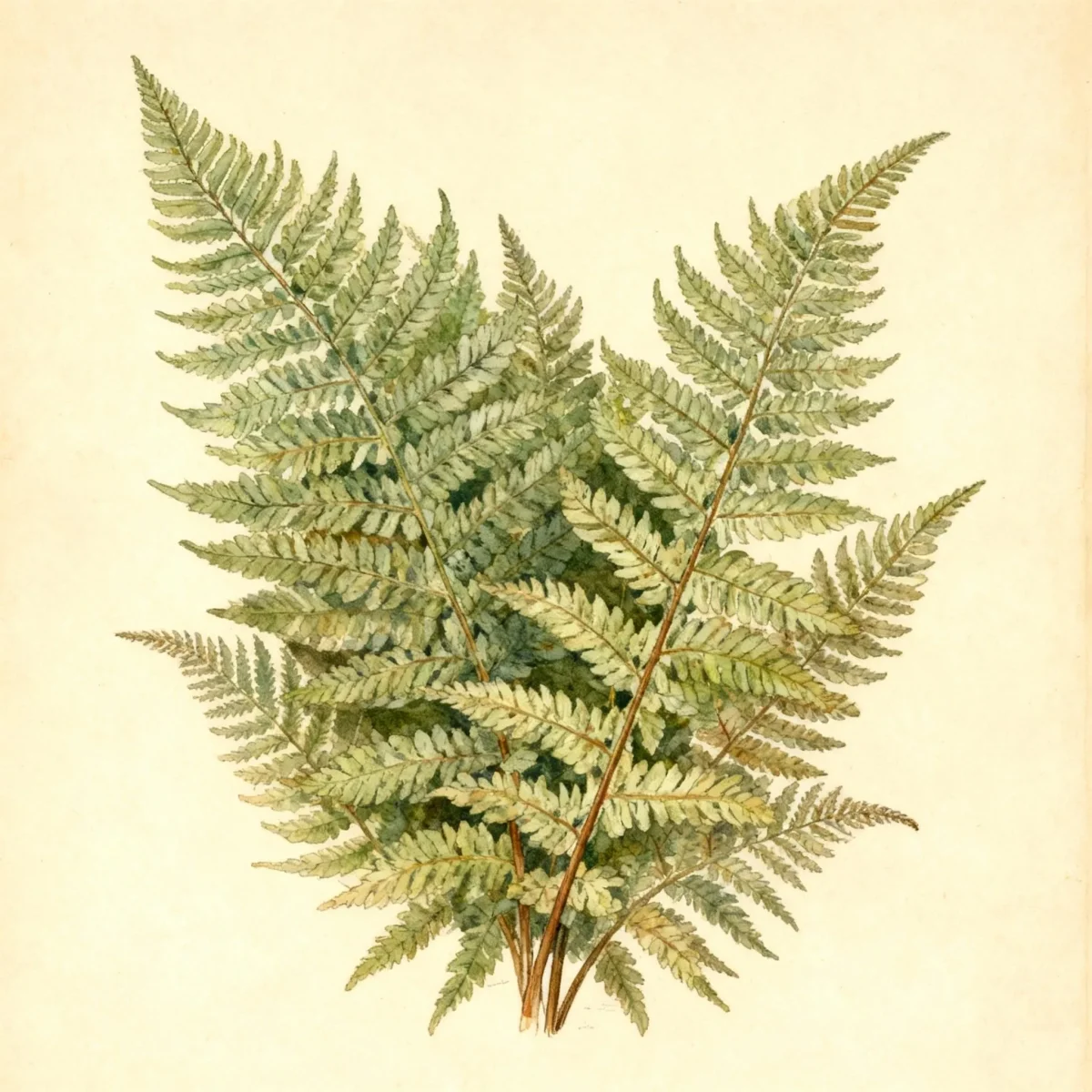
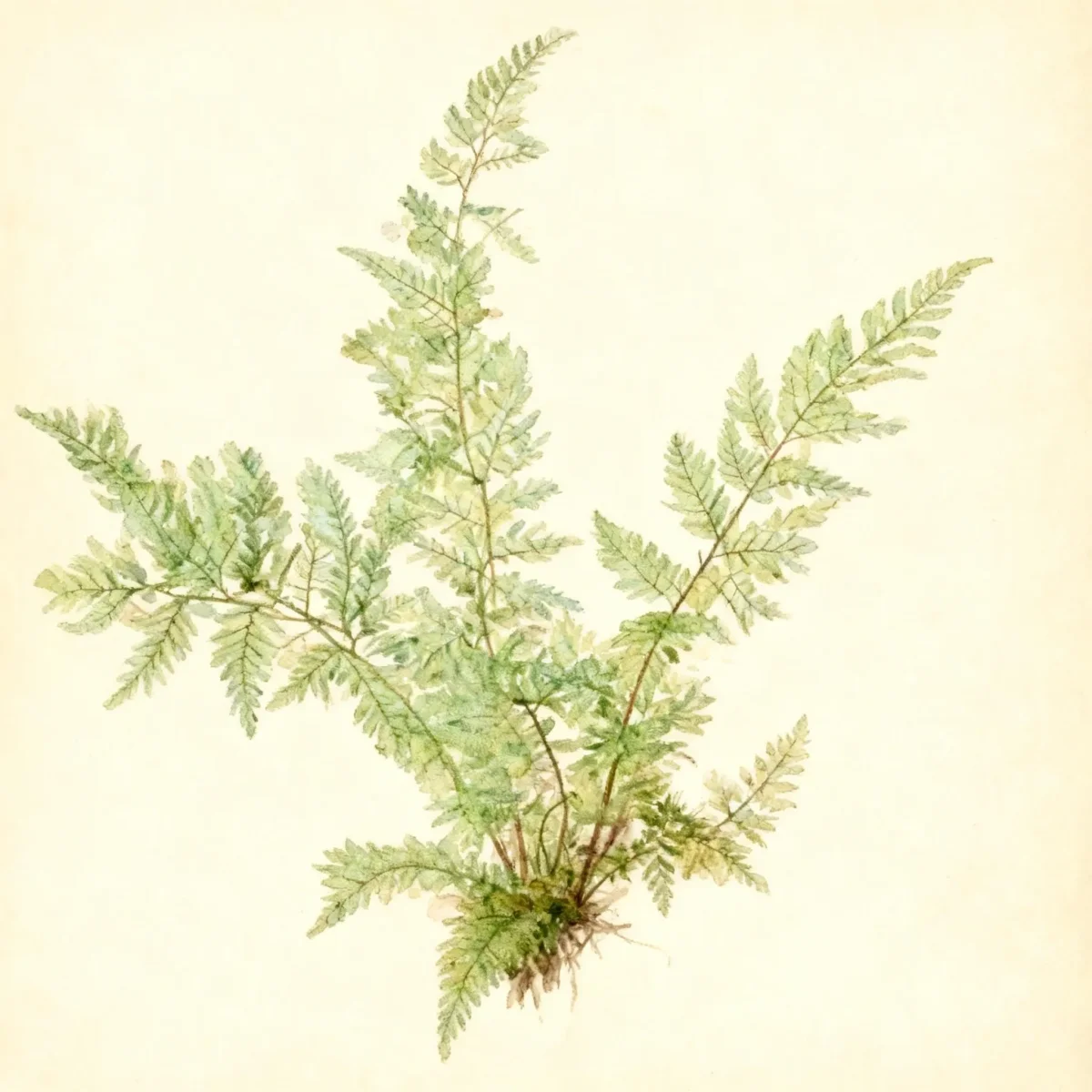
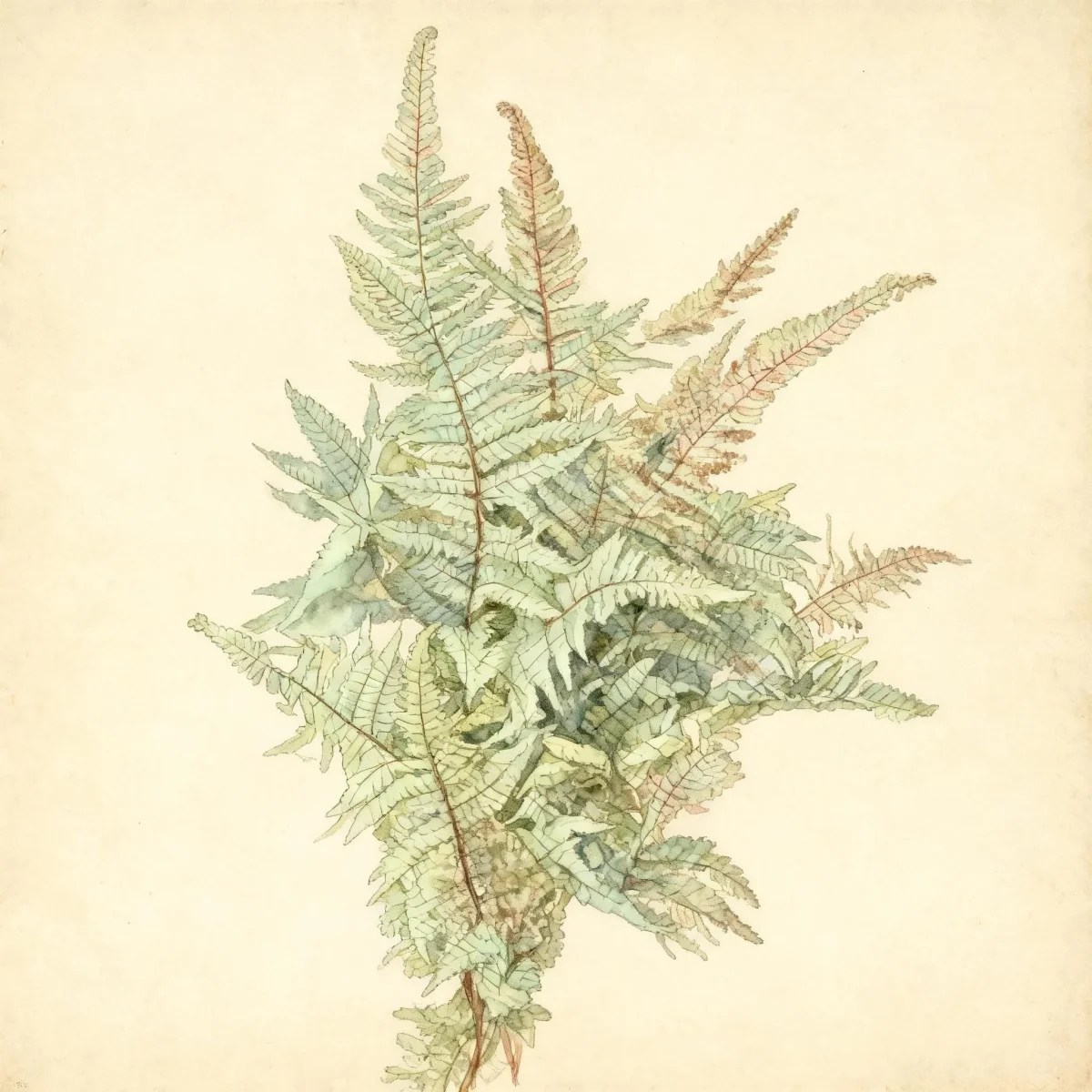
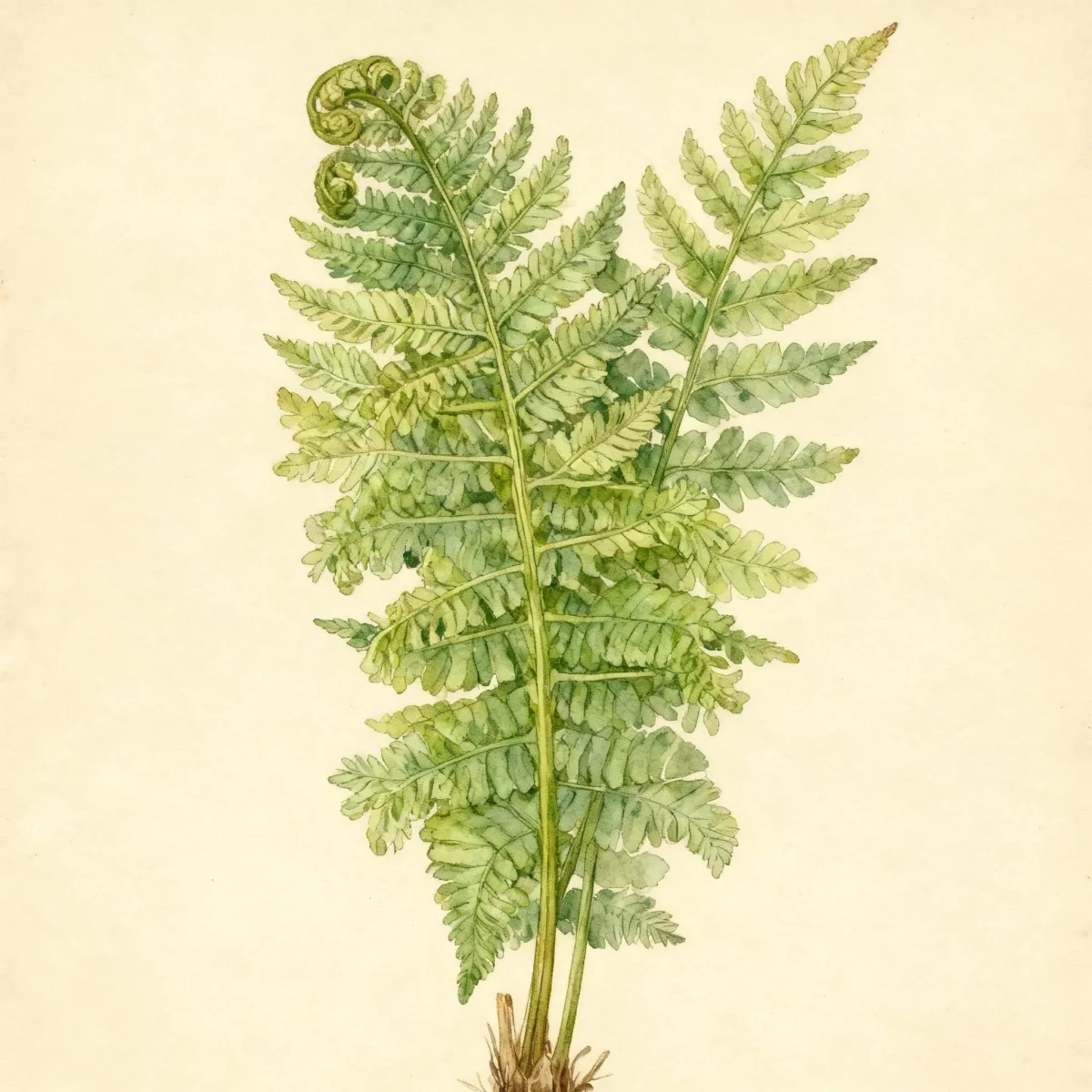
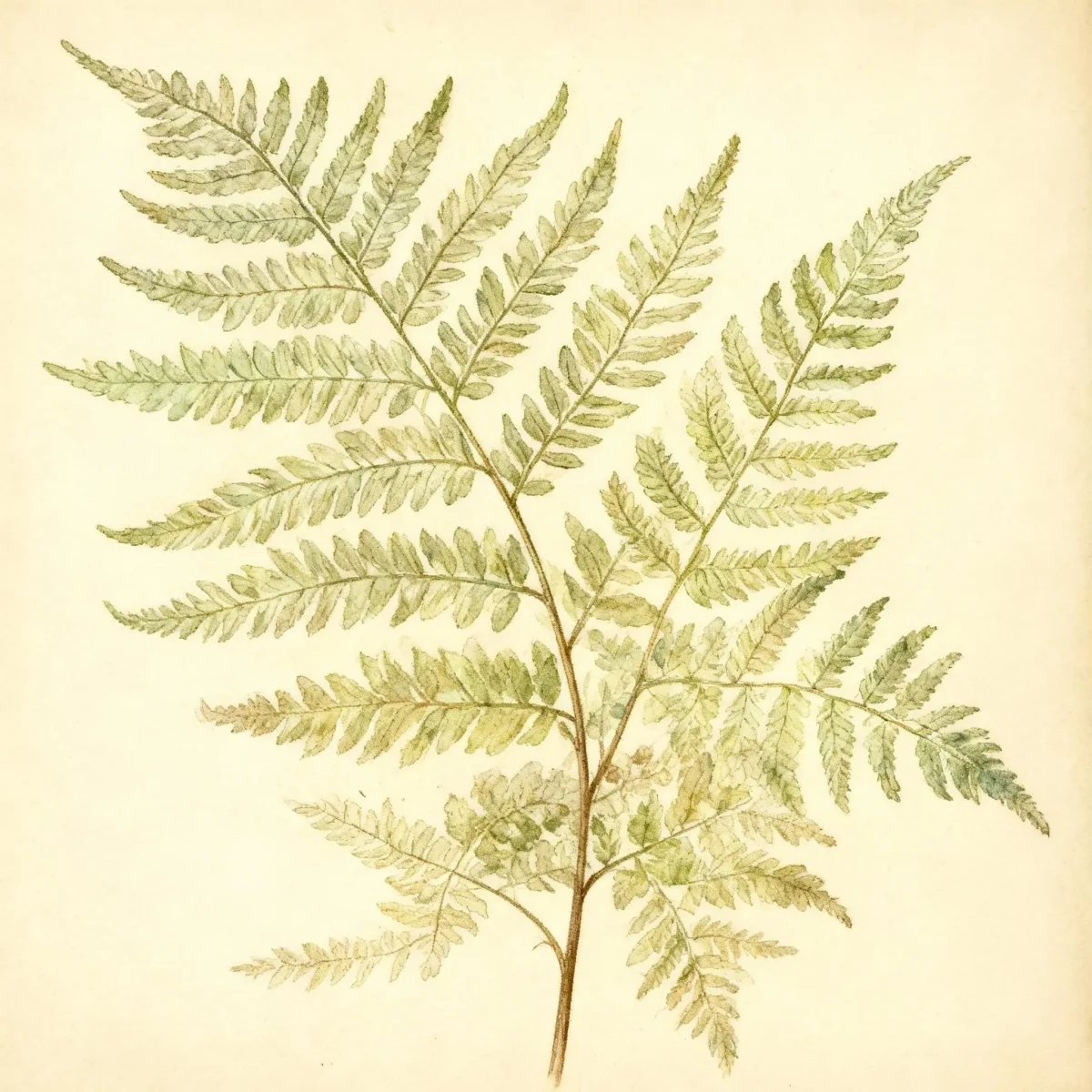
Hay-scented fern (Dennstaedtia punctilobula)
The lacy, fragrant Hay-scented fern (Dennstaedtia punctilobula) is a hardy deciduous fern perfect for shady woodland gardens, Zones 3-8.
Scroll down to discover growing tips, care requirements, companion plants, and more
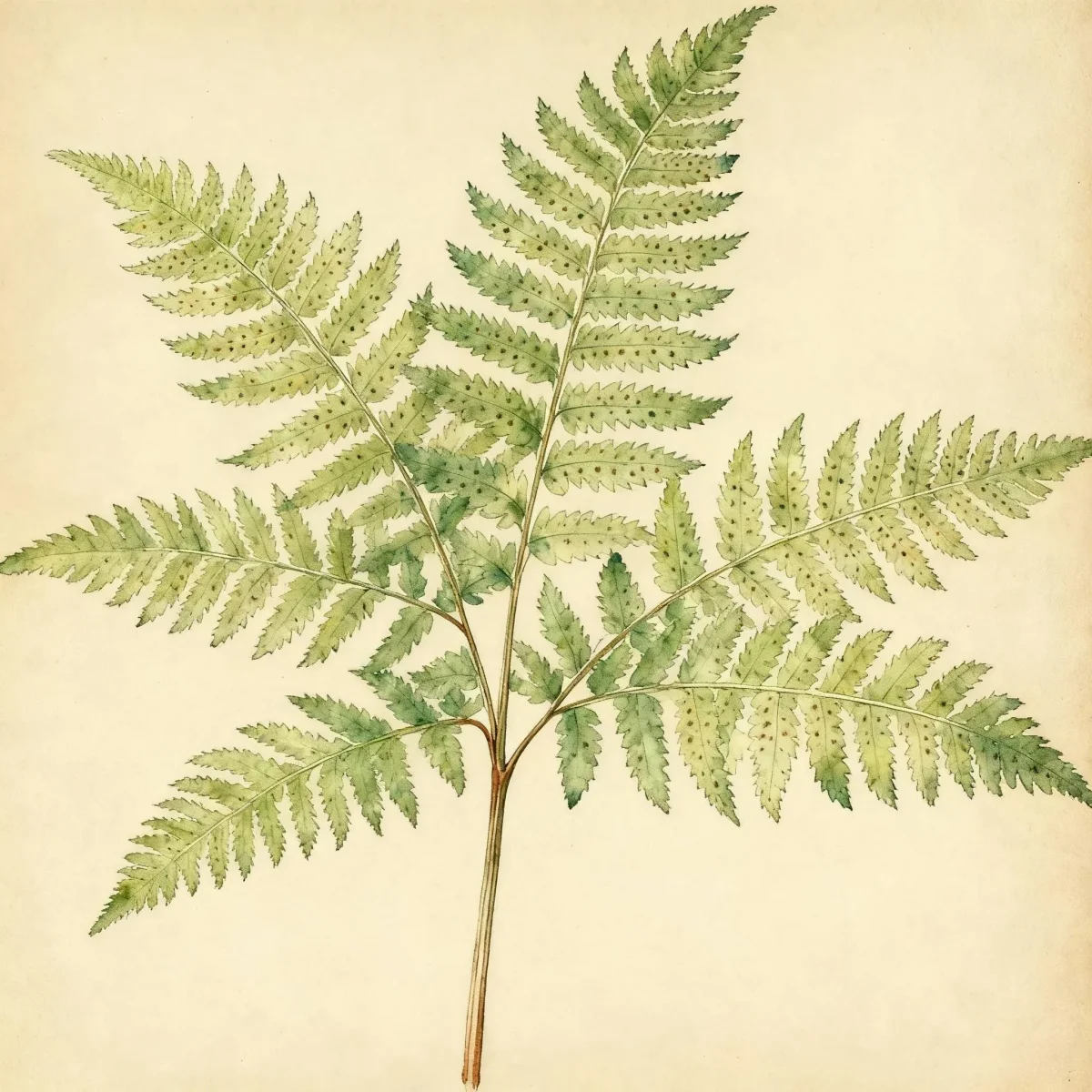
Complete Plant Information
Overview
The Hay-scented fern (Dennstaedtia punctilobula) is a celebrated native plant prized for its delicate, lacy foliage and surprising fragrance. When the fronds of this deciduous fern are bruised or brushed, they release an aroma reminiscent of fresh-cut hay, making it a unique sensory addition to shady landscapes. This plant establishes rapidly, spreading via rhizomes to create dense colonies where it thrives.
Native to open woods and wooded banks across Eastern North America, Dennstaedtia punctilobula adapts well to various light conditions, provided it receives adequate moisture. While it prefers dappled light, it can manage full sun if consistently watered. Gardeners appreciate its vigorous nature, which helps to quickly fill spaces in woodland settings.
Dennstaedtia punctilobula offers excellent aesthetic value with its erect to arching, yellowish-green fronds reaching up to two feet tall. It is a robust groundcover for shaded areas, offering reliable texture and movement through the growing season before turning golden yellow in autumn.
Fast Facts
- Plant Family: Dennstaedtiaceae
- Plant Type: Fern
- Native Range: Eastern North America
- Hardiness Zones: USDA Zones 3-8
- Size at Maturity:
- Height: 1.5-2 ft
- Spread: 2-3 ft
- Bloom Time: Non-flowering
- Bloom Description: Non-flowering
- Sun Exposure: Part shade to full shade
- Water Needs: Medium
- Maintenance Level: Medium
How to Grow
Plant Hay-scented fern in the early spring or fall to allow it time to establish its root system before temperature extremes. The ideal location features part shade to full shade, mimicking its native woodland habitat. For best results, aim for rich, humusy, acidic, medium-moisture loams.
Consistent moisture is crucial for healthy growth, especially if attempting to grow Dennstaedtia punctilobula in sites receiving more than afternoon shade. While it enjoys moist soil, it demonstrates surprising adaptability, tolerating poor, rocky soils and even dry conditions once fully mature. Fertilization is rarely necessary; heavy enrichment of the soil mimics its natural environment and encourages robust colonization.
Maintenance is generally straightforward. In hot summers, some upper fronds may brown or decline; this is normal senescence for the species in high-heat environments. Pruning diseased or damaged fronds can be done anytime. In late fall or early spring, tidy up the dead foliage before new growth erupts.
Be aware that Dennstaedtia punctilobula spreads aggressively via rhizomes. Plan planting locations accordingly, as it will readily seek out and colonize the entire available area, making it an excellent choice for mass planting but challenging for highly segregated borders.
Landscape Uses
As its suggested use implies, the Hay-scented fern is superb for naturalizing in woodland gardens or along wooded banks where its spreading habit is an asset rather than a drawback. It excels at covering bare earth beneath mature trees, providing a lush, green carpet effect. Its airy texture contrasts beautifully against bolder foliage plants found in shade gardens.
Consider using Dennstaedtia punctilobula to soften the edges of paths or to create a wild, cottage garden aesthetic leading into a forested area. When planting in masses, ensure the soil remains consistent, as this allows the colony to form an uninterrupted textural tapestry. The slight fragrance when disturbed adds an interactive element that formal gardens often lack.
Because of its ability to handle heavy shade and its preference for medium soil moisture, companion plants should share similar Xeriscaping or woodland requirements. Look to Hosta varieties with contrasting leaf shapes, Tiarella (Foamflower), or Asarum (Wild Ginger) to create a rich, layered understory design.
Standout Features
Noteworthy Characteristics
Dennstaedtia punctilobula is commonly called hay-scented fern as the fronds release a fragrance reminiscent of fresh mown hay when brushed with a hand, crushed or bruised. It is a deciduous fern that is native to open woods and wooded banks in the eastern and midwestern U.S. It typically grows to 2’ tall and features lacy, narrow-triangular, erect to arching, yellowish green fronds (to 30” long). Marginal sori are surrounded by cup-shaped indusia, hence the sometimes used common name of cup fern for plants in the genus Dennstaedtia.
Tolerances
- Rabbit
- Heavy Shade
Potential Problems
This fern is generally pest-free and resists most common garden diseases, making it a relatively low-risk addition to the shaded landscape. The primary concern for Dennstaedtia punctilobula relates to climate; in regions experiencing intense summer heat, the fronds often tend to decline or turn brown by late summer. To minimize this heat-stress decline, ensure excellent soil moisture management during July and August.
If planting in overly dense, dry shade, the plant may become stressed, which can make it more susceptible to minor issues, though serious infestations are rare. Avoid heavy competition from aggressive tree roots if possible, although the fern is known to tolerate less-than-ideal soil situations once established.
Frequently Asked Questions
What hardiness zones is Hay-scented fern suitable for?
The Hay-scented fern (Dennstaedtia punctilobula) is hardy across USDA Zones 3 through 8.
How large does Dennstaedtia punctilobula grow?
This perennial fern typically reaches a mature height between 1.5 to 2 feet tall, spreading to a width of 2 to 3 feet as its rhizomes expand.
What sun exposure does Hay-scented fern need?
It thrives best in part shade to full shade conditions, though it can tolerate full sun if supplied with consistent, medium moisture levels.
When does Dennstaedtia punctilobula bloom?
As a fern, it is non-flowering; its reproductive structures are marginal sori located on the underside of the fronds.
Conclusion
The distinctive, hay-like fragrance and airy texture solidify the Hay-scented fern (Dennstaedtia punctilobula) as an outstanding choice for naturalistic woodland plantings. Its hardiness across Zones 3-8 and its ability to colonize challenging shaded areas make it a highly practical and beautiful groundcover. Determine your planting site’s moisture profile and embrace its spreading nature before installing this fragrant native fern.
Companion Planting
When designing a shade garden featuring Dennstaedtia punctilobula, selecting companions that appreciate similar moisture regimes enhances the overall design. Look for low-growing groundcovers that offer foliage contrast, such as Asarum europaeum (European Wild Ginger), whose dark, kidney-shaped leaves pop against the fern’s light, lacy fronds.
For mid-story accents, consider shade-loving perennials that offer different textures rather than competing for spread. Brunnera ‘Jack Frost’ provides silvery, heart-shaped leaves and blue spring flowers, offering excellent visual separation from the fine texture of the Hay-scented fern. These pairings maintain a cohesive woodland palette.
Seasonal Care Calendar
Spring is the ideal time to observe new growth emerging from the rhizomes of Dennstaedtia punctilobula. Clear away any accumulated leaf litter from winter to allow direct sunlight to warm the soil and encourage rapid unfurling of the fiddleheads. This is the best time to amend the soil if necessary, incorporating rich organic matter.
Summer care focuses almost entirely on irrigation. While the Hay-scented fern is drought-tolerant once mature, achieving the best looking, longest-lasting fronds requires medium, consistent watering, especially during dry spells or hot weather events that exceed Zone 8 normals. Avoid letting the soil dry out completely.
In fall, allow the fronds to naturally senesce and turn yellow, enjoying the shift in color before they die back for winter dormancy. Minimal cleanup in late fall is recommended, as the dead foliage offers some winter protection to the crowns. Wait until early spring to fully cut back any remaining brown material.