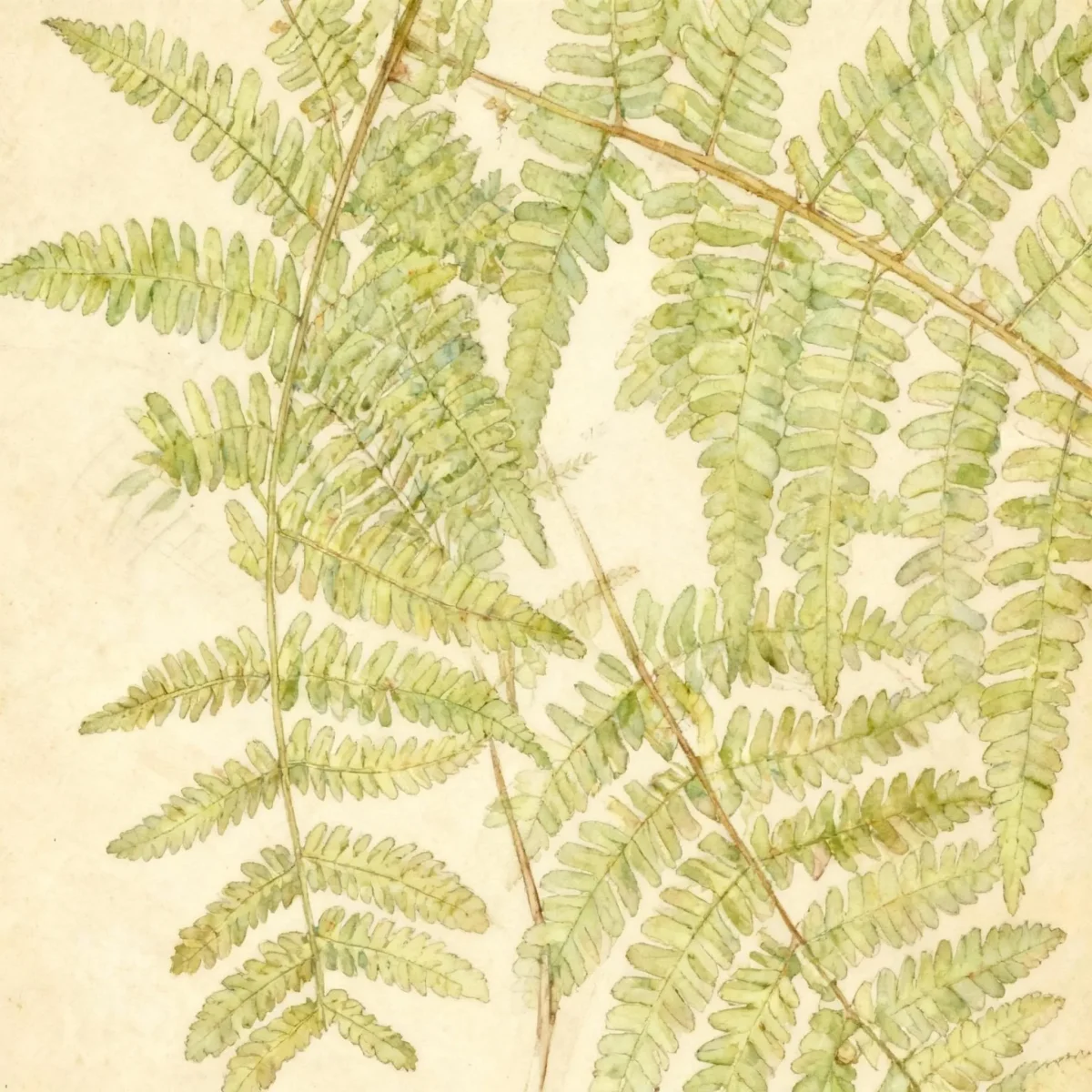
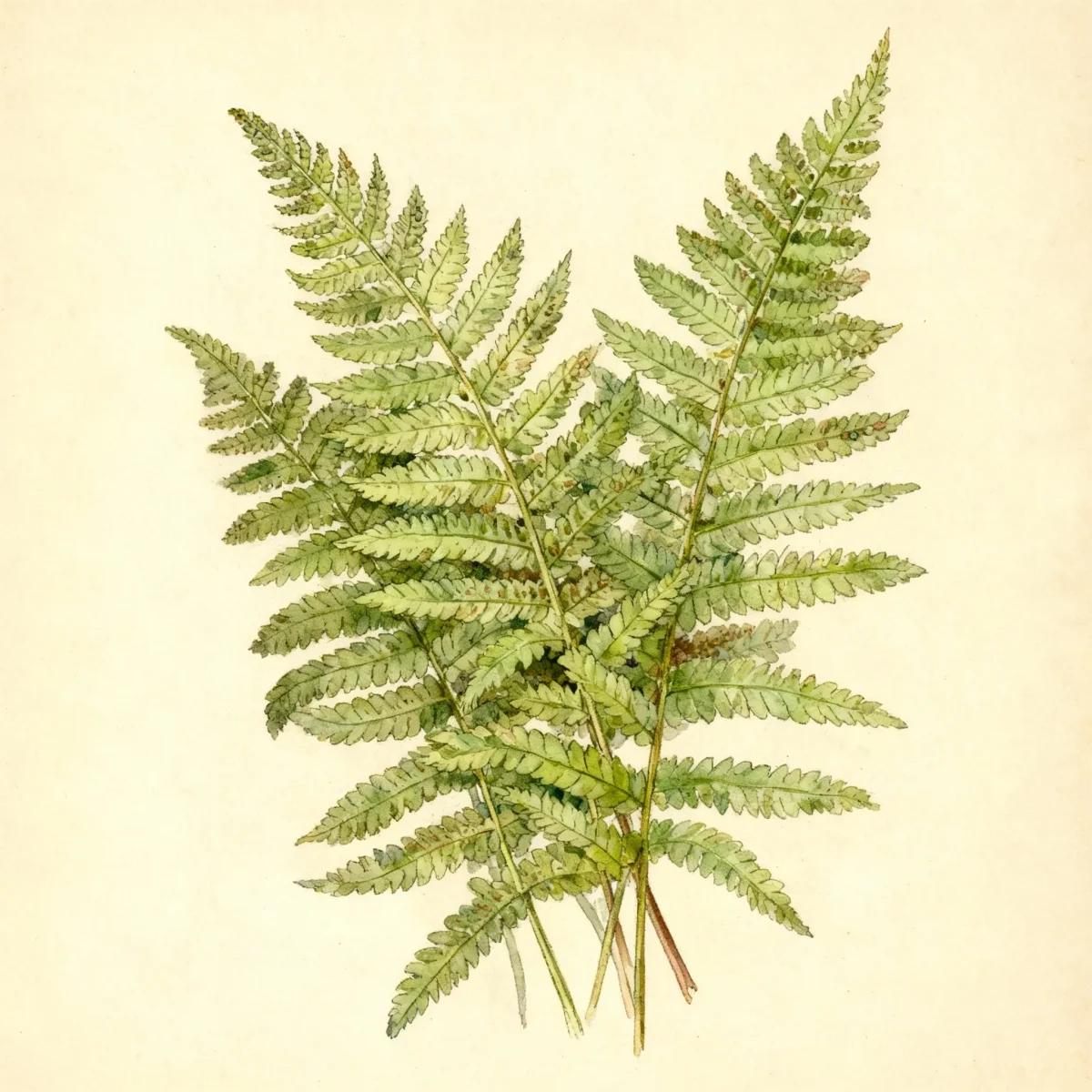
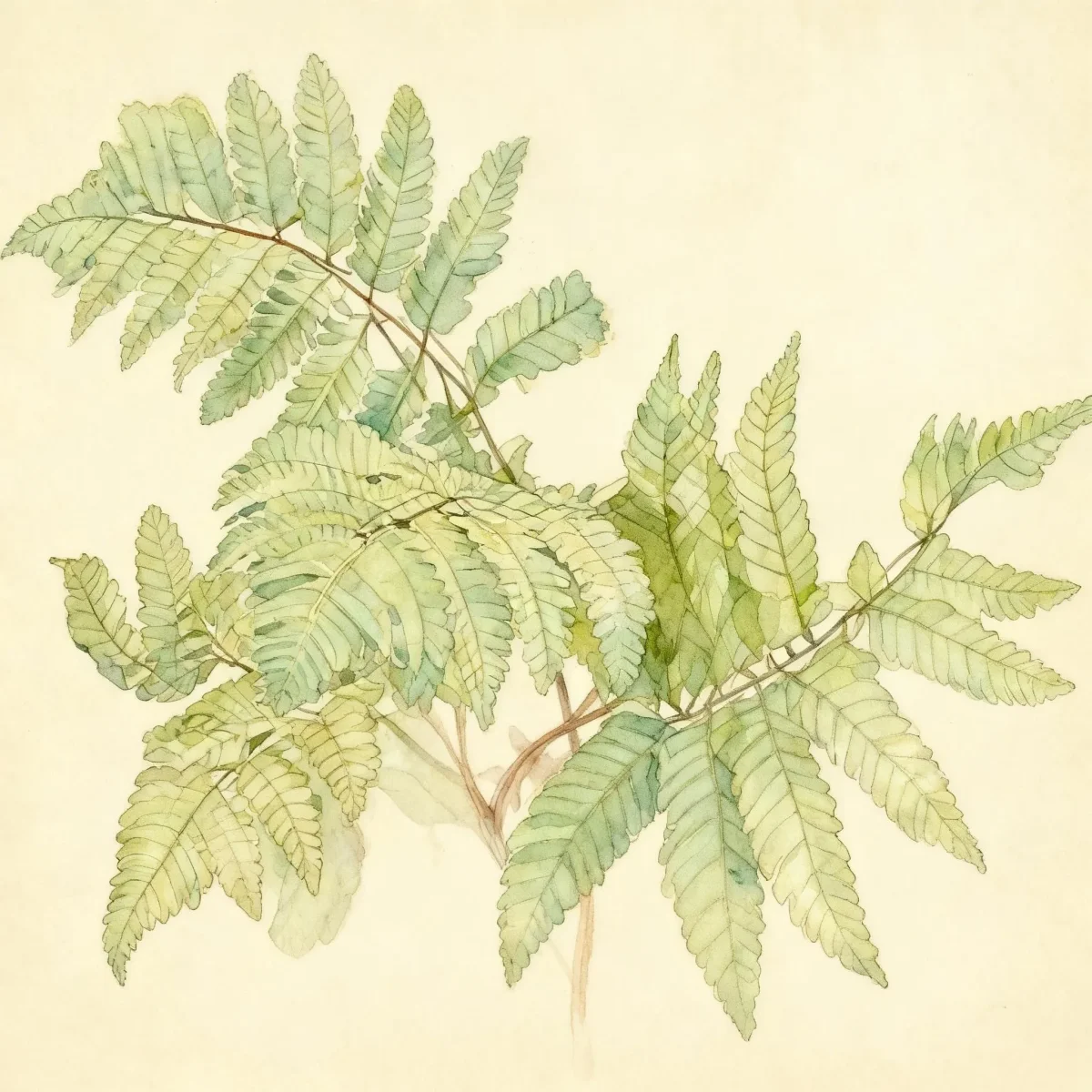
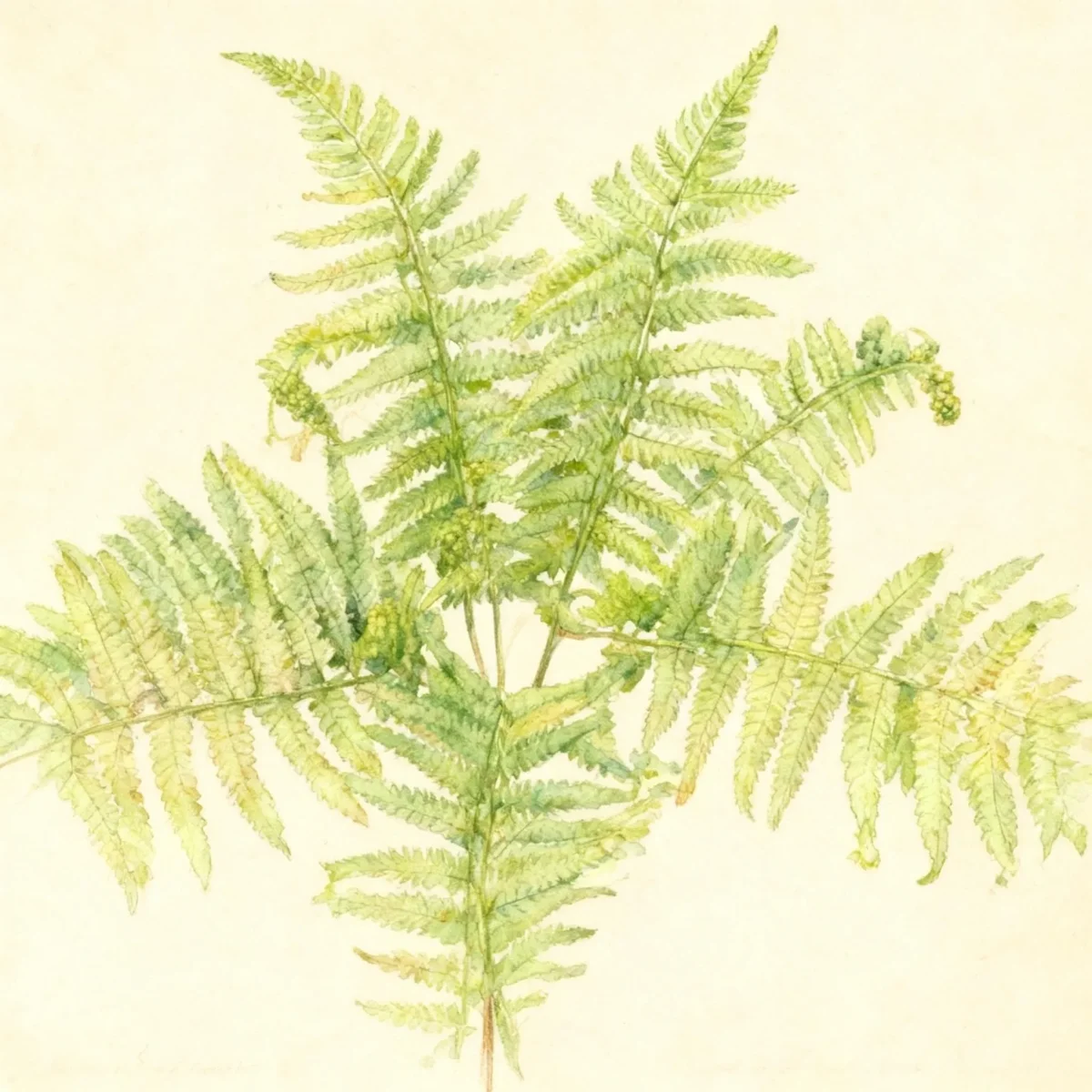
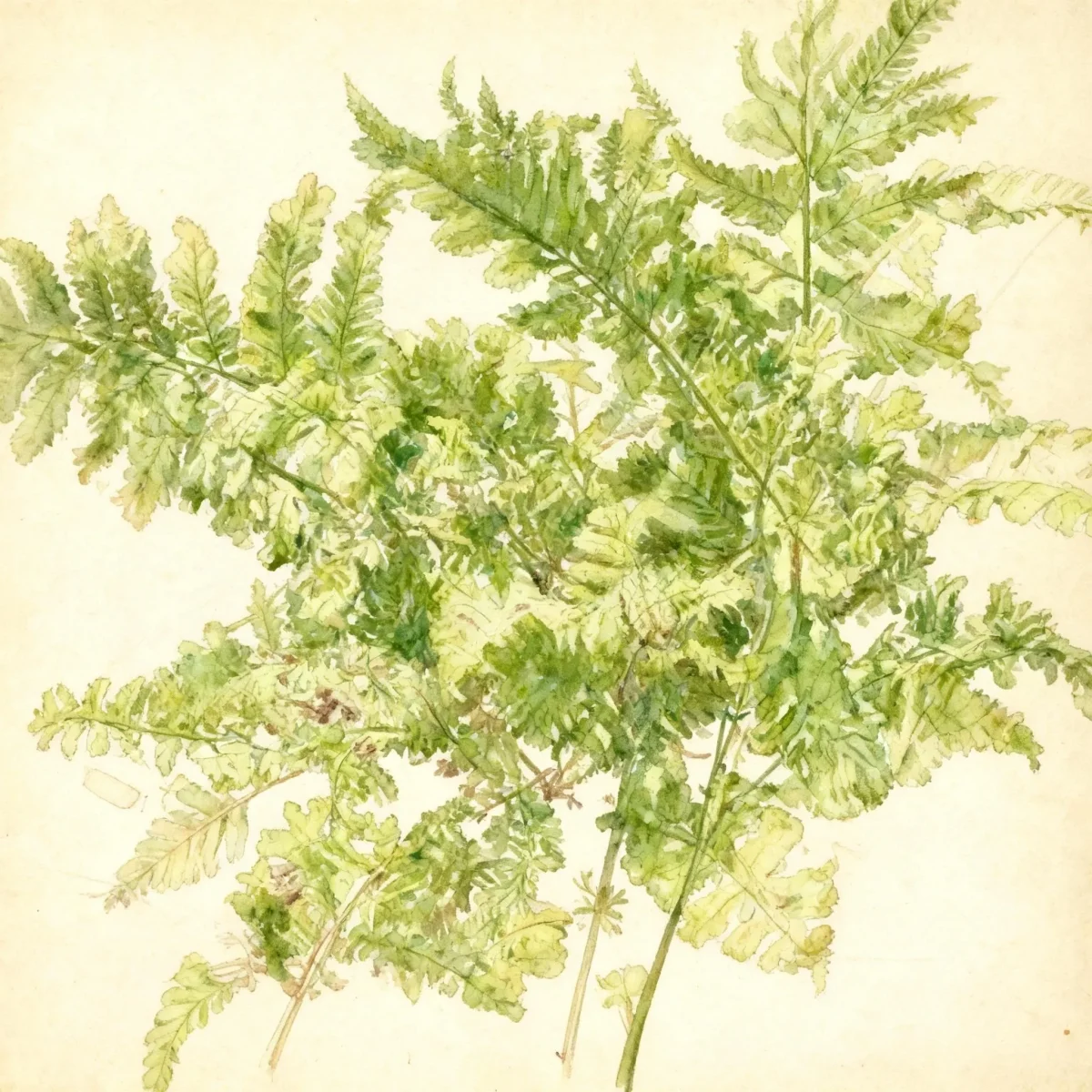
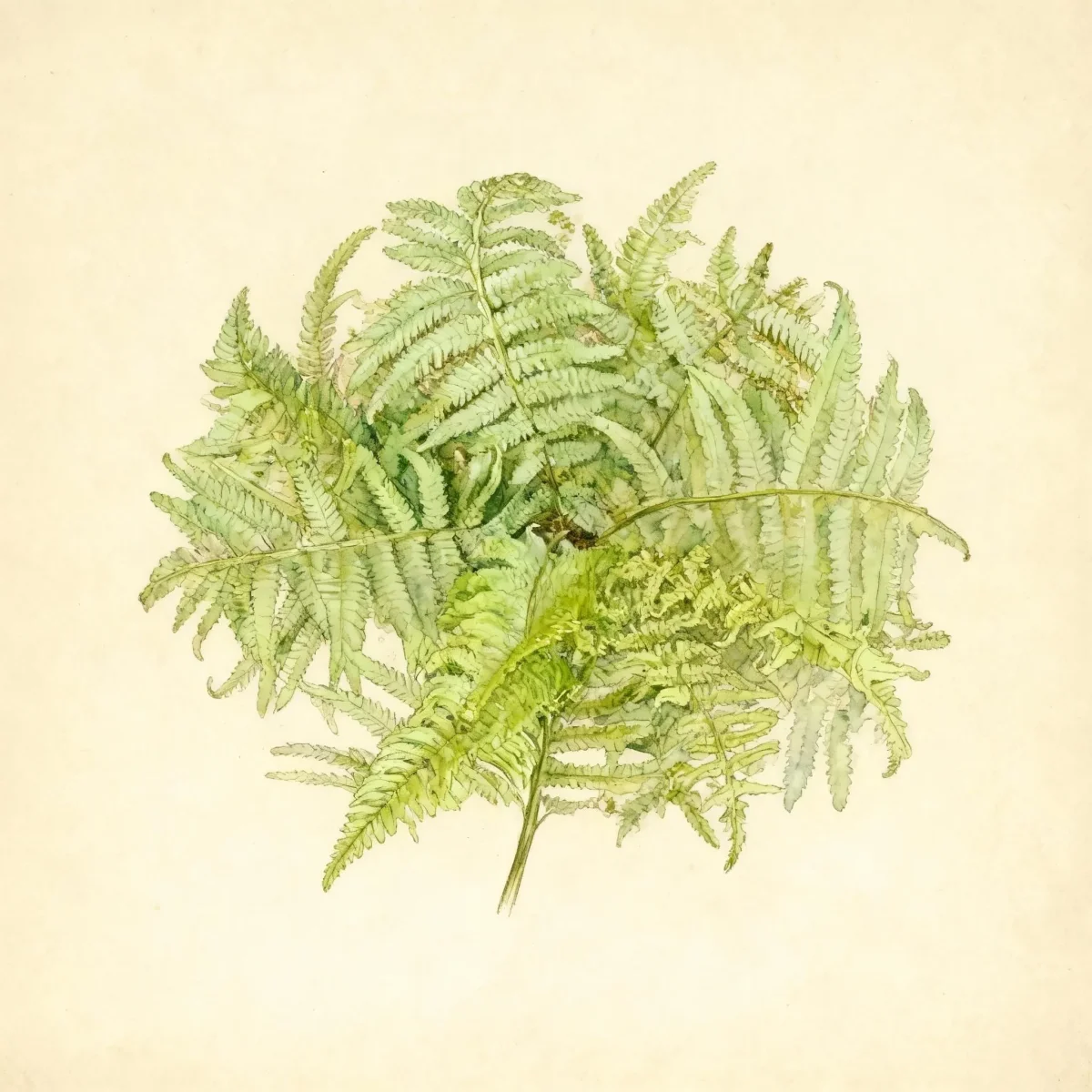
Wood fern (Dryopteris carthusiana)
Discover Dryopteris carthusiana, the versatile Wood fern. Low maintenance, thriving in heavy shade, perfect for woodland gardens.
Scroll down to discover growing tips, care requirements, companion plants, and more
Complete Plant Information
Overview
Dryopteris carthusiana, the widely recognized Wood fern, offers gardeners a lush, textural element ideal for deeply shaded landscapes. This species is valued for its delicate, lacy fronds which emerge a bright lime-green, providing excellent contrast against darker foliage. It establishes reliably in woodland settings, offering year-round interest in milder climates.
The structural habit of the Wood fern is defined by its outward-growing fronds, which typically reach heights between two and three feet. As a member of the Dryopteridaceae family, Dryopteris carthusiana requires consistency in its environment, preferring rich, acidic, and consistently moist soil conditions to truly thrive in the landscape.
This native fern of Northern temperate regions is an excellent choice for gardeners prioritizing low maintenance and naturalized beauty. Its tolerance for heavy shade makes Dryopteris carthusiana an invaluable powerhouse for understory planting where other plants struggle due to light limitations.
Fast Facts
- Plant Family: Dryopteridaceae
- Plant Type: Fern
- Native Range: Northern temperate regions
- Hardiness Zones: USDA Zones 3-8
- Size at Maturity:
- Height: 2-3 ft
- Spread: 2-3 ft
- Bloom Time: Non-flowering
- Bloom Description: Non-flowering
- Sun Exposure: Part shade to full shade
- Water Needs: Medium
- Maintenance Level: Low
How to Grow
The best time to plant Dryopteris carthusiana is in the spring or early fall, allowing the rhizomes time to establish before summer heat or winter cold sets in. Successful cultivation hinges on location; select an area that receives filtered light or consistent part shade, protecting the Wood fern from harsh, direct afternoon sun. Soil preparation is crucial: ensure the medium is well-drained yet rich in organic matter, aiming for a humusy, acidic composition.
Watering needs are medium, emphasizing consistency rather than volume. This fern dislikes drying out completely; maintain even moisture, especially during dry spells. While it generally performs well without added fertilizer, incorporating a layer of compost or aged leaf mold annually improves soil structure and nutrient availability, mirroring its woodland origins. Protection from strong winds is also recommended for the fine fronds.
Maintenance for the Wood fern is minimal. Pruning is infrequent, usually involving only the removal of any completely dead or damaged fronds at the base. In regions with significant frost, the fronds may remain nicely green if winter temperatures are mild, reducing the need for spring cleanup compared to hardier deciduous ferns.
Landscape Uses
The reliable texture and shade tolerance of Dryopteris carthusiana make it a cornerstone for specific garden designs. Use masses of these ferns to create a soft, textural carpet in shady areas of the woodland, rock garden, or native plant border, providing beautiful groundcover where lawn grasses cannot survive. Their 2-3 foot spread allows for excellent coverage without becoming overly aggressive.
Consider pairing the Wood fern with contrasting textures and colors to highlight its lacy qualities. It grows exceptionally well alongside spring wildflowers, which appreciate similar moist, woodland conditions. For perennial pairings, utilize purple-leafed heucheras and various hostas, whose bolder leaf shapes and colors beautifully offset the fine divisions of the Dryopteris carthusiana fronds.
These ferns anchor shady slopes and irregular foundations beautifully, creating a naturalized, unkempt look typical of mature woodland floors. They translate well into less wild settings where year-round green structure is desired near patios or walkways.
Standout Features
Noteworthy Characteristics
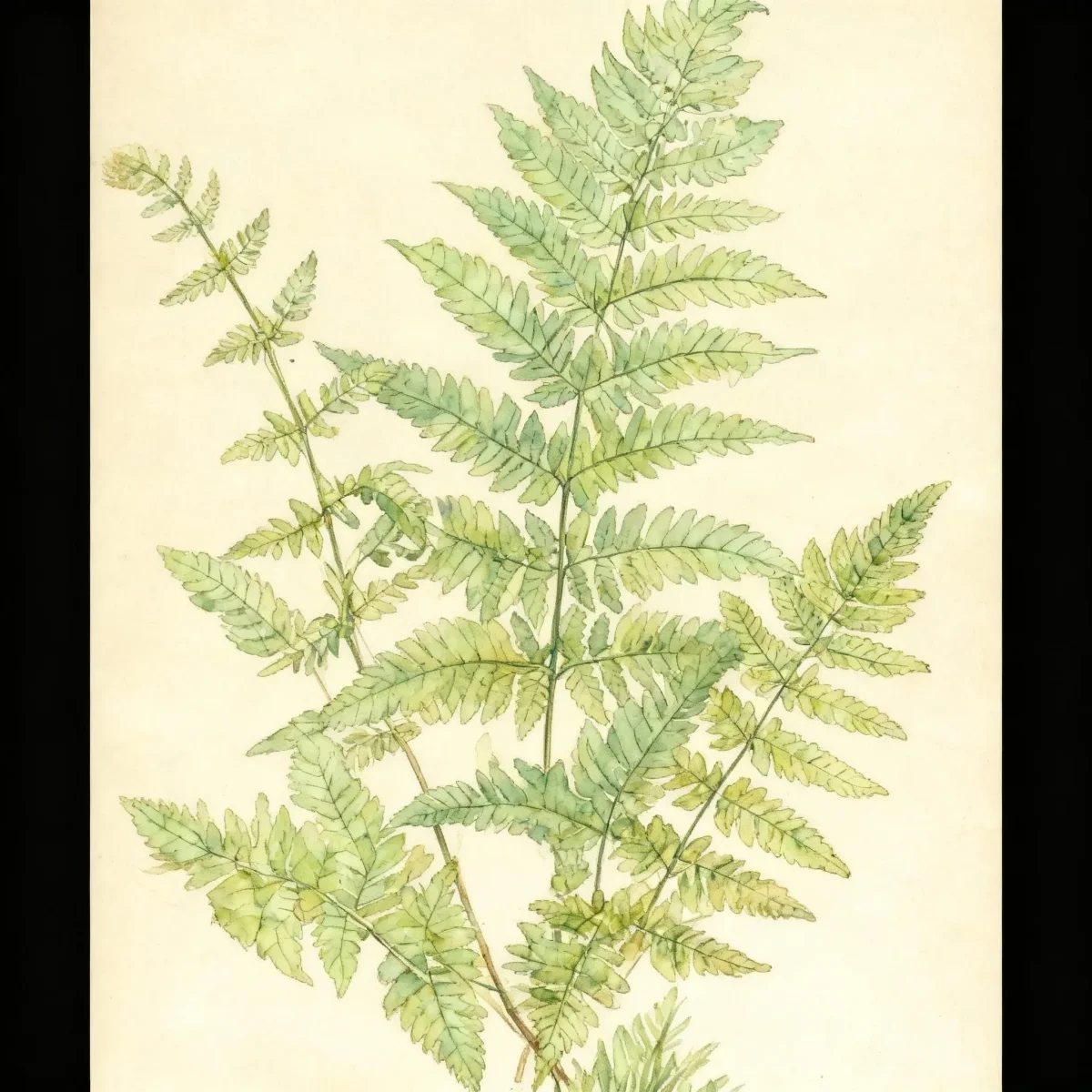
Dryopteris carthusiana, commonly called wood fern, is a native fern of Missouri and typically grows 2-3’ tall. Features lacy, bright lime-green, outward-growing fronds with blackish scales on the stipes (frond stems). Fronds will remain green in mild winters, and they are finely toothed and dissected. The genus name derives from Greek words meaning oak and fern, referencing typical woodland habitat preferences.
Tolerances
- Rabbit
- Heavy Shade
Potential Problems
Gardeners will appreciate that the Wood fern generally presents no serious insect or disease problems. This resilience contributes significantly to its low-maintenance reputation. Proper placement—avoiding excessive dryness or direct, scorching sun—is the best form of preventative care. Should any minor fungus develop in overly damp, stagnant conditions, ensure better air circulation and avoid overhead watering.
Frequently Asked Questions
What hardiness zones is Wood fern suitable for?
Dryopteris carthusiana is reliably hardy across USDA Zones 3 through 8, making it adaptable to a wide range of northern temperate climates.
How large does Wood fern grow?
This species typically matures to a height between 2 and 3 feet, with a similar spread of 2 to 3 feet, forming a nicely mounded clump of foliage.
What sun exposure does Dryopteris carthusiana need?
The ideal placement for optimal health is in part shade to full shade. Consistent deep shade is well tolerated by this species.
Conclusion
The Dryopteris carthusiana, or Wood fern, stands out for its reliability, fine texture, and exceptional performance in the challenging deep shade of the garden. Its low maintenance profile and ability to retain color make it a superior native choice for woodland restoration or creating naturalistic texture. Before installation, confirm that your site provides the moist, acidic soil environment preferred by this superb fern.
Companion Planting
Successful companion planting capitalizes on complementary cultural needs. Since Dryopteris carthusiana demands shade and consistent moisture, select other woodland natives that share this preference. Good partners include Mayapples (Podophyllum), native wild ginger (Asarum), and various mosses or low-growing sedges that enjoy similar acidic, humus-rich soil structures.
Arranging plants with contrasting fine and coarse textures creates high visual impact. Place plants with broad, sturdy basal leaves, such as larger Hostas or large-leaved Hepatica, near the delicate fronds of the Wood fern. This intentional contrast elevates the visual appeal of the entire shaded border, making the fine laciness of the Dryopteris carthusiana truly pop.
Design Ideas for Shady Borders
When designing borders under mature tree canopies, use the Wood fern as a mid-layer filler. Its 2-3 foot height bridges the gap between low-growing groundcovers—like evergreen pachysandra or creeping Jenny—and taller woodland shrubs. Mass planting offers the best aesthetic effect, creating a unified, flowing green carpet throughout the summer months.
In rock gardens, ensure the Dryopteris carthusiana is planted in pockets where soil retains adequate moisture, as exposed rock can dry out too quickly. Conversely, in native restorations, allow the fern to naturalize along established paths or near water features where the soil naturally stays damp, allowing the plant to self-propagate gently over time.