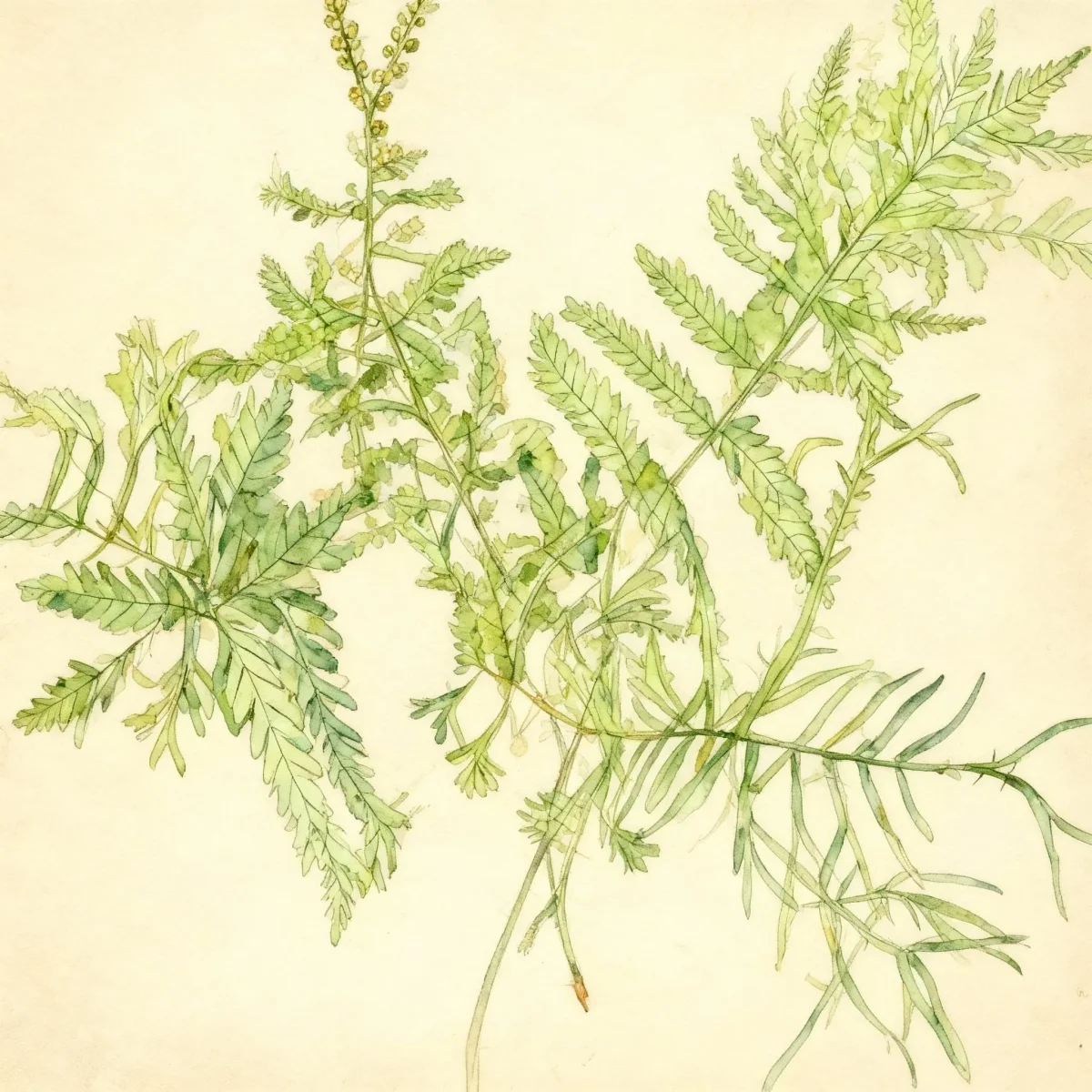
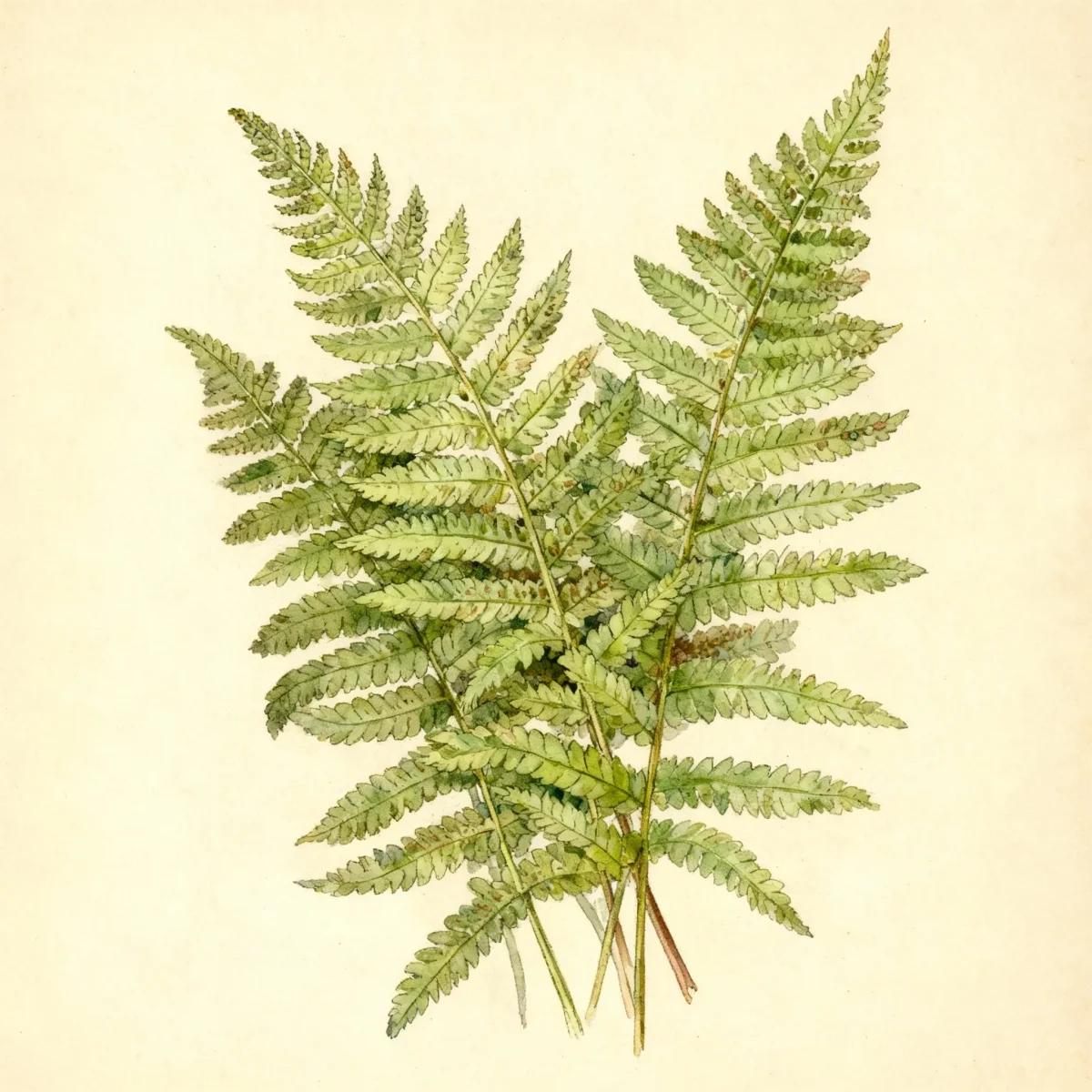
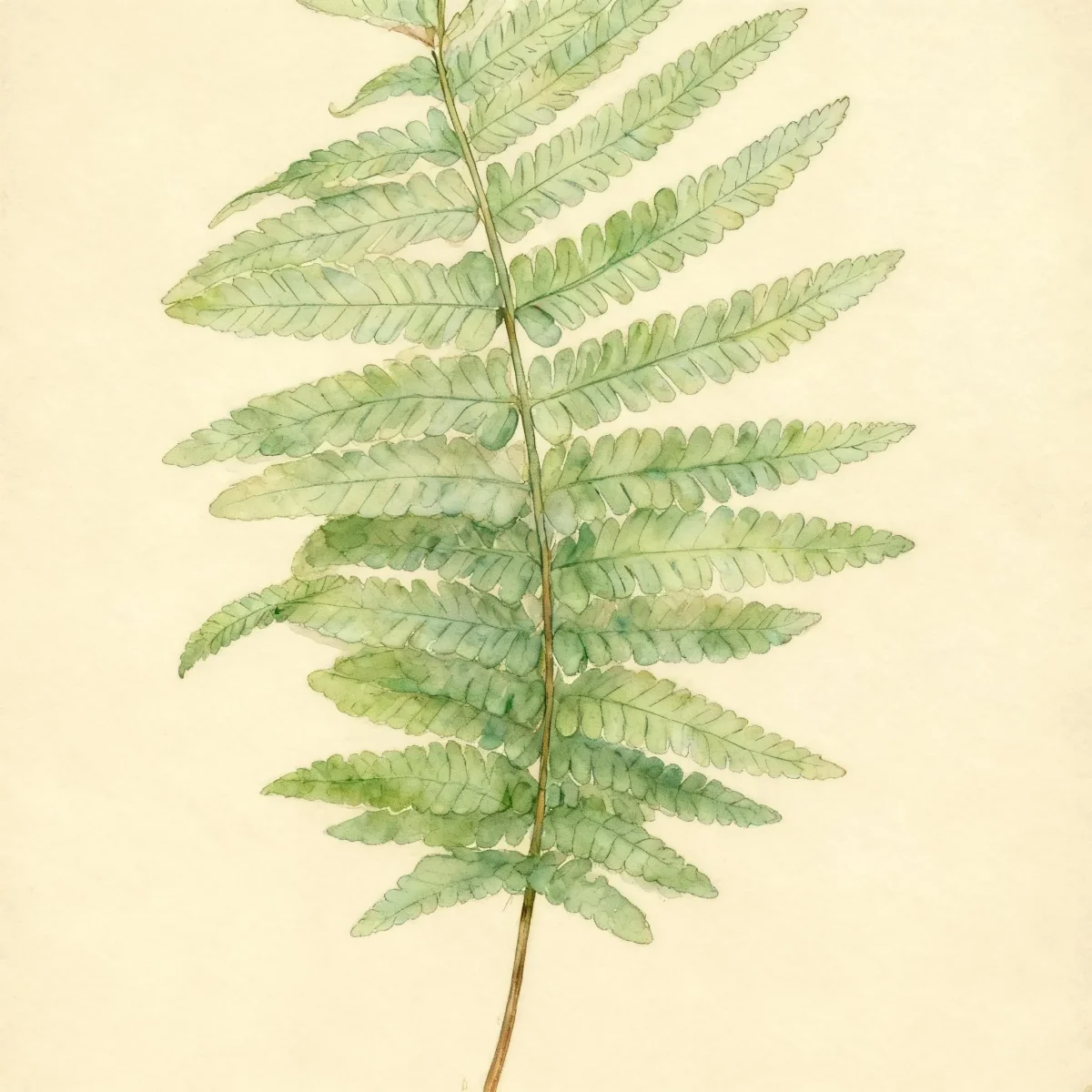
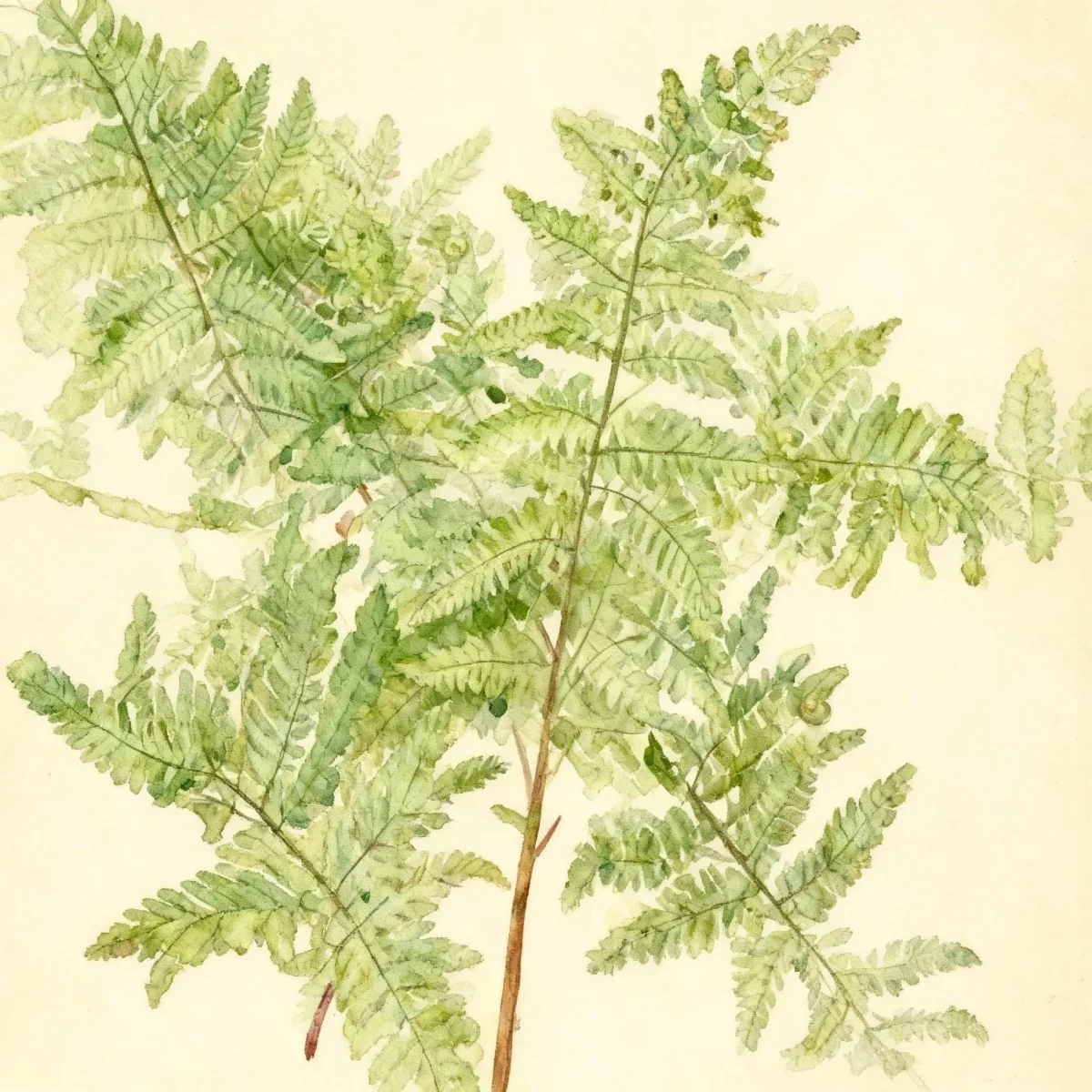
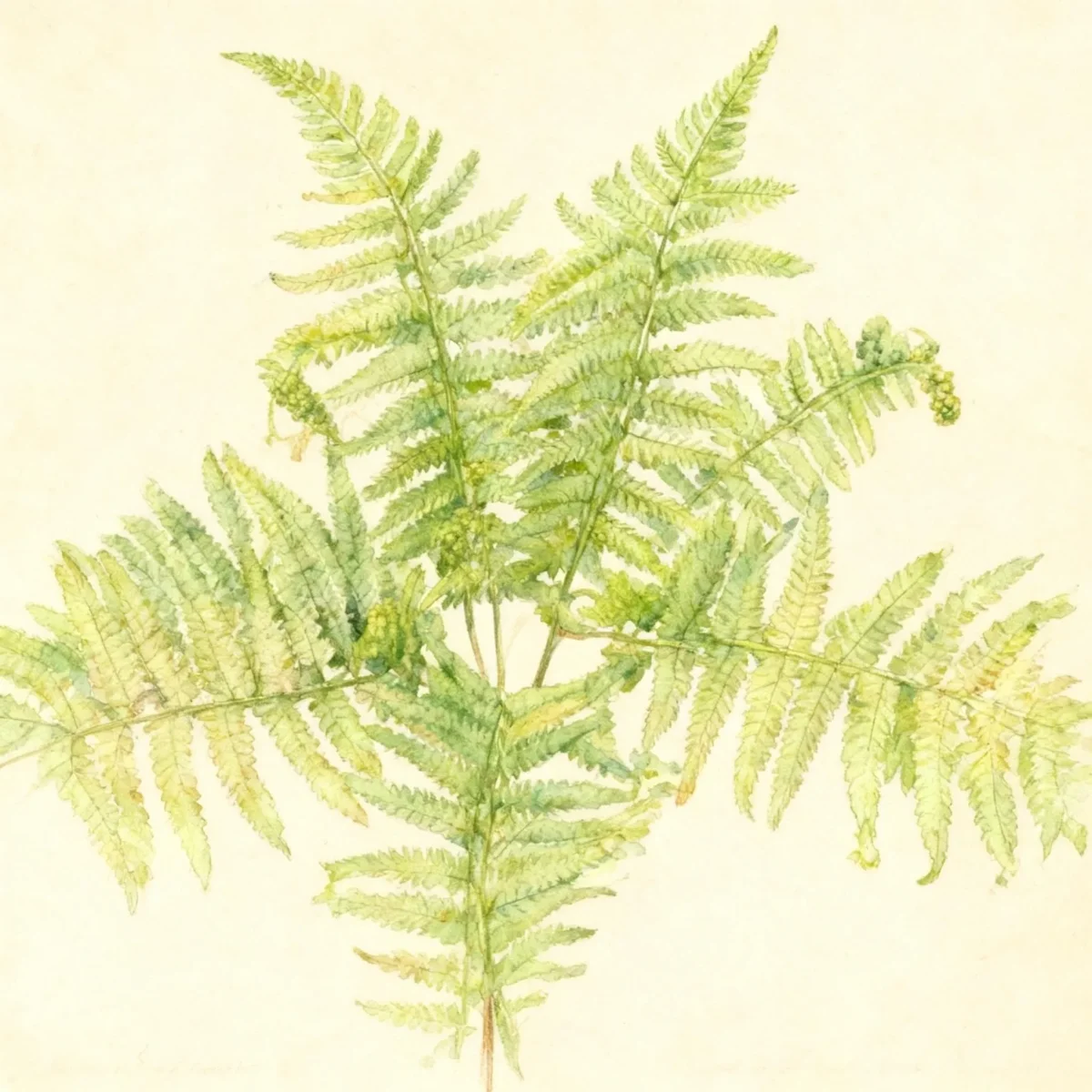
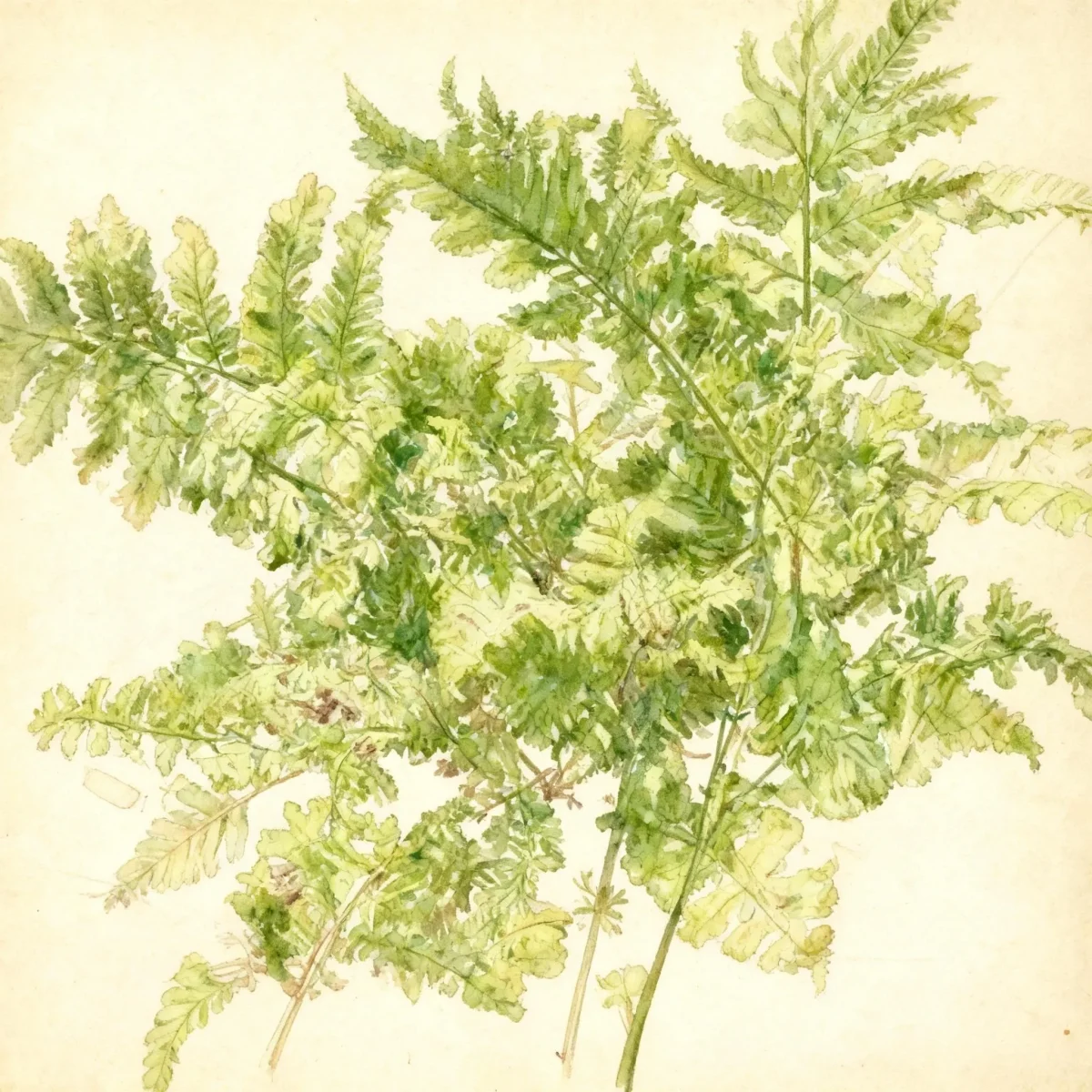
Japanese shield fern (Dryopteris erythrosora)
The Japanese shield fern (Dryopteris erythrosora) offers striking copper-red new growth maturing to deep green in USDA zones 5-8.
Scroll down to discover growing tips, care requirements, companion plants, and more
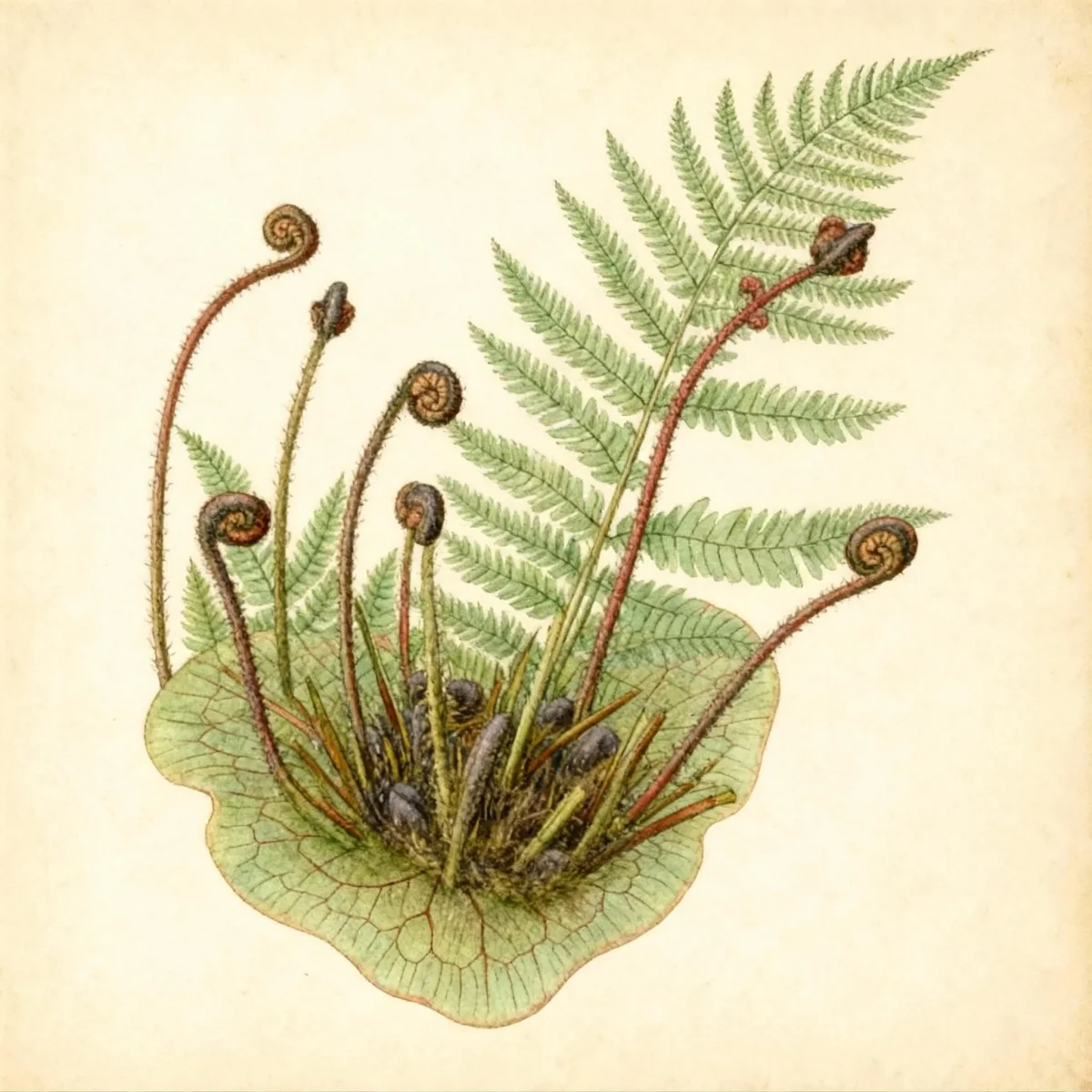
Complete Plant Information
Overview
The Japanese shield fern (Dryopteris erythrosora) is a highly prized evergreen or semi-evergreen specimen valued for its dramatic seasonal color shift. Its new fronds emerge in brilliant shades of orange-red or copper-pink before transitioning into a rich, glossy deep green by mid-summer. This arching, vase-shaped fern brings valuable texture and long-term presence to shaded landscapes.
Native to the woodland hillsides and mountain slopes of Eastern Asia, Dryopteris erythrosora thrives in dappled light conditions, making it an exceptional choice for deep shade areas where many flowering plants struggle. Maintenance is generally low, provided its essential moisture needs are met consistently, which rewards the gardener with reliable, year-round structural appeal.
This cultivar brings sophistication to shade gardens, woodland borders, and woodland settings. The contrast between the emerging coppery foliage and the mature glossy green fronds ensures that the Japanese shield fern remains a focal point throughout the growing season. Gardeners appreciate that Dryopteris erythrosora slowly spreads, filling in spaces with its elegant, bi-pinnate foliage.
Fast Facts
- Plant Family: Dryopteridaceae
- Plant Type: Fern
- Native Range: Eastern Asia
- Hardiness Zones: USDA Zones 5-8
- Size at Maturity:
- Height: 1.5-2.5 ft
- Spread: 1.5-2.5 ft
- Bloom Time: Non-flowering
- Bloom Description: Non-flowering
- Sun Exposure: Part shade to full shade
- Water Needs: Medium
- Maintenance Level: Low
How to Grow
The best time to plant the Japanese shield fern is typically in the spring or fall, allowing it time to establish roots before facing temperature extremes. Select a location that offers part shade to full shade exposure, sheltered from abrasive winds that can damage the delicate fronds. Dryopteris erythrosora demands average, slightly acidic soils rich in organic matter. It is crucial that the soil remains consistently moist; these ferns should never be allowed to dry out completely.
Watering should be routine to maintain medium moisture levels. While fertilizing is rarely necessary if the foundational soil is rich and humusy, a light application of compost in the spring can boost vigor. Pruning is minimal—older, tattered fronds can be trimmed back in late winter or early spring just before new growth begins, helping to keep the vase-shaped clump clean.
For success, focus heavily on soil preparation, ensuring you incorporate ample aged compost or leaf mold to replicate its native woodland environment. These plants spread naturally over time via short, creeping rhizomes, offering a gradual way to carpet shaded areas. Consistent moisture management is the single most important cultural requirement for keeping your Dryopteris erythrosora healthy and vibrant.
Landscape Uses
The elegant texture and arching habit of the Japanese shield fern make it highly effective in moist woodland settings or darker shade gardens. It works beautifully when massed together to create an unbroken sweep of foliage, functioning effectively as a natural ground cover across slopes or under deciduous trees. This fern provides an excellent contrast against broad-leaved hostas or fine-textured Japanese forest grass.
Consider planting Dryopteris erythrosora along the edges of shaded paths where its new copper tones can be easily appreciated up close. Its compact, vase-shaped clump (reaching about 2 feet wide and tall) also suits foundation plantings where consistent moisture can be maintained. Use it to soften hardscape edges or anchor the mid-story layer in a shade border, bridging the gap between low-growing groundcovers and taller woodland shrubs.
Standout Features
Noteworthy Characteristics
Dryopteris erythrosora, commonly called Japanese shield fern or autumn fern, presents an arching, evergreen (semi-evergreen in cold winter climates) form growing in a vase-shaped clump. New fronds unfurl in striking shades of orange-red to copper-pink before maturing to glossy deep green by summer, and the specific epithet refers to its red sori (spore casings). This species is native to woodland hillsides and mountain slopes in Japan, China, and Taiwan, offering reliable form and color fluctuation.
Tolerances
- Rabbit
- Heavy Shade
Potential Problems
Dryopteris erythrosora is generally robust, suffering from no serious insect or disease problems when cultured correctly. The primary threat to this fern is cultural mismanagement, specifically allowing the soil to become too dry, which can lead to crisping or browning of the fronds. Ensure consistent medium water levels, especially during hot, dry summers, to maintain the high humidity and moisture this plant prefers. Good air circulation is also helpful in preventing any negligible fungal issues often associated with overly damp, stagnant conditions.
Frequently Asked Questions
What hardiness zones is Japanese shield fern suitable for?
The Japanese shield fern (Dryopteris erythrosora) is reliably hardy in USDA Zones 5 through 8, allowing for consistent performance across a wide range of temperate climates.
How large does Dryopteris erythrosora grow?
This fern typically reaches a mature height between 1.5 and 2.5 feet tall, with a similar spread ranging from 1.5 to 2.5 feet wide, forming an attractive vase-shaped clump.
What sun exposure does Japanese shield fern need?
The ideal requirement for Dryopteris erythrosora is part shade to full shade; it performs best when protected from intense, direct midday sunlight.
When does Japanese shield fern bloom?
As a fern, the Japanese shield fern is non-flowering and does not produce traditional blooms. Its visual interest comes entirely from its foliage, particularly the seasonal color changes of its fronds.
Conclusion
The Japanese shield fern (Dryopteris erythrosora) offers essential year-round architecture and a spectacular display of coppery new growth, making it a low-maintenance staple for shaded landscapes. Its ability to thrive in heavy shade while providing arresting color confirms its high value among shade-loving perennials. Before planting, ensure your garden spot offers the consistent moisture required, and you can enjoy the beauty of this Eastern Asian native.
Companion Planting
When designing a shade garden featuring the Japanese shield fern, select companions that contrast in foliage texture or color while sharing similar moisture and light needs. Hostas with large, blue, or variegated leaves create excellent textural contrast against the fine, arching fronds of Dryopteris erythrosora. Consider pairing it with shade-loving, moisture-tolerant bulbs like Trillium or Woodland Phlox early in the season before the fern’s full canopy develops.
For year-round layering benefits, combine this fern with evergreen groundcovers suitable for shaded, moist, slightly acidic soil. Hellebores (Lenten Roses) benefit from the cooling shade provided by the fern canopy, and their winter-persistent foliage offers structure when the Dryopteris erythrosora might appear semi-evergreen in the chilliest parts of its range. Always ensure companion plants do not compete too aggressively for the rich, humusy soil this fern prefers.
Seasonal Care Calendar
Early spring is the designated time for cleanup and awakening the Japanese shield fern. Before new fiddleheads emerge, carefully trim away any old, damaged, or lingering brown fronds from the previous year to promote a clean start. As the weather warms, focus heavily on ensuring steady soil moisture, as this is the critical period for new growth development.
Summer care centers entirely on irrigation; medium water needs must be met via consistent, deep watering, especially if the area is dry or windy. Avoid overhead watering late in the day, which can keep foliage damp overnight, though its primary maintenance level is low once established and watered correctly. In autumn, while the copper color may deepen slightly, minimal activity is required other than admiring the seasonal show.
Winter preparation for Dryopteris erythrosora involves ensuring adequate mulch is in place, particularly in the colder edges of Zone 5, to protect the rhizomes. Since it is evergreen to semi-evergreen, avoid heavy winter disturbance. In cold climates where the foliage dies back, a spring refresh of compost will sustain the soil richness for the next growing season.