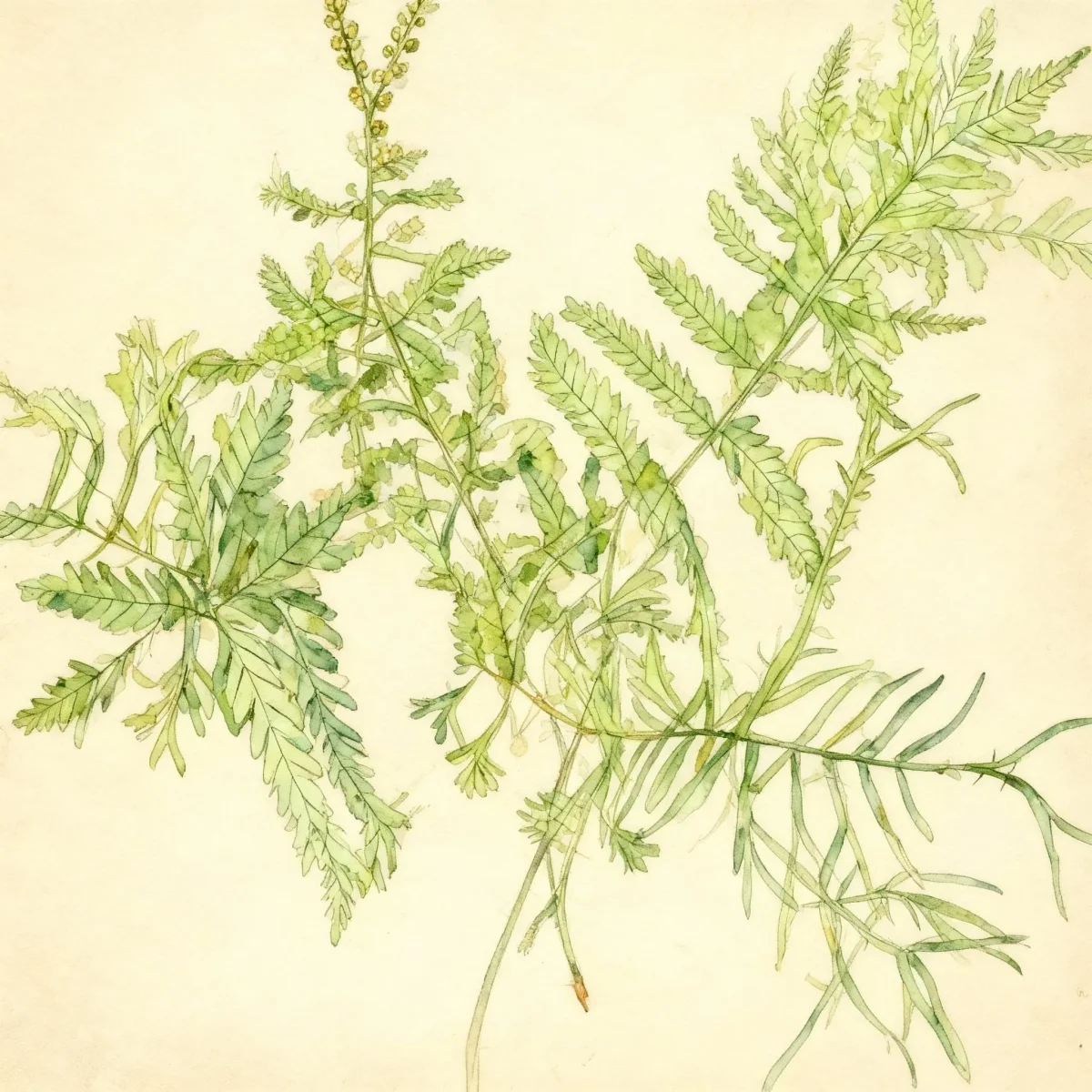
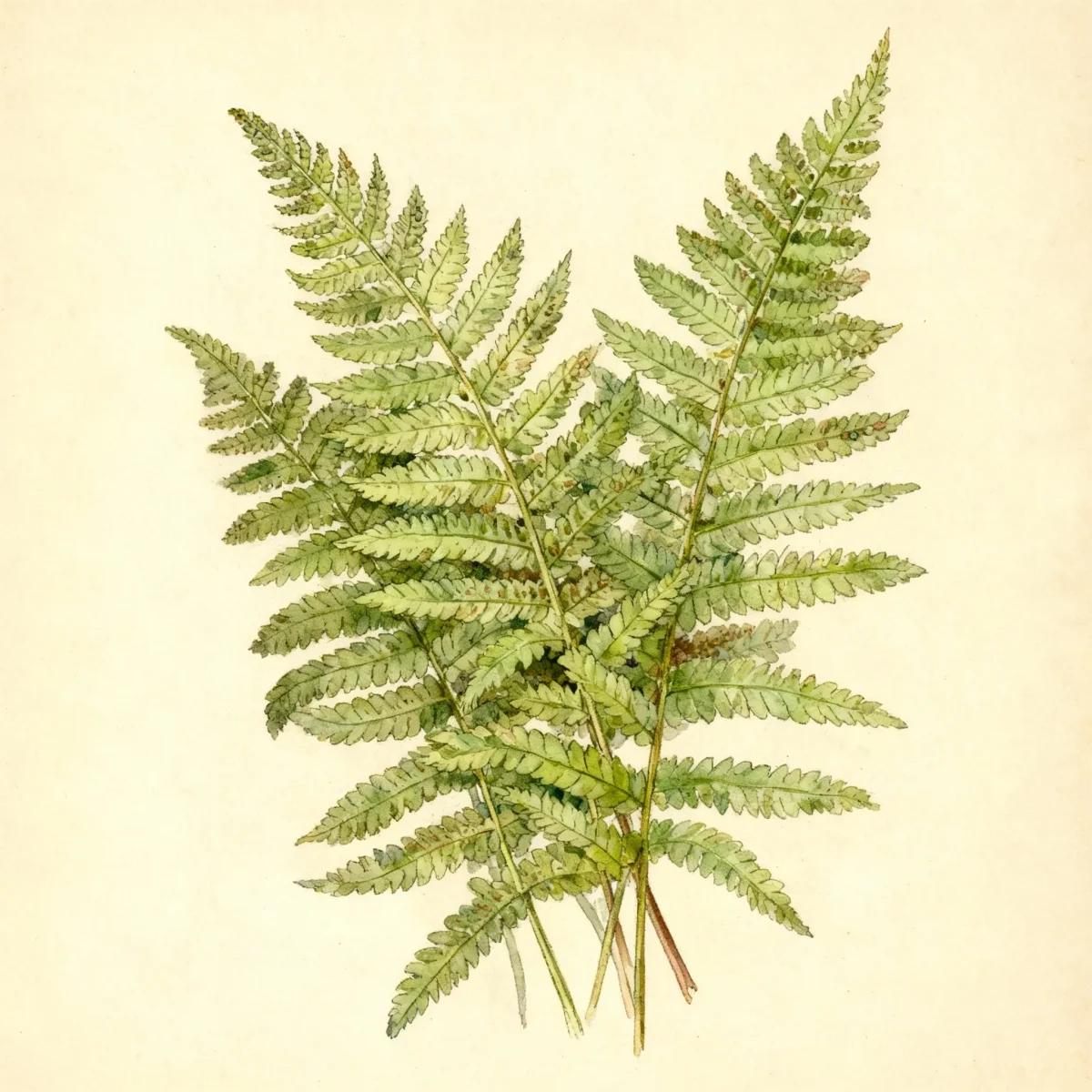
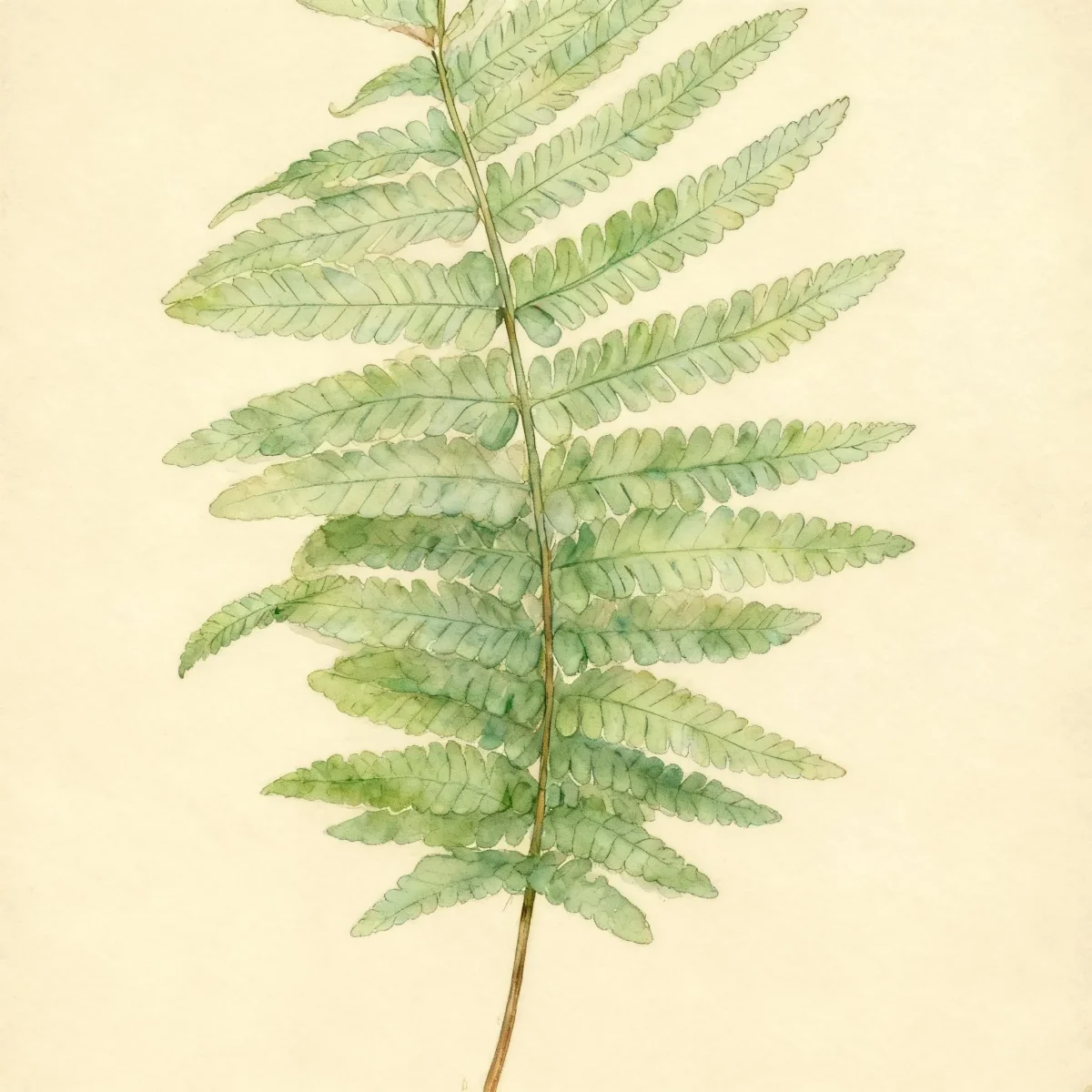
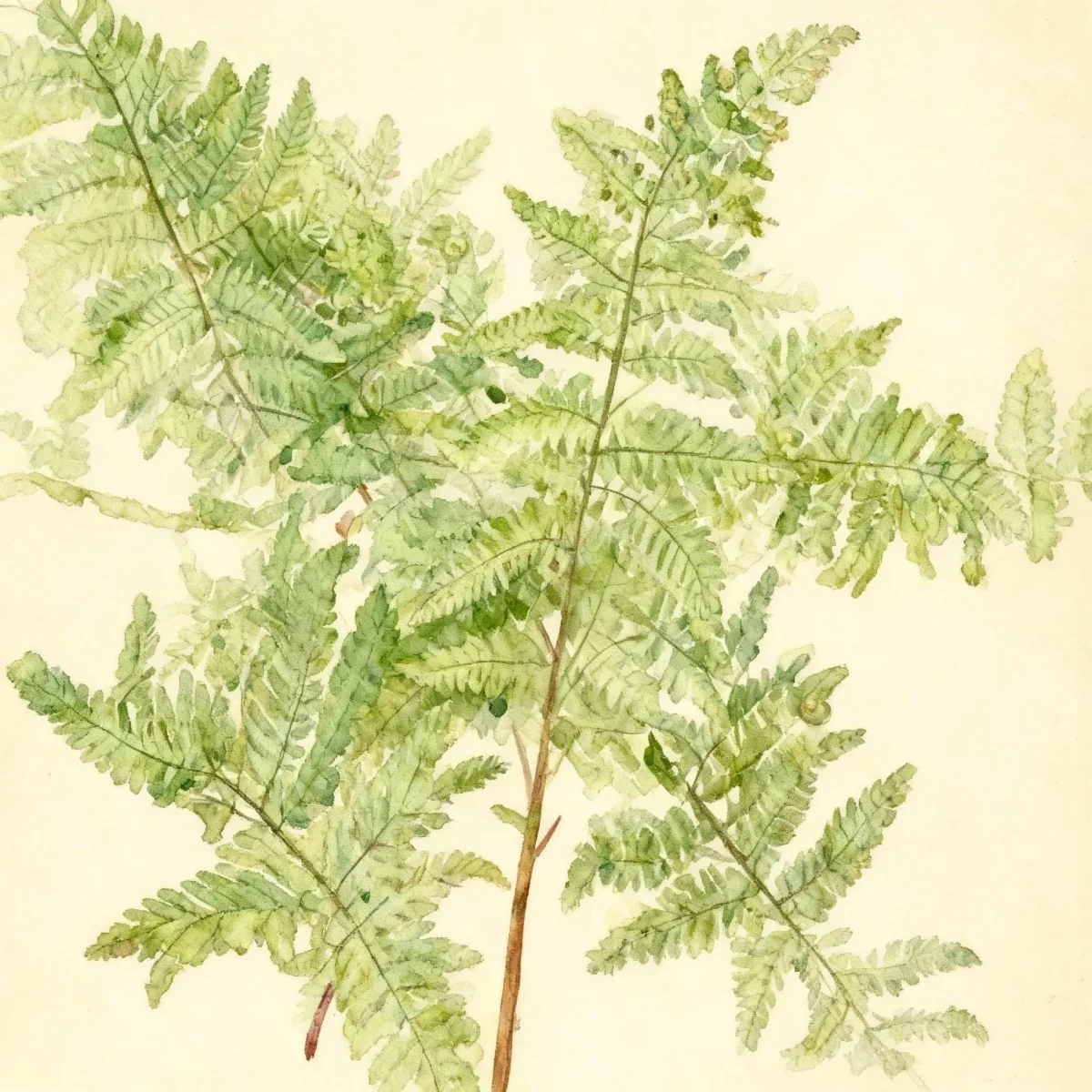
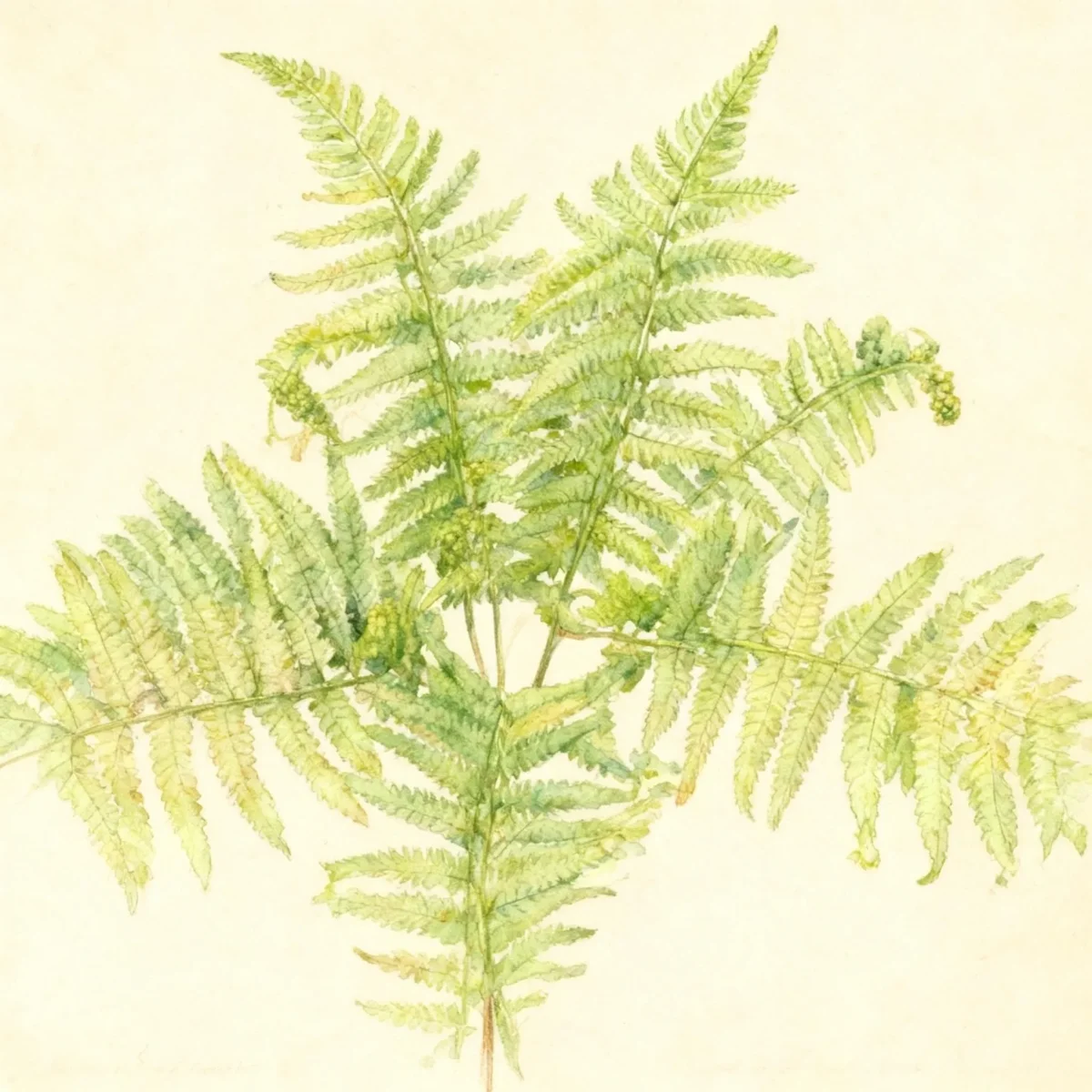
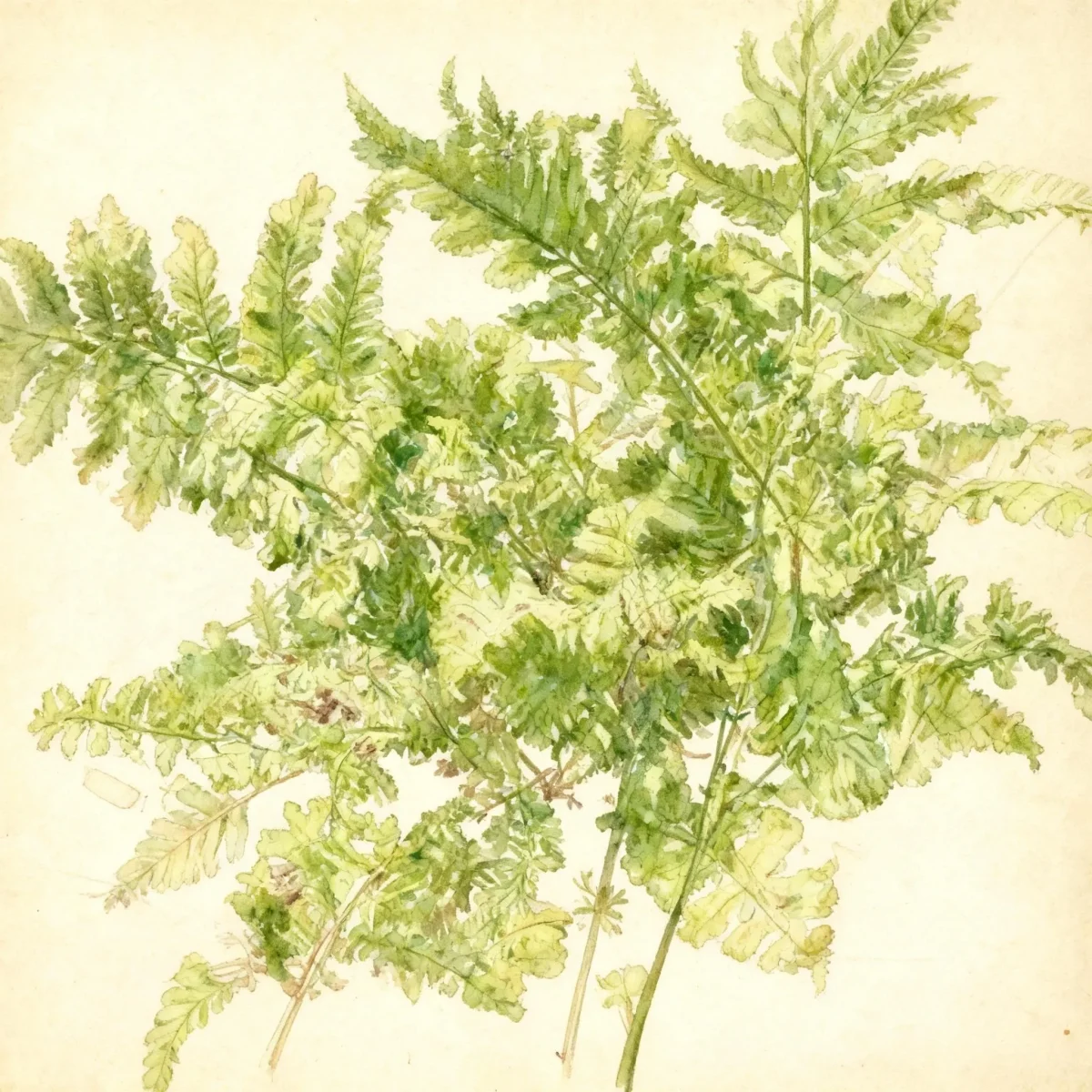
Intermediate wood fern (Dryopteris intermedia)
The Intermediate wood fern (Dryopteris intermedia) offers lacy, evergreen texture perfect for deep shade gardens. This low-maintenance fern thrives in moist, humusy soils.
Scroll down to discover growing tips, care requirements, companion plants, and more
Complete Plant Information
Overview
The Intermediate wood fern, scientifically known as Dryopteris intermedia, is an outstanding choice for gardeners seeking reliable, lush texture beneath a dense canopy. This rhizomatous fern fills woodland niches beautifully, bringing a lacy, appealing green to environments where few other plants thrive. Its ability to tolerate heavy shade makes it an invaluable structural element in shaded borders and woodland garden designs.
Dryopteris intermedia is valued for its adaptability and relatively low care requirements once established. Typically reaching heights between one and three feet, this species creates attractive upright, arching clumps of fine-textured foliage. While its fronds remain evergreen or semi-evergreen in milder climates, it offers consistent visual appeal even in deciduous settings.
Native to the moist woodland areas of the Northeastern United States, the Intermediate wood fern thrives in rich, organic soils. Its use is highly recommended for creating naturalized shaded scenes or adding contrast against coarser shade-loving perennials. Gardeners will appreciate the low maintenance level associated with successfully cultivating this handsome woodland native.
Fast Facts
- Plant Family: Dryopteridaceae
- Plant Type: Fern
- Native Range: Northeastern United States
- Hardiness Zones: USDA Zones 5-8
- Size at Maturity:
- Height: 1-3 ft
- Spread: 1-3 ft
- Bloom Time: Non-flowering
- Sun Exposure: Part shade to full shade
- Water Needs: Medium
- Maintenance Level: Low
How to Grow
The best time to plant the Dryopteris intermedia is typically in the spring or early fall, allowing it time to establish roots before summer heat or winter freezes arrive. Choose a location that receives part shade to full shade, simulating its native woodland preference. The soil must be average to medium moist, but crucially, it must be well-drained. Dryopteris intermedia excels in fertile, humusy loams rich in organic matter.
Consistent moisture is essential for this fern; do not allow the root zone to dry out completely, especially during establishment. While it tolerates high humidity, siting the plant away from harsh, drying winds will protect the delicate fronds from physical damage. Fertilizing is rarely required if the soil is naturally rich in organic compost.
In areas experiencing harsh winters where the fronds become deciduous, perform necessary cleanup in late winter. Cut off the old, dead fronds just before the new growth begins to emerge. This simple pruning step ensures a fresh display for the coming season. Propagation for experienced gardeners is achievable through soil spores or by dividing established clumps.
Landscape Uses
The Intermediate wood fern finds its perfect niche in woodland and shade gardens, providing essential textural contrast among hostas, heucheras, and spring ephemerals. Its moderate size makes it versatile for use in defined borders where shade is prevalent, or for mass plantings to create a lush, uninterrupted groundcover effect beneath mature trees. Furthermore, Dryopteris intermedia performs admirably in containers, softening hardscape edges on shaded patios.
For a naturalistic aesthetic, group this fern along shaded building foundations or against retaining walls. Its tolerance for dryish slopes, provided the soil is rich, allows for strategic placement on gentle inclines in filtered light conditions. The fine, lacy look of the fronds complements the broad leaves of many other shade perennials, creating depth and visual interest.
Standout Features
Noteworthy Characteristics
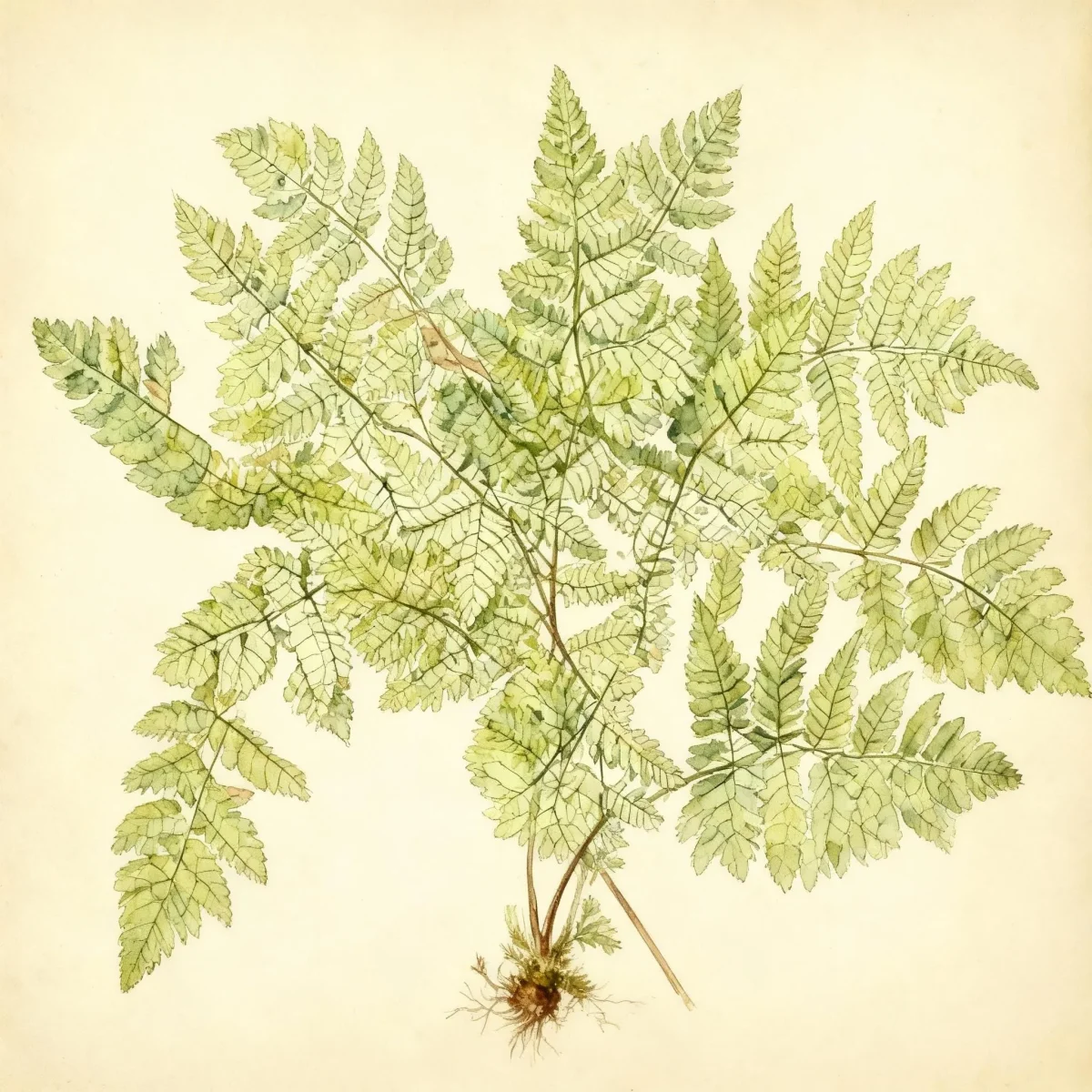
Dryopteris intermedia, commonly called evergreen wood fern, glandular wood fern to fancy fern, is a rhizomatous wood fern that is native to moist woodland areas, ravines, swamp margins and rocky slopes in Eastern North America from Newfoundland to Ontario to Minnesota south to Missouri and Georgia. It was formerly known as Dryopteris spinulosa var. Intermedia, and is very similar in appearance to Dryopteris carthusiana from which it is primarily distinguished by glandular leaf blades. This is a lacy evergreen wood fern that typically grows to 1-3’ tall with upright arching fronds to 40” long and 8” wide, featuring finely dissected, lance-shaped pinnae.
Tolerances
- Rabbit
- Heavy Shade
- Clay Soil
Potential Problems
The Dryopteris intermedia generally exhibits excellent resilience, facing no serious insect or disease problems under proper cultural conditions. Monitoring soil moisture is key; root rot is the primary concern if drainage is inadequate or overwatering occurs in heavy, compacted soils. Maintaining even moisture without saturation is the best preventative measure against fungal issues.
Frequently Asked Questions
What hardiness zones is Intermediate wood fern suitable for?
The Intermediate wood fern (Dryopteris intermedia) is hardy and reliably grown in USDA Zones 5 through 8.
How large does Dryopteris intermedia grow?
This species typically matures to a height between 1 and 3 feet, achieving a similar spread of 1 to 3 feet wide, forming an attractive clump.
What sun exposure does Intermediate wood fern need?
The ideal light requirement for Dryopteris intermedia is part shade to full shade; avoid direct, intense afternoon sun which can scorch the fronds.
When does Dryopteris intermedia bloom?
As a fern, the Dryopteris intermedia is non-flowering; instead of flowers, it produces sori (spore cases) on the undersides of its fertile fronds in early to mid-summer.
Conclusion
The Dryopteris intermedia, or Intermediate wood fern, offers essential texture and reliable evergreen appeal ideal for shaded landscapes across USDA Zones 5 to 8. Its low maintenance needs and tolerance for rich, moist soils make it a foundational plant for woodland garden restoration or modern shade containers. Make sure your site offers consistent moisture and deep respite from the sun to ensure your Dryopteris intermedia thrives for years.
Companion Planting
When designing a lush, shaded border featuring the Intermediate wood fern, select companions that share its cultural requirements for moisture and shade protection. Plants with strongly contrasting foliage textures work exceptionally well next to the lacy fronds of Dryopteris intermedia. Consider pairing it with large-leaved Hostas, especially those with blue or gold variegation, to maximize visual impact in low light. Brunnera (Siberian Bugloss) provides delicate blue spring flowers that complement the fern’s structure beautifully before the summer heat sets in.
Propagation Tips
Successful propagation of Dryopteris intermedia can be achieved through two main methods: division or spores. Division is the easiest method for home gardeners; wait until early spring before new growth begins, gently lift the clump, and carefully separate the rhizomes into smaller viable sections, ensuring each possesses healthy roots and several emerging crowns. Spore collection and germination require more patience and specific, sterile conditions to mimic woodland duff, but they allow for the creation of many new plants from fertile fronds that bear sori in mid-summer.