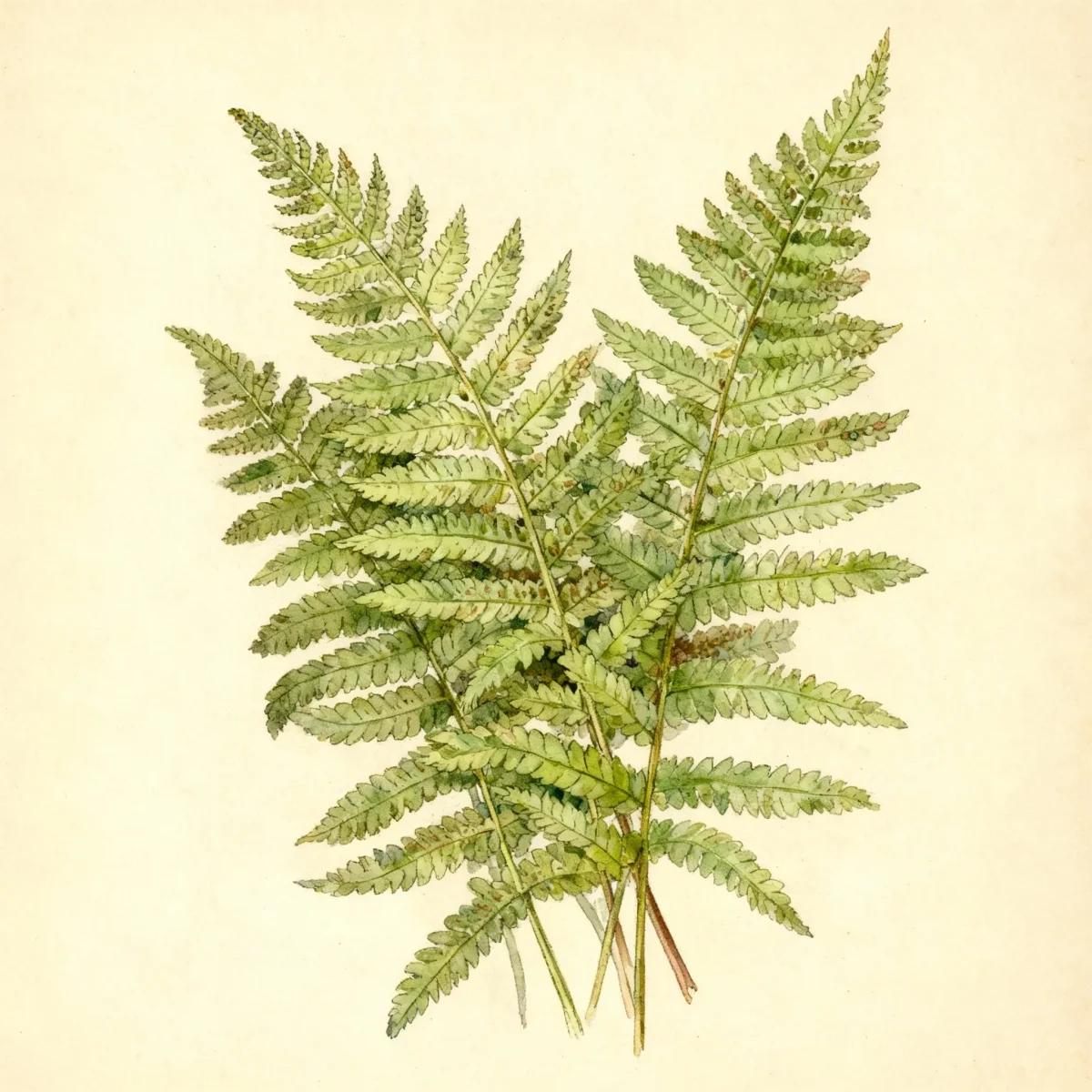
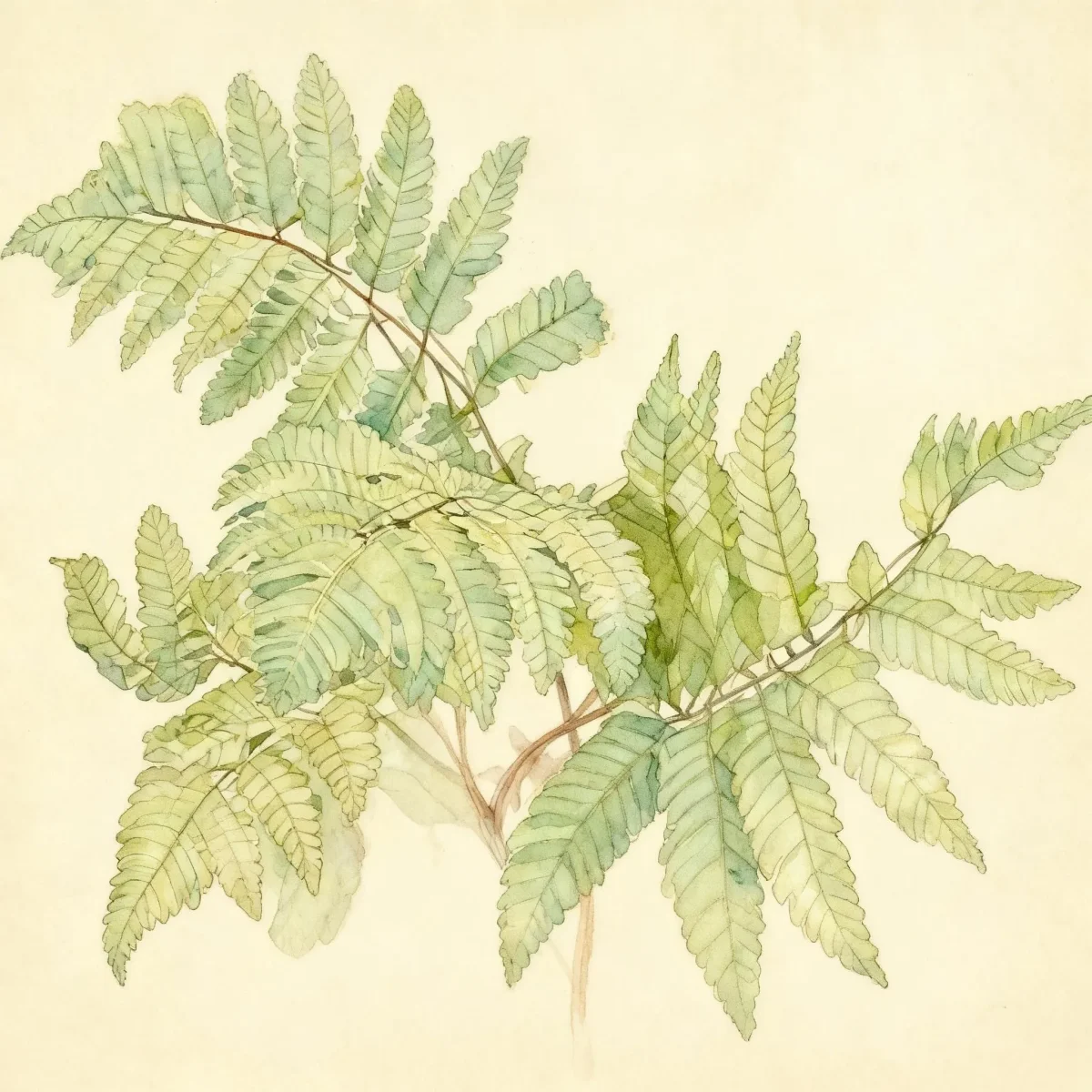
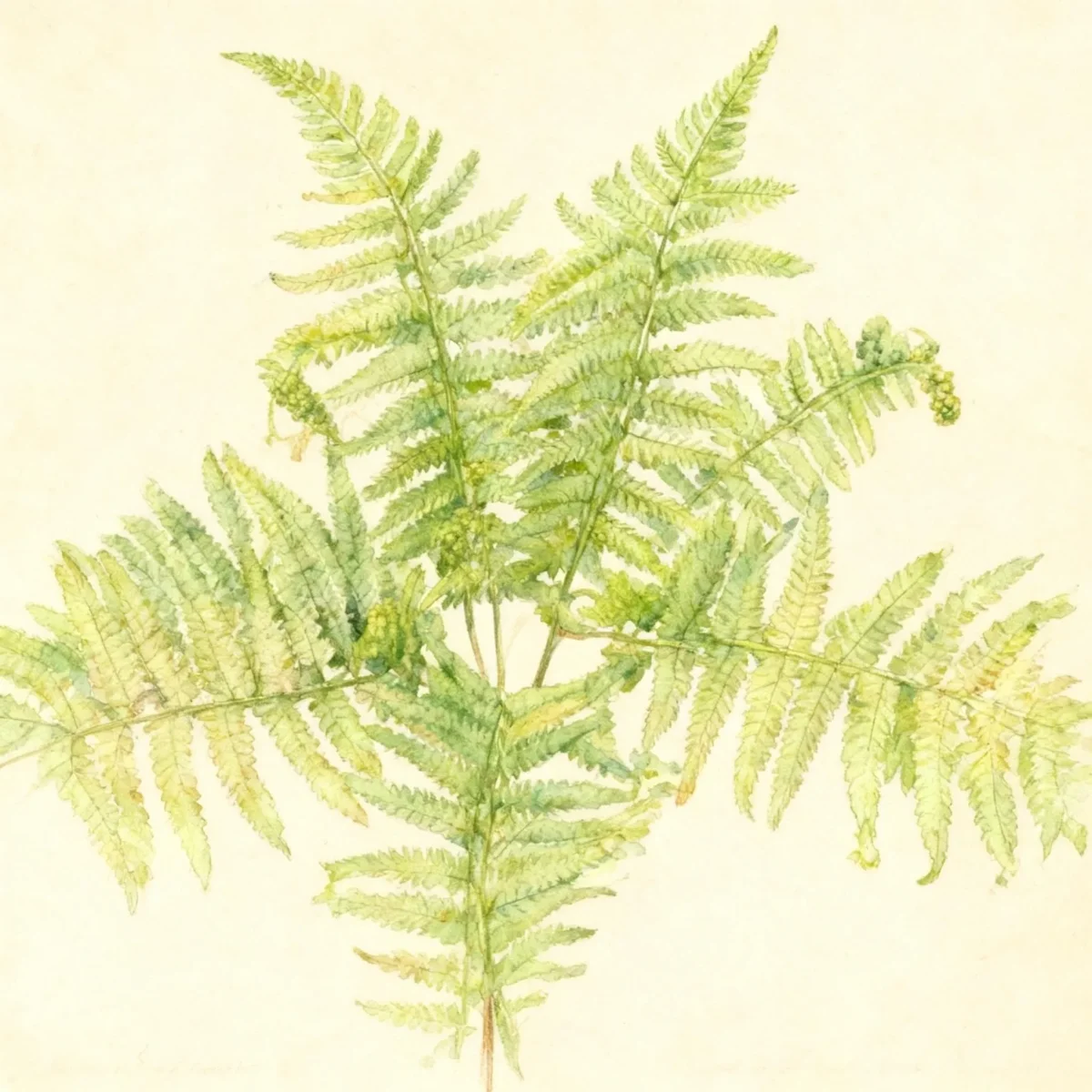
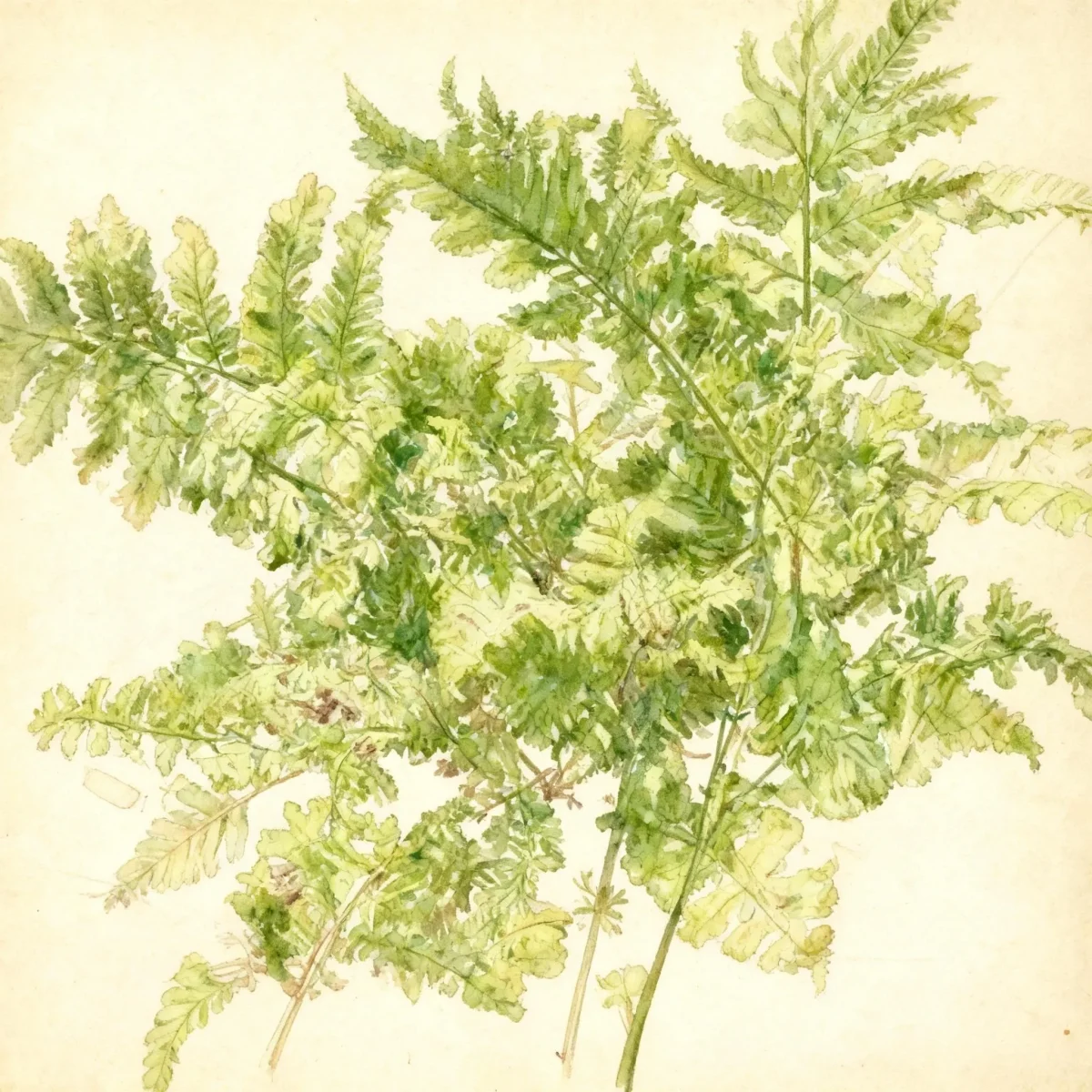
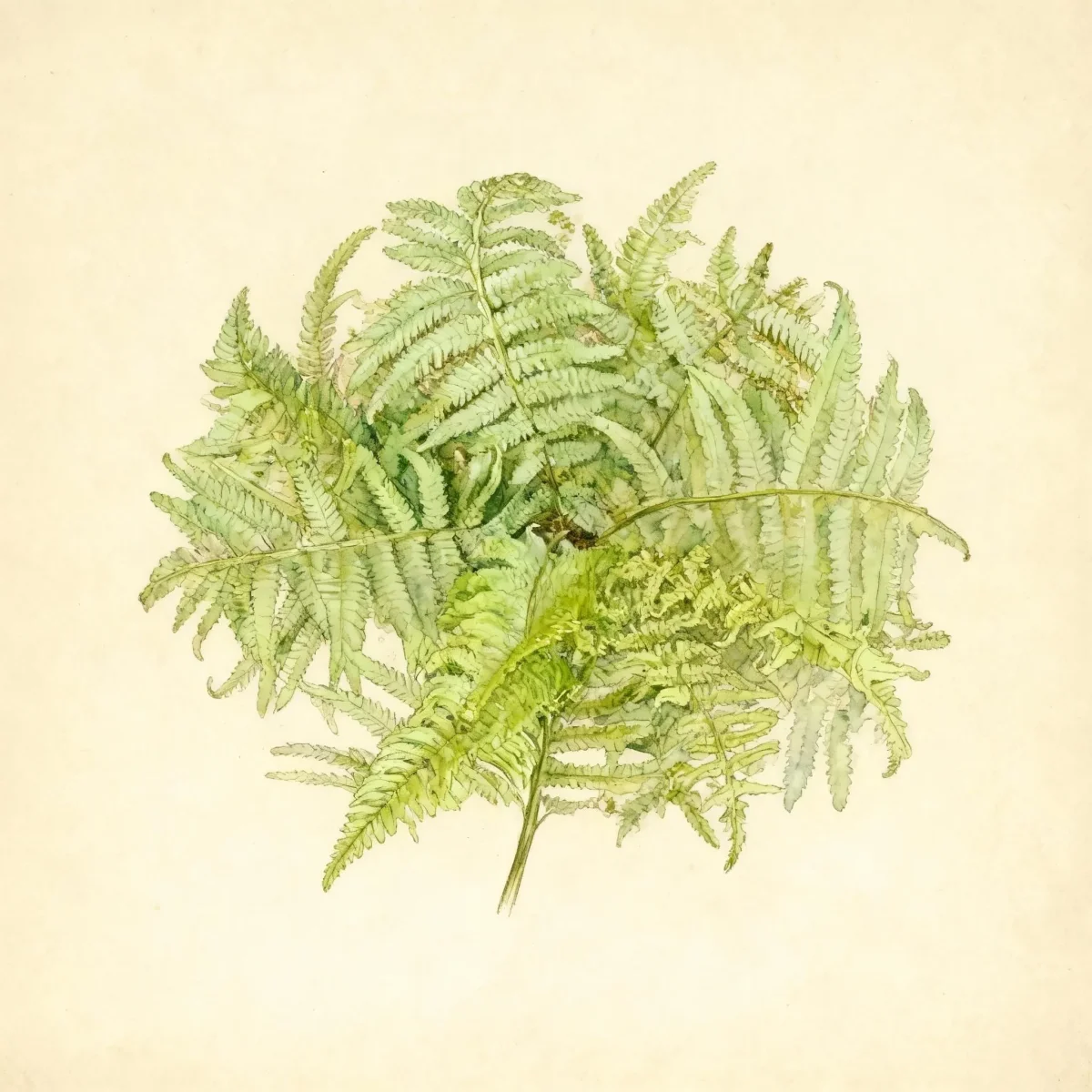
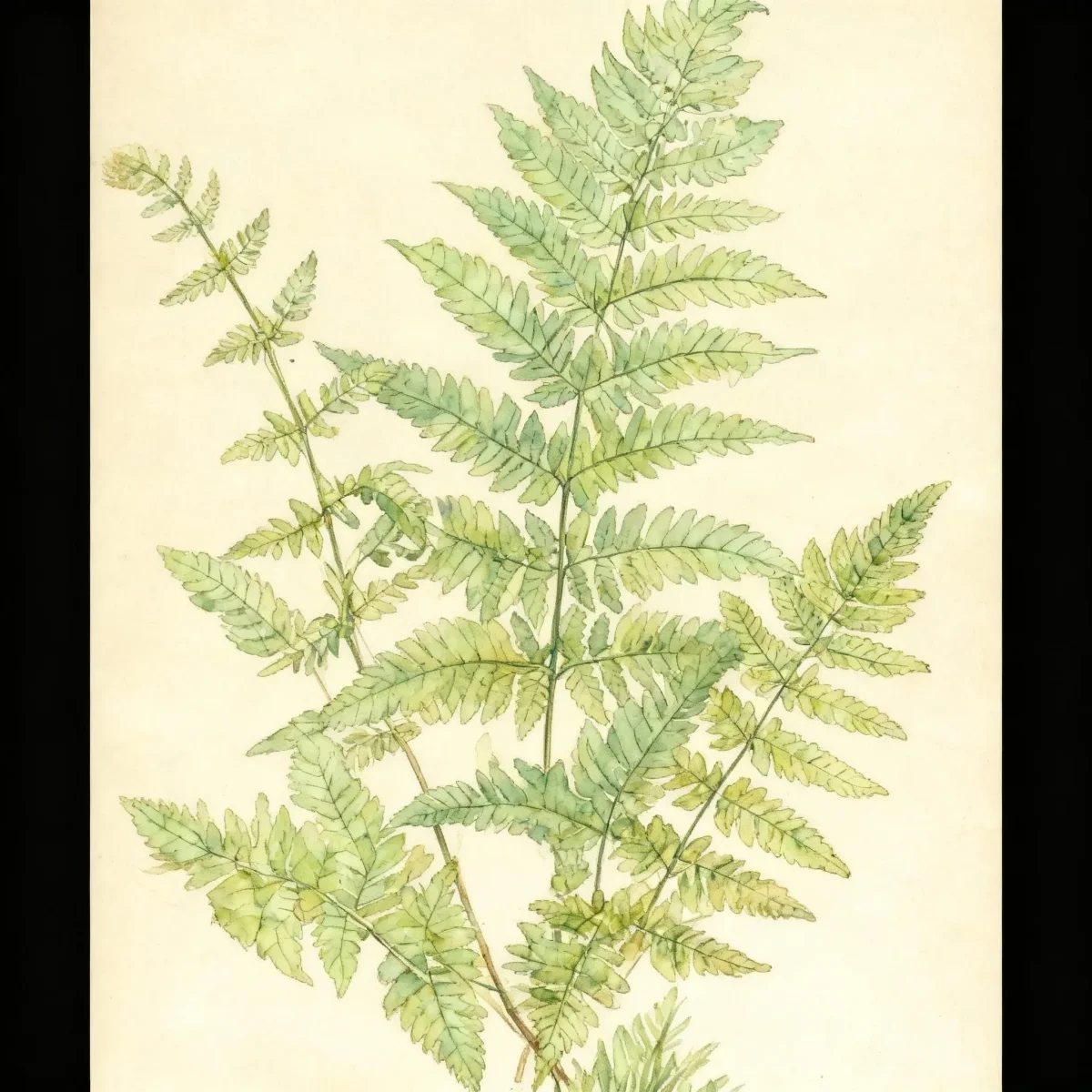
Marginal wood fern (Dryopteris marginalis)
Dryopteris marginalis, the Marginal wood fern, is an evergreen native forming neat clumps. Low maintenance and tough, it thrives in deep shade.
Scroll down to discover growing tips, care requirements, companion plants, and more
Complete Plant Information
Overview
The Marginal wood fern (Dryopteris marginalis) is a highly valued evergreen native known for its toughness and sophisticated texture in the landscape. This fern maintains attractive, leathery foliage year-round, offering essential structure when deciduous plants are bare. It forms neat, non-spreading clumps, making it ideal for defined garden areas where reliability is key.
Dryopteris marginalis is a classic woodland plant, typically found clinging to shaded rocky ledges in its native North America. Gardeners appreciate its low maintenance needs, as it establishes well and requires little intervention once situated correctly. The evergreen nature of the fronds provides excellent winter interest, distinguishing it from many deciduous ferns.
The key to successfully growing the Marginal wood fern lies in mimicking its preferred, rocky, cool habitat. Providing protection from harsh winds and ensuring consistent, albeit not soggy, moisture will reward you with deep green to grayish-green seasonal color. For anyone designing a shady border or rock garden, Dryopteris marginalis is an indispensable structural element.
Fast Facts
- Plant Family: Dryopteridaceae
- Plant Type: Fern
- Native Range: North America
- Hardiness Zones: USDA Zones 3-8
- Size at Maturity:
- Height: 1.5-2 ft
- Spread: 1.5-2 ft
- Bloom Time: Non-flowering
- Bloom Description: Non-flowering
- Sun Exposure: Part shade to full shade
- Water Needs: Medium
- Maintenance Level: Low
How to Grow
When planting Dryopteris marginalis, aim for the cool, damp conditions of early spring or fall. The placement is crucial; this plant requires rich, humusy soil that drains adequately but retains moisture. Incorporate plenty of organic matter to achieve the preferred slightly acidic soil profile often found in established woodlands. Ensure the crown of the fern is planted level with the soil surface.
Watering needs are medium; the Marginal wood fern prefers consistently moist soil, especially during establishment and hot, dry summer spells. Avoid letting the soil dry out completely, but avoid waterlogged conditions which can lead to root issues. Fertilization is generally unnecessary if the soil is rich in organic matter, as over-fertilizing can sometimes encourage softer, less durable growth.
Maintenance for the Dryopteris marginalis is remarkably low. No significant pruning is required unless old, damaged fronds need removing in early spring before new growth erupts. Protect the plant from strong winds, which can sometimes fray the leathery foliage. Its inherent toughness means few pest or disease issues interrupt its seasonal display.
Landscape Uses
The evergreen structure of the Marginal wood fern makes it perfect for adding year-round texture to shaded gardens. It excels in naturalized settings, blending beautifully into woodland borders or rock gardens where its upright, vase-shaped habit contrasts nicely with softer groundcovers. Consider planting Dryopteris marginalis in groups of three or more to create massed drifts of reliable green.
This fern mixes exceptionally well with spring wildflowers, providing a lush backdrop as bulbs fade. For excellent sophisticated color contrast, pair the grayish-green fronds with the deep purples or bronzes of Heuchera varieties or use it to anchor variegated Hostas. It functions excellently as a specimen plant in small, specialized shade pockets or under the canopy of mature trees.
For a classic woodland scene, utilize the Dryopteris marginalis in conjunction with native ferns and shade-loving spring ephemerals. Its clump-forming nature means it handles moderate foot traffic paths better than more delicate ferns, though it should still be sited where browsing wildlife is minimal.
Standout Features
Noteworthy Characteristics
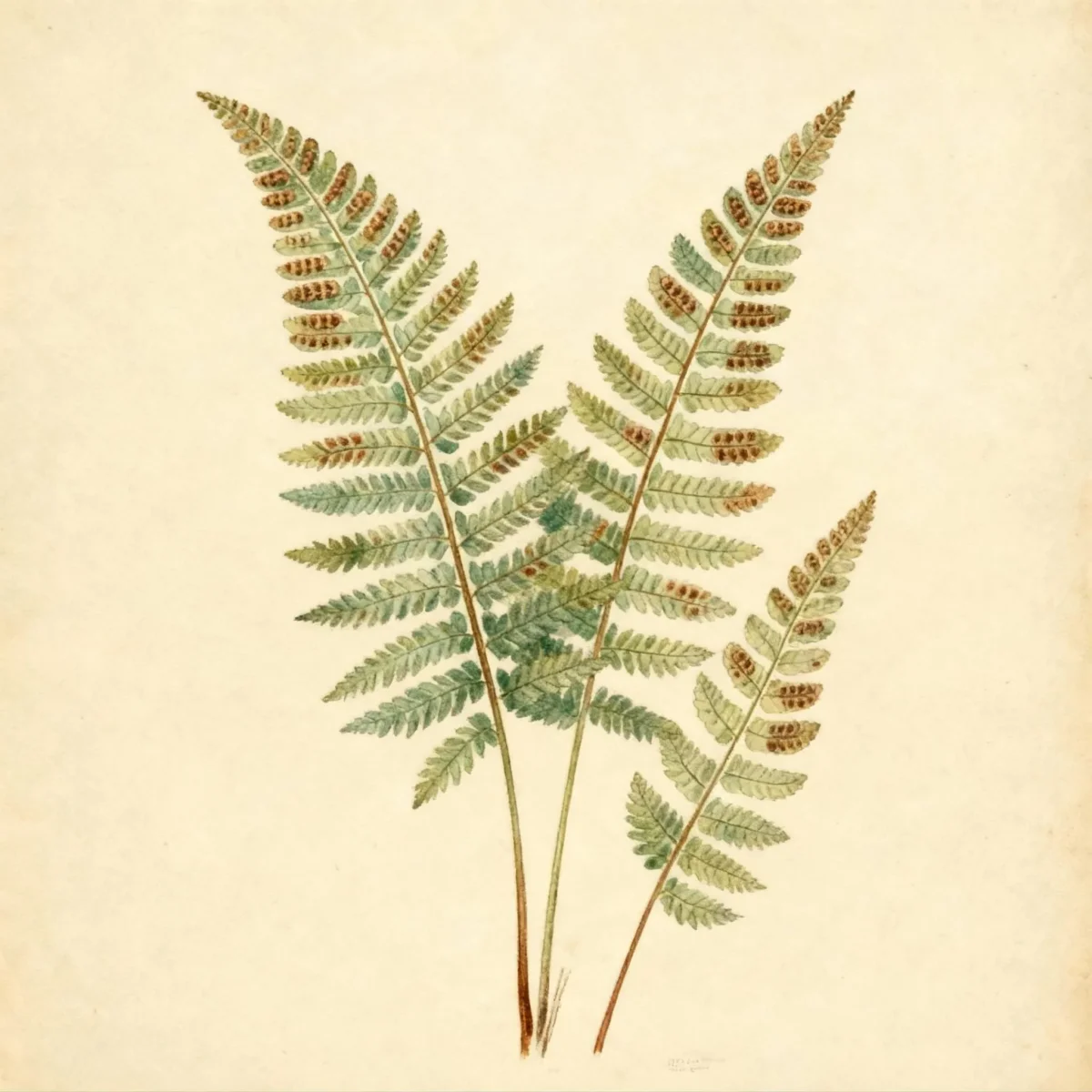
Dryopteris marginalis, commonly called marginal shield fern, is an evergreen, Missouri native fern which typically forms a non-spreading, vase-shaped clump to 1.5-2’ (infrequently to 3’) tall. This is a woodland fern which is most often found in shaded crevices of rocky ledges and bluffs. Features grayish-green, deeply cut, leathery fronds (15-20” long). Sori are located at the edges or margins of the pinnule undersides, hence the common name. Rhizome forms an erect crown. Evergreen fronds provide good interest to the winter landscape.
Tolerances
- Rabbit
- Heavy Shade
Potential Problems
The Marginal wood fern is considered highly resistant to serious insect or disease issues, which contributes significantly to its low maintenance rating. Good air circulation and avoiding consistently soggy soil are the primary preventative measures for any potential fungal issues. If scale insects appear, which is rare, they can usually be managed with horticultural oil applied during the growing season. Overall, gardeners can expect robust health from this species in appropriate conditions.
Frequently Asked Questions
What hardiness zones is Marginal wood fern suitable for?
The Dryopteris marginalis is well-suited for planting across USDA Zones 3 through 8, offering reliable performance across a wide range of climates.
How large does Dryopteris marginalis grow?
This fern typically reaches a mature height between 1.5 and 2 feet tall and spreads to a similar width of 1.5 to 2 feet, forming a compact clump.
What sun exposure does Dryopteris marginalis need?
The Marginal wood fern thrives in part shade conditions but tolerates full shade remarkably well, making it an excellent performer under dense tree cover.
When does Marginal wood fern bloom?
As a fern, Dryopteris marginalis is non-flowering and reproduces via spores rather than traditional flowers or fruit.
Conclusion
The Dryopteris marginalis offers structure, evergreen texture, and exceptional hardiness for any shaded garden space. Its reliability as a low-maintenance specimen makes the Marginal wood fern a staple in woodland and rock garden designs. Before planting, confirm that your site mimics its preference for moist, rich, and well-drained soil to ensure decades of beautiful foliage.
Companion Planting
Selecting companions for Dryopteris marginalis involves choosing other plants that share its love for moderate moisture and deep shade. Woodland wildflowers like trillium or bloodroot provide ephemeral spring color before the fern’s texture dominates the mid-summer landscape. Consider using groundcovers like Tiarella cordifolia (Foamflower) around the base to keep root zones cool. If planting near larger shrubs or trees, ensure the ferns still receive adequate moisture drawdown is not excessive.
Design Ideas for Shade Pockets
The clumping habit and upright fronds of the Dryopteris marginalis make it perfect for softening the edges of stone walls or defining pathways in a shade garden. Use the fern as a mid-layer in a layered shade design, placing lower-growing mosses or sedges immediately in front of it. Because its fronds are stiff and leathery, they provide excellent contrast against soft, finely cut foliage, such as that found on Japanese painted ferns, creating visual depth without excessive maintenance.