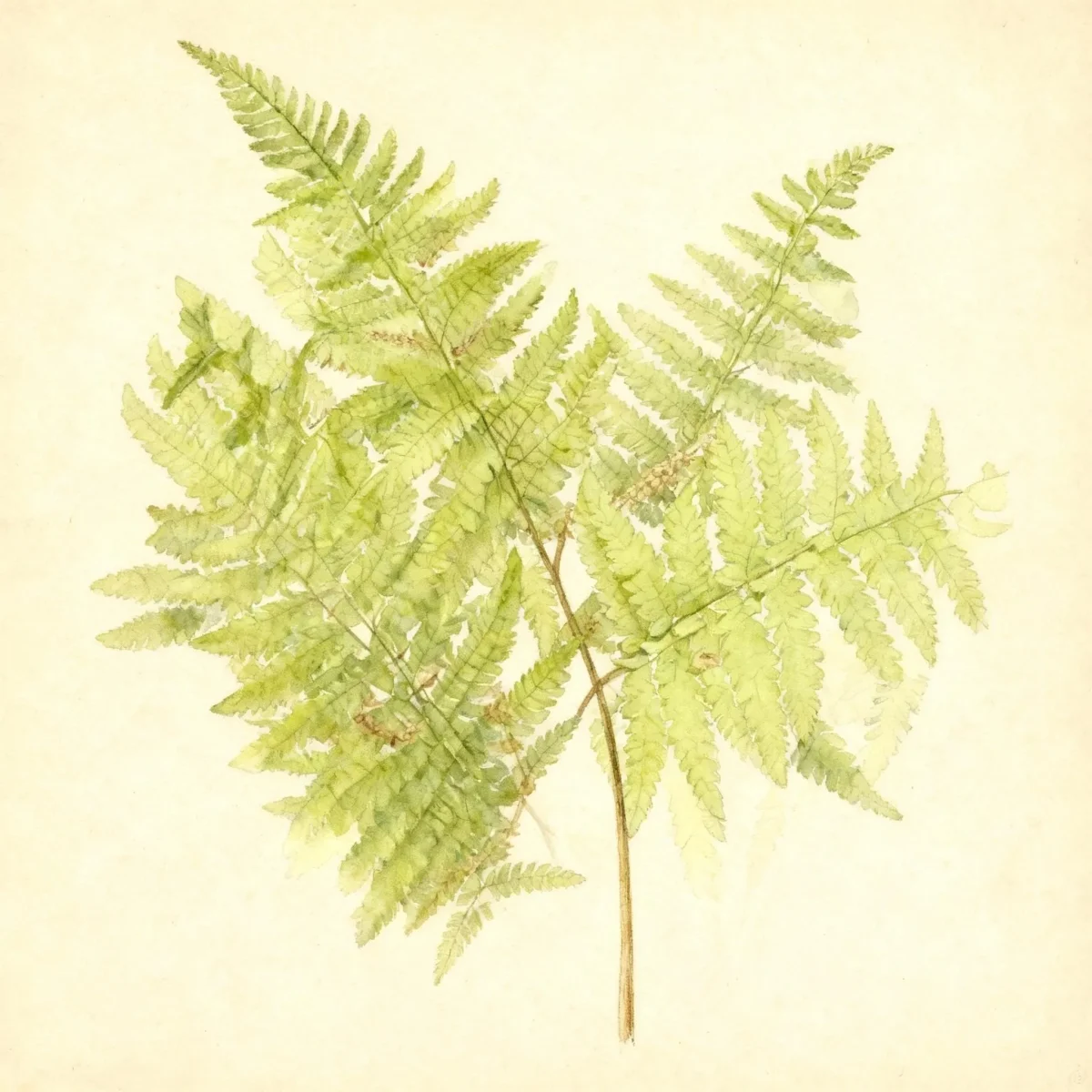
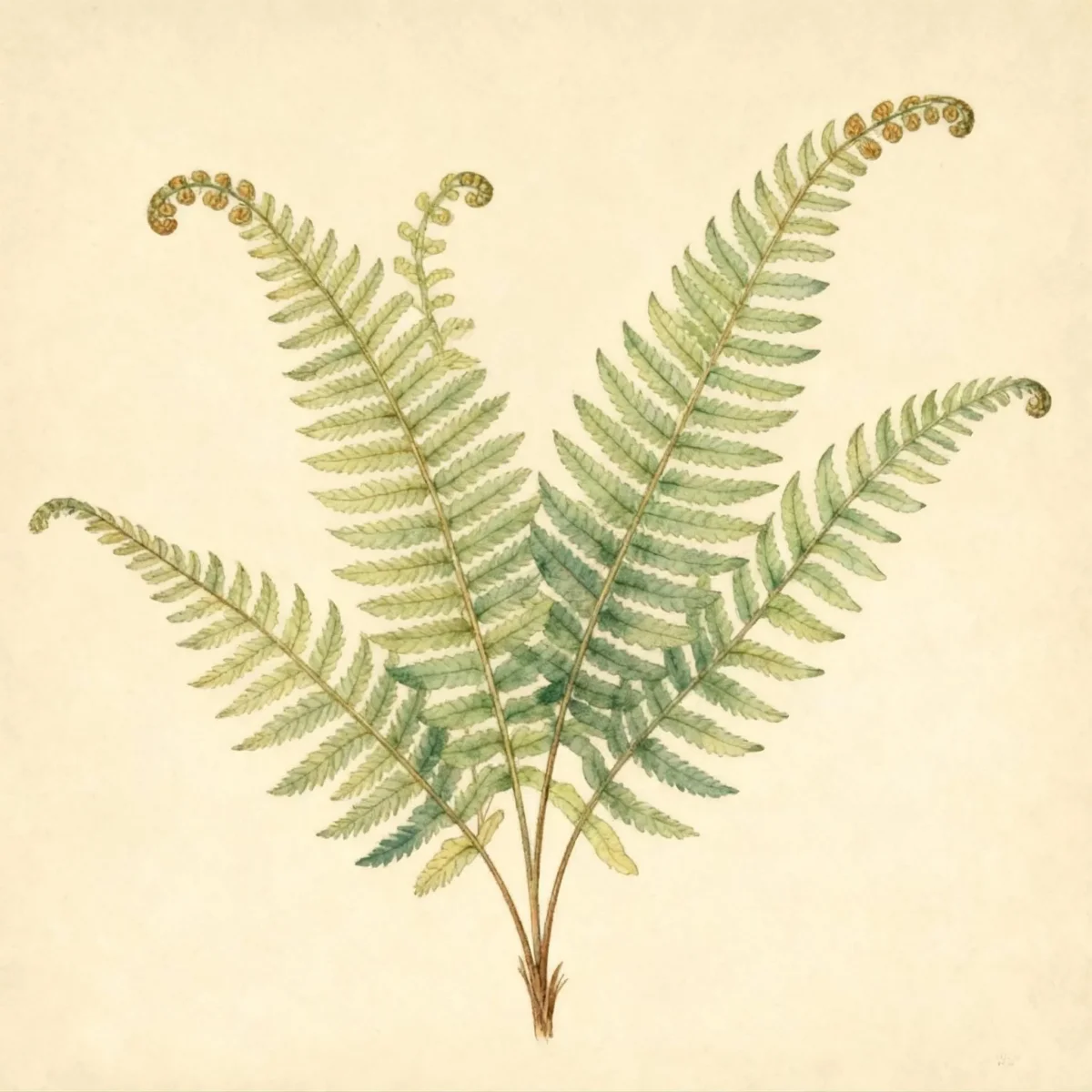
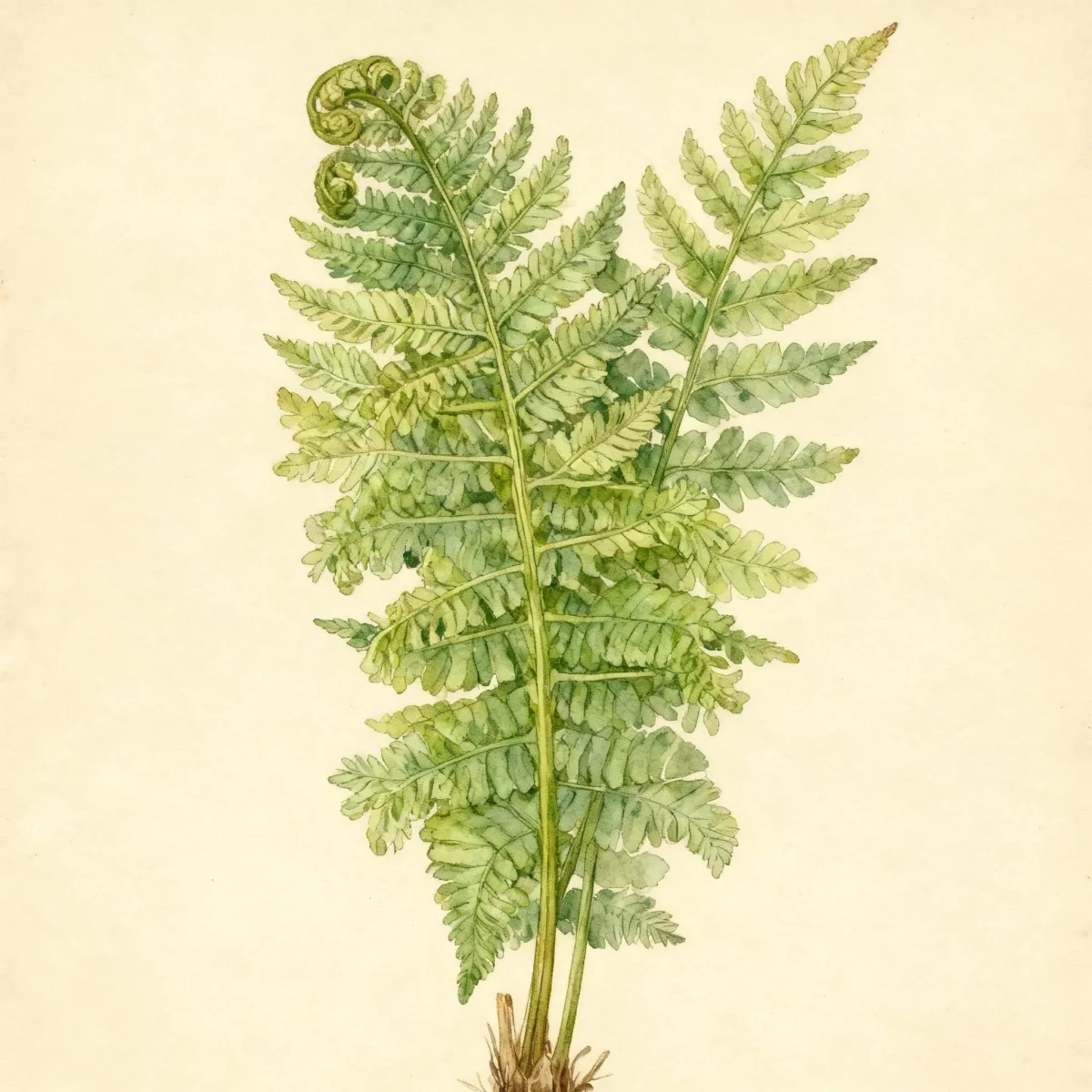
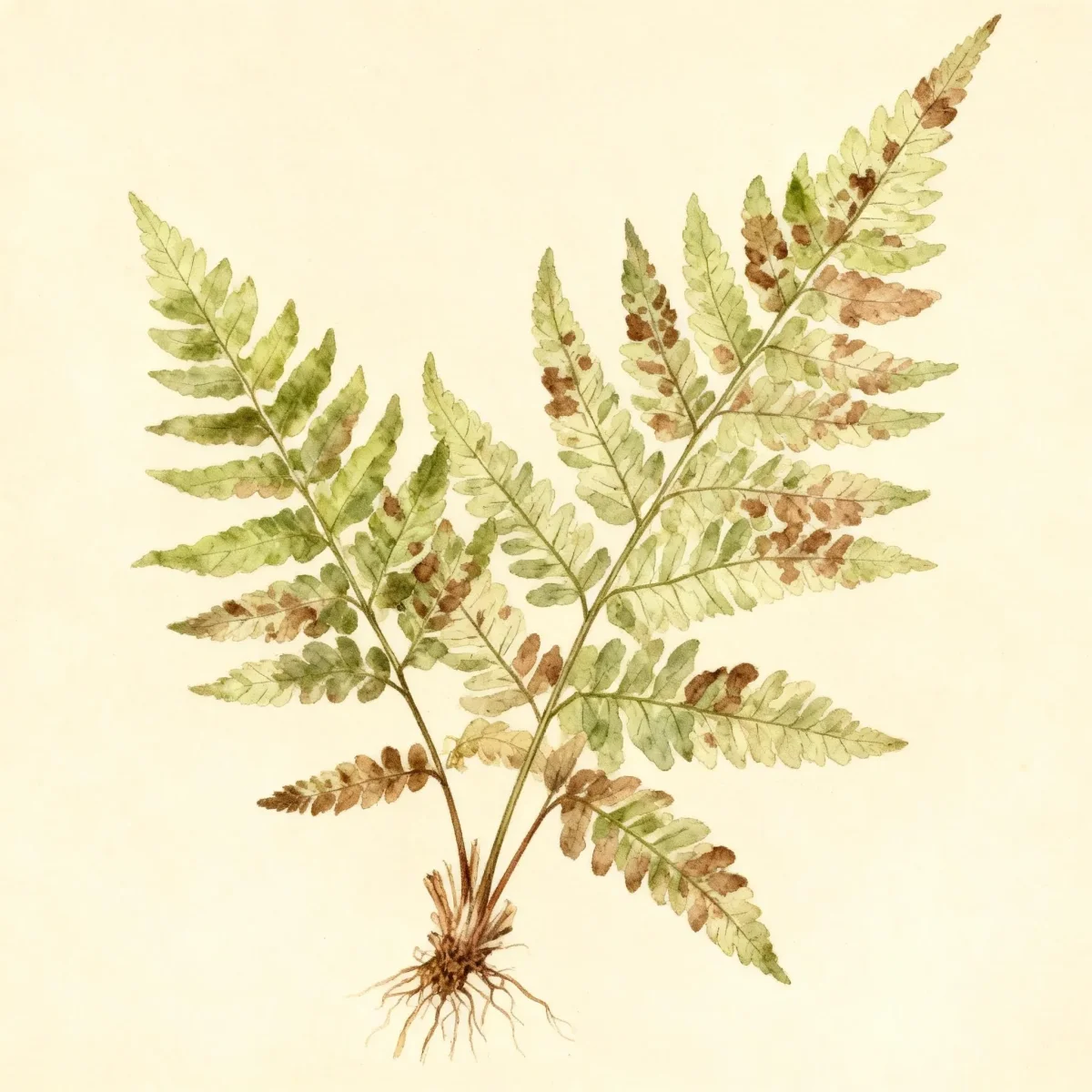
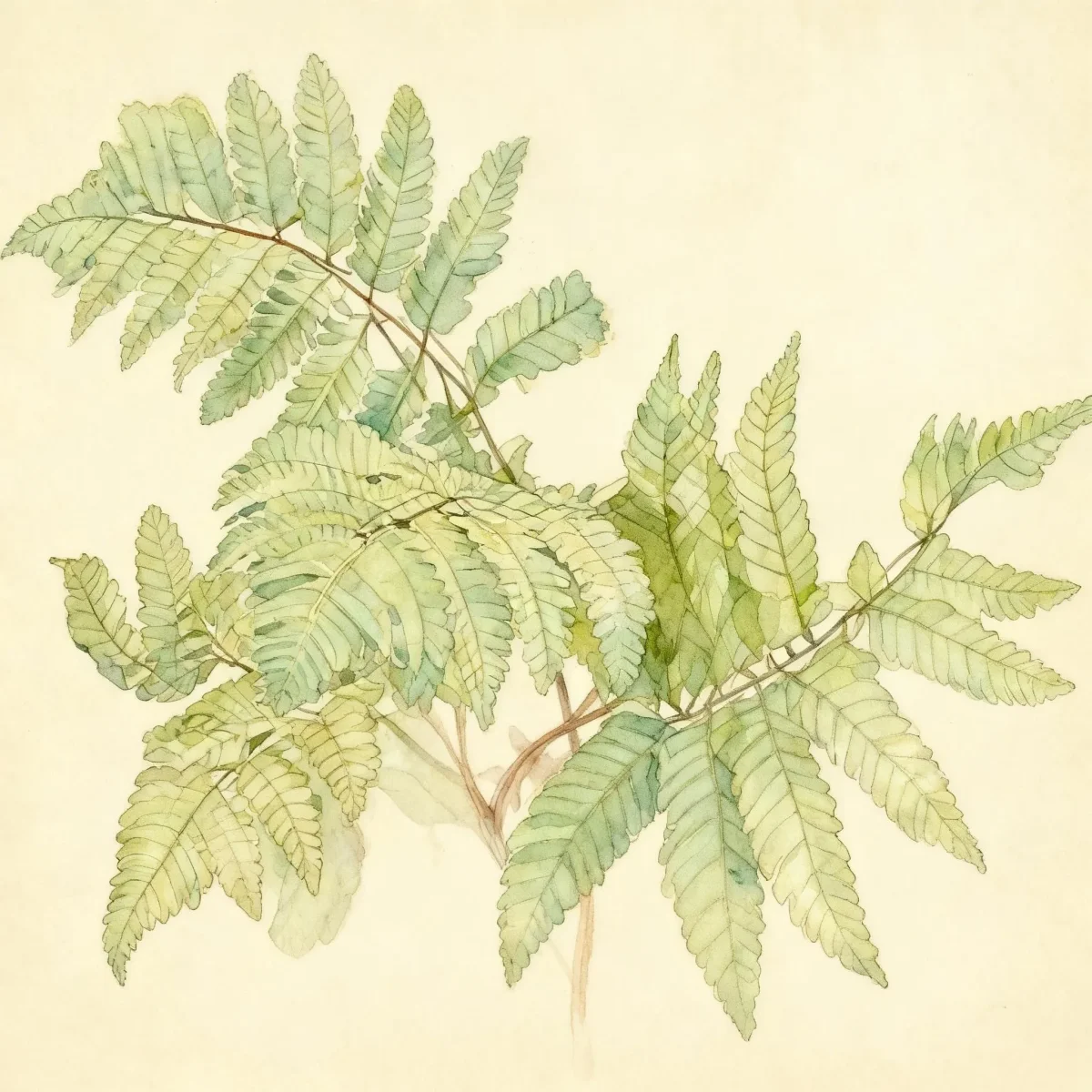
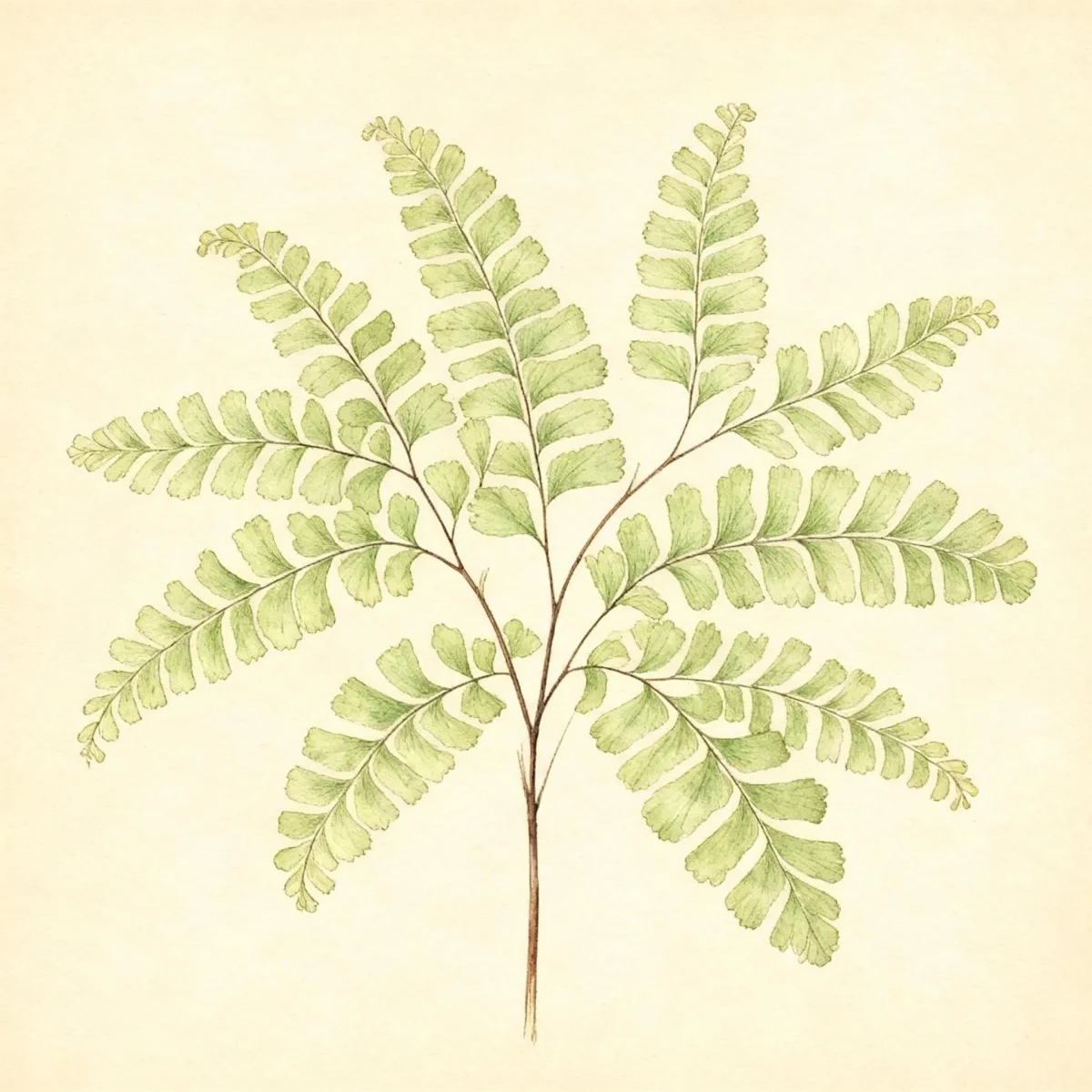
Beech fern (Phegopteris connectilis)
Phegopteris connectilis, the cool-climate Beech fern, thrives in moist shade, offering low-maintenance texture to woodland gardens.
Scroll down to discover growing tips, care requirements, companion plants, and more
Complete Plant Information
Overview
The Beech fern, scientifically known as Phegopteris connectilis, is a delicate yet hardy addition to woodland landscapes across the Northern Hemisphere. Its value lies in its fine texture and ability to flourish in deep shade where many flowering plants struggle. This deciduous fern slowly spreads via rhizomes, establishing a natural, airy carpet of green foliage.
Phegopteris connectilis is highly prized by gardeners seeking native woodland aesthetics and low disturbance gardening. It is particularly well-suited for cooler climates, requiring consistent moisture to maintain its best pale green color. Its architectural form—with leaflets tapering sharply—provides excellent contrast against bolder foliage textures.
Maintenance is minimal once established, making the narrow beech fern an excellent choice for naturalizing slopes or covering ground beneath taller trees. Gardeners should be mindful that this species, Phegopteris connectilis, dislikes heat and humidity, preferring the crisp, moist conditions of its native cool climate habitats.
Fast Facts
- Plant Family: Thelypteridaceae
- Plant Type: Fern
- Native Range: Northern Hemisphere
- Hardiness Zones: USDA Zones 2-5
- Size at Maturity:
- Height: 0.75-1.5 ft
- Spread: 1-3 ft
- Bloom Time: Non-flowering
- Sun Exposure: Part shade to full shade
- Water Needs: Medium
- Maintenance Level: Low
How to Grow
Planting the Beech fern is best done in the spring or early fall when soil is moist and temperatures are moderate. Choose a location beneath deciduous trees where soils are consistently humusy, organically rich, and acidic. While it tolerates part shade, reserving the shadiest spots for Phegopteris connectilis will ensure the best pale green coloration.
Ongoing care centers on moisture management. Soils must not be allowed to dry out; provide consistent watering, especially during dry spells or elevated summer temperatures outside its ideal cool climate range. Fertilization is generally unnecessary in rich woodland soils. Avoid disturbing the soil around the base once established, as it spreads very slowly by runners from an erect rhizome.
As a fern of cool climates, winter preparation is light. In regions nearing the upper limit of its hardiness (Zone 5), ensure deep mulching with organic debris helps moderate root temperatures. Spring cleanup involves removing any dead or damaged fronds from the previous season before new growth emerges. Remember, Phegopteris connectilis will decline quickly if exposed to prolonged heat and humidity common in the deep South.
Landscape Uses
The suggested use for the Beech fern is primarily to naturalize areas within woodland or shade gardens. Its low, spreading habit makes it an excellent ground cover where turfgrass struggles due to dense shade. Furthermore, Phegopteris connectilis functions beautifully as a refined, low edging plant along shaded paths or bordering hosta collections.
When planning its placement, consider pairing the fine texture of the Beech fern with plants that offer textural contrast, such as ferns with broader fronds or plants with bold, structural leaves. It performs admirably as infill in shady parts of rock gardens, softening hardscaping elements. Its native association with stream banks suggests it also works well near water features in fully shaded environments.
Standout Features
Noteworthy Characteristics
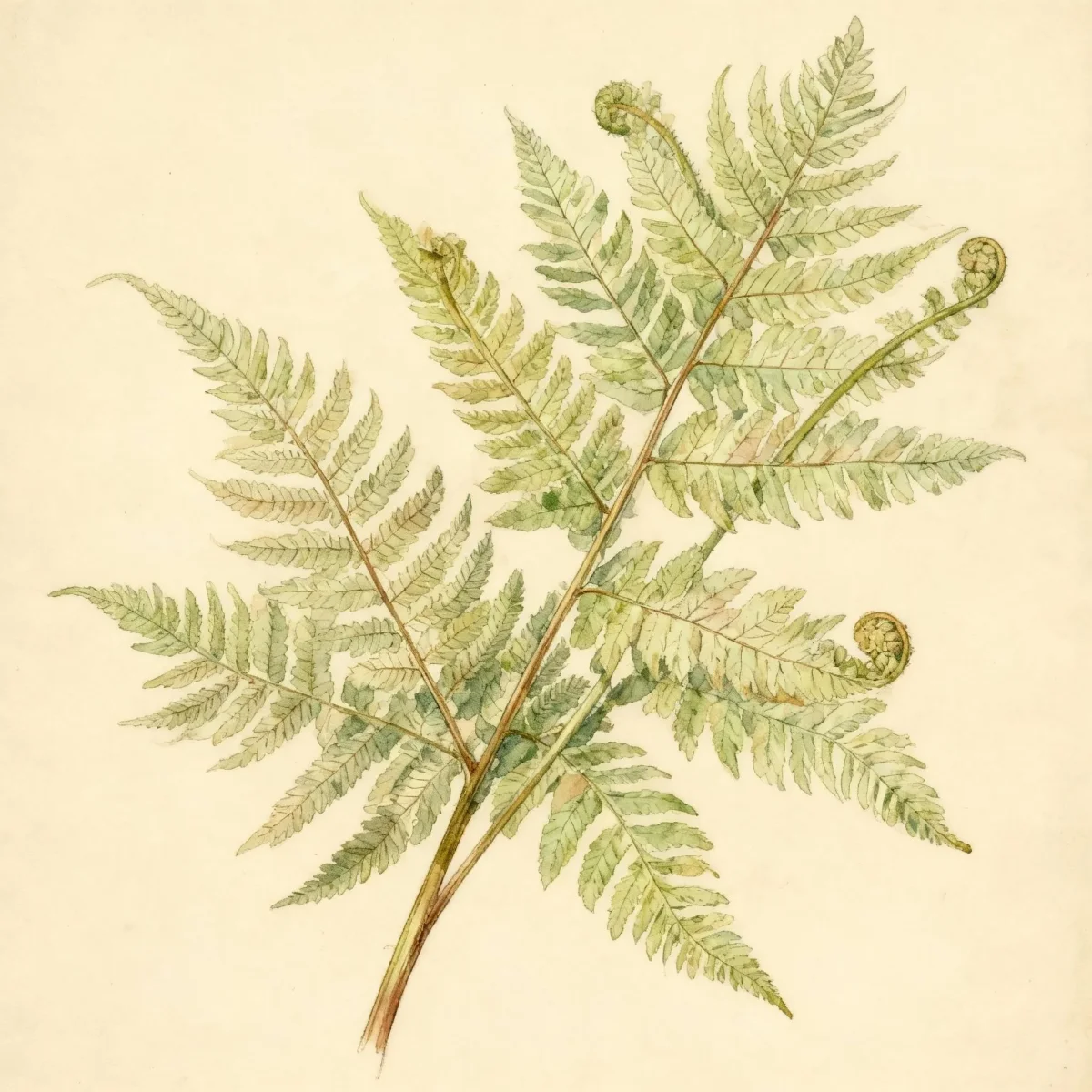
Phegopteris connectilis, commonly known as narrow beech fern, is a deciduous fern that typically grows to 8-18” tall with a slow outward spread over time by creeping rhizomes to 36” wide. It is a circumboreal species which is native to moist woodland areas and stream banks in northern parts of North America, Europe and Asia. The narrow triangular blade is pinnate-pinnatifid to bipinnatifid, and a unique identifier is that the bottom pair of leaflets is significantly downturned and disjunct from the pair above it.
Tolerances
- Rabbit
- Heavy Shade
Potential Problems
This fern variety exhibits no serious insect or disease problems under proper cultural conditions. Because it prefers consistently cool, moist, acidic soil, the primary management concern involves preventing environmental stress. Avoid planting in hot, poorly draining soils, as this can lead to root issues; excellent drainage paired with rich organic matter is the best preventative measure against most potential decline.
Frequently Asked Questions
What hardiness zones is Beech fern suitable for?
The Beech fern (Phegopteris connectilis) is hardy across wide temperature fluctuations, thriving in USDA Zones 2 through 5.
How large does Phegopteris connectilis grow?
This fern typically reaches heights between 0.75 and 1.5 feet tall, spreading slowly to occupy 1 to 3 feet wide at maturity.
What sun exposure does Beech fern need?
Phegopteris connectilis performs best in part shade to full shade conditions, emphasizing its suitability for deep, cool woodland settings.
When does Beech fern bloom?
As a fern, this plant is non-flowering; its aesthetic appeal derives entirely from its foliage structure throughout the growing season.
Conclusion
The Phegopteris connectilis, or Beech fern, offers gardeners a sophisticated, low-maintenance texture perfect for establishing native woodland scenes in cooler zones. Its tolerance for heavy shade and low demands regarding maintenance make it an essential component for shaded borders and naturalized areas. Before planting, confirm your site offers the consistently moist, acidic soil required for this beautiful northern perennial.
Companion Planting
When selecting companions for Phegopteris connectilis, focus on plants that share its love of consistent moisture and deep shade. Large-leaved Hosta varieties provide an excellent textural contrast to the delicate, lacy fronds of the Beech fern. Additionally, woodland bulbs like Trillium or Mayapple (Podophyllum peltatum) can fill in the gaps, offering early spring interest before the fern fully leafs out.
Consider working the Beech fern into mixed ground cover plantings alongside other acid-loving woodland natives like Foamflower (Tiarella cordifolia) or various native sedges. These combinations enhance the naturalistic feel, while the slow-spreading nature of Phegopteris connectilis ensures it integrates without aggressively taking over neighbors.
Seasonal Care Calendar
Early Spring: Gently clear any remaining winter debris or old leaf litter, taking care not to damage emerging fiddleheads. Ensure the soil is moist as temperatures begin to rise. This is the ideal time to amend the soil surface with a thin layer of well-aged compost to refresh its humus content.
Summer: Monitor moisture levels closely. If you observe any wilting or dulling of the foliage, increase watering frequency immediately, as drought stress is the primary cause of decline for Phegopteris connectilis. Avoid overhead watering late in the day to minimize humidity around the crowns.
Fall: Allow any fronds that yellow or die back to remain in place over winter; this acts as a natural mulch layer, protecting the creeping rhizomes. If necessary, lightly cut back heavily damaged foliage before the first hard freeze, but generally, minimal fall cleanup is required.