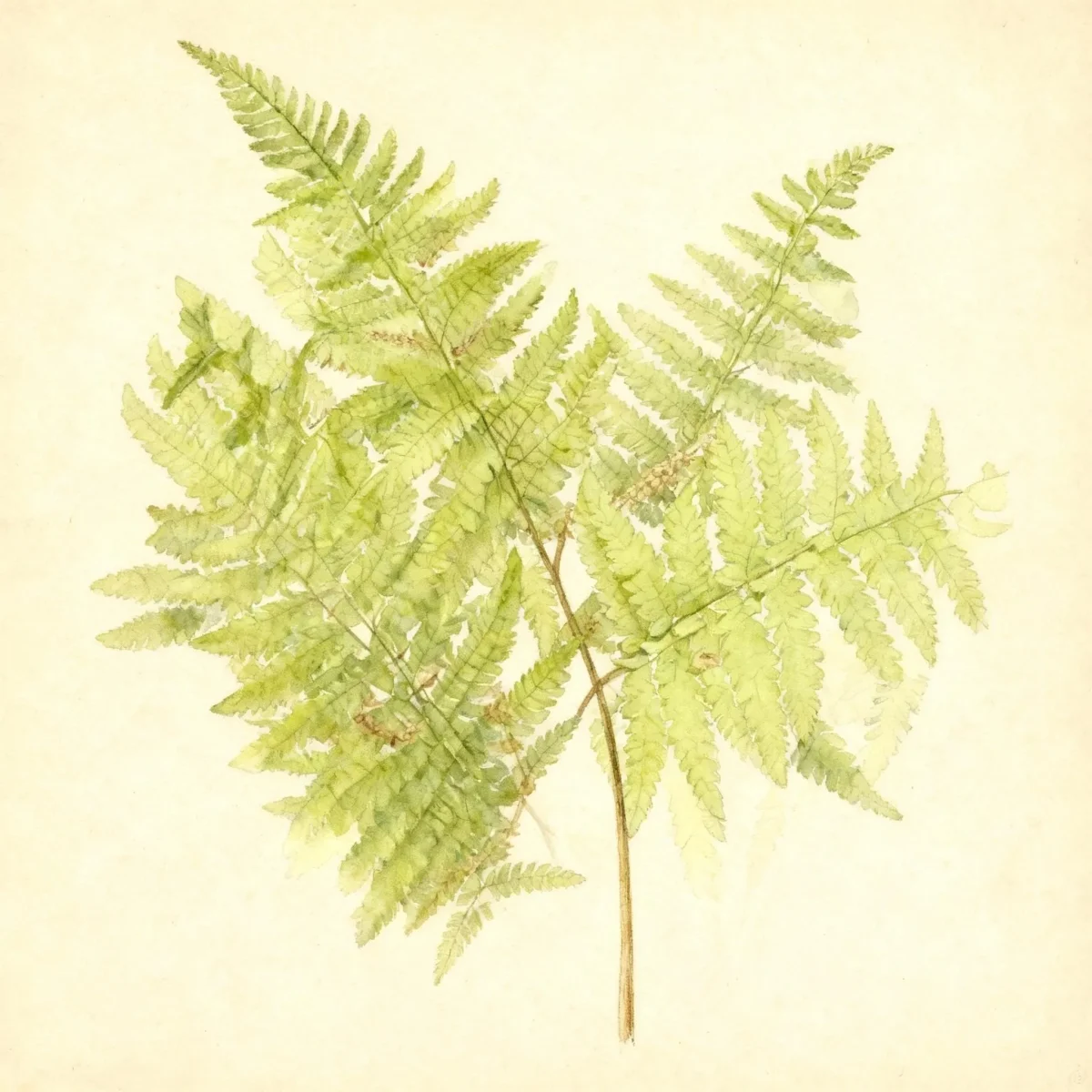
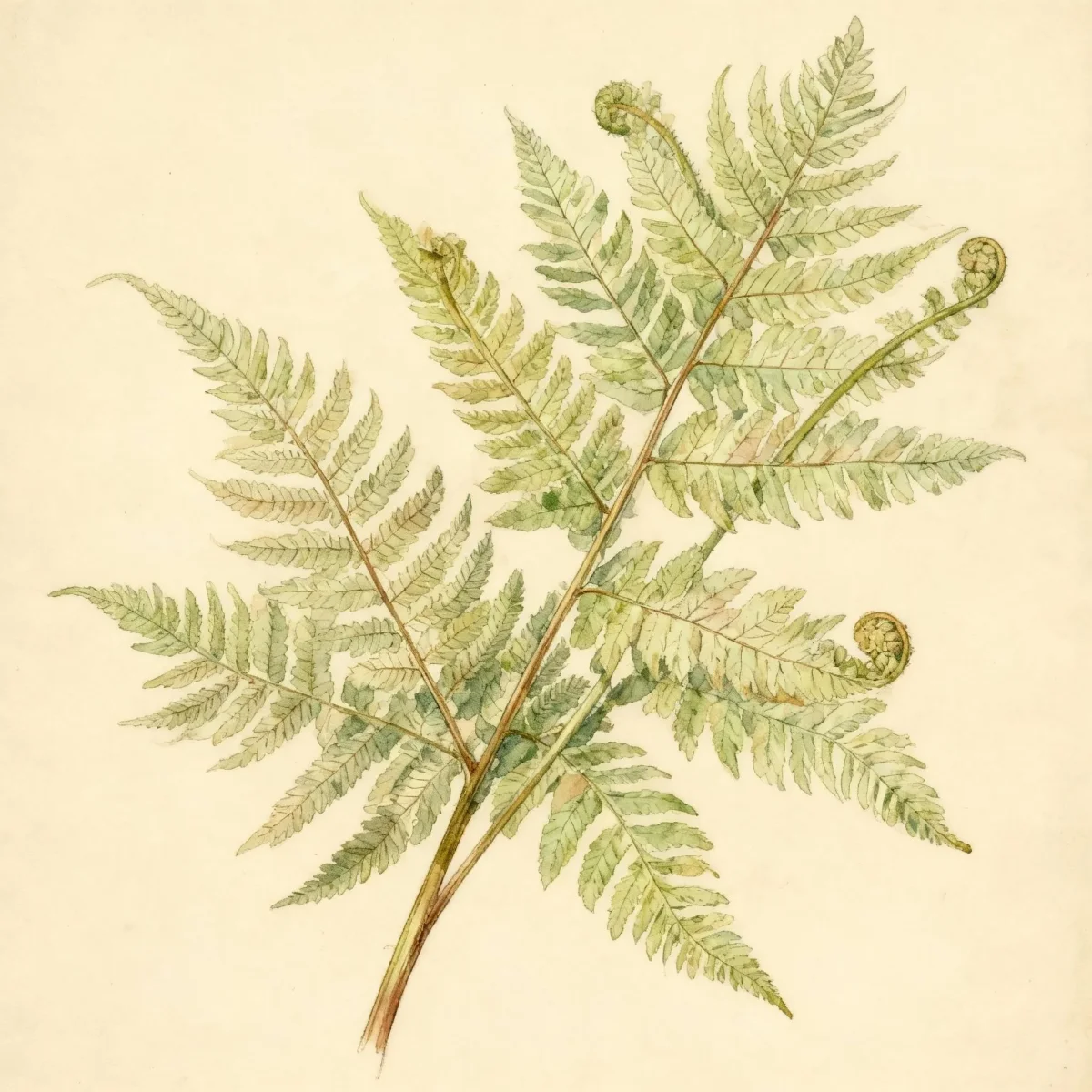
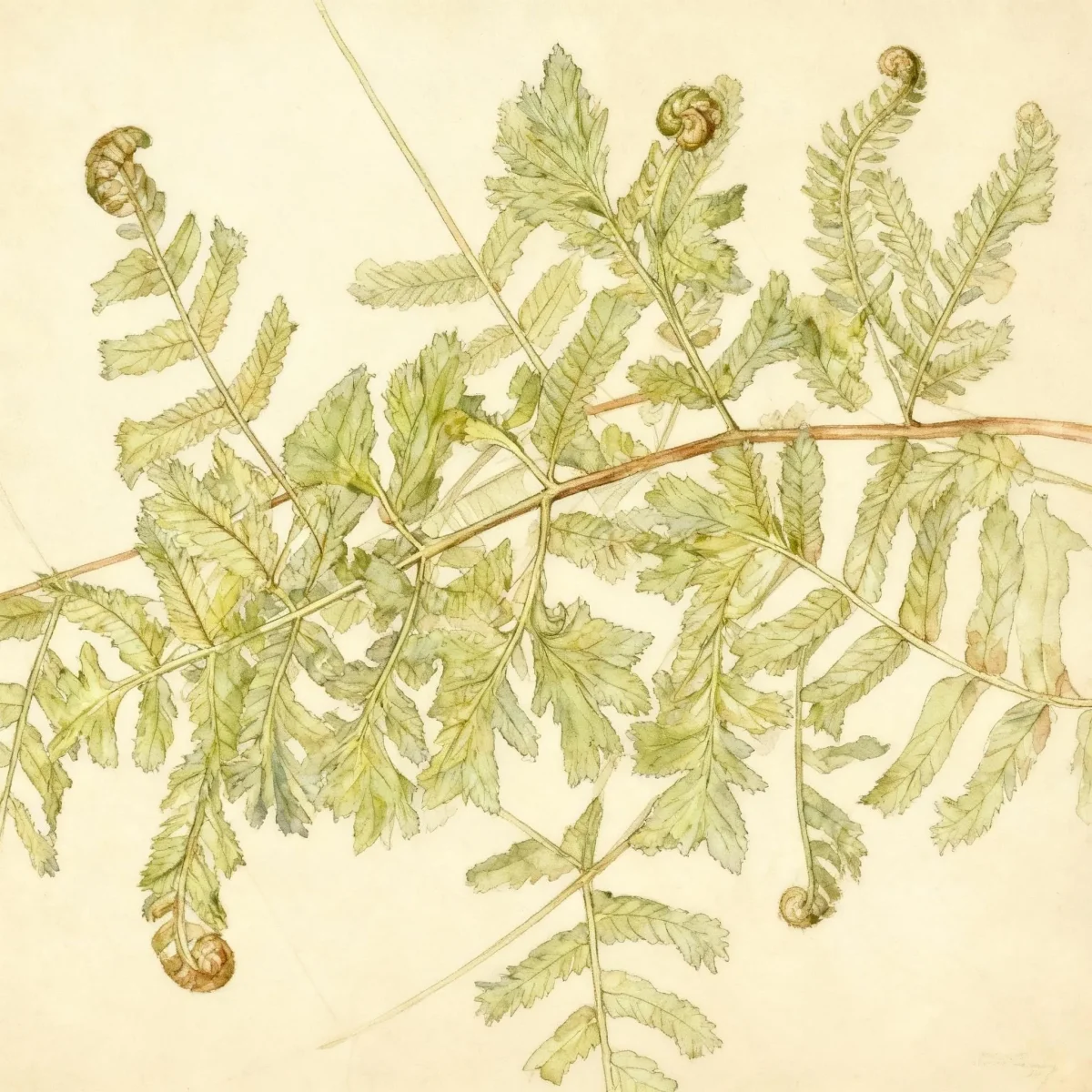
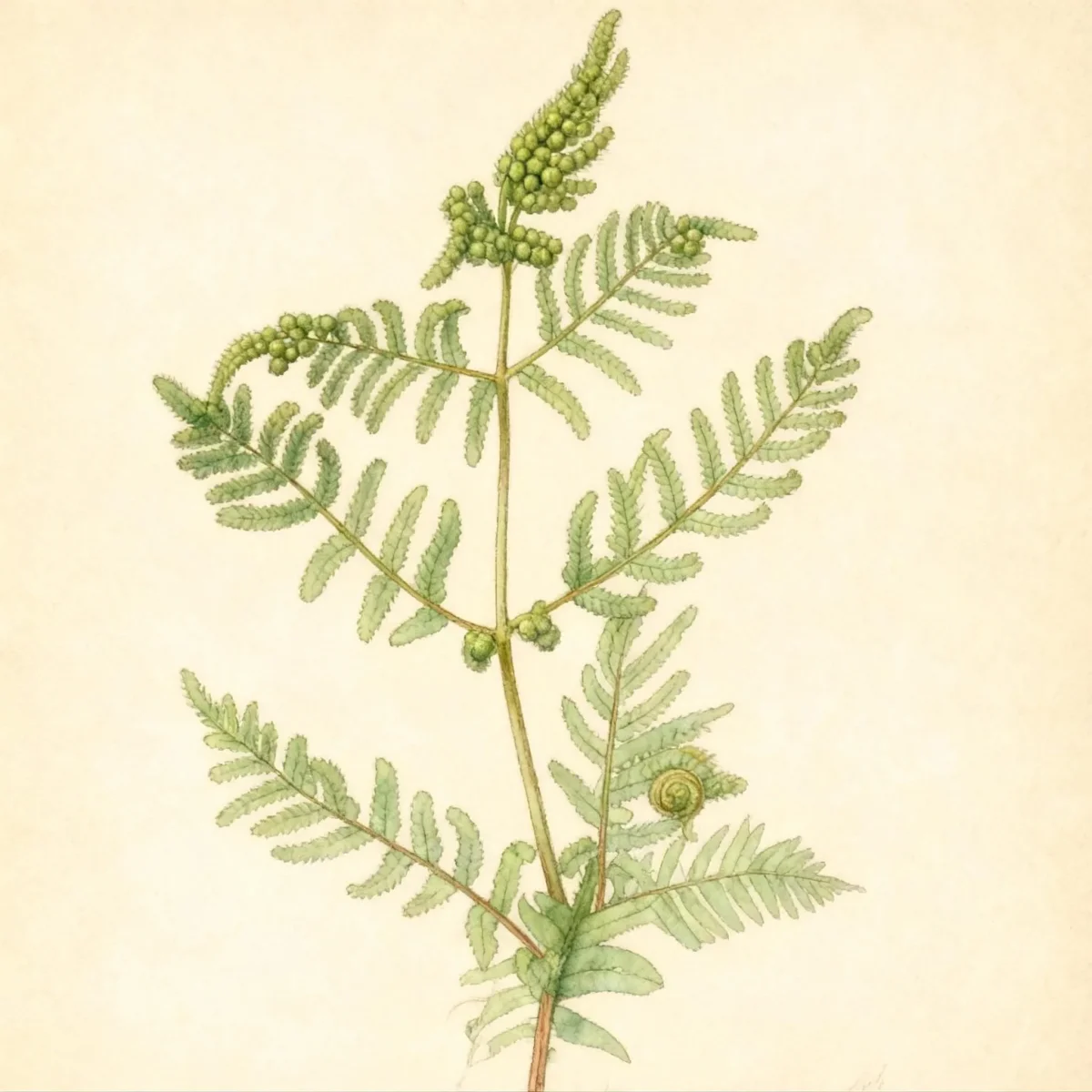
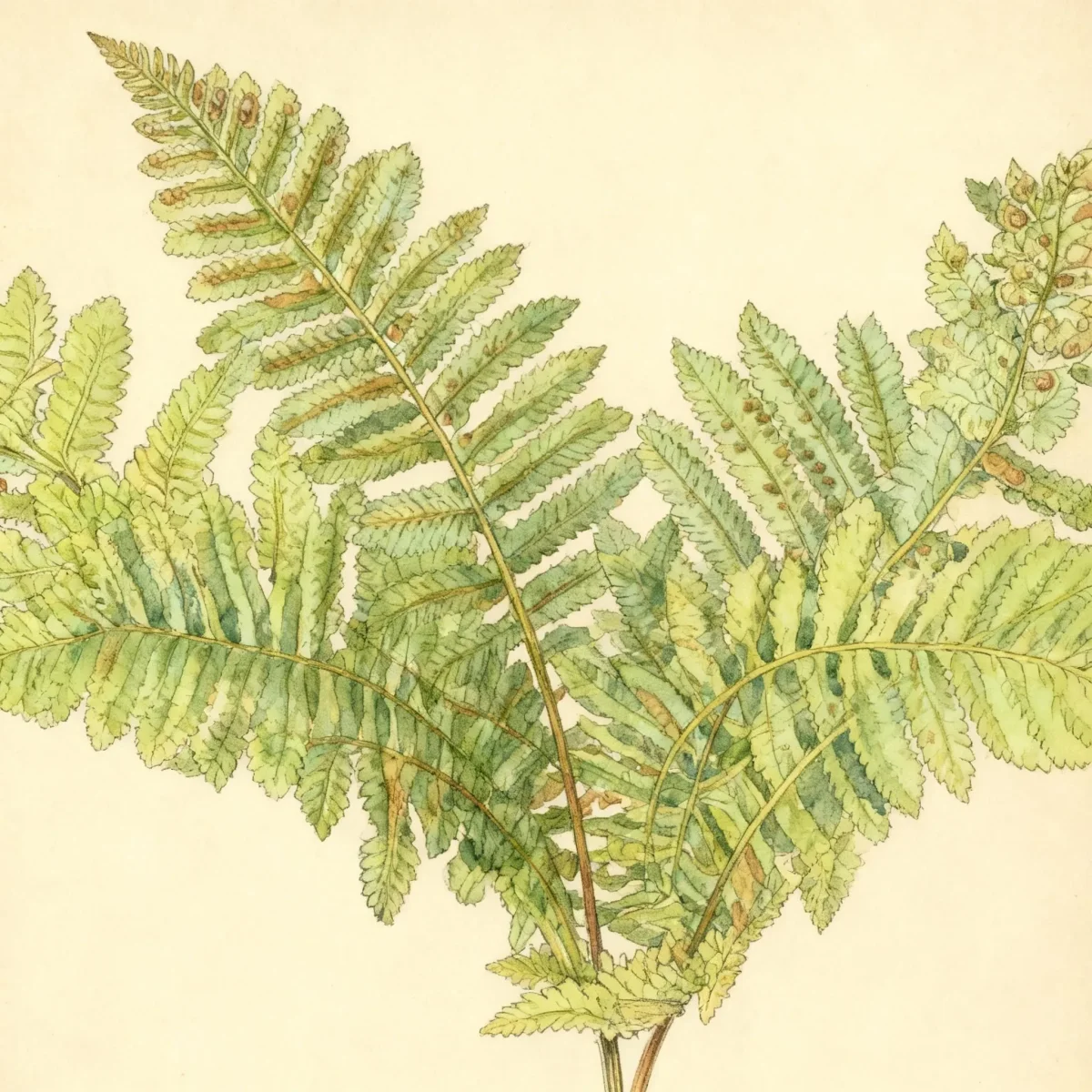
Beech fern (Phegopteris decursive-pinnata)
Phegopteris decursive-pinnata (Beech fern) offers delicate 1-2' light green fronds in shade. Low maintenance fern perfect for moist woodland gardens.
Scroll down to discover growing tips, care requirements, companion plants, and more
Complete Plant Information
Overview
Phegopteris decursive-pinnata, or the Beech fern, is celebrated for its elegant, finely textured foliage perfect for softening shaded garden areas. This deciduous fern provides a vibrant, light green display that contrasts beautifully against darker greens in the understory. Gardeners value this species for its relatively low maintenance needs once established in suitable conditions.
Native to river banks and forested areas across Central and Eastern Asia, Phegopteris decursive-pinnata forms tufts of upright, narrow fronds. It spreads slowly via runners arising from an erect rhizome, gradually filling in space over time. Its formal name references the Greek words for beech and fern, hinting at the preferred habitat of some relatives.
The primary appeal of the Beech fern lies in its graceful architectural habit combined with its tolerance for deep shade. This plant establishes a serene, naturalized look ideal for woodland borders, damp slopes, or deeply shaded foundation plantings where few other plants thrive.
Fast Facts
- Plant Family: Thelypteridaceae
- Plant Type: Fern
- Native Range: Central and eastern Asia
- Hardiness Zones: USDA Zones 4-9
- Size at Maturity:
- Height: 1-2 ft
- Spread: 1-1.5 ft
- Bloom Time: Non-flowering
- Bloom Description: Non-flowering
- Sun Exposure: Part shade to full shade
- Water Needs: Medium to wet
- Maintenance Level: Low
How to Grow
The Beech fern thrives when planted in rich, humusy soils that maintain consistent moisture. Aim for slightly acidic conditions, mimicking its native forest floor habitat. Plant in spring or fall, ensuring the location receives part shade to full shade; too much direct sun will scorch the delicate fronds and dull the best pale green color.
Watering is critical; Phegopteris decursive-pinnata requires medium to wet conditions and soils should never be allowed to dry out completely. While low maintenance, regular attention to soil moisture, especially in dry spells, is essential for healthy growth. Fertilization is rarely required if the soil is rich in organic matter.
Maintenance is minimal for this slow-spreading plant. Allow the older fronds to decompose naturally in the fall, returning vital nutrients to the soil. As it spreads very slowly from its erect rhizome, major division or pruning is typically unnecessary unless controlling spread is an issue.
Landscape Uses
The primary suggested use for Phegopteris decursive-pinnata is to naturalize areas within the shade garden. This fern is excellent for creating soft textures along woodland paths or integrating into mass plantings beneath established deciduous trees where light levels are subdued. It helps form a rich, continuous groundcover layer.
When selecting companions, choose plants that share similar cultural needs for moisture and shade tolerance. Consider pairing the vertical form of the fronds with low-growing hostas, woodland wildflowers, or mossy groundcovers. The lightness of the Beech fern foliage prevents deep shade areas from becoming visually dense or dark.
Standout Features
Noteworthy Characteristics
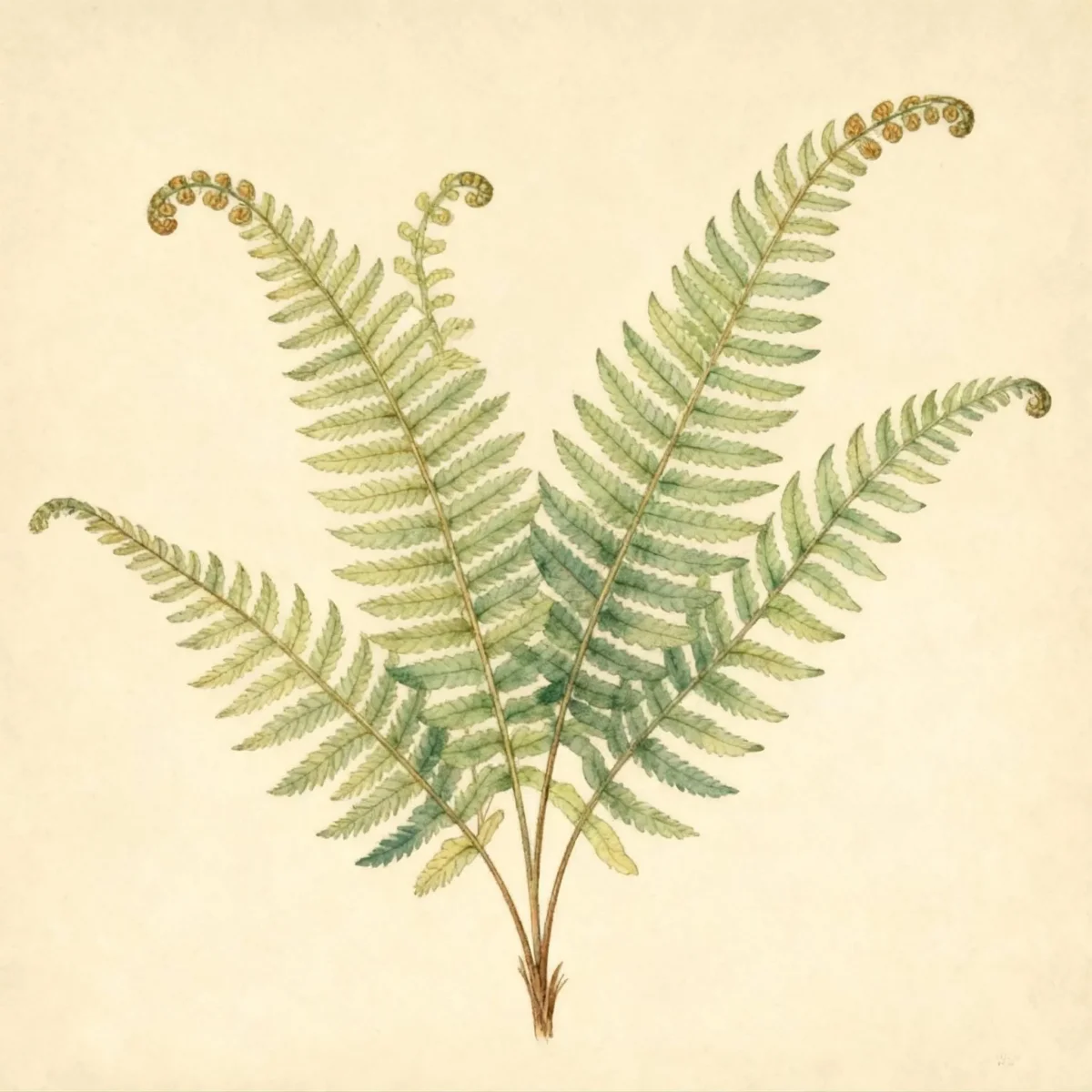
Phegopteris decursive-pinnata, commonly called Japanese beech fern, is native to river banks, hillsides, and forested roadsides in Japan, South Korea, northern Vietnam, and China. It is a deciduous fern that typically grows 1-2’ tall from an erect rhizome. It is a vigorous grower that forms a clump of narrow, upright, pinnate to 2-pinnatifid, light green fronds that are tapered at both ends and have winged rachis. Genus name comes from the Greek words phegos meaning beech and pteris meaning fern in possible reference to the habitats of some species.
Tolerances
- Rabbit
Potential Problems
This resilient Beech fern typically exhibits no serious insect or disease problems in ideal growing conditions. Prevention largely centers on horticultural care: ensure excellent drainage to prevent crown rot associated with overly saturated, poorly draining clay soils. If minor pest issues arise (like occasional slugs or snails), standard organic controls are usually effective.
Frequently Asked Questions
What hardiness zones is Beech fern suitable for?
Phegopteris decursive-pinnata is reliably hardy in USDA Zones 4 through 9, offering a wide range of adaptability across different climates.
How large does Phegopteris decursive-pinnata grow?
This fern reaches a mature height between 1 to 2 feet tall, with a spread typically ranging from 1 to 1.5 feet, forming a manageable upright clump.
What sun exposure does Beech fern need?
This plant prefers environments ranging from part shade to full shade; ensure heavy shade to maintain the best light green foliage color and prevent leaf scorch.
When does Phegopteris decursive-pinnata bloom?
As a fern, Phegopteris decursive-pinnata is non-flowering and does not produce traditional blooms.
Conclusion
The low-maintenance nature and delicate, bright foliage of Phegopteris decursive-pinnata make it an essential choice for creating lush, restful spaces in shaded gardens. Successful cultivation of the Beech fern hinges on providing consistently moist, organic-rich soil. Before planting, confirm your site offers adequate shade and verify that the local hardiness zone falls within the plant’s 4-9 range.
Companion Planting
Selecting appropriate companions enhances the aesthetic appeal and ecological balance of your shade garden. Plants that prefer similar moist, humusy soils provide synergy in watering and care routines. Consider pairing Phegopteris decursive-pinnata with plants offering contrasting leaf shape or texture, such as broad-leafed Hosta cultivars or Astilbe, which offer a burst of color while sharing the love of deep shade.
When integrating the Beech fern into a woodland theme, native ferns and shade-loving perennials are excellent allies. Think about moisture-loving woodland natives like Jack-in-the-pulpit (Arisaema triphyllum) or various woodland Phlox varieties. These companions coexist well as the fern spreads very slowly by runners, establishing itself without aggressively overtaking neighboring plantings.
Seasonal Care Calendar
Spring is the ideal time to refresh the planting area for the Beech fern by incorporating aged compost or leaf mold to replenish the organic matter. Monitor soil moisture closely as the weather warms, ensuring medium to wet conditions are maintained, especially for new plantings. This is also when old, tattered fronds should be tidied up, though nature often handles this cleanup.
During the summer growing season, focus almost entirely on moisture management. The requirement for consistently moist soils means frequent checking, particularly if the area is exposed to drying winds or dappled afternoon sun. Avoid high-nitrogen fertilizers; the Beech fern generally does not require supplemental feeding if the soil base is rich.
Winter care for Phegopteris decursive-pinnata is largely hands-off, as it is a hardy, deciduous fern. Provide a light winter mulch of shredded leaves if your area experiences harsh or unpredictable freezes, mainly to stabilize root temperatures and protect the shallow rhizome system. Otherwise, let this tough favorite settle in for the dormant period.