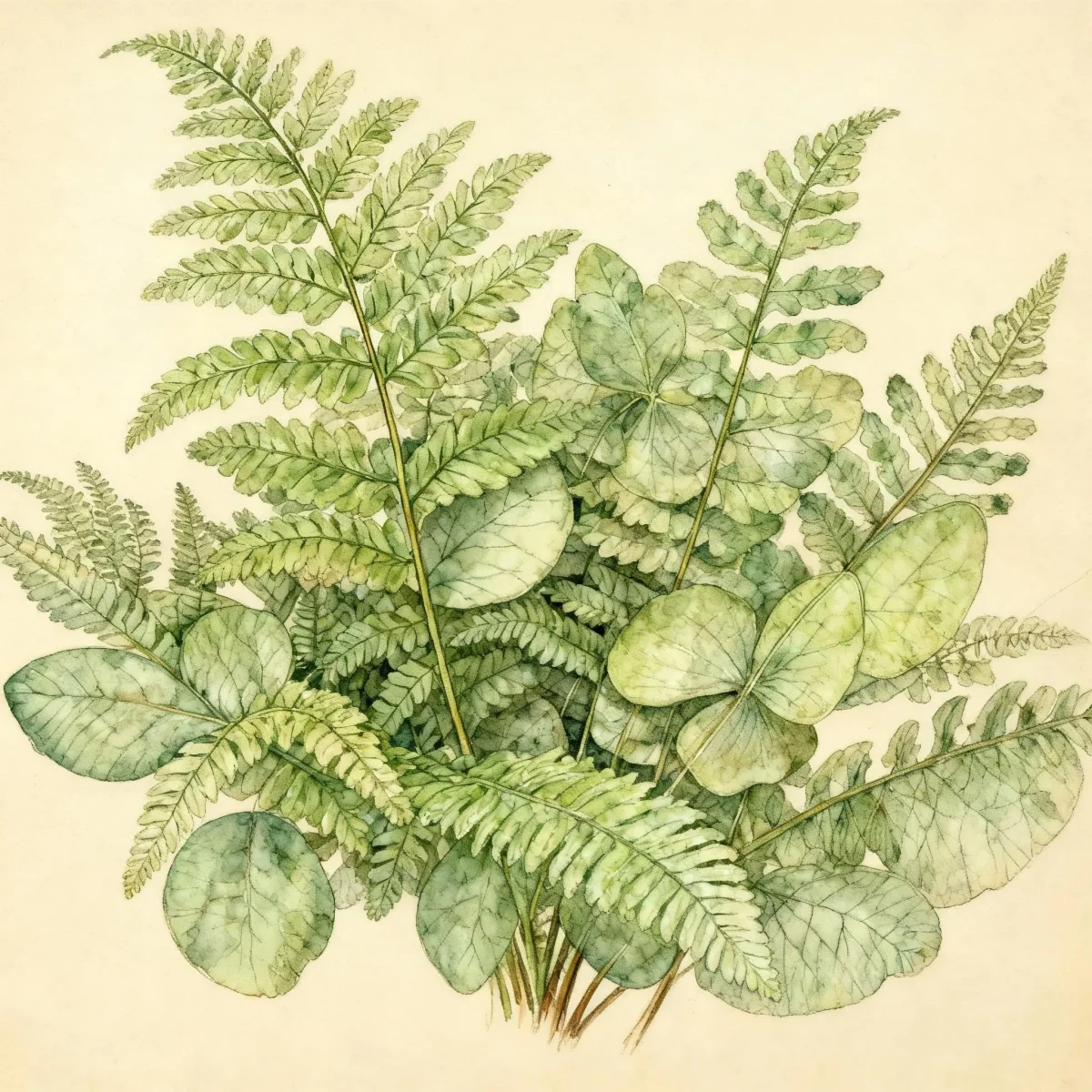
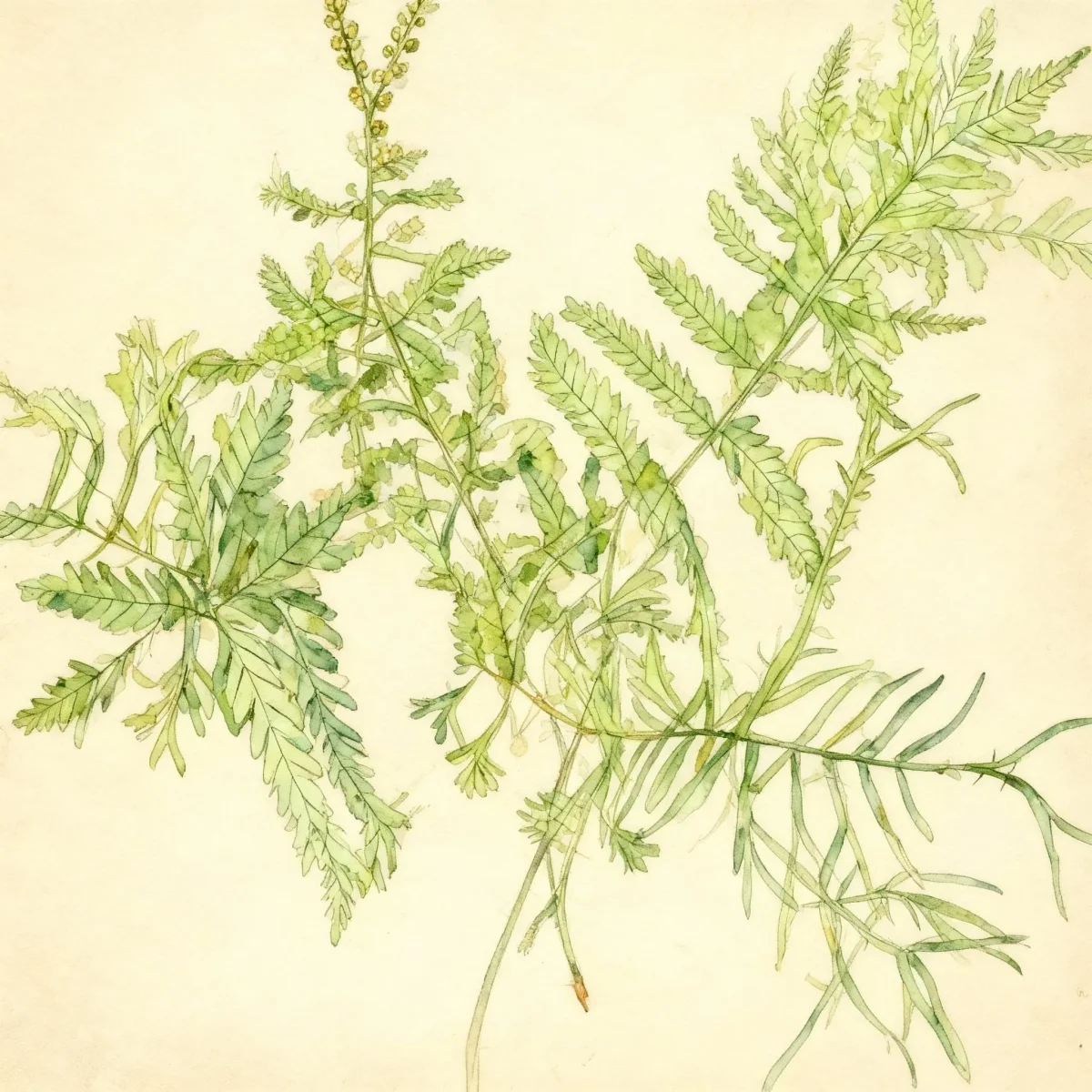
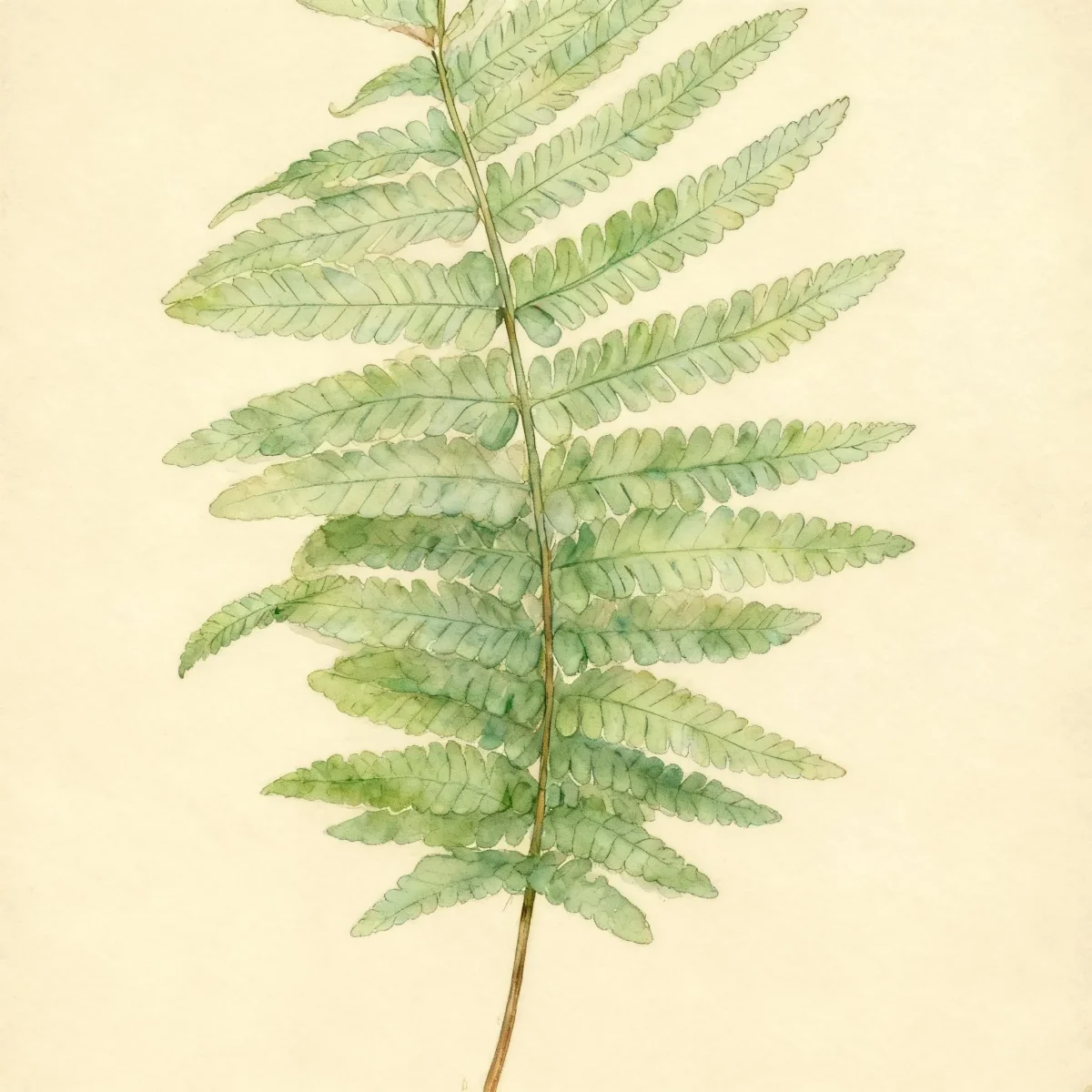
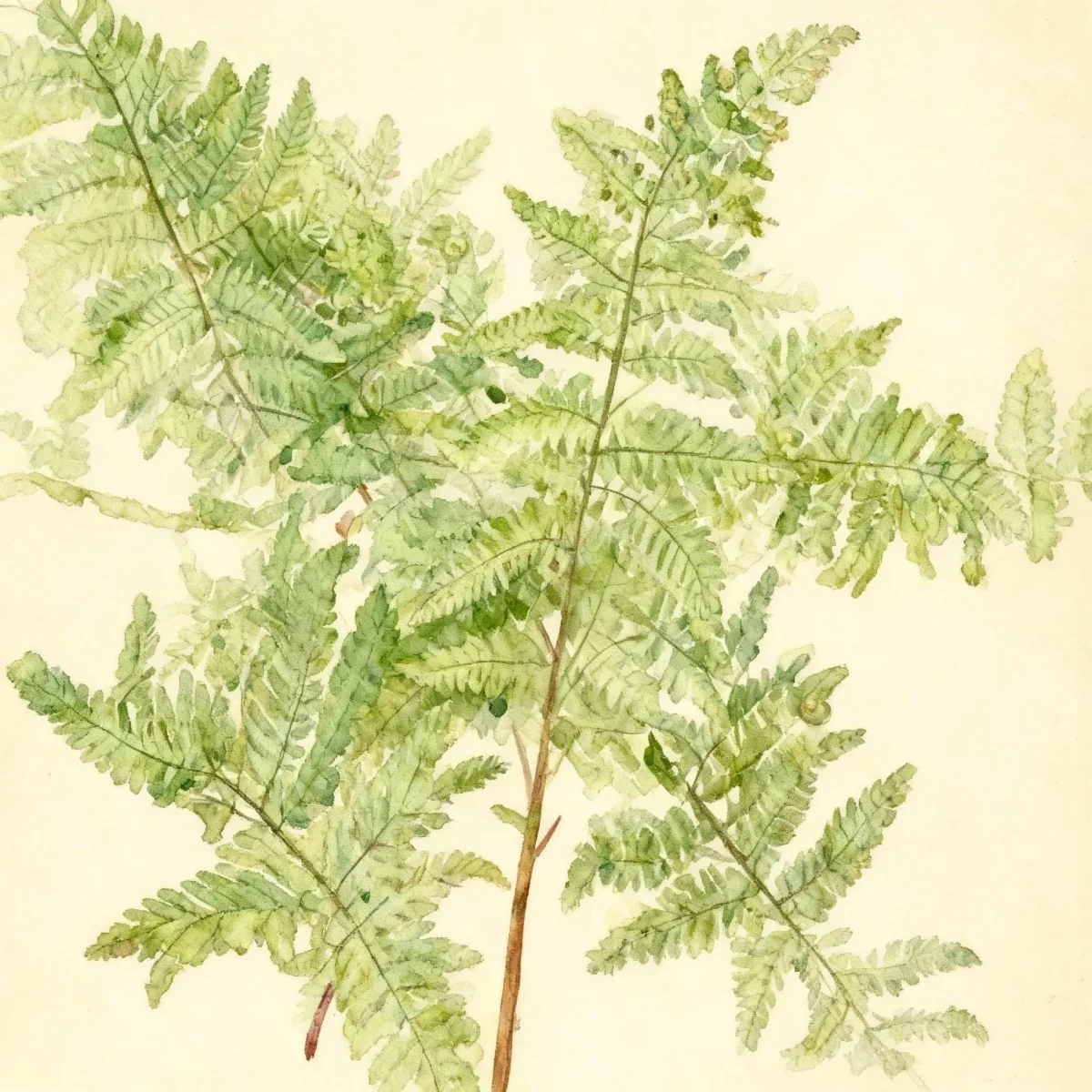
Soft shield fern (Polystichum setiferum)
Polystichum setiferum, the Soft shield fern, is a low-maintenance evergreen ideal for deep shade areas. Reaching 3 ft, it offers attractive, scaly fronds.
Scroll down to discover growing tips, care requirements, companion plants, and more
Complete Plant Information
Overview
The Soft shield fern (Polystichum setiferum) is a highly valued woodland plant cherished for its elegant, finely cut foliage and evergreen presence, providing texture year-round. This species forms attractive tufts, developing a classic shuttlecock shape that brings graceful structure to shadowed garden spaces. Given its low maintenance requirements and tolerance for difficult conditions, Polystichum setiferum is an essential element for creating lush, naturalistic shaded landscapes.
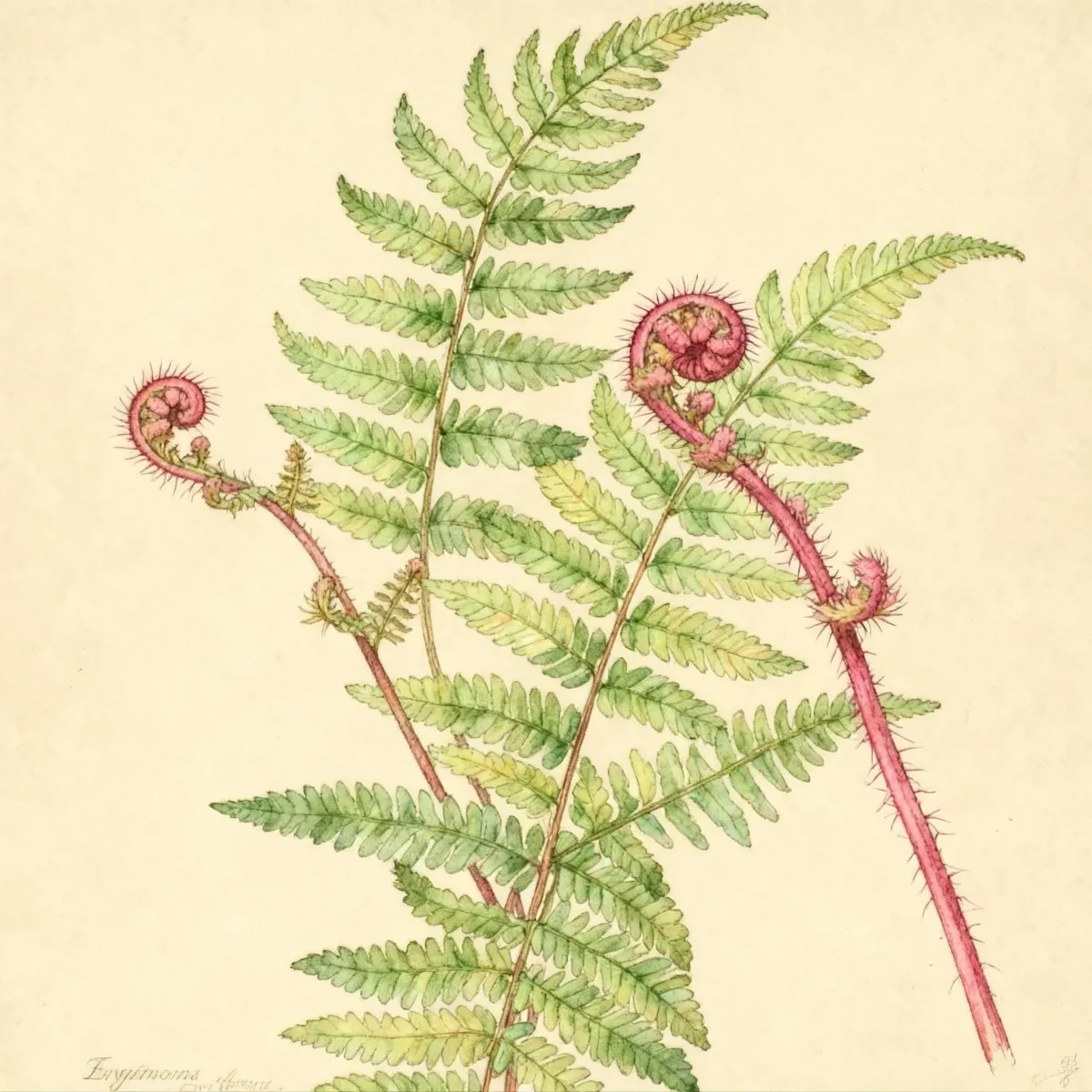
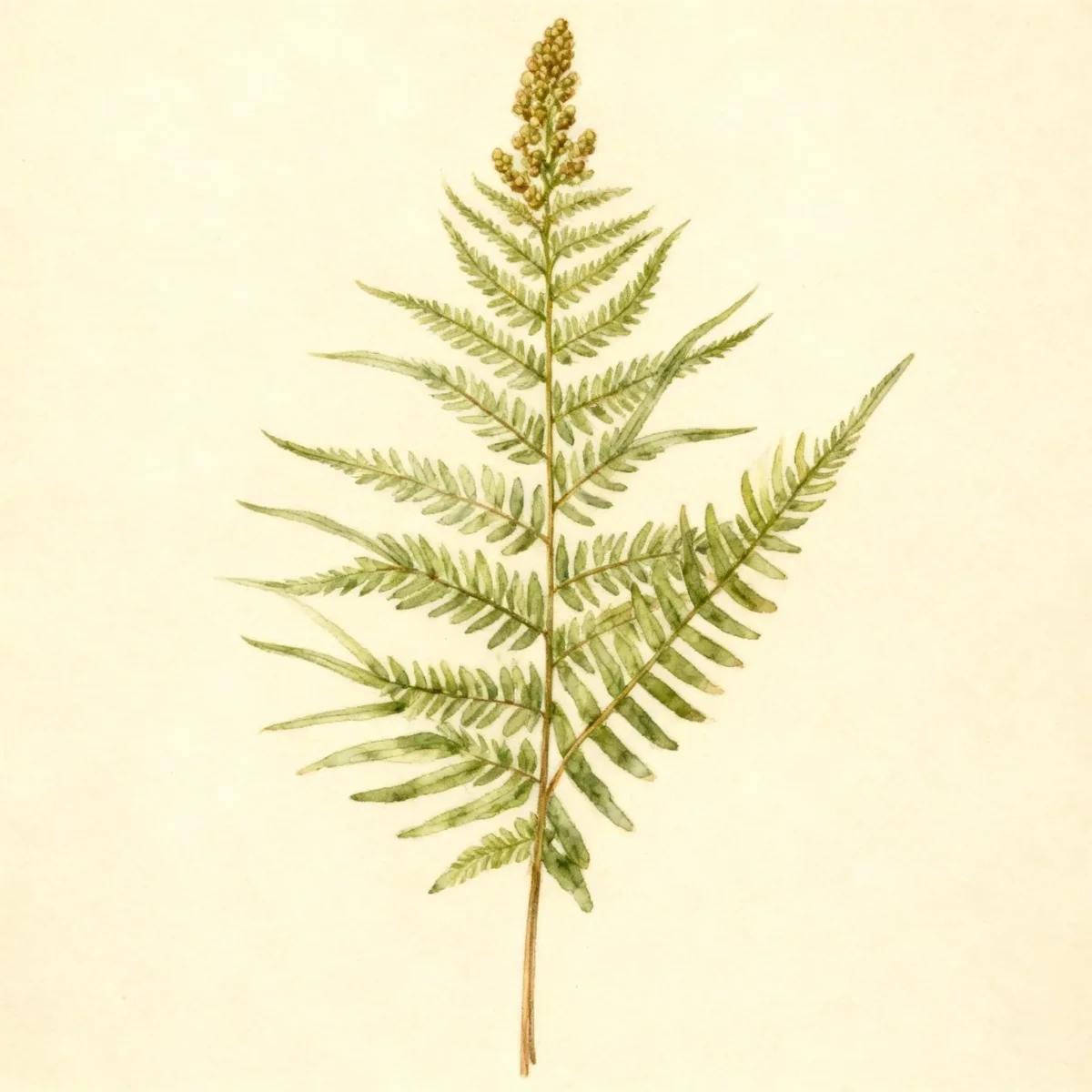
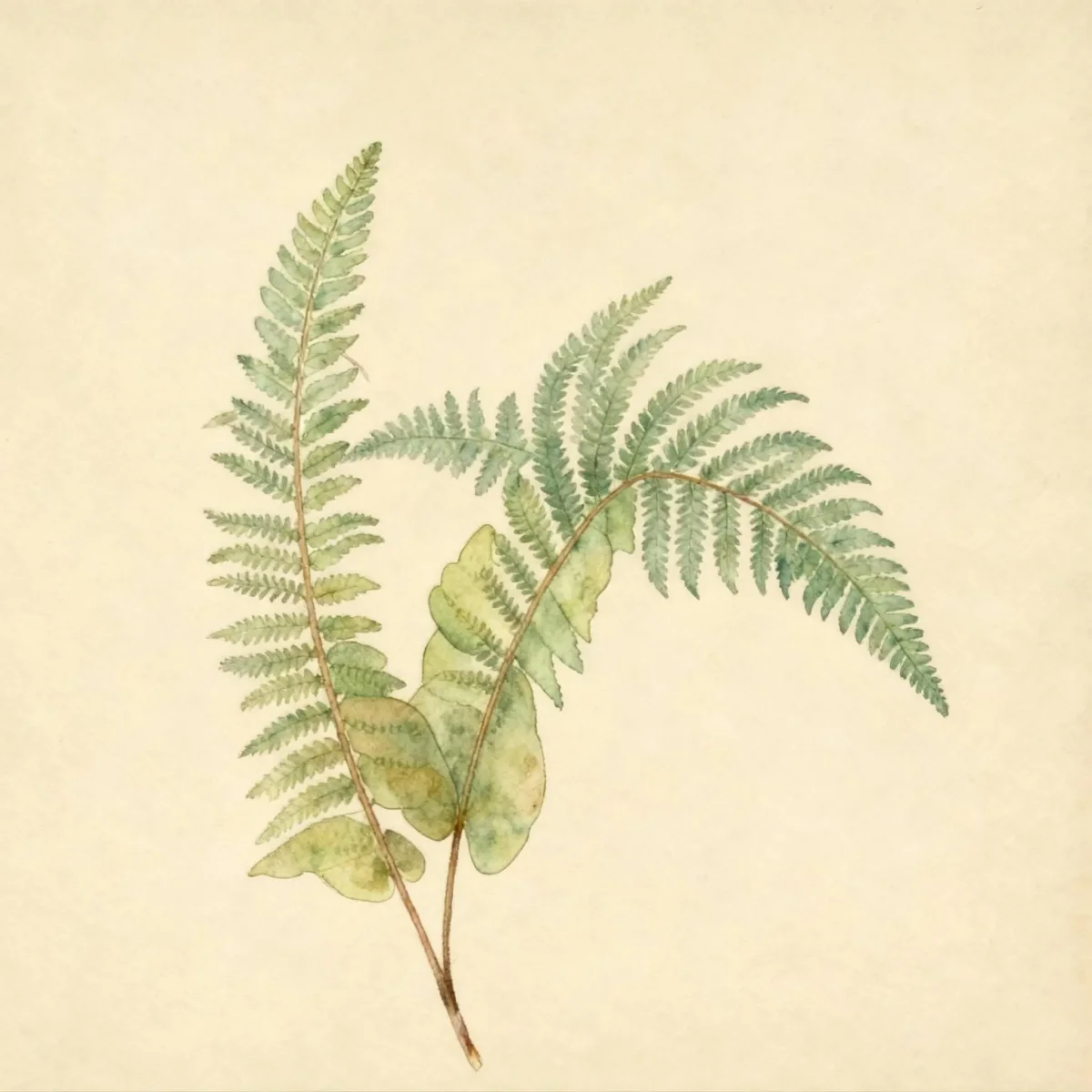
Distinguishing features of the Soft shield fern include its medium green, bi-pinnate fronds, which can reach up to 3 feet tall. The stalks and main midribs are often covered in distinctive, attractive cinnamon-brown scales, adding subtle warmth to the deep green tapestry of the fronds. Gardeners often select Polystichum setiferum specifically for its resilience once established.
Native to regions spanning Northern Africa through Southern Europe and western Asia, this fern adapts well to layered garden settings. Whether used as a foundational planting or integrated into rockeries, the Polystichum setiferum offers reliable performance where many flowering plants struggle due to lack of light, making it a gardener’s reliable choice for deep shade.
Fast Facts
- Plant Family: Dryopteridaceae
- Plant Type: Fern
- Native Range: Northern Africa, western Asia, southern Europe
- Hardiness Zones: USDA Zones 6-8
- Size at Maturity:
- Height: 2-3 ft
- Spread: 2-3 ft
- Bloom Time: Non-flowering
- Bloom Description: Non-flowering
- Sun Exposure: Part shade to full shade
- Water Needs: Dry to medium
- Maintenance Level: Low
How to Grow
The Polystichum setiferum flourishes when planted during the spring or fall, allowing it time to establish roots before seasonal extremes. It thrives in fertile, humusy soil that remains consistently moist but crucially, must be well-drained. When planting, take care to set the rhizome at a slight angle; this seemingly small detail helps prevent water from pooling around the crown, thereby mitigating potential crown rot issues common in saturated winter soils.
Watering needs for the Soft shield fern transition based on the season. While established ferns are somewhat resistant to dry soils, ensure regular watering during hot, dry periods. Avoid overhead watering whenever possible, focusing moisture near the soil level. Fertilization is rarely necessary; the rich, humusy conditions it prefers usually supply ample nutrients.
Maintenance for this Polystichum setiferum is generally low. Minimal pruning is required, usually just the removal of old, tattered fronds in early spring before new growth emerges. Gardeners in colder pockets of its hardiness range, particularly near the Zone 6 edge like the St. Louis area mentioned in cultivation notes, should site this fern in a highly protected location to ensure winter survival.
Landscape Uses
The versatile nature of the Soft shield fern makes it an excellent choice for structuring shaded landscapes. It stands out as a great selection for filling in shaded borders, providing soft, textured edges where lawn meets foundation or perennial beds. Its upright, shuttlecock habit also allows it to effectively anchor smaller rock gardens, contrasting nicely with angular stone work.
For woodland garden designs, mass plantings of Polystichum setiferum create a dense, lush understory, mimicking its natural environment. It pairs wonderfully with other shade-loving perennials that offer different textures or colors, such as Hosta, large-leaved Astilbe, or Tiarella (Foamflower). The evergreen nature of the Soft shield fern ensures that these shaded areas remain interesting even when deciduous companions are dormant.
Consider using the dramatic scale of the mature fronds in shaded foreground plantings near pathways. Their intricate structure catches light beautifully, drawing the eye deeper into the garden design. The robustness of the Polystichum setiferum ensures these areas maintain visual interest throughout the year with minimal input.
Standout Features
Noteworthy Characteristics
Polystichum setiferum, commonly called soft shield fern, is a tufted evergreen to semi-evergreen fern with lance-shaped, bi-pinnate, medium green fronds that grow in shuttlecock form to 3’ tall. Stalks and most midribs are covered with attractive cinnamon-brown scales. Pinnae have serrate, spiny margins, referencing the specific epithet setae (bristles) fer (bearing).
Tolerances
- Heavy Shade
- Dry Soil
Potential Problems
Generally, the Soft shield fern is robust, exhibiting no serious insect or disease problems under ideal cultural practices. The primary threat to this reliable fern involves moisture management, specifically crown rot. This issue occurs almost exclusively in poorly drained soils, particularly when excess moisture persists through the cooler winter months. Proper site selection, ensuring sharp drainage, and planting the rhizome at an angle are key preventative measures against debilitating crown rot.
Frequently Asked Questions
What hardiness zones is Polystichum setiferum suitable for?
The Soft shield fern is generally hardy in USDA Zones 6 through 8, though placement in protected areas is recommended in the colder end of that spectrum.
How large does Soft shield fern grow?
Polystichum setiferum typically matures to a height and spread ranging between 2 to 3 feet tall and wide, forming an elegant, mounding clump.
What sun exposure does Polystichum setiferum need?
This fern requires moderate to deep shade conditions, thriving best in part shade to full shade locations within the garden.
When does Soft shield fern bloom?
As a fern, Polystichum setiferum is non-flowering and does not produce traditional blooms or fruit structures.
Conclusion
The Soft shield fern (Polystichum setiferum) offers gardeners a dependable source of evergreen texture, characterized by lacy, cinnamon-scaled fronds ideal for difficult shaded environments. Its low maintenance and tolerance for dryer conditions make it a powerhouse for winter structure in woodland settings. Before planting, ensure your site offers well-drained soil to safeguard your Polystichum setiferum against moisture-related crown issues.
Companion Planting
When selecting companions for the Polystichum setiferum, focus on plants that share its preference for low light and rich, acidic soil, but offer contrasting leaf shapes. Shade-tolerant groundcovers like various Vinca species or Ajuga reptans (Bugleweed) can creep beneath the spreading fronds of the Soft shield fern, covering any bare soil that might develop early in the season. For vertical contrast, consider taller shade plants like Japanese Anemones or evergreen Rhododendrons positioned slightly further back.
The goal in companion planting with Polystichum setiferum is to layer textures. Pair the fine, delicate structure of the fern with broad-leaved, bold plants such as large cultivars of Hosta or even flowering shade shrubs like certain Hydrangeas (especially Oakleaf varieties). This contrasting palette emphasizes the unique, feathery beauty of the fern foliage throughout the growing season.
Propagation Tips
The most reliable method for increasing your stock of Polystichum setiferum is through division, similar to many clumping ferns. This should ideally be done in the spring just as new fiddleheads begin to emerge, although early autumn divisions are also successful if the plant has time to settle before the ground freezes. Gently lift the entire clump using a sharp spade, taking care to minimize root disturbance.
Once lifted, carefully tease apart the root mass, ensuring that each new section retains a significant portion of rhizome and a crown from which new fronds can generate. The severed sections of Soft shield fern can be immediately replanted into their new locations, ensuring consistent moisture in the first few weeks post-division to encourage rapid establishment.
Design Ideas
The elegant form of Polystichum setiferum makes it exceptional for formalizing an informal setting. Utilizing its shuttlecock habit, plant it in repeating patterns along shaded walkways, creating a sense of rhythm and order. They function excellently as low, non-flowering “hedges” beneath taller deciduous trees where summer sun is filtered.
Container gardening is another successful application for this plant. Polystichum setiferum looks spectacular when allowed to spill slightly over the edges of dark-colored pots, especially when paired with upright spire-shaped foliage plants like Japanese Forest Grass (Hakonechloa). Ensure the container mix provides excellent drainage to satisfy its cultural needs.