Bracken (Pteridium aquilinum)
Bracken (Pteridium aquilinum) is a coarse, vigorous, cosmopolitan fern thriving in poor, acidic soils across USDA Zones 3-10.
Scroll down to discover growing tips, care requirements, companion plants, and more
Complete Plant Information
Overview
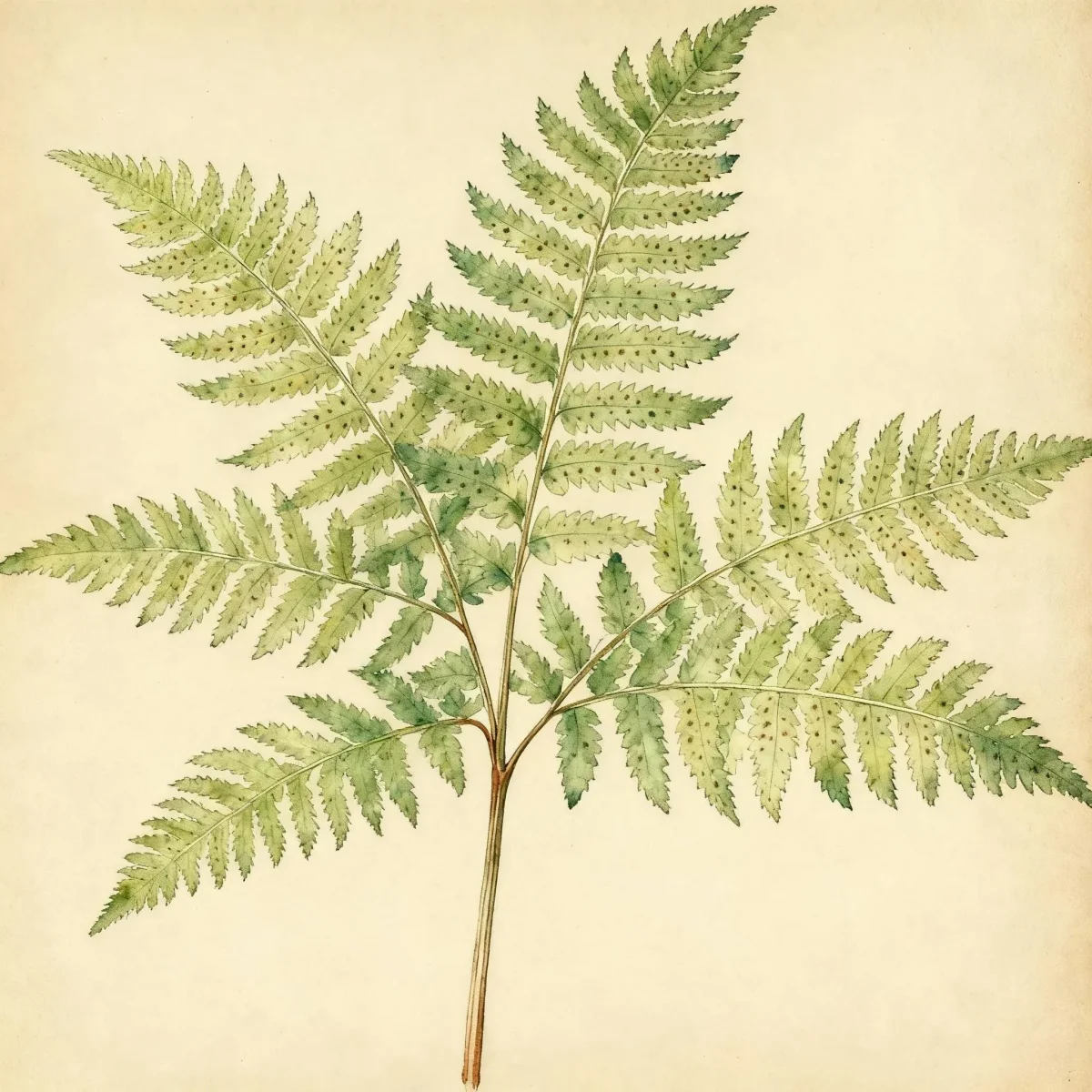
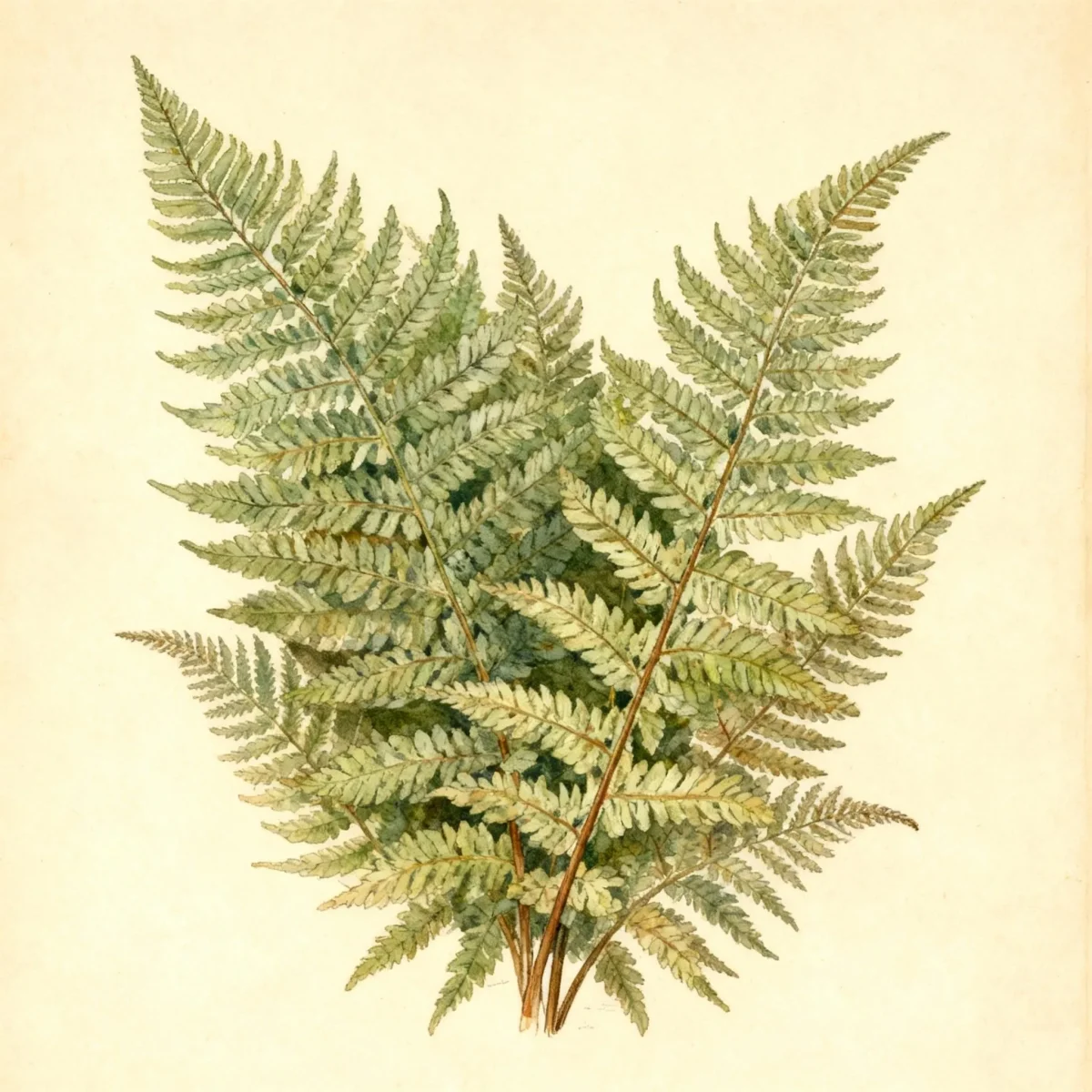
Pteridium aquilinum, commonly known as Bracken, is a highly recognizable and pervasive fern characterized by its coarse, triangular fronds that rise directly from deep, creeping rhizomes. This cosmopolitan species is resilient, capable of colonizing challenging environments across the Northern Hemisphere, making it a distinctive feature in woodland edges and disturbed areas. While sometimes considered weedy due to its vigor, Bracken provides excellent texture where formal gardening is not the goal.
A key feature of Pteridium aquilinum is its endurance; it thrives in poor, acidic soils that deter many other garden plants, tolerating both full sun and partial shade. Once established, this rhizomatous plant spreads aggressively, forming large colonies. Gardeners should appreciate its hardiness, but must also be aware that controlling Bracken once established can be a significant challenge due to its extensive rootstock.
Although Bracken is deciduous, dying back quickly after the first frost, new fiddleheads emerge reliably each spring, offering consistent seasonal structure. Its widespread distribution underscores its adaptability, making it a plant that, when placed correctly, requires relatively little effort to maintain its vigorous presence.
Fast Facts
- Plant Family: Dennstaedtiaceae
- Plant Type: Fern
- Native Range: Northern Hemisphere
- Hardiness Zones: USDA Zones 3-10
- Size at Maturity:
- Height: 3-4 ft
- Spread: 4-5 ft
- Bloom Time: Non-flowering
- Bloom Description: Non-flowering
- Sun Exposure: Full sun
- Water Needs: Medium
- Maintenance Level: Medium
How to Grow
Bracken establishes best when planted in the spring, allowing the summer growing season to help anchor the deep, creeping rootstock. Optimal locations include areas with disturbed soils, woodland openings, or spots where its aggressive nature can be tolerated or utilized for large-scale ground cover. Pteridium aquilinum strongly prefers average to consistently moist soils that are sandy or peaty and distinctly acidic; avoid planting where soils are alkaline.
Ongoing care for Bracken is typically minimal once the plant is established, as it is hardy and thrives even in poor soils. Provide medium water, ensuring the soil does not dry out completely, especially during establishment. Fertilization is rarely necessary given its preference for nutrient-poor conditions. Do not expect seasonal blooms, as this is a non-flowering plant.
Because Bracken is vigorous and spreads rapidly via rhizomes and wind-blown spores, management focuses on containment rather than intensive cultivation. Pruning mainly involves cutting back the coarse fronds after they die back naturally following the first fall frost to allow cleanup before new fiddleheads emerge in spring. Be aware that this plant quickly regenerates after disturbances like fire or logging due to its deep root system.
Landscape Uses
Bracken is explicitly discouraged in formal garden settings due to its strong, sometimes invasive, tendency to form dense colonies. Its best role in the landscape is in somewhat isolated areas, such as large naturalized drifts, woodland margins, or fields where its robust texture can dominate without competing with more delicate plantings. Use it where you need permanent, hardy coverage over poor or steep soils.
When integrating Pteridium aquilinum into a landscape design, consider companion planting it with other tough natives that can tolerate similar acidic soil conditions and require similar medium moisture levels. Avoid planting near prized borders or lawns, as its rhizomes are difficult to control once they spread. Because it performs well in poor soils, it can be effective in remediation areas or large, low-maintenance naturalized zones.
This fern’s coarse, divided fronds provide excellent visual contrast against fine-textured grasses or broadleaf evergreens. Use the upright growth habit of Bracken to create an informal screen or backdrop in large, naturalistic plantings, allowing it to fulfill its role as a vigorous colonizer.
Standout Features
Noteworthy Characteristics
Pteridium aquilinum, commonly called bracken fern, is a coarse, deciduous, rhizomatous, cosmopolitan fern found on all continents except Antarctica. It is typically found in woods (including somewhat dry woodland areas), fields, old pastures, thickets, areas with disturbed soils, burned-out areas and marshes. Established plants tolerate brief periods of drought. Bracken fern typically grows to 3’ tall and 4’ wide, with coarse, divided, triangular fronds rising directly from deep running rootstocks. Sori appear in narrow lines near the leaflet margins on fertile fronds, and underground rhizomes can grow to 20’ long or more.
Tolerances
- Drought
Potential Problems
Bracken generally exhibits no serious insect or disease problems, which contributes to its ability to thrive aggressively. The primary management concern is controlling its spread, as its deep creeping rootstock makes eradication difficult once colonies are established. If control is necessary, repeated cutting or management after disturbances like fires may be required over several seasons to deplete the root reserves of the Pteridium aquilinum.
Frequently Asked Questions
What hardiness zones is Bracken suitable for?
Pteridium aquilinum is well-suited for a wide range of climates within USDA Zones 3 through 10.
How large does Bracken grow?
Mature Bracken typically reaches a height between 3 to 4 feet and a spread between 4 to 5 feet.
What sun exposure does Bracken need?
This fern prefers full sun exposure, though it can tolerate partial shade equally well.
When does Bracken bloom?
Bracken is a non-flowering plant; unlike flowering plants, it reproduces via wind-blown spores.
Conclusion
The Pteridium aquilinum, or Bracken fern, offers unparalleled hardiness and structure for gardeners working with challenging, poor, or acidic soils. While its aggressive spreading nature requires careful site selection, its tall, coarse foliage provides a unique aesthetic in naturalized settings. Before planting this vigorous fern, confirm that your local USDA Zone falls between 3 and 10 and plan space accordingly for this robust colonizer.
Companion Planting
When integrating Bracken into a less formalized space, consider companion plants that share its affinity for sharp drainage and acidic or poor soils. Woody shrubs that establish deep roots, such as native oaks or various Rhododendron and Azalea cultivars (where soil pH is suitable), can coexist well with Pteridium aquilinum’s strong root structure without being overwhelmed in the short term.
For areas where you desire permanent groundcover that can handle the dappled sunlight found under established Bracken, consider low-growing, resilient woodland plants like certain hardy sedges or mosses, provided you monitor the moisture levels regularly. Always leave significant space between colonies of Bracken and any delicate, slow-growing border perennials.
Seasonal Care Calendar
Spring is the vital time to watch for the emergence of new fiddleheads; this is the last opportunity to completely clear out prior year’s debris before the new growth starts. Summer care revolves around ensuring medium moisture levels, especially during any unexpected dry spells, although established Bracken is notably drought-tolerant.
When fall arrives, anticipate the quick dieback of the coarse fronds after the first hard frost. In late fall or early winter, cut back the dead foliage, which helps reduce the possibility of fire risk and keeps the area cleaner before the next spring push from the Pteridium aquilinum rhizomes.