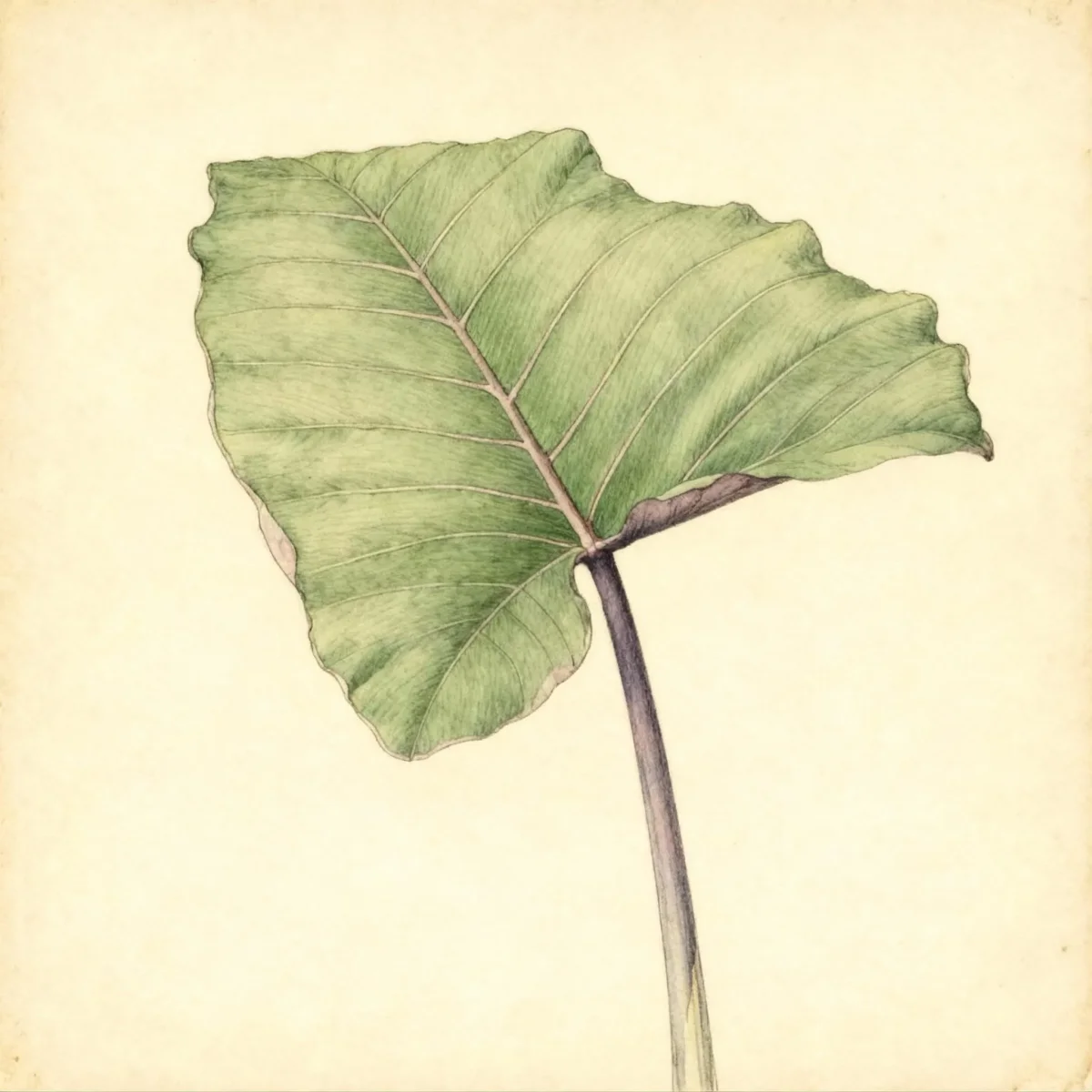
Leather fern (Rumohra adiantiformis)
The robust Leather fern (Rumohra adiantiformis) offers glossy, evergreen fronds perfect for shade gardens. Hardy in zones 8-11 with low maintenance.
Scroll down to discover growing tips, care requirements, companion plants, and more
Complete Plant Information
Overview
The Leather fern, scientifically known as Rumohra adiantiformis, is celebrated for its exceptionally tough and glossy foliage. This evergreen species provides vital deep-green texture, maintaining its appearance year-round, making it highly valuable in landscapes requiring consistent color under difficult conditions. Gardeners appreciate this fern for its robust nature and its ability to thrive where other plants might struggle.
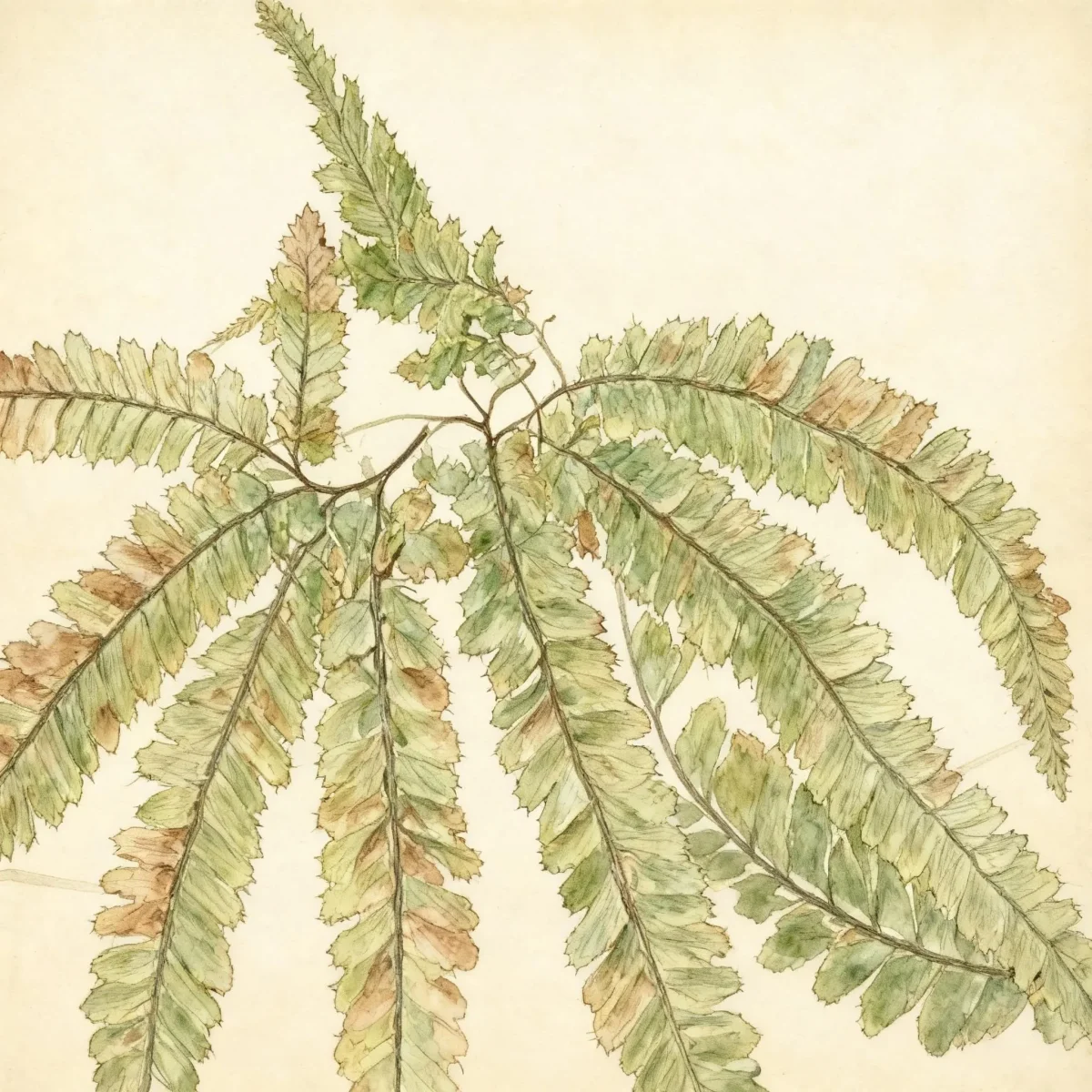
This plant is characterized by attractive, leathery, bipinnately compound fronds that give the Rumohra adiantiformis its common name. It slowly spreads via creeping rhizomes, forming substantial, dense clumps over time. While it possesses an appealing form in the garden, its primary commercial value lies in its use as a long-lasting foliage filler in the floral industry.
If you are seeking a low-maintenance, shade-tolerant ground cover that offers sculptural evergreen interest, the Leather fern is an excellent choice. Its cultural requirements are straightforward, demanding consistent moisture and protection from harsh sun, ensuring reliable performance across USDA zones 8 through 11.
Fast Facts
- Plant Family: Dryopteridaceae
- Plant Type: Fern
- Native Range: Temperate southern hemisphere
- Hardiness Zones: USDA Zones 8-11
- Size at Maturity:
- Height: 1-3 ft
- Spread: 4-5 ft
- Bloom Time: Non-flowering
- Bloom Description: Non-flowering
- Sun Exposure: Part shade to full shade
- Water Needs: Medium
- Maintenance Level: Low
How to Grow
Planting your Rumohra adiantiformis is best achieved in the spring or early fall, allowing the rhizomes time to establish before temperature extremes. Locate it in areas receiving dappled light or significant shade, as direct, hot afternoon sun will scald the foliage. The critical cultural requirement is soil preparation; this fern thrives in humus-rich, well-draining media that retains even moisture. Amend heavy clay soils extensively with organic matter to ensure adequate drainage.
Ongoing care for the Leather fern is relatively easy, warranting its “Low” maintenance rating. Maintain consistently moist soil conditions by watering deeply when the top inch begins to feel slightly dry; do not allow the soil to dry out completely, which stresses the plant. Fertilization is generally unnecessary if the soil is rich in organic matter. If growth appears slow, a light application of balanced, slow-release fertilizer formulated for acid-loving plants in early spring can be beneficial.
Pruning is minimal for the Rumohra adiantiformis. Remove any obviously dead, damaged, or yellowed fronds at their base as they appear throughout the year to keep the clump looking tidy. New growth emerges reliably when temperatures warm. Ensure adequate space (up to 5 feet spread) is provided, as this fern will slowly colonize its intended area, forming an attractive, dense drift ideal for woodland settings.
Landscape Uses
The robust texture and deep green color of Leather fern make it an invaluable structural component in shaded landscapes. Its natural spreading habit positions it perfectly as an effective ground cover, suppressing weeds and beautifying the forest floor beneath mature trees or along shady foundation lines. The slow spread via creeping rhizomes means it requires minimal effort to keep contained.
Beyond its use in woodland gardens and shade borders, Rumohra adiantiformis excels in foundation plantings where reflected heat might be an issue for less tolerant specimens. It also looks striking when placed in tree ring plantings, softening the base of large trunks. Since it handles heavy shade well, consider pairing it with woodland bloomers like Hostas or Impatiens to provide seasonal color contrast against the reliable, deep green of the Leather fern.
Its professional value as a durable cut foliage cannot be overstated; for home use, harvest the fronds to enhance both fresh indoor arrangements and dried crafts. The leathery nature of the fronds ensures they hold their shape and color long after being cut, making any trimming an opportunity to bring structure indoors.
Standout Features
Noteworthy Characteristics
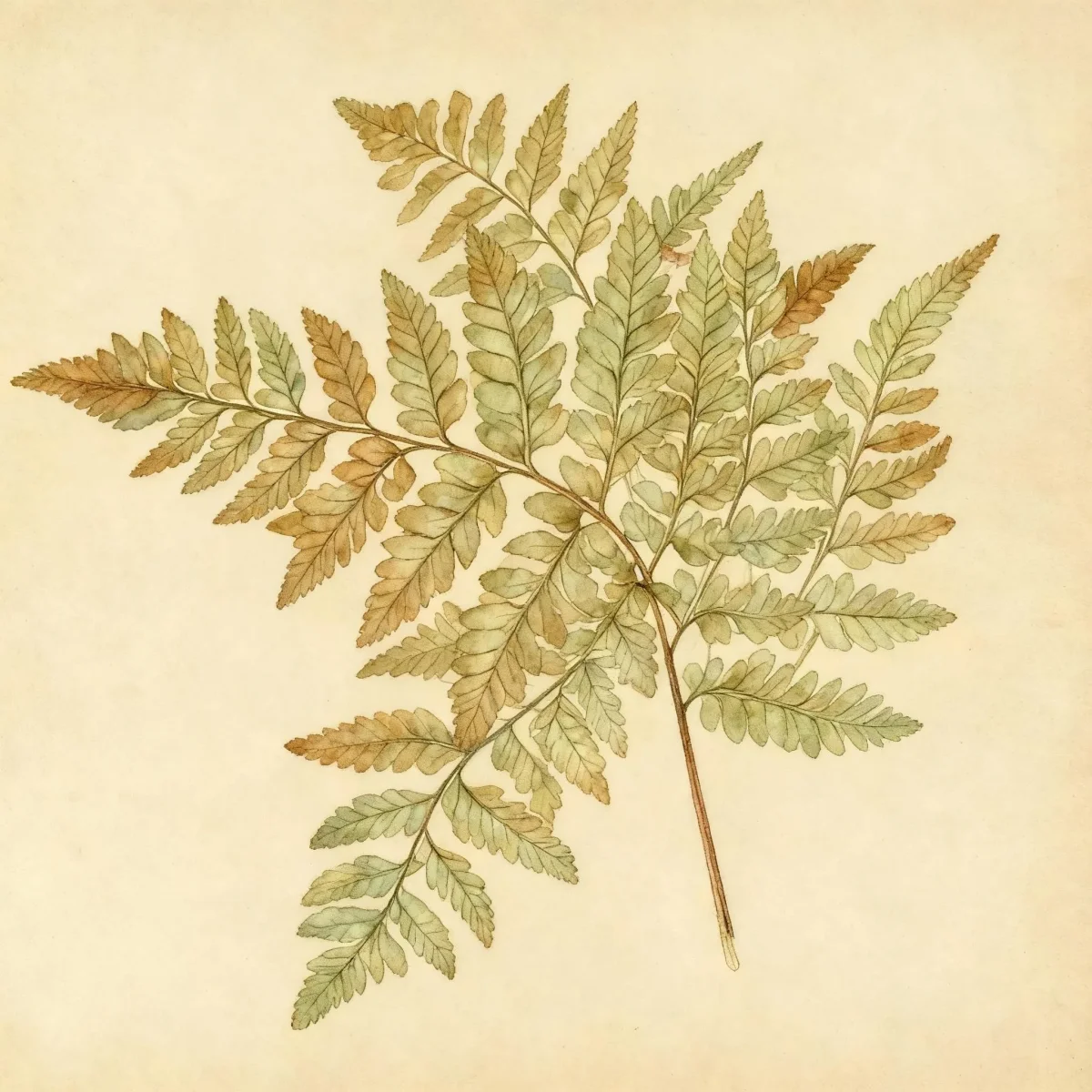
The Rumohra adiantiformis, commonly called leather fern or leatherleaf fern, is an evergreen fern with a wide native range spanning from southern Africa and Australia to central South America and the Caribbean. The glossy, deep green, bipinnately compound fronds are leathery and triangle-shaped and can reach up to 2.5’ long and 8” wide. This fern spreads slowly by creeping rhizomes, and mature clumps will reach 3’ tall and fill a 5’ area. This fern is widely cultivated for use in the cut flower industry.
Tolerances
- Deer
- Heavy Shade
Potential Problems
The Rumohra adiantiformis is highly regarded for its exceptional disease and pest resistance. Gardeners will find that this plant suffers virtually no known pest or disease problems under normal growing conditions. This resilience contributes greatly to its low-maintenance profile, reducing the need for chemical interventions.
If problems do occur, they are usually related to improper cultural conditions rather than specific pathogens. Signs of stress—such as brown or crispy leaf tips—almost always indicate inconsistent watering or exposure to too much direct sun. Ensure your planting site meets the requirement for humusy, well-draining soil and medium water volume to prevent this type of environmental damage.
Frequently Asked Questions
What hardiness zones is Leather fern suitable for?
Rumohra adiantiformis is hardy and reliably evergreen in USDA Zones 8 through 11.
How large does Rumohra adiantiformis grow?
Mature Leather fern typically reaches a height between 1 and 3 feet tall, with a spread expanding outwards to 4 or 5 feet wide.
What sun exposure does Leather fern need?
This plant performs best when situated in partial shade conditions, though it tolerates areas of full shade remarkably well.
When does Rumohra adiantiformis bloom?
As a fern, the Rumohra adiantiformis is non-flowering and does not produce flowers or fruit throughout its life cycle.
Conclusion
The Leather fern offers unparalleled textural depth and reliable evergreen color specifically tailored for deeply shaded environments. Its resilience, low maintenance needs, and distinctive, leathery foliage make Rumohra adiantiformis a staple for challenging garden spots. Before planting, confirm your location falls within USDA Zones 8 to 11 and ensure you can meet the medium water demands for best results.
Companion Planting
When selecting companions for your Leather fern, prioritize other shade-loving, moisture-tolerant perennials to create a cohesive, textured understory. Hostas are classic partners, providing broad, colorful foliage that contrasts beautifully with the fine texture of the fern fronds. Consider Heuchera (Coral Bells), especially varieties with chartreuse or burgundy leaves, to add further visual interest beneath the canopy.
For ground cover effect under the Rumohra adiantiformis, low-growing sedges or creeping Jenny can work well, provided they do not compete aggressively for nutrients. Remember that since the Leather fern culture requires rich, humusy soil, any companion plant should share a similar preference for organic material and consistently moist, well-drained conditions to ensure balanced health across the planting bed.
Propagation Tips
While the Rumohra adiantiformis produces spores, propagation via division of the creeping rhizomes is the easiest and most reliable method for home gardeners looking to expand their stock. Aim to divide established clumps in the early spring just as new growth begins to emerge, or in early fall before the onset of cold weather.
To divide, carefully dig up a section of the mature clump, ensuring that the rhizomes remain as intact as possible. Using a sharp, sterile spade or knife, cut the clump into smaller sections, making sure each new piece has a healthy mass of roots and several viable leaf points attached. Immediately replant the divisions into prepared, humus-rich soil at the same depth they were previously growing. Keep the freshly divided Rumohra adiantiformis consistently moist during the initial weeks to encourage rapid re-establishment.