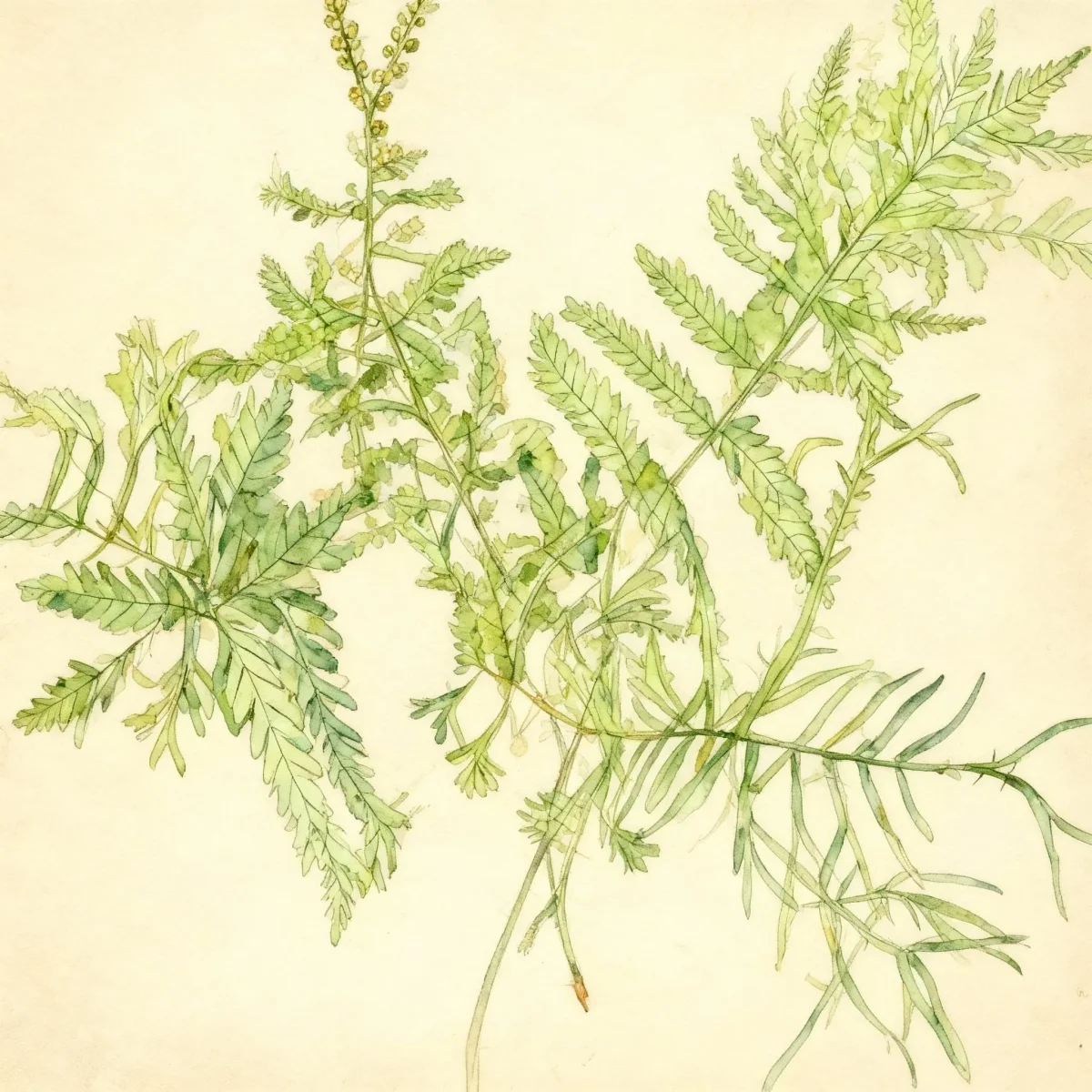
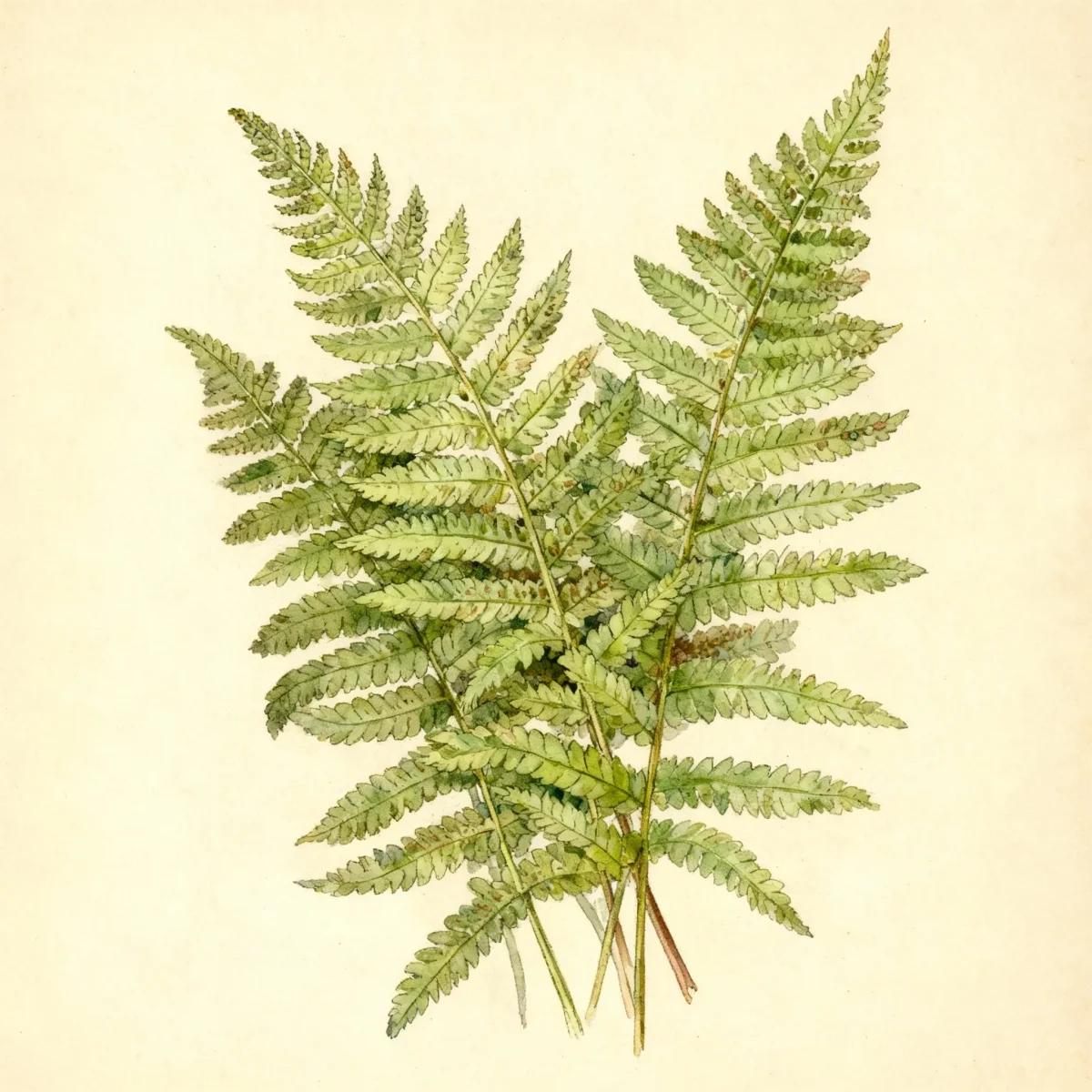
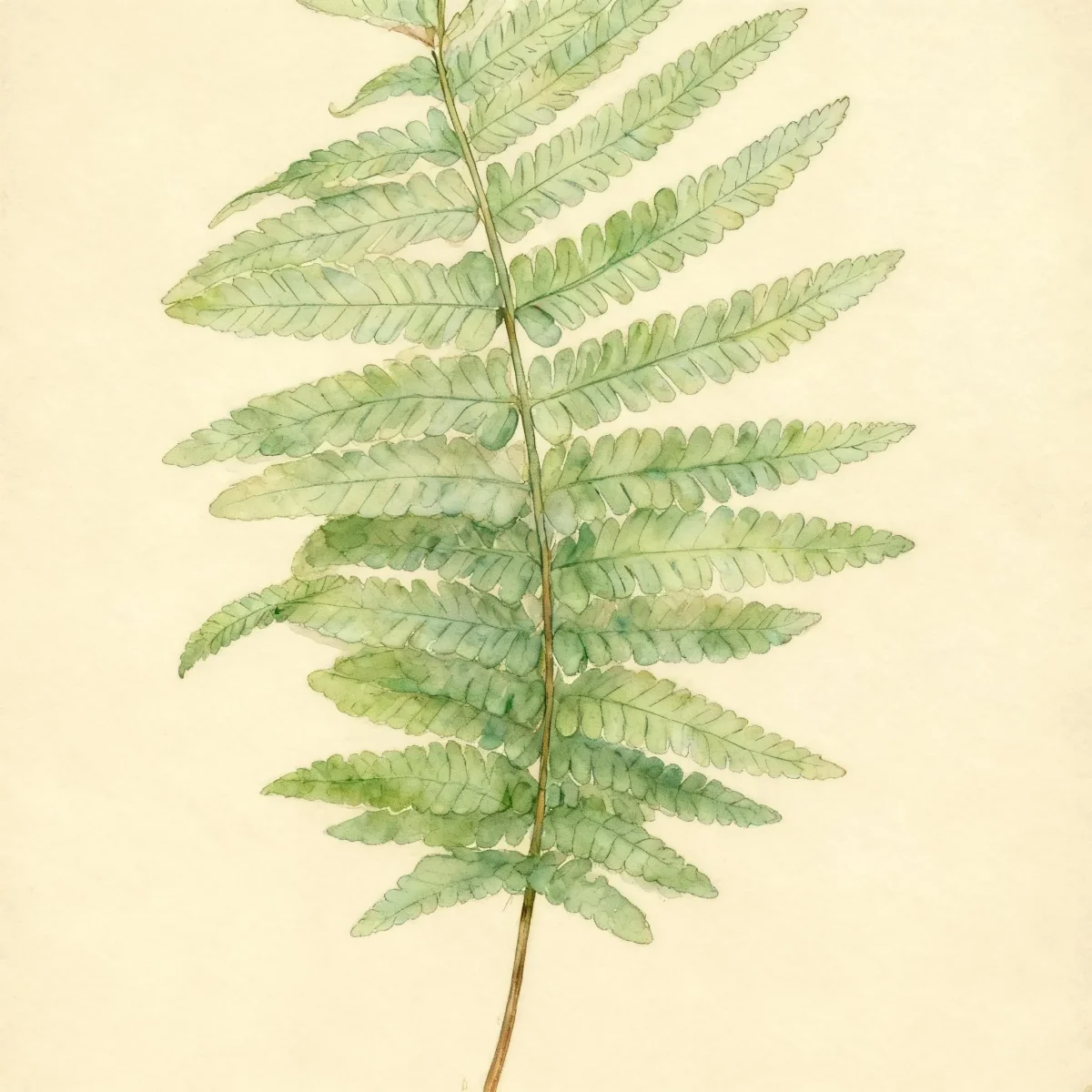
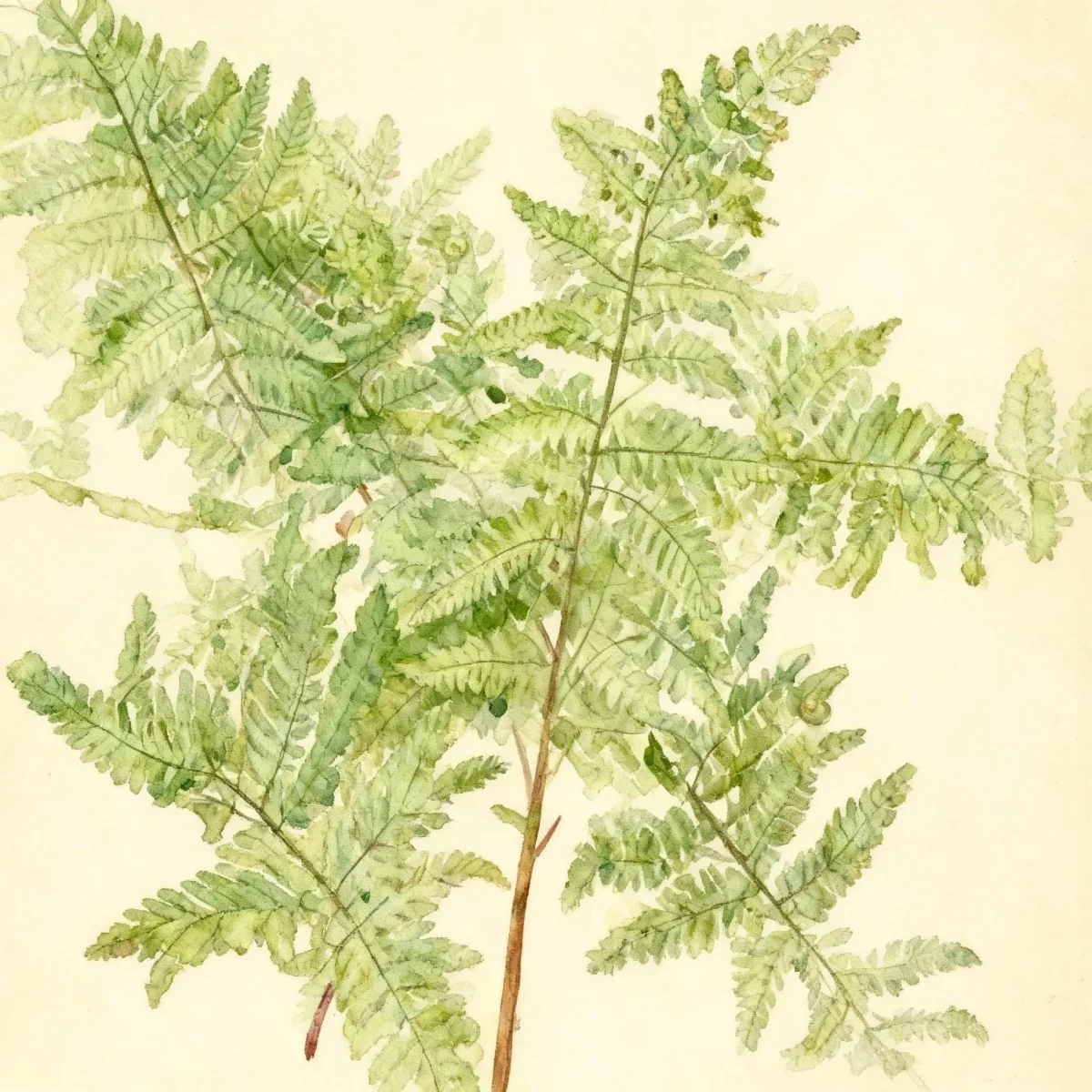
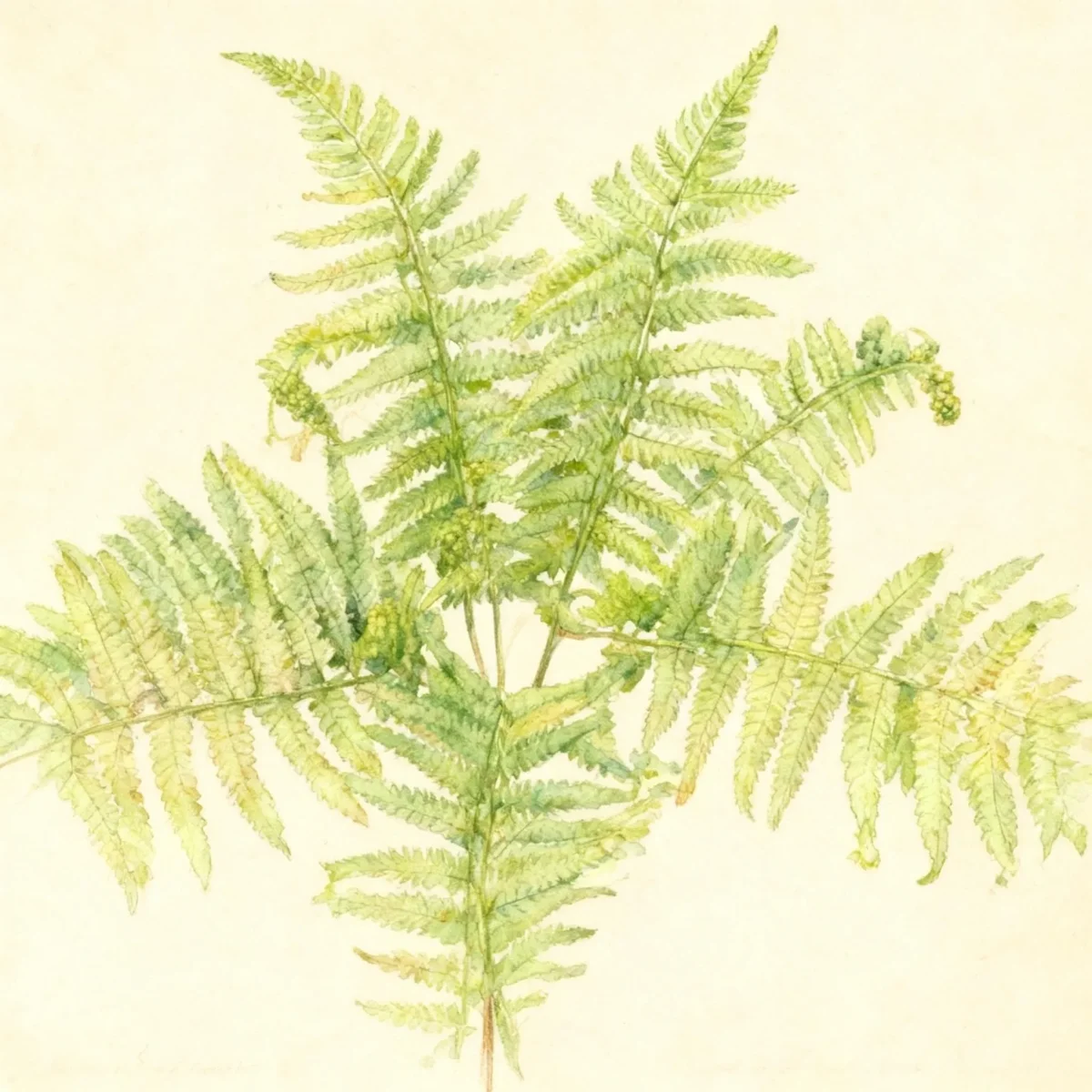
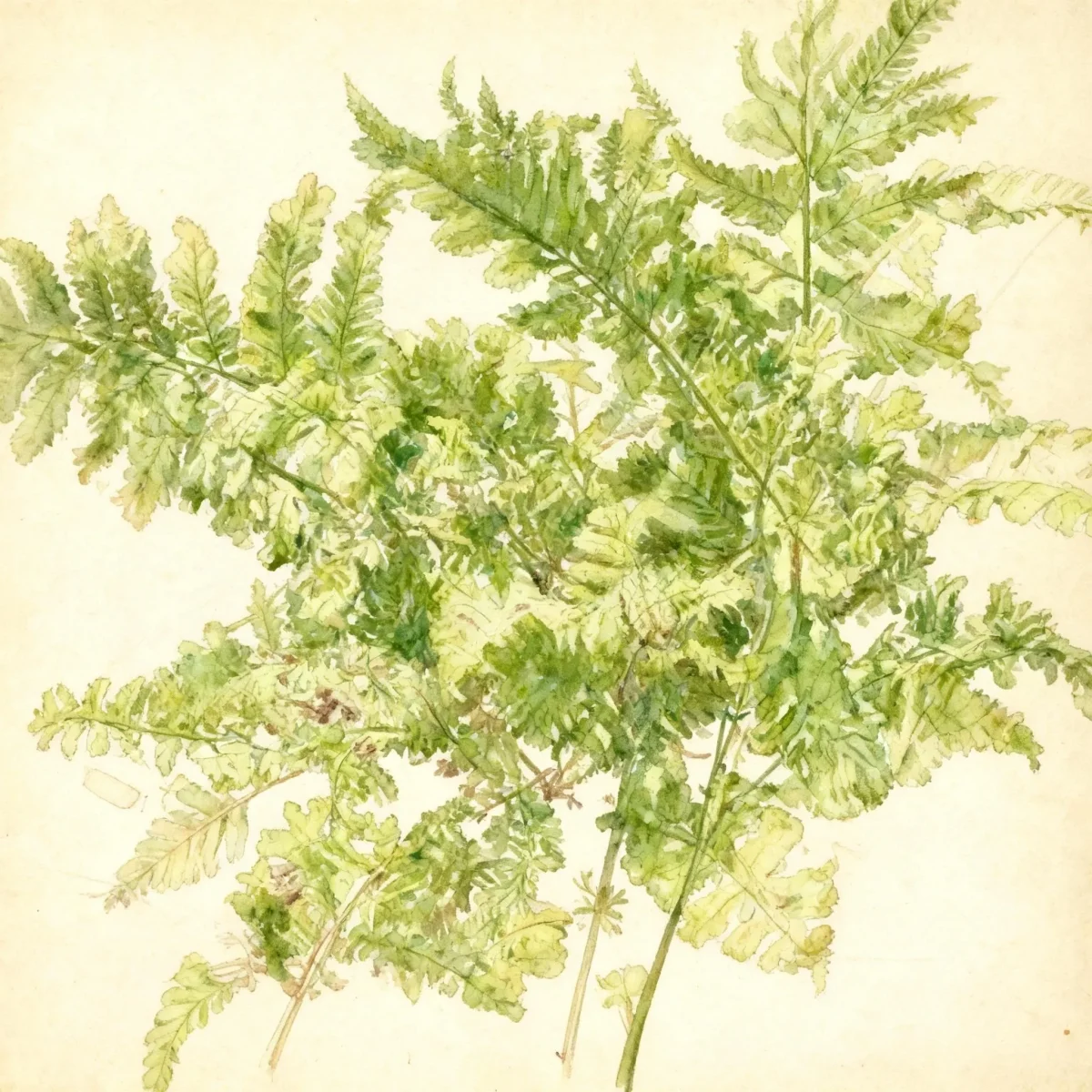
Broad buckler fern (Dryopteris dilatata)
The Broad buckler fern (Dryopteris dilatata) thrives in shade, offering distinctive semi-evergreen, finely-cut fronds in Zones 5-9.
Scroll down to discover growing tips, care requirements, companion plants, and more
Complete Plant Information
Overview
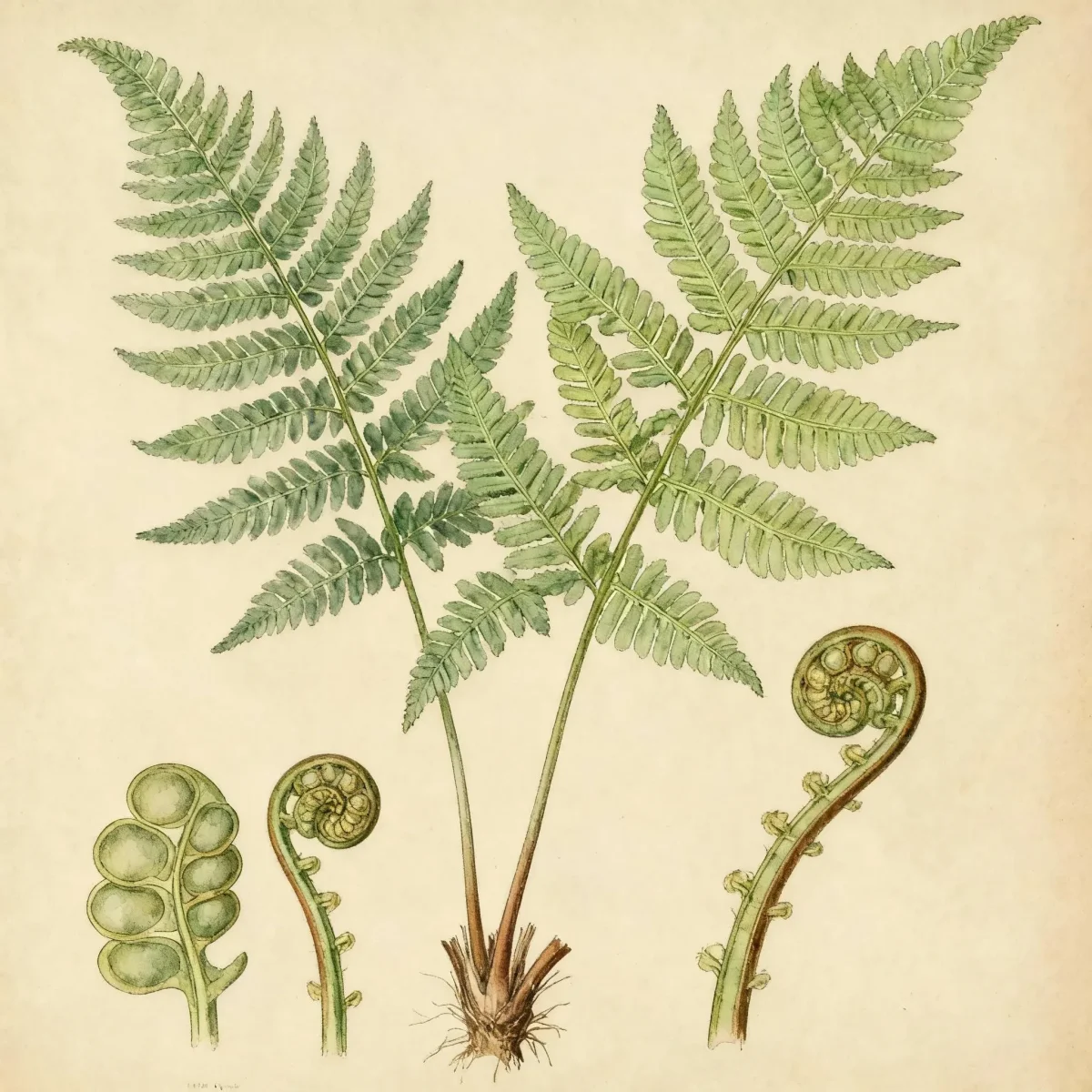
The Broad buckler fern, or Dryopteris dilatata, brings texture and deep green color to otherwise dull shaded areas of the garden. Its most defining feature is its broad, finely-cut, triangular fronds that spread outward, creating an elegant, shuttlecock-like silhouette prized by landscape designers. This robust fern is recognized for its resilience in low-light conditions where many flowering plants struggle.
As a semi-evergreen species in many climates, the broad buckler fern provides valuable winter structure, contributing year-round interest to woodland compositions. Its low maintenance requirements make it an excellent choice for gardeners seeking established beauty without constant fuss. Recognizing the specific needs of Dryopteris dilatata ensures its wide-spreading fronds achieve maximum visual impact.
Native to Europe, the Broad buckler fern adapts well to most temperate landscapes, provided its fundamental moisture and shade requirements are met. It offers dependable, architectural foliage perfectly suited for creating the quintessential serene, shaded garden retreat.
Fast Facts
- Plant Family: Dryopteridaceae
- Plant Type: Fern
- Native Range: Europe
- Hardiness Zones: USDA Zones 5-9
- Size at Maturity:
- Height: 2-3 ft
- Spread: 2-3 ft
- Bloom Time: Non-flowering
- Bloom Description: Non-flowering
- Sun Exposure: Part shade to full shade
- Water Needs: Medium
- Maintenance Level: Low
How to Grow
Planting the Broad buckler fern is best done in spring or fall when soil temperatures are moderate. Choose a location that mimics its native European woodland, focusing on areas receiving part shade to full shade; sun-dappled shade is ideal for this species. Dryopteris dilatata requires humus-rich, organically rich, well-drained soil that retains consistent moisture.
Consistent watering is crucial for this fern, as soils should not be allowed to dry out completely during the growing season. Apply deep, infrequent water rather than light sprinklings to encourage deep root development. Fertilization is rarely necessary if planting occurs in rich, organic soil, as excessive nutrients can sometimes lead to softer growth prone to flopping.
Maintenance is generally low for Dryopteris dilatata. Prune any tattered or dead fronds just before new growth appears in early spring to maintain a tidy crown. This fern exhibits good winter hardiness in Zones 5-8, often retaining some foliage, though a protective layer of mulch helps moderate soil temperatures through harsh winters.
Landscape Uses
The architectural form and deep green foliage of Dryopteris dilatata make it an exceptional choice for naturalizing beneath deciduous trees in woodland gardens. Its medium size (2-3 feet tall and wide) allows it to form excellent mid-layer plantings or act as a substantial border edge in heavily shaded spots.
Use the Broad buckler fern to soften the bases of larger shrubs or to create lush texture in containers paired with shade-loving annuals like impatiens or tuberous begonias, ensuring the container environment remains consistently moist. Its tolerance for heavy shade means you can extend planting areas under dense canopies where sun-lovers fail.
For effective design, pair this fern with plants offering contrasting textures, such as hostas with variegated or blue foliage, or astilbes which provide vertical plumes of color above the spreading fronds of the Dryopteris dilatata.
Standout Features
Noteworthy Characteristics
Dryopteris dilatata, commonly known as broad wood fern or broad buckler fern, is a semi-evergreen, deciduous wood fern whose wide-spreading, finely-cut, triangular fronds rise upward and outward from its central crown in a form somewhat reminiscent of the shape of a large shuttlecock. This fern is indigenous to northern Europe and northern Asia, offering gardeners a reliable, deeply textured specimen. The “broad” aspect of its common name reflects the expansive reach of its mature fronds.
Tolerances
- Rabbit
- Heavy Shade
Potential Problems
Dryopteris dilatata generally encounters few serious insect or disease issues, contributing to its low maintenance rating. However, gardeners should scout for signs of fungal issues, including rust, leaf gall, and general fungal spots, especially if air circulation is poor or overhead watering is used. Ensuring the soil remains well-drained, even while consistently moist, is the best preventative measure against root issues caused by overly saturated conditions. Promptly removing and destroying affected foliage can help manage diseases like rust.
Frequently Asked Questions
What hardiness zones is Broad buckler fern suitable for?
The Broad buckler fern (Dryopteris dilatata) is reliably winter hardy across USDA Zones 5 through 9.
How large does Broad buckler fern grow?
This species typically achieves a mature height between 2 and 3 feet tall, with an equal spread of 2 to 3 feet wide.
What sun exposure does Broad buckler fern need?
Dryopteris dilatata thrives best in part shade to full shade conditions, preferring filtered or sun-dappled light over intense afternoon sun.
When does Broad buckler fern bloom?
As a fern, the Broad buckler fern is non-flowering and thus does not produce traditional blooms or fruit.
Conclusion
The Broad buckler fern (Dryopteris dilatata) stands out as a superb, low-maintenance choice for adding luxuriant, deep green texture to deep shade gardens. Its semi-evergreen nature provides valuable winter appeal where few other plants thrive. Before planting, carefully assess your site to ensure consistent moisture and appropriate shade levels to maximize the beauty of your new acquisition.
Companion Planting
Choosing the right partners helps maximize the aesthetic appeal of Dryopteris dilatata. Because this fern prefers consistently moist, humus-rich soil and shade, excellent companions include Hosta varieties, particularly those with blue or gold foliage to contrast the dark green fronds. Lungwort (Pulmonaria) is another strong match, lending spring flowers to the scene before the full canopy of summer hardiness is established.
Design Ideas
Utilizing the Broad buckler fern effectively involves layering plants based on height and texture. Place it in the middle ground, allowing lower-growing groundcovers like Vinca minor or creeping Jenny to establish around its base. For dramatic effect, use mass plantings of Dryopteris dilatata beneath large specimen trees, creating a uniform, tranquil carpet of texture that echoes the understory of a natural forest floor.