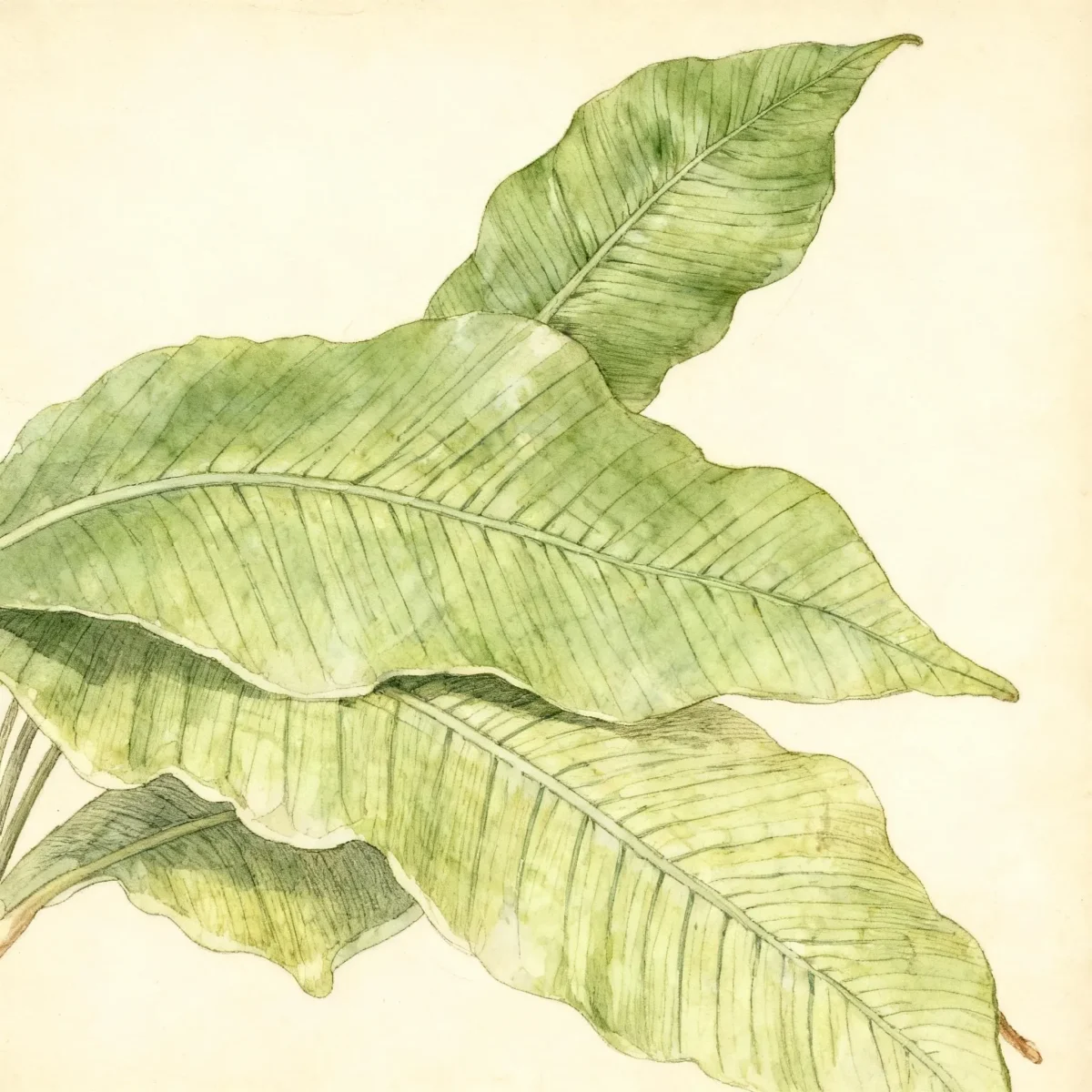
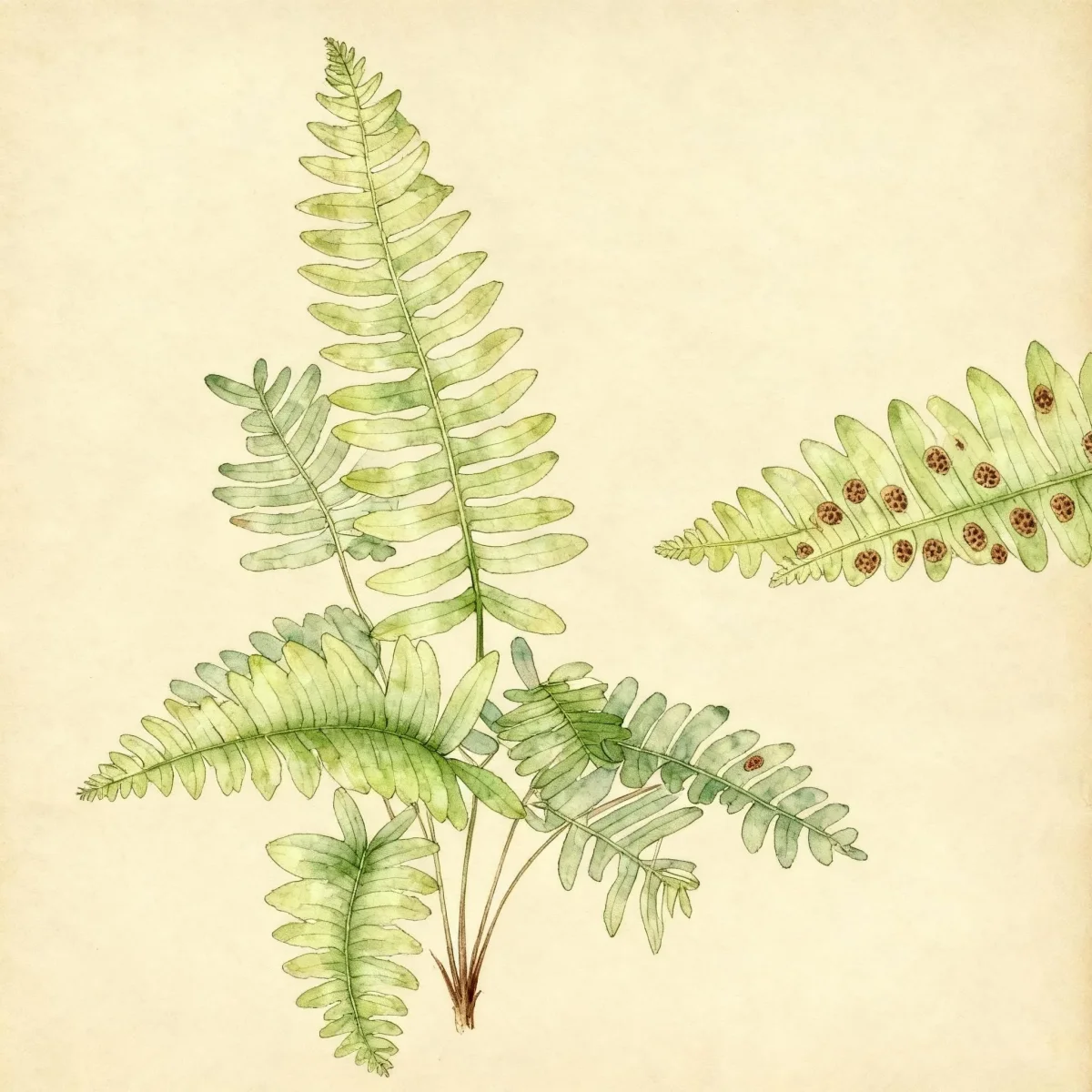
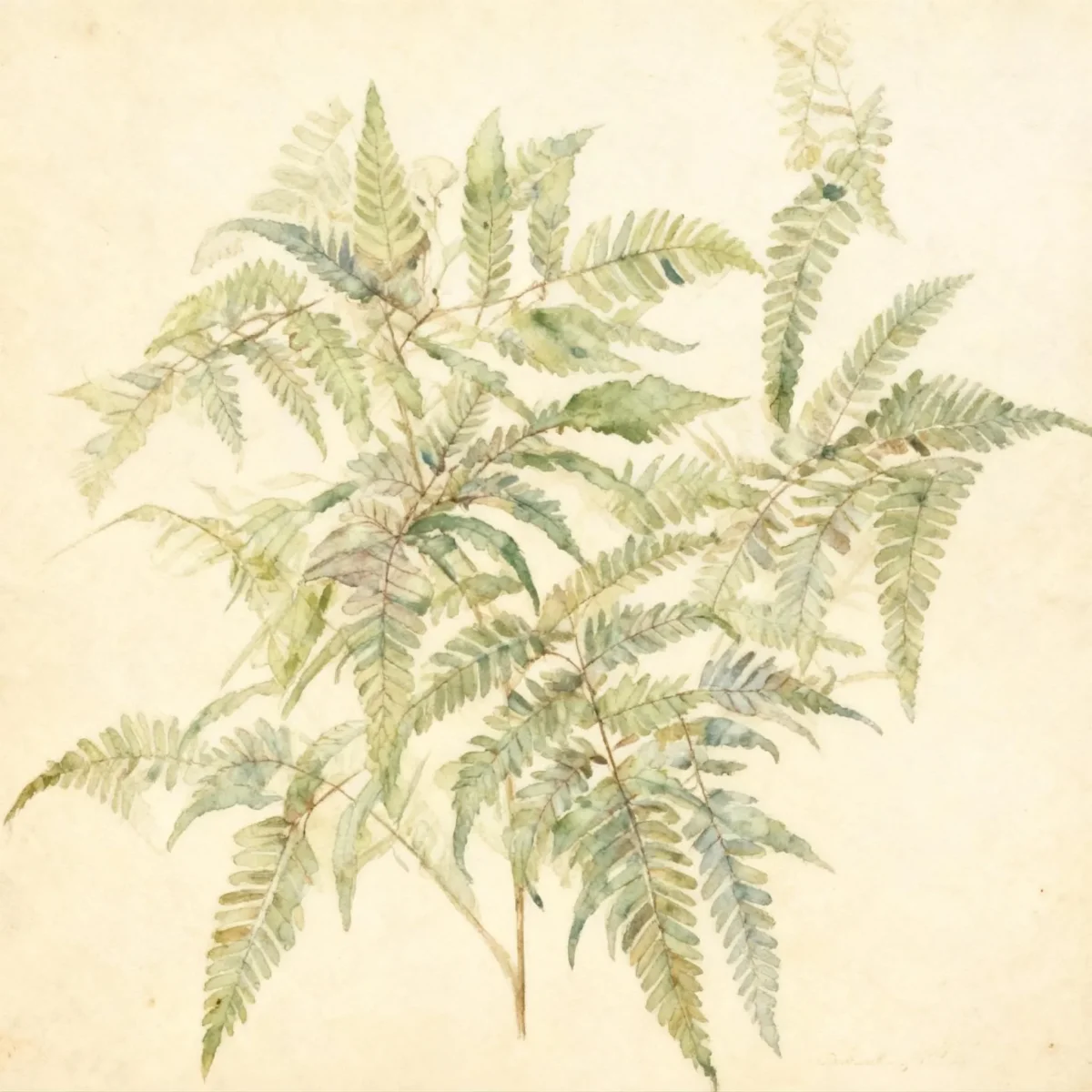
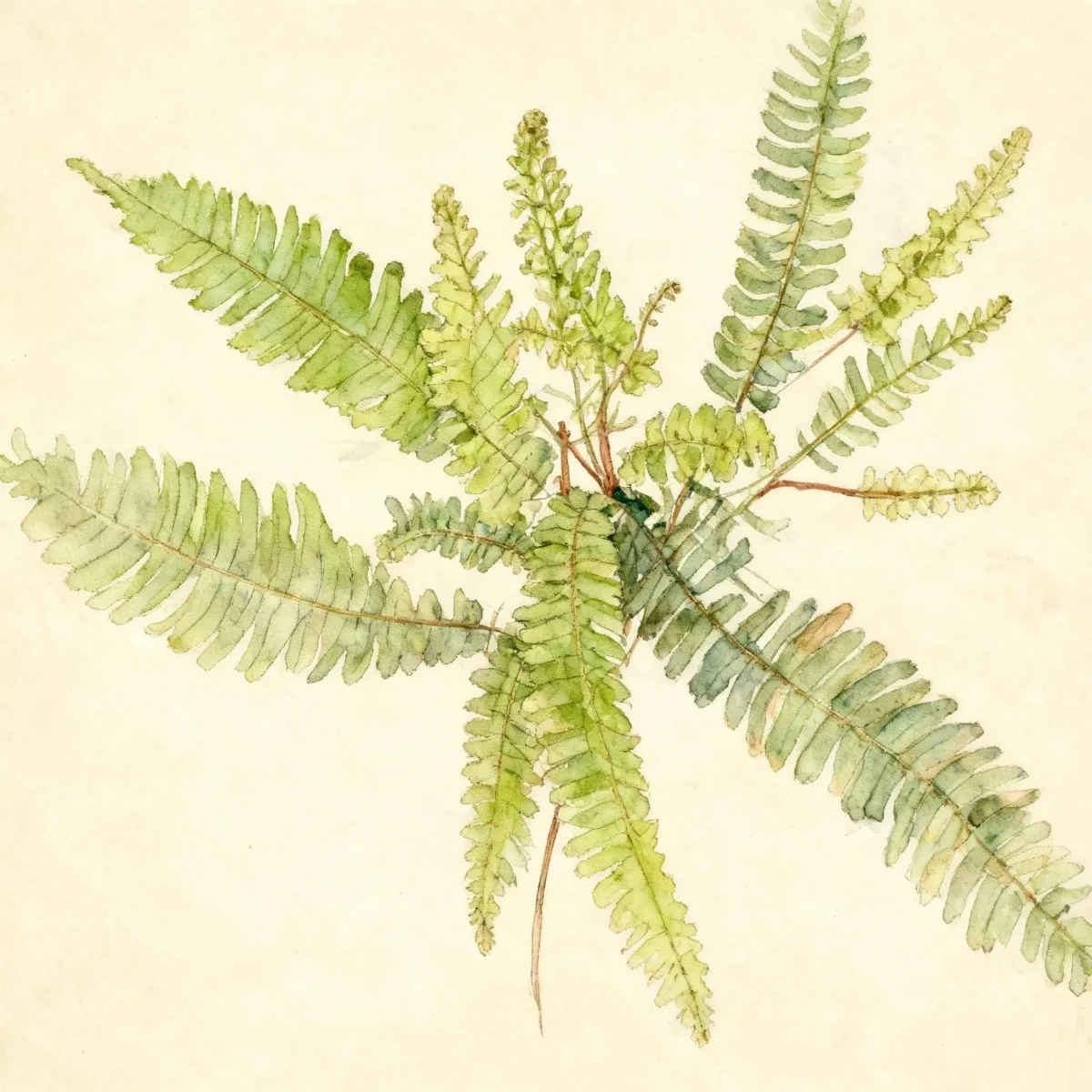
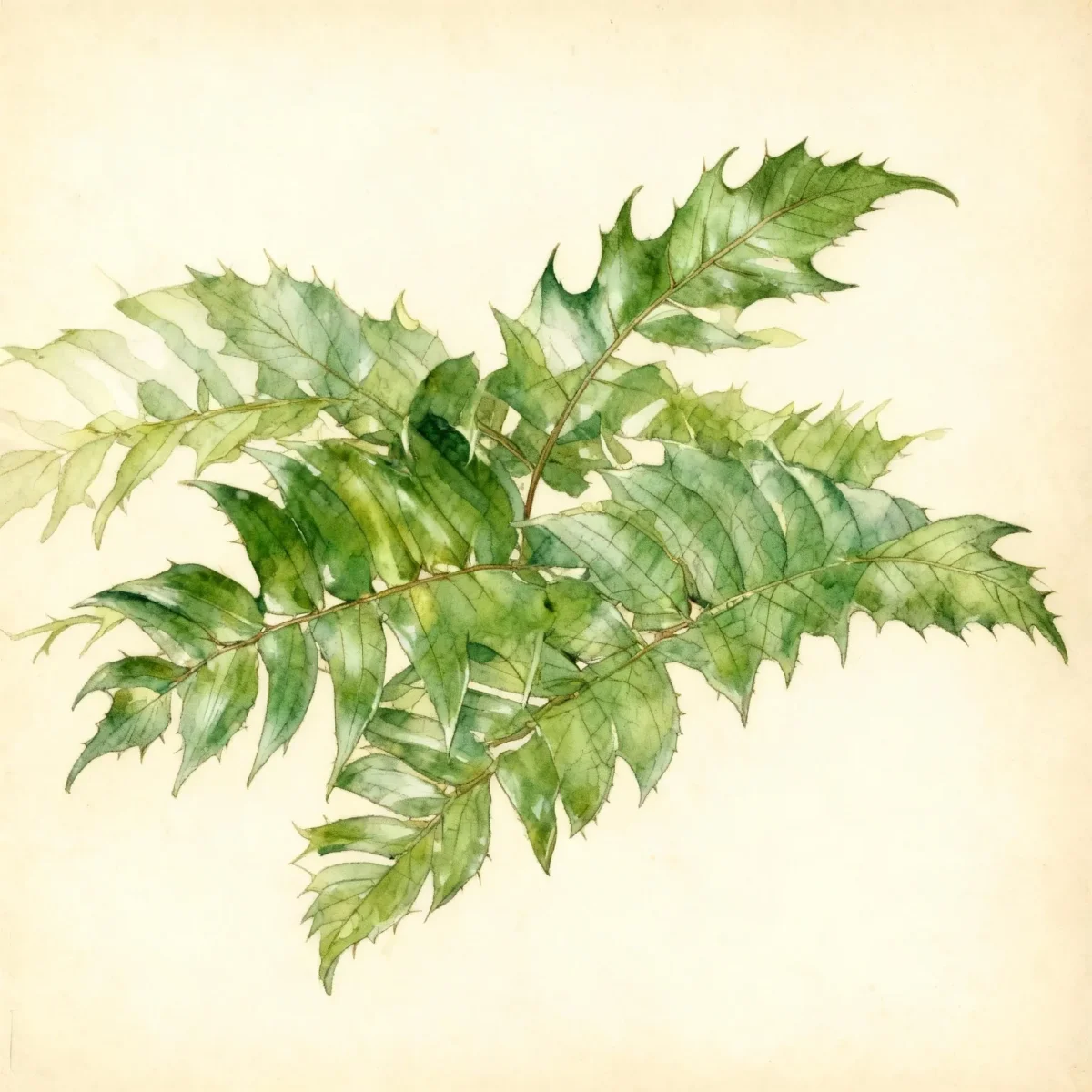
Resurrection fern (Polypodium polypodioides)
Discover Polypodium polypodioides, the Resurrection fern, known for thriving in shaded sites on rock or wood, awaiting rain to revive.
Scroll down to discover growing tips, care requirements, companion plants, and more

Complete Plant Information
Overview
The Resurrection fern (Polypodium polypodioides) offers a truly unique spectacle in the garden, justifying its challenging maintenance level. This fascinating fern is famous for its ability to seemingly dry up, brown, and curl during periods of drought, only to miraculously unfurl its green fronds immediately following rainfall—a process often described as resurrection. This unique dormancy cycle makes Polypodium polypodioides a compelling addition for those seeking unusual textural interest.
Native to parts of the Americas and South Africa, this fern is adaptable to growing terrestrially or epiphytically, meaning it naturally colonizes tree trunks, logs, and boulders in its native habitats. While many ferns demand consistent moisture, the Resurrection fern’s survival mechanism relies on temporary desiccation. Understanding this tolerance is key to successfully establishing Polypodium polypodioides in your landscape.
Gardeners should prepare for a high maintenance requirement, particularly during establishment phases, as site selection is crucial for its marginal winter hardiness in northern zones. When sited correctly in protected, moist, shady areas, this semi-evergreen plant delivers high visual impact, especially when its dramatic revival occurs after a long dry spell.
Fast Facts
- Plant Family: Polypodiaceae
- Plant Type: Fern
- Native Range: Americas, South Africa
- Hardiness Zones: USDA Zones 6-9
- Size at Maturity:
- Height: 0.5-1 ft
- Spread: 0.5-1 ft
- Bloom Time: Non-flowering
- Sun Exposure: Part shade to full shade
- Water Needs: Medium
- Maintenance Level: High
How to Grow
Establishment is often cited as the most challenging aspect of cultivating Resurrection fern. Plant during the moist growing season when establishment chances are highest. Since Polypodium polypodioides often grows epiphytically or epipetrically (on rocks), it thrives in well-drained but humus-rich soils if planted in the ground between crevices. Avoid heavy, compacted soils where moisture retention is problematic or conversely, where drainage is too rapid to hold ambient humidity.
Water needs are moderate, but consistency is vital until the long-creeping rhizome anchors itself securely. Once established, the plant can tolerate periods of dryness, utilizing its namesake survival skill. However, for optimal appearance, maintain consistent site moisture, particularly in hot climates or when grown outside its ideal hardiness range. Fertilizing is generally unnecessary as the fern derives nutrients from airborne sources or moss/detritus accumulating on its growing surface.
For gardeners in marginally hardy areas like St. Louis, site selection is critical; ensure Polypodium polypodioides is placed in a protected location, sheltered from harsh winter winds and extreme freeze-thaw cycles to ensure winter survival. Protection should focus on insulating the rhizomes and avoiding areas prone to standing water during cold periods.
Landscape Uses
The unique lifestyle of the Resurrection fern makes it an exceptional focal point for specialized locations where conventional ferns might fail. Its natural inclination is to colonize vertical or irregular surfaces, making it perfect for growing on tree trunks (like oaks or cypresses), tucked into rock walls, or situated atop mossy boulders. While it can be planted directly into the ground between rocks, its true ornamental value shines when emulating its natural epipetric habits.
These ferns blend well into woodland garden themes, complementing textures provided by mosses, shade-loving hostas, and various woodland wildflowers. They are also excellent candidates for softening the edges of hardscape features like old stumps or even non-living structures like fence posts, provided the surface provides sufficient surface area for the rhizomes to adhere. Planning should account for its frequent periods where its aesthetic appeal diminishes; use it alongside plants that maintain color and form year-round, ensuring continuous interest until the next rain brings the Polypodium polypodioides back to life.
Standout Features
Noteworthy Characteristics
Polypodium polypodioides, commonly called resurrection fern or gray polypody, will brown up and curl in dry weather to the point where it appears to be dead. After a rain storm, it will uncurl and green up (resurrect itself) until dry weather returns. This is a terrestrial or epiphytic fern that is native from Maryland to Kansas south to Florida, Texas and tropical America. It has lance-shaped fronds (4-8” long), with each frond having 8-14 pairs of oblong pinnae. It reproduces by spores.
Tolerances
- Rabbit
Potential Problems
This species is generally robust regarding plant health, typically showing no serious insect or disease problems under appropriate growing conditions. The primary hazard is environmental, specifically site selection leading to winter dieback in zones bordering its lower tolerance limits. Ensure protection from excessive wind exposure and poor drainage, especially when the fern is marginally hardy in Zone 6.
Frequently Asked Questions
What hardiness zones is Resurrection fern suitable for?
The Resurrection fern (Polypodium polypodioides) is suitable for USDA Hardiness Zones 6 through 9.
How large does Resurrection fern grow?
This fern typically reaches a height between 0.5 and 1 foot tall, with an equal spread of 0.5 to 1 foot wide.
What sun exposure does Resurrection fern need?
Polypodium polypodioides thrives best in conditions ranging from part shade to full shade.
When does Resurrection fern bloom?
This plant is non-flowering, as is typical for true ferns, reproducing instead by spores.
Conclusion
The Resurrection fern (Polypodium polypodioides) is an unmatched novelty, offering an amazing display of resilience that captivates any gardener who witnesses its return from apparent death after a soaking rain. While requiring high maintenance regarding precise site selection and drainage, its dramatic textural changes make it a worthy specialist plant for shaded nooks or architectural elements. Before planting, confirm that your location is within USDA Zones 6-9 and protected enough to support this unique semi-evergreen wonder.
Companion Planting
To ensure aesthetic continuity while waiting for the Polypodium polypodioides to revive, pair it with plants that share its preference for part shade and medium moisture. Consider using evergreen groundcovers like creeping Jenny (Lysimachia nummularia), especially cultivars with chartreuse foliage, which contrast nicely with the gray-green dormant fronds. Shade-tolerant woodland ephemerals such as Bloodroot (Sanguinaria canadensis) can provide early spring color before the Resurrection fern fully greens up for summer.
Propagation Tips
Propagation of Polypodium polypodioides is achieved exclusively via spores, as this fern does not produce offsets readily like some other common garden varieties. Spore collection requires patience; the plants are non-flowering, but their sporangia develop on the underside of mature fronds, typically in summer or fall. The spores must be sown on sterilized, moist medium, often peat or a specialized fern mix, and kept consistently damp in a warm, humid environment away from direct sunlight. Success rates can be low, and germination often takes many months.