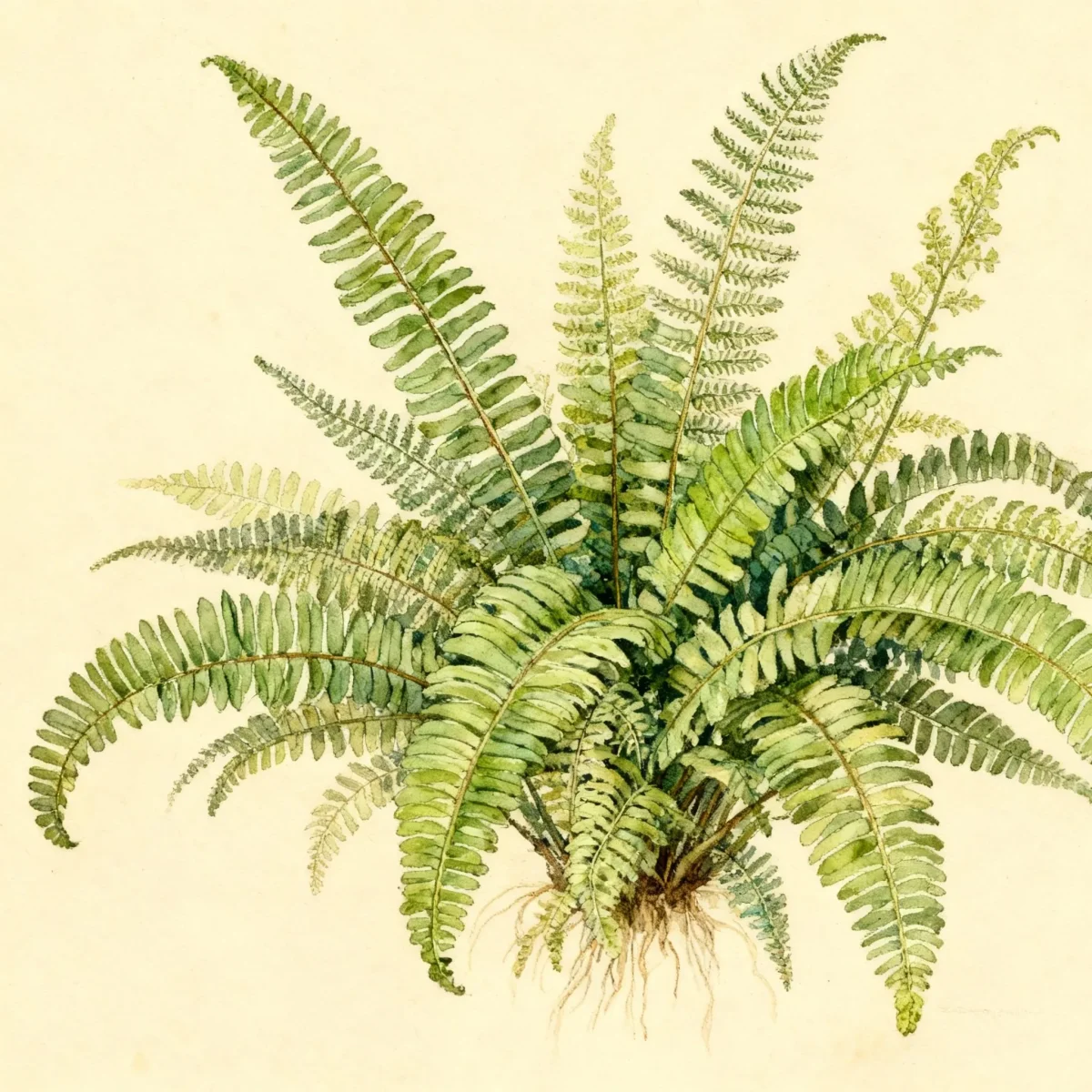
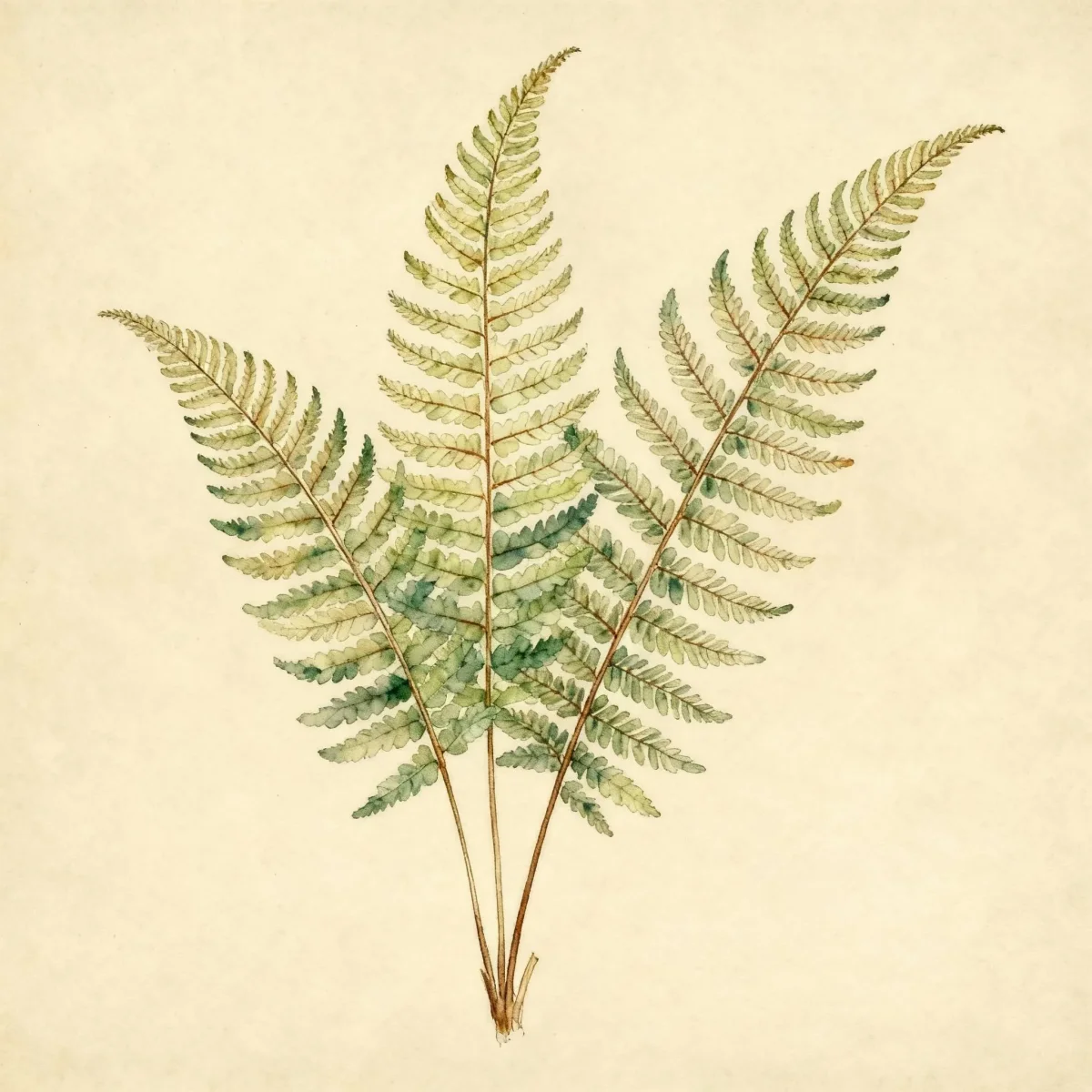
Tree fern (Cibotium glaucum)
The magnificent Cibotium glaucum Tree fern, native to Hawaii, thrives in Zone 10-12 with low maintenance, reaching 6-10 ft.
Scroll down to discover growing tips, care requirements, companion plants, and more
Complete Plant Information
Overview
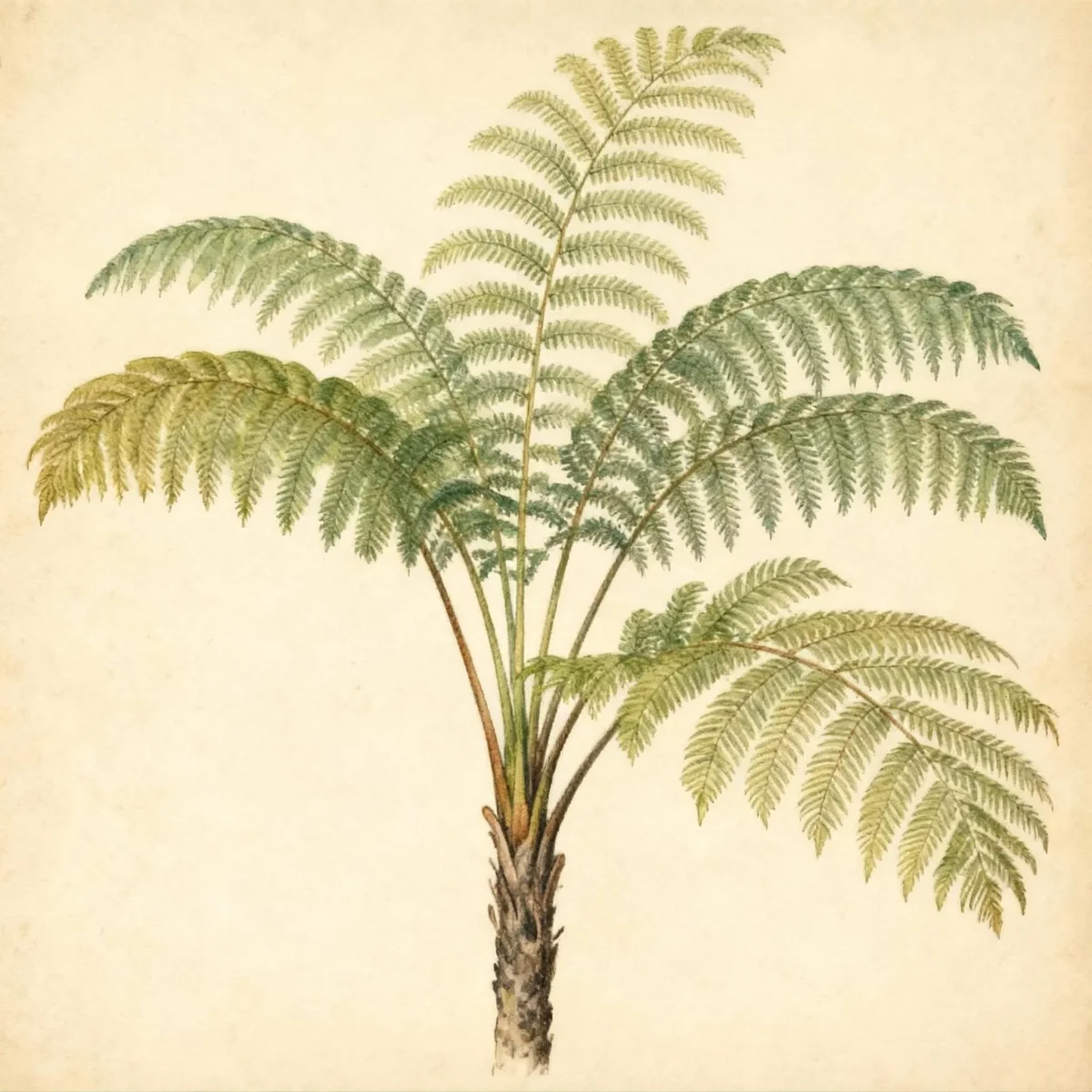
The Cibotium glaucum Tree fern is a stunning specimen known for its upright, slow-growing habit and dramatic foliage, making it a focal point in tropical and subtropical landscapes. Native to the damp rainforests of Hawaii, this plant brings an exotic, architectural element that few other species can match. Its defining feature includes arching fronds that are distinctly glaucous (blue-green) underneath.
As a low-maintenance addition once established in the correct climate, the Tree fern provides year-round greenery and texture. Gardeners value the Cibotium glaucum for its ability to create an immediate jungle-like atmosphere, often utilized as a solitary accent plant. Proper siting, ensuring protection from harsh winds and deep frosts, is key to realizing the full potential of this impressive fern.
The name itself hints at its nature; the specific epithet glaucum describes the beautiful blue-green underside of its fronds. While achieving significant height over many years, this Tree fern primarily serves as an imposing understory feature, perfectly mimicking its natural habitat on volcanic slopes.
Fast Facts
- Plant Family: Cibotiaceae
- Plant Type: Fern
- Native Range: Hawaii
- Hardiness Zones: USDA Zones 10-12
- Size at Maturity:
- Height: 6-10 ft
- Spread: 6-10 ft
- Bloom Time: Non-flowering
- Bloom Description: Non-flowering
- Sun Exposure: Part shade
- Water Needs: Medium
- Maintenance Level: Low
How to Grow
Planting the Cibotium glaucum should occur in locations where consistent moisture and warmth are assured. As a rainforest understory inhabitant, it thrives best in rich, humus-laden soil that drains well but remains consistently damp. While it tolerates full shade and even brief periods of full sun, the ideal situation involves dappled light, or morning sun followed by afternoon shade, especially when temperatures rise above average.
Watering is crucial for this magnificent Tree fern. Maintain medium water needs by ensuring the soil never dries out, mimicking the perpetually humid environment of its native Hawaiian home. Avoid letting it sit in standing water, however, as root health can suffer. Protection from strong winds is mandatory, as strong gusts can tear the delicate fronds.
Cultivation success relies heavily on climate; it is intolerant of frost and requires temperatures that ideally do not dip below 40°F. For gardeners outside USDA Zones 10-12, cultivation must be restricted to protected environments like heated greenhouses. Growth from spores is possible but requires patience, as this Cibotium glaucum is a slow grower.
Landscape Uses
The imposing stature and distinctive texture of the Cibotium glaucum make it an outstanding specimen or accent in landscapes where it is winter hardy. It excels when placed as a centerpiece in shaded courtyards or as a dramatic focal point near sheltered patios. Siting it near architectural elements can enhance its impressive profile as it matures into its impressive form.
Because this Tree fern develops a stately trunk over time, it pairs wonderfully with large-leafed tropical companions, such as Hostas or certain shade-loving groundcovers, that enjoy similar moist, rich soil conditions. Avoid planting it with aggressive spreaders that might compete for root space or overwhelm the slowly developing trunk of the Cibotium glaucum. For those in marginal zones, growing it in a large container allows mobility, ensuring it can be moved indoors or into a greenhouse before the first frost threatens.
Standout Features
Noteworthy Characteristics
Cibotium glaucum, commonly known as Hawaiian tree fern or hapu’u pulu, is a slow-growing tree fern that is native to the Hawaiian Islands. It is particularly noticeable on the Island of Hawaii where it is commonly found between 1000’ and 5600’ in moist humid rain forests located on volcanic slopes. Trunks typically mature to 6-10’ tall, but infrequently to as much as 25’ tall, featuring fronds that reach 3-9’ in length with distinctly glaucous green undersides. The woolly, yellowish-brown hairs, known as pulu, covering the petiole bases were historically harvested as stuffing material.
Tolerances
- Intolerant of frost
- Needs protection from strong winds
Potential Problems
Owners of Cibotium glaucum generally enjoy a straightforward experience regarding pest and disease management. The plant exhibits remarkable resistance, boasting no reported serious insect or disease problems under optimal tropical or subtropical conditions. Consistent monitoring for signs of stress, usually related to inadequate moisture or temperature fluctuations, is the best proactive management technique. If cultural conditions are met, this Tree fern remains robust and largely untouched by common garden threats.
Frequently Asked Questions
What hardiness zones is Tree fern suitable for?
The Cibotium glaucum Tree fern is reliably hardy outdoors in USDA Zones 10 through 12.
How large does Tree fern grow?
Mature heights for this Tree fern typically range between 6 to 10 feet tall, with a similar spread of 6 to 10 feet, although trunks can occasionally reach up to 25 feet.
What sun exposure does Cibotium glaucum need?
This plant prefers part shade environments, reflecting its natural role as an understory plant, though it tolerates full shade and can handle some full sun if kept consistently moist.
When does Cibotium glaucum bloom?
The Cibotium glaucum is classified as a fern and is non-flowering.
Companion Planting
Selecting appropriate companions for Cibotium glaucum enhances its lush, tropical aesthetic while ensuring mutual cultural success. Because the Tree fern thrives in consistent moisture and partial shade, look toward moisture-loving perennials that don’t demand full sun. Ferns with different textures, such as Maidenhair ferns or broad-leafed groundcovers like low-growing ginger varieties, create rich layers in the landscape. Ensure any companions chosen also have low tolerance for frost, matching the Zone 10-12 requirement of the Tree fern.
Propagation Tips
While mature specimens are often purchased, propagation of Cibotium glaucum is achievable through two primary methods: spores or cuttings. Growing from spores requires an experienced hand and highly sterile conditions, mimicking natural reproduction in damp rainforest soil. Less common but sometimes attempted are cuttings taken from the rhizome tissue, though this is more challenging for a true tree fern structure. For most hobbyists, acquiring a young plant or visiting botanical gardens that house mature specimens provides the best appreciation of this wonderful native Hawaiian species.
Conclusion
The Cibotium glaucum offers unparalleled prehistoric elegance for gardeners situated in warm, humid climates (Zones 10-12). Its low maintenance profile and dramatic foliage, characterized by the glaucous undersides, secure its place as a premium specimen plant. Before installing your own Tree fern, confirm that your site offers adequate moisture retention and protection from harsh winds to ensure long-term success.