Interrupted fern (Osmunda claytoniana)
The Interrupted fern, Osmunda claytoniana, thrives in shade, offering unique upright structure with medium to wet soil needs.
Scroll down to discover growing tips, care requirements, companion plants, and more
Complete Plant Information
Overview
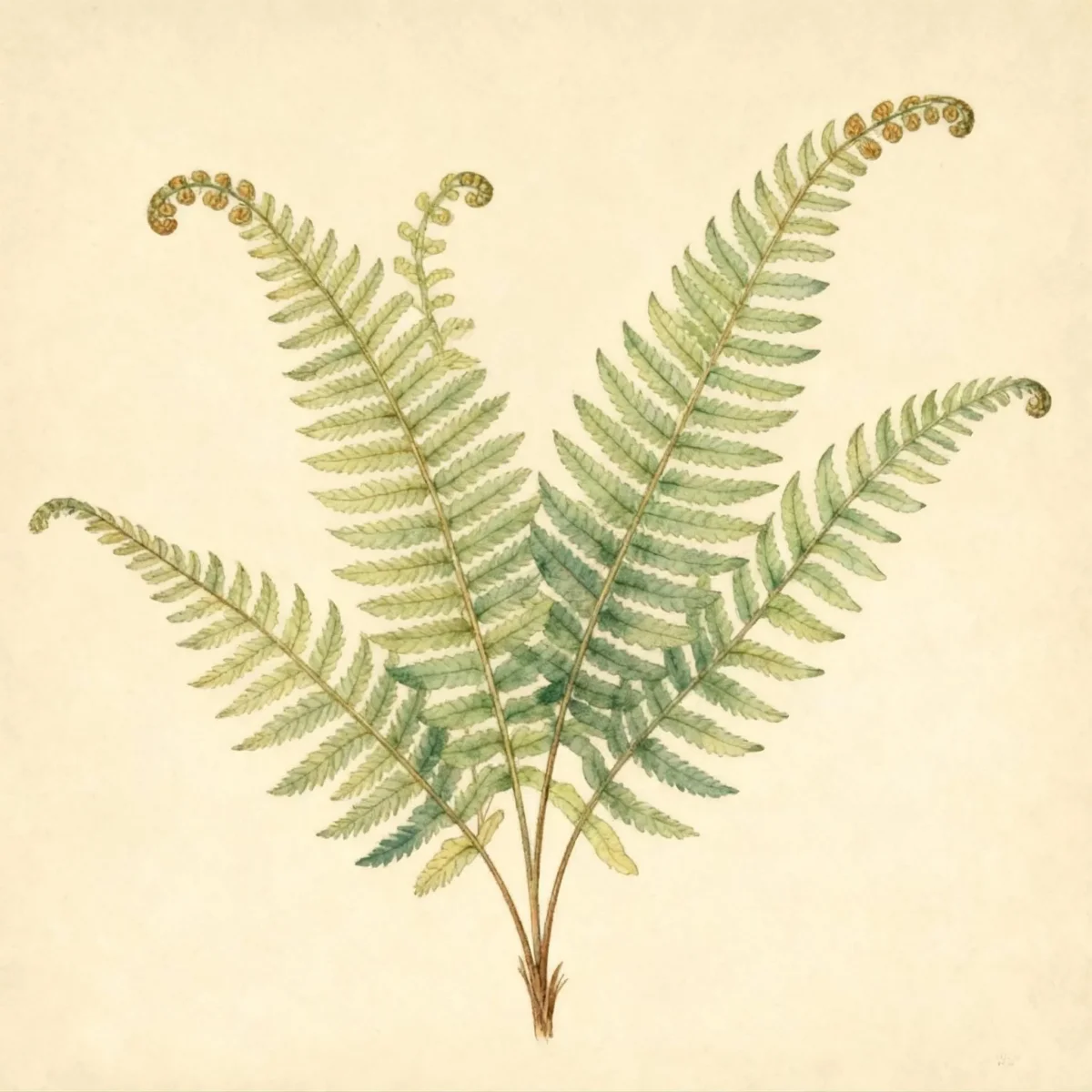
The Interrupted fern, Osmunda claytoniana, is a prized native fern valued for its architectural structure and tolerance of deep shade conditions. Its unique appeal lies in the ‘interrupted’ nature of its yearly foliage, setting it apart from many common woodland ferns. This species establishes gracefully in various moist, shaded environments, making it a reliable choice for woodland garden design.
This robust plant typically forms vase-shaped clumps reaching two to three feet tall, although adequate moisture can encourage greater height. Key to its maintenance is its preference for consistently moist, rich, and acidic soil, mirroring its natural habitat on wooded slopes. Gardeners appreciate the low maintenance required once established, offering reliable texture and shade-loving performance.
As a classic woodland element, Osmunda claytoniana contributes significant year-round structure to shaded areas where few other plants thrive. Its heavy rhizomes are historically significant, serving as the source for Osmunda fiber used in orchid potting mixes. Incorporating Interrupted fern ensures an authentic and reliable texture within dark, damp garden spaces.
Fast Facts
- Plant Family: Osmundaceae
- Plant Type: Fern
- Native Range: North America, Himalaya, China
- Hardiness Zones: USDA Zones 3-8
- Size at Maturity:
- Height: 2-3 ft
- Spread: 2-3 ft
- Bloom Time: Non-flowering
- Bloom Description: Non-flowering
- Sun Exposure: Part shade to full shade
- Water Needs: Medium to wet
- Maintenance Level: Low
How to Grow
Planting the Interrupted fern is best accomplished in spring or fall, allowing the root system to establish before summer heat or winter cold arrives. Select a location offering consistent moisture and protection from strong afternoon sun. Osmunda claytoniana thrives in moist, rich, humusy, acidic soils, but it possesses enough adaptability to handle marginally lesser conditions if moisture is maintained.
Ongoing care for this species is straightforward, focusing primarily on irrigation. Ensure the soil remains medium to wet, especially during dry spells, as consistent moisture is critical for maintaining its desired height and lush appearance. Fertilization is rarely necessary in a rich woodland setting; if supplementation is desired, a light application of compost or slow-release organic matter in spring is sufficient.
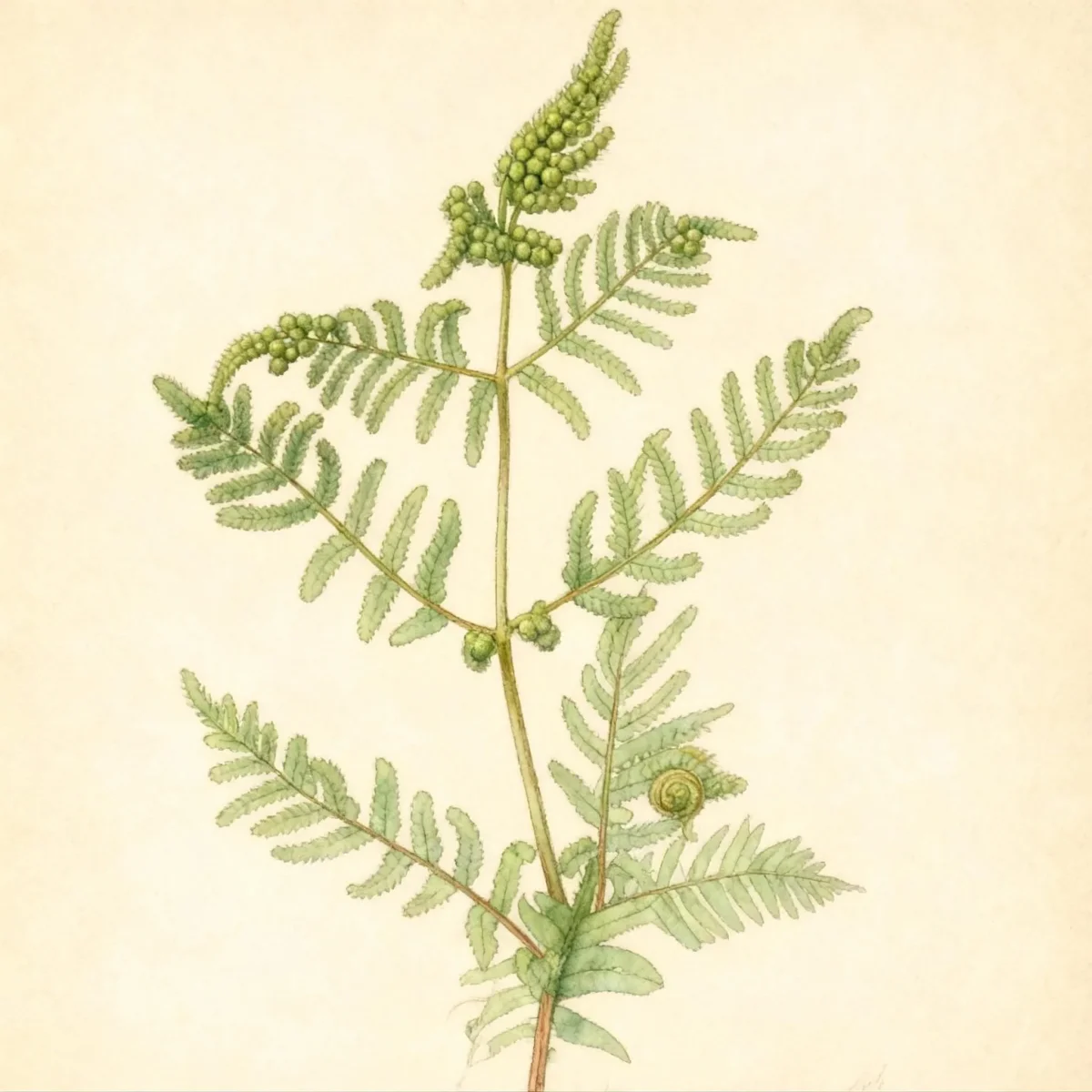
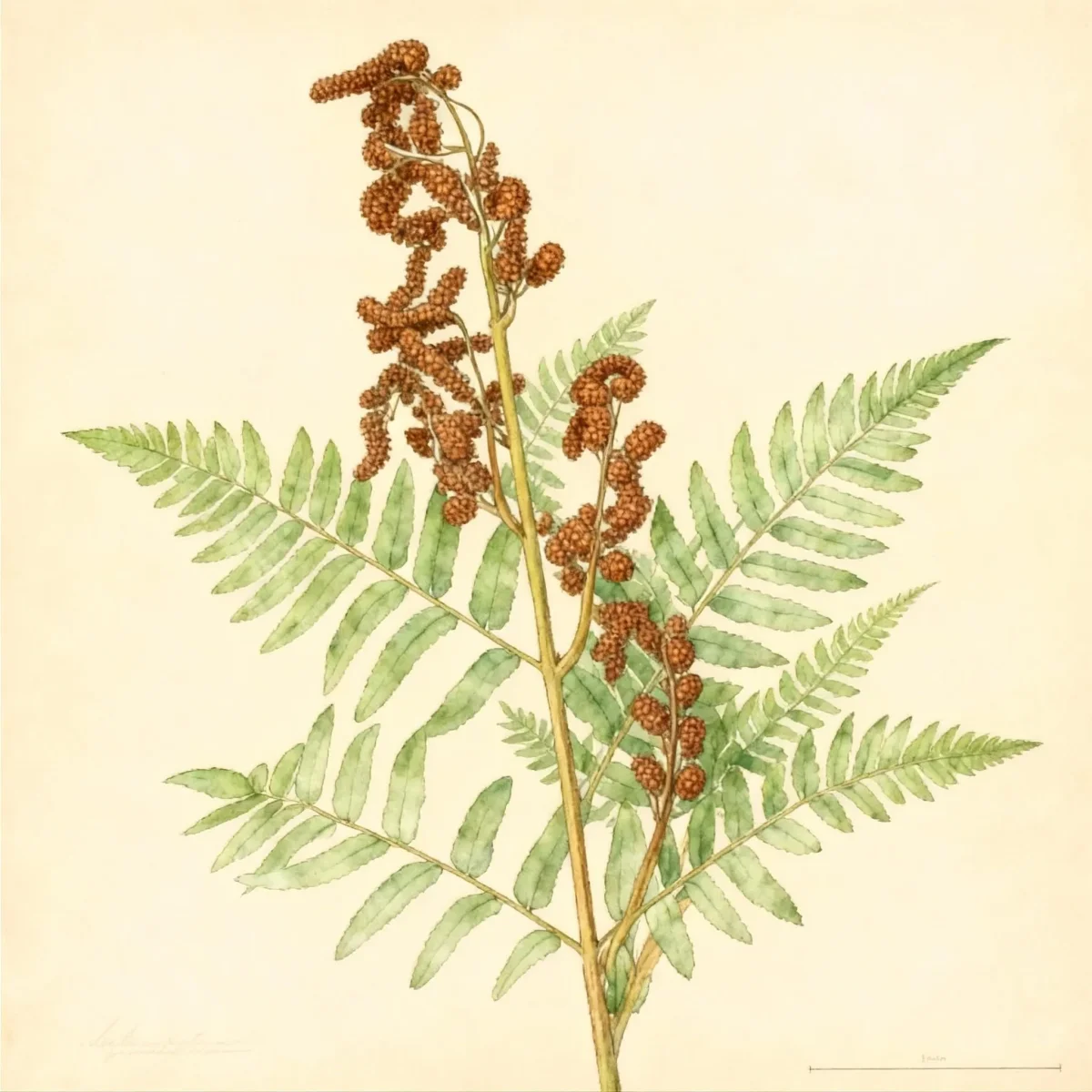
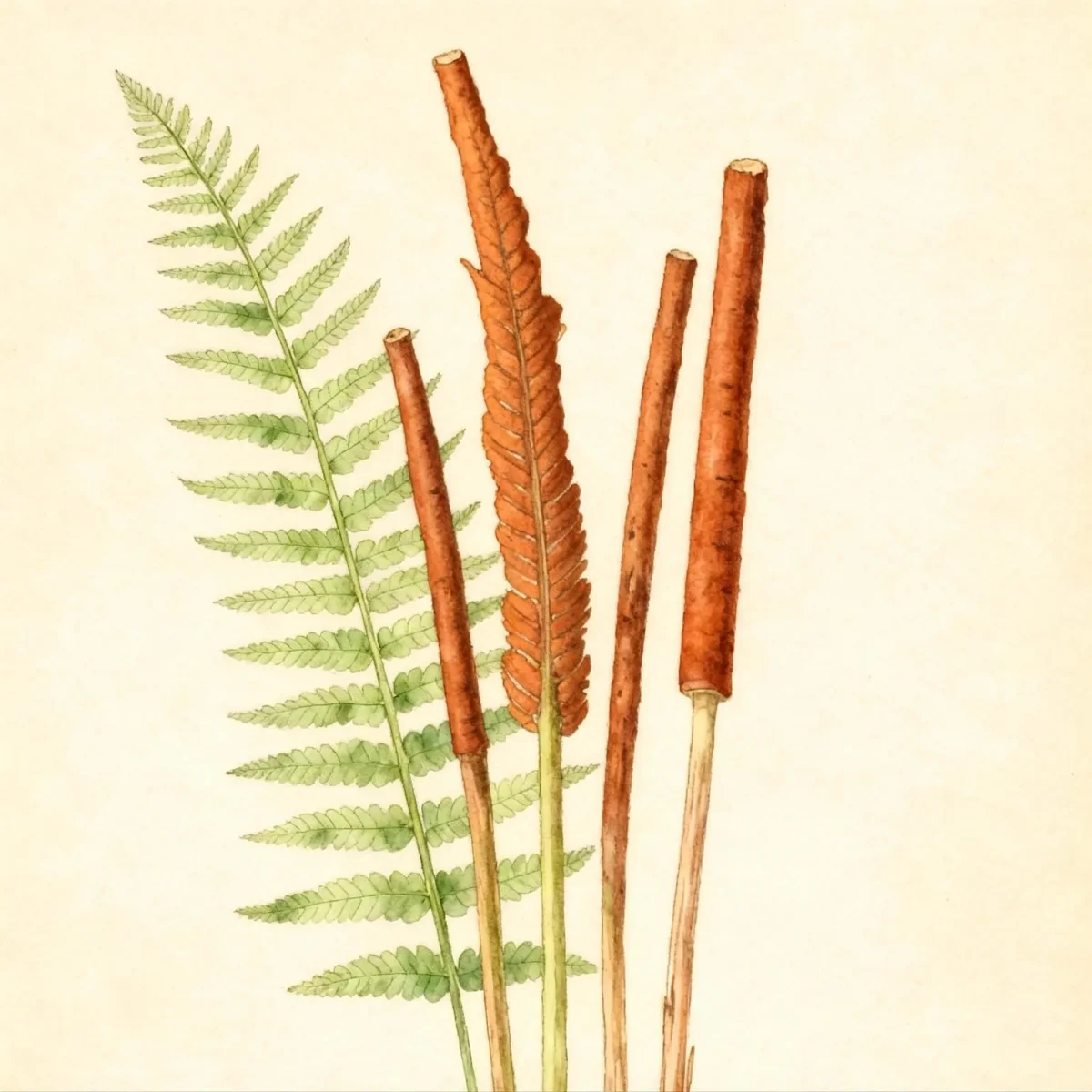
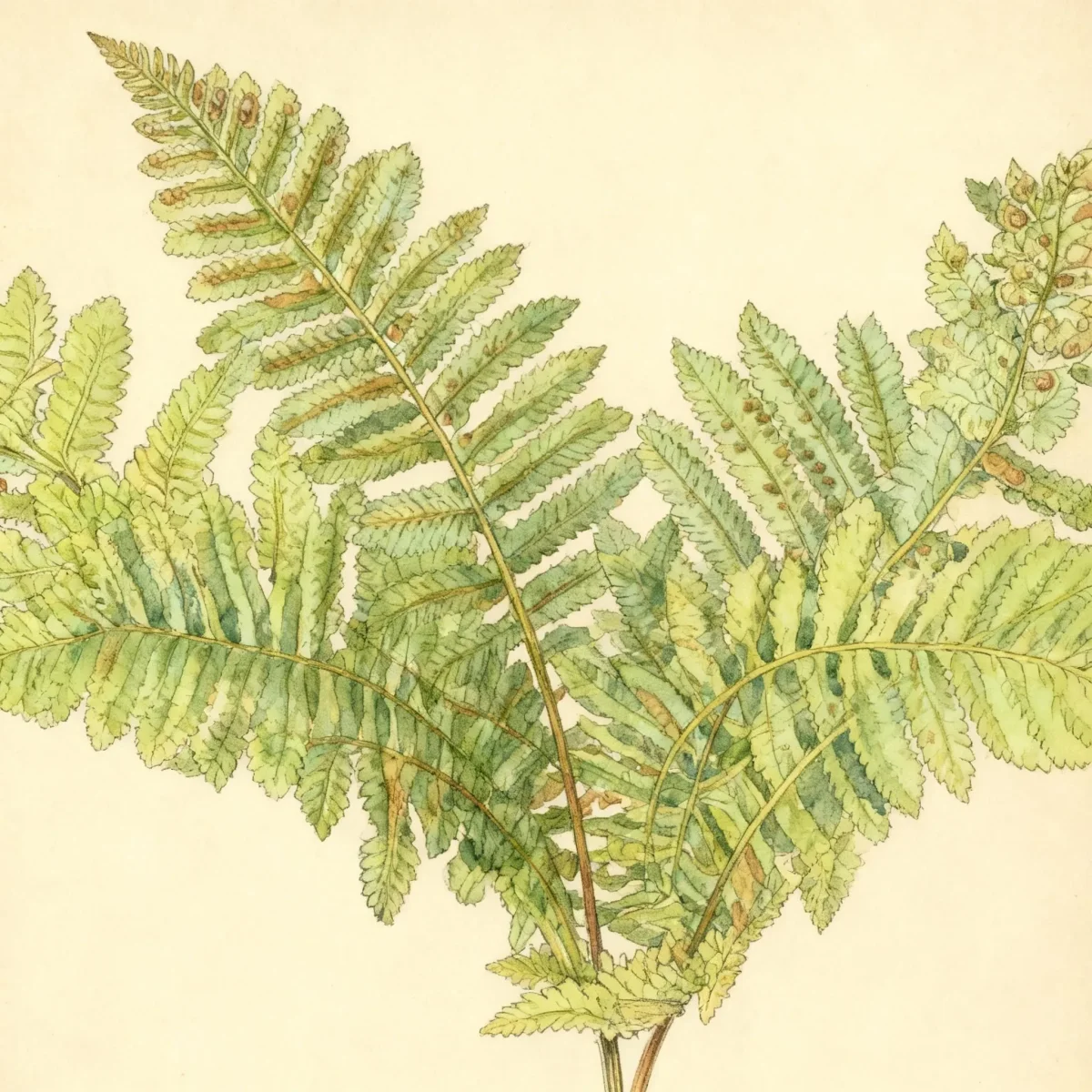
Pruning needs are minimal for the Interrupted fern. Gardeners should note the characteristic spore-bearing leaflets, which drop off in mid-summer, causing the disruption of the frond. Clear away any remaining dead or damaged fronds in early spring before new growth emerges, which is the best time for any necessary cleanup or division.
Landscape Uses
The Interrupted fern excels in creating cohesive, textured mass plantings within shaded garden niches. It performs exceptionally well established in woodland gardens or naturalized settings where its need for moisture and shade can be fully met. Consider using Osmunda claytoniana along the edges of ponds or streams where soils remain consistently saturated, enhancing the riparian edge aesthetic.
Companion planting is highly successful with this robust fern. It grows admirably alongside shade-loving perennials such as hostas, astilbes, and hellebores, offering a contrasting upright, vertical texture to lower-growing foliage plants. The Interrupted fern also serves as an interesting, structural accent when placed near the shaded border, providing height without demanding heavy maintenance routines.
Standout Features
Noteworthy Characteristics
Osmunda claytoniana, commonly called interrupted fern, is a Missouri native fern which usually occurs on moist, wooded slopes of ravines, moist sandstone ledges and wet woodlands. Broad fronds are “interrupted” in the middle by spore-bearing pinnae (leaflets) which typically fall off in mid-summer, thus giving rise to the common name. Genus name honors Osmundus or Asmund, c. 1025, a Scandinavian writer of runes who helped prepare the way for the Swedish acceptance of Christianity.
Tolerances
- Rabbit
- Heavy Shade
Potential Problems
The Interrupted fern is renowned for its resilience, boasting no serious insect or disease problems under proper growing conditions. Its primary vulnerability relates to cultural needs; failure to provide adequate moisture and acidic soil can lead to stress or decline rather than pest infestations. Monitor drainage carefully, as standing water that is not flowing—which differs from its preferred wet soil—can lead to root issues over time.
Frequently Asked Questions
What hardiness zones is Interrupted fern suitable for?
The Osmunda claytoniana is highly adaptable, suitable for USDA Hardiness Zones 3 through 8.
How large does Interrupted fern grow?
This fern typically achieves a height between 2 and 3 feet, with a corresponding spread of 2 to 3 feet, but can potentially grow taller with constant moisture.
What sun exposure does Osmunda claytoniana need?
Osmunda claytoniana performs best when situated in areas receiving part shade to full shade throughout the day.
When does Interrupted fern bloom?
This species is non-flowering, as is characteristic of true ferns, and reproduces via spores.
Conclusion
The Osmunda claytoniana, or Interrupted fern, offers reliable, low-maintenance texture perfectly suited for deep-shade gardens requiring constant moisture. Its unique seasonal foliage pattern and robust nature make it an invaluable component of naturalized landscapes. Before planting, ensure your site provides the characteristic medium to wet, acidic soil conditions to allow this beautiful native fern to thrive.
Companion Planting
Choosing companions for the Interrupted fern should focus on other plants that share similar moisture and shade requirements. Woodland plants that appreciate rich, humusy soil provide excellent aesthetic contrast to the upright form of Osmunda claytoniana. Consider low-growing groundcovers that can handle moist shade, helping to cover the moist soil surface around the base of the fern rhizomes.
When pairing plants, think about texture and height diversity. Excellent partners include various Hosta cultivars, particularly those with blue or gold foliage, as the color contrast highlights the bright green of the fern fronds. Ferns with a different growth habit, like Maidenhair or Tassel ferns, can fill in the space beneath the canopy, ensuring complete coverage of the shadowed area.
Seasonal Care Calendar
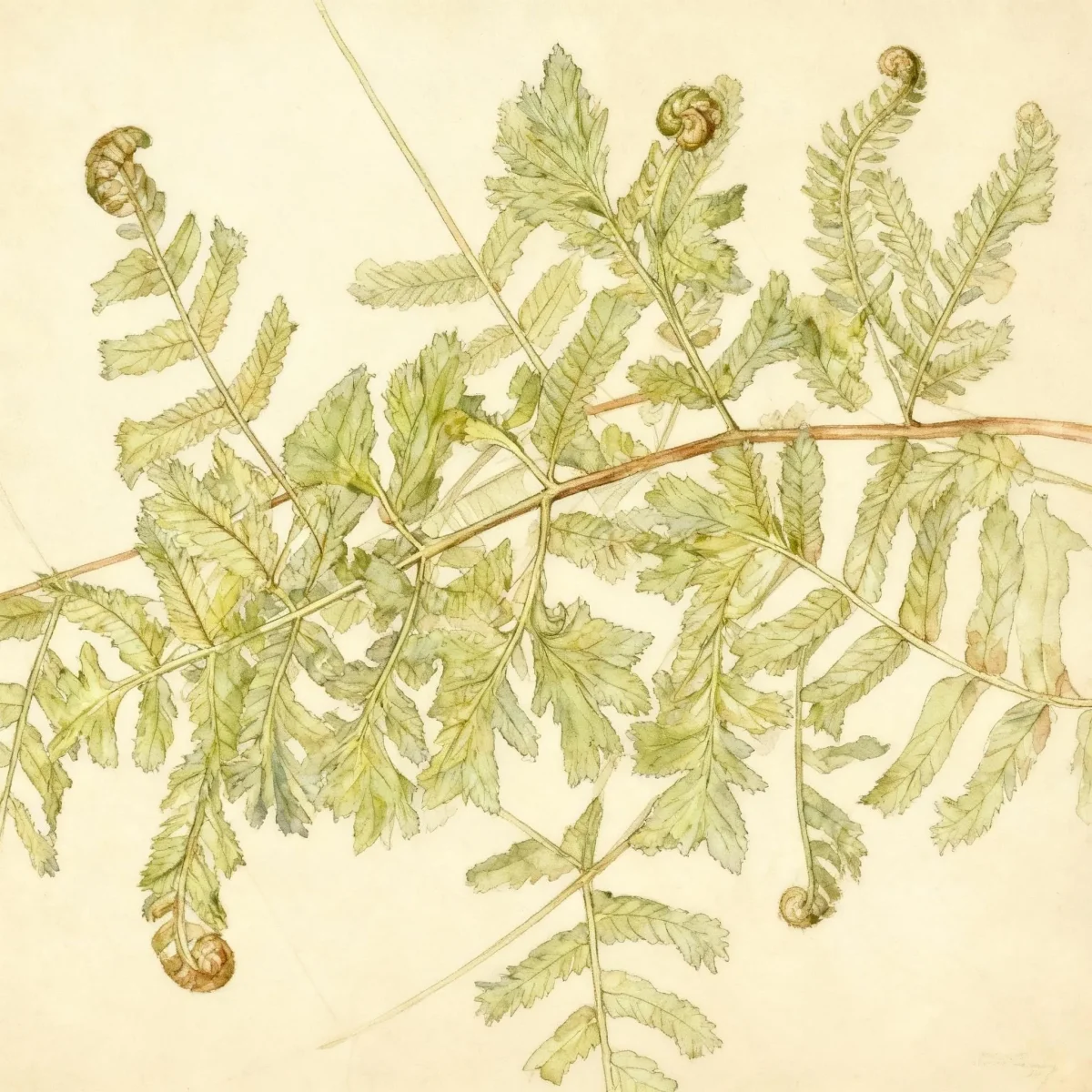
Early spring is the crucial time for assessing the health of your Osmunda claytoniana. Before new growth begins, clear away any old, dead foliage, ensuring good air circulation as the new fiddleheads emerge. The primary focus for the growing season (late spring through summer) must remain on water management; never allow the soil around the Interrupted fern to fully dry out, particularly if you desire the maximum potential height.
Throughout the fall, the broad fronds bearing the interruptive fertile leaflets will naturally begin to senesce and drop their spore casings. Allow this foliage to remain over winter if desired, as it provides natural insulation for the crown and rhizomes. If cleanup is preferred, wait until late winter or very early spring before cutting back any remaining dead material.