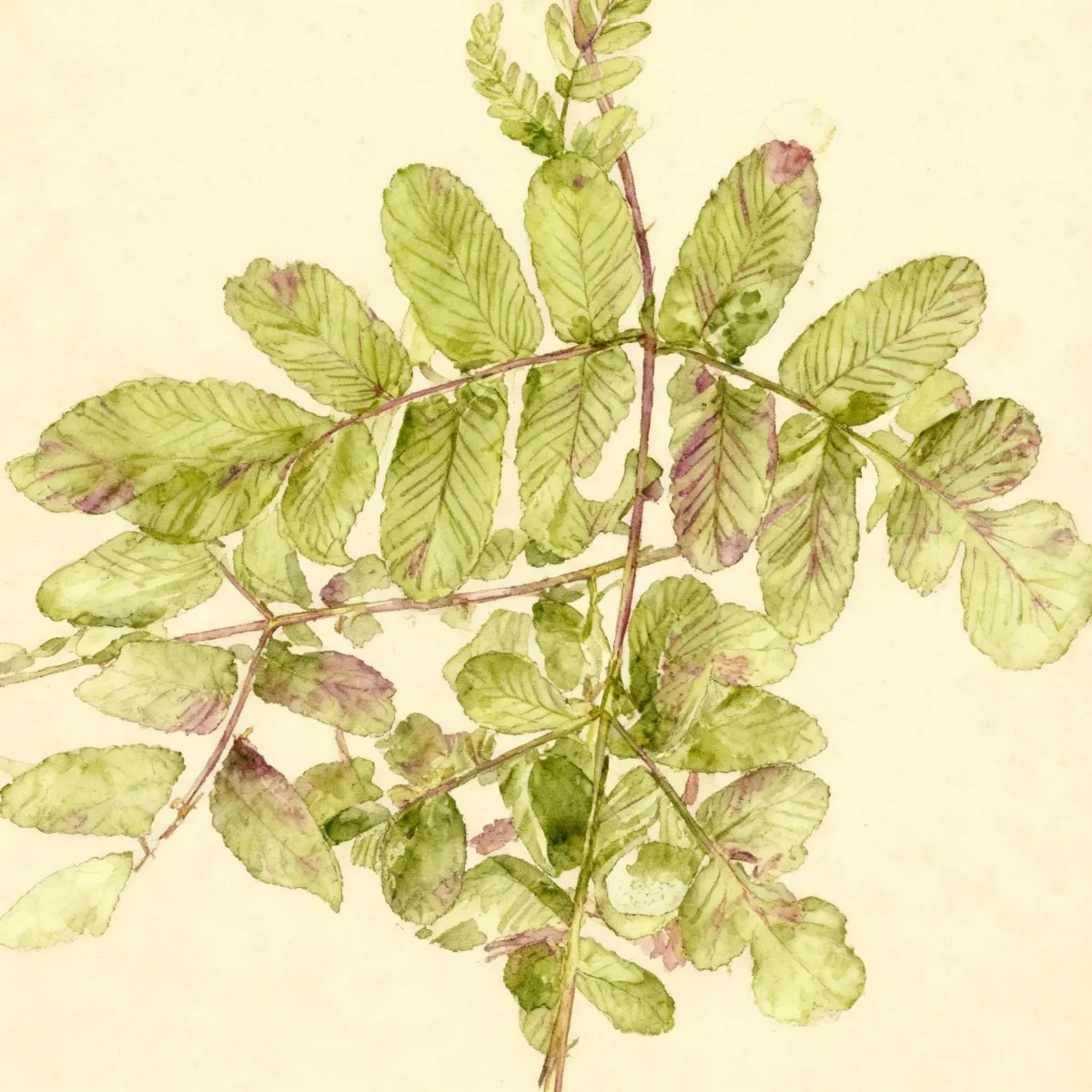
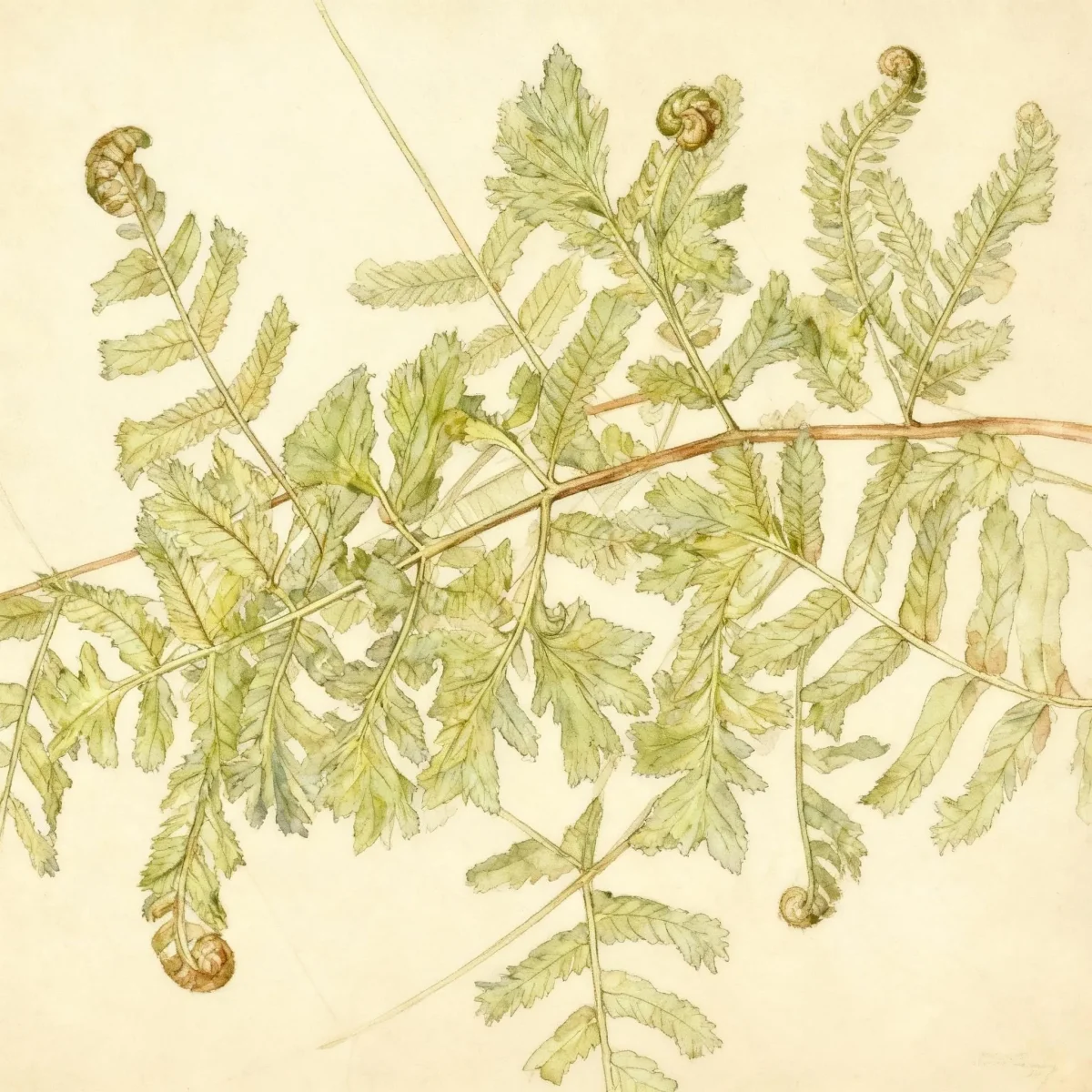
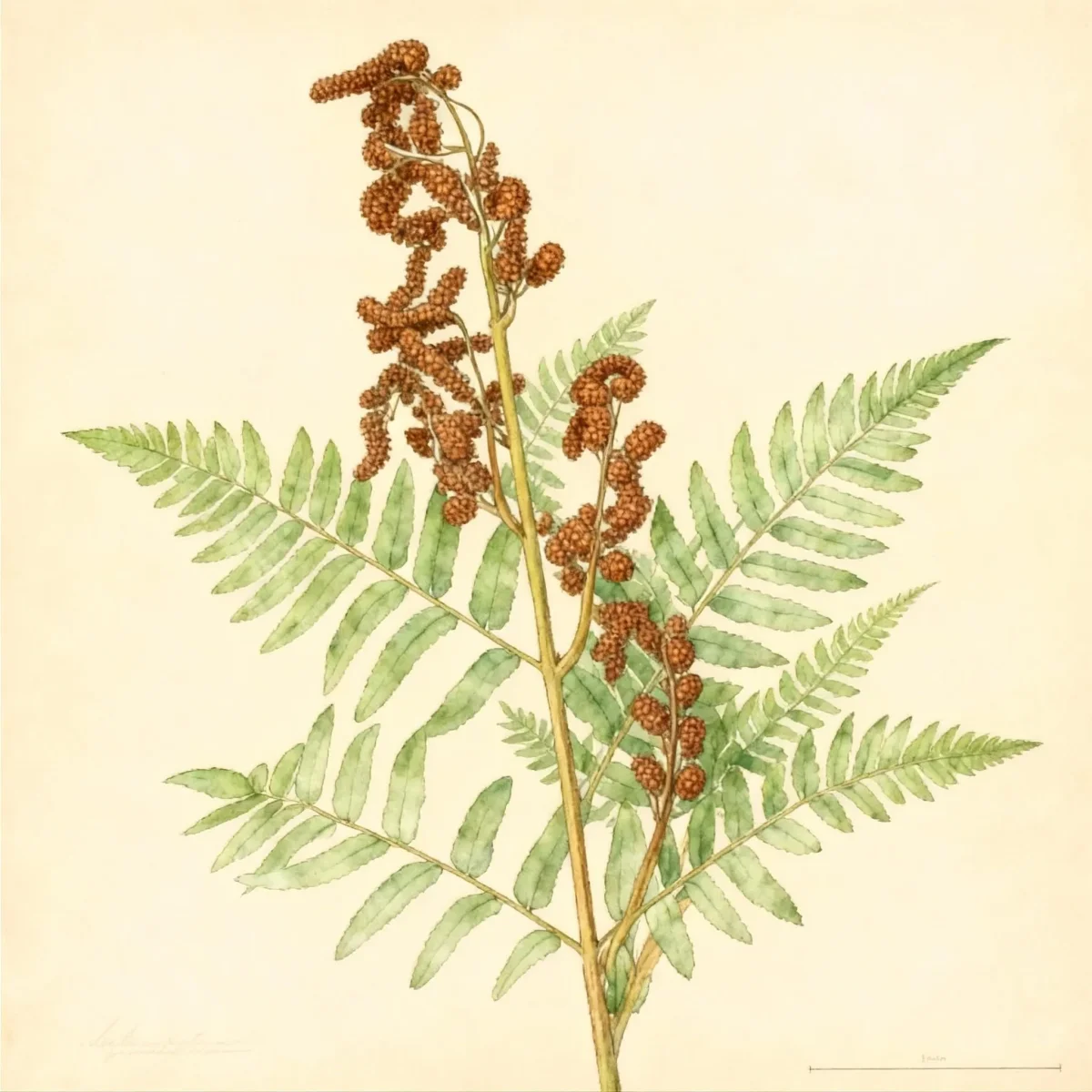
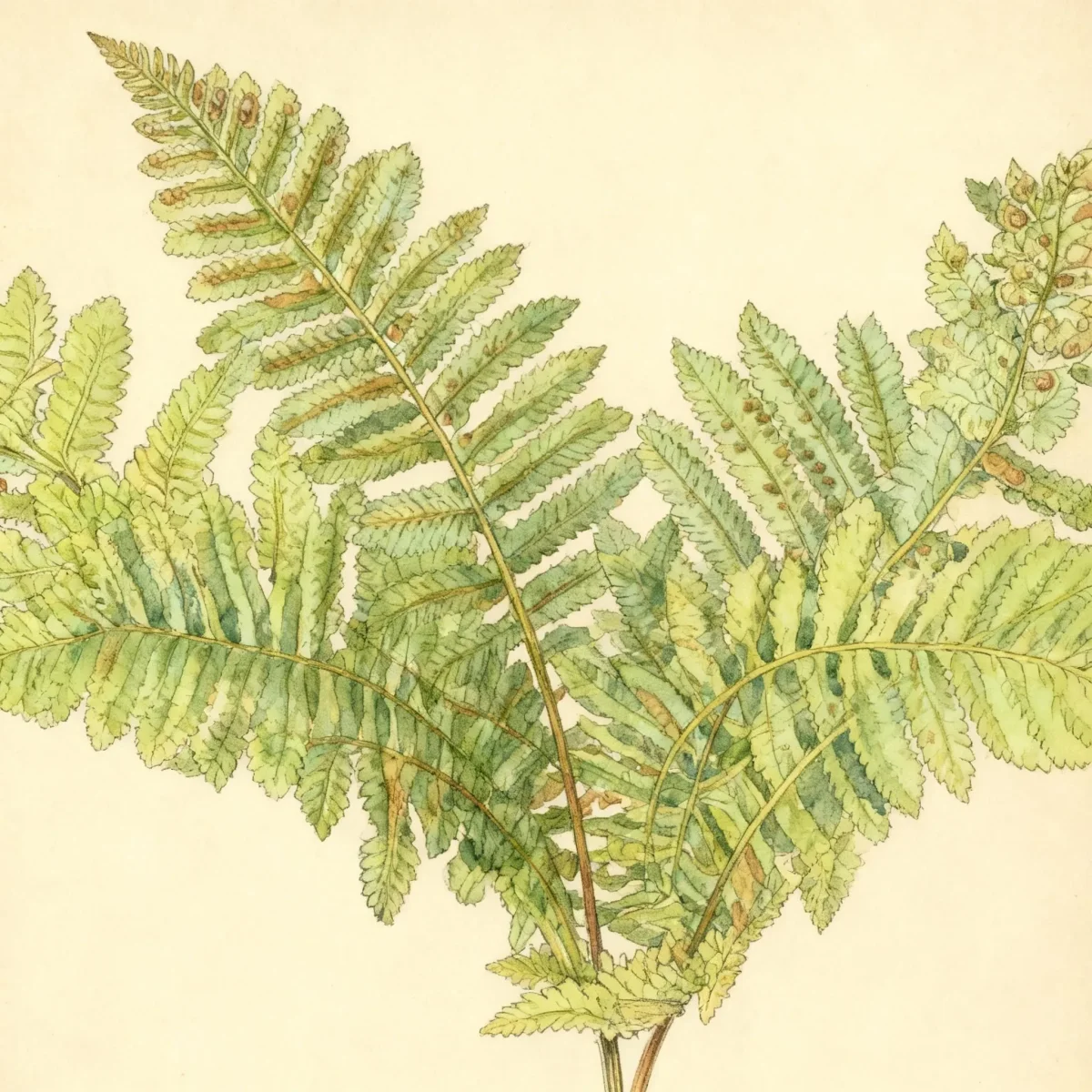
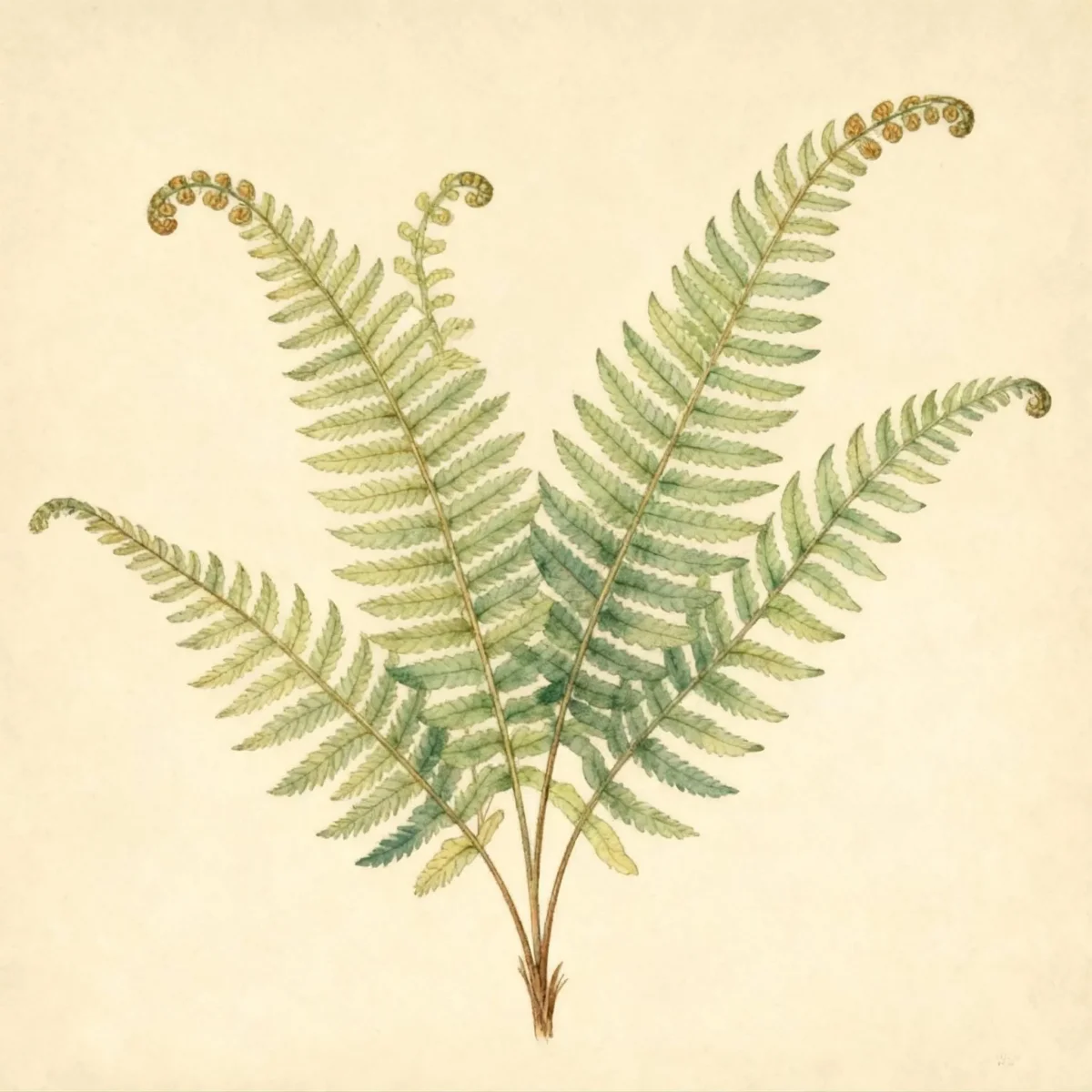
Royal fern (Osmunda regalis)
The majestic Royal fern (Osmunda regalis) thrives in moist settings, offering striking height and low maintenance for wet gardens.
Scroll down to discover growing tips, care requirements, companion plants, and more
Complete Plant Information
Overview
The Royal fern (Osmunda regalis) is a truly distinctive and rewarding addition to any water-adjacent or shady landscape. Recognized by its large, often towering fronds, this deciduous fern offers significant architectural interest throughout the growing season. Gardeners value its stately presence and exceptionally low maintenance demands once established in suitable moist conditions.
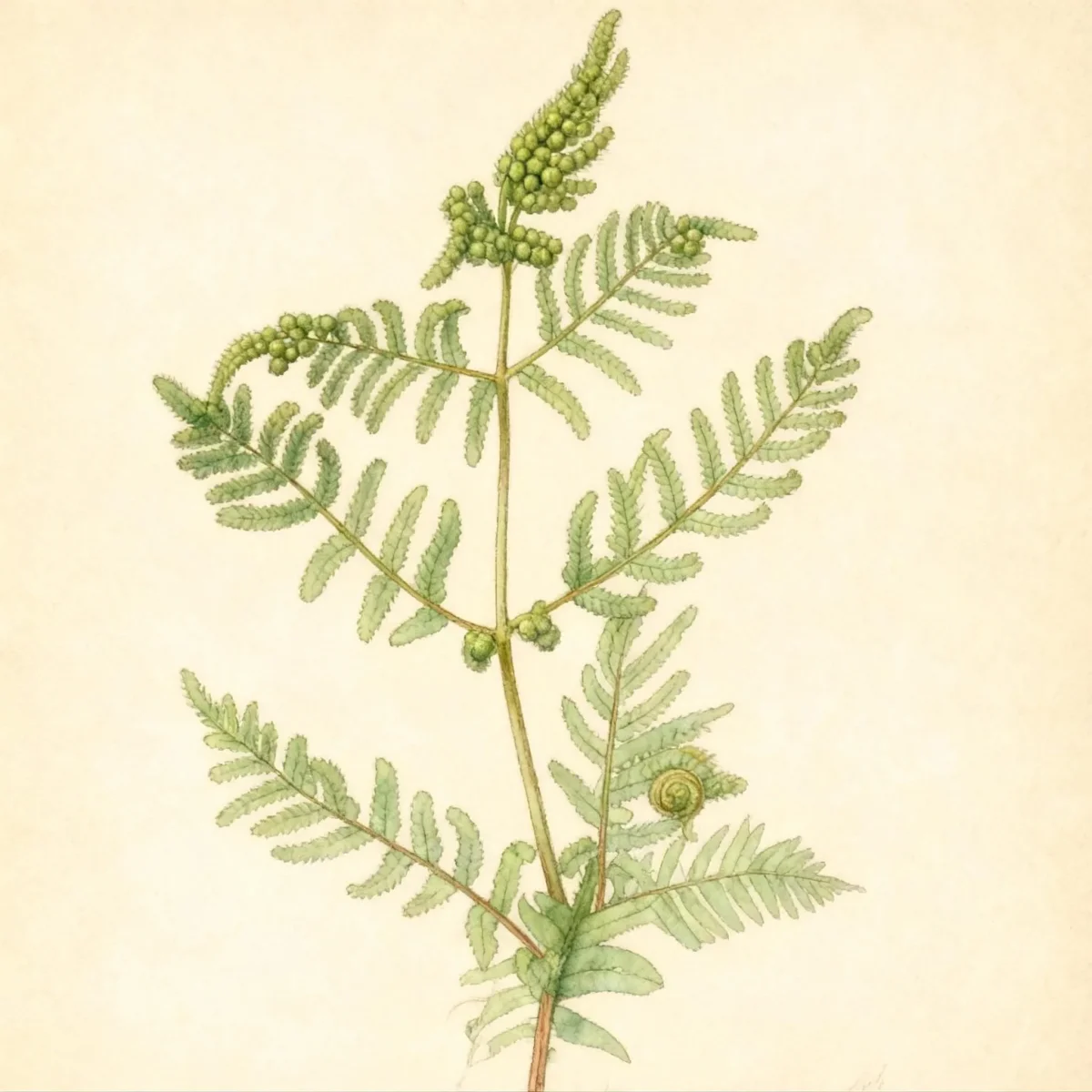
Osmunda regalis is known for its unique fertile fronds, which carry spore clusters resembling brown tassels at the tips, earning it the common name “flowering fern.” While it is non-flowering in the conventional sense, these spore structures provide excellent seasonal visual texture. Growing best in part shade, the vibrant green foliage of the Royal fern creates a lush backdrop perfect for woodland settings or specialized rain gardens.
This cosmopolitan plant is highly adaptable, provided its need for moisture is met. Whether acting as a specimen plant or naturalized along the edge of a pond, Osmunda regalis brings an element of untamed elegance to the garden space. Its hardiness across zones 3 through 9 ensures broad usability for gardeners seeking reliable, large-scale greenery.
Fast Facts
- Plant Family: Osmundaceae
- Plant Type: Fern
- Native Range: Cosmopolitan
- Hardiness Zones: USDA Zones 3-9
- Size at Maturity:
- Height: 2-3 ft
- Spread: 2-3 ft
- Bloom Time: Non-flowering
- Bloom Description: Non-flowering
- Sun Exposure: Part shade to full shade
- Water Needs: Medium to wet
- Maintenance Level: Low
How to Grow
The Royal fern establishes best when planted in spring or early fall when temperatures are moderate, giving it time to settle before summer heat or winter cold. Select a location offering part shade; while some sunlight is tolerated, consistent moisture is paramount. Osmunda regalis thrives in moist, rich, humusy, and slightly acidic soils. It readily colonizes areas that others avoid.
Watering should be consistent, especially during dry periods, as this fern prefers medium to wet conditions and may even grow directly in slow-moving water or boggy areas. If kept consistently moist, the upright stems of the Royal fern can reach impressive heights, sometimes exceeding six feet. Fertilization is rarely necessary; rich, organic soil provides sufficient nutrition. Pruning is minimal, usually limited to removing any damaged or yellowing foliage in early spring before new growth emerges.
For hot climates, such as the St. Louis summers mentioned in its culture notes, maintaining cool, moist soil is critical to prevent leaf scorch if sited in anything beyond deep, filtered shade. Where summers are mild and moisture is abundant, the Royal fern can handle more direct sun exposure without issue. Overwintering is generally straightforward as it is a tough, deciduous perennial hardy to Zone 3.
Landscape Uses
The primary strength of Osmunda regalis lies in its adaptability to moist environments, making it an excellent selection for specialized landscape roles. Utilize its robust structure to anchor the edges of ponds, streams, or constructed water gardens where ground saturation is common. Planting in masses creates a dramatic, naturalized effect, mimicking its native habitat along shaded riverbanks and moist bluffs.
Beyond aquatic margins, the Royal fern excels in creating lush understory planting in woodland gardens or native plant borders. Its dramatic height provides vertical interest, contrasting beautifully with lower-growing groundcovers that also tolerate shade and moisture, such as certain hostas or spreading sedges. Its low maintenance profile means it integrates seamlessly into wild gardens where intervention is minimal.
Consider using the Royal fern in rain garden designs intended to capture and filter runoff. Its tolerance to wet soil ensures it remains attractive and functional, transforming areas that are too soggy for standard border plants into dynamic, green features.
Standout Features
Noteworthy Characteristics
Osmunda regalis, commonly called royal fern, is a tall, deciduous fern which usually occurs on moist bluffs and ledges and along streams, sometimes growing directly in the water. Broad fronds feature large, well-separated leaflets giving this fern an almost pea-family appearance, and spores are located in brown, tassel-like clusters at the tips of the fronds. Osmunda fiber, prized for orchid potting, actually comes from the fibrous roots of these remarkable ferns.
Tolerances
- Rabbit
- Heavy Shade
- Wet Soil
Potential Problems
The Royal fern is highly favored by gardeners largely because it suffers from virtually no serious insect or disease problems. This inherent resilience reduces chemical use and management time significantly. Proper siting—ensuring adequate moisture is the main requirement—prevents most cultural issues. If leaves yellow prematurely, check immediately for insufficient water or excessive summer heat concentrated in its location.
Frequently Asked Questions
What hardiness zones is Royal fern suitable for?
The Royal fern (Osmunda regalis) is suitable for USDA Zones 3 through 9, offering excellent resilience across a wide range of North American climates.
How large does Royal fern grow?
This species typically reaches a height and spread of 2 to 3 feet at maturity, though exceptional moisture can allow it to grow up to 6 feet tall.
What sun exposure does Royal fern need?
The ideal placement for Osmunda regalis is part shade to full shade. Avoid intense, hot afternoon sun unless soils are kept consistently saturated.
When does Royal fern bloom?
The Royal fern is non-flowering; its reproductive structures appear as distinctive brown spore clusters located at the tips of the fertile fronds.
Conclusion
The Royal fern (Osmunda regalis) stands out in the landscape due to its impressive vertical structure and exceptional adaptability to consistently wet, shady conditions. Its low maintenance requirements and near immunity to common pests make it a reliable staple for specialized environments. Before purchasing, confirm your site offers the medium to wet soil necessary for this magnificent plant to thrive.
Companion Planting
When choosing companions for Osmunda regalis, focus on plants that share its affinity for shade and moisture. Excellent partners include large-leaved Hostas that can handle wet feet, or other moisture-loving woodland natives like large Lungwort (Pulmonaria) or various types of ferns that prefer similar acidic soil conditions. For areas near water features, try grouping it with Marsh Marigolds (Caltha palustris) or moisture-loving Astilbes to create layers of texture.
Design Ideas for Wet Areas
Designing spaces around the large architectural presence of the Royal fern involves leveraging its height for vertical contrast. Place it slightly towards the back of a rain garden border or as an architectural specimen near a water feature. Use low-growing, contrasting textures like variegated Sweet Flag (Acorus calamus) or creeping Jenny near its base to accentuate the upright, feathery appearance of the Osmunda regalis foliage. Its dark green color serves as a perfect foil for plants producing bright spring flowers that fade before the fern reaches its full summer height.