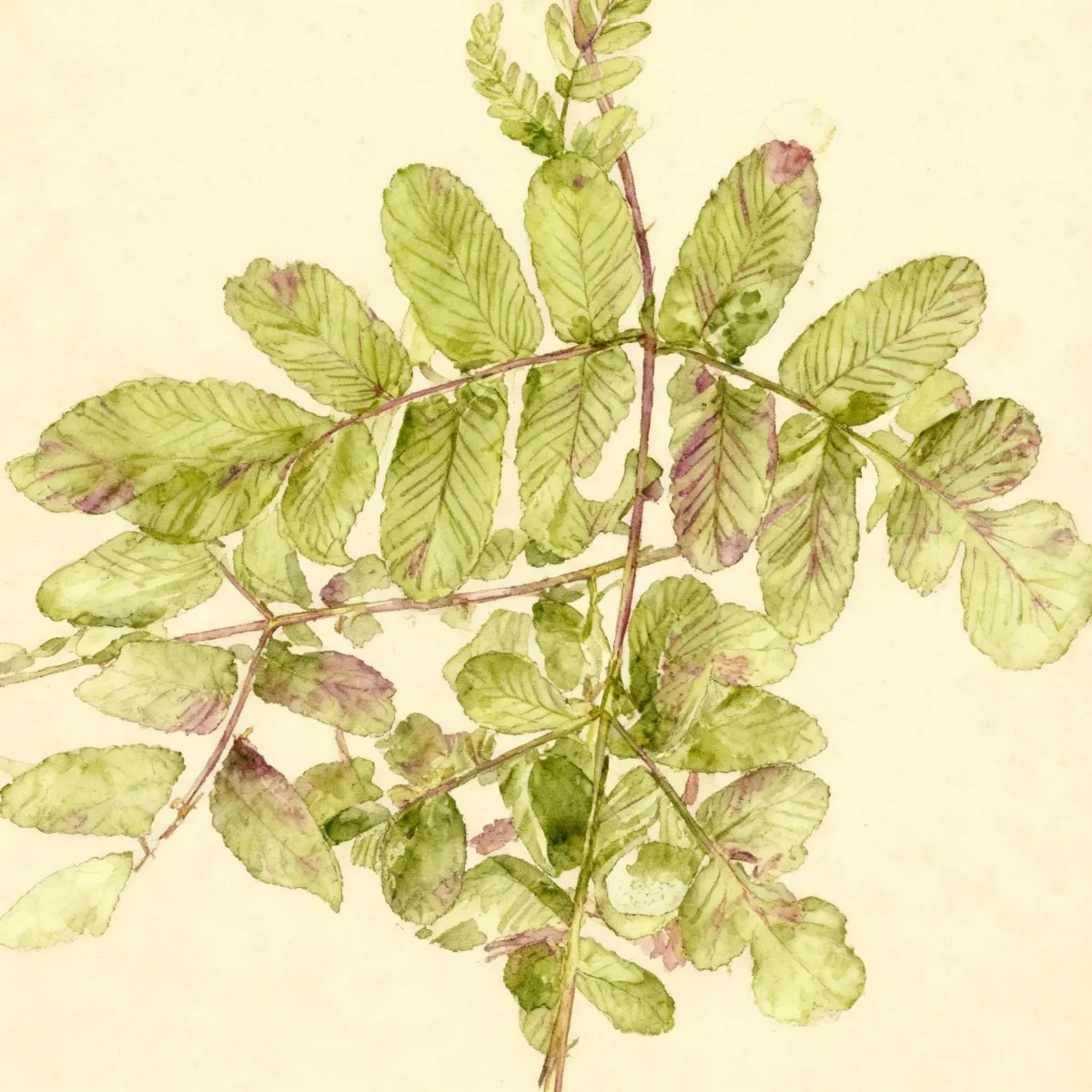
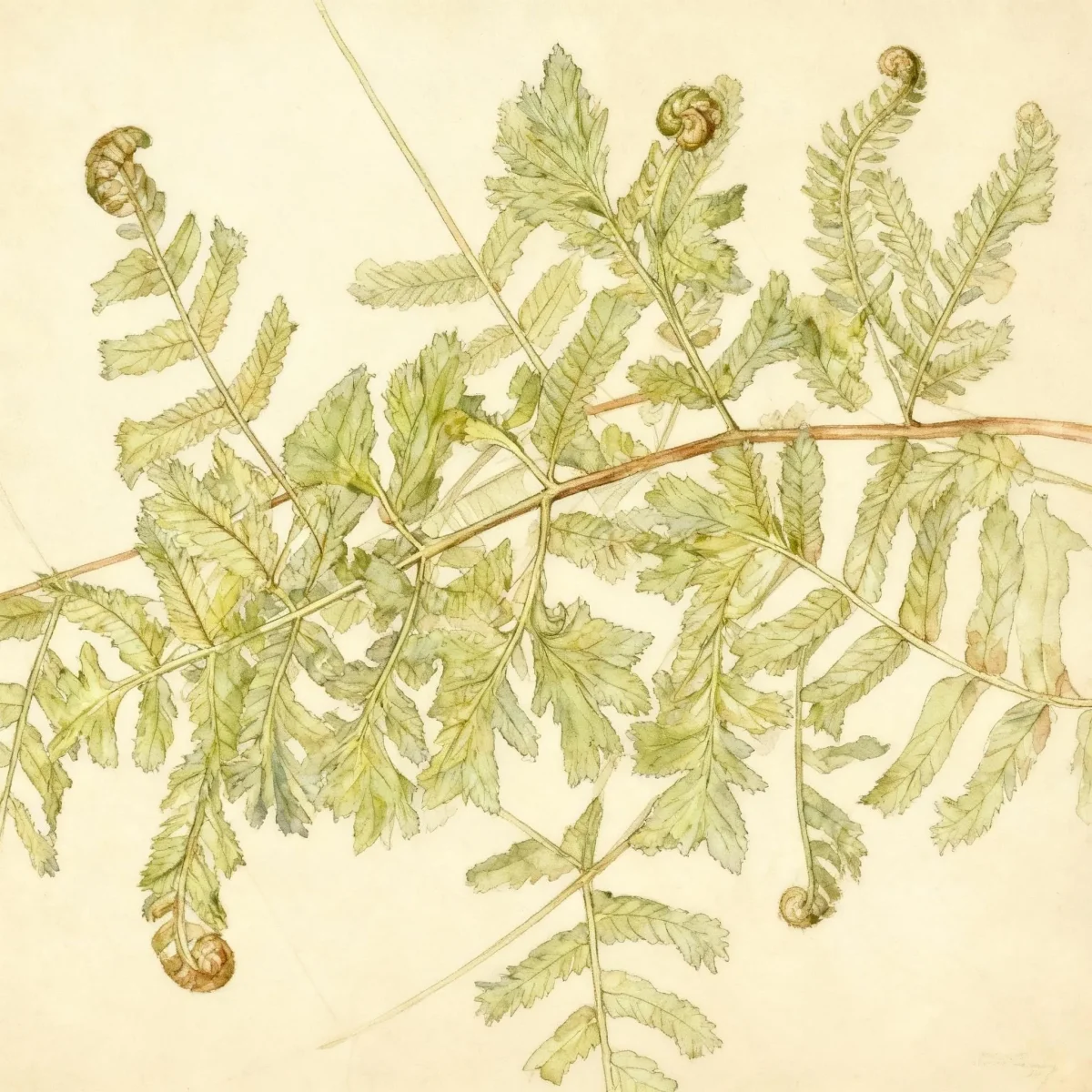
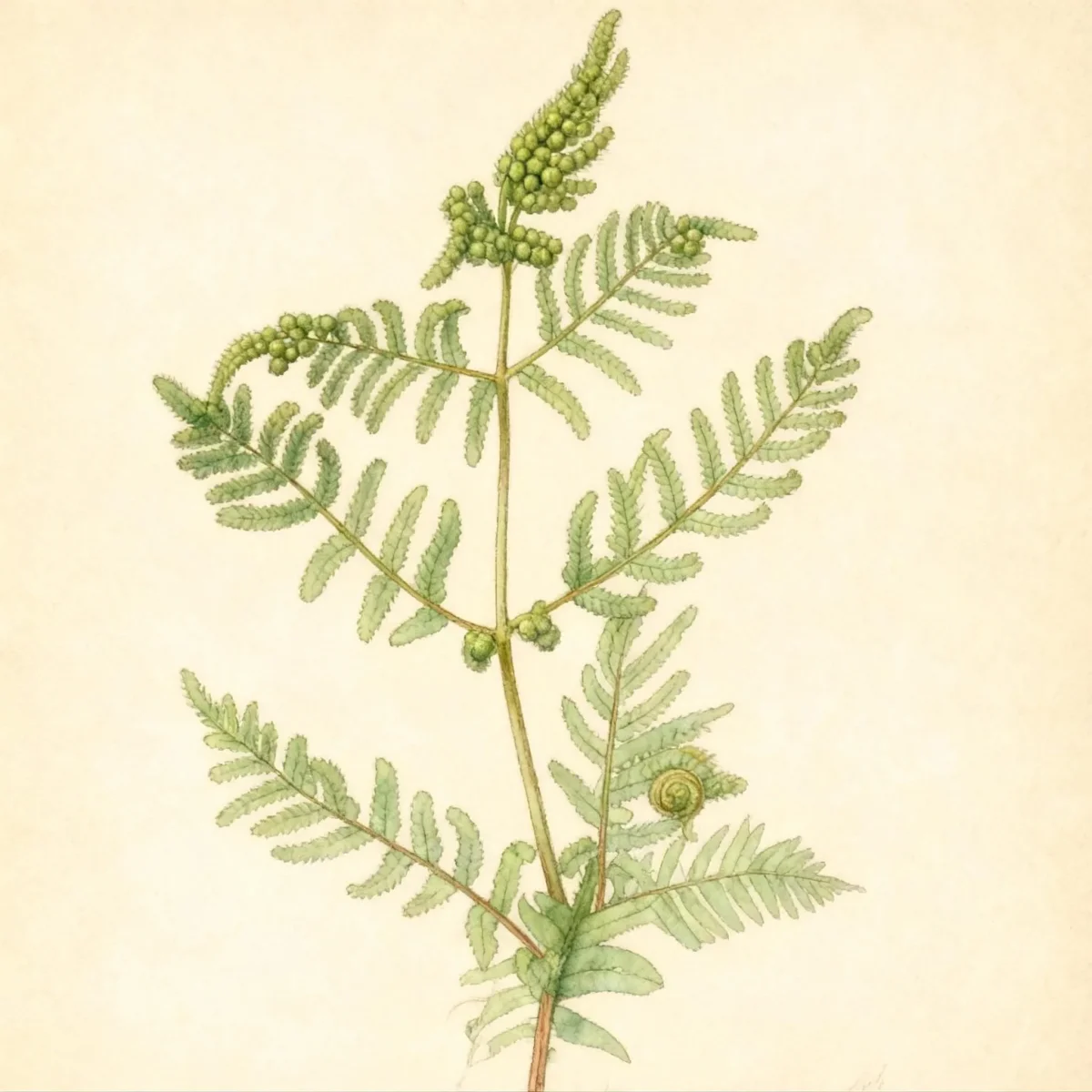
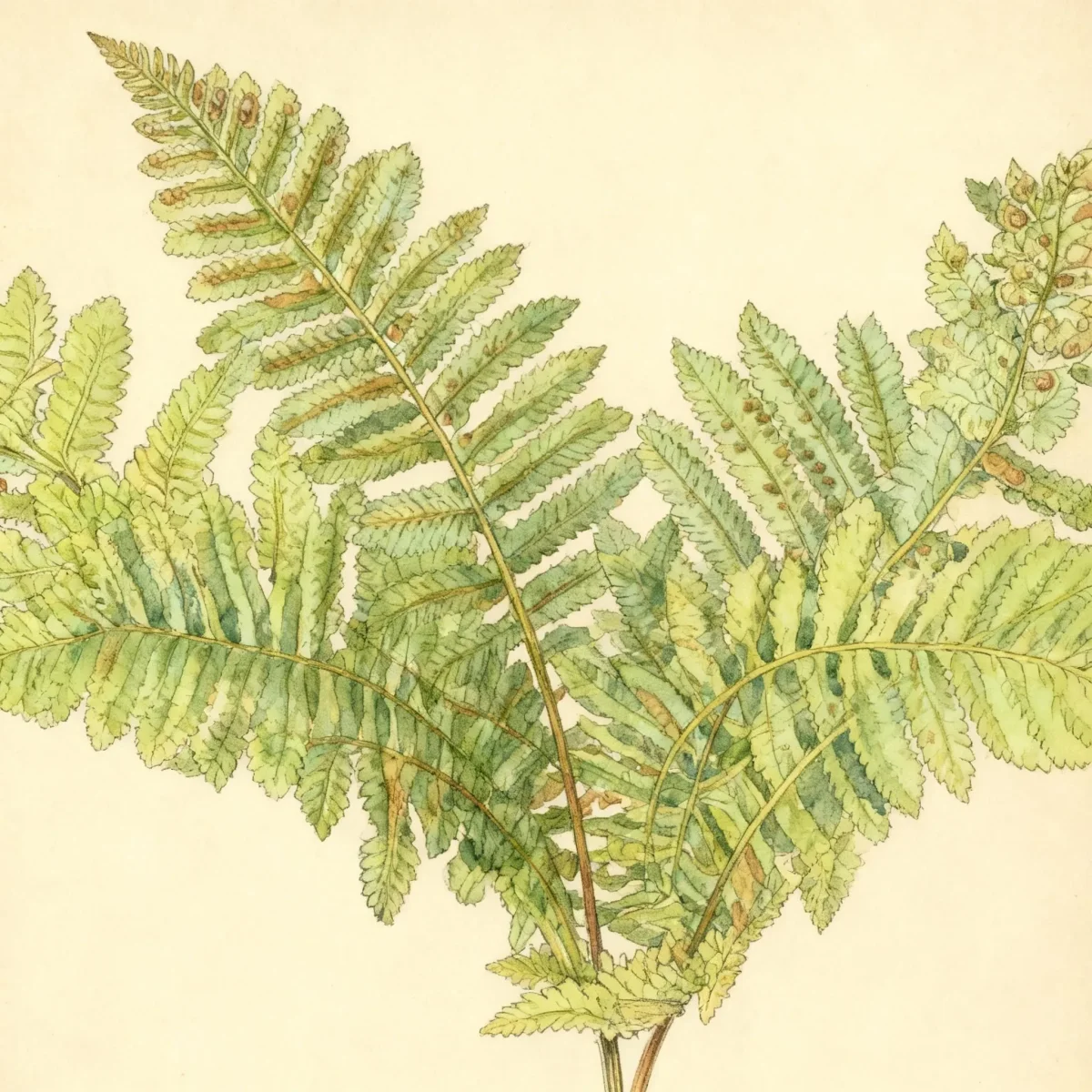
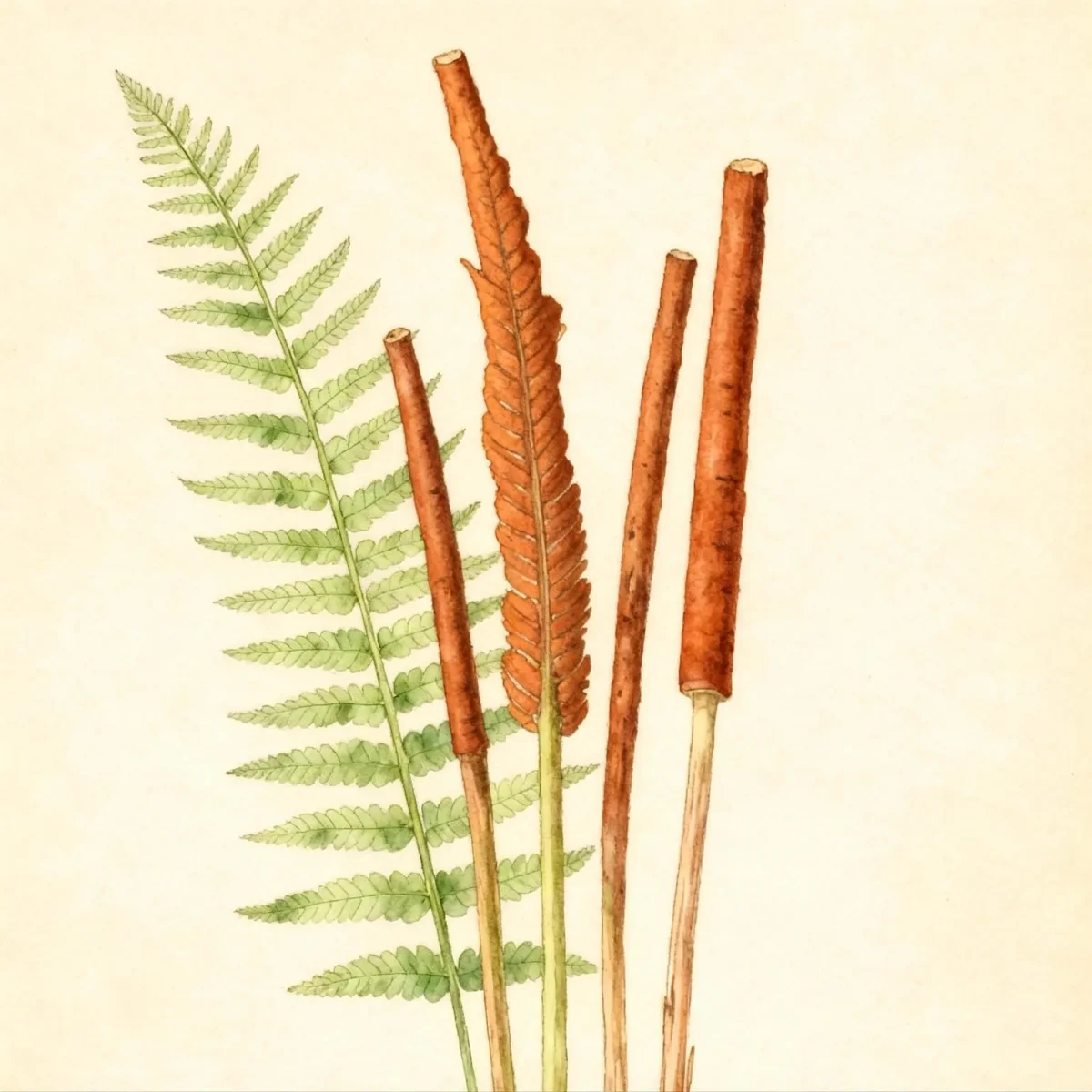
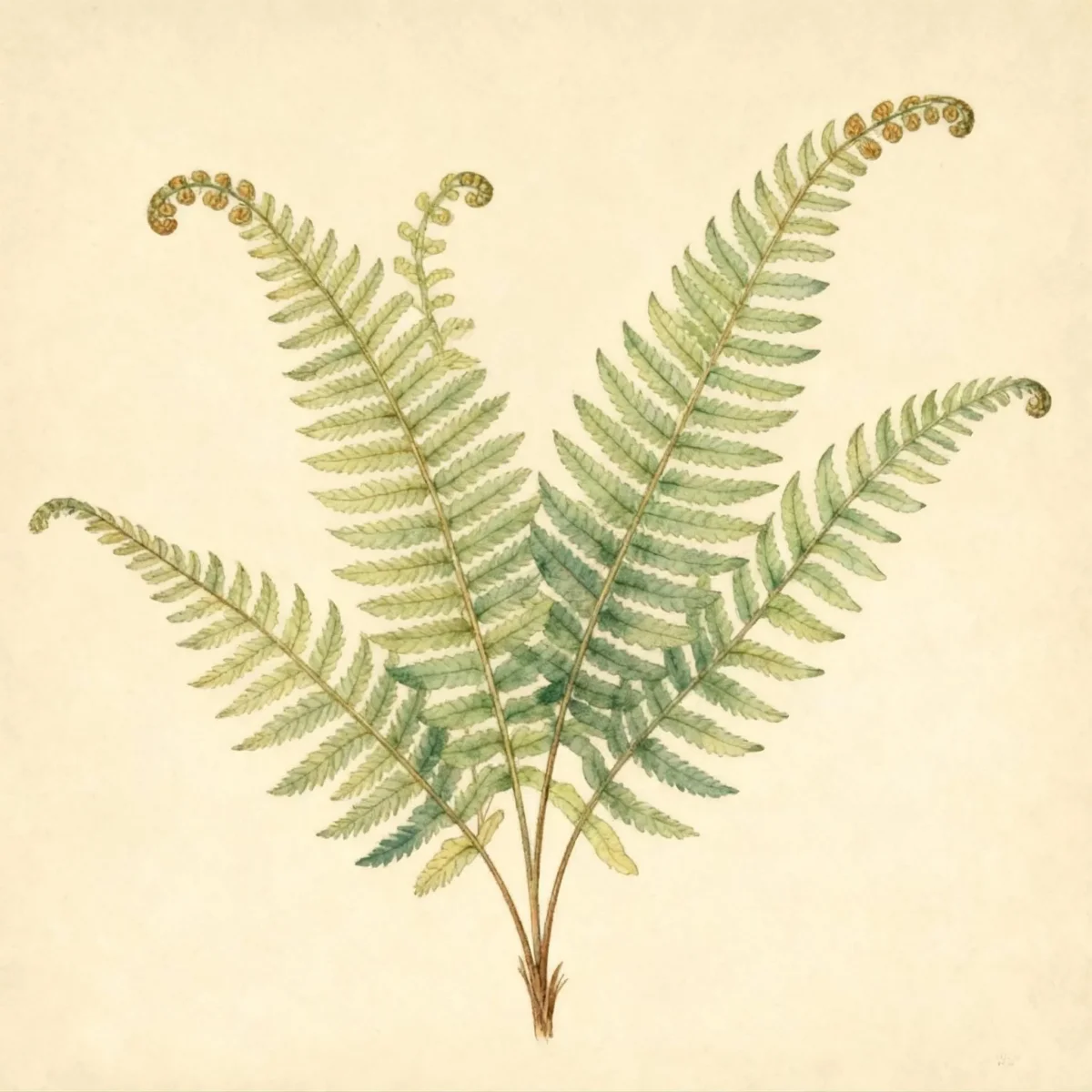
Royal fern (Osmunda regalis var. spectabilis)
The spectacular Royal fern (Osmunda regalis var. spectabilis) thrives in wet soil, reaching 3 ft tall with low maintenance.
Scroll down to discover growing tips, care requirements, companion plants, and more
Complete Plant Information
Overview
Discover the majestic presence of the Royal fern, scientifically known as Osmunda regalis var. spectabilis. This tall, deciduous fern is highly valued for its upright, vase-shaped habit and broad fronds that offer a lush, almost pea-like texture in the landscape. It is a reliable performer, particularly where soil moisture is abundant.
The success of Osmunda regalis var. spectabilis hinges on providing consistent moisture, making it an ideal cornerstone plant for aquatic margins or consistently damp garden pockets. While native to moist riverbanks and swampy areas, it adapts well to standard garden beds if kept adequately watered. Gardeners appreciate the low maintenance required to keep this fern looking spectacular throughout the growing season.
As a native specimen across North and South America, planting the Royal fern contributes excellent textural contrast, especially in woodland settings. Its adaptation to heavy shade, combined with its tolerance for wet feet, provides structural interest where many other perennials struggle.
Fast Facts
- Plant Family: Osmundaceae
- Plant Type: Fern
- Native Range: North and South America
- Hardiness Zones: USDA Zones 3-9
- Size at Maturity:
- Height: 2-3 ft
- Spread: 2-3 ft
- Bloom Time: Non-flowering
- Bloom Description: Non-flowering
- Sun Exposure: Part shade to full shade
- Water Needs: Medium to wet
- Maintenance Level: Low
How to Grow
Plant Osmunda regalis var. spectabilis in the spring or fall once the danger of hard frost has passed, ideally positioning it where it receives part shade. This plant demands moisture; it thrives in medium to wet soils and prefers conditions that are rich, humusy, and acidic. While it adapts to lesser soil conditions, optimal growth occurs when moisture is constant.
Watering is perhaps the most critical aspect of cultivating the Royal fern. It should never be allowed to dry out completely. In regions with cooler summers, it can handle brighter light, approaching full sun, provided the soil remains perpetually saturated. However, intense afternoon heat, such as experienced in hot climates like St. Louis, necessitates deeper shade to prevent scorching.
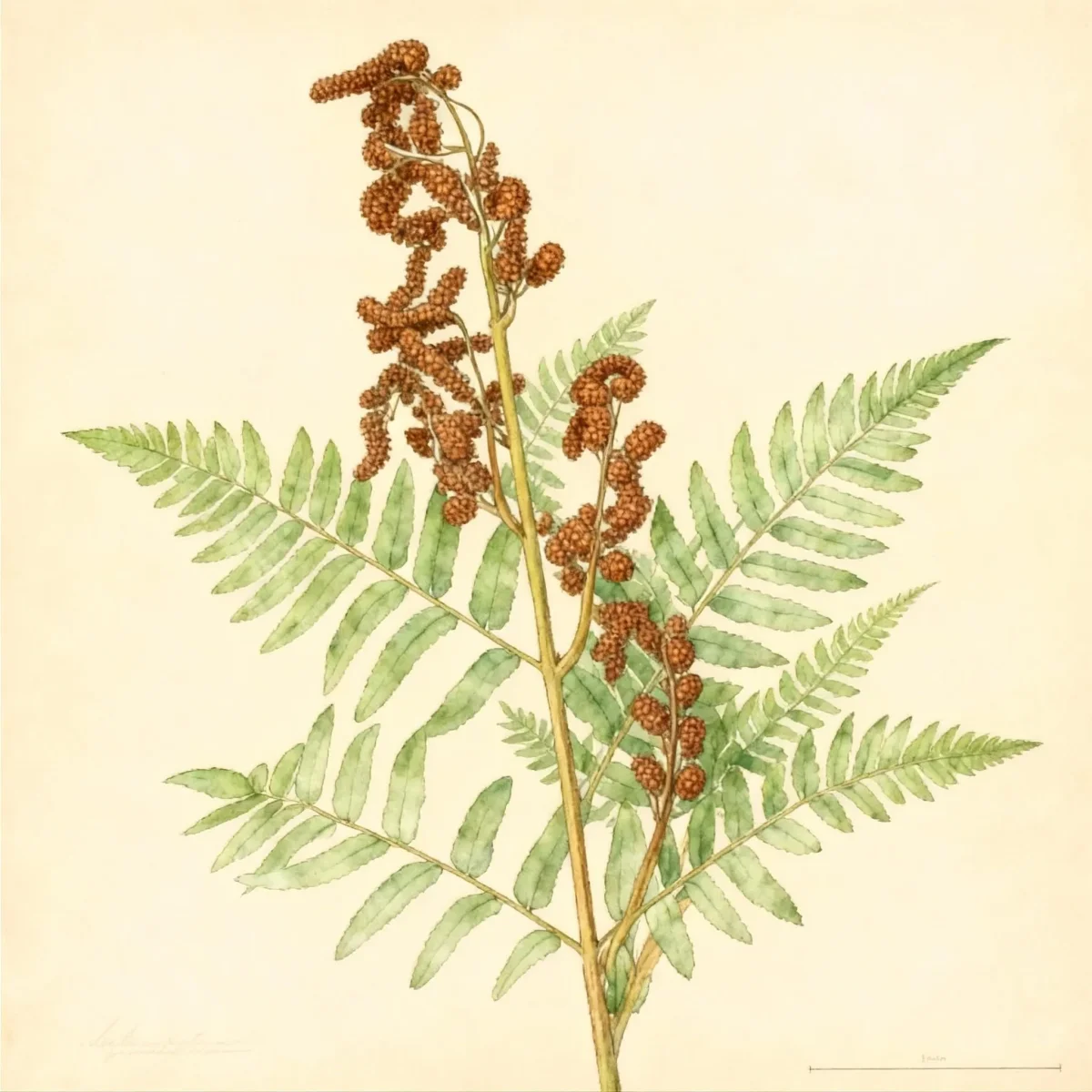
Maintenance for this fern is delightfully low. No routine fertilizing is usually necessary if the soil is reasonably fertile and moist. Pruning is generally not required unless old, damaged fronds need tidying in early spring before new growth emerges. Spores are borne on the tips of the fronds, creating a unique “flowering” effect, and division is rarely needed as this fern tends to clump rather than aggressively spread.
Landscape Uses
The unique cultural requirements of the Royal fern make it an exceptional choice for specialized garden designs. It is an excellent selection for wet areas, effectively blurring the line between garden and water feature, thriving along the edges of ponds, streams, or within rain gardens. Its substantial structure allows it to anchor these damp zones beautifully.
In woodland gardens or native plant gardens, Osmunda regalis var. Spectabilis provides excellent vertical texture. Pair it with moisture-loving companions such as moisture-tolerant Hosta varieties, Astilbe in shady locales, or native woodland irises that appreciate damp feet. When used for naturalizing, its clump-forming habit creates soft colonies that provide year-round structure.
For formal design, the bold, upright habit of the Osmunda regalis var. spectabilis can be used effectively to line boggy pathways or serve as a strong vertical accent in shaded borders where deep green foliage is desired.
Standout Features
Noteworthy Characteristics
Osmunda regalis, commonly called royal fern, is a tall, deciduous, Missouri native fern which usually occurs on moist bluffs and ledges and along streams (sometimes growing in the water), primarily in the southeastern Ozark region of the State. Typically grows in clumps to 2-3’ tall, but with constant moisture can reach 6’ in height. Broad fronds have large, well-separated pinnae (leaflets) which give this fern an almost pea-family appearance. Spores are located in brown, tassel-like, fertile clusters at the tips of the fronds, thus giving rise to the common name of flowering fern for this plant. Var. Spectabilis is specifically noted as a Missouri native found in swampy, stream-side habitats.
Tolerances
- Rabbit
- Heavy Shade
- Wet Soil
Potential Problems
This species generally exhibits few serious horticultural challenges concerning pests or diseases. Due to its robustness in its native, moist habitats, Osmunda regalis var. spectabilis rarely suffers from significant insect infestations or common fungal issues, provided it receives adequate moisture and suitable shade. Good air circulation is beneficial in extremely dense plantings to prevent mild foliar issues.
Frequently Asked Questions
What hardiness zones is Royal fern suitable for?
Osmunda regalis var. spectabilis is highly adaptable, suitable for USDA Zones 3 through 9, offering broad utility across many climates.
How large does Royal fern grow?
This fern typically reaches a mature height between 2 and 3 feet, with a corresponding spread of 2 to 3 feet, though exceptional moisture can sometimes push heights higher.
What sun exposure does Royal fern need?
The Royal fern requires part shade to full shade conditions for optimal growth; avoid full, unforgiving afternoon sun unless moisture is constantly supplied.
When does Royal fern bloom?
The Royal fern is a non-flowering plant; its reproductive structures appear as brown, tassel-like spore clusters at the tips of the mature fronds.
Conclusion
The Osmunda regalis var. spectabilis is an invaluable addition for saturating landscapes, offering height, texture, and enduring low-maintenance beauty. Ensure you site your Royal fern where its need for consistent to wet soil can be met, and check your local USDA zone compatibility before planning your planting endeavors this season.
Companion Planting for Moisture Lovers
When designing a wet border or rain garden featuring the Royal fern, selecting companions with similar hydrologic needs ensures uniform site maintenance. Consider pairing Osmunda regalis var. spectabilis with other moisture-loving natives like Blue Flag Iris (Iris versicolor) or various moisture-tolerant sedges (Carex species) to create a layered look. These companions share the preference for humus-rich, damp soil that this fern enjoys, creating a low-stress, lush environment.
Another excellent pairing involves using large-leafed groundcovers or ferns that also tolerate heavy shade, such as Rodgersia or certain Juncus varieties, which complement the upright architecture of the Royal fern without competing too strongly for nutrients.
Seasonal Care Calendar
For year-round enjoyment of your Osmunda regalis var. spectabilis, focus your efforts seasonally. In early spring, before new fiddleheads emerge, clear away any old, tattered foliage from the previous year to refresh the look. During the summer, the primary focus must be watering; monitor soil moisture closely, especially during heat waves, adjusting irrigation to maintain damp conditions.
Autumn brings modest color change as the fronds turn yellow to brown before dying back completely for dormancy. Winter care is minimal; the crowns are hardy into Zone 3. Simply ensure the area is mulched lightly if planting in a drier zone marginally outside its preferred range, but generally, the plant requires no special winter protection in its appropriate hardiness zones.