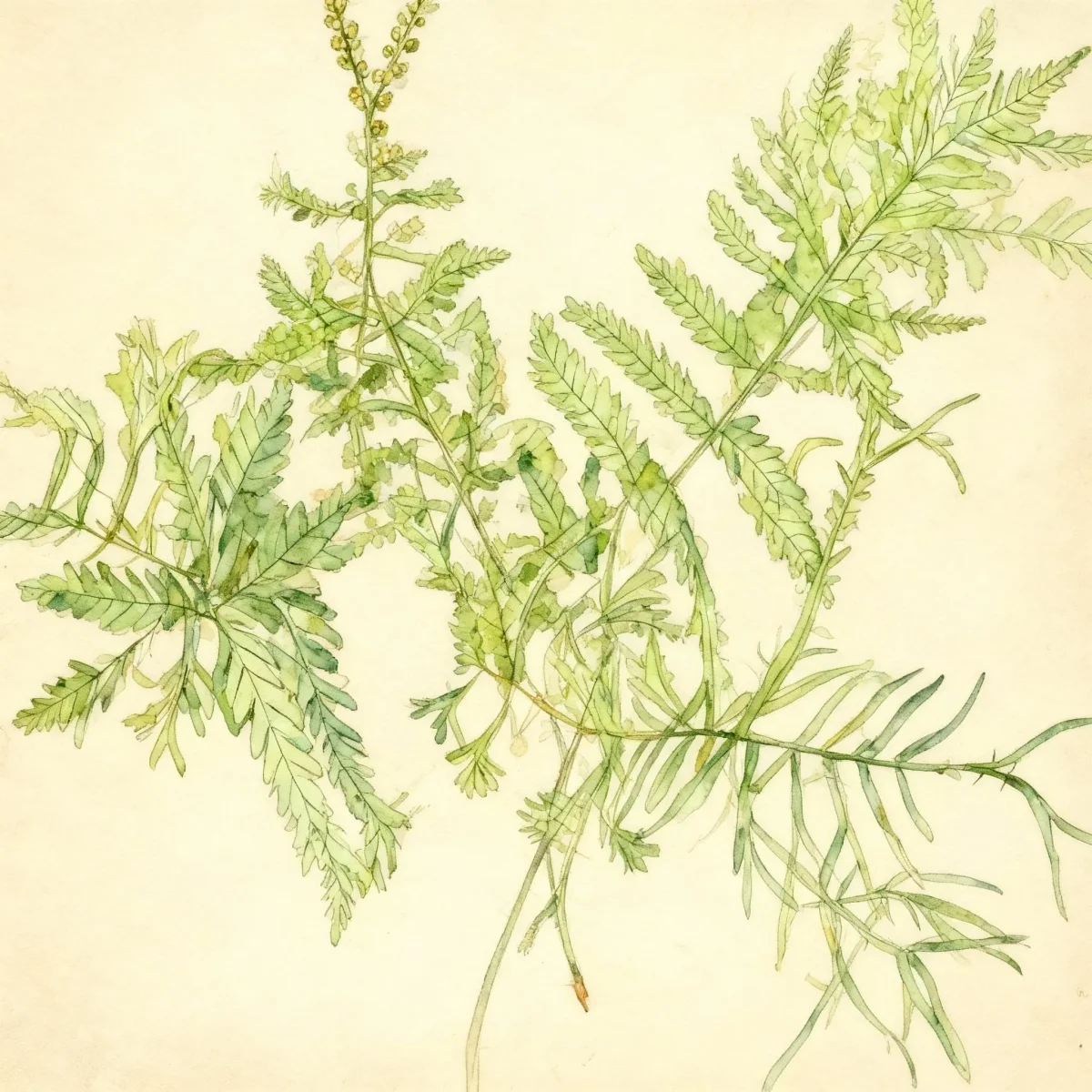
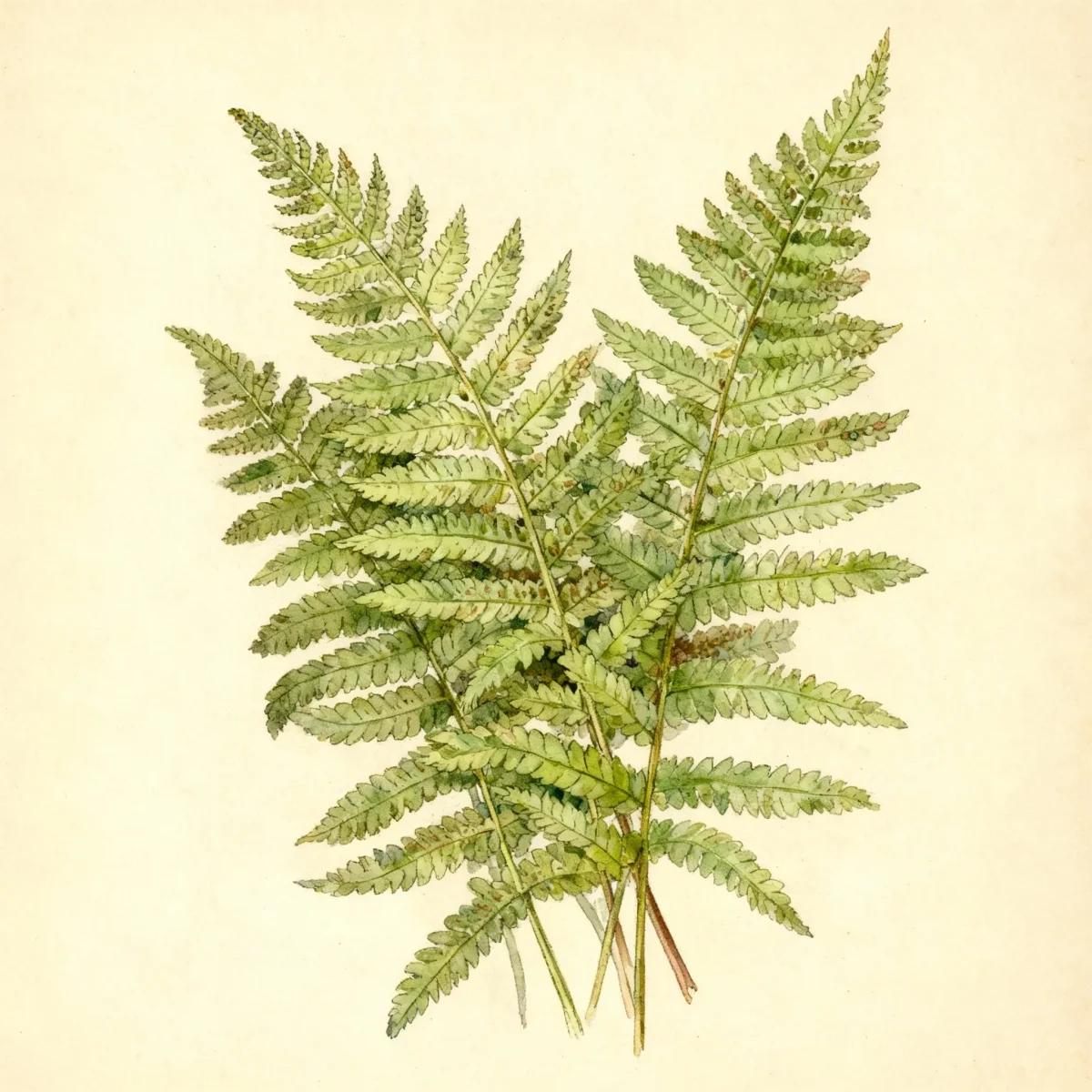
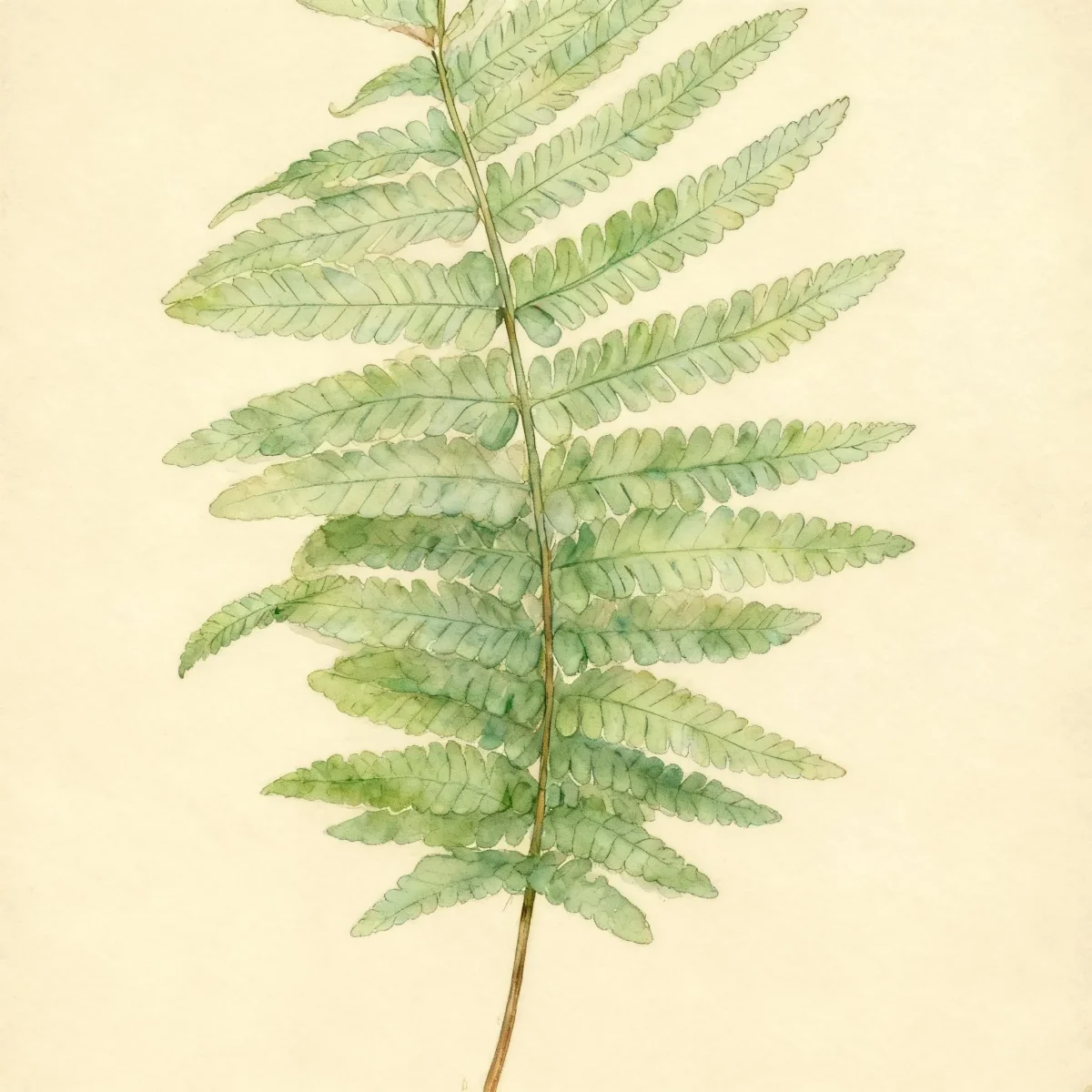
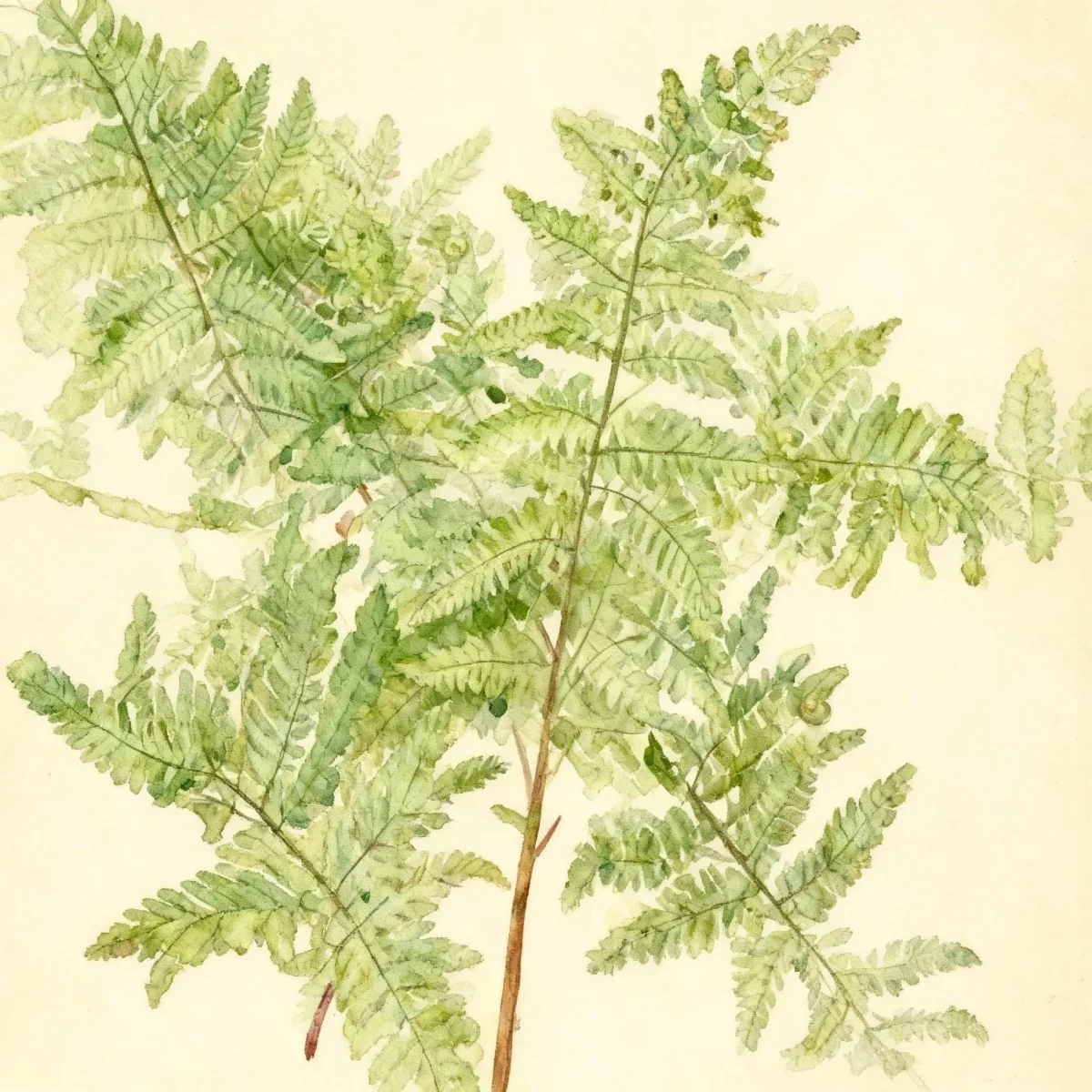
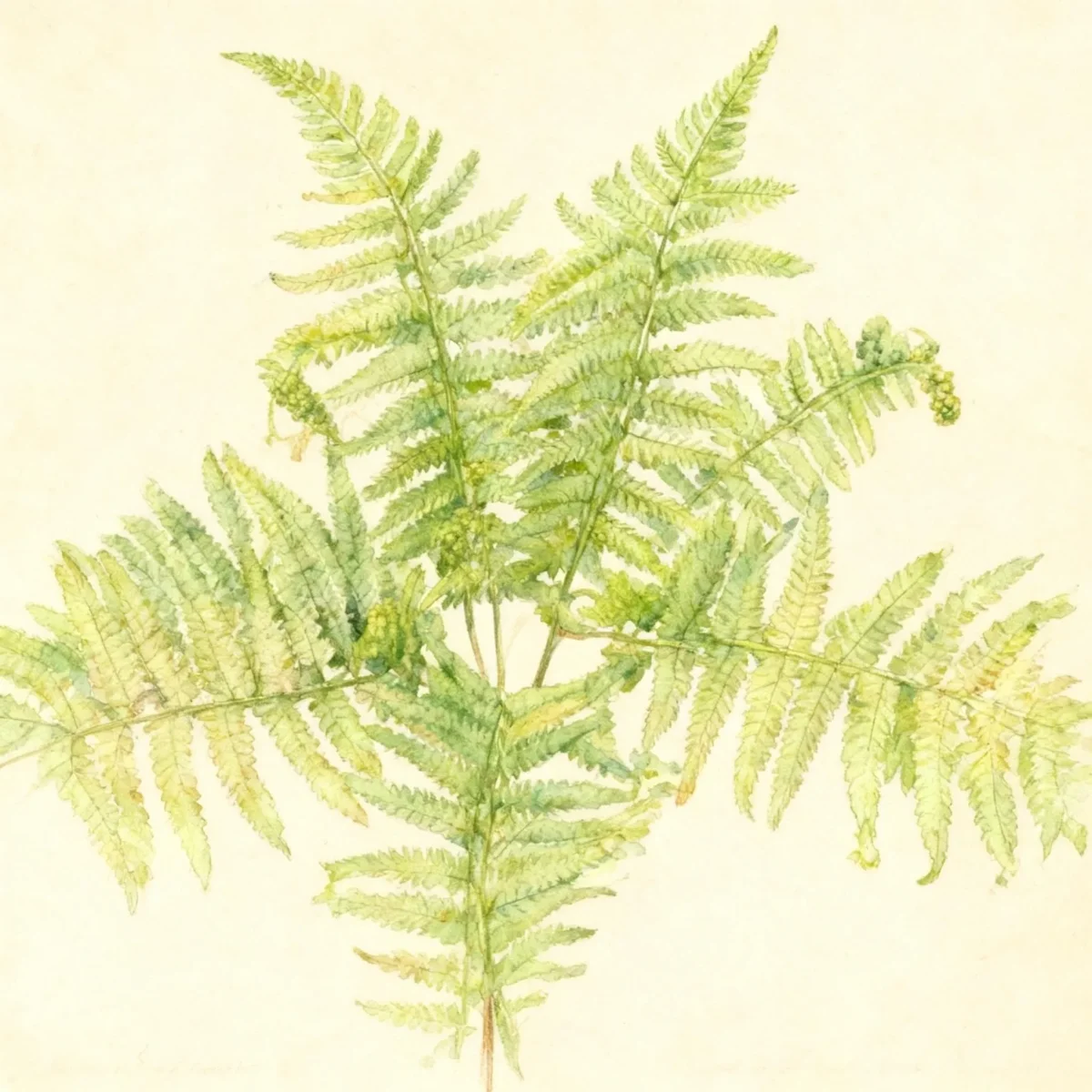
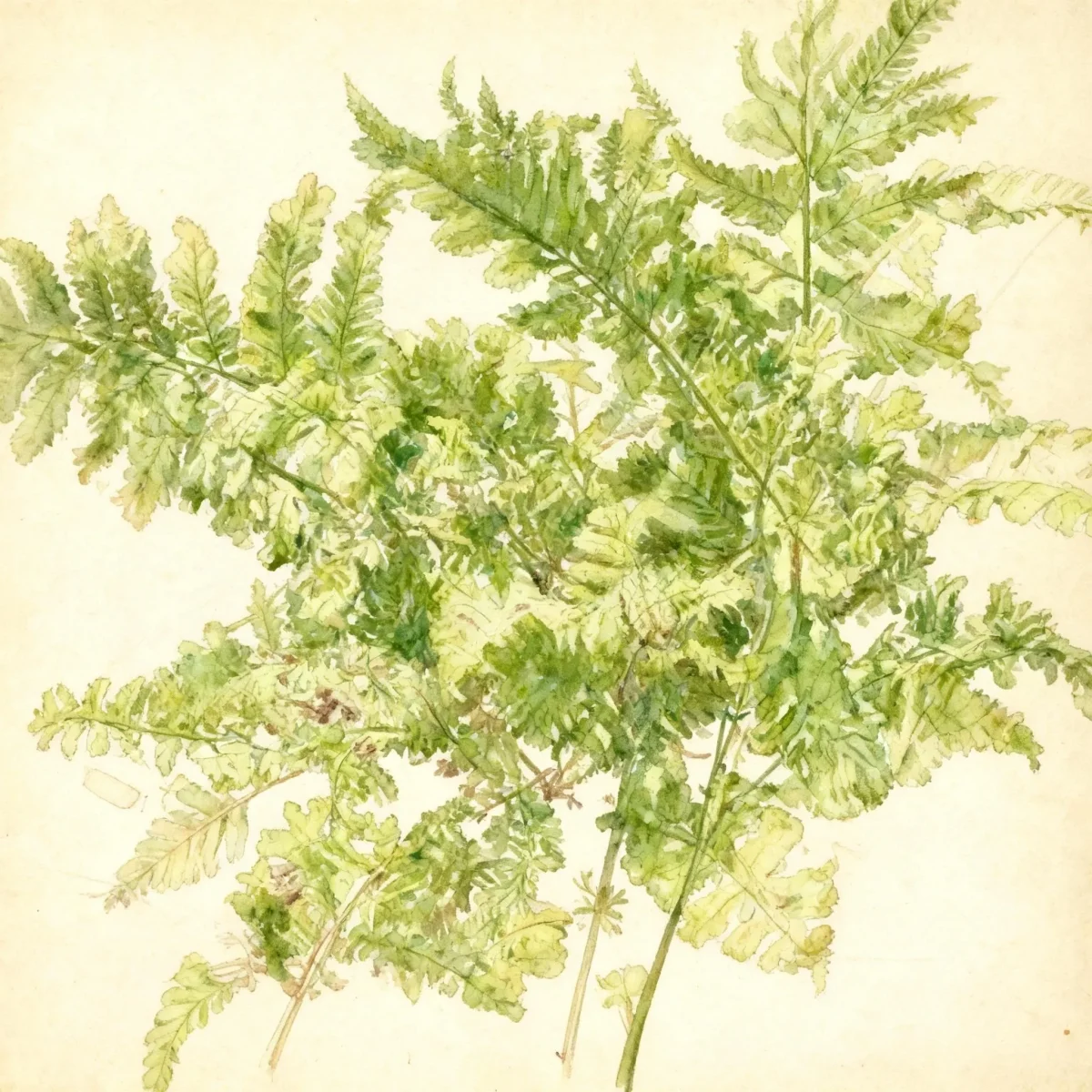
Woodfern (Dryopteris australis)
The striking Woodfern (Dryopteris australis) offers glossy, upright fronds. Ideal for shady borders in USDA Zones 5-9.
Scroll down to discover growing tips, care requirements, companion plants, and more
Complete Plant Information
Overview
The Woodfern, scientifically known as Dryopteris australis, is a robust and handsome native fern highly valued for its dramatic upright architectural form in shady landscapes. This naturally occurring hybrid, often called dixie wood fern, brings glossy texture and substantial height to woodland settings, reaching up to five feet tall. Gardeners appreciate the low maintenance requirements of Dryopteris australis coupled with its reliable performance in deep shade.
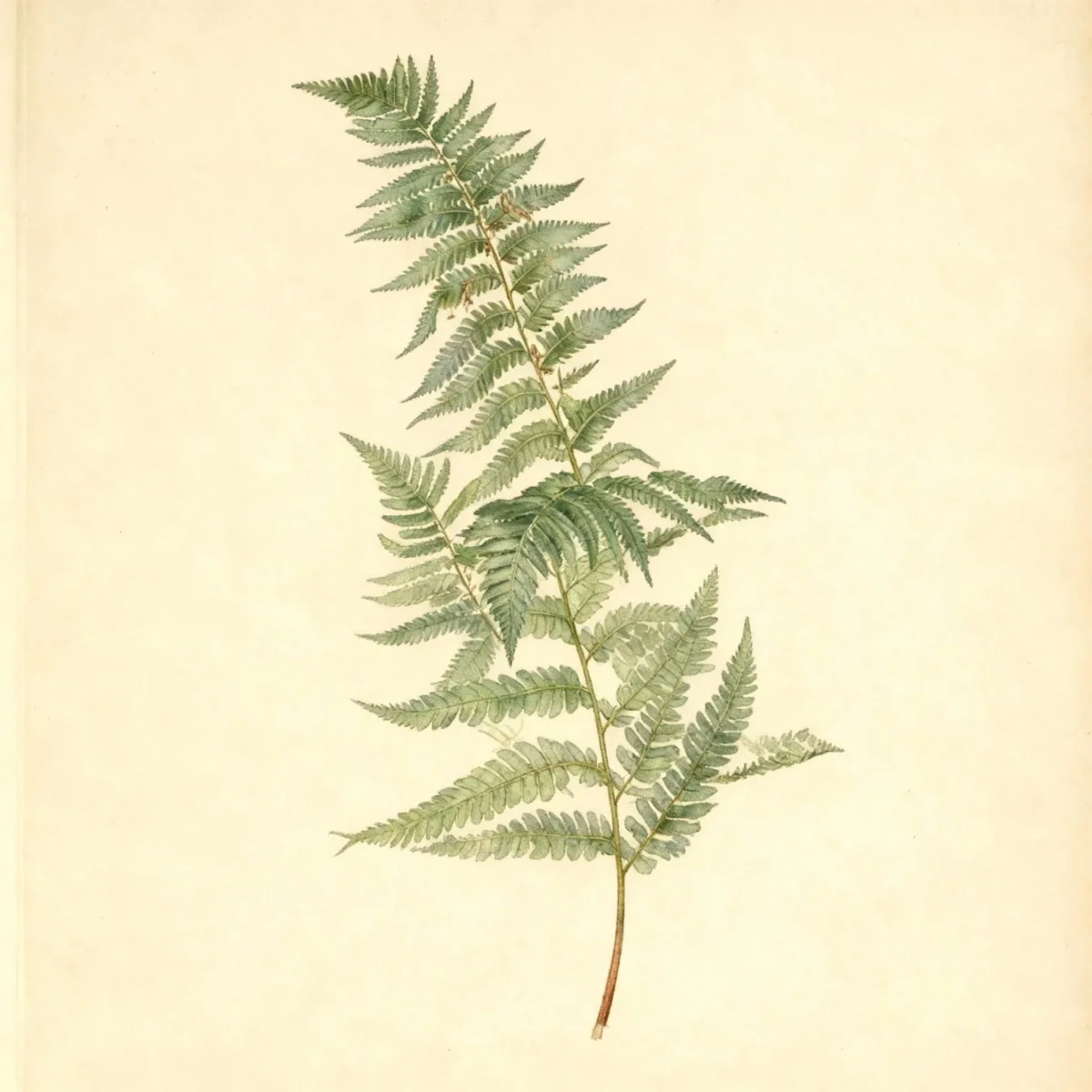
This clumping fern features bipinnate, lanceolate fronds that maintain a vibrant green coloration, offering significant vertical interest where few other plants thrive. As a tough resident of the Southeastern United States native range, the Woodfern is adapted to the region’s moisture requirements, provided the soil remains consistently average to medium in wetness.
For those seeking dramatic, structural plantings beneath large trees or near foundations, the Woodfern provides an excellent solution. Its dependable growth habit and tolerance for heavy shade make establishing a lush, green understory straightforward, resulting in a perennial display that requires minimal intervention once established.
Fast Facts
- Plant Family: Dryopteridaceae
- Plant Type: Fern
- Native Range: Southeastern United States
- Hardiness Zones: USDA Zones 5-9
- Size at Maturity:
- Height: 4-5 ft
- Spread: 2-3 ft
- Bloom Time: Non-flowering
- Bloom Description: Non-flowering
- Sun Exposure: Part shade to full shade
- Water Needs: Medium
- Maintenance Level: Low
How to Grow
The best time to plant the Woodfern is typically during cooler periods when transplant shock is minimized, such as early spring or autumn. Select a location that offers rich, humusy soil filled with organic matter, ensuring that drainage is adequate despite the medium moisture preference. Dryopteris australis thrives in part shade to full shade locations, though protection from harsh, desiccating winds is critical to preserve the elegant fronds from tearing or browning.
Watering should be consistent to maintain medium moisture levels, especially during establishment or dry spells; however, avoid soggy conditions. Since this is a low-maintenance plant, routine fertilizing is generally unnecessary if the soil is rich in organic material. The primary maintenance task involves annual pruning.
Plan to clean up your Woodfern in early spring before new growth emerges. This involves cutting back the old, potentially semi-evergreen fronds that may have weathered the winter—especially in colder parts of its range where frost causes dormancy. Propagation for this sterile hybrid is achieved exclusively through division of the clumping rhizomes.
Landscape Uses
Dryopteris australis is perfectly suited for creating immersive woodland or shade gardens, bringing loft and texture to dark corners of the landscape. Its upright, arching habit makes it an excellent choice for the shady parts of borders, acting as a substantial mid-layer plant between groundcovers and taller shrubs.
Due to its height (up to 5 ft), the Woodfern serves well when planted near building foundations where height is needed to soften hard lines, provided adequate air circulation is maintained. Consider pairing this handsome fern with broadleaf evergreens or shade-loving perennials like Hostas or Astilbes to create layered texture contrasting with the delicate, bipinnate fronds of the Woodfern.
Standout Features
Noteworthy Characteristics
Dryopteris australis, commonly called dixie wood fern, is a naturally-occuring hybrid between D. Celsa and D. Ludoviciana. It is a clumping fern with short creeping rhizomes that rapidly establish a presence. Bipinnate, glossy, lanceolate, upright arching fronds with alternating bright green leaflets rise to 4-5’ tall, offering notable stature in deep shade. The genus name references oak woodlands, fitting for this robust native of the Southeastern United States.
Tolerances
- Rabbit
- Heavy Shade
Potential Problems
This fern generally exhibits a very clean bill of health, suffering from no serious insect or disease problems under proper cultural conditions. Given its preference for medium moisture and tolerance for heavy shade, the main threat to the Woodfern comes from extreme drought or planting in hot, completely exposed afternoon sun. Ensuring rich, humusy soil will naturally boost its vigor, helping it resist minor stresses throughout the growing season.
Frequently Asked Questions
What hardiness zones is Woodfern suitable for?
The Woodfern (Dryopteris australis) is resilient and reliably hardy across USDA Zones 5 through 9.
How large does Dryopteris australis grow?
When mature, this fern typically achieves a height between 4 and 5 feet, spreading moderately to 2 or 3 feet wide, forming an attractive clump.
What sun exposure does Woodfern need?
This plant performs best when situated in areas receiving part shade to full shade, successfully avoiding the intensity of the afternoon summer sun.
When does Dryopteris australis bloom?
As a fern, Dryopteris australis is non-flowering and does not produce traditional blooms or fruits.
Conclusion
The Dryopteris australis Woodfern introduces irreplaceable height and glossy texture to the shaded garden spaces that other ornamental plants avoid. Its low maintenance needs and adaptability within USDA Zones 5-9 make it a stellar choice for woodlands or foundation plantings. Evaluate your site conditions, ensure the soil is rich and moist, and integrate this beautiful fern into your landscape design this season.
Companion Planting
Selecting appropriate neighbors is key to maximizing the visual impact of the Woodfern. Because Dryopteris australis thrives in medium moisture and deep shade, pair it with plants that share these specific needs. Consider groundcovers like Wild Ginger (Asarum) or Tiarella (Foamflower) to soften the base of the tall fronds.
For mid-level companions, hostas with variegated or blue foliage provide excellent contrast against the solid, dark green of the Woodfern. In slightly brighter, dappled shade conditions, flowering plants like woodland phlox or certain types of hardy Impatiens can add seasonal color near your structural Dryopteris australis display.
Seasonal Care Calendar
Springtime is crucial for preparing your Woodfern for the growing season. Cut back any dead or tattered fronds from the previous year just as new fiddleheads begin to unfurl; this improves air circulation immensely. Throughout the summer, monitor moisture levels, especially in containers or sandy soils, to ensure the medium moisture requirement is consistently met.
In autumn, resist the urge to completely clean up the area around the base of the fern, especially in colder regions where the semi-evergreen foliage can offer some protection to the crowns. In late fall or winter, new plantings should be heavily mulched with leaf mold or aged compost to enhance soil humus content, which benefits the Woodfern long-term.