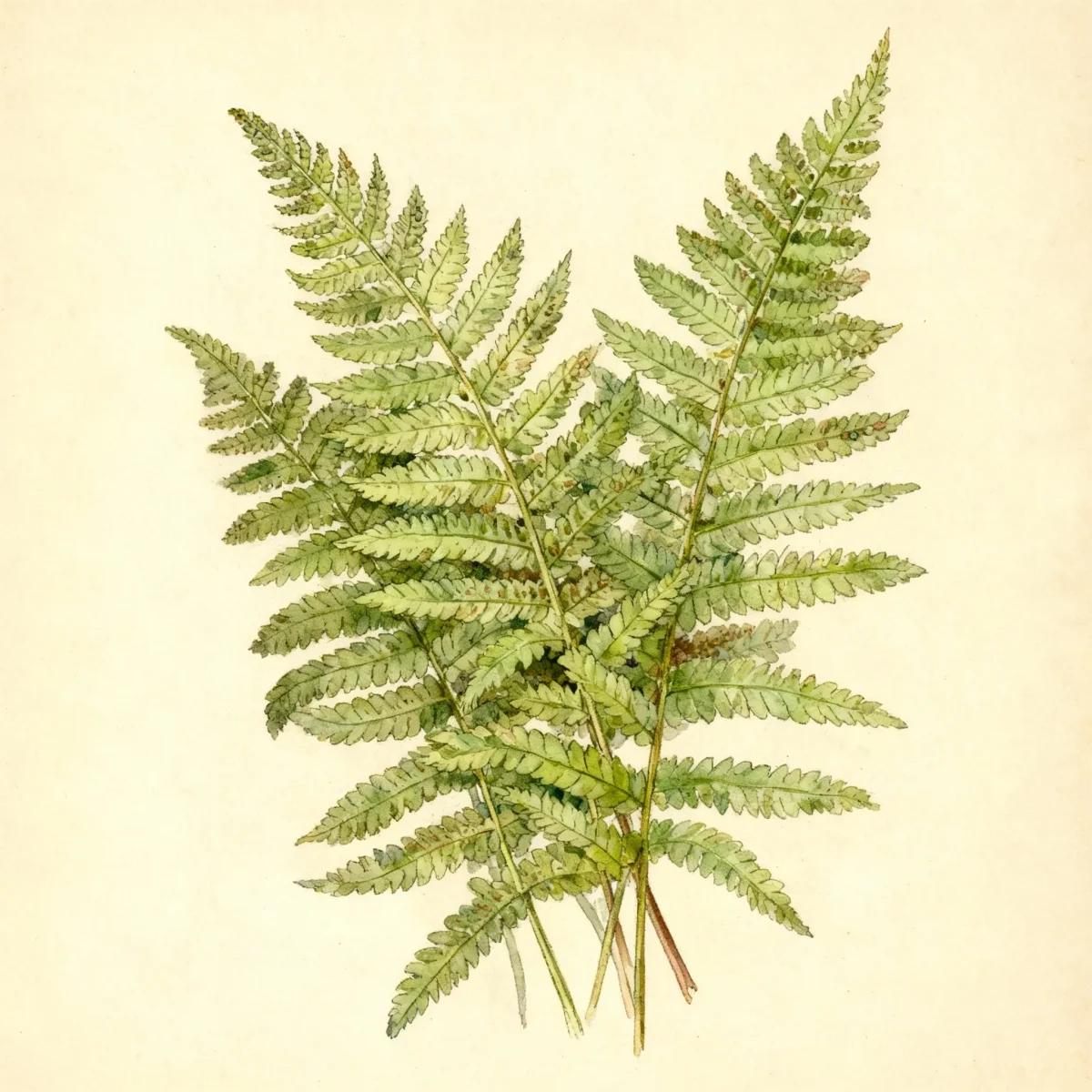
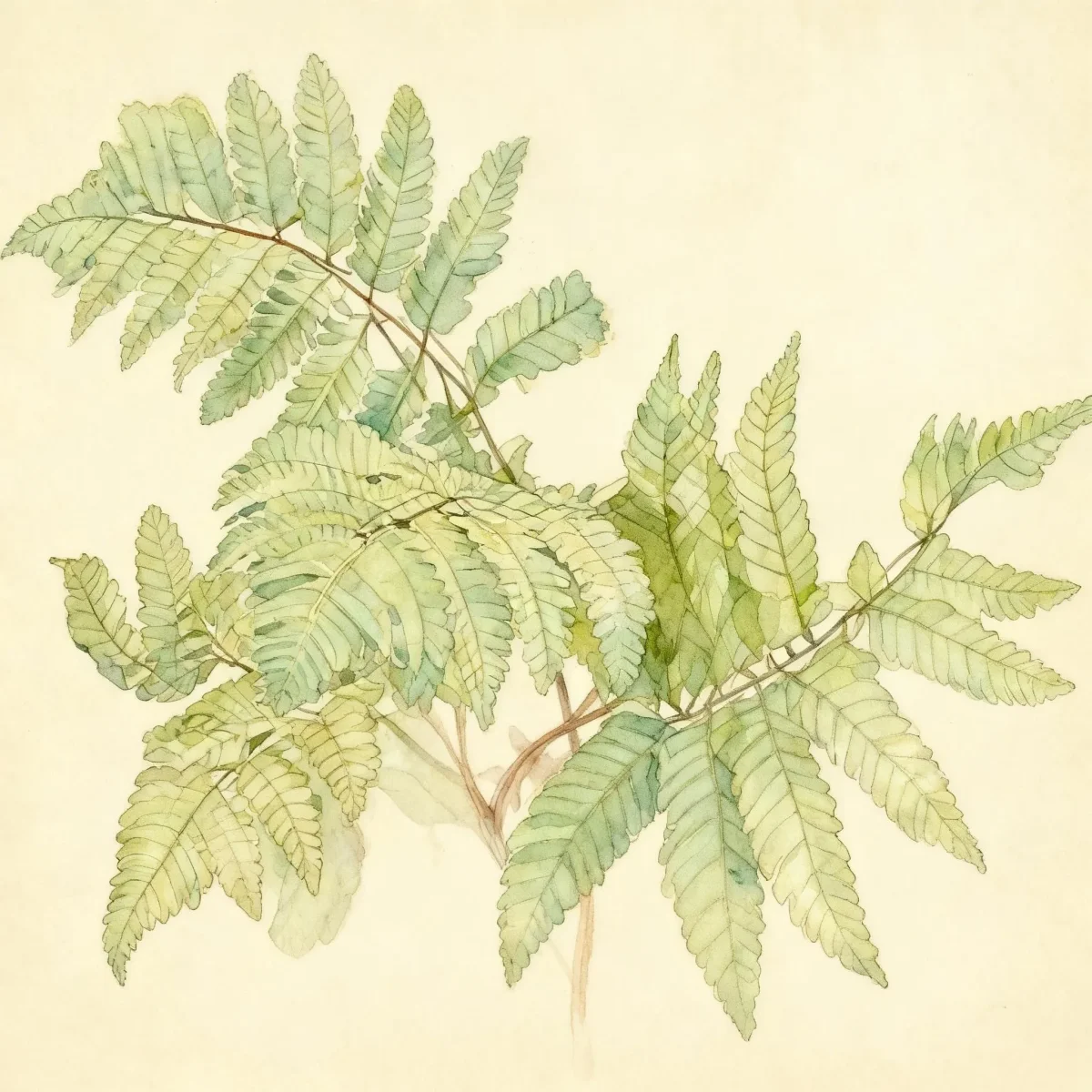
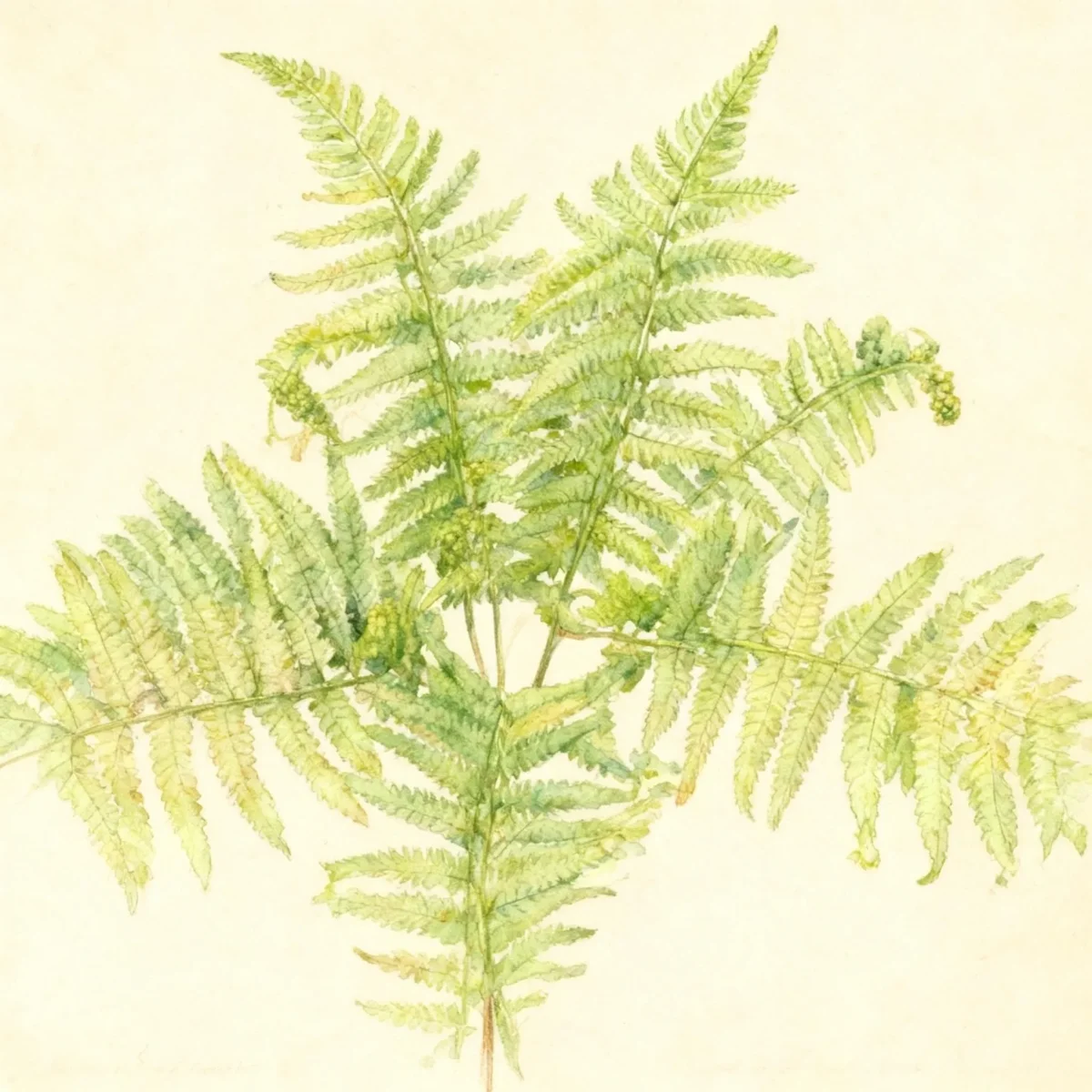
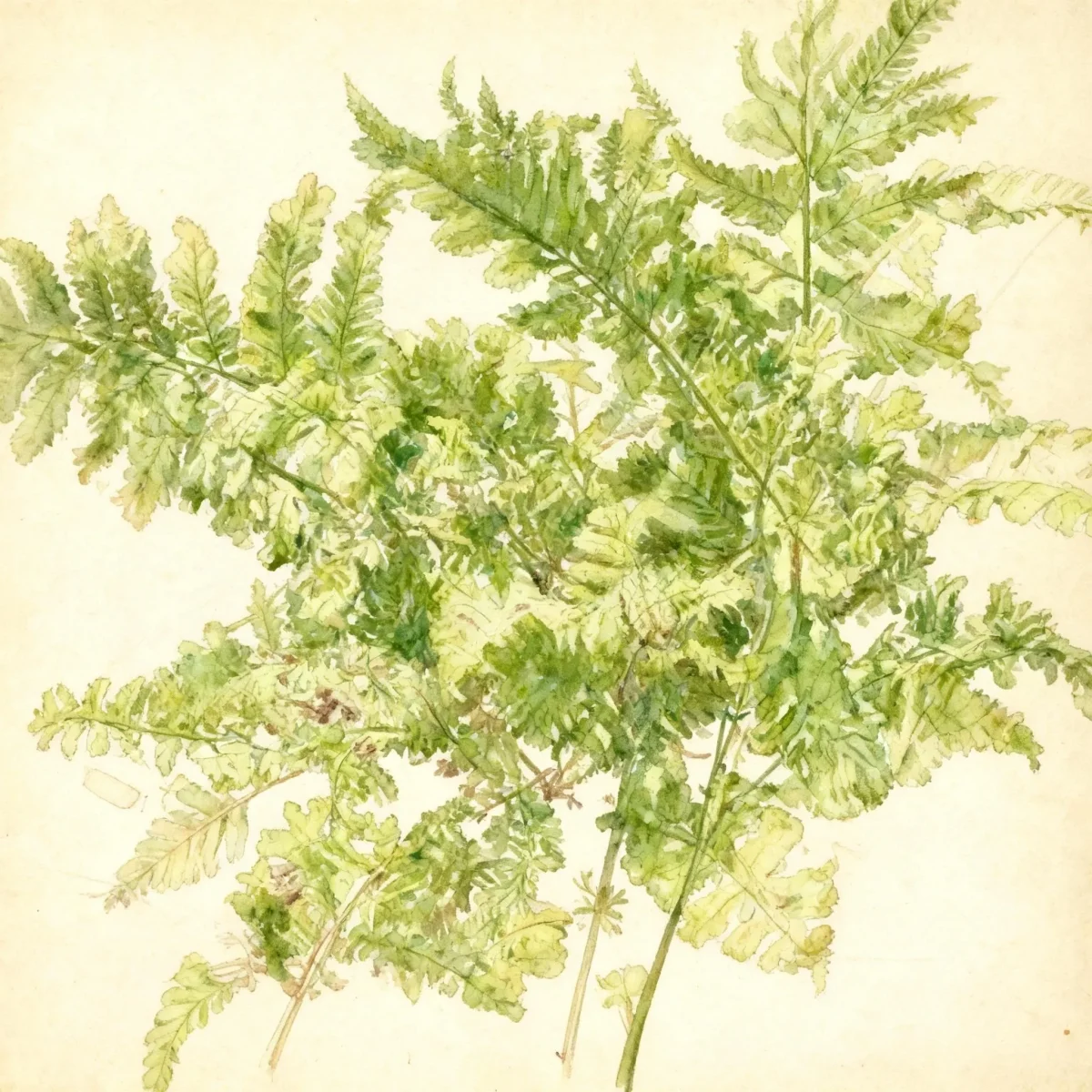
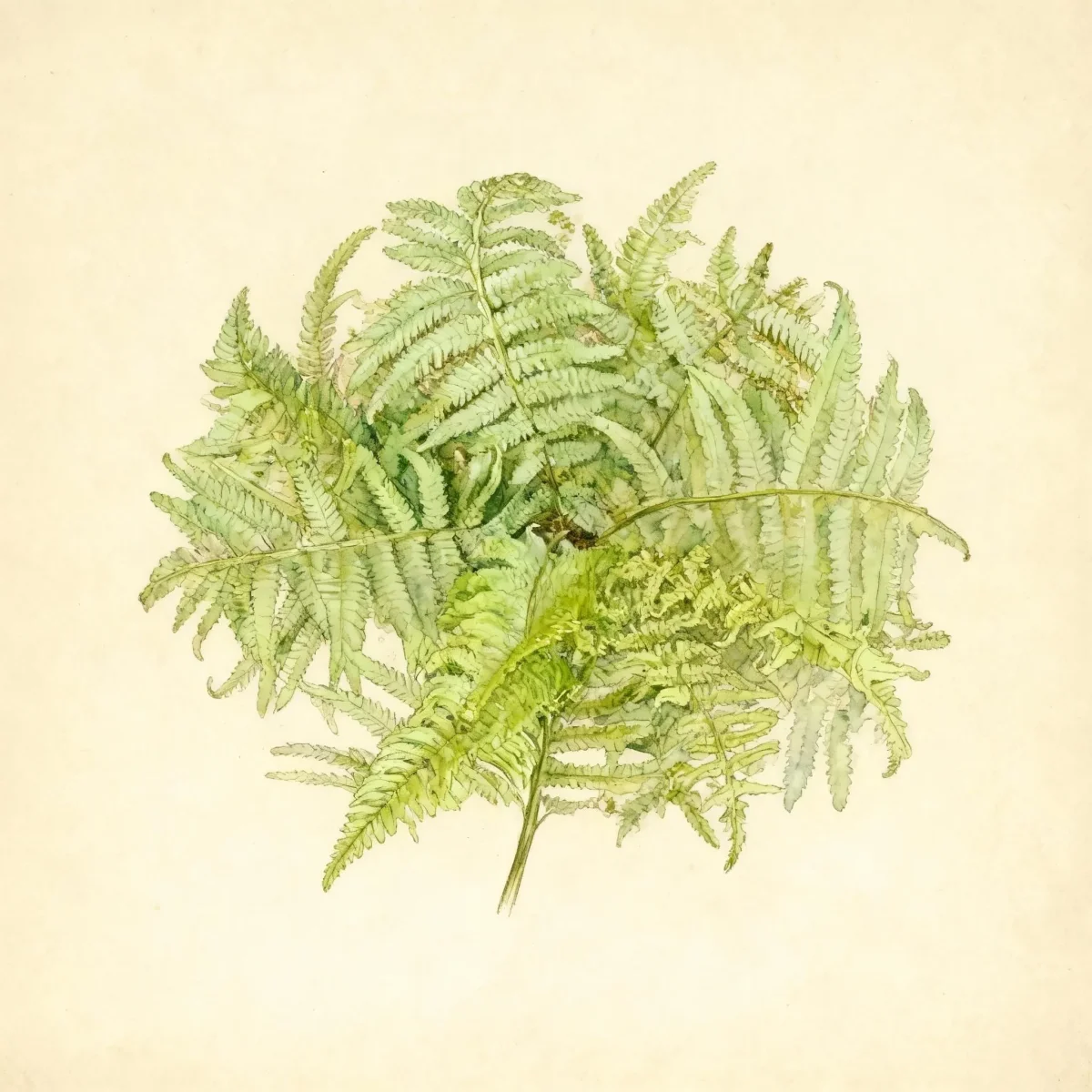
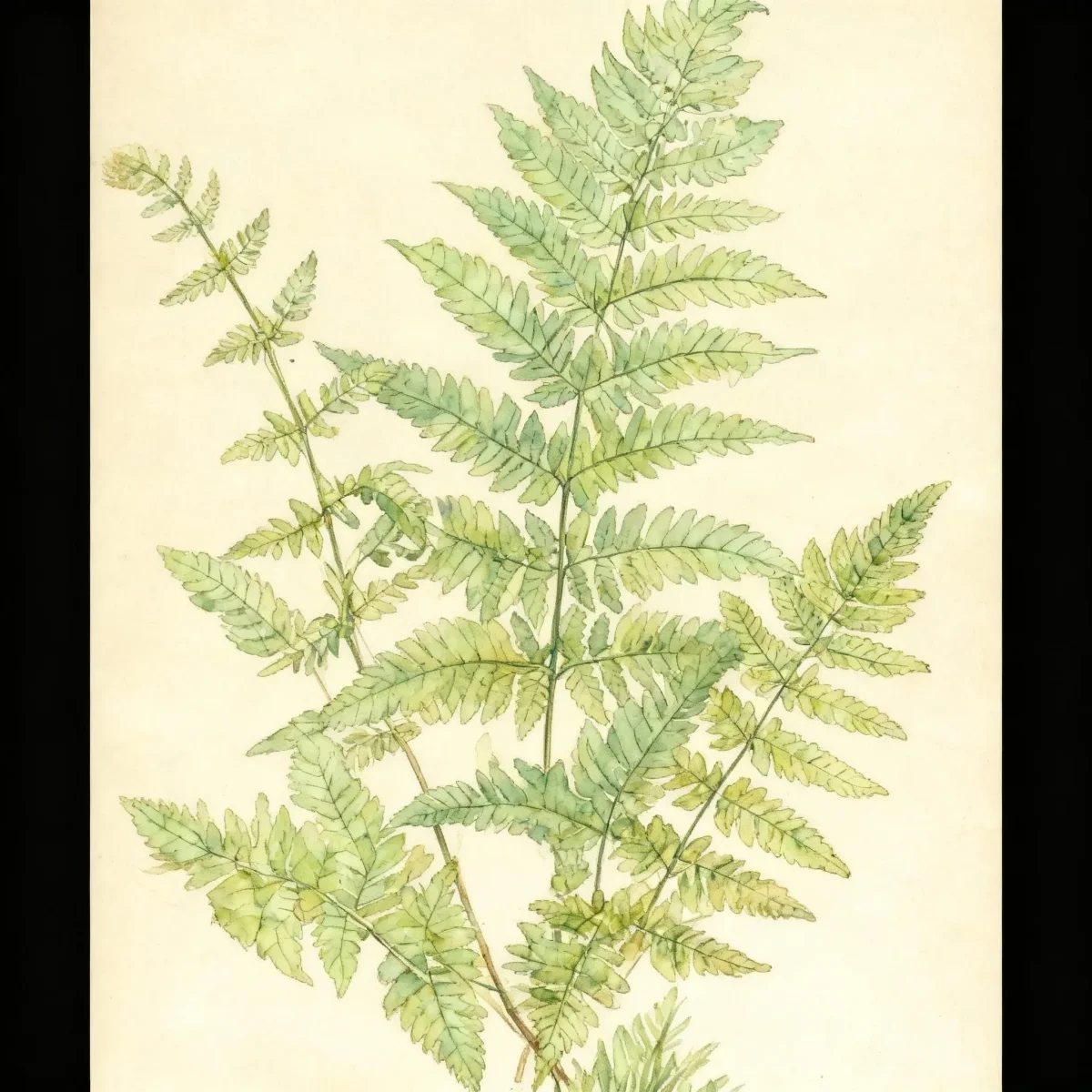
Clinton's wood fern (Dryopteris clintoniana)
Clinton's wood fern (Dryopteris clintoniana) offers semi-evergreen foliage in moist woodlands. Low maintenance fern thriving in zones 3-8.
Scroll down to discover growing tips, care requirements, companion plants, and more
Complete Plant Information
Overview
The Clinton’s wood fern, Dryopteris clintoniana, is a robust and attractive native fern highly valued for enriching shaded garden spaces. This semi-evergreen species brings reliable texture and structure, emerging as a handsome clump that can reach up to four feet tall. As a low-maintenance addition, Dryopteris clintoniana is ideal for replicating natural woodland environments.
Native to the moist woodland areas of northeastern North America, this plant offers a slightly finer texture than some of its relatives. It slowly spreads via short creeping rhizomes, colonizing areas to form beautiful, dense groundcovers perfect for deeply shaded borders. Recognizing the specific moisture needs of Clinton’s wood fern is key to successful cultivation.
This remarkable fern is often considered a fertile hybrid, blending traits from D. Goldiana and D. Cristata. Its resilience and shade tolerance make Dryopteris clintoniana an excellent choice for areas where few other flowering plants thrive, providing consistent green interest throughout the growing season.
Fast Facts
- Plant Family: Dryopteridaceae
- Plant Type: Fern
- Native Range: Northeastern North America
- Hardiness Zones: USDA Zones 3-8
- Size at Maturity:
- Height: 2-4 ft
- Spread: 2-4 ft
- Bloom Time: Non-flowering
- Bloom Description: Non-flowering
- Sun Exposure: Part shade to full shade
- Water Needs: Medium to wet
- Maintenance Level: Low
How to Grow
The best time to establish Dryopteris clintoniana is in the spring or fall, allowing the developing roots to acclimate before extreme temperatures hit. Site this fern in locations sheltered from harsh, drying winds—a critical factor for protecting its delicate fronds. It thrives best in average, medium to wet soils that are rich in organic matter and humus.
Consistent moisture is paramount; gardeners must ensure the soil never dries out completely, especially during hot periods. While Dryopteris clintoniana requires medium to wet conditions, excellent drainage is still necessary to prevent root saturation, even though it tolerates wetter sites natively. Fertilizing is rarely required if the soil is healthy and humus-rich.
Maintenance for Clinton’s wood fern is refreshingly low. Pruning is generally limited to tidying up any heavily damaged or entirely dead fronds, usually done in early spring before new growth emerges. Since sterile fronds are semi-evergreen, they may offer winter interest that some gardeners choose to leave standing for insulation.
Landscape Uses
The natural affinity of Clinton’s wood fern for damp, shadowed environments makes it a staple for moist woodland or shade gardens. Plant Dryopteris clintoniana along shaded pathways or beneath mature deciduous trees where competition for light is minimal. Its upright, vase-like habit provides excellent vertical contrast against low-growing groundcovers.
Utilize the clump-forming nature of this fern to soften foundation plantings or fill space in deep borders where other perennials struggle. While it spreads slowly via rhizomes, it is not overly aggressive, allowing for controlled placement within a mixed shade border alongside hostas or bleeding hearts, provided those companions can meet its moisture demands.
Standout Features
Noteworthy Characteristics
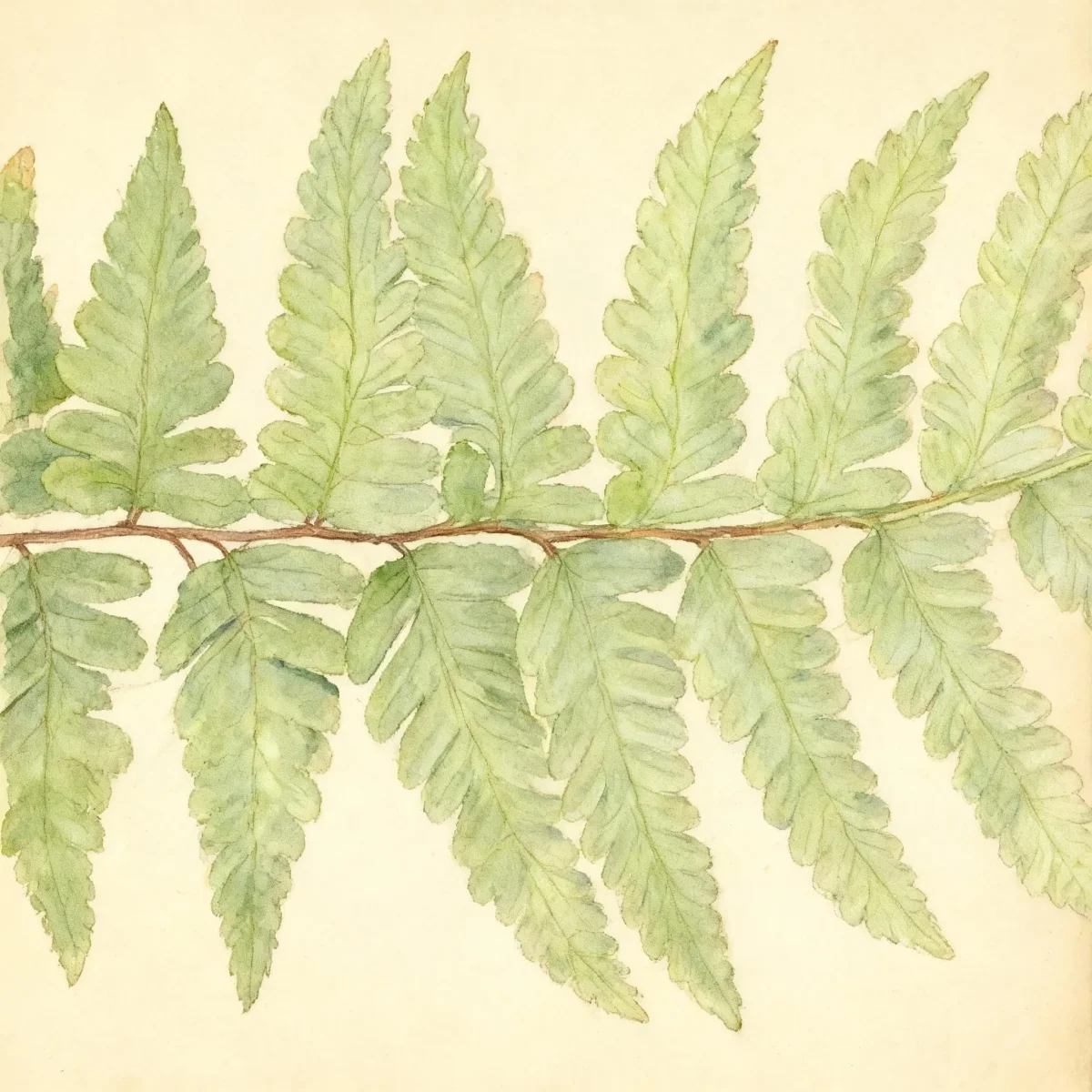
Dryopteris clintoniana, commonly called Clinton’s wood fern, is a semi-evergreen fern that is native to swamps and moist woodland areas in northeastern North America. It is reportedly a fertile hybrid between D. Goldiana and D. Cristata , sharing characteristics of both species. It typically grows in an irregular clump to 2-4’ tall with pinnate-pinnatifid fronds, each having 14-16 pairs of pinnae above the triangular basal pinnae.
Tolerances
- Rabbit
- Heavy Shade
Potential Problems
Gardeners will find that this plant generally presents no serious insect or disease problems, adding to its low-maintenance appeal. Preventative care focuses primarily on cultural requirements rather than pest management. Ensure the site offers the required consistent moisture and protection from strong, desiccating winds to maintain frond health.
If prolonged drought occurs, the foliage of Dryopteris clintoniana may crisp at the edges, but proper watering regimens usually allow the plant to recover quickly. Because it thrives in rich, moist soil, avoid planting it in dry, lean, or exposed locations, as these conditions stress the plant more significantly than any pest.
Frequently Asked Questions
What hardiness zones is Clinton’s wood fern suitable for?
Dryopteris clintoniana is reliably hardy across USDA Zones 3 through 8, offering excellent cold tolerance for northern gardeners.
How large does Dryopteris clintoniana grow?
This species typically reaches a height between 2 and 4 feet tall, with a similar spread of 2 to 4 feet, forming an irregular, substantial clump.
What sun exposure does Dryopteris clintoniana need?
This native fern prefers environments ranging from part shade to full shade, mimicking its native habitat under a woodland canopy.
When does Clinton’s wood fern bloom?
As a fern, Dryopteris clintoniana is non-flowering and does not produce traditional blooms or fruit structures.
Conclusion
The Dryopteris clintoniana, or Clinton’s wood fern, is an outstanding choice for gardeners seeking dependable, lush texture in deep shade environments. Its native resilience and low maintenance requirements make establishing a thriving woodland effect straightforward. Before planting, confirm your site offers the necessary medium to wet soil conditions to best appreciate this handsome fern.
Companion Planting
When planning a planting scheme around Dryopteris clintoniana, focus on species that share its moisture demands and light requirements. Consider clustering it with other moisture-loving woodland natives such as Trilliums (Trillium spp.) or native wild ginger (Asarum canadense) for layered texture. Because the fern’s fronds are semi-evergreen, pairing it with spring ephemerals ensures visual interest continues even before the fern fully leafs out.
This fern’s upright habit contrasts beautifully with low-mounding shade plants. Think about using dark-leaved Hosta cultivars or low-growing Rodgersia varieties near the base of the Clinton’s wood fern to enhance the richness of the green foliage palette in your shaded garden corner.
Propagation Tips
The primary method for increasing your stock of Dryopteris clintoniana is through division, as this reliable fern spreads slowly via short creeping rhizomes. Division is best performed in early spring just as new fiddleheads begin to emerge, or in the early fall. Carefully dig up clumps that are at least three years old, ensuring each separated section has a healthy crown and several established roots attached.
To ensure success after division, replant the sections quickly into prepared soil that mimics their normal preference for humus-rich, moist conditions. Water the newly divided sections thoroughly and maintain consistent moisture for the remainder of the season to encourage vigorous establishment of the new or separated plants.