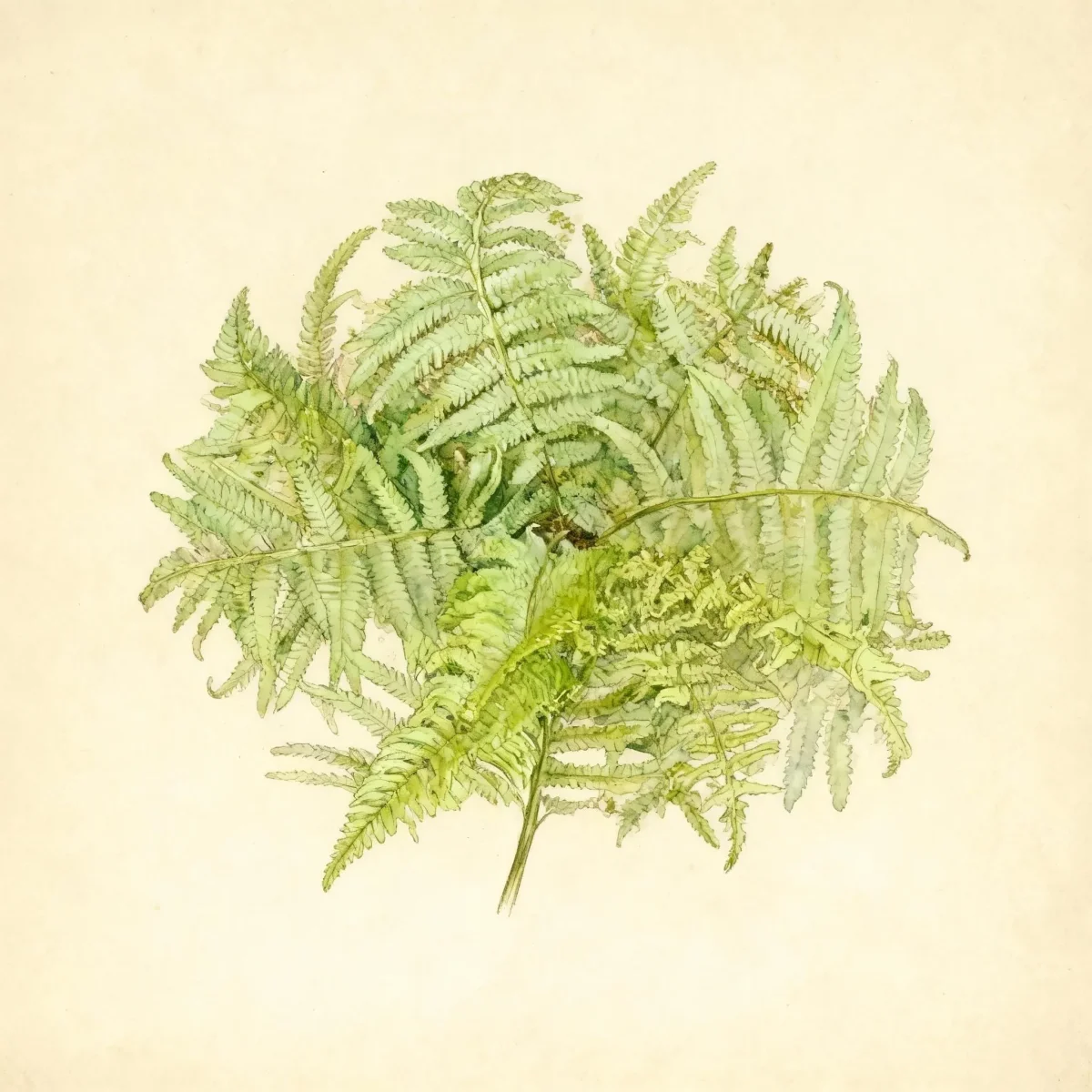
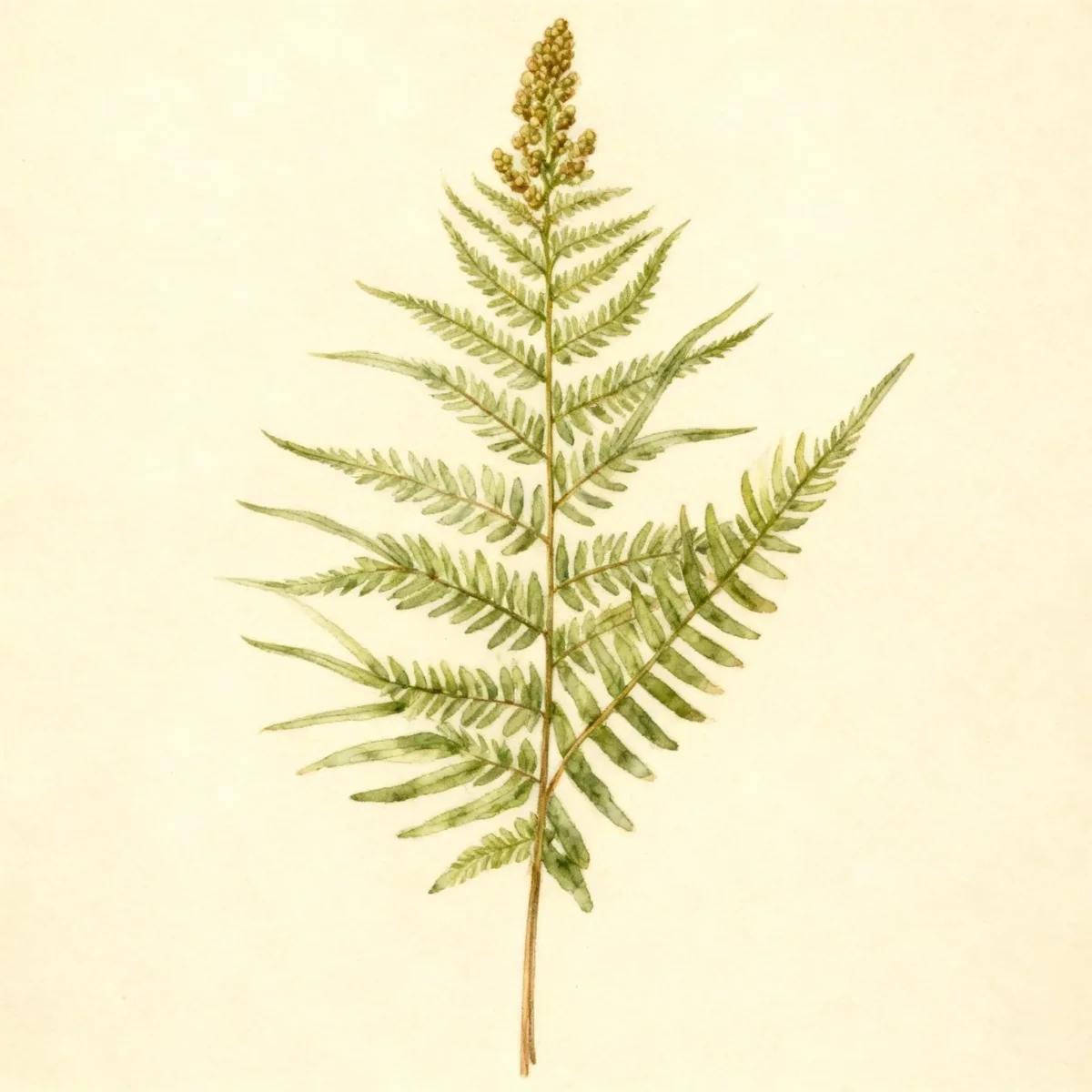
Male fern (Dryopteris filix-mas)
The robust Male fern (Dryopteris filix-mas) thrives in shade, offering lush height in woodland gardens. Low maintenance.
Scroll down to discover growing tips, care requirements, companion plants, and more
Complete Plant Information
Overview
The Male fern, scientifically known as Dryopteris filix-mas, is a popular, stately choice for gardeners seeking deep green texture in shaded environments. Recognized for its robust, arching habit, this deciduous fern offers significant visual impact without demanding constant attention. It is a foundational perennial in naturalistic and woodland garden designs across temperate climates.
This resilient species features medium green, finely divided fronds that contribute a classic, lush appearance to the understory. As a low-maintenance plant, the Dryopteris filix-mas establishes well when its basic moisture and shade requirements are met, making it an excellent choice for beginners and seasoned horticulturists alike.
Native to vast areas of Northern temperate regions, the adaptability of the Male fern allows it to solve common planting challenges in dark corners of the garden. Its reliable structure and tolerance for clay soil provide year-round interest where many flowering plants struggle.
Fast Facts
- Plant Family: Dryopteridaceae
- Plant Type: Fern
- Native Range: Northern temperate regions
- Hardiness Zones: USDA Zones 4-8
- Size at Maturity:
- Height: 2-3 ft
- Spread: 2-3 ft
- Bloom Time: Non-flowering
- Bloom Description: Non-flowering
- Sun Exposure: Part shade to full shade
- Water Needs: Medium
- Maintenance Level: Low
How to Grow
Planting the Dryopteris filix-mas is best achieved in spring or early fall, ensuring the root ball settles before extreme weather hits. Select a location that offers protection from harsh afternoon sun and strong winds, which can shred the delicate fronds. While it tolerates average, well-drained soil, this fern thrives when planted in humusy soils rich with organic matter, mimicking its natural woodland habitat.
Once established, the Male fern requires medium watering. It is critical that the soil does not dry out, especially during the growing season; consistently moist conditions are ideal for the robust growth of the Dryopteris filix-mas. Fertilization is generally unnecessary in rich woodland garden settings; excessive feeding can sometimes encourage softer growth susceptible to damage.
Maintenance is wonderfully low for this species. Cleanup primarily involves removing any tattered or dead fronds in early spring before new growth emerges. Be mindful that the crowns may be divided regularly to propagate new plants or to prevent overcrowding, which is best done during the cooler, moist shoulder seasons.
Landscape Uses
The stately presence of the Male fern makes it an excellent specimen plant for defining vertical structure in shade gardens. Its upright, arching blades contrast beautifully with groundcovers or low-growing hostas, effectively marking borders or providing rich texture near woodland paths.
Because of its reliable performance, Dryopteris filix-mas is a classic choice for naturalizing under large, established trees where light levels are consistently low. It works well when grouped in drifts to create a seamless carpet of green foliage that requires little intervention once established. Avoid placing it near thirsty, shallow-rooted shrubs that compete aggressively for soil moisture.
Standout Features
Noteworthy Characteristics
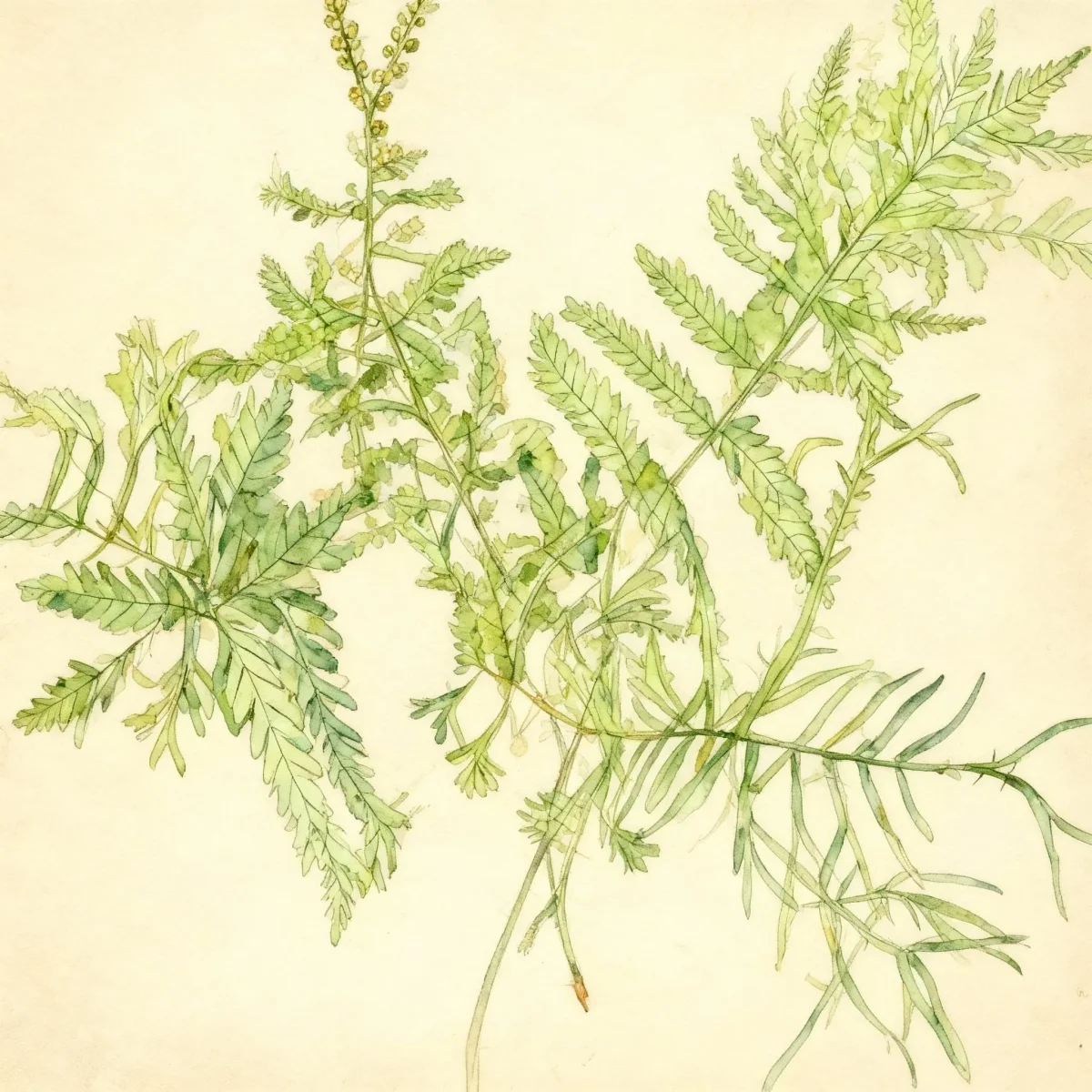
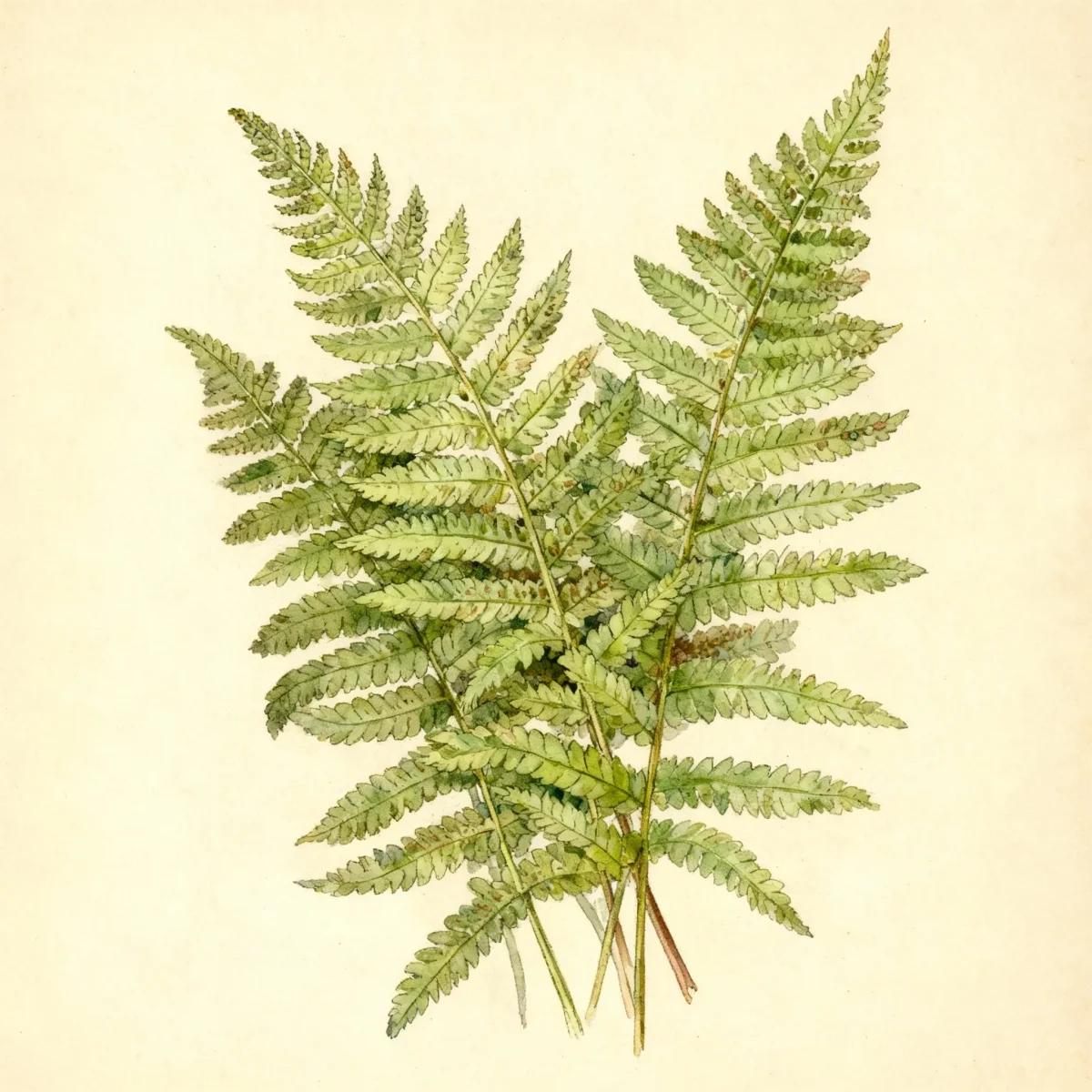
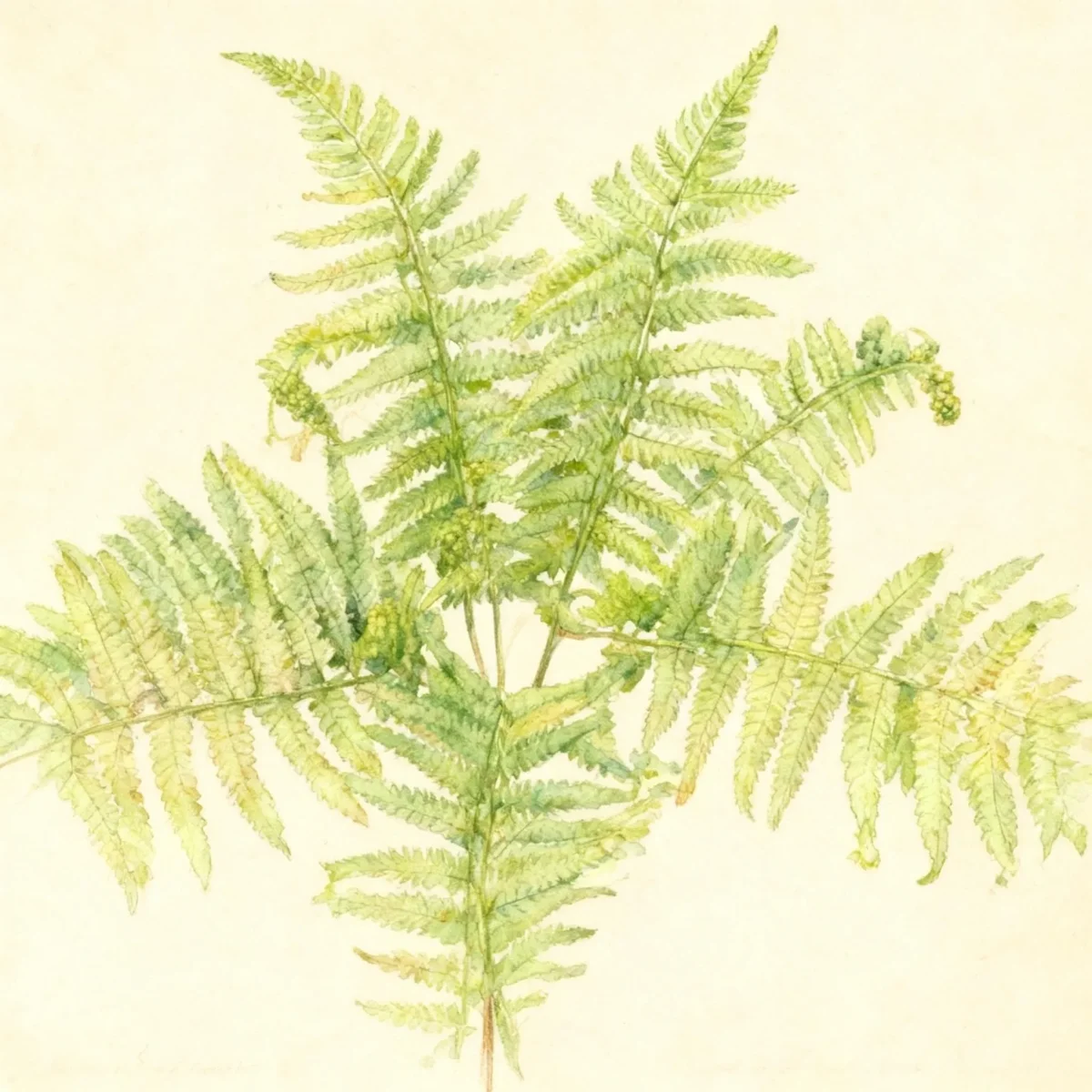
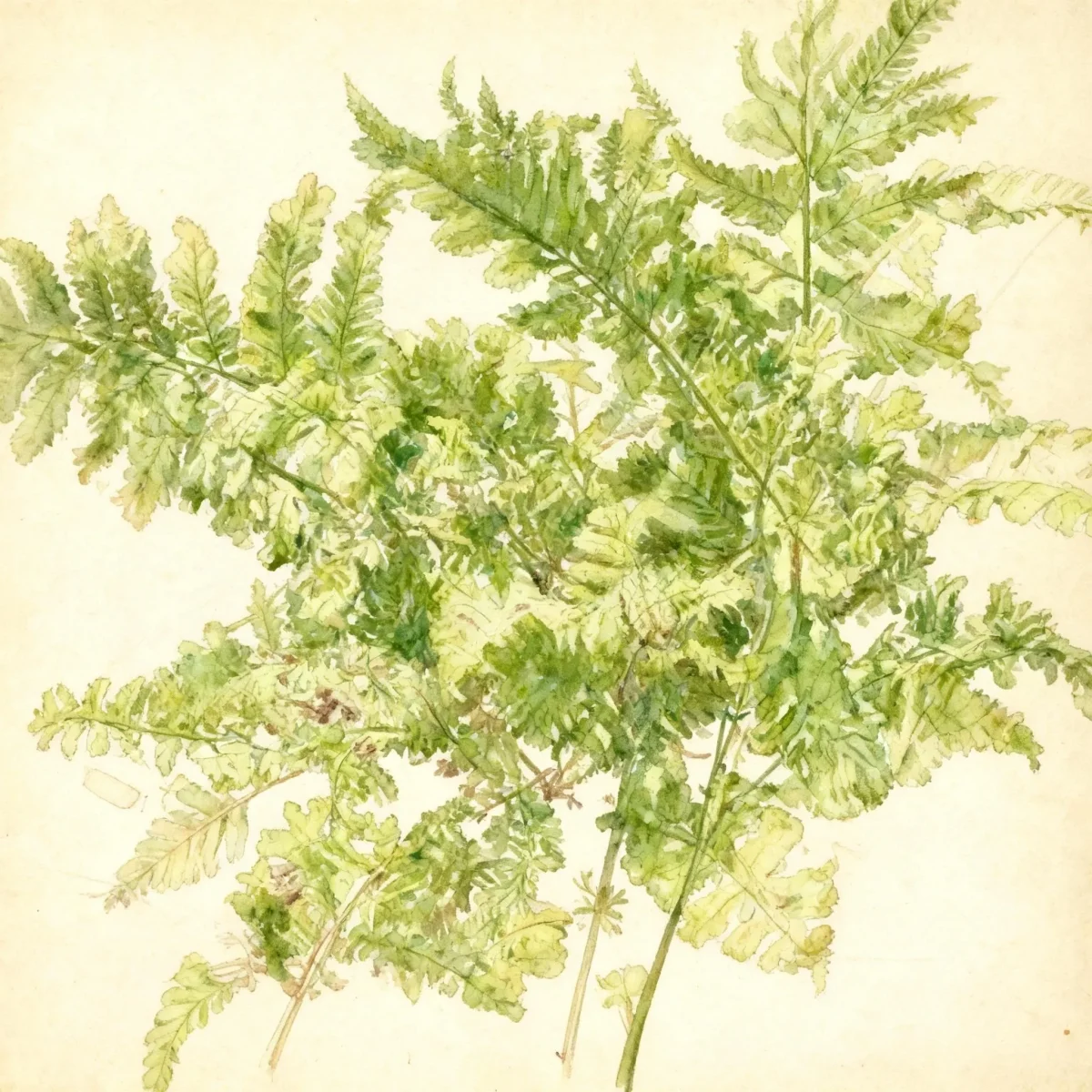
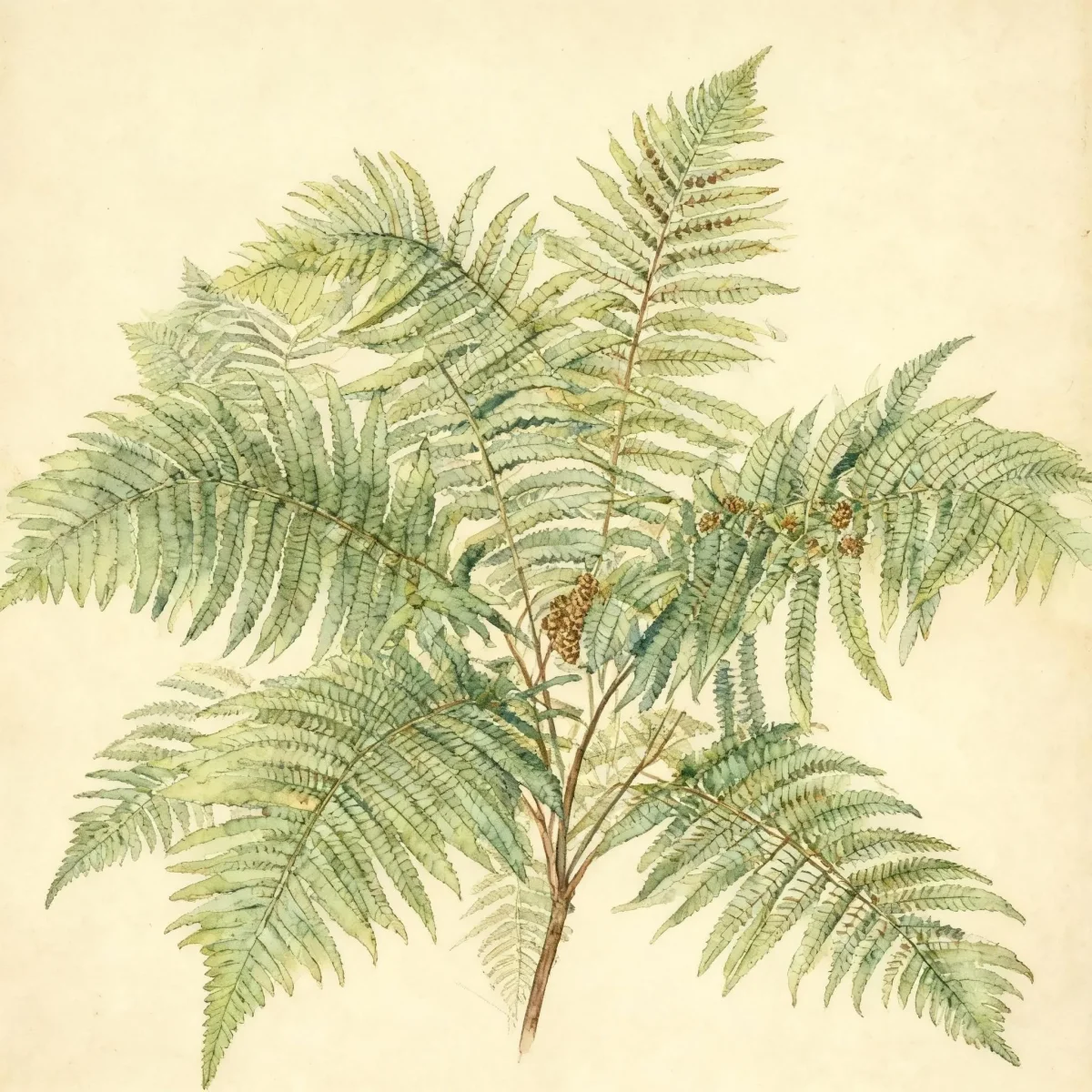
Dryopteris filix-mas, commonly called male fern, is native to Europe and North America. This is a large, arching, deciduous male fern with erect, stout rhizomes and medium green blades (fronds) that grow to 3’ (less frequently to 4’) tall. The structure of the fronds, which are pinnate-pinnatifid, provides dense texture, and sori (spore dots) are distinctively placed closer to the midvein. Specific epithet means male fern in reference to the somewhat vigorous growing habits of ferns in this species.
Tolerances
- Rabbit
- Heavy Shade
- Clay Soil
Potential Problems
Gardeners will appreciate that the Male fern typically suffers from no serious insect or disease problems, making it a reliable inclusion in low-fuss landscapes. Prevention centers on proper site selection; ensure the planting area has good air circulation and avoids perpetually waterlogged conditions, which can invite slug or snail issues on the developing new growth. Should pests occasionally appear, standard organic treatments for soft-bodied garden insects are usually effective.
Frequently Asked Questions
What hardiness zones is Male fern suitable for?
Dryopteris filix-mas is adaptable and suitable for USDA Hardiness Zones 4 through 8.
How large does Male fern grow?
This species typically reaches a mature height between 2 and 3 feet, with a corresponding spread of 2 to 3 feet.
What sun exposure does Male fern need?
The ideal placement for dense, healthy Dryopteris filix-mas is in areas receiving part shade to full shade.
When does Male fern bloom?
As a fern, the Male fern is non-flowering; it reproduces via spores rather than traditional flowers and fruit.
Conclusion
The Dryopteris filix-mas, or Male fern, is an indispensable plant for adding deep, evergreen structure to shaded garden spaces. Its low maintenance needs, combined with its tolerance for less-than-perfect soils, cement its status as a dependable woodland workhorse. Confirm your garden resides within USDA zones 4 to 8 before planting for the best results.
Companion Planting
When pairing plants with Dryopteris filix-mas, always select companions that share a preference for consistent moisture and deep shade. Woodland companions like Hellebores (Helleborus spp.) provide early spring interest before the fern fully unfurls, while Astilbes offer contrasting plumes of color against the fern’s deep green texture. Consider using shade-loving bulbs like Snowdrops (Galanthus) to emerge through the leaf litter before the Male fern begins its spring flush.
Propagation Tips
The primary method for increasing your stock of Dryopteris filix-mas is through division. In early spring or early autumn, carefully lift the clump, ensuring each section has several healthy rhizomes and crown buds attached. Replant the divisions immediately at the same depth they were previously growing, and maintain consistent moisture during the re-establishment period. This method reliably duplicates the parent plant’s desirable characteristics.