Rock polypody (Polypodium virginianum)
Discover Rock polypody (Polypodium virginianum), a low-maintenance, evergreen fern ideal for shady, rocky native gardens.
Scroll down to discover growing tips, care requirements, companion plants, and more
Complete Plant Information
Overview
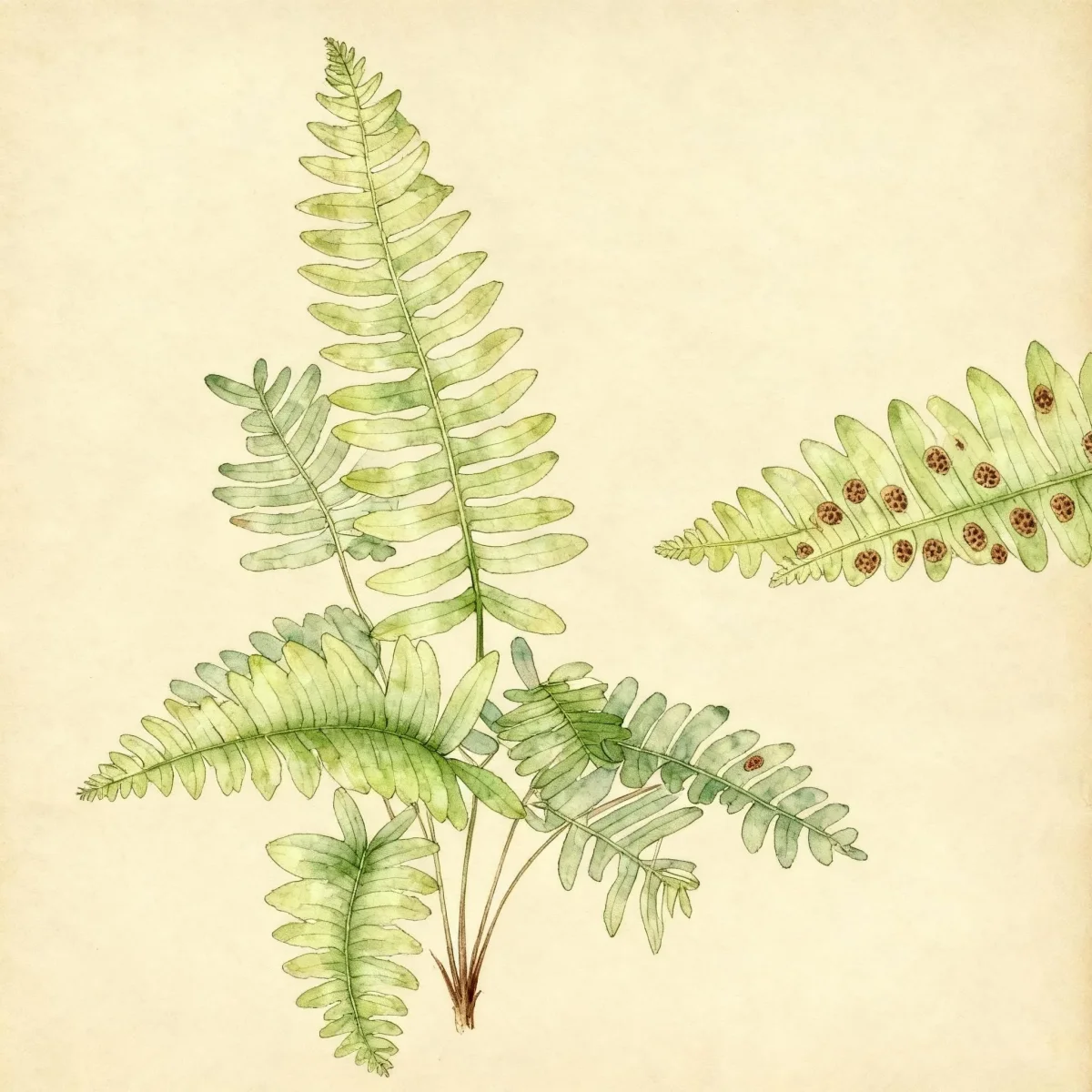
Rock polypody (Polypodium virginianum) is a highly valuable native fern appreciated for its handsome evergreen texture and rugged adaptability. Also known commonly as rock polypody, this species provides year-round greenery, especially cherished in shady woodland settings where deciduous plants dominate the winter landscape. Its leathery, deeply cut fronds offer visual interest from spring until new growth emerges the following year.
This fern is exceptionally undemanding once established, thriving where other plants might struggle due to poor soil or dry shade. While Polypodium virginianum can be slow to establish initially, it eventually forms attractive colonies via creeping rhizomes, making it an excellent tool for naturalizing slopes or rocky outcrops. Its native toughness ensures it remains a relatively pest-free and low-maintenance centerpiece in native plant gardens.
Gardeners seeking reliable texture and year-round structure in shaded areas should consider this species. The American wall fern, Polypodium virginianum, is perfectly suited for creating naturalistic drifts among boulders or within established wild gardens where its preference for rocky crevices can be honored.
Fast Facts
- Plant Family: Polypodiaceae
- Plant Type: Fern
- Native Range: Eastern Asia, North America
- Hardiness Zones: USDA Zones 3-8
- Size at Maturity:
- Height: 0.5-1 ft
- Spread: 0.5-1 ft
- Bloom Time: Non-flowering
- Bloom Description: Non-flowering
- Sun Exposure: Part shade to full shade
- Water Needs: Medium
- Maintenance Level: Low
How to Grow
For successful establishment, plant Rock polypody during the cool, moist conditions of early spring or fall. Locate Polypodium virginianum specifically where it receives part shade to full shade; direct hot afternoon sun will scorch the foliage quickly. A critical requirement is excellent drainage, as this fern absolutely abhors sitting in soggy soil.
Polypodium virginianum culturally prefers humusy, somewhat infertile soils that drain well, mimicking its native habitat on rocky ledges. While it needs medium water, particularly when young, established plants show good drought tolerance once their branching, creeping rhizomes anchor firmly. Fertilization is rarely necessary; rich soil can actually be detrimental by holding too much moisture.
Maintenance is minimal for established colonies of rock polypody. Avoid excessive disturbance to the root zone once planting is complete, allowing the plant to naturalize slowly over time. There is no significant pruning required, as the fronds are evergreen and only need tidying if unsightly or damaged.
A common difficulty is initial establishment; ensure newly planted specimens receive consistent moisture until roots are active. Once adapted to the site, Polypodium virginianum requires little intervention, rewarding patient gardeners with persistent, reliable ground cover over rocky terrain.
Landscape Uses
The primary strength of Polypodium virginianum lies in its ability to naturalize seamlessly into shaded, rugged landscapes. It excels when massed in rock gardens, tucked into crevices between large stones, or allowed to drift naturally throughout deciduous woodlands. This fern integrates beautifully into native plant gardens where textural contrast is desired against broader-leaved woodland perennials.
Because the rock polypody forms a low-growing, creeping colony (only reaching 1 foot tall and wide), it functions perfectly as a living, green mulch beneath light-canopy trees or along shaded walkways. Its evergreen nature makes it an outstanding choice for transitional areas, providing structure when herbaceous companions have fully retreated for the winter.
Consider pairing Polypodium virginianum with other shade-tolerant, textural plants like hostas, small ferns such as maidenhair, or groundcovers like wild ginger. The combination of drought tolerance and preference for rocky soil means it complements plants that also enjoy sharp drainage in shaded settings, creating a self-sustaining, low-maintenance microclimate.
Standout Features
Noteworthy Characteristics
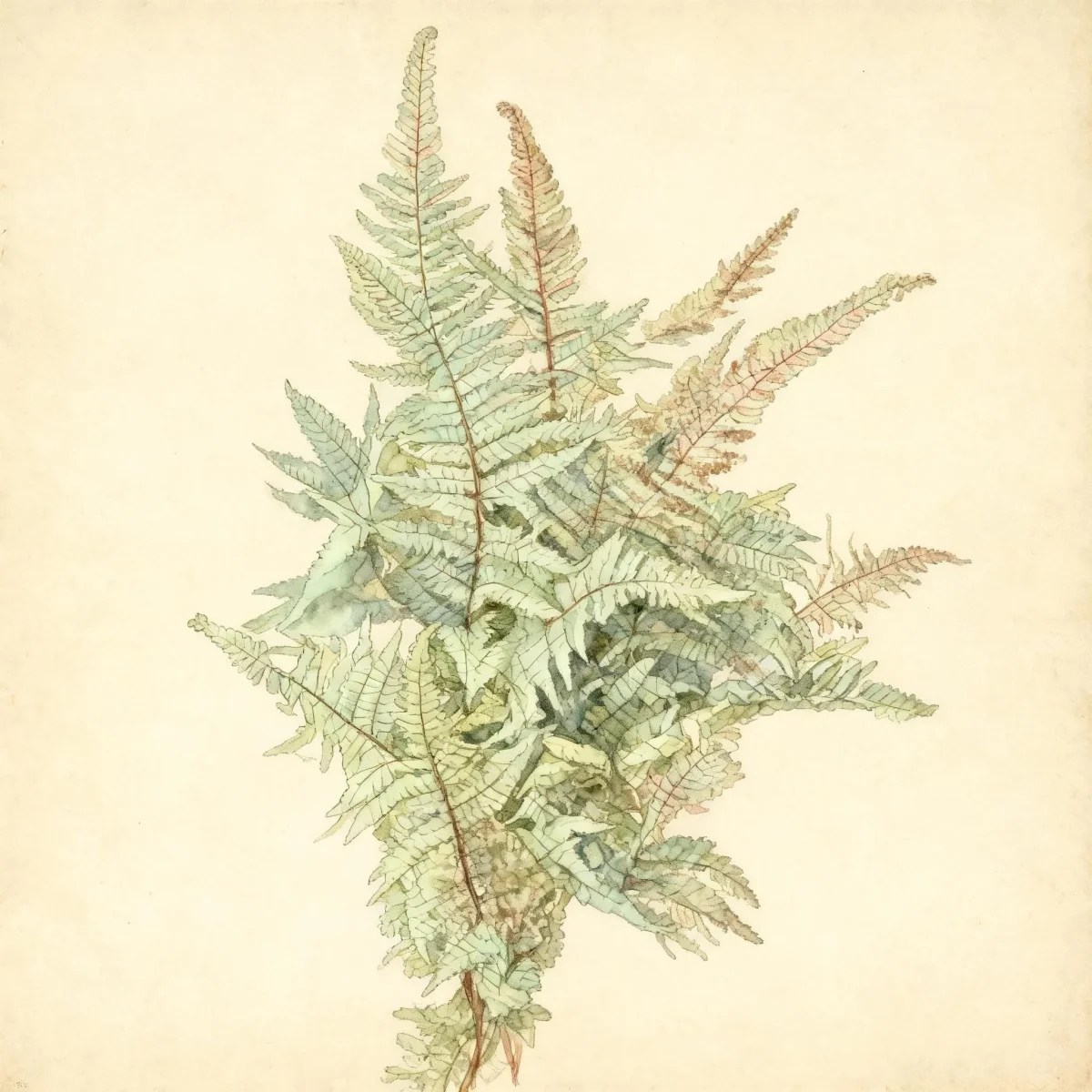
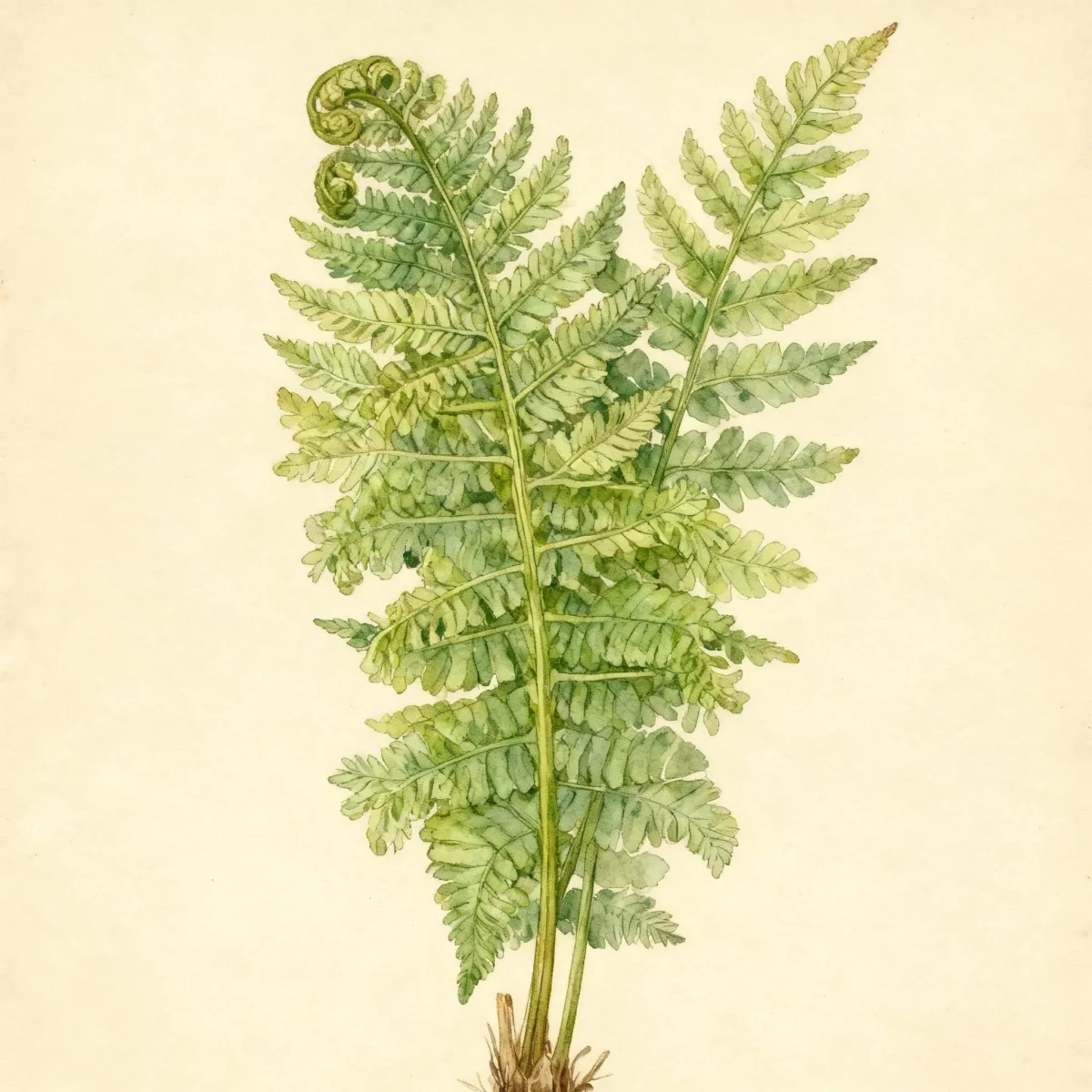
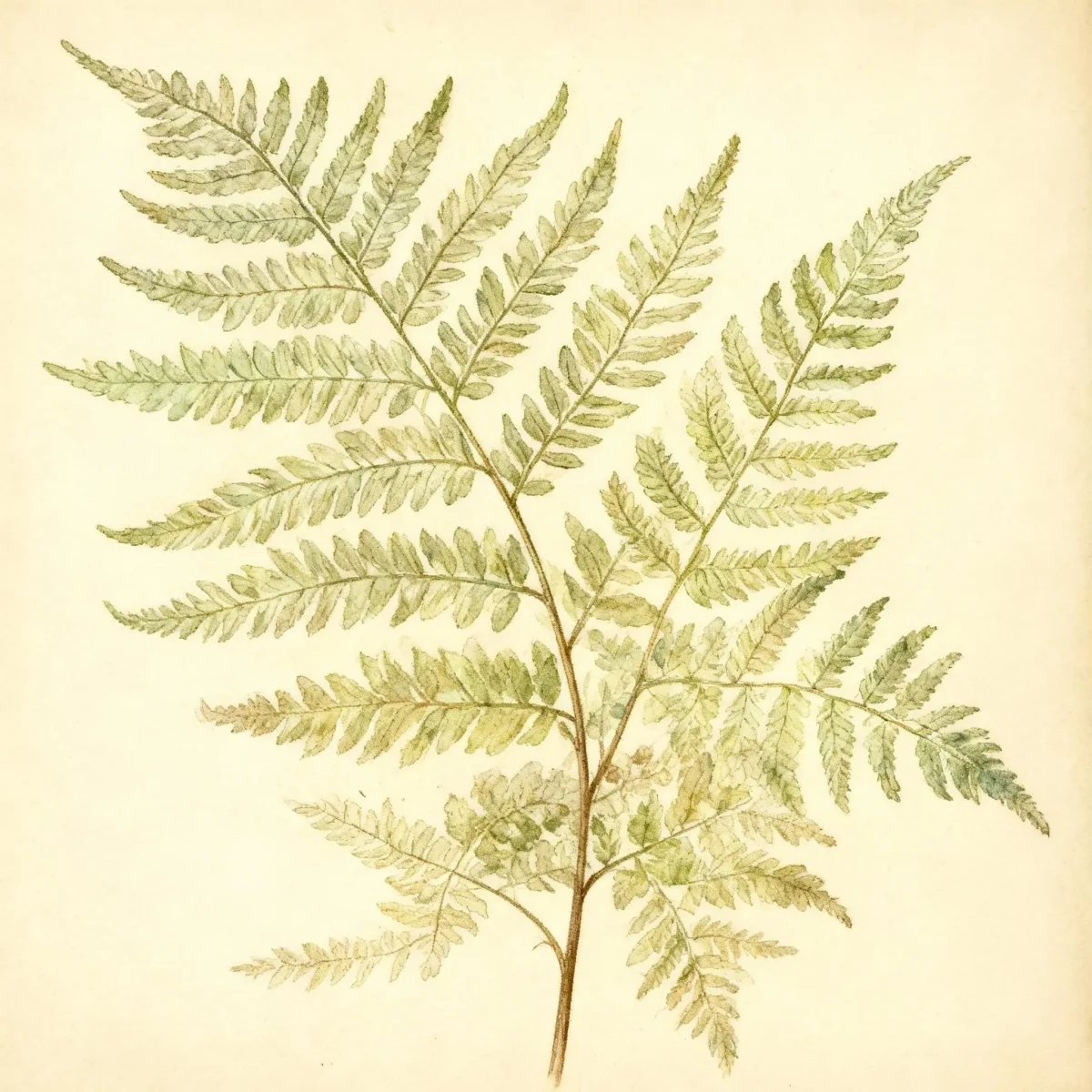
Polypodium virginianum, commonly called common polypody, Virginiana polypody, rockcap fern or American wall fern, is native to the eastern and central U.S. And Canada. In Missouri, it occurs on boulders, rocks, ledges and bluff crevices of sandstone, chert or granite, primarily in the eastern Ozark region (Steyermark). It is very similar in appearance to P. Vulgare, and has been listed in the past by some experts as P. Vulgare var. Virginianum. This is an evergreen fern that grows in creeping clumps to 10” tall with erect to arching, leathery, oblong-lanceolate to triangular, deeply-cut, pinnately lobed fronds. Genus name comes from the Greek name polypodion from polys meaning many and pous meaning a foot.
Tolerances
- Rabbit
- Drought
- Dry Soil
- Shallow-Rocky Soil
Potential Problems
This fern is highly resistant to most common garden pests and diseases, making Polypodium virginianum exceptionally easy to manage. Growers should primarily focus on cultural issues rather than pest control. The most significant potential problem is root rot caused by overly compacted or constantly saturated soil conditions, which is fatal to this species that demands good drainage.
To prevent issues, ensure adequate soil aeration before planting, especially if your garden soil is heavy clay. If establishing the rock polypody in a challenging, dry, rocky area, provide consistent supplemental water during the first growing season until the rhizomes spread sufficiently to seek deeper moisture.
Frequently Asked Questions
What hardiness zones is Rock polypody suitable for?
Polypodium virginianum is robustly cold-hardy, suitable for USDA Hardiness Zones 3 through 8.
How large does Rock polypody grow?
This fern maintains a very small stature, typically reaching heights between 0.5 and 1 foot tall, with an equivalent spread of 0.5 to 1 foot as it naturalizes.
What sun exposure does Polypodium virginianum need?
Polypodium virginianum thrives best in conditions ranging from part shade to full shade, avoiding hot, intense direct sunlight.
When does Rock polypody bloom?
As a fern, this species is non-flowering. It reproduces via spores, not true flowers or fruit.
Conclusion
The Rock polypody (Polypodium virginianum) offers irreplaceable evergreen texture and rugged durability, thriving in dry, rocky, shaded environments where many garden plants fail. This low-maintenance champion easily naturalizes into colonies, providing consistent visual appeal throughout the year. Before planting, confirm your site offers adequate drainage and shady protection, and plan for initial deep watering to encourage successful establishment this upcoming season.
Companion Planting
When selecting companions for Polypodium virginianum, prioritize plants that share its need for well-drained soil and protection from harsh afternoon sun. Good textural partners include the delicate, deep-green foliage of Adiantum pedatum (Northern Maidenhair Fern) or other small, shade-loving ferns that tolerate drier conditions better than wetter types.
Consider using spring ephemerals like Bloodroot (Sanguinaria canadensis) or Mayapple (Podophyllum peltatum) to provide early color and bulk before the evergreen structure assumes full prominence. Because rock polypody spreads slowly via rhizomes and prefers lean soil, avoid overly aggressive groundcovers that might choke out the emerging fiddleheads.
Propagation Tips
The primary method for increasing Polypodium virginianum is natural division using its creeping rhizomes. When working with established colonies, gently lift sections of the rhizome chain during the dormant season (late fall or early spring) using a sharp spade or hand trowel. Ensure each separated piece has several healthy roots attached.
Plant these divisions promptly at the same depth they were previously growing, ensuring the crown is level with the surrounding soil surface. Success hinges upon rigorous moisture control for the first few weeks post-transplant; while the parent plant tolerates drought, dividing the plant creates fresh wounds susceptible to drying out quickly. Spore propagation is possible but significantly slower and rarely undertaken by home gardeners for this particular rock polypody.