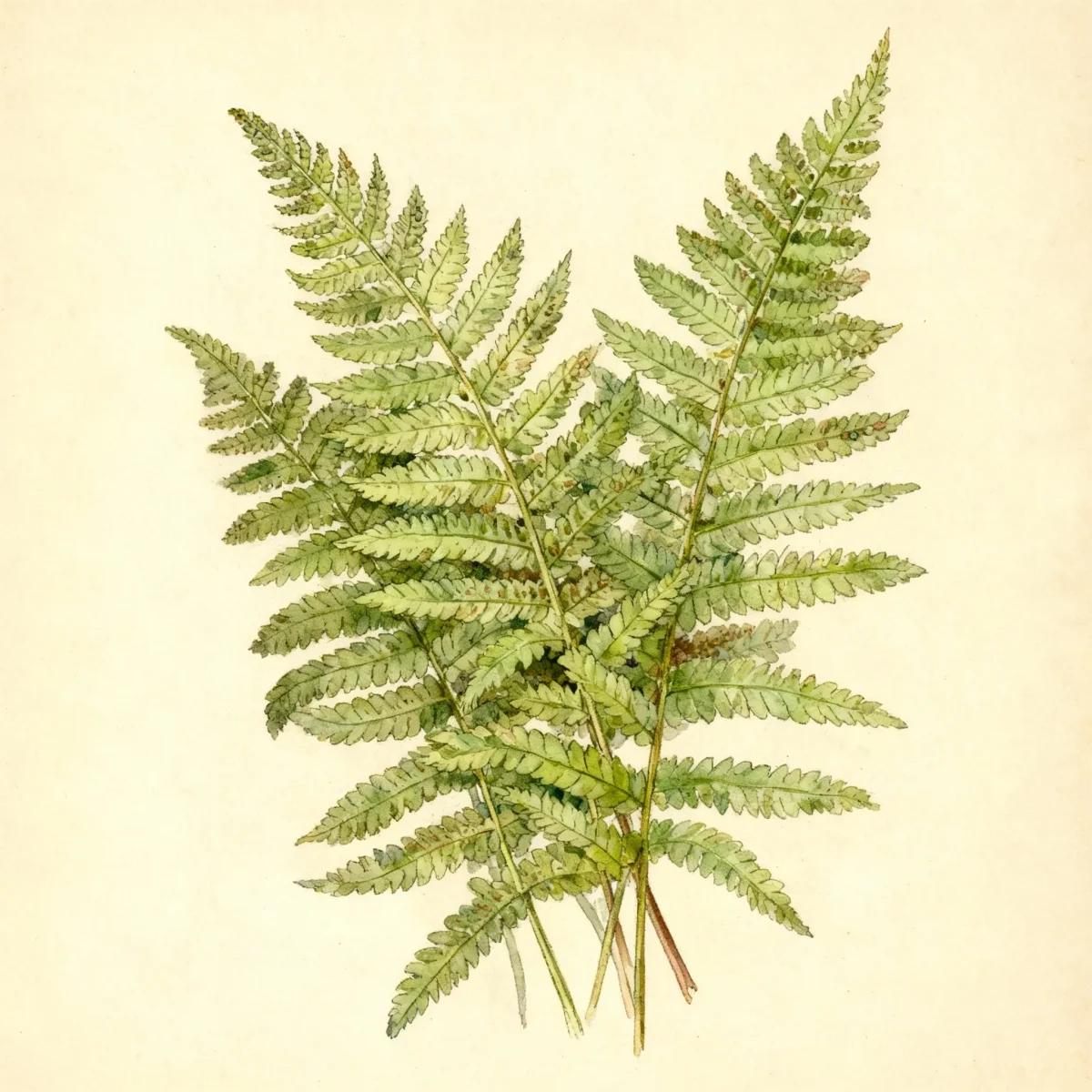
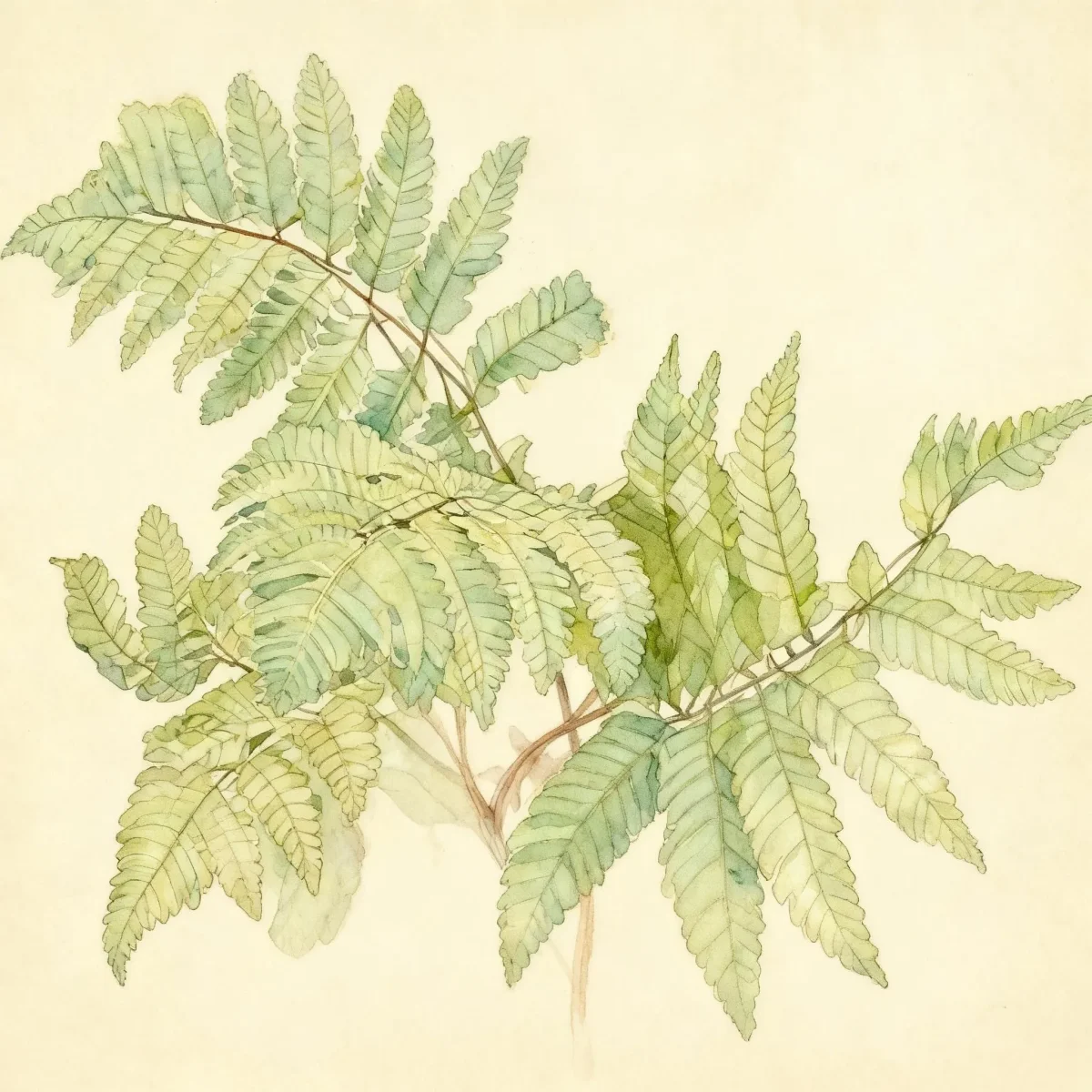
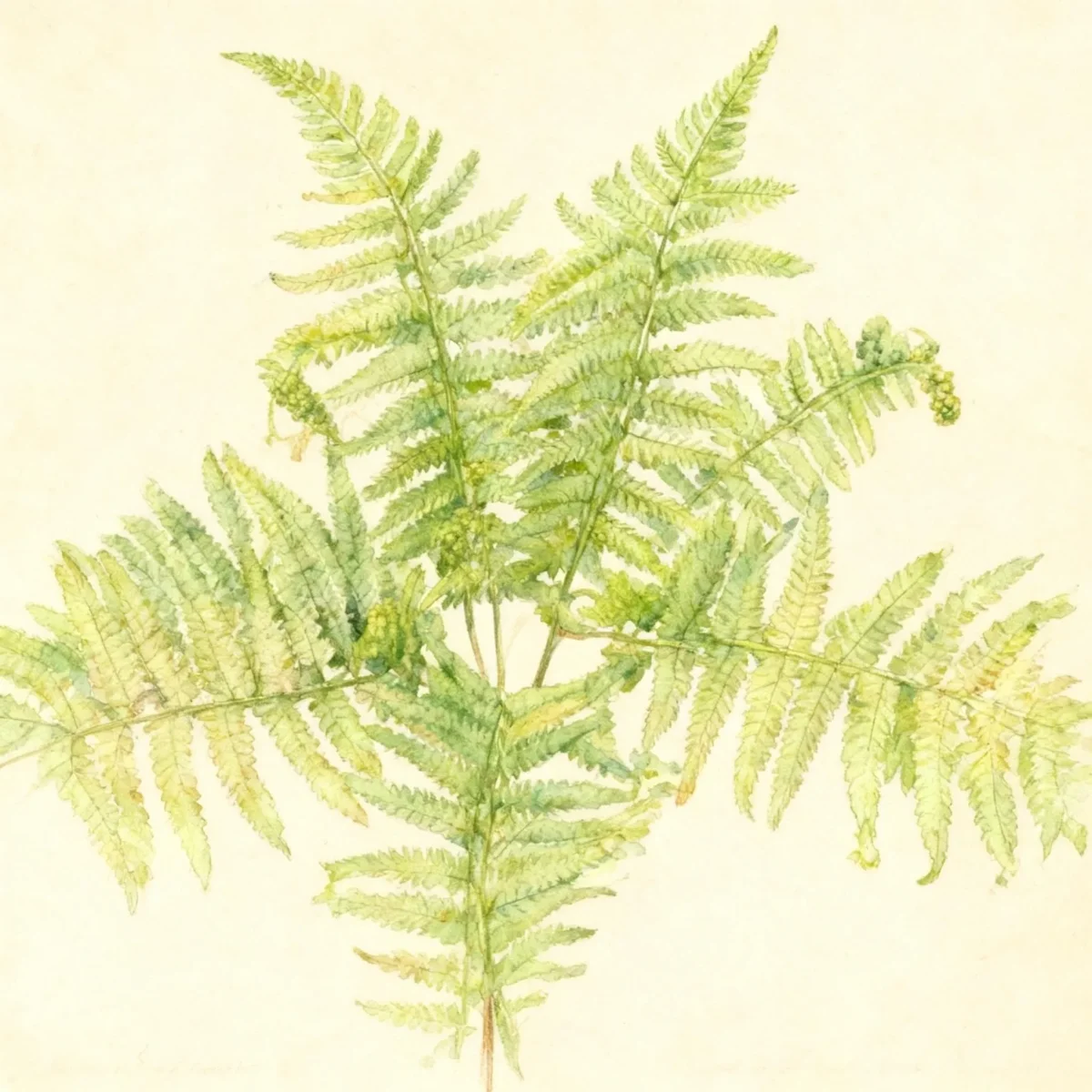
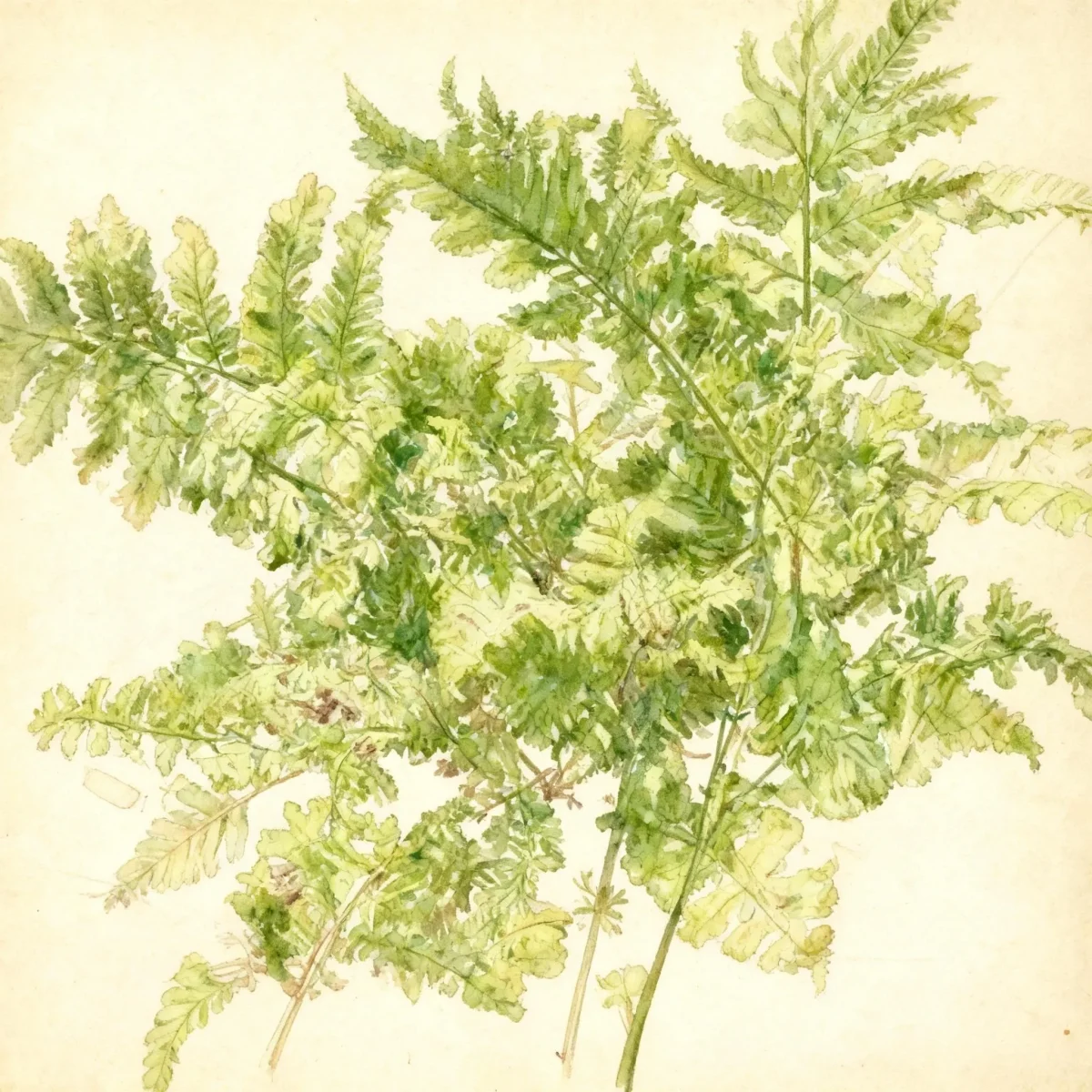
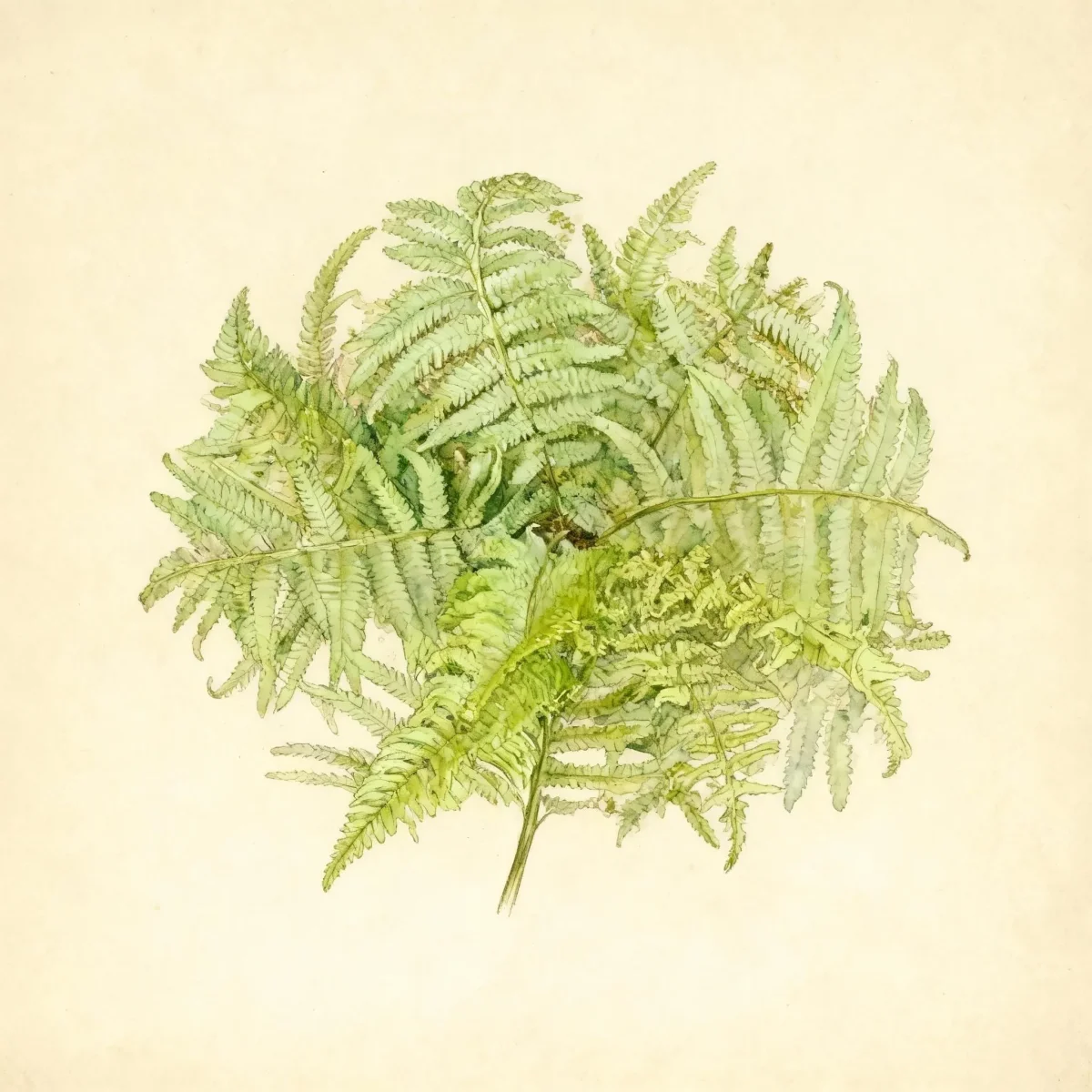
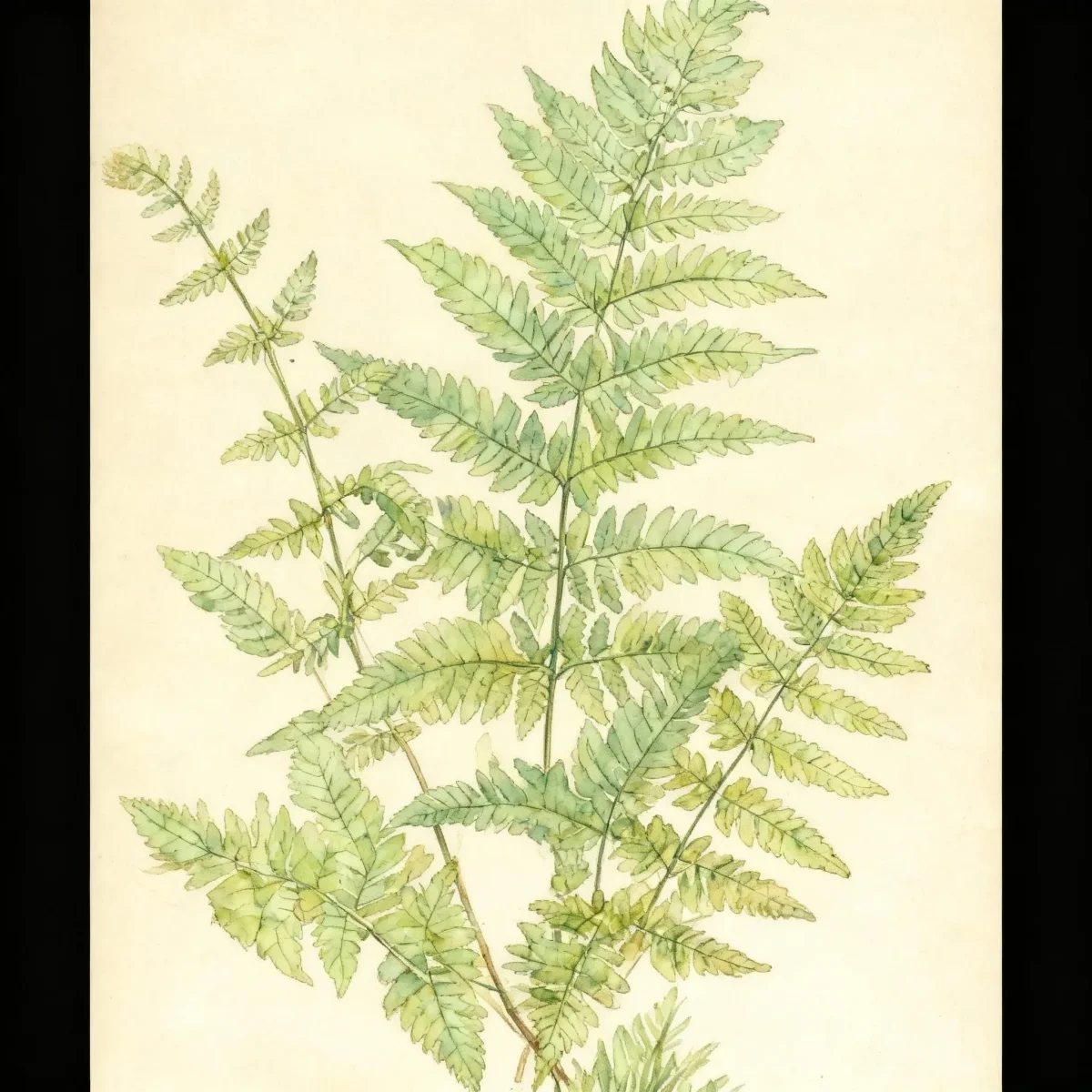
Braun's holly fern (Polystichum braunii)
Braun's holly fern (Polystichum braunii) offers lustrous, dark green fronds, thriving in shade with low maintenance upkeep.
Scroll down to discover growing tips, care requirements, companion plants, and more
Complete Plant Information
Overview
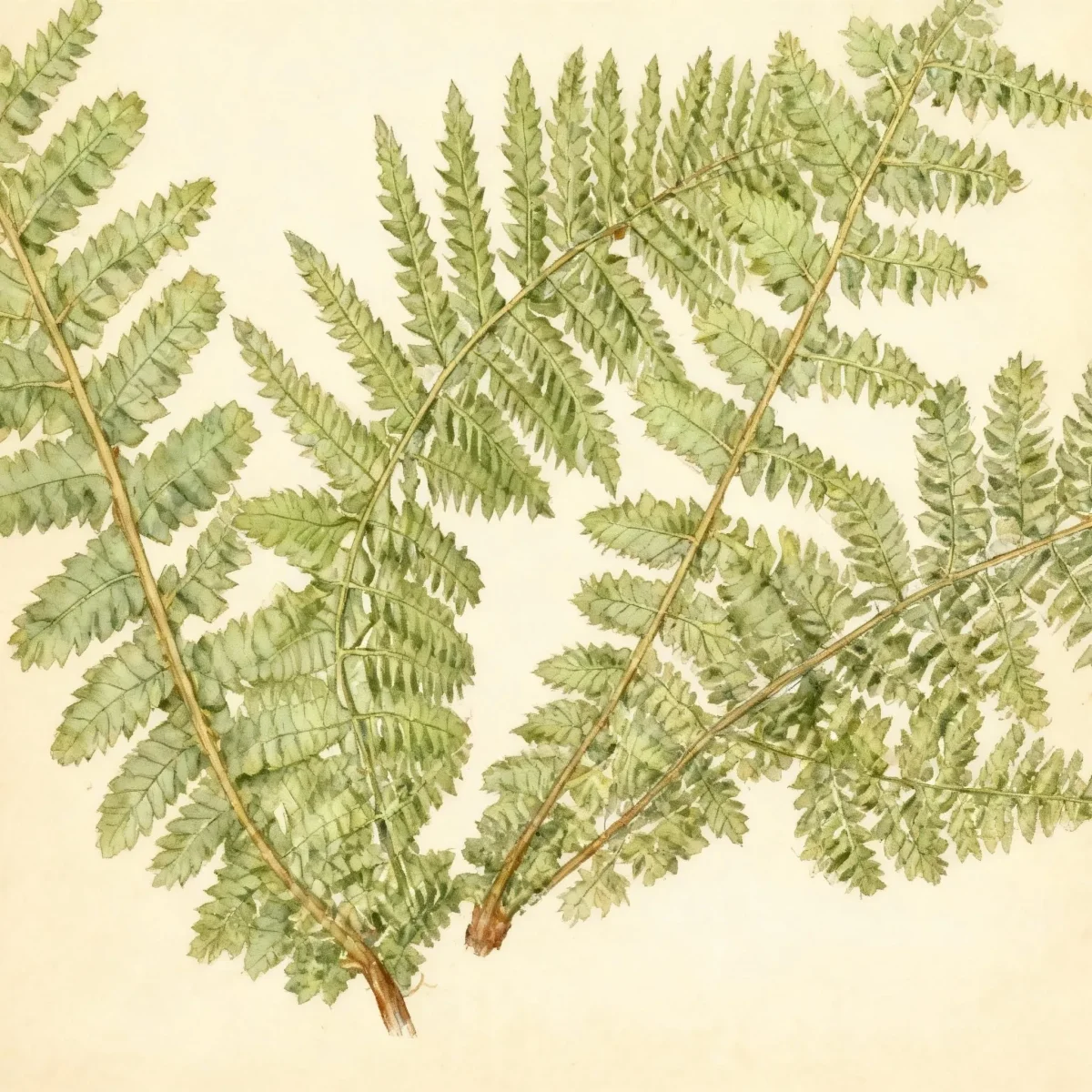
Braun’s holly fern, scientifically known as Polystichum braunii, is a distinguished woodland native appreciated for its rich, dark green foliage and elegant, upright habit. This fern provides essential texture and deep color contrast in deeply shaded garden environments where few other perennials thrive. It forms dense, erect-arching clumps composed of highly decorative, leathery, bipinnate fronds.
Valued for its resilience once established, Polystichum braunii is a relatively low-maintenance plant, making it ideal for both woodland gardens and borders seeking year-round structure. The fronds are semi-evergreen, offering structure even through milder winters. Gardeners prize this species for its adaptability to cool, moist shade.
Native across disparate regions of North America and Eurasia, Braun’s holly fern brings a reliable, forest-floor aesthetic to home landscapes. It establishes readily beneath mature trees, requiring only consistent moisture and protection from intense afternoon sun to flourish beautifully.
Fast Facts
- Plant Family: Dryopteridaceae
- Plant Type: Fern
- Native Range: North America, Eurasia
- Hardiness Zones: USDA Zones 3-8
- Size at Maturity:
- Height: 2-3 ft
- Spread: 2-3 ft
- Bloom Time: Non-flowering
- Bloom Description: Non-flowering
- Sun Exposure: Part shade to full shade
- Water Needs: Medium
- Maintenance Level: Low
How to Grow
The best time to establish Polystichum braunii is typically in Spring or early Fall, allowing the root system time to settle before environmental extremes. Locate this fern where it receives filtered light, moving from part shade to full shade as acceptable. This species demands moist, well-drained woodland soils.
Consistent watering is crucial, especially during the fern’s establishment period and during dry summer spells, reflecting its medium water needs. While low maintenance, gardeners should be vigilant about soil drainage. A specific cultural tip for Polystichum braunii is to plant the rhizome slightly angled; this small adjustment helps prevent water from pooling directly over the crown, which can lead to rot.
Fertilization is rarely necessary if the fern is planted in rich, organic woodland soil. Focus maintenance efforts on keeping the surrounding area clear of competing weeds and heavy leaf litter that might smother the crown. Minimal pruning is required, usually just removing any damaged or dead fronds in early spring before new growth emerges.
Landscape Uses
Braun’s holly fern is an excellent choice for gardeners aiming to replicate a cool, shaded forest floor habitat. Its upright and arching form makes it a superb structural element. Use it effectively along shaded borders where its dark green texture can pop against lighter groundcovers or emerging spring bulbs.
This fern integrates seamlessly into woodland gardens and wild gardens, providing reliable vertical interest throughout the season. Consider grouping several Polystichum braunii together to create dense, lush drifts. They pair beautifully with shade-loving hostas, heucheras, and spring ephemeral wildflowers that fade before the fern fully dominates the understory.
For damp, shady areas where turf fails, a planting of Braun’s holly fern offers a durable, attractive alternative, requiring less overall intervention than a traditional lawn requires.
Standout Features
Noteworthy Characteristics
Polystichum braunii, commonly called Braun’s holly fern, is native to shaded locations in cool, moist woods in two different areas of North America: (1) Alaska to British Columbia and (2) Newfoundland to Minnesota south to Wisconsin and New York. It typically forms a dense, erect-arching clump to 2-3’ tall of lustrous, leathery, bipinnate, dark green fronds that are semi-evergreen. The genus name refers to the many rows of spore cases found on the underside of the fronds.
Tolerances
- Rabbit
- Deer
Potential Problems
Polystichum braunii enjoys a relatively clean bill of health, reporting no serious insect or disease issues in typical garden settings. The most significant threat comes from environmental factors, specifically moisture management. Crown rot is the primary potential problem, which occurs almost exclusively in soils that retain too much water, particularly during the dormant winter months. Ensure planting areas offer excellent drainage, potentially amending heavy clay soils with copious amounts of organic matter to improve aeration around the rhizome.
Frequently Asked Questions
What hardiness zones is Braun’s holly fern suitable for?
Braun’s holly fern is remarkably hardy, suitable for USDA Zones 3 through 8, allowing it to survive cold winters across broad regions.
How large does Polystichum braunii grow?
When mature, Polystichum braunii generally reaches a height between 2 and 3 feet, with a similar spread of 2 to 3 feet, forming a substantial clump.
What sun exposure does Braun’s holly fern need?
This fern thrives best in part shade to full shade conditions, preferring protection from intense, direct afternoon sunlight to maintain its vibrant green color.
When does Polystichum braunii bloom?
As a fern, Braun’s holly fern is non-flowering; its reproductive structures are blackish sporangia found on the underside of the fronds.
Companion Planting
When integrating Polystichum braunii into a shade garden design, focus on companions that share its preference for cool, moist soil and protection from harsh sun. Consider planting near moisture-loving woodland wildflowers like Trillium or delicate ferns such as Maidenhair or Lady fern for textural contrast. Groundcovers like Pachysandra or Vinca minor can help suppress weeds while keeping the soil consistently shaded and cool around the base of the Braun’s holly fern.
Propagation Tips
The primary method for increasing your stock of Polystichum braunii is by dividing the mature clump. This is best accomplished in early spring before new fiddleheads unfurl, or in early fall. Carefully dig around the clump, gently separating sections that possess healthy rhizomes and several attached fronds. Ensure each division has adequate root material to sustain itself immediately upon replanting in its new, well-prepared, moist location.
Conclusion
Braun’s holly fern offers gardeners an exceptionally attractive, low-maintenance perennial capable of anchoring deeply shaded borders with its lustrous, semi-evergreen fronds. The unique upright habit of Polystichum braunii ensures structural interest throughout the year. Before planting, verify that your location provides the required cool, moist soil conditions and plan your installation for spring or fall for the best establishment success.