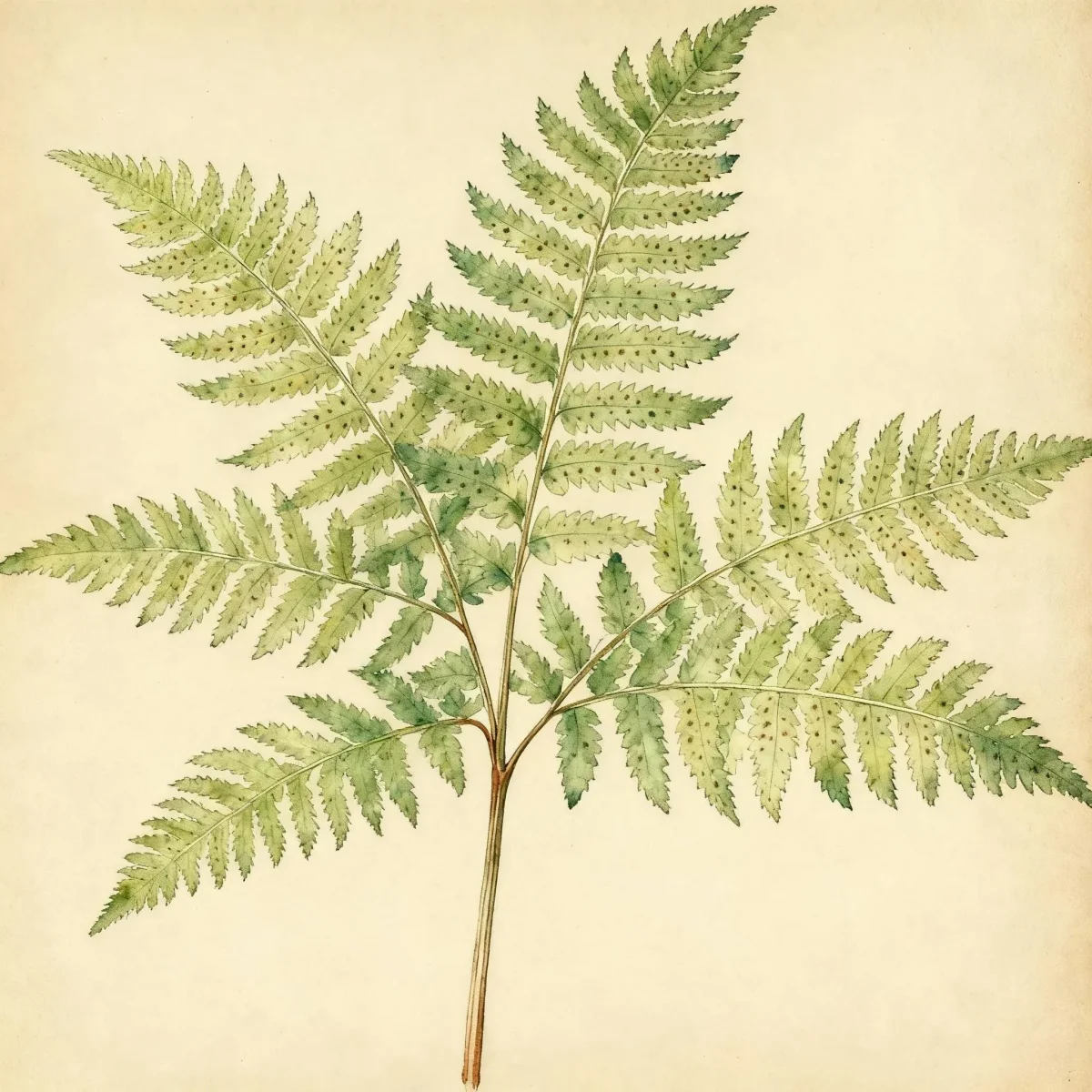
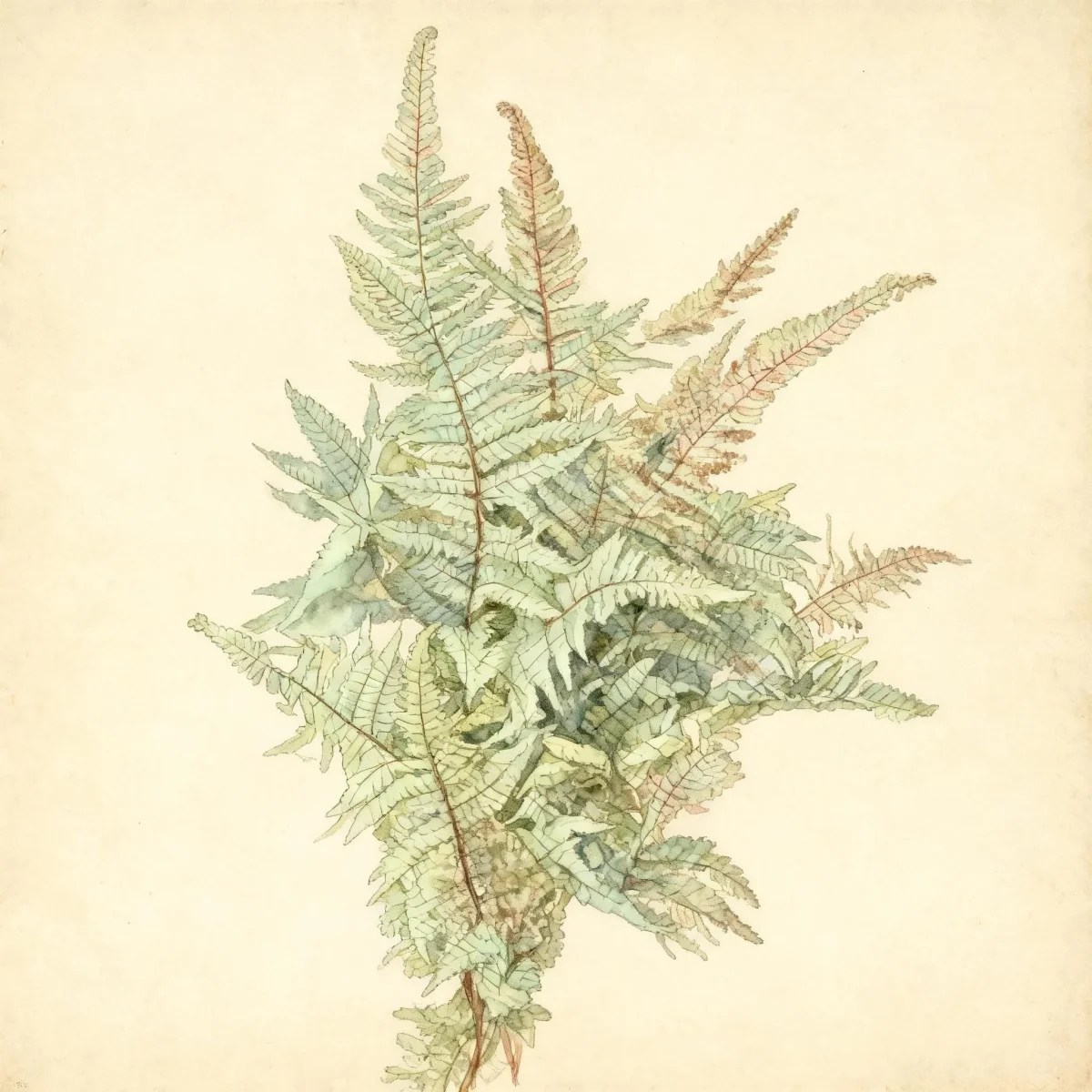
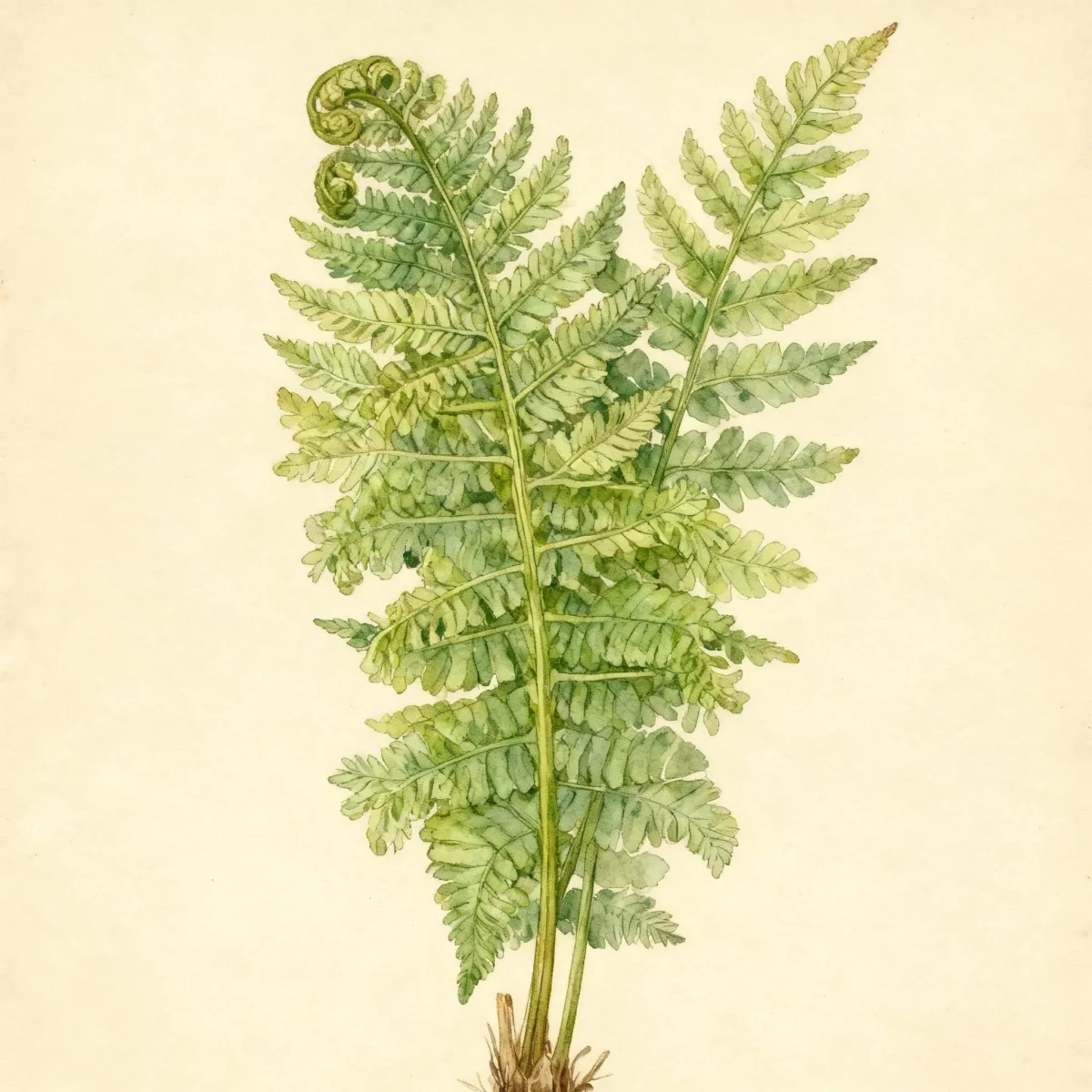
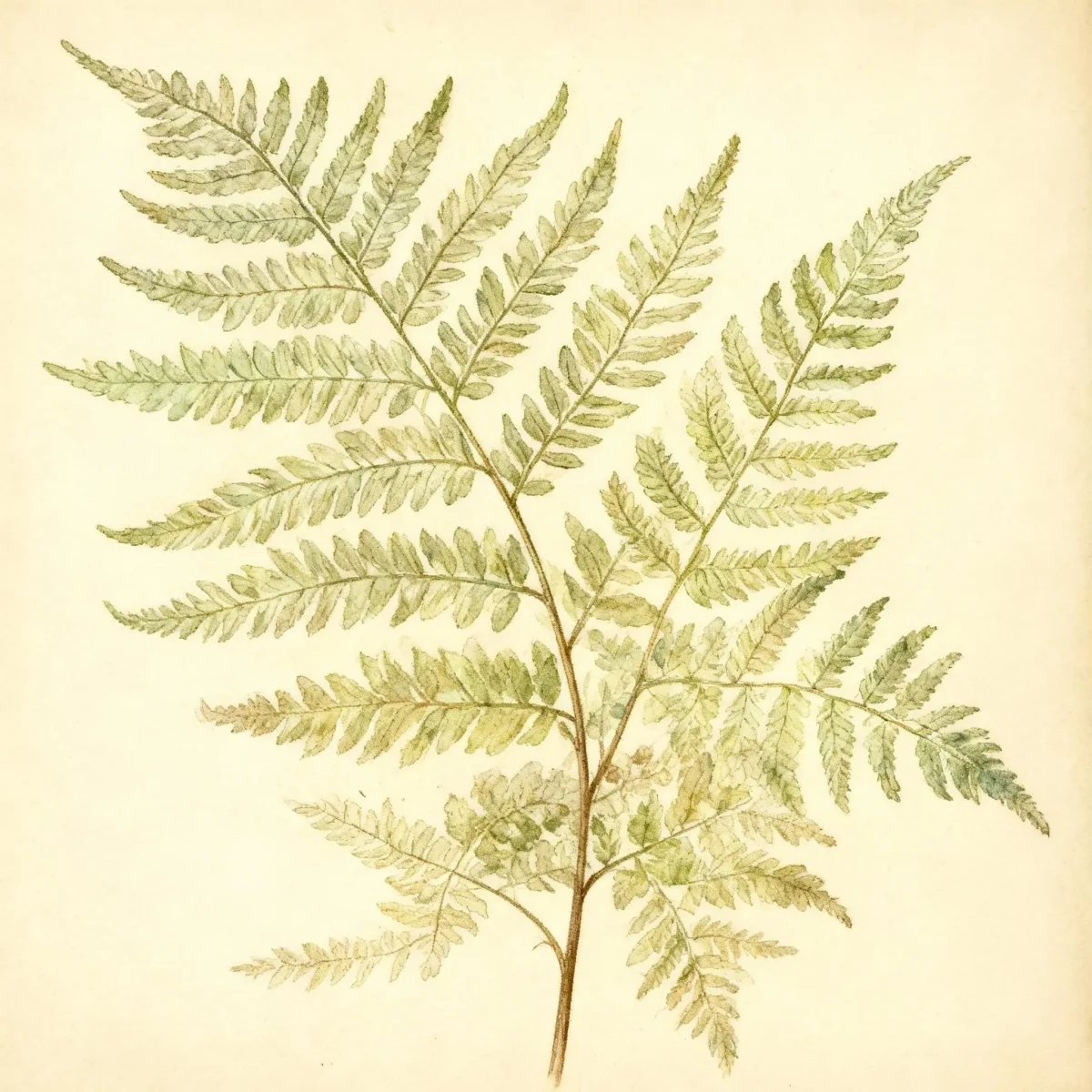
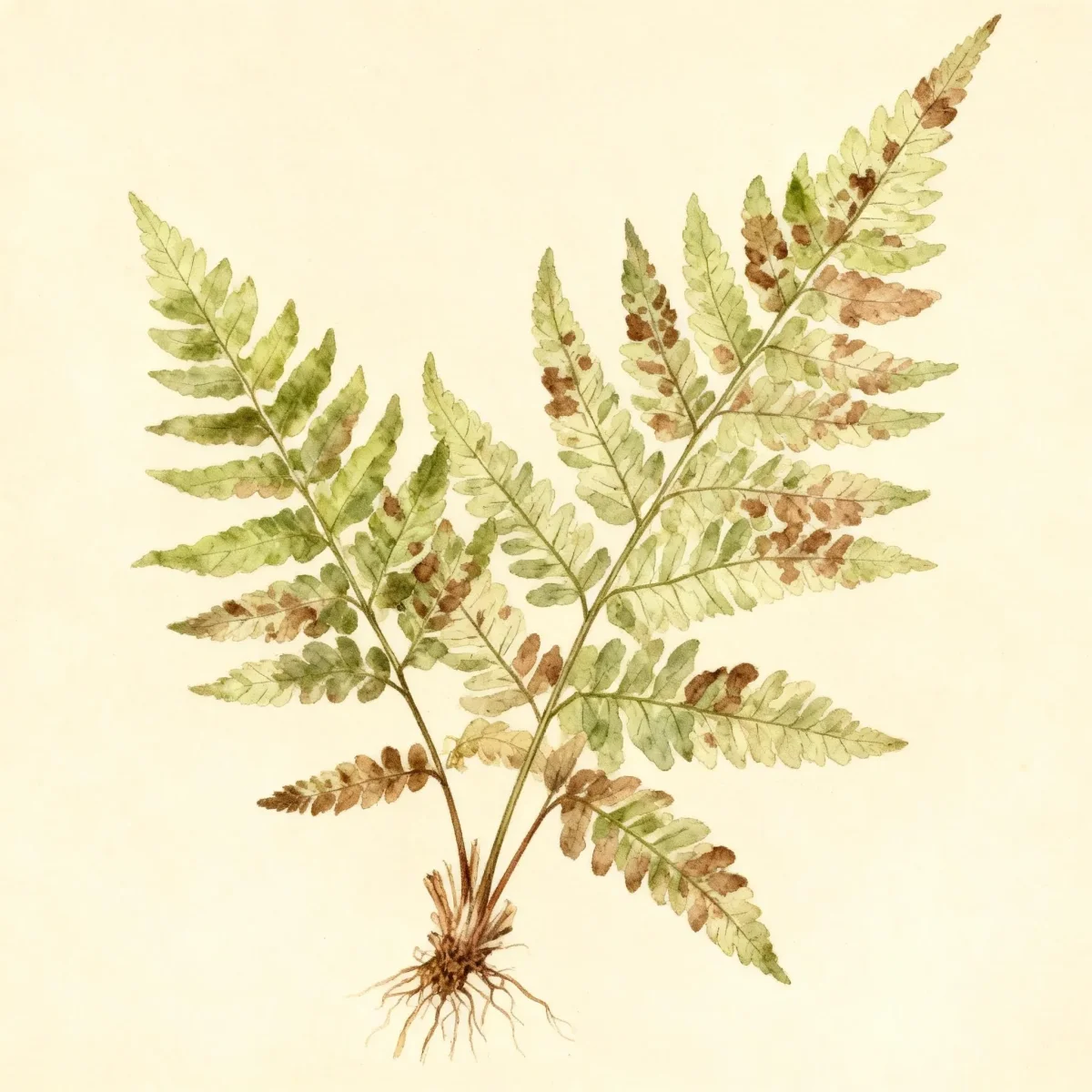
Blunt-lobed woodsia (Woodsia obtusa subsp. obtusa)
Discover Blunt-lobed woodsia (Woodsia obtusa subsp. obtusa), a delicate fern for rock gardens needing medium moisture and part shade.
Scroll down to discover growing tips, care requirements, companion plants, and more
Complete Plant Information
Overview
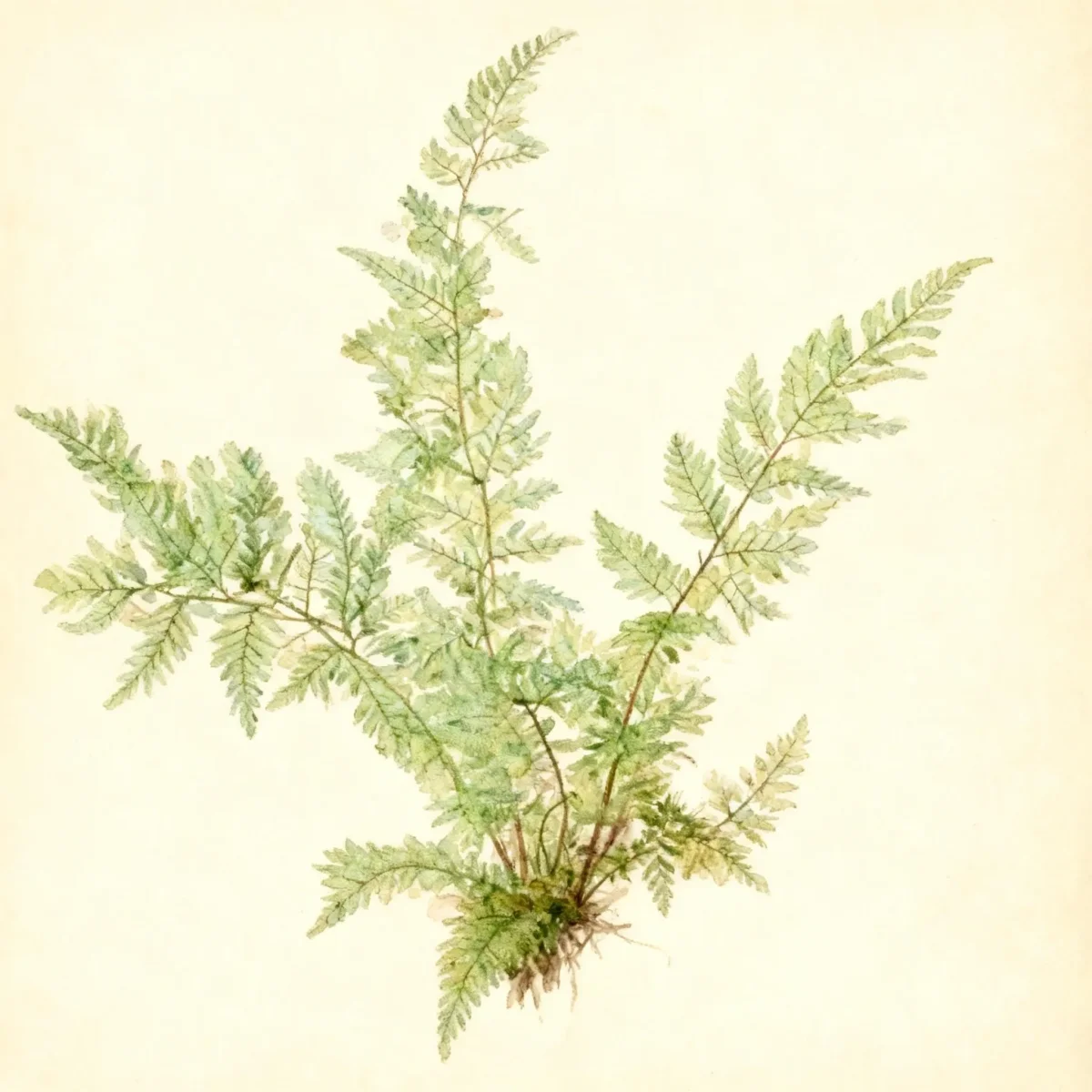
Woodsia obtusa subsp. obtusa, commonly recognized as the Blunt-lobed woodsia, offers a delicate, airy texture perfect for specialized garden niches. This deciduous fern is valued for its fine-textured, light green foliage that thrives in shaded, rocky environments, making it a quintessential choice for native plantings. As a diminutive native of North America, the Blunt-lobed woodsia brings authentic woodland charm to any appropriate setting.
It requires consistent moisture but absolutely shuns saturated soil conditions. Successful cultivation of Woodsia obtusa subsp. Obtusa hinges on mimicking its natural habitat: well-drained, rocky, or sandy soils, often leaning toward neutral to slightly alkaline pH. Gardeners looking to incorporate this species should focus on providing the necessary shade and drainage structure.
The aesthetic appeal of Woodsia obtusa subsp. obtusa lies in its tufted habit and finely cut fronds, which contrast beautifully against coarser shade-loving groundcovers. While it tolerates medium maintenance, ensuring proper site preparation—especially regarding soil drainage—is the most crucial step for establishing a healthy stand of this attractive fern.
Fast Facts
- Plant Family: Woodsiaceae
- Plant Type: Fern
- Native Range: North America
- Hardiness Zones: USDA Zones 4-8
- Size at Maturity:
- Height: 1-1.5 ft
- Spread: 2-2.5 ft
- Bloom Time: Non-flowering
- Bloom Description: Non-flowering
- Sun Exposure: Part shade to full shade
- Water Needs: Medium
- Maintenance Level: Medium
How to Grow
The best time to establish Woodsia obtusa subsp. obtusa is typically during the cooler, moist transition seasons—spring or early fall—to allow root establishment before temperature extremes. Select a site that receives part shade to full shade, ensuring protection from intense afternoon sun which can scorch the foliage. Proper soil preparation is paramount; the plant requires medium moisture but demands excellent drainage, thriving best in rocky or sandy substrates. It particularly prefers neutral to slightly alkaline soil conditions, so amending heavy clay soils with grit or coarse sand is often necessary.
Watering should be consistent to maintain medium moisture levels, especially during dry spells. Avoid letting the soil become waterlogged, as this plant actively abhors wet, poorly drained conditions and will quickly decline. Fertilization is generally not required if the soil is moderately rich in organic matter, reflecting its preference for leaner, native conditions over highly amended garden beds.
Maintenance for the Blunt-lobed woodsia is relatively low once established. Pruning mainly involves removing any spent or damaged fronds in early spring before new growth emerges. Be aware that the foliage of Woodsia obtusa subsp. obtusa may depreciate or look tired during exceptionally hot summer weather, even if watered adequately, though it typically revives as conditions cool.
Landscape Uses
The natural affinity of Blunt-lobed woodsia for rocky outcrops translates directly into ideal landscape applications for gardeners. This small fern is exceptionally effective when planted in rock gardens, where its airy structure softens hardscape elements like boulders and retaining walls. Its requirement for shade and sharp drainage makes it a standout choice where many traditional woodland species might struggle due to dryness or inadequate sun exposure.
Consider incorporating Woodsia obtusa subsp. Obtusa into shaded borders or woodland garden settings where its fine texture can offer contrast to broader-leaved hostas or ferns. Since it is a Missouri native, it integrates seamlessly into native plant gardens dedicated to regional ecology. Although it may be somewhat challenging to locate commercially, mass plantings in suitable rocky areas create a striking, naturalized tapestry.
Standout Features
Noteworthy Characteristics
Woodsia obtusa subsp. Obtusa, commonly known as blunt-lobed cliff fern, is a deciduous, Missouri native fern which occurs on rocky bluffs, slopes, cliffs and ledges (often limestone formations) throughout the State. A small, somewhat airy, tufted fern which typically grows 6-9” tall (less frequently to 15”) and features erect, pinnately divided, light green to gray-green fronds (each with 8-17 pairs of leaflets). The lowest pair of leaflets have blunt lobes, hence the common name.
Tolerances
- Rabbit
- Heavy Shade
Potential Problems
This fern generally boasts a clean bill of health, suffering from no serious insect or disease problems, which significantly lowers the overall maintenance requirement. The primary cultural issue gardeners might encounter relates to environmental stress. Specifically, the foliage of Woodsia obtusa subsp. Obtusa may show depreciation or turn unsightly during periods of extreme summer heat, even if cultural needs are generally met. Prevention involves siting the plant in the deepest available shade and ensuring excellent moisture retention without compromising crucial drainage.
Frequently Asked Questions
What hardiness zones is Blunt-lobed woodsia suitable for?
Woodsia obtusa subsp. obtusa is resilient across USDA Zones 4 through 8, offering good adaptability across many temperate regions.
How large does Blunt-lobed woodsia grow?
This is a relatively small fern, typically reaching heights between 1 and 1.5 feet tall, with a spread ranging from 2 to 2.5 feet at maturity.
What sun exposure does Blunt-lobed woodsia need?
The ideal light condition for Woodsia obtusa subsp. Obtusa is part shade to full shade; avoid direct, intense sunlight to maintain foliage quality.
When does Blunt-lobed woodsia bloom?
As a fern, Woodsia obtusa subsp. obtusa is non-flowering; it reproduces via spores rather than traditional flowers or fruits.
Conclusion
The Blunt-lobed woodsia presents a fantastic opportunity to introduce native texture and shade tolerance into specialized garden areas like rockeries or woodland margins. Its medium water needs and resistance to pests make Woodsia obtusa subsp. Obtusa a rewarding, self-sufficient addition once its specific soil and drainage requirements are met. Before planting, verify that your site offers well-drained, slightly alkaline conditions compatible with this beautiful fern.
Companion Planting
When designing a planting for Woodsia obtusa subsp. obtusa, select companions that share the preference for shade, medium moisture, and rocky substrates. Consider pairing it with other ferns that appreciate slightly higher pH, such as certain varieties of Dryopteris or Polystichum, provided their soil drainage is comparable. Low-growing woodland wildflowers or small, fine-textured groundcovers that tolerate heavy shade, like Asarum (wild ginger), create an attractive layered effect beneath the erect fronds of the Blunt-lobed woodsia. Avoid plants demanding consistently wet feet, as this fundamentally clashes with the well-drained soil needs of this species.
Design Ideas: Vertical Interest in Shade
Because Woodsia obtusa subsp. Obtusa typically grows erect to 1.5 feet, it offers valuable vertical punctuation in low-profile shade gardens. Use it strategically near the edge of a retaining wall or large embedded stone where its fronds can drape slightly over the edge, softening the structure. In native plant borders, plant small clumps strategically separated by larger, bolder foliage elements; this spacing allows the airy structure of the Blunt-lobed woodsia to shine through rather than becoming lost in a dense mass. Its light green hue also provides excellent contrast against darker evergreen groundcovers suitable for USDA Zones 4-8.