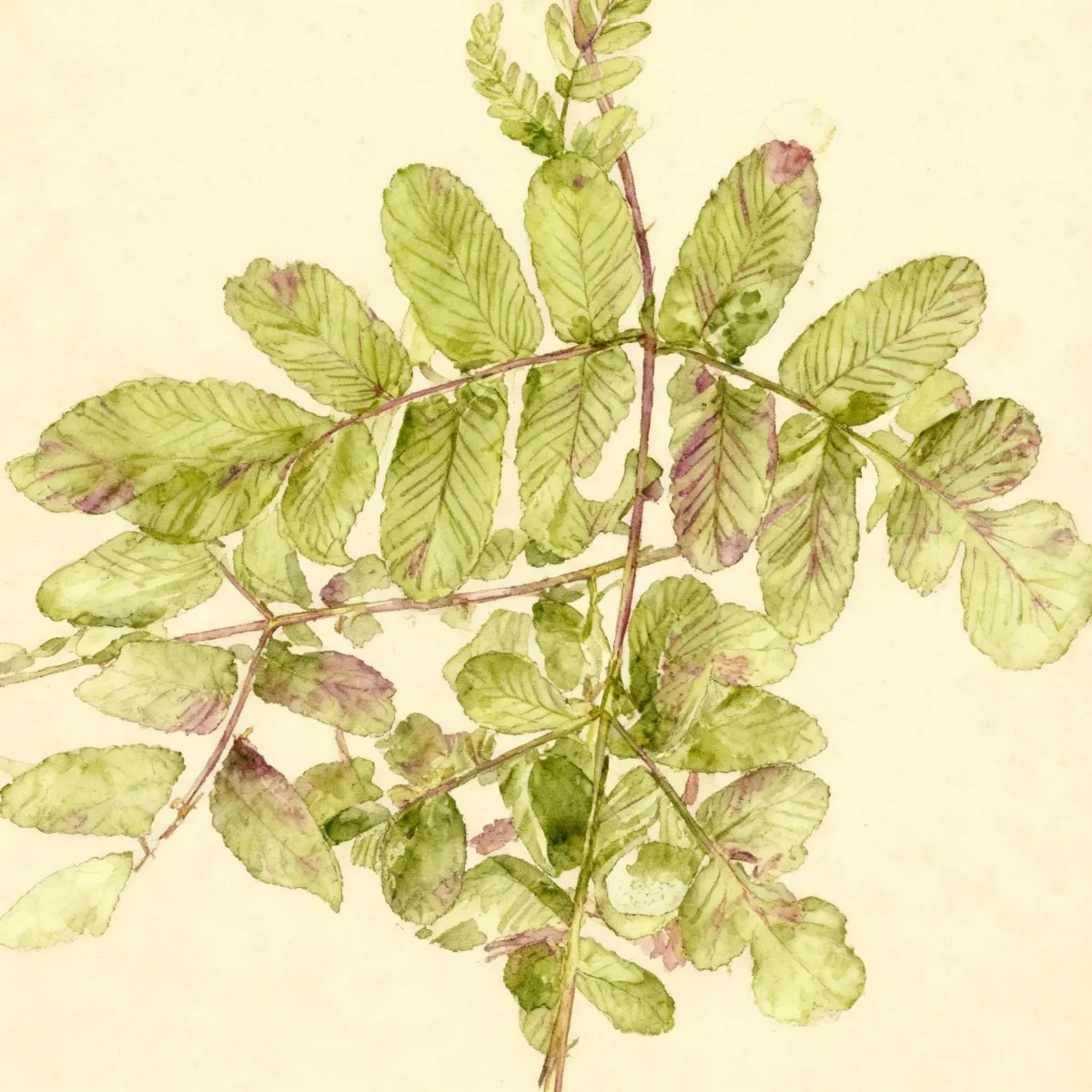
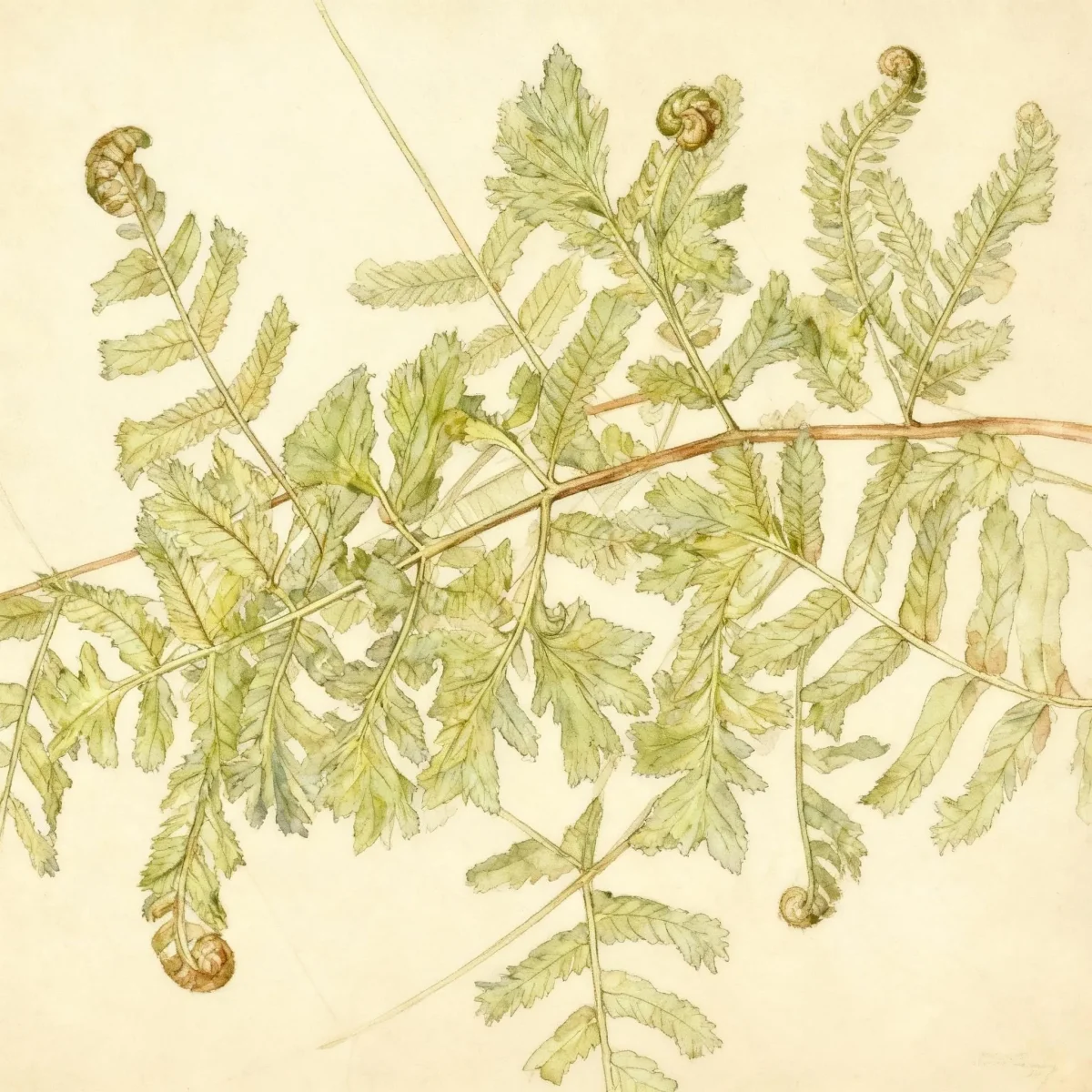
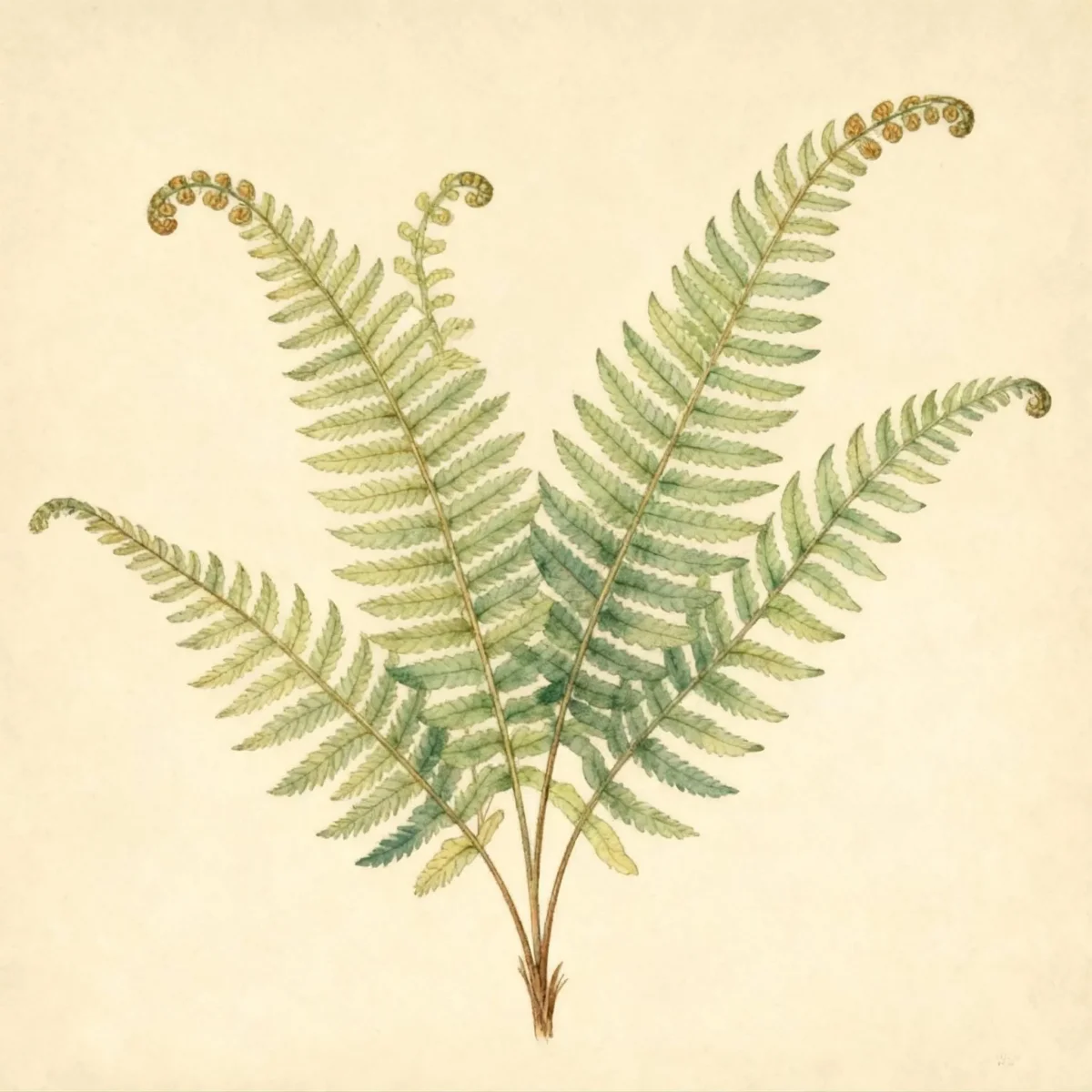
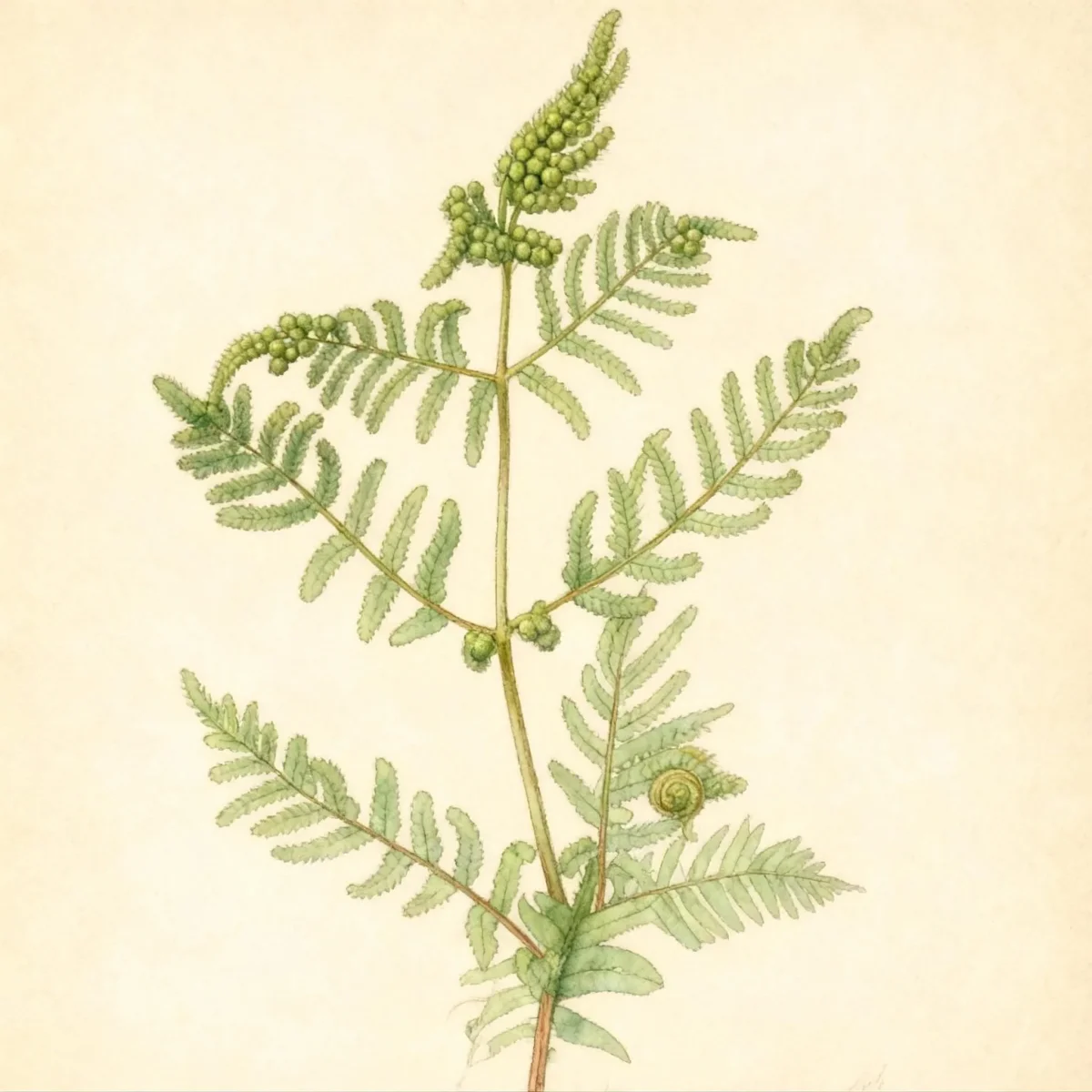
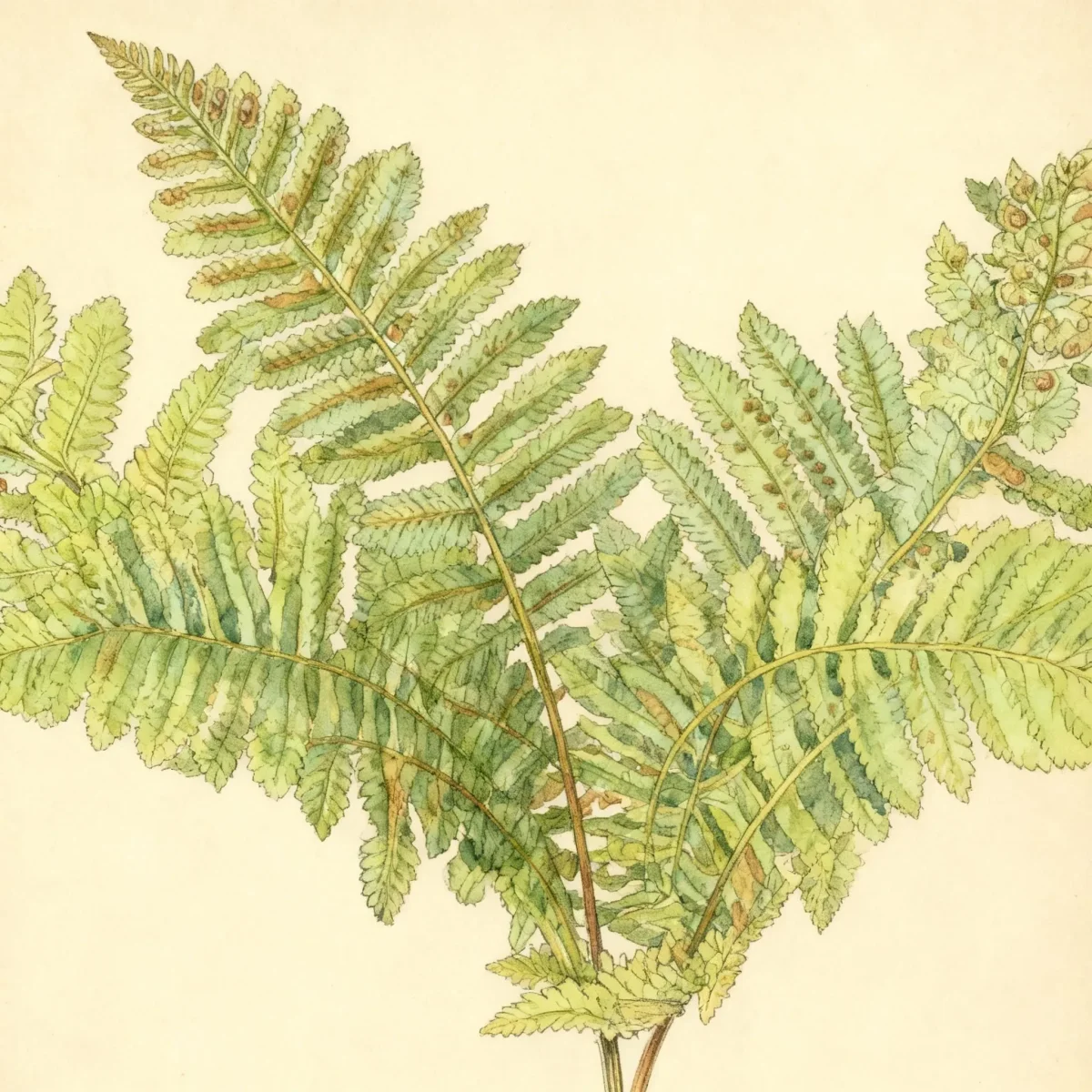
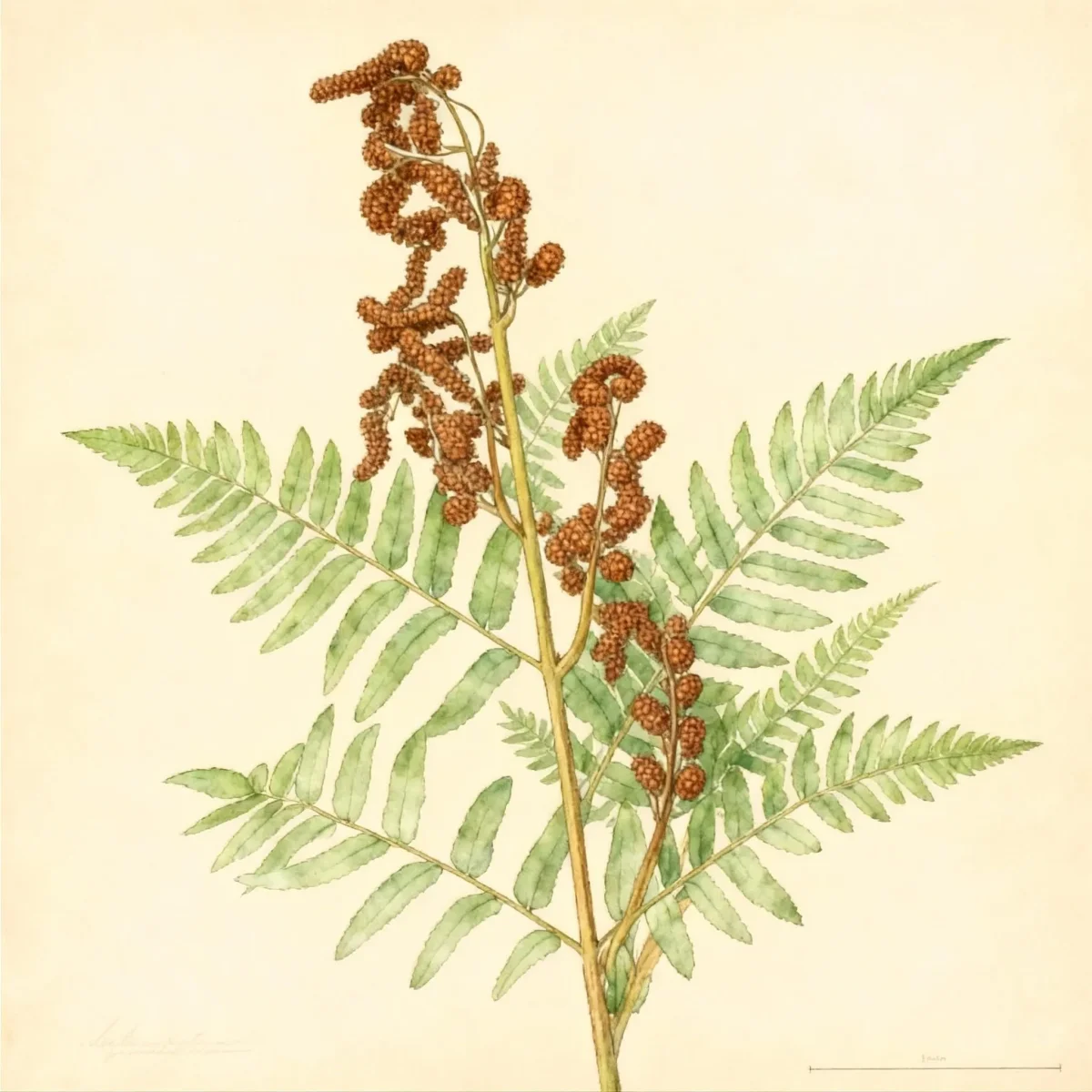
Netted chain fern (Woodwardia areolata)
The Netted chain fern (Woodwardia areolata) is a low-maintenance deciduous fern native to eastern North America, thriving in wet, shady spots.
Scroll down to discover growing tips, care requirements, companion plants, and more
Complete Plant Information
Overview
The Netted chain fern, Woodwardia areolata, is a highly valued addition to shady, moist landscapes across Eastern and Southern North America. Its appeal lies in its beautiful, glossy green fronds that unfurl with a delicate pink tint in the spring, providing seasonal interest where little else thrives. This deciduous fern spreads via creeping rhizomes, allowing it to quickly form attractive, dense colonies in ideal locations.
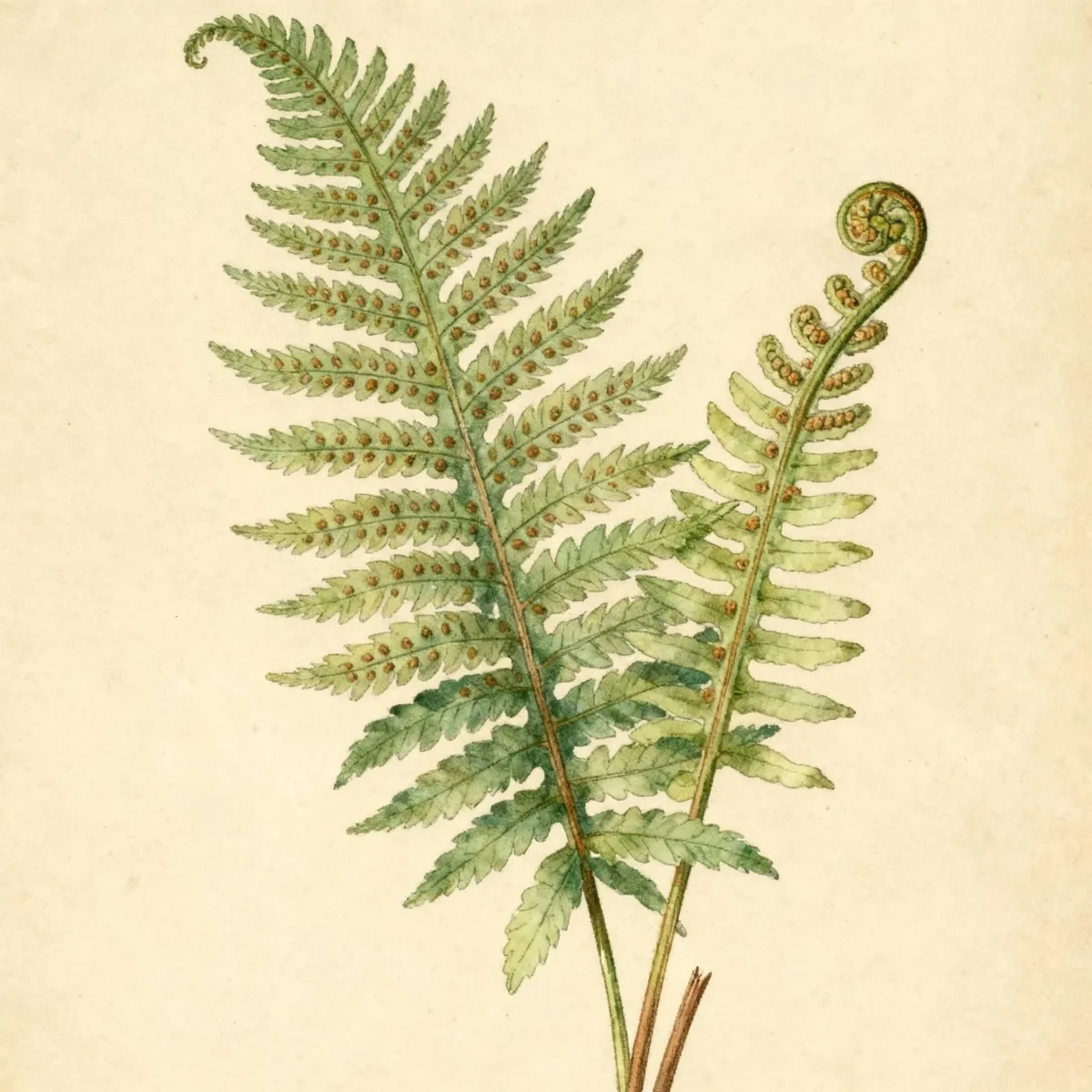
Woodwardia areolata is low maintenance once established, requiring minimal intervention if its moisture needs are met. Gardeners appreciate its ability to colonize, making it perfect for naturalizing in woodland settings or softening damp slopes. The common name, Netted chain fern, refers to the unique chain-like arrangement of spores (sori) visible on the fertile fronds during summer, a key identifying feature.
For gardeners seeking robust native groundcover that handles deep shade and wet conditions, the Netted chain fern is an excellent choice. It offers architectural texture and reliable seasonal display without pest or disease complications typically associated with other garden plants.
Fast Facts
- Plant Family: Blechnaceae
- Plant Type: Fern
- Native Range: Eastern and southern North America
- Hardiness Zones: USDA Zones 3-9
- Size at Maturity:
- Height: 1.5-2 ft
- Spread: 1-1.5 ft
- Bloom Time: Non-flowering
- Bloom Description: Non-flowering
- Sun Exposure: Part shade to full shade
- Water Needs: Medium to wet
- Maintenance Level: Low
How to Grow
Planting Woodwardia areolata is best done in the spring or fall when temperatures are moderate. Locate specimens where they receive part shade to full shade exposure. The most critical factor for success is soil quality; this fern demands organically rich, medium to wet, well-drained soils. While it tolerates average garden soils, consistently moist conditions are vital, especially if you plan to place it in areas receiving more sun.
Watering the Netted chain fern should be consistent. The soil should rarely, if ever, dry out completely, particularly in summer. While it naturally forms colonies without fertilization, incorporating plenty of organic matter, like compost, at planting time supports its vigorous rhizomatous spread. Maintenance is very low; no complex pruning is usually required, though spent foliage can be cleared in early spring before new growth emerges.
A special consideration for this plant is its tendency to spread. If left unchecked in optimum growing conditions—rich, moist soil and shade—the Woodwardia areolata will naturalize readily, potentially forming dense colonies that some might consider aggressively competitive. For gardeners wanting to control its spread, occasional division of the rhizomes in spring is effective maintenance.
Landscape Uses
The primary recommendation for the Netted chain fern is for large-scale naturalization. It thrives in woodland gardens, mimicking its native habitat in swamps and bogs. Its low, spreading habit makes Woodwardia areolata an outstanding textural element along streams, ponds, or in perpetually damp areas of the yard where turfgrasses fail.
Consider using this fern as a dense, evergreen-like groundcover within native plant gardens. It pairs beautifully with other moisture-loving woodland denizens such as skunk cabbage, cardinal flower, or various hostas and ferns that appreciate similar deep shade. Avoid planting it in well-drained borders that receive no supplemental water, as drought is its main enemy.
Woodwardia areolata is an excellent plant for filling in large shady areas, lending an authentic, wild, yet manicured look to the landscape edge. Its ability to tolerate heavy shade ensures consistent green coverage year-round when established.
Standout Features
Noteworthy Characteristics
Woodwardia areolata, commonly called netted chain fern, is a deciduous fern of eastern North America which typically occurs in woodland swamps and bogs. It features pinnatifid, glossy green sterile fronds that emerge pinkish in spring, contrasting beautifully against darker foliage. The fertile fronds display sori arranged in chain-like rows parallel to the pinnae midribs, a defining characteristic distinguishing it from similar species like the sensitive fern.
Tolerances
- Rabbit
- Heavy Shade
Potential Problems
Woodwardia areolata is exceptionally resilient, suffering from no serious insect or disease problems when grown in its preferred environment. The single most significant management issue is ensuring the soil stays consistently moist. If the soil dries out, the fronds will quickly scorch and collapse, potentially stressing the rhizomes. Monitor new plantings closely during their first summer, and place them away from competition with thirsty, aggressive shrubs.
Frequently Asked Questions
What hardiness zones is Netted chain fern suitable for?
The Netted chain fern (Woodwardia areolata) is hardy and adaptable to USDA Zones 3 through 9, offering excellent flexibility across much of the continent.
How large does Netted chain fern grow?
This fern typically reaches a modest height between 1.5 to 2 feet tall, with a spread that ranges from 1 to 1.5 feet wide, often spreading wider through rhizomes over time.
When does Netted chain fern bloom?
As a fern, Woodwardia areolata is non-flowering; it reproduces via spores rather than seeds or blossoms.
What sun exposure does Woodwardia areolata need?
This species prefers part shade conditions but is robust enough to handle heavy shade, provided its requirement for consistently moist soil is met.
Conclusion
The Netted chain fern (Woodwardia areolata) offers reliable, low-maintenance texture ideal for deep shade and consistently wet soils. Its native status and pest-free nature make it a cornerstone for sustainable woodland designs. Before planting, verify your site’s moisture profile; adequate water ensures this beautiful fern thrives and naturalizes as intended.
Companion Planting
When designing a shade garden around the Netted chain fern, focus on plants that share its affinity for moisture and organic soil. Interspersing Woodwardia areolata with taller, finer-textured shade flowers like Astilbe or Hosta varieties that feature chartreuse foliage creates superb contrast. For a truly native grouping, pair it with Jack-in-the-pulpit (Arisaema triphyllum) or native sedges that enjoy similar wet woodland margins.
Propagation Tips
The most straightforward method for multiplying Woodwardia areolata is through division. Because this fern spreads via branching and creeping rhizomes, you can carefully lift sections of established clumps during early spring before rapid new growth begins. Ensure each separated section retains healthy roots and several growing points. Replant immediately into the prepared, moist soil to minimize transplant shock and encourage rapid establishment in its new location.