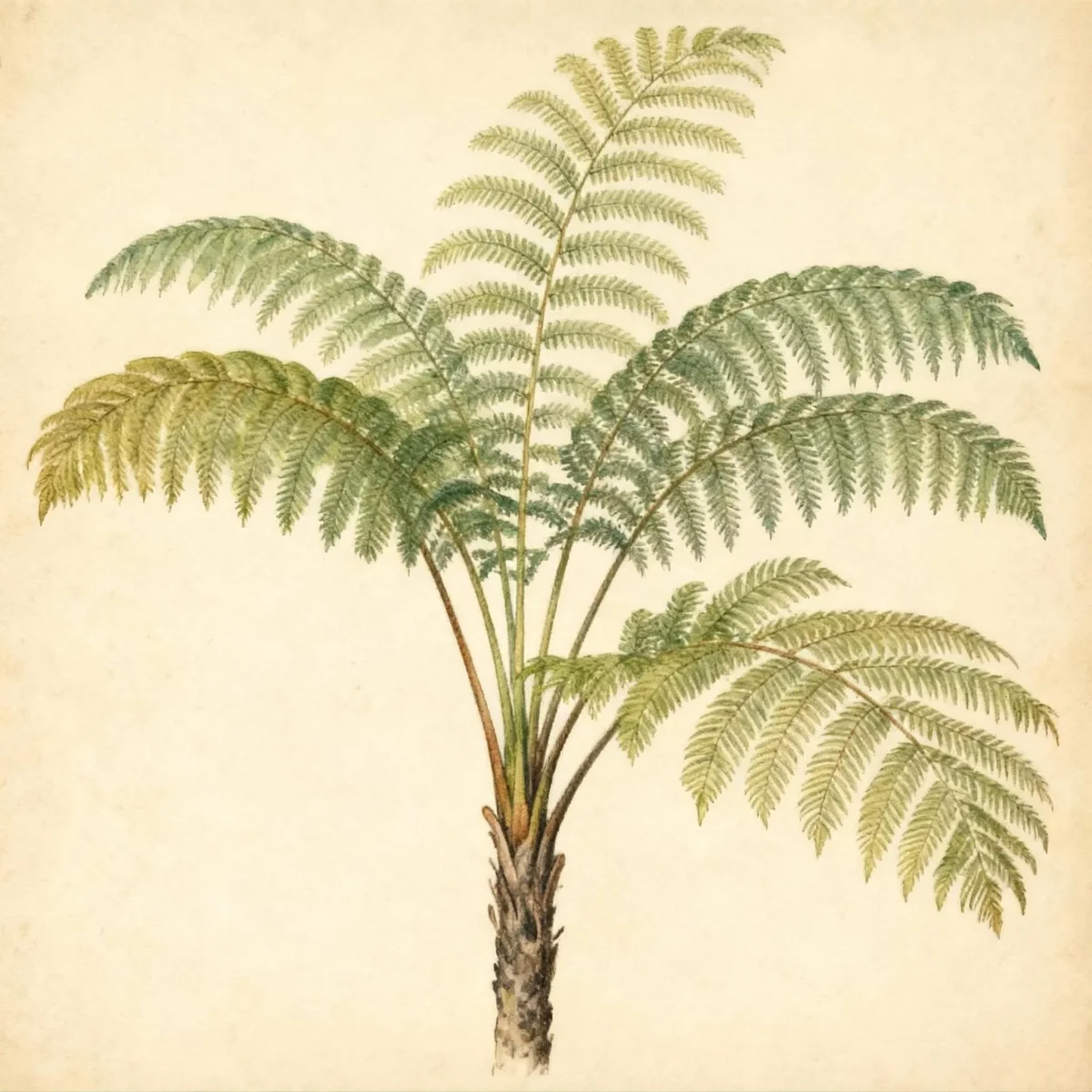
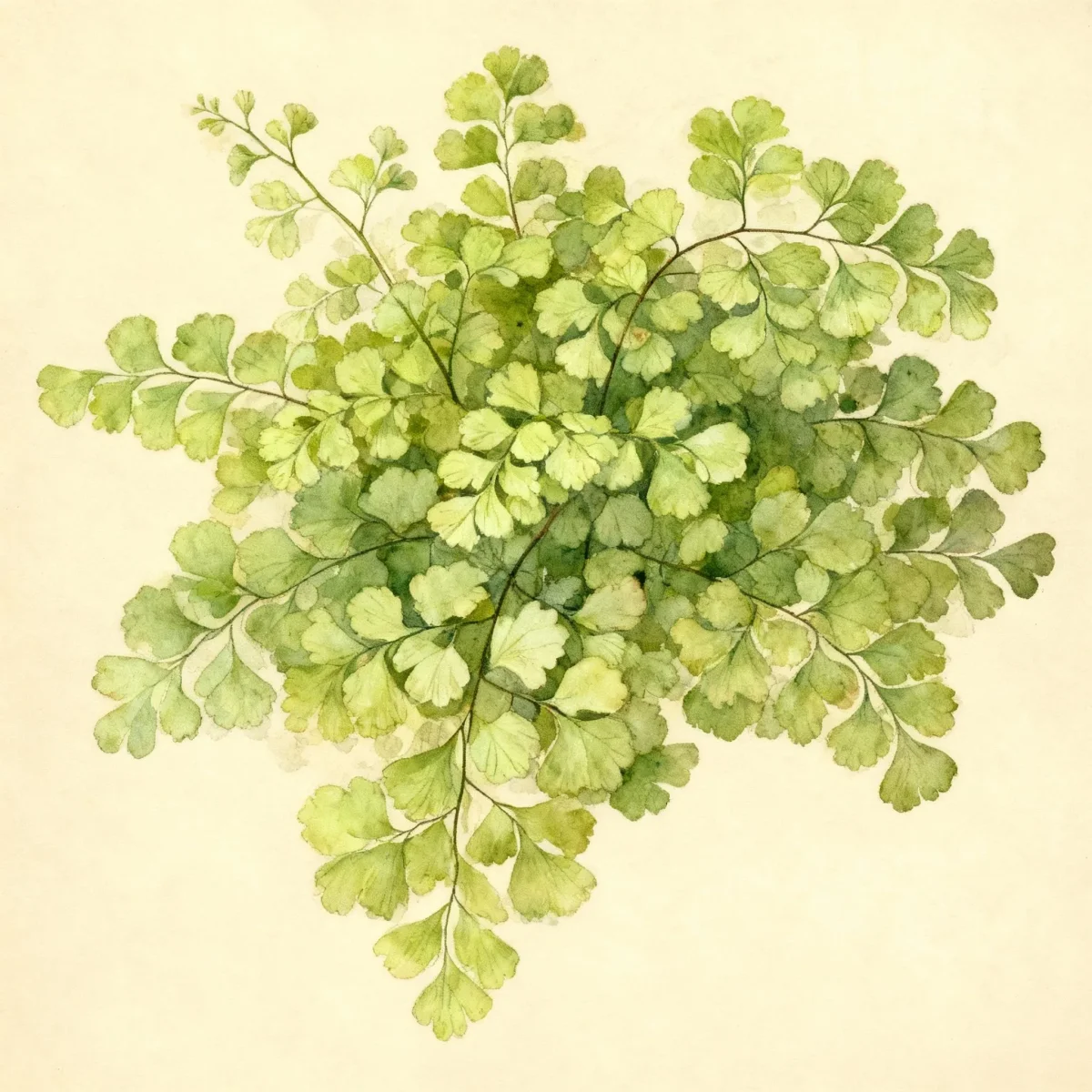
Delta maidenhair fern (Adiantum raddianum)
The stunning Delta maidenhair fern (Adiantum raddianum) offers delicate, lacy foliage requiring high humidity and bright, indirect light.
Scroll down to discover growing tips, care requirements, companion plants, and more
Complete Plant Information
Overview
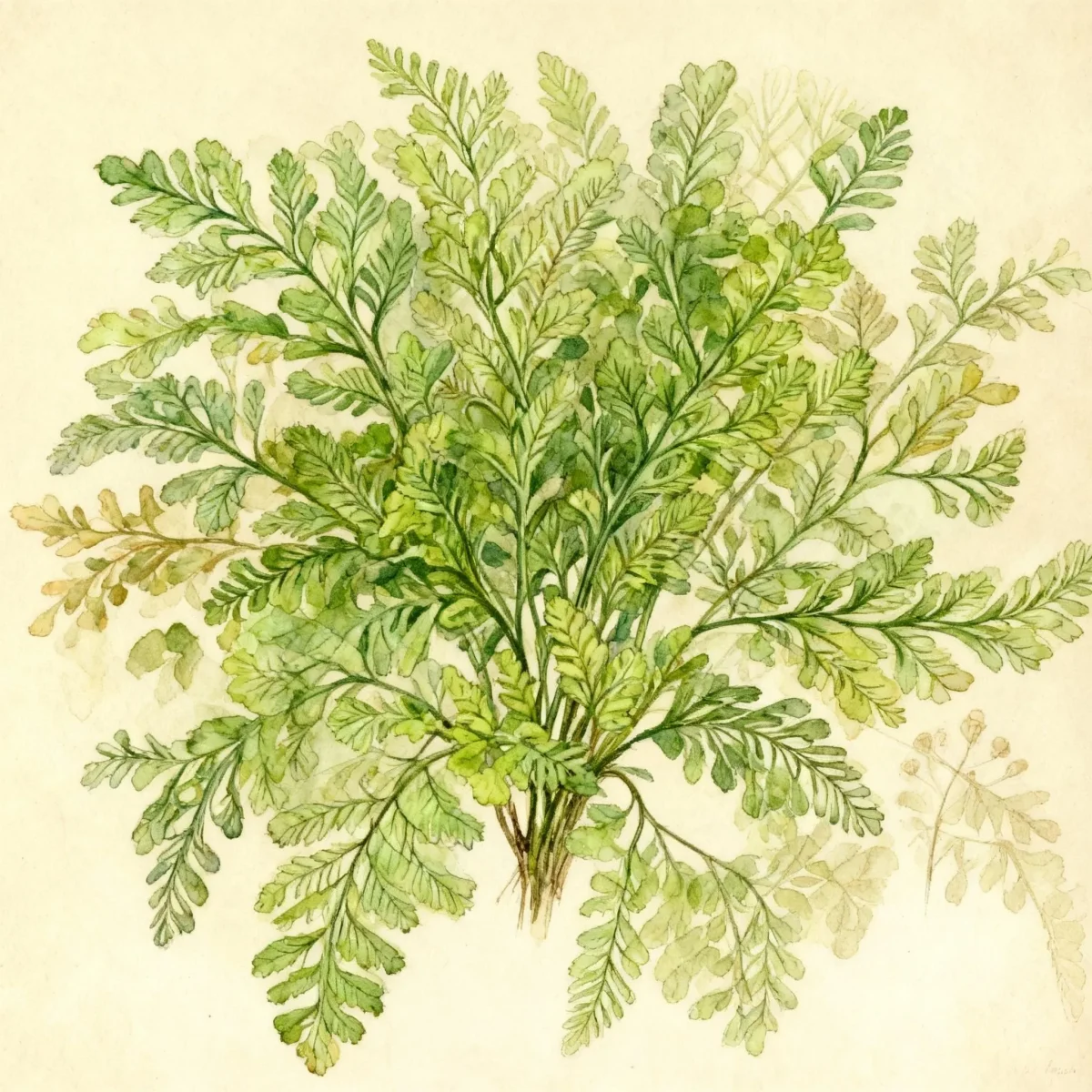
The Delta maidenhair fern (Adiantum raddianum) is cherished globally for its ethereal, lacy green foliage contrasted by wiry, dark stalks. This perennial fern brings an element of delicate, tropical sophistication to shaded indoor spaces or warm, sheltered outdoor environments in the lowest USDA zones. Its distinctive appearance makes the Adiantum raddianum a prized specimen prized by collectors and interior decorators alike.
While beautiful, this plant demands attention to detail, especially regarding moisture and atmospheric conditions. Successful cultivation of Adiantum raddianum relies heavily on maintaining high humidity, as it naturally thrives in the moist understories of the Tropical Americas. When grown correctly, it creates a flowing, airy texture unmatched by many other foliage plants.
Gardeners seeking this species should recognize its high maintenance rating. The fine texture of the Delta maidenhair fern offers excellent contrast when paired with broad-leaved plants or structured evergreen shrubs in suitable climates. It is an essential choice for creating lush, veiled garden corners or enhancing bathroom environments where humidity is naturally elevated.
Fast Facts
- Plant Family: Pteridaceae
- Plant Type: Fern
- Native Range: Tropical Americas, West Indies
- Hardiness Zones: USDA Zones 10-11
- Size at Maturity:
- Height: 1-2 ft
- Spread: 1-2 ft
- Bloom Time: Non-flowering
- Sun Exposure: Part shade
- Water Needs: Medium
- Maintenance Level: High
How to Grow
The Delta maidenhair fern thrives when provided with consistent, bright indirect light; diffused sunlight mimics its natural habitat perfectly. Avoid all direct sun exposure, as leaves will scorch rapidly. If placed in deep shade, the foliage of Adiantum raddianum will quickly lose its vibrancy and vitality, resulting in a sparse appearance.
Soil must remain consistently moist but never waterlogged; the roots must never be allowed to dry out, or severe dieback will occur. Use a well-drained potting mix suitable for ferns. Because successful culture often involves growing this plant in containers, managing humidity is the key challenge. Pots benefit immensely from being set in trays filled with wet pebbles to elevate the moisture level around the foliage.
For those growing the Adiantum raddianum indoors, particularly outside of its tropical zones, placing it in high-humidity areas like bathrooms is highly recommended. Avoid any drafts or placement near temperature-regulating heat registers, which can dry out the delicate fronds almost instantly. Immediately remove any foliage that browns or dies back to maintain the plant’s overall aesthetic health.
Landscape Uses
The primary strength of the Delta maidenhair fern lies in its suitability for shaded, protected container culture. It excels when planted in hanging baskets, where its delicate fronds can cascade softly, or in decorative pots along shaded patios. While hardy only to Zones 10-11, it serves wonderfully as an annual accent plant or a permanent specimen in frost-free locations.
When integrating Adiantum raddianum near structures, seek locations that receive ambient moisture, perhaps near water features or beneath larger, thirsty trees. Its light, airy texture offers superb contrast when juxtaposed against plants with bold, dark green leaves or structural forms, creating visual depth in tight, shady spots. Wherever it is sited, proper cultural care mirroring its high humidity needs will ensure its graceful display.
Standout Features
Noteworthy Characteristics
Adiantum raddianum, commonly called Delta maidenhair fern, and its cultivars are perhaps the most commonly grown of the non-winter hardy maidenhair ferns. Triangular, 3- or 4-pinnate fronds with dark stalks emerge from a dense rootstock of short, branching rhizomes. Fan-shaped pinnae (leaflets) emerge light green but darken with age.
Tolerances
- Watch for scale and mealybugs.
- Leaves may scorch in direct sun.
- Fronds will die back quickly if soils are allowed to dry out.
Potential Problems
This fern requires diligence in pest monitoring, particularly for sap-sucking insects like scale and mealybugs, which thrive in indoor environments. Inspect the undersides of the pinnae regularly, treating any infestations promptly with horticultural oil or insecticidal soap to protect the foliage quality of your Adiantum raddianum.
The primary non-pest issue relates to environmental stress. Sun scorch manifests as crisp, bleached areas on the leaves when exposed to direct overhead light. Furthermore, the rapid dieback of fronds signals acute dehydration; quick recovery is rarely possible once the soil dries out, reinforcing the need for consistent medium watering.
Frequently Asked Questions
What hardiness zones is Delta maidenhair fern suitable for?
The Delta maidenhair fern is winter hardy only in USDA Zones 10 and 11. In cooler climates, it must be grown indoors as a houseplant.
How large does Adiantum raddianum grow?
This species typically reaches a mature height between 1 and 2 feet, with a similar spread of 1 to 2 feet.
What sun exposure does Delta maidenhair fern need?
This fern requires part shade, thriving best in bright, indirect light or diffused sunlight rather than harsh, direct rays.
When does Adiantum raddianum bloom?
Adiantum raddianum is a non-flowering plant, as is typical for ferns; it reproduces via spores rather than blossoms.
Conclusion
The Delta maidenhair fern brings unparalleled fine texture and tropical elegance to shaded environments, making it worthwhile for dedicated growers. While the high humidity and constant moisture requirements mean this Adiantum raddianum demands advanced care, the results are spectacularly lush. Before planting, ensure your location—whether indoors or out—can consistently meet its needs for diffused light and high atmospheric moisture.
Companion Planting
When siting the Adiantum raddianum, select companions that share its love for deep shade and consistently moist, rich soil. Good partners include other moisture-loving tropicals such as Calatheas, Marantas, and various small, leafy hostas if grown outdoors in a shaded border. Avoid planting nearby succulents or drought-tolerant Mediterranean herbs, as their needs conflict dramatically with those of the fern.
Aim for visual contrast in texture and color. Pairing the delicate, bright green pinnae of the Delta maidenhair fern with broader, darker leaves creates a dramatic, layered effect typical of lush woodland floor plantings. This interplay enhances the perceived airiness of the fern, making the shade garden feel deeper and more complex.
Common Mistakes
The most frequent failure point when growing Adiantum raddianum is inadequate humidity management. Many gardeners treat it like a standard houseplant, leading to crispy, dead fronds within days. Combat this by grouping plants together or utilizing pebble trays religiously, especially during dry winter months when heating systems lower ambient humidity significantly.
Another common error is allowing the soil to dry, even momentarily. Even though the water needs are listed as ‘Medium’, ferns prefer soil moisture to be maintained constantly near saturation without becoming soggy. Overwatering, however, leads to root rot, so ensuring the potting medium drains exceptionally well is the crucial balance needed for successful Adiantum raddianum culture.