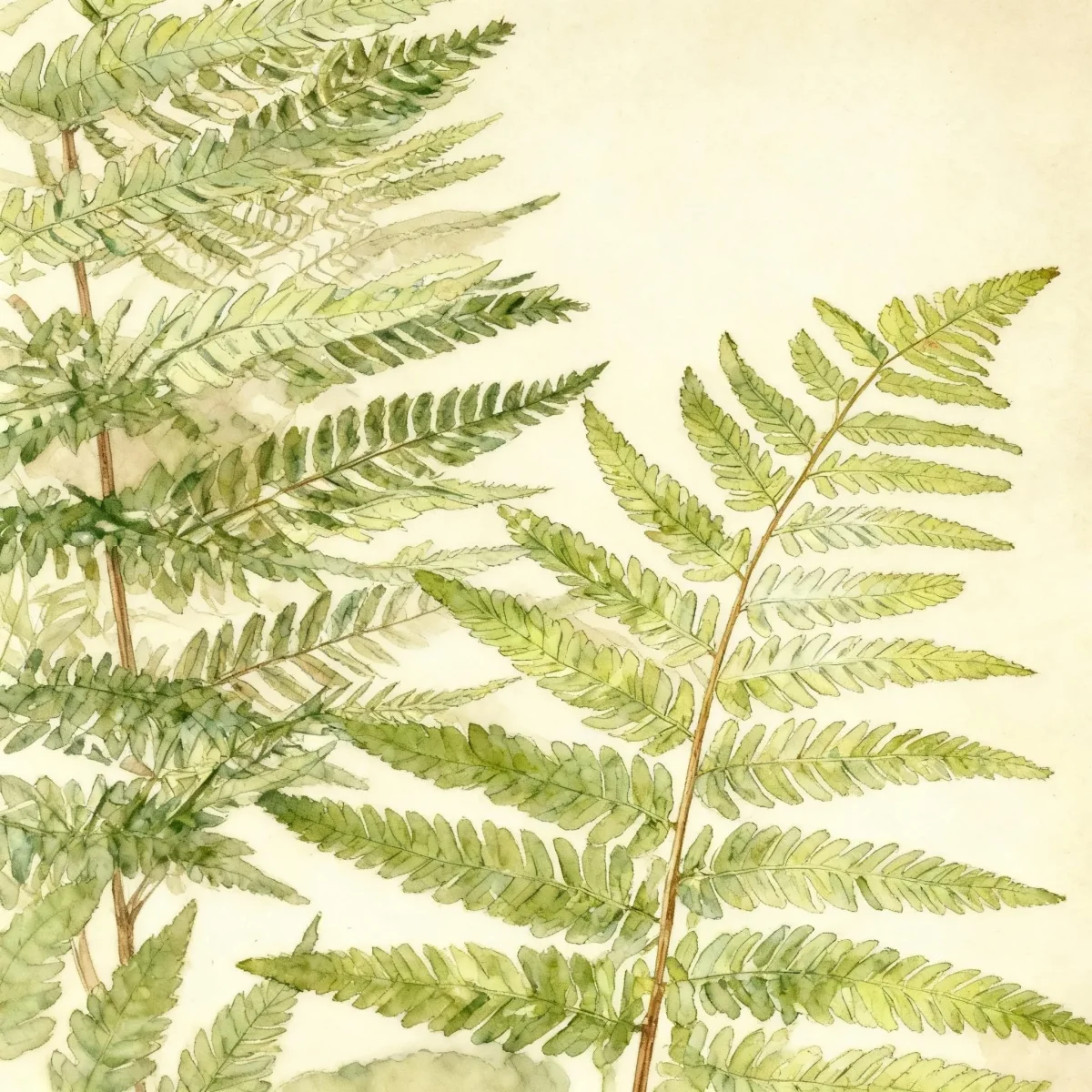
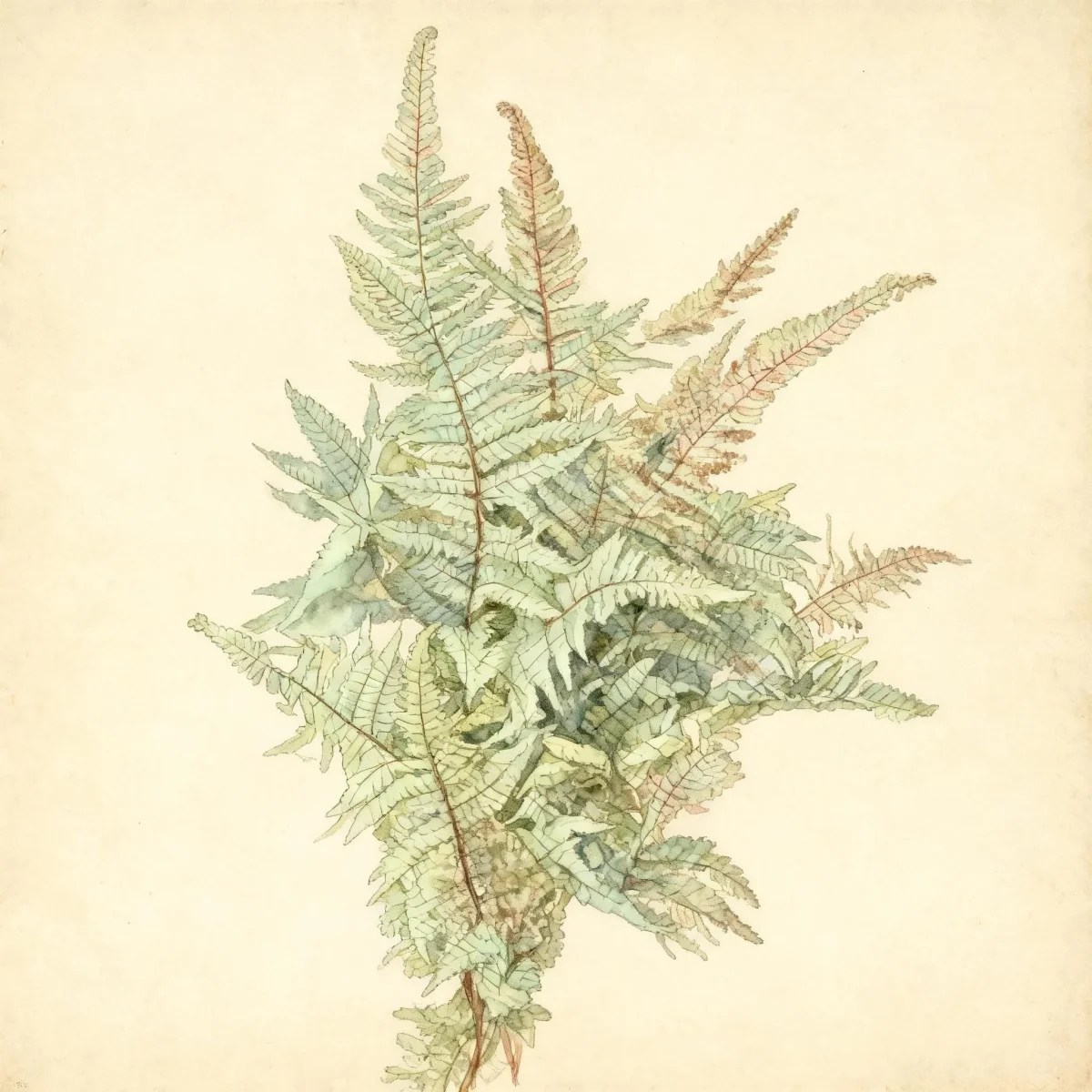
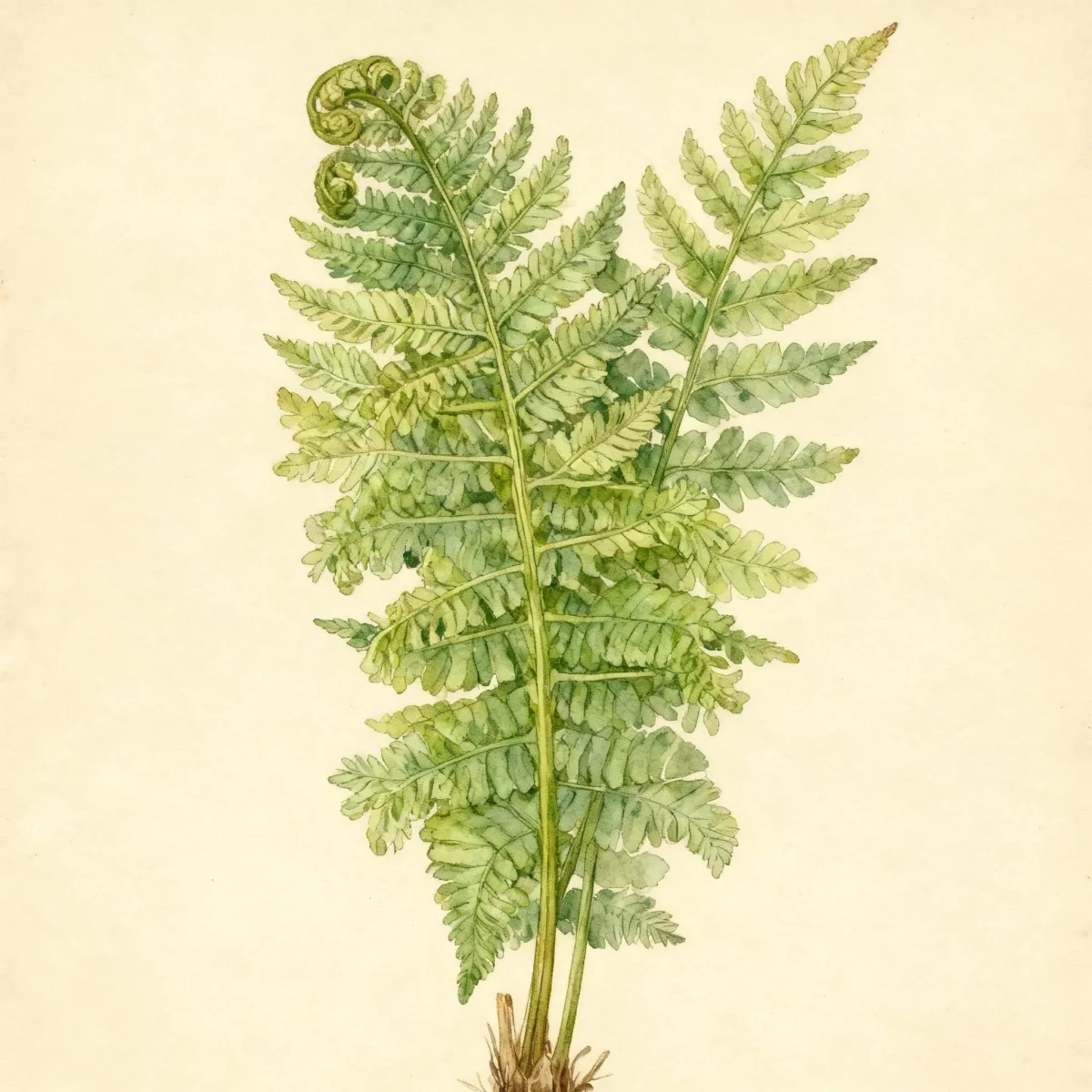
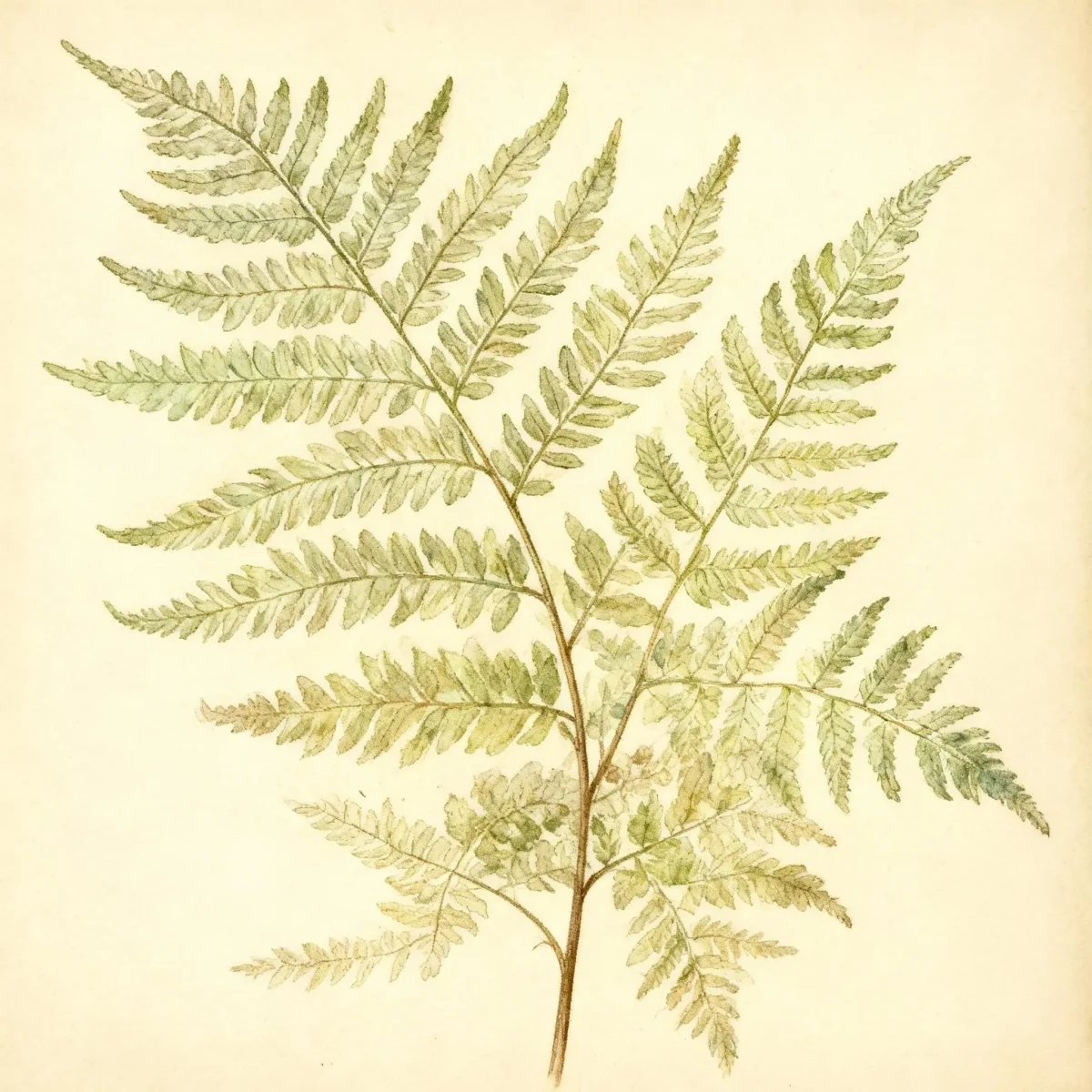
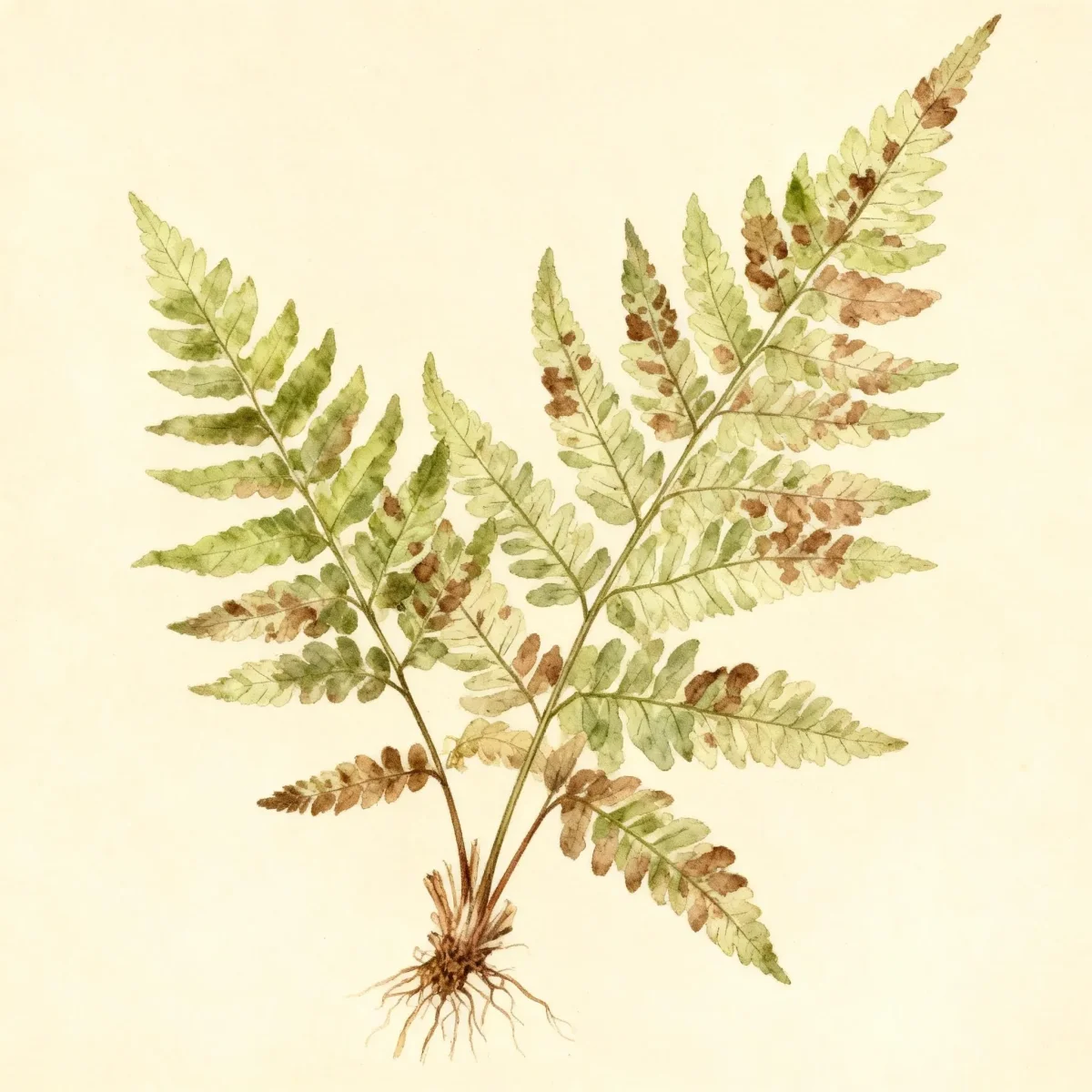
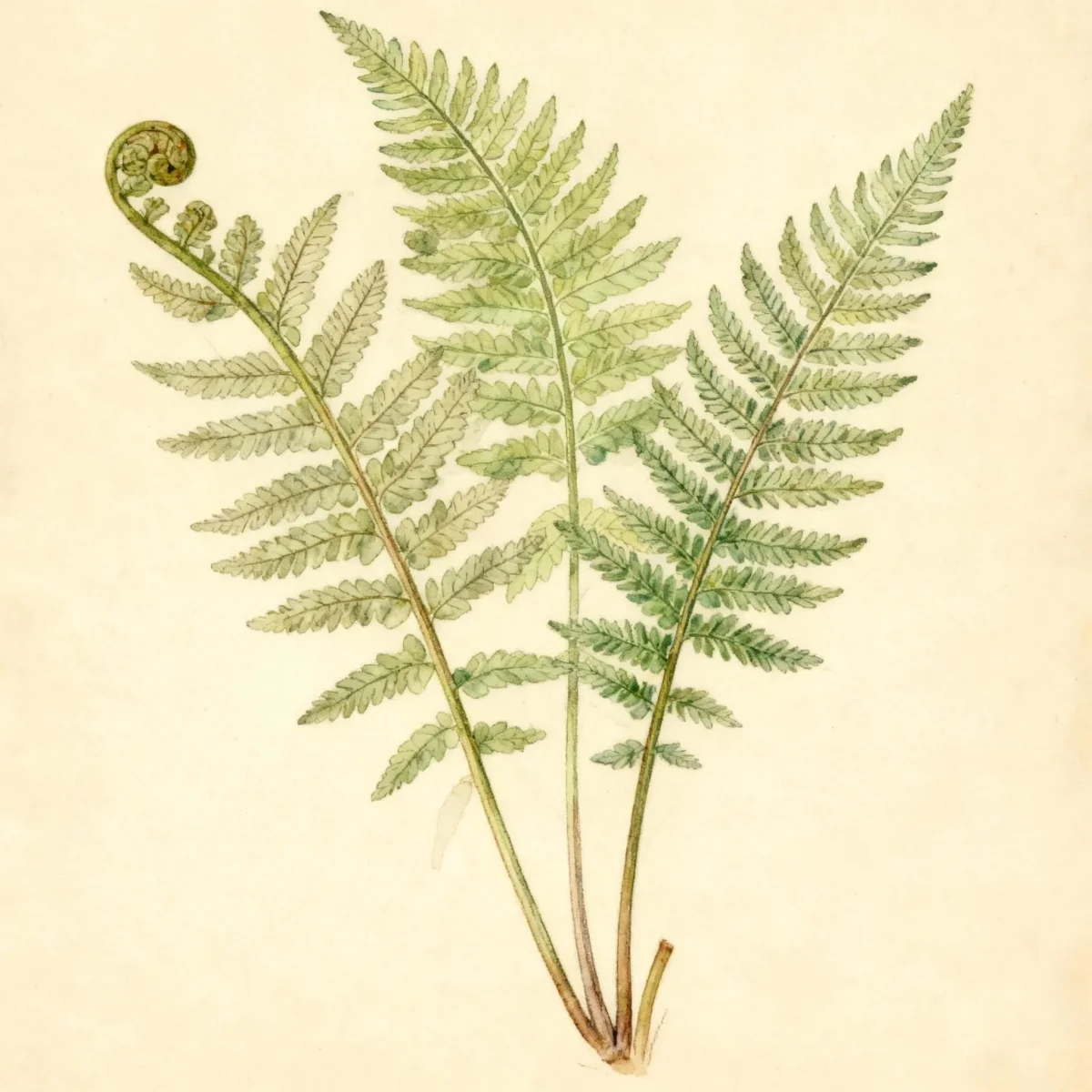
Northern lady fern (Athyrium filix-femina var. angustum)
The hardy Northern lady fern (Athyrium filix-femina var. angustum) thrives in shade, offering fine, lacy texture in zones 3-7.
Scroll down to discover growing tips, care requirements, companion plants, and more
Complete Plant Information
Overview
The Northern lady fern (Athyrium filix-femina var. angustum) is a highly valued perennial for adding delicate, texture-rich foliage to shaded landscapes. Valued for its robust nature and adaptability, this variety forms attractive, dense clumps of finely divided, light green fronds that create a fine, lacy contrast against coarser-textured plants. As a low-maintenance choice, Athyrium filix-femina var. Angustum offers reliable vertical interest in difficult, shaded sites.
This specific variety, commonly known as the Subarctic lady fern, handles cooler climates reliably, confirmed by its low hardiness minimum. It excels in woodland settings where consistent moisture and filtered light are present. Its growth habit results in an elegant, shuttlecock-like fountain of foliage, providing excellent ground covering for shaded borders.
Gardeners appreciate the Northern lady fern for its relatively tough constitution compared to some more delicate ferns. While preferring moist, rich conditions, it exhibits greater tolerance for brief dry spells than many relatives. Incorporating Athyrium filix-femina var. angustum easily transforms deep shade into a lush, inviting garden space.
Fast Facts
- Plant Family: Athyriaceae
- Plant Type: Fern
- Native Range: Northeastern North America
- Hardiness Zones: USDA Zones 3-7
- Size at Maturity:
- Height: 2-3 ft
- Spread: 2-3 ft
- Bloom Time: Non-flowering
- Bloom Description: Non-flowering
- Sun Exposure: Part shade to full shade
- Water Needs: Medium
- Maintenance Level: Low
How to Grow
Planting Athyrium filix-femina var. angustum should ideally occur in spring or fall when conditions are cooler, allowing the root system to establish before summer heat or winter cold. Select a location offering part shade to full shade, embedding the crown at the proper soil level within rich, well-drained soil. While it thrives in consistently moist ground, this fern type tolerates drier soils better than many other traditional woodland ferns.
Consistent medium watering is crucial, especially during establishment. While it can manage full sun, this requires keeping the soil constantly moist through diligent watering. Protect the delicate fronds from strong winds, which can cause premature breakage, diminishing the plant’s aesthetic appeal. Low maintenance is a hallmark of this species.
Minimal fertilization is required; focus instead on amending the soil with organic matter annually to maintain richness and moisture retention. If clumps become too dense after several years, divide them gently during the spring. This division not only rejuvenates the plant but also allows you to reposition any crowns that may have heaved above the soil line.
Landscape Uses
The Northern lady fern is a superb structural plant for any area of the landscape that struggles with adequate light. Its 2 to 3-foot height provides substance without overwhelming smaller plantings near the front of a border. It forms an excellent, low-maintenance foundation layer in woodland gardens, mimicking its natural habitat among thickets and ravines.
Use Athyrium filix-femina var. angustum effectively to soften hardscaping edges, such as retaining walls or the foundations of structures that receive heavy shade. It looks particularly beautiful planted along shaded streamsides or pond edges where the medium water needs are easily met. For visual interest, pair the lacy texture of this fern with broad-leaved hostas or the bold leaves of Mahonia for dynamic contrast.
This easy-to-grow fern is also perfectly sized for rock gardens or shaded patio containers, provided adequate drainage and moisture are maintained. It provides year-round structure when paired with shade-tolerant evergreens, offering resilience throughout challenging winters in zones 3 through 7.
Standout Features
Noteworthy Characteristics
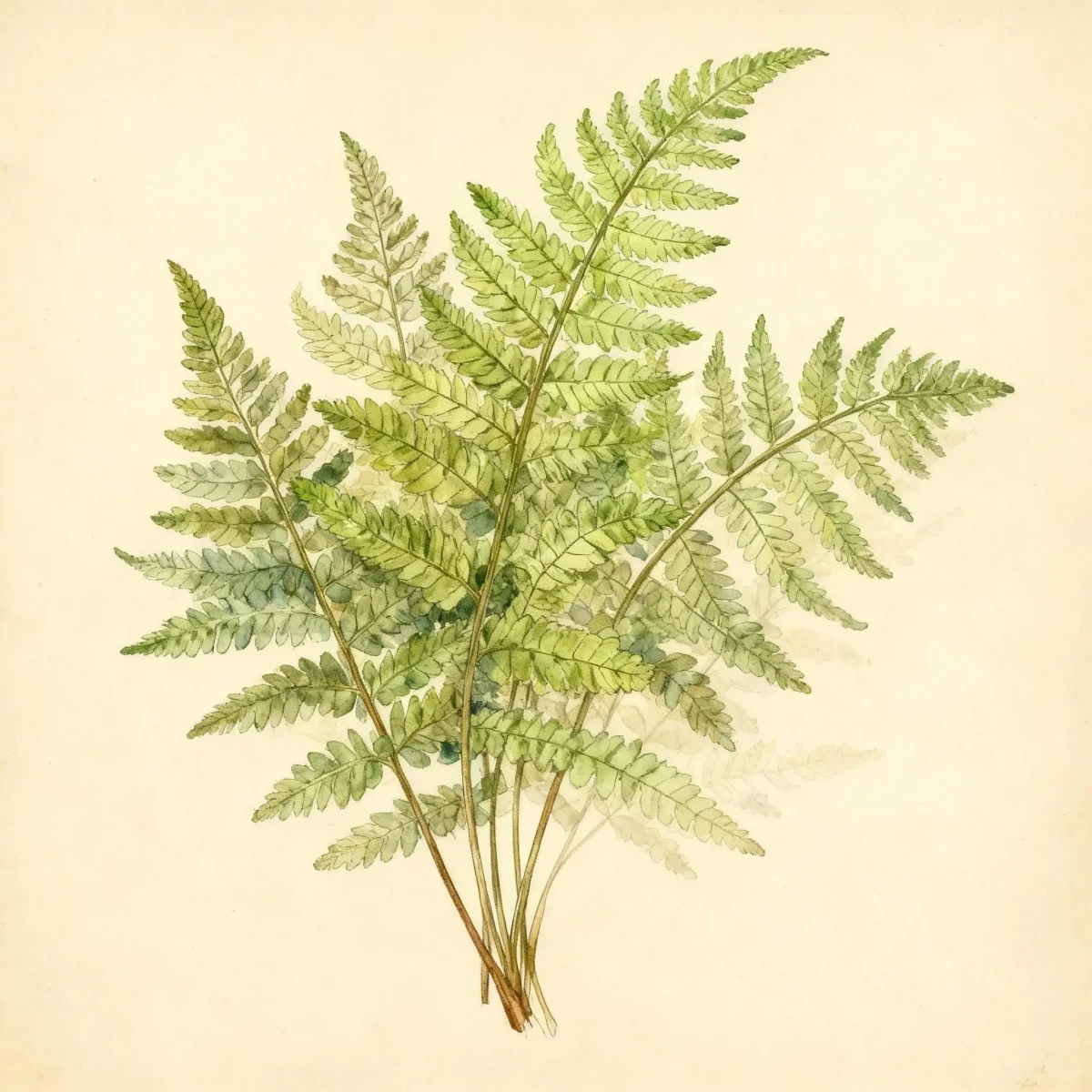
Athyrium filix-femina, commonly called lady fern, is a deciduous fern that features lacy-cut, erect or ascending, 2 to 3-pinnate or pinnatifid, finely-divided, lanceolate, light green fronds which grow in a dense circular shuttlecock-like clump to 2-3’ tall. Subsp. Angustum, commonly called Northern lady fern, differs slightly by possessing yellow spores and having stipes (stems) about the same length as the blades. The genus name, Athyrium, references the hinged spore covers, derived from the Greek word for “doorless.”
Tolerances
- Rabbit
- Heavy Shade
Potential Problems
This fern variety generally resists serious insect infestations or common fungal diseases, contributing to its low maintenance profile. Gardeners should focus preventative efforts on ensuring proper site conditions rather than pest control. Avoid planting in areas with poor drainage, as soggy soil is the primary cause of root issues or crown rot in ferns.
Management primarily revolves around cultural care: ensuring adequate leaf litter or mulch coverage helps maintain the cool, moist conditions that mimic its native environment in rich woods. If wind damage occurs, simply trim away the broken fronds during spring cleanup.
Frequently Asked Questions
What hardiness zones is Northern lady fern suitable for?
The Athyrium filix-femina var. angustum is reliably hardy across USDA Zones 3 through 7, making it suitable for cool to moderately cold climates.
How large does Northern lady fern grow?
This variety typically reaches a mature height between 2 and 3 feet tall, with a corresponding spread of 2 to 3 feet, forming a medium-sized, dense clump.
What sun exposure does Northern lady fern need?
The ideal light condition for Athyrium filix-femina var. angustum is part shade to full shade, though it can tolerate full sun if the soil is kept consistently moist.
When does Northern lady fern bloom?
As a fern, this plant is non-flowering and will not produce traditional blooms; its ornamental value lies entirely in its finely textured, deciduous foliage.
Conclusion
The Northern lady fern (Athyrium filix-femina var. angustum) stands out as a highly adaptable and texturally beautiful specimen, perfect for solving complex shade gardening challenges across USDA zones 3 to 7. Its low maintenance requirements and tolerance for moderately drier soil give it an edge over fussier moisture-loving varieties. Before planting, ensure you have rich, well-drained soil prepared and locate its position carefully to benefit from morning light or consistent afternoon shade.
Companion Planting
Selecting companions that share the cultural needs of Athyrium filix-femina var. angustum ensures a cohesive, low-maintenance shady corner. Pair it with groundcovers that benefit from similar moisture levels, such as Tiarella (Foamflower) or Hakonechloa (Japanese Forest Grass). The coarse texture of Hosta varieties offers a striking contrast to the fine, lacy look of the Northern lady fern foliage.
For vertical accents, consider taller woodland plants like ferns with more upright habits, such as an upright form of Dryopteris (Wood Fern). Ensure that any companion plant does not aggressively outcompete the spreading rhizomes of the Athyrium filix-femina var. Angustum for nutrients or moisture.
Seasonal Care Calendar
Spring is the ideal time for cleanup and division. Remove any dead or damaged fronds left over from winter dormancy, and if necessary, carefully divide overcrowded clumps, ensuring the crown remains near the soil surface. This is also the best time to top-dress the area with rich compost to replenish exhausted soil nutrients.
Summer care focuses almost entirely on moisture management. Monitor the medium water requirements closely, especially during dry spells or if the plant is receiving more sun than anticipated. Deep, infrequent watering is better than light daily sprinkling, encouraging deeper root growth for the Northern lady fern.
In fall, allow the fronds to naturally die back. Avoid heavy pruning late in the season; instead, let the foliage remain to act as a natural mulch, protecting the crowns over winter. Winter preparation is minimal; the plant is reliably cold-hardy in its designated zones.