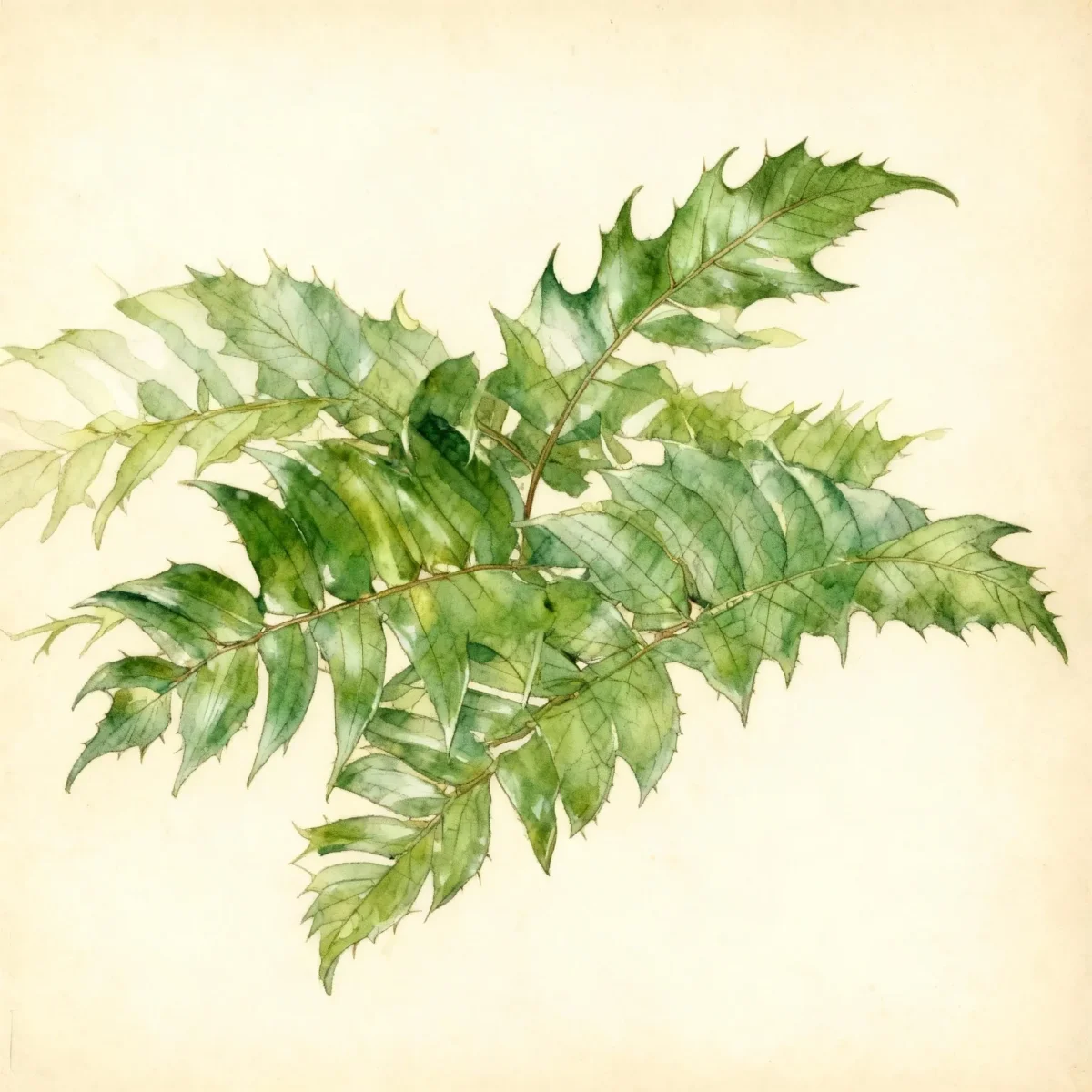
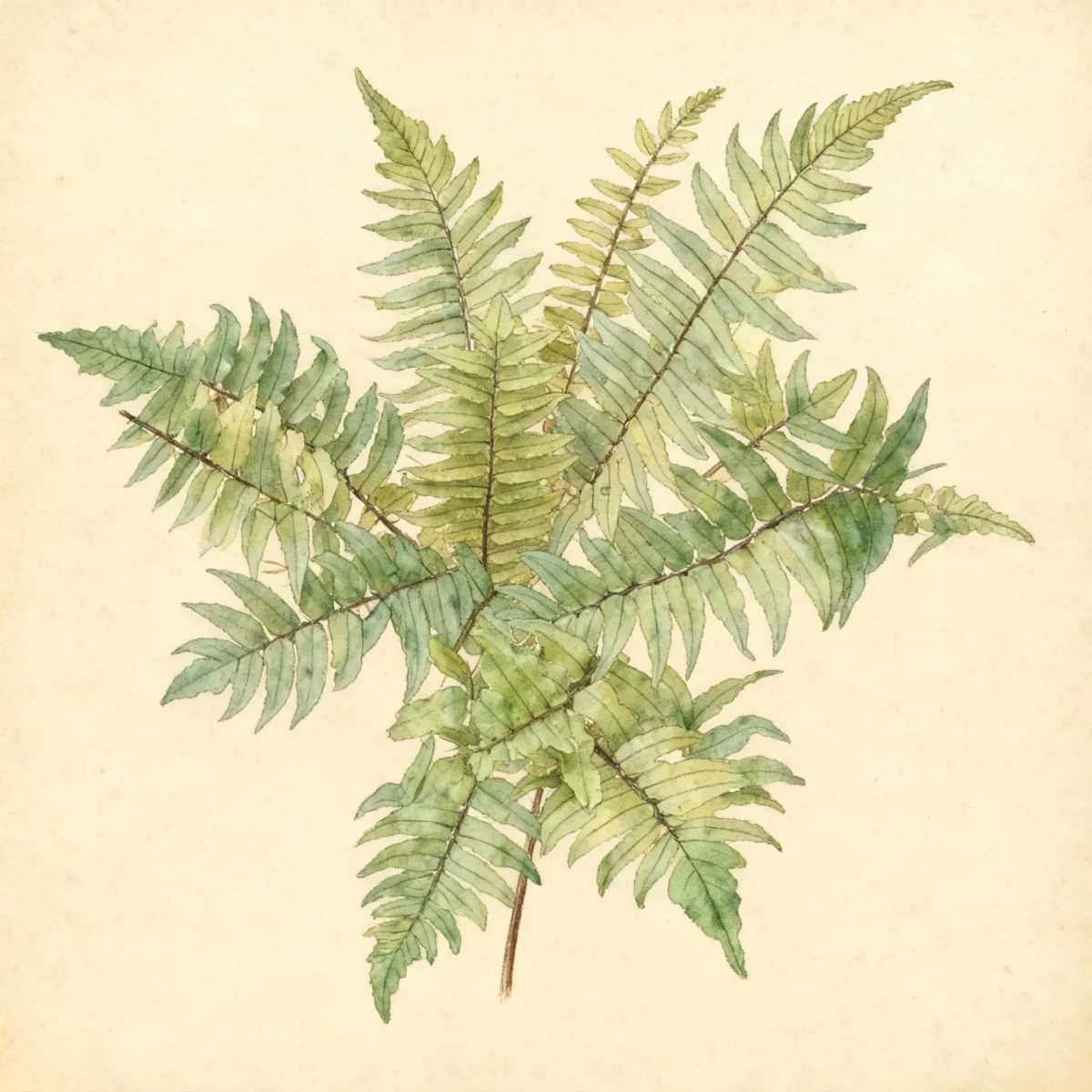
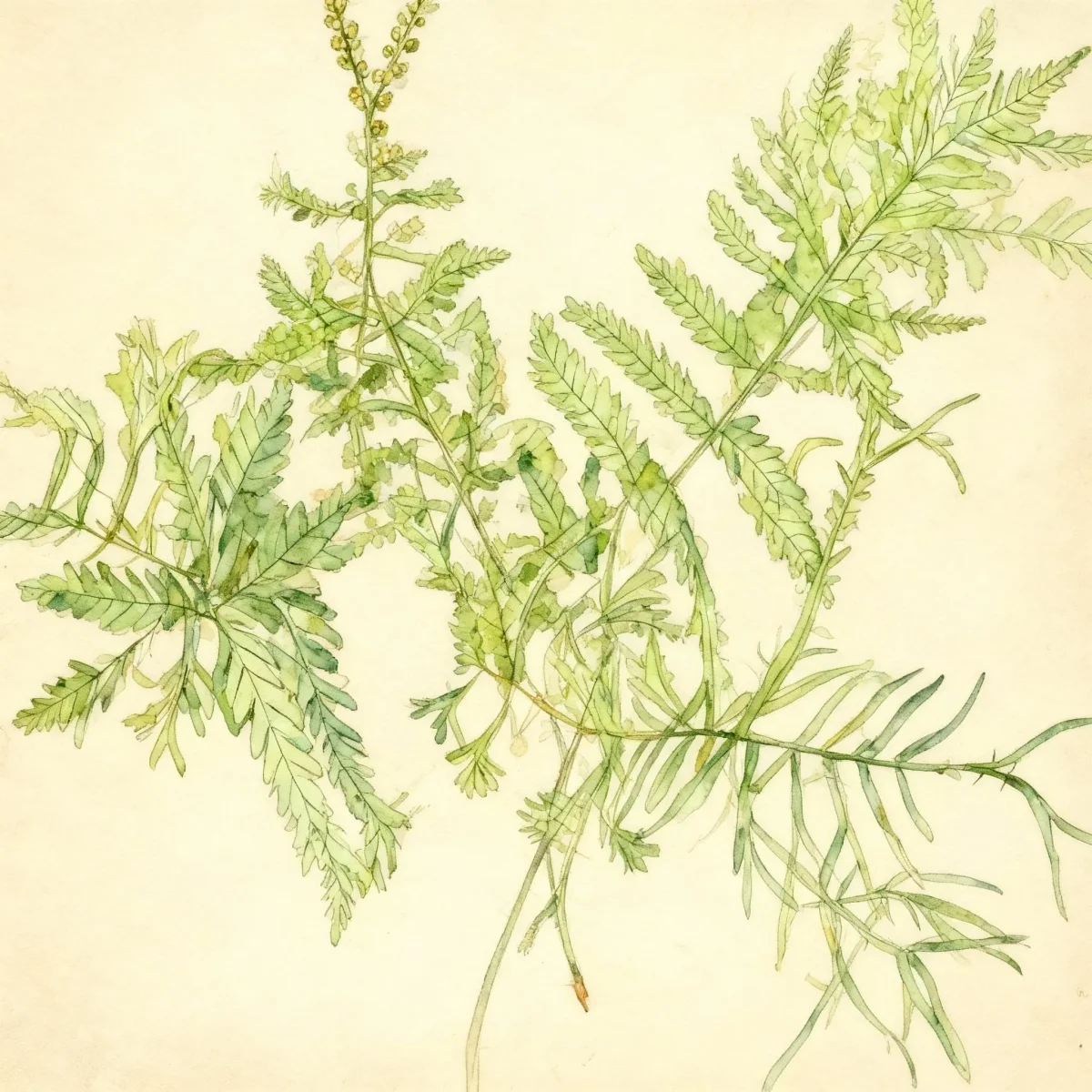
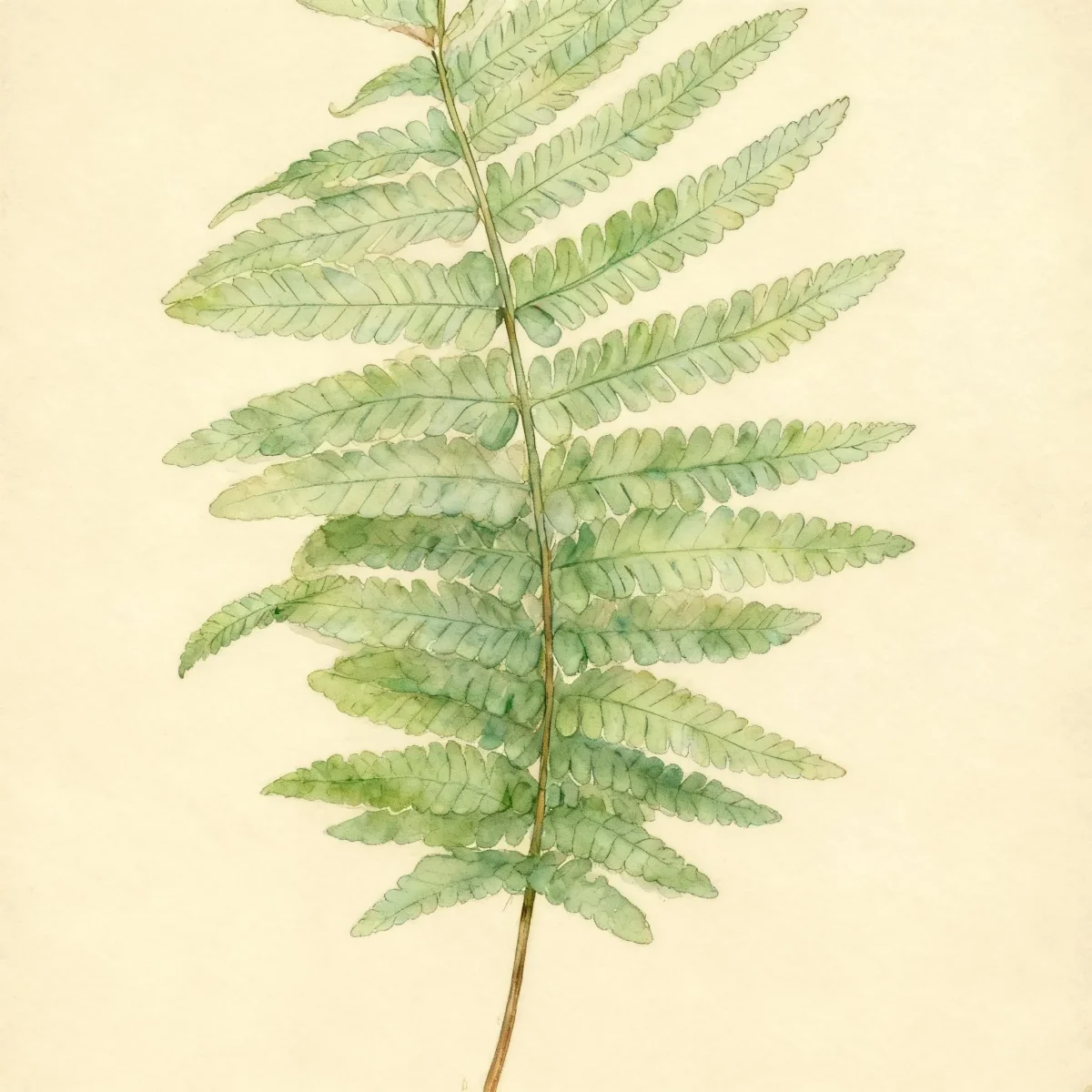
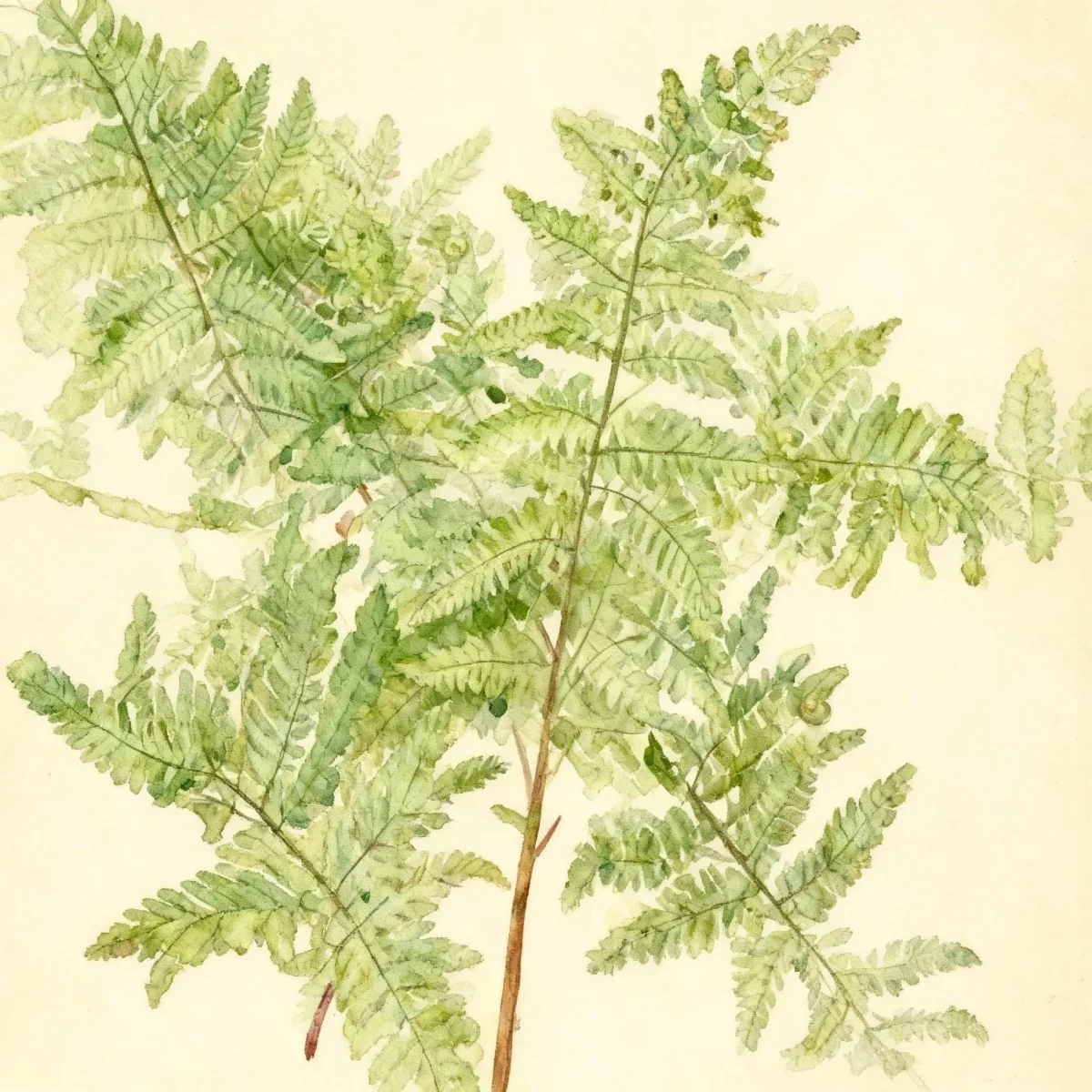
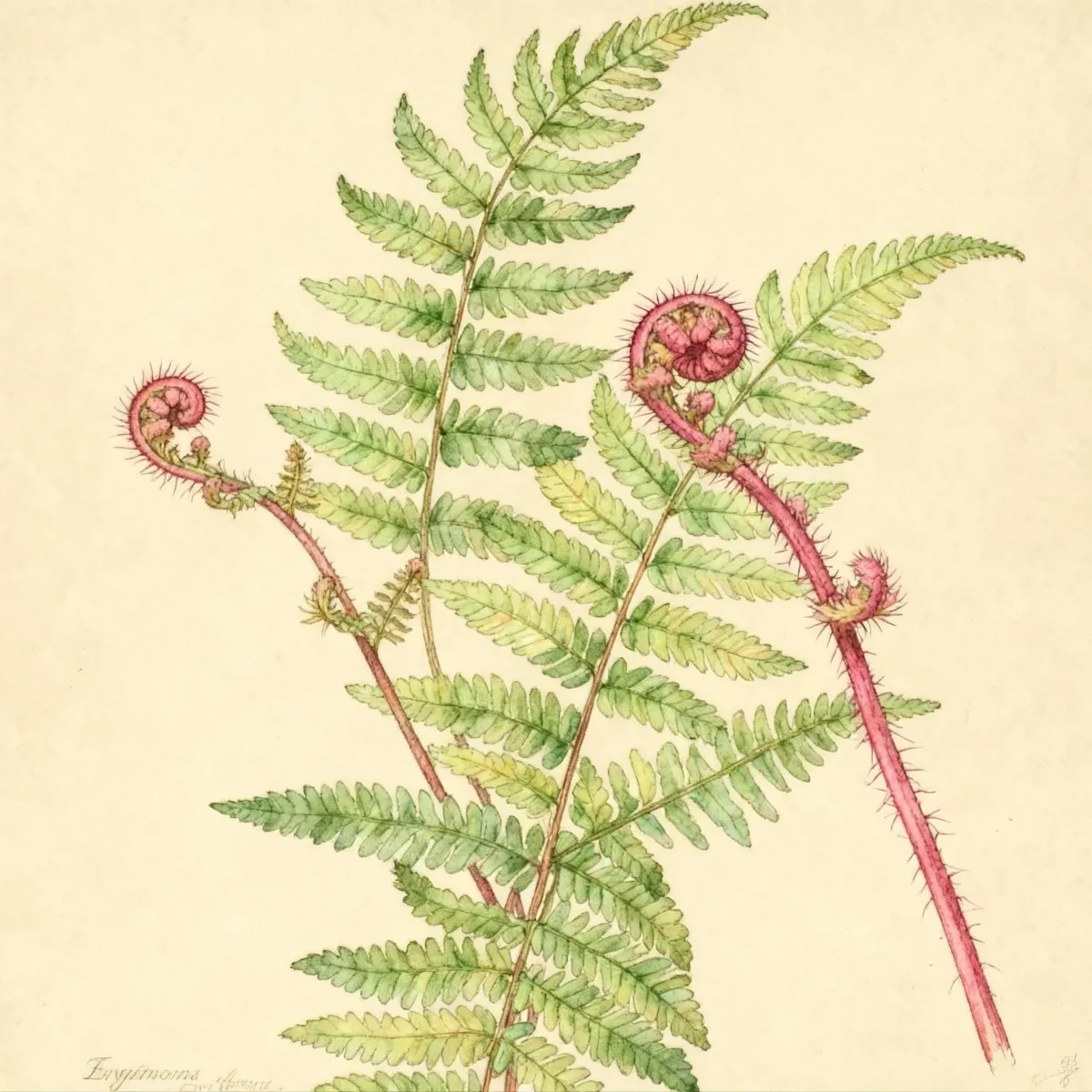
Japanese holly fern (Cyrtomium falcatum)
Discover the evergreen beauty of Japanese holly fern (Cyrtomium falcatum). Hardy in Zones 6-10, this fern thrives in deep shade.
Scroll down to discover growing tips, care requirements, companion plants, and more
Complete Plant Information
Overview
The Japanese holly fern (Cyrtomium falcatum) is highly valued in the landscape for its distinctive, evergreen fronds that closely resemble holly leaves. This structure offers excellent texture and year-round interest, especially in deeply shaded garden environments where many perennials struggle. As a reliable shade-lover, the Cyrtomium falcatum forms dense, attractive clumps perfect for softening woodland transitions.
This medium-sized fern typically matures at 1 to 2 feet tall with a spread up to 3 feet, creating an elegant, mounding habit. Its glossy, dark green foliage is thick and leathery, giving it a robust appearance compared to finer-textured ferns. Gardeners appreciate the hardiness of Cyrtomium falcatum, as it provides dependable structure in temperate climates.
A key benefit of the Japanese holly fern is its adaptability; while preferring moist woodland settings, it handles heavy shade well and is even suitable for growing indoors. Its unique shape allows it to serve as an excellent structural accent in shaded borders or rock gardens, making it a versatile perennial choice.
Fast Facts
- Plant Family: Dryopteridaceae
- Plant Type: Fern
- Native Range: China, Japan, North and South Korea, Taiwan, Vietnam
- Hardiness Zones: USDA Zones 6-10
- Size at Maturity:
- Height: 1-2 ft
- Spread: 2-3 ft
- Bloom Time: Non-flowering
- Bloom Description: Non-flowering
- Sun Exposure: Part shade to full shade
- Water Needs: Medium
- Maintenance Level: Medium
How to Grow
Planting the Japanese holly fern is best done in early spring or fall when soil temperatures are moderate. Focus on location first: this plant demands well-drained soil rich in humus. While it prefers consistent moisture, excellent drainage is paramount, as wet feet, especially in winter, can lead to root rot. Amend heavy clay soils generously with organic matter before planting.
Ongoing care for Cyrtomium falcatum centers on maintaining consistent moisture without waterlogging the bed. Allow the top inch of soil to slightly dry between waterings during peak summer growth. Fertilization is usually unnecessary if the humus-rich soil is maintained; however, a light application of balanced, slow-release fertilizer in early spring can boost vigor.
Pruning is minimal for this fern, usually limited to removing tattered or dead fronds as they appear. For winter protection in the cooler edges of its range (Zone 6), apply a heavy layer of straw mulch directly over the crowns after the ground freezes. This provides essential insulation, helping the Cyrtomium falcatum prepare for the next growing season.
Landscape Uses
The structural elegance of the Japanese holly fern makes it an ideal choice for adding formality to informal garden spaces. It excels used along the borders of tree and shrub plantings, providing a neat, evergreen edge that contrasts beautifully with deciduous bark and spring blossoms. Its tolerance for heavy shade means it thrives under mature canopies where turf grasses or perennials fail.
Consider using Cyrtomium falcatum as a textural element in shaded rock gardens, where its stiff fronds stand out dramatically against stone. It works well planted in repeating patterns throughout woodland areas to establish visual rhythm. Furthermore, its robustness translates well to container culture; when grown in pots, the Japanese holly fern brightens screened porches or entryways throughout the year.
For companion planting, pair this sturdy fern with other shade-loving plants that offer contrasting textures, such as Hostas (non-slug-damaged leaves), bleeding hearts, or woodland ephemerals. The defined, holly-like shape of Cyrtomium falcatum anchors these softer plantings effectively.
Standout Features
Noteworthy Characteristics
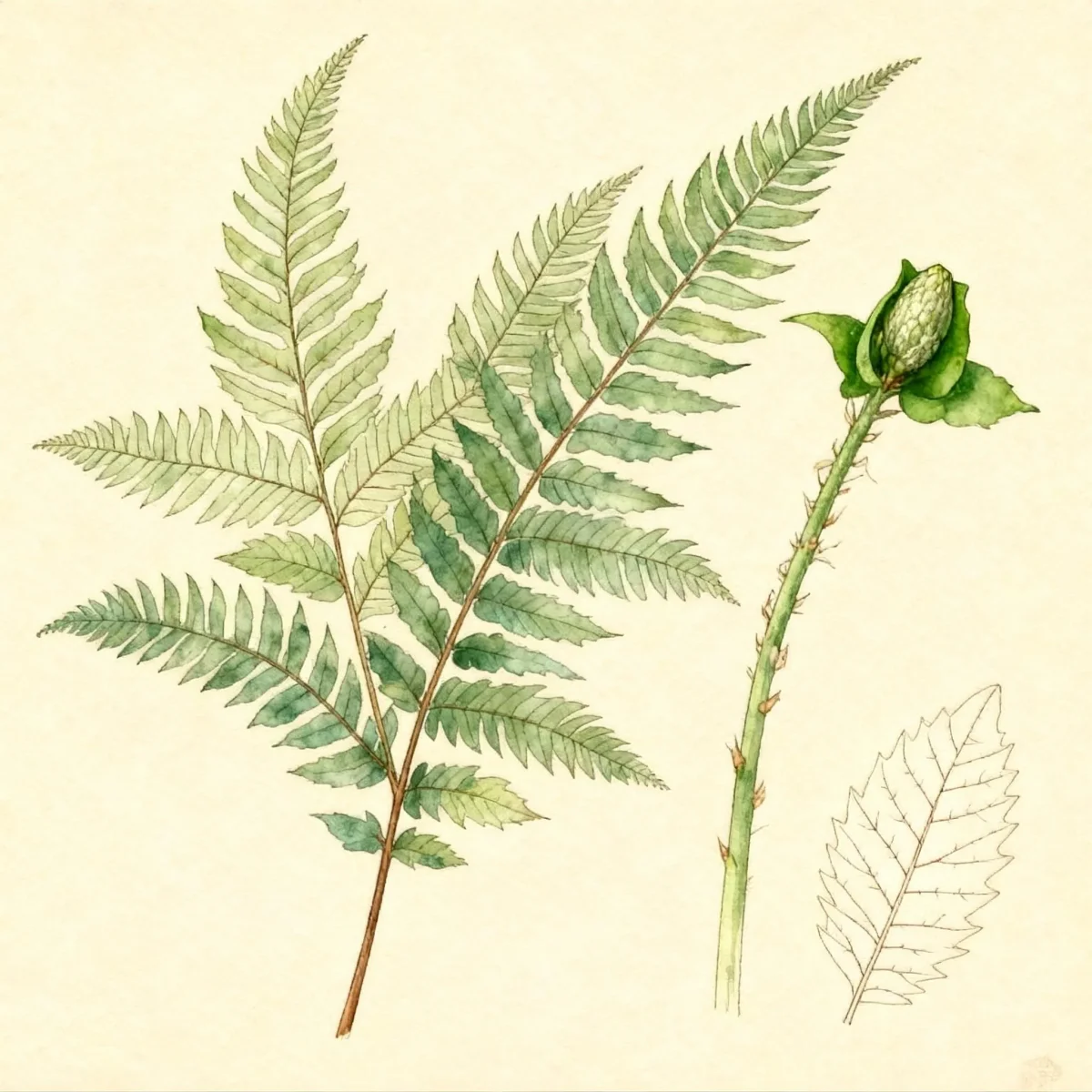
The fronds of this fern resemble holly branches, giving the Cyrtomium falcatum its common name. This is an evergreen fern that typically grows in a dense, vase-shaped clump, noted for its thick, leathery, and sickle-shaped pinnae. Spores are easily dispersed by wind, allowing this attractive Asian native to naturalize effectively in suitable southeastern U.S. climates.
Tolerances
- Rabbit
- Heavy Shade
Potential Problems
The primary threat to the Japanese holly fern is fungal issues, specifically root rot, which occurs when soil drainage is inadequate. Susceptibility also extends to certain fungal spots on the foliage and scale insect infestations. Prevention is key: ensure superior soil drainage year-round, respecting the requirement for moist, well-drained conditions.
If root rot appears, improve aeration and reduce heavy watering immediately. For scale, which presents as small, armored bumps on the frond stems, physical removal early in the season or targeted application of horticultural oil can manage light infestations on the robust foliage of the Cyrtomium falcatum.
Frequently Asked Questions
What hardiness zones is Japanese holly fern suitable for?
The Japanese holly fern is reliably hardy in USDA Zones 6 through 10.
How large does Cyrtomium falcatum grow?
This fern typically reaches a height between 1 and 2 feet, spreading out 2 to 3 feet wide at maturity.
What sun exposure does Cyrtomium falcatum need?
This plant performs best when situated in part shade to full shade conditions, avoiding intense, direct afternoon sun.
When does Japanese holly fern bloom?
Cyrtomium falcatum is non-flowering, as is typical for ferns, reproducing instead via spores on the undersides of its fronds.
Conclusion
The Japanese holly fern offers unparalleled evergreen texture and reliable performance in shady spots where other plants falter. Its holly-like foliage provides year-round interest, making Cyrtomium falcatum an indispensable structural element for shaded borders and woodland gardens. Before planting, confirm your site offers sharp drainage to ensure the long-term health of this magnificent Asian native fern.
Companion Planting for Shaded Gardens
When integrating Cyrtomium falcatum into a mature or new landscape, pairing it with plants that share similar moisture and light needs creates a cohesive, low-maintenance tapestry. Consider using groundcovers like wild ginger (Asarum species) to carpet the soil beneath its fronds, suppressing weeds while maintaining root coolness. For vertical contrast, pair it with taller, thin-leafed woodland species such as Japanese forest grass (Hakonechloa macra) for feathery movement against the stiff structure of the Japanese holly fern.
Another excellent pairing involves plants that offer seasonal color splashes before the fern fully hardens off its new growth. Spring ephemerals, like Virginia bluebells (Mertensia virginica), bloom beautifully near the base of the Cyrtomium falcatum and then naturally die back, leaving the fern to dominate the summer interest without competition.
Seasonal Care Calendar
Mid-to-late spring is the critical time for Cyrtomium falcatum care, just as new fiddleheads begin to emerge. Gently clear away any old, damaged foliage from the previous season to allow better air flow and space for new growth. During dry spells in summer, pay strict attention to deep, thorough watering, remembering that medium water needs do not excuse drought stress during active growth.
In the transition to fall, focus on preparation for winter hardiness. While the fronds offer significant winter interest, deep winter protection is needed in Zone 6; apply a thick, loose mulch layer over the crowns once the soil temperature drops significantly, but before the first hard freeze. Avoid heavy soil compaction around the base of the Japanese holly fern throughout the colder months.