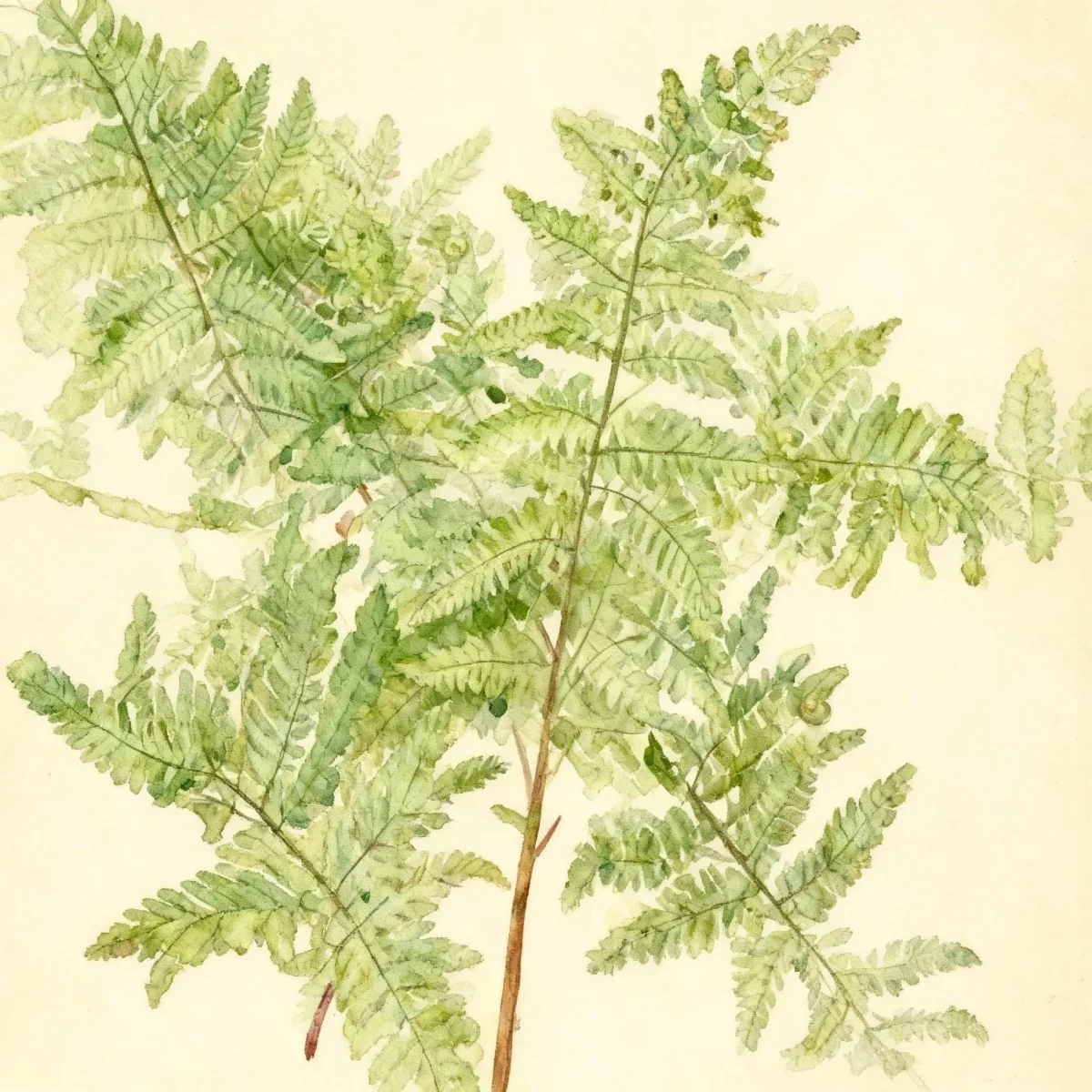
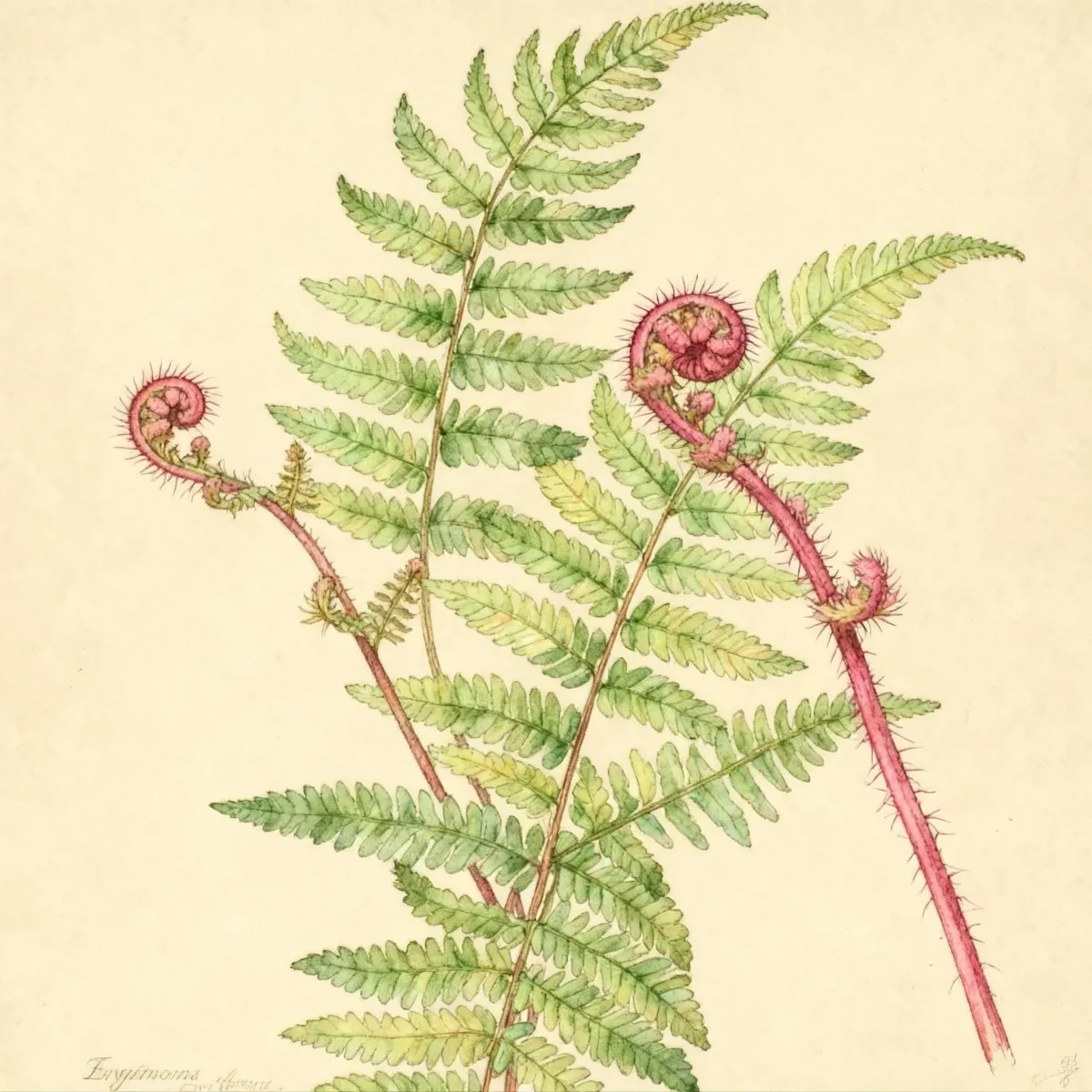
Japanese holly fern (Cyrtomium fortunei)
The evergreen Japanese holly fern (Cyrtomium fortunei) offers stiff, holly-like fronds, ideal for shaded borders in USDA Zones 6-9.
Scroll down to discover growing tips, care requirements, companion plants, and more
Complete Plant Information
Overview
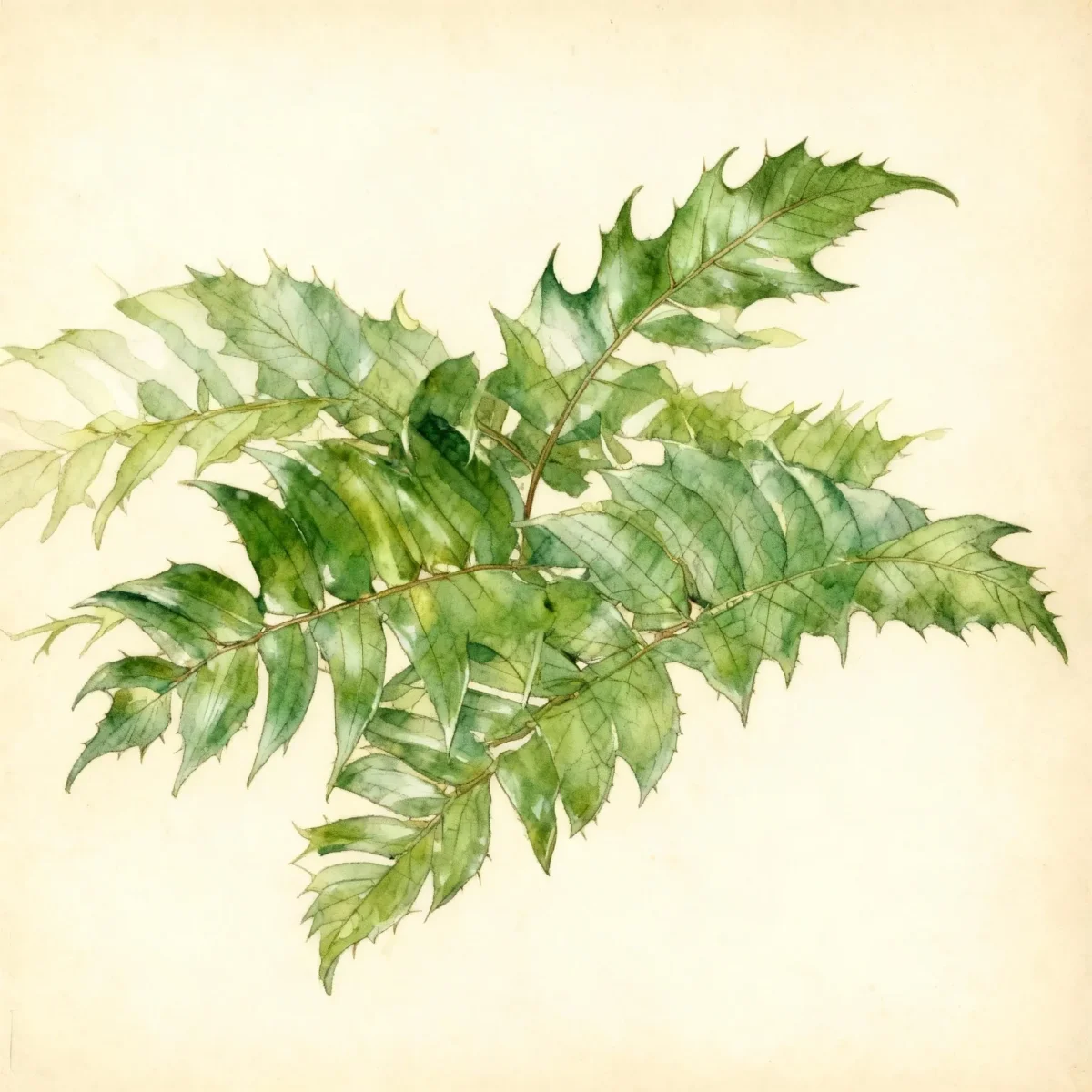
The Japanese holly fern (Cyrtomium fortunei) is a prized evergreen offering year-round structure and unique texture to shaded garden niches. Its stiff, leathery fronds distinctly resemble holly branches, providing reliable visual interest where many foliage plants struggle. This fern is valued for its maintenance level and its ability to thrive in dappled light conditions.
Originating in Eastern Asia, Cyrtomium fortunei establishes itself as a hardy performer across USDA Zones 6 through 9. While it is evergreen, its dense, upright habit makes the Japanese holly fern an excellent choice for defining pathways or adding deep green mass to woodland borders. Gardeners appreciate this species for its refined, architectural presence, unlike the more delicate textures common among other ferns.
Understanding the specific needs of Cyrtomium fortunei ensures its longevity and robust appearance. It requires consistent moisture and well-drained soil to avoid common root issues. For those seeking reliable, architectural foliage in the shade, the stately Cyrtomium fortunei is an outstanding selection.
Fast Facts
- Plant Family: Dryopteridaceae
- Plant Type: Fern
- Native Range: Eastern Asia
- Hardiness Zones: USDA Zones 6-9
- Size at Maturity:
- Height: 1-2 ft
- Spread: 1-1.5 ft
- Bloom Time: Non-flowering
- Sun Exposure: Part shade to full shade
- Water Needs: Medium
- Maintenance Level: Medium
How to Grow
Planting the Japanese holly fern is best achieved in spring or fall when temperatures are moderate, allowing the plant time to establish before summer heat or deep winter freezes. Locate Cyrtomium fortunei in spots receiving part shade or deep shade. Essential to its success is the soil; aim for rich, humusy medium that drains exceptionally well. Good soil drainage is critical to protect roots from rotting, particularly during wet winters.
Routine care involves consistent, medium watering, especially during dry spells, though ferns generally dislike sitting in soggy conditions. During the growing season, you may side-dress annually with compost to enrich the soil lightly, but heavy fertilization is usually unnecessary and can sometimes burn the sensitive root systems. Pruning is minimal; typically, this involves removing any brown or damaged fronds near ground level in early spring before new growth emerges.
Be mindful of sun exposure throughout the year. Too much direct sun, especially afternoon summer rays, will bleach the desirable pale yellowish-green color from the pinnae of your Cyrtomium fortunei, compromising its aesthetic appeal. Protection from harsh winter winds is also beneficial in the colder end of its hardiness range (Zone 6) to help maintain its evergreen character.
Landscape Uses
The architectural quality of Cyrtomium fortunei makes it indispensable for low-maintenance shade designs. It performs beautifully when tucked into woodland areas, where its stiff, upright fronds contrast nicely with softer groundcovers or finer-textured plants. The Japanese holly fern is also perfectly placed in shaded sections of traditional borders, adding structure where flowers fade.
Consider using the Japanese holly fern to line shaded stone pathways or integrate it within rock gardens, where its leathery texture can withstand occasional proximity to stone edges. For companion planting, pair Cyrtomium fortunei with Hosta varieties that feature contrasting leaf shapes, or use woodland ephemerals like Bloodroot (Sanguinaria) that complete their cycle before the fern reaches its full summer size. Its dependable evergreen nature ensures the garden skeleton remains intact year-round.
Standout Features
Noteworthy Characteristics
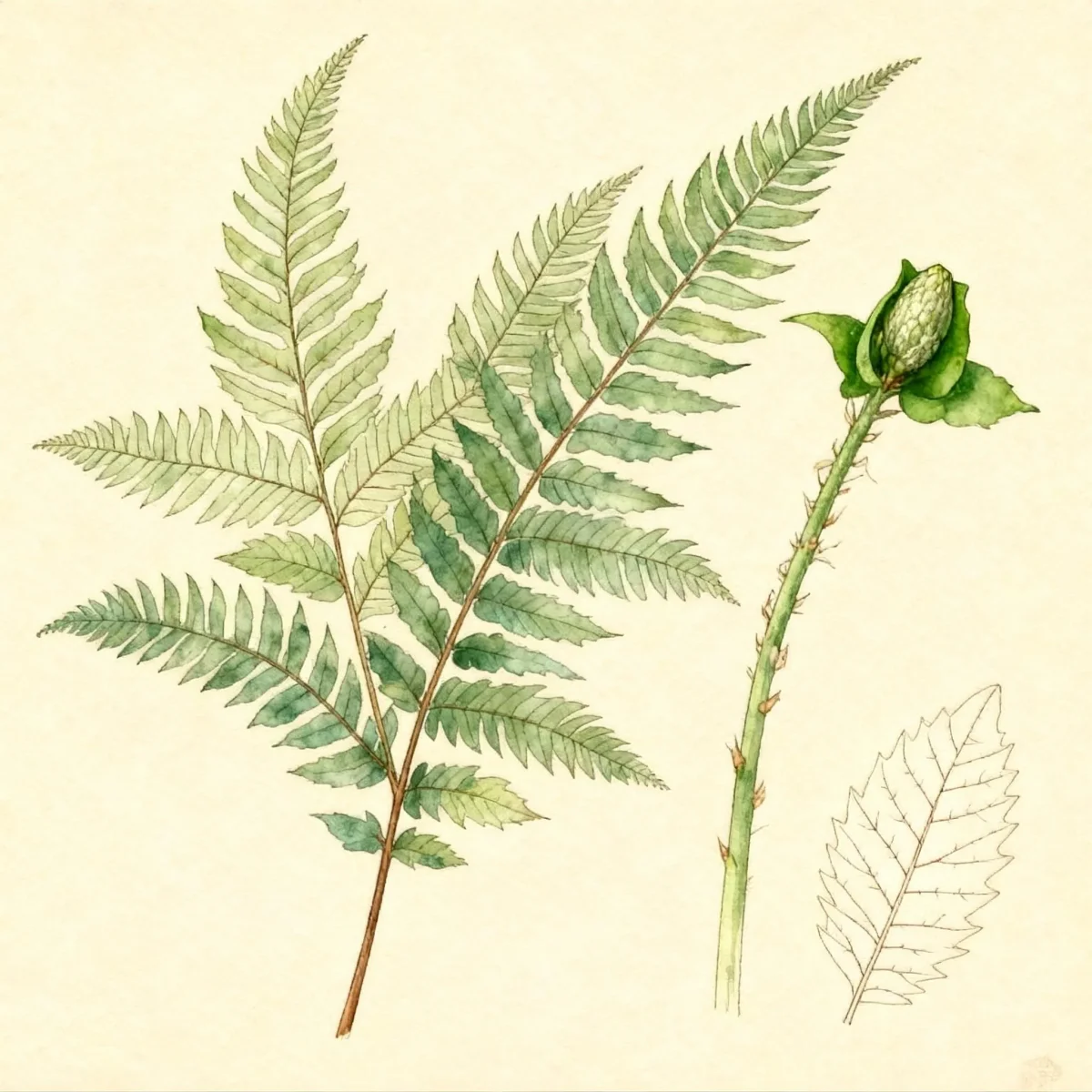
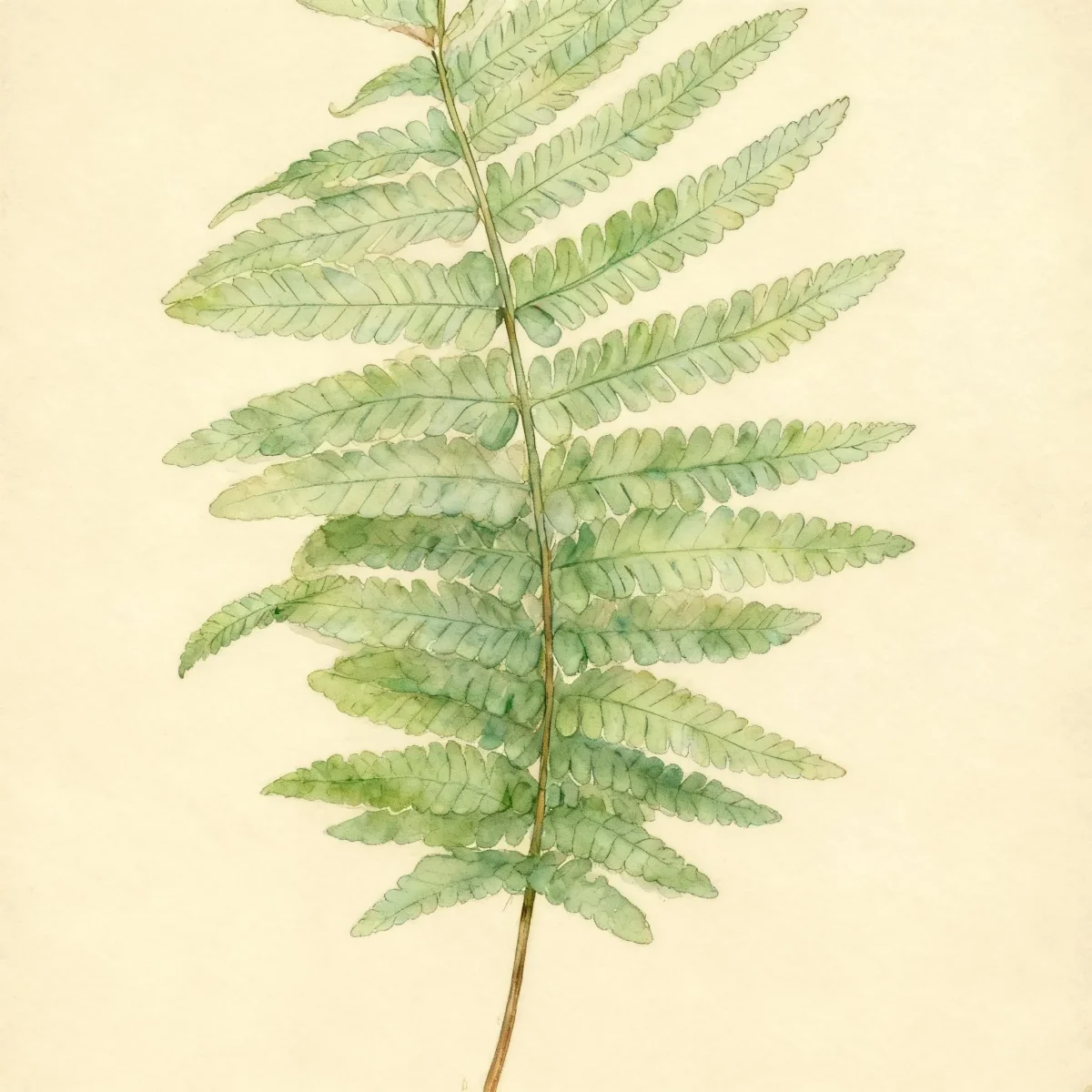
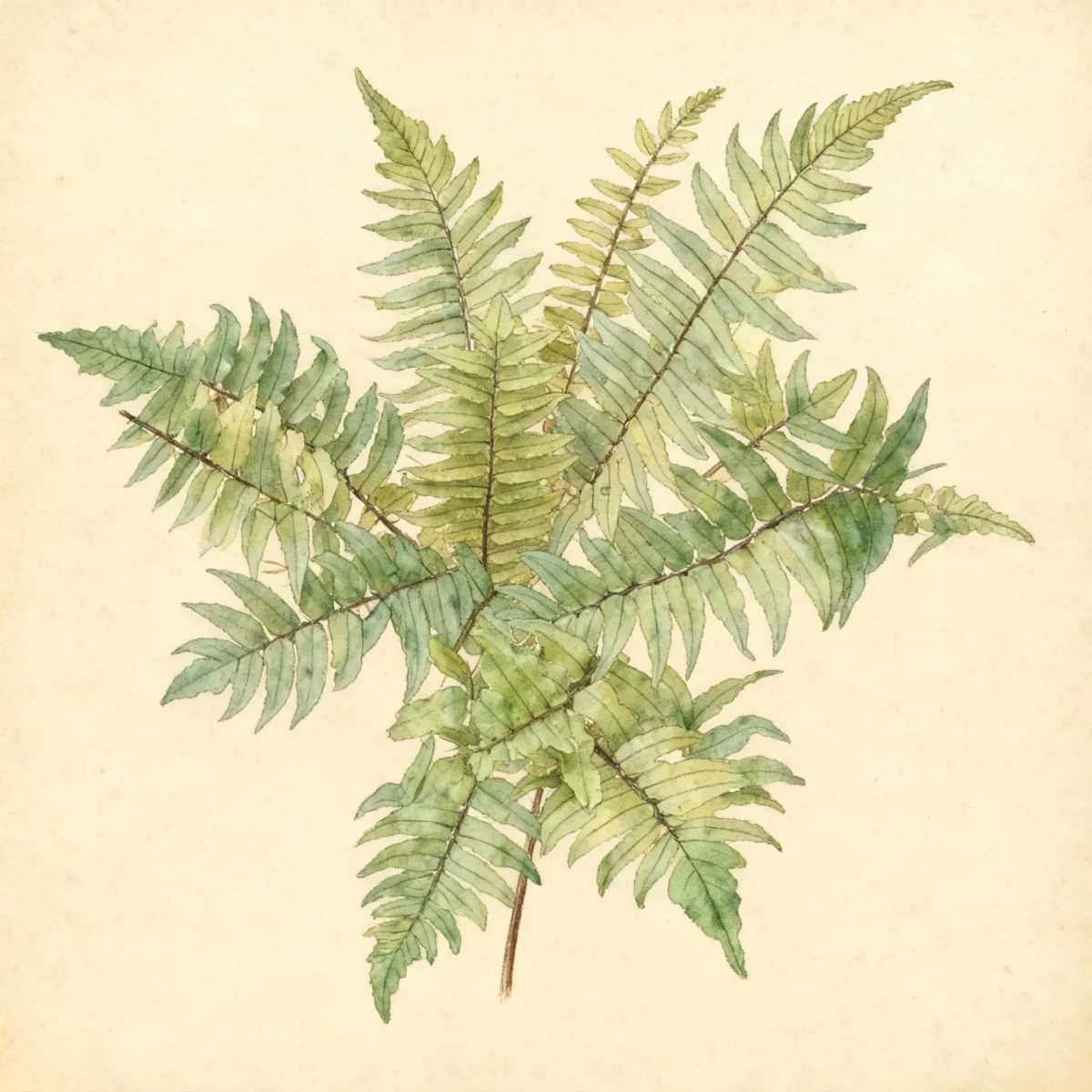
Cyrtomium fortunei, commonly called holly fern, has fronds that resemble holly branches. It is native to Japan, Korea and China. It is an evergreen fern that typically grows 12-24” tall and features stiff, upright, dull green fronds (to 2 1/2’ long), each with 12-26 pairs of stiff, leathery pinnae. Genus name comes from the Greek kyrtos meaning arched in reference to the fern habit. Specific epithet honors Robert Fortune (1812-1880) Scottish horticulturist and collector in China.
Tolerances
- Rabbit
Potential Problems
The Japanese holly fern is generally robust but can suffer from a few common horticultural issues, primarily related to improper watering or overly dense planting. Susceptible to root rot, this almost always signals poor soil drainage, especially over winter; ensure planting beds are amended sufficiently with organic matter to maintain aeration. Fungal spots can appear on the fronds, often exacerbated by high humidity or overhead watering that keeps foliage damp for extended periods. Scale insects are another minor threat to be monitored, particularly on the stalks; treat small infestations immediately with horticultural oil.
Frequently Asked Questions
What hardiness zones is Japanese holly fern suitable for?
The Japanese holly fern (Cyrtomium fortunei) is suitable for cultivation in USDA Hardiness Zones 6 through 9.
How large does Japanese holly fern grow?
This fern typically reaches a mature height between 1 and 2 feet tall, with a similar spread of 1 to 1.5 feet across.
What sun exposure does Japanese holly fern need?
Cyrtomium fortunei thrives best when grown in conditions ranging from part shade to full shade, avoiding intense, direct sun exposure.
When does Japanese holly fern bloom?
As a fern, Cyrtomium fortunei is non-flowering and reproduces via spores rather than blossoms.
Conclusion
The Cyrtomium fortunei stands out in shady landscapes due to its distinctive, holly-like, and durable evergreen foliage. Successfully cultivating this Japanese holly fern hinges on providing excellent drainage and consistent, medium moisture. Before planting, verify that your garden site falls within USDA Zones 6-9 and offers adequate protection from intense midday sun.
Companion Planting
When designing a shade garden featuring the Japanese holly fern, selecting companions with contrasting textures and colors is highly effective. Hostas provide broad, sculptural leaves that contrast beautifully with the narrow, stiff pinnae of Cyrtomium fortunei. Look for Hostas with bright chartreuse or heavily variegated foliage to maximize visual interest against the deep green of the fern.
For ground cover beneath the canopy where Cyrtomium fortunei resides, consider low-growing perennials like Hakonechloa macra (Japanese Forest Grass). While Hakonechloa needs slightly more moisture, its arching, delicate blades create a flowing base layer that complements the upright habit of the holly fern. Ensure any chosen companion also prefers well-drained, humus-rich soil to maintain uniform cultural requirements.
Pruning and Renewal
While the Japanese holly fern is evergreen, occasional clean-up ensures its structure remains sharp and attractive. The primary pruning task involves removing senescing or damaged fronds, typically in late winter or very early spring, just as new fiddleheads begin to emerge. Cut these older fronds back cleanly at the base using sharp bypass pruners.
This early spring clean-up is essential not just for aesthetics but also plant health, as it opens up the crown slightly, allowing better airflow which minimizes the environment conducive to fungal spots. Because Cyrtomium fortunei maintains its leaves all year, avoid excessive cutting; only remove what is visibly spent or damaged to retain seasonal coverage.