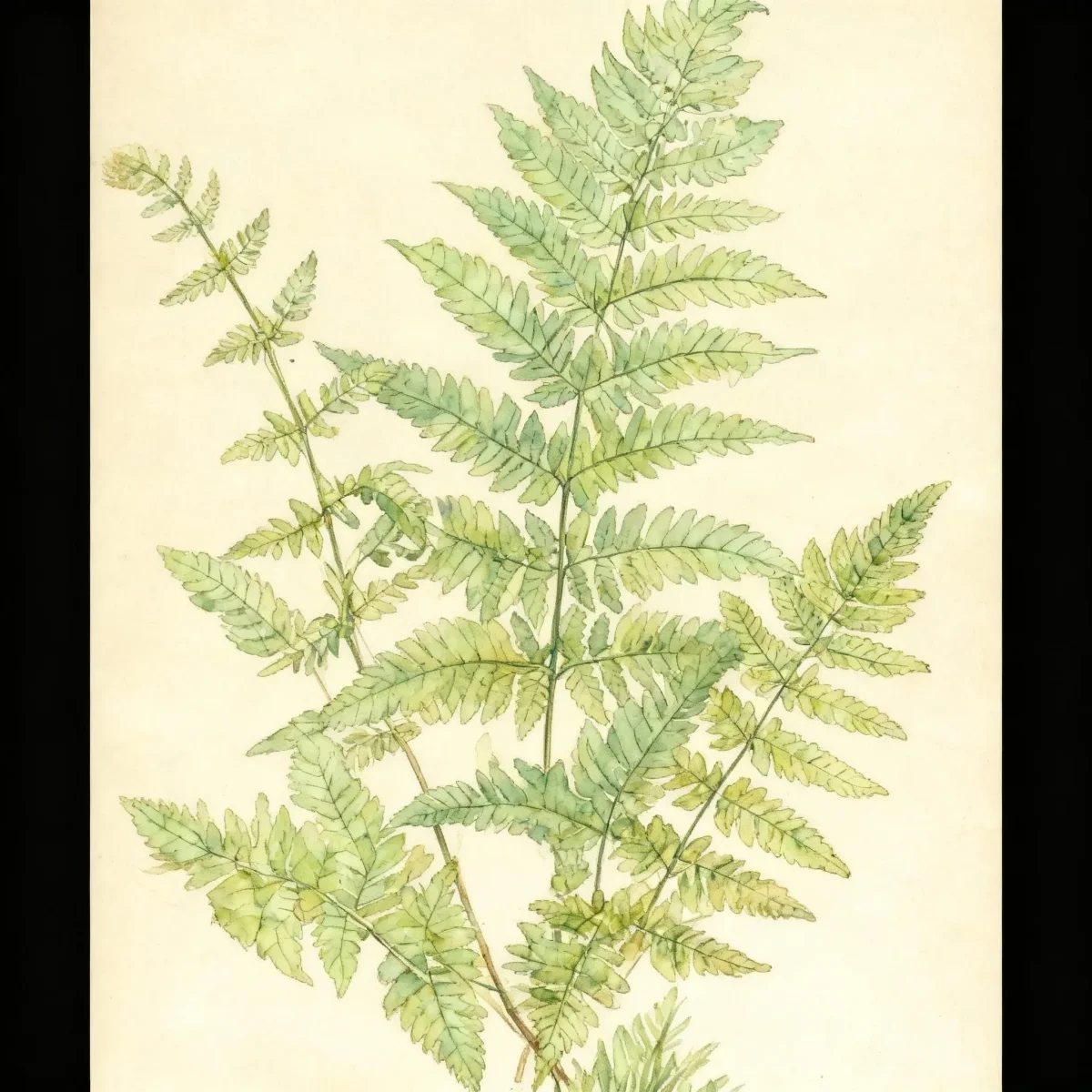
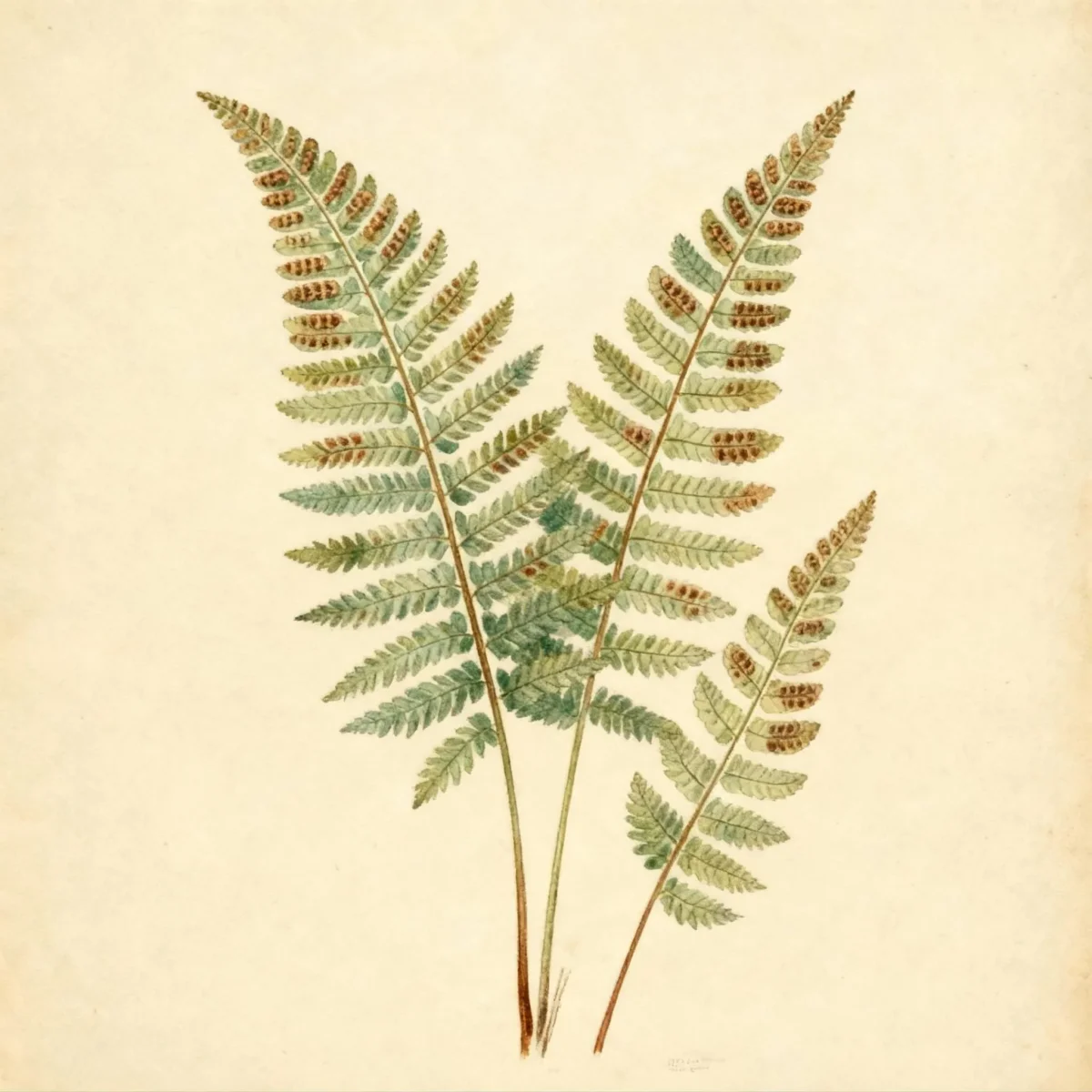
Lowland fragile fern (Cystopteris protrusa)
Discover the delicate beauty of Lowland fragile fern (Cystopteris protrusa), a small, low-maintenance fern ideal for shaded woodland gardens.
Scroll down to discover growing tips, care requirements, companion plants, and more
Complete Plant Information
Overview
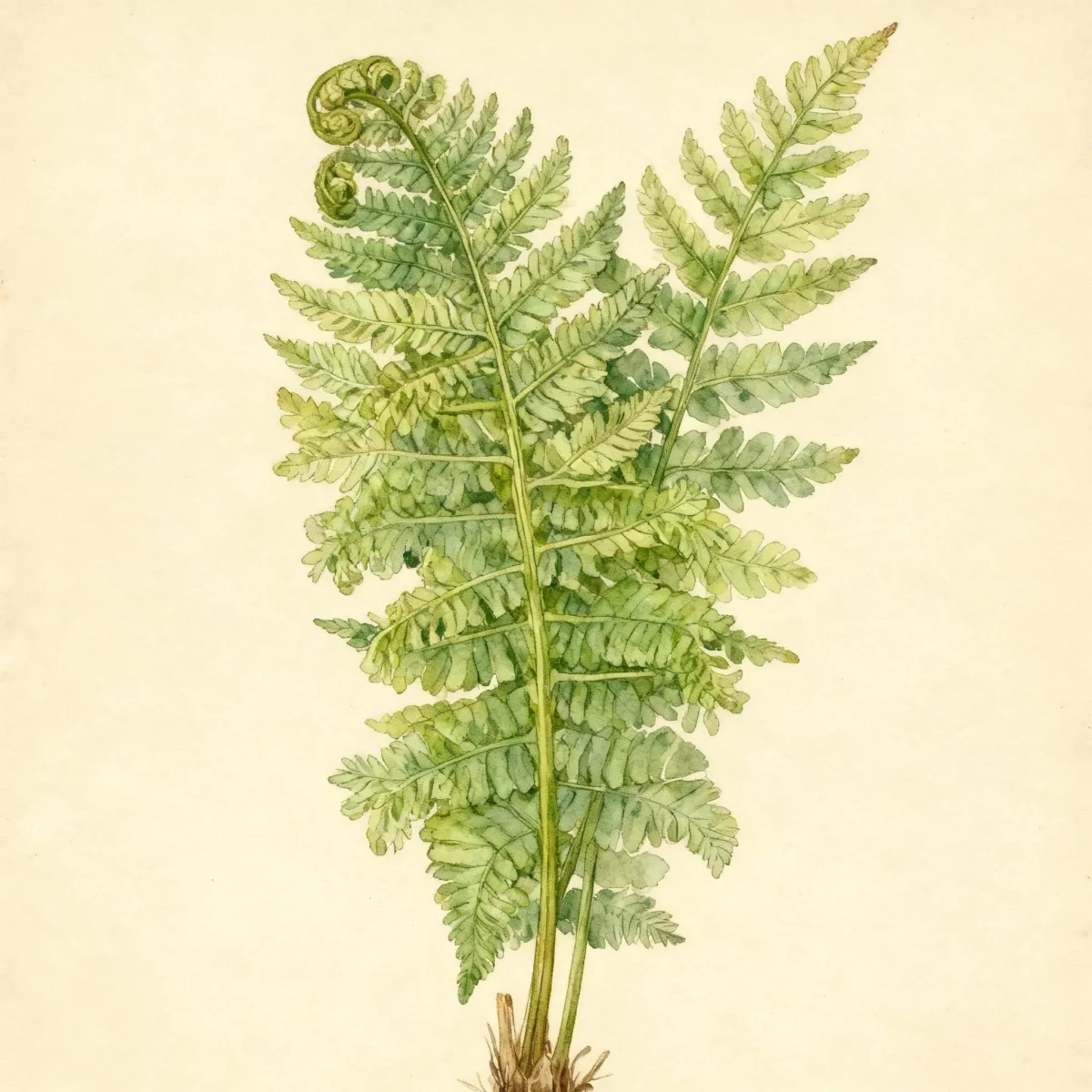
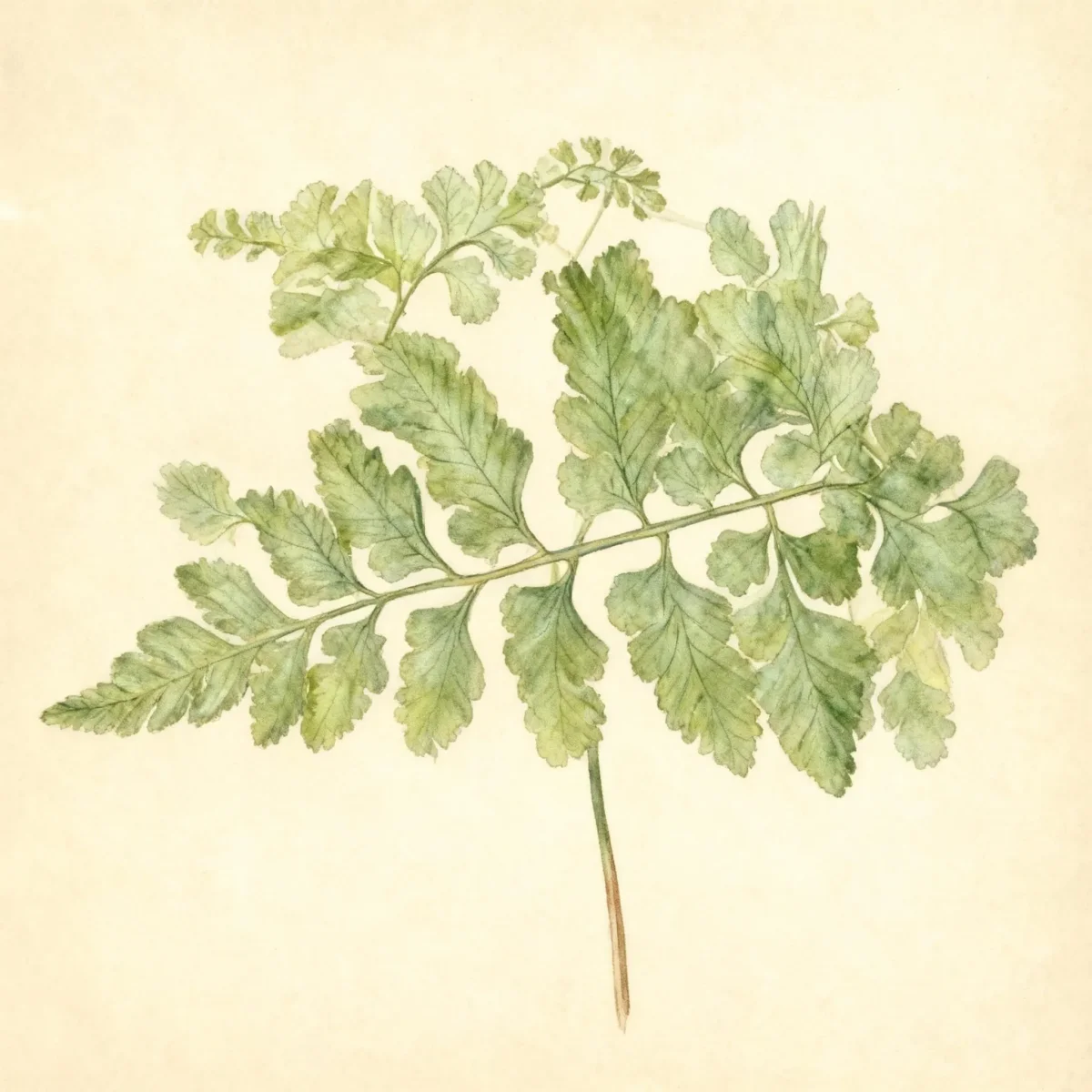
The Lowland fragile fern, scientifically known as Cystopteris protrusa, offers a lacy elegance well-suited for shady niches in the landscape. This small, somewhat airy, deciduous native fern is prized for its finely cut, bi-pinnate to tri-pinnate fronds which emerge early in the spring. Gardeners appreciate Cystopteris protrusa for its low maintenance requirements and its naturalistic appearance in woodland settings.
Despite its common name, fragile fern, referring to the sometimes brittle stipes of its fronds, this rhizomatous plant establishes reliably in suitable conditions. Cystopteris protrusa provides year-round interest through its delicate texture, even though it is deciduous. It is an excellent choice for enhancing native plant gardens or providing soft texture along shaded slopes.
Growing easily in rich, well-drained soil, the Lowland fragile fern thrives where many flowering plants struggle—under the canopy of trees. Its ability to naturalize gently via rhizomes makes it a sustainable and valuable groundcover alternative in deeply shaded landscapes across North America.
Fast Facts
- Plant Family: Cystopteridaceae
- Plant Type: Fern
- Native Range: North America
- Hardiness Zones: USDA Zones 2-9
- Size at Maturity:
- Height: 0.5-1.5 ft
- Spread: 0.5-1.5 ft
- Bloom Time: Non-flowering
- Bloom Description: Non-flowering
- Sun Exposure: Part shade to full shade
- Water Needs: Medium
- Maintenance Level: Low
How to Grow
Planting the Lowland fragile fern is best achieved in the spring or fall to allow establishment before temperature extremes. Locate Cystopteris protrusa in areas receiving part shade to full shade, mimicking its woodland habitat. The soil must be loose, organically rich, and possess medium moisture retention while ensuring excellent drainage to prevent crown rot.
Care is minimal once established; maintain medium moisture levels, especially during dry spells, by providing consistent watering. Fertilization is rarely required if the soil is organically rich. A special consideration for this fern is soil pH: actively add lime to acidic soils to improve growing conditions for Cystopteris protrusa.
Pruning effectively means little more than clearing debris away from the emerging fronds in early spring. Since this is a deciduous plant, the dead foliage can be tidied up before new growth begins. Its early emergence means gardeners should be mindful of occasional late frosts that might damage the first flush of fronds.
Landscape Uses
The delicate texture of the Lowland fragile fern makes it an outstanding textural contrast in deep shade gardens. It is particularly effective when used as a groundcover in woodland gardens where its arching fronds soften hard lines. Consider mass plantings of Cystopteris protrusa on slopes or banks where its rhizomatous nature helps stabilize the soil structure.
For rock gardens, this fern offers excellent visual interest, tucked between stones where it receives the drainage it prefers. Use it along shaded border fronts where it creates an airy, low-growing edge. Companion planting with other moisture-loving, shade-tolerant species like Hostas, Hellebores, or native woodland phlox creates a lush, layered tapestry of green.
Standout Features
Noteworthy Characteristics
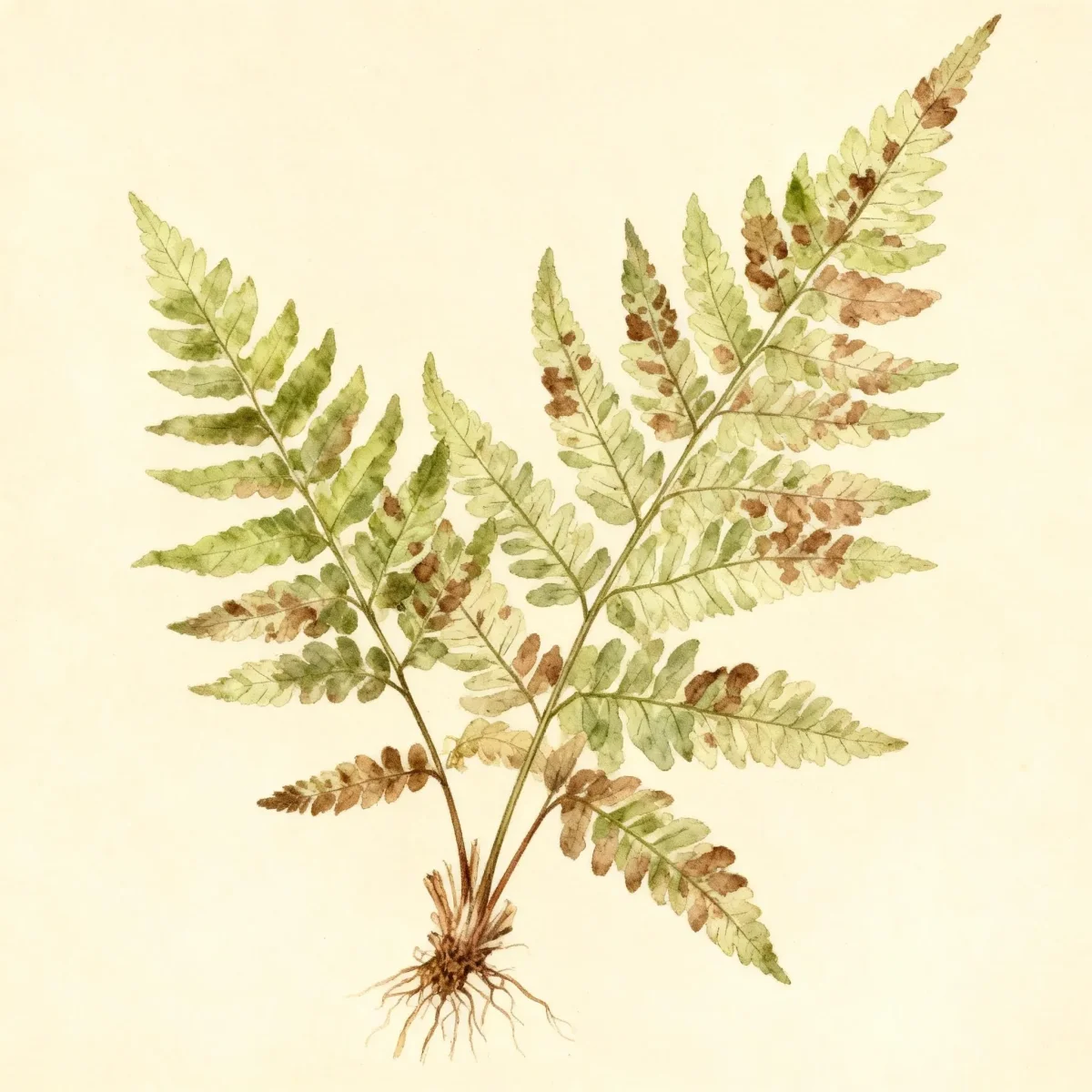
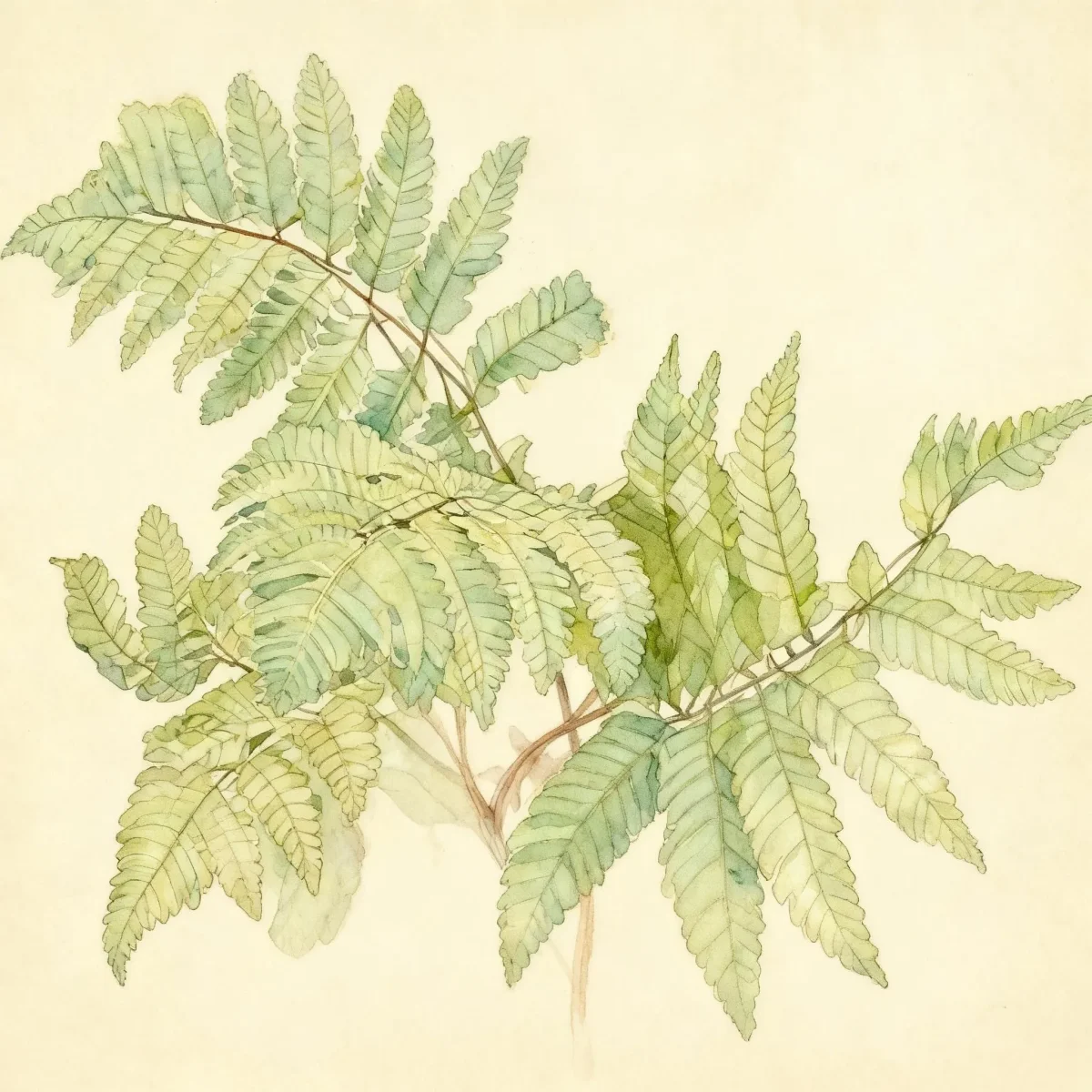
Cystopteris protrusa, commonly called fragile fern, is a small, somewhat airy, deciduous, Missouri native fern which occurs in rich woods, slopes, valleys and along streams throughout the State. Typically grows 6-15” tall. Features finely cut, bi-pinnate to tri-pinnate, erect to arching fronds. Fronds have brittle stipes (central stems) which easily break, hence the common name. A rhizomatous plant which emerges in very early spring and produces new fronds throughout the spring and summer. Very similar in appearance to Woodsia obtusa.
Tolerances
- Rabbit
Potential Problems
The Lowland fragile fern generally exhibits excellent resilience in the garden. It experiences no serious insect or disease problems when sited correctly. The primary threats involve cultural issues, such as poor drainage leading to root rot, or overly exposed sites that cause desiccation. Ensure sharp drainage and consistent moisture management to keep your Cystopteris protrusa healthy throughout the season.
Frequently Asked Questions
What hardiness zones is Lowland fragile fern suitable for?
The Lowland fragile fern is suitable for USDA Zones 2 through 9, offering impressive cold tolerance for a shade-loving plant.
How large does Lowland fragile fern grow?
This fern typically matures to a height between 0.5 to 1.5 feet tall, with an equal spread of 0.5 to 1.5 feet wide.
What sun exposure does Lowland fragile fern need?
Cystopteris protrusa thrives best in conditions ranging from part shade to full shade; avoid hot, direct afternoon sun which can easily scorch the delicate fronds.
When does Lowland fragile fern bloom?
As a fern, the Lowland fragile fern is non-flowering; it reproduces via spores rather than blossoms or fruit.
Conclusion
The subtle, lacy texture and robust hardiness of the Lowland fragile fern make it an indispensable component for shaded garden areas. Cystopteris protrusa offers a beautiful, low-maintenance solution for adding depth and structure beneath tree canopies. Before planting, confirm your site offers the rich, well-drained soil and consistent moisture required for successful cultivation of this native gem.
Companion Planting Potential
Choosing the right companions enhances the aesthetic and ecological value of your shade garden. Since Cystopteris protrusa enjoys moist, organically rich soil, pair it with other moisture-loving native woodland flora. Consider bleeding hearts (Dicentra) or wild ginger (Asarum canadense) for contrasting leaf shapes near the finer texture of the Lowland fragile fern. Grouping it with ferns that have different textures, such as the broader fronds of Christmas fern, adds dimension.
Seasonal Care Calendar
Early spring is the most crucial time for the Lowland fragile fern. Clear away old leaf litter gently as the new erect fronds of Cystopteris protrusa begin to emerge. If your soil tends toward acidic, this is the ideal moment to amend by incorporating lime as recommended for its culture. During the heat of summer, monitor moisture levels to ensure the “medium water needs” are met, particularly in highly drained or sunny spots. Winter preparation involves little more than letting the deciduous fronds decay naturally, feeding the soil over winter.