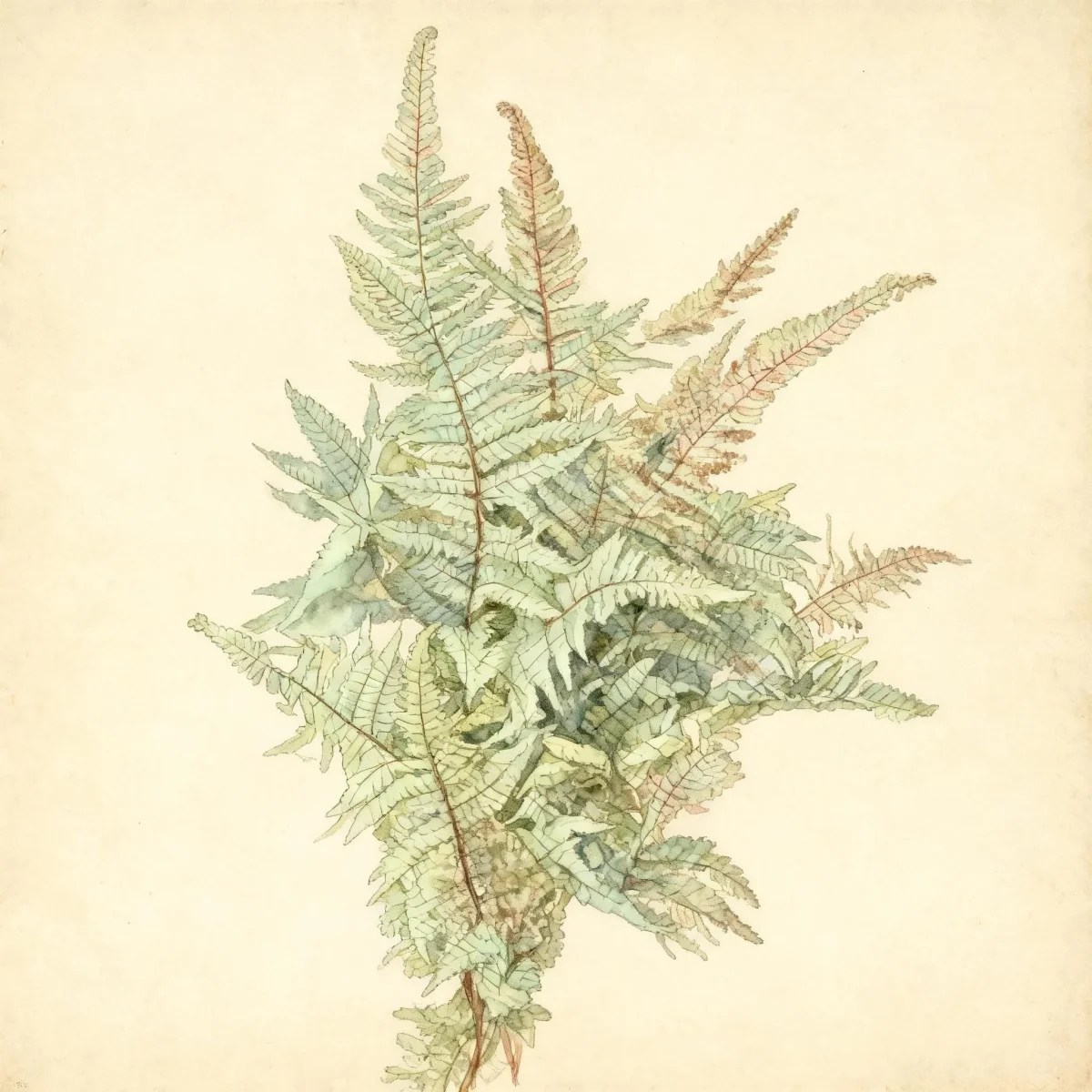
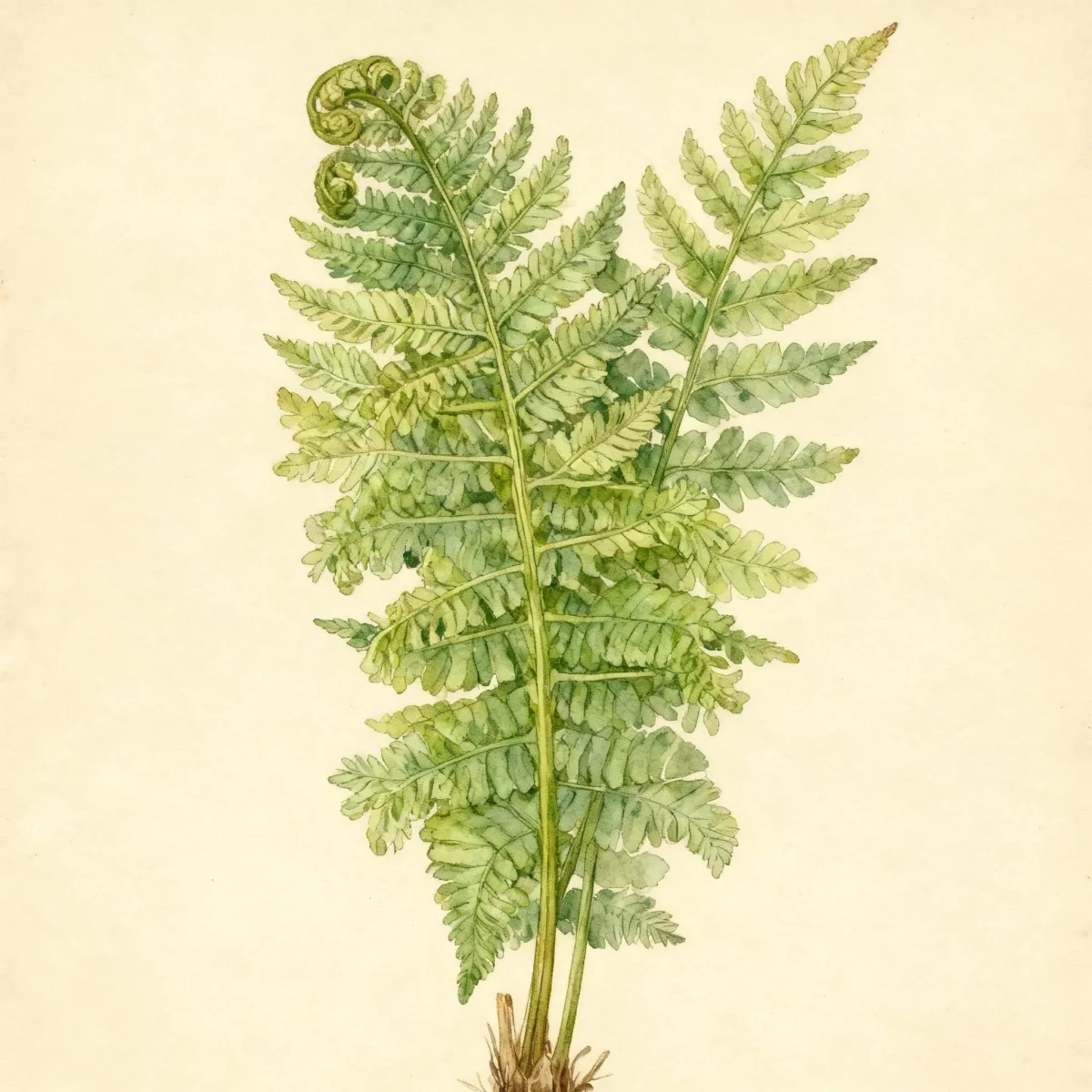
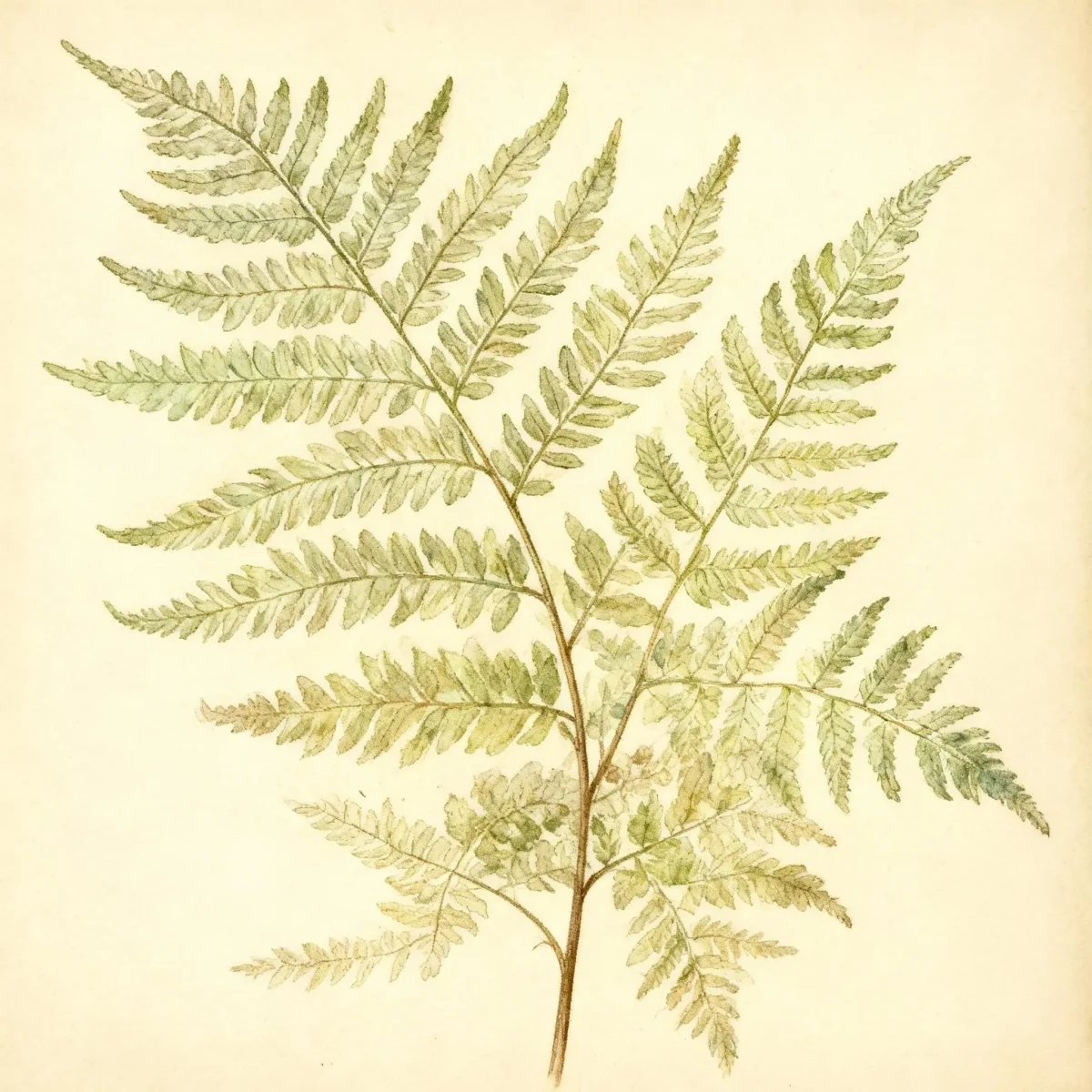
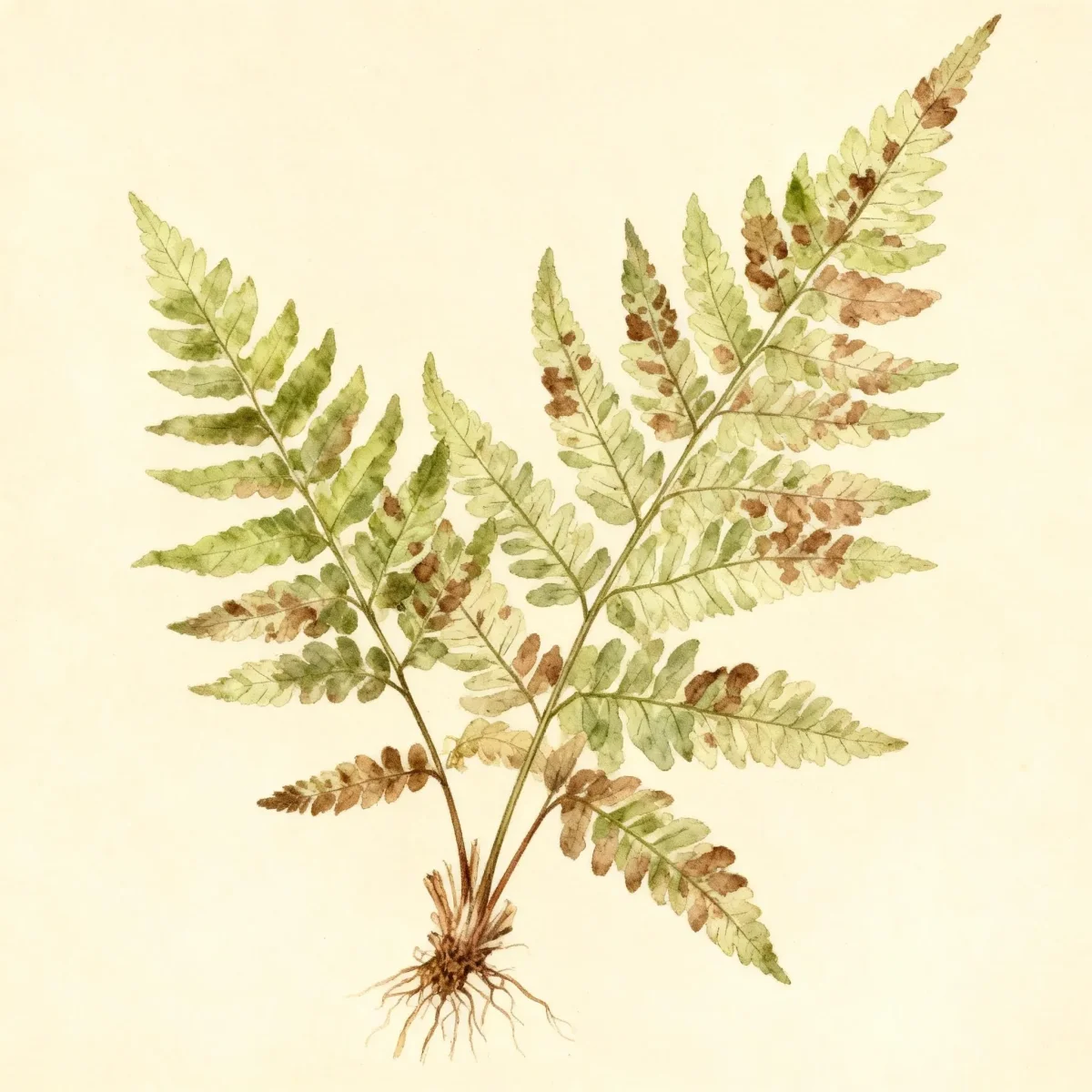
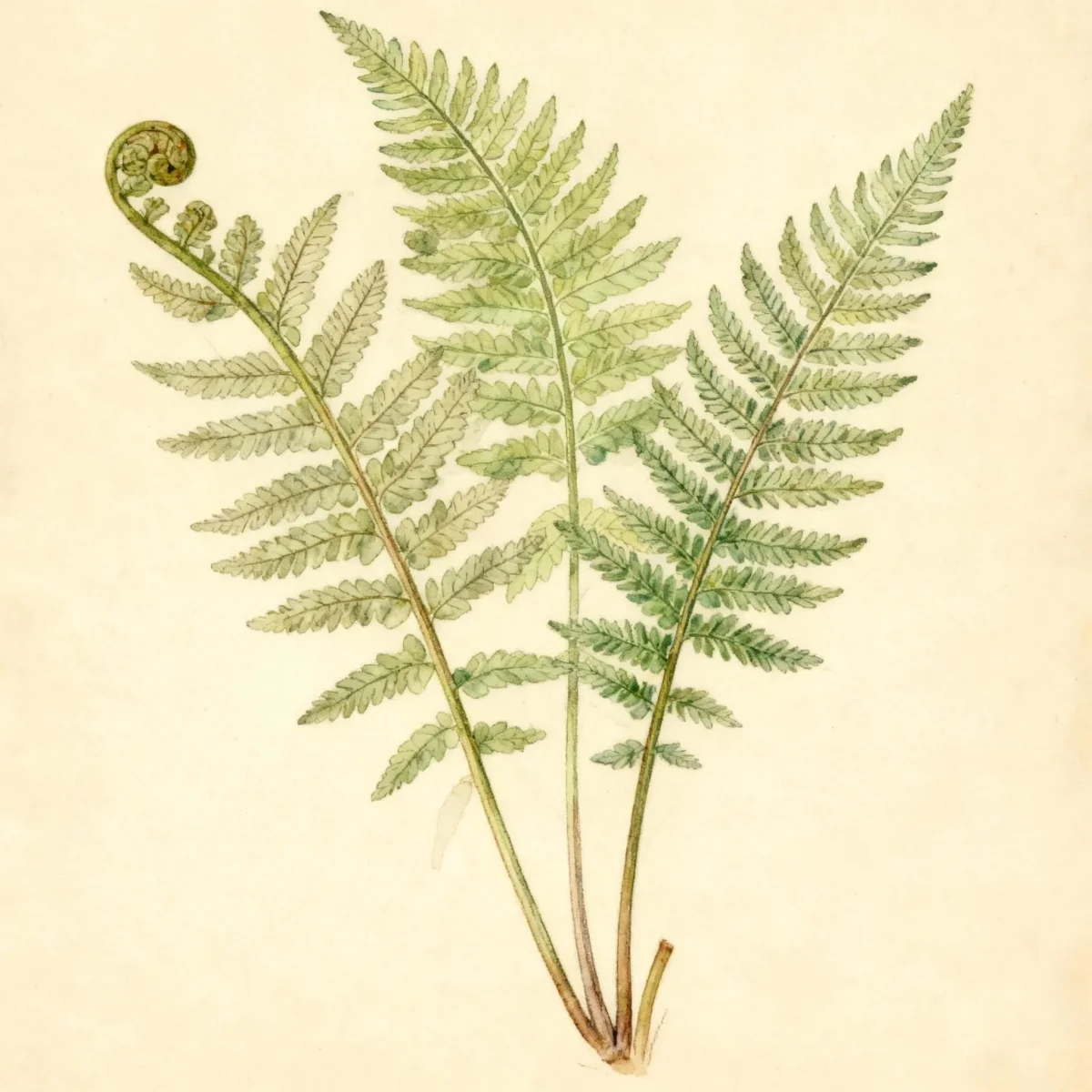
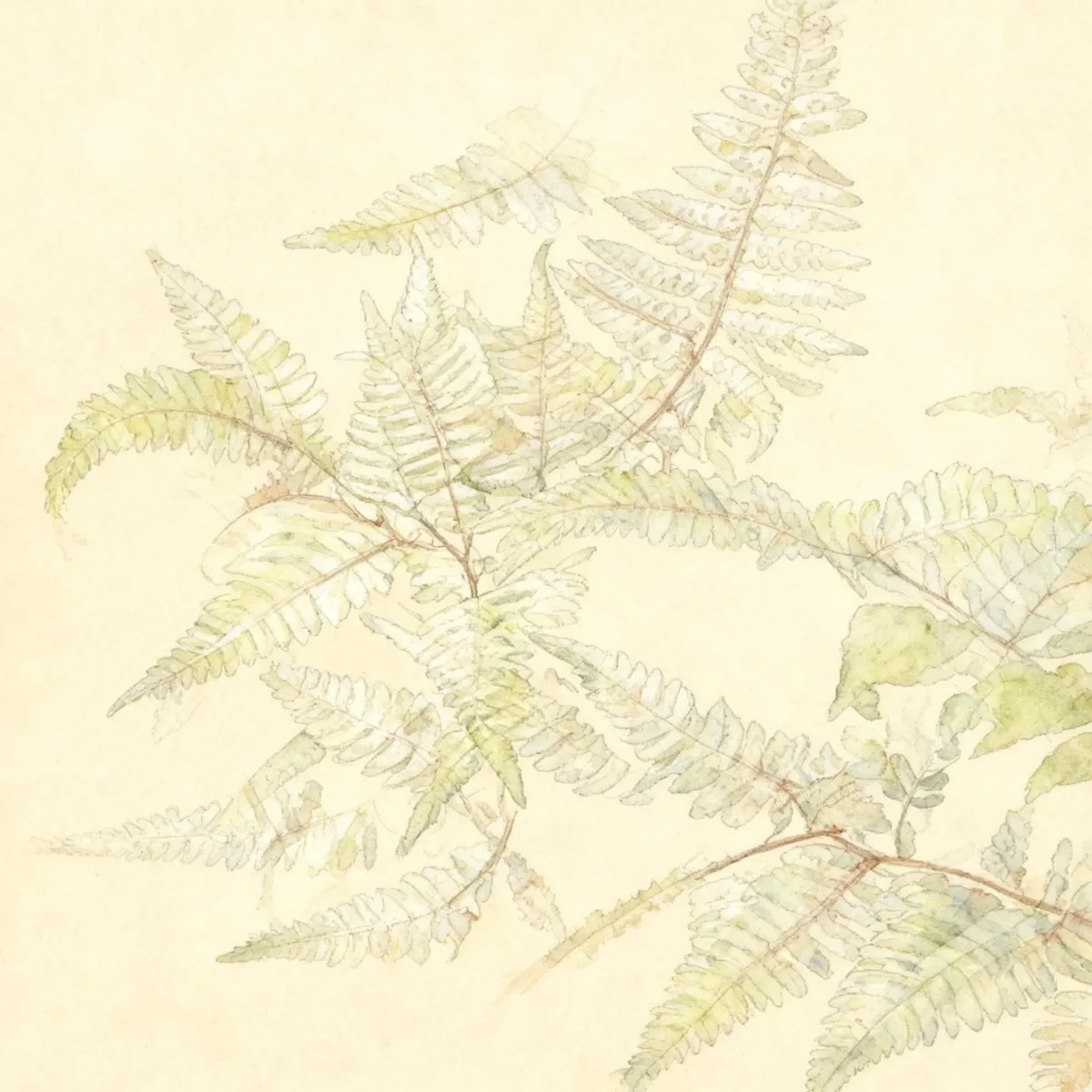
Glade fern (Diplazium pycnocarpon)
Discover the Glade fern (Diplazium pycnocarpon), a low-maintenance woodland fern for shady, moist sites in zones 3-8.
Scroll down to discover growing tips, care requirements, companion plants, and more
Complete Plant Information
Overview
The Diplazium pycnocarpon, widely known as the Glade fern, is a highly valued native plant perfect for establishing naturalized settings under dense woodland canopies. It is prized by gardeners for its gracefully arching fronds and its preference for deep shade, filling niches where many other woodland plants struggle. This deciduous fern spreads slowly via short creeping rhizomes, offering a reliable, low-maintenance texture to the landscape.
This species is native across Eastern and central North America, typically flourishing in the moist, rich soils found in ravines and stream valleys. Optimal cultivation of Diplazium pycnocarpon requires consistent moisture; if the soil dries out, the attractive foliage—especially the sterile fronds—will quickly brown. Gardeners looking for reliable texture in challenging shade will find the Glade fern an excellent choice.
The plant showcases somewhat dimorphic fronds, with sterile and fertile leaves having slightly different shapes, adding subtle complexity to its appearance throughout the growing season. With its low maintenance demands and native stature, the Diplazium pycnocarpon contributes significantly to ecological landscaping efforts.
Fast Facts
- Plant Family: Athyriaceae
- Plant Type: Fern
- Native Range: Eastern and central North America
- Hardiness Zones: USDA Zones 3-8
- Size at Maturity:
- Height: 2-3 ft
- Spread: 2-3 ft
- Bloom Time: Non-flowering
- Bloom Description: Non-flowering
- Sun Exposure: Part shade to full shade
- Water Needs: Medium
- Maintenance Level: Low
How to Grow
The best time to plant Glade fern is typically during the spring or fall when conditions are cooler and moisture is abundant. Select a location that provides organically rich soil structure, ensuring excellent drainage—standing water must be avoided. While established plants can handle some dryness, Diplazium pycnocarpon thrives when moisture levels are consistently maintained, mimicking its natural woodland habitat.
Watering should be regular, especially during dry spells, to keep the medium evenly moist. Fertilizing is usually unnecessary if the soil is rich in organic matter; excessive fertility can sometimes reduce its natural vigor. Maintenance is generally low; cleanup involves removing any dead or damaged foliage in early spring before new growth emerges.
This fern spreads slowly via short creeping rhizomes, and while it may form notable colonies over time in ideal conditions, propagation is easily achieved through simple division of the rootstock during the spring cleanup phase. Avoid letting the soil dry out, as this is the primary stressor for the Glade fern.
Landscape Uses
As an excellent ground cover, the Glade fern is superb for softening woodland edges, buffering the bases of mature trees, or filling shaded slopes where turf grass cannot thrive. Its preference for deep shade dictates its placement away from afternoon sun exposure. Utilizing the Diplazium pycnocarpon in native plant areas helps restore a naturalistic aesthetic to the garden.
Consider pairing this fern with other shade-loving perennials that appreciate rich, moist soil, such as hostas, foamflowers (Tiarella), or various woodland phlox. The upright habit of the fertile fronds contrasts nicely with the broader texture of the sterile fronds, providing textural interest when clustered together.
The Glade fern is perfectly suited for shaded garden rooms or as an underplanting layer in woodland gardens, lending a lush, deep-green backdrop throughout the growing season.
Standout Features
Noteworthy Characteristics
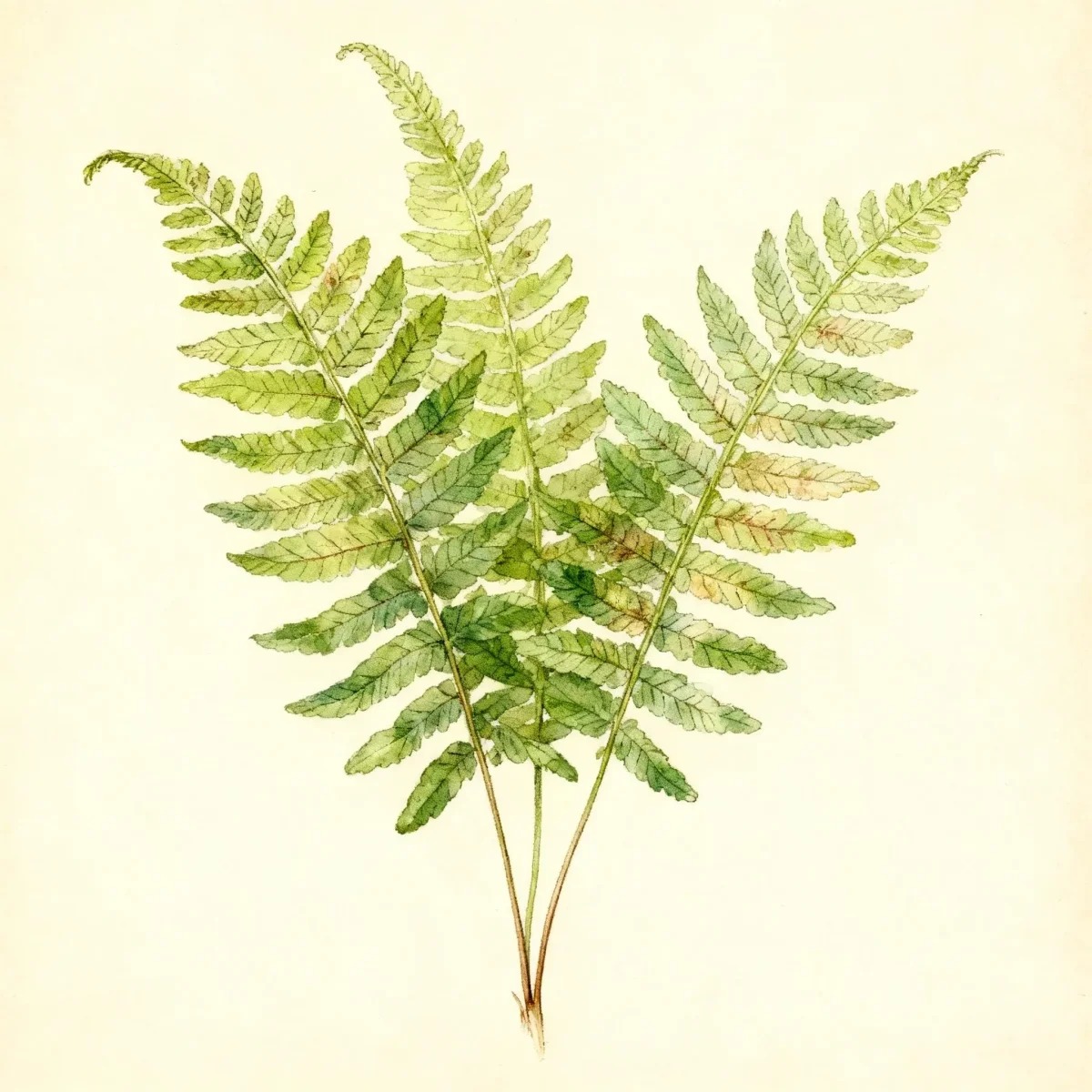
Diplazium pycnocarpon, commonly called narrow-leaved glade fern, is a deciduous fern that typically grows 2-3’ tall in a circular clump of 5-6 fronds per rootstock. Fronds are somewhat dimorphic, meaning the sterile fronds are arching and wider, while the fertile fronds develop later in the summer, appearing taller and narrower. This species is native across a wide swath of eastern North America and is sometimes confused with related spleenworts.
Tolerances
- Rabbit
- Heavy Shade
- Dry Soil
Potential Problems
The Glade fern shows remarkable resilience, dealing with few serious insect or disease pressures under proper conditions. The main cosmetic issue arises from insufficient moisture, which causes the foliage to crisp and brown prematurely. Management here is preventative: ensure dedicated moisture retention in the soil.
For physical damage, slugs and snails are the primary pests, targeting the tender, emerging spring fronds. Protect young growth by employing organic slug baits or physical barriers early in the season. Healthy, mature Diplazium pycnocarpon foliage is typically unbothered by pests.
Frequently Asked Questions
What hardiness zones is Glade fern suitable for?
The Glade fern (Diplazium pycnocarpon) is highly adaptable, thriving in USDA Zones 3 through 8.
How large does Glade fern grow?
This fern usually reaches a mature height between 2 and 3 feet tall, with a similar spread of 2 to 3 feet.
What sun exposure does Glade fern need?
The Diplazium pycnocarpon requires part shade to full shade conditions to maintain its vigor.
When does Glade fern bloom?
This plant is non-flowering, as is typical for ferns; it reproduces via spores, not flowers.
Conclusion
The Glade fern offers unmatched texture and reliability for deeply shaded, moist garden areas. Its low maintenance profile and native pedigree make Diplazium pycnocarpon an essential element for naturalistic shade design. Before planting, confirm your location falls within Zones 3-8 and commit to providing consistently moist, rich soil for the best performance from your new Glade fern.
Companion Planting in Shade Gardens
When designing a woodland garden featuring the Glade fern, focus on textural contrast. Many native woodland flowers flourish alongside Diplazium pycnocarpon because they share similar requirements for rich organic matter and consistent moisture. Plants with different canopy structures, such as low-growing ephemerals or taller woodland shrubs, create depth around the fern’s clumping habit.
Consider groundcovers that spread more horizontally to complement the vertical reach of the fern’s fronds. Good companions include spring beauty (Claytonia virginica) or wild ginger (Asarum canadense). These choices help keep the soil evenly cool and moist, benefiting the overall health of the Diplazium pycnocarpon.
Seasonal Care Calendar
Spring is the key time for preparing your Glade fern site. Clean up any remaining dead foliage from the previous year just as new fiddleheads begin to emerge. This is also the prime time for propagation via division, which helps manage overly dense clumps.
During the heat of summer, the primary task is monitoring water availability. If the Glade fern appears stressed or the tips of the fronds begin to look dry, immediate deep watering is necessary to prevent permanent damage. Avoid trimming healthy foliage unless absolutely necessary for clearance.
In the fall, the leaves of the Glade fern will naturally senesce and die back. There is no need to remove them immediately; allowing them to remain can insulate the shallow rhizomes over winter and contribute to soil health.