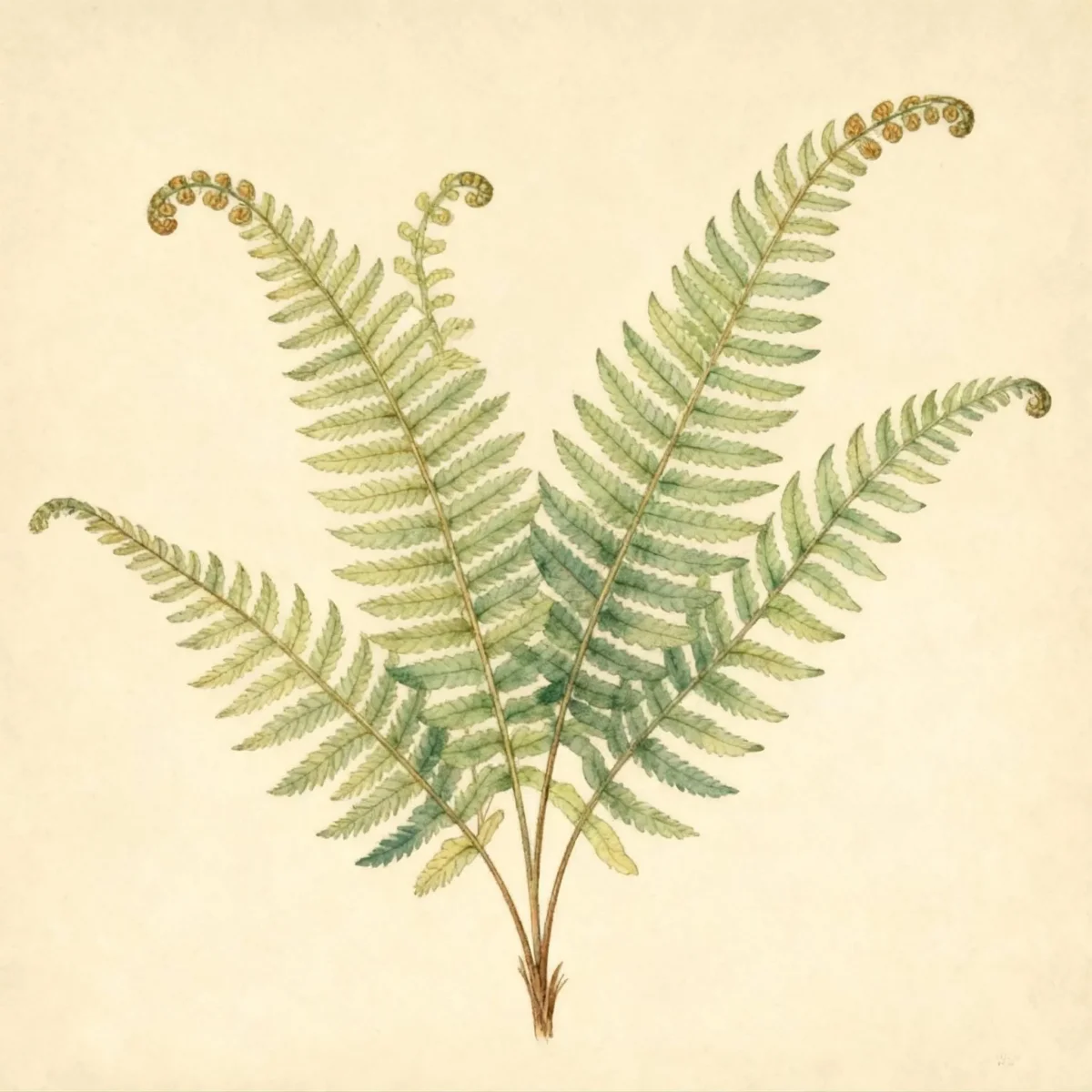
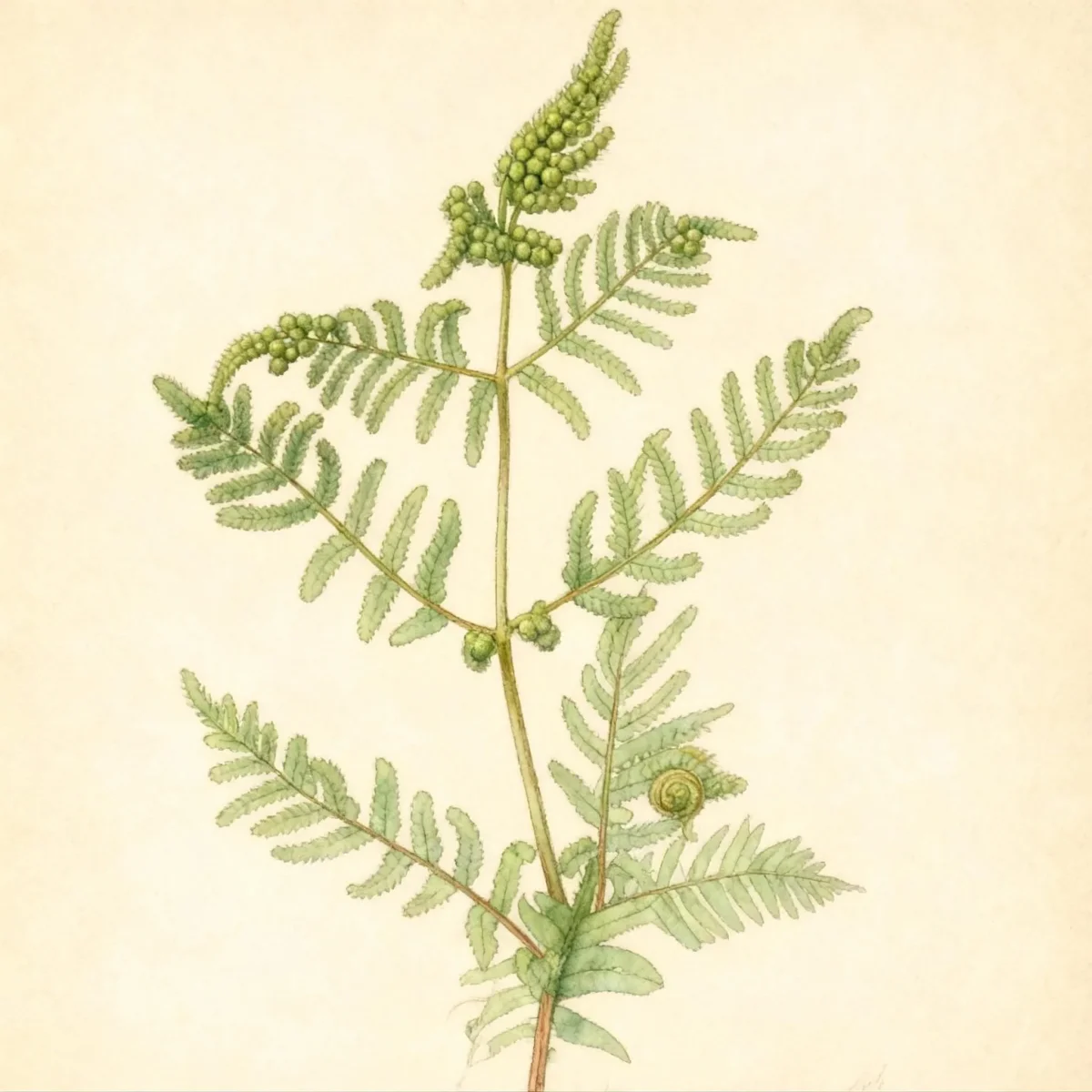
Ostrich fern (Matteuccia struthiopteris)
The magnificent Ostrich fern (Matteuccia struthiopteris) offers tall, feathery foliage, ideal for moist, shady woodland gardens.
Scroll down to discover growing tips, care requirements, companion plants, and more
Complete Plant Information
Overview
Matteuccia struthiopteris, widely known as Ostrich fern, is a celebrated woodland perennial valued for its exceptionally tall, arching, and finely dissected foliage that mimics the plumes of an ostrich feather. This deciduous fern creates a dramatic, vase-shaped clump, making it a striking focal point or background element in shady garden spaces. Its vigorous spreading nature, facilitated by underground rhizomes, allows the Ostrich fern to quickly naturalize and form dense, effective colonies.
This species thrives where many other garden plants struggle—in consistently moist, rich soils under the dappled light of trees. While generally robust, gardeners must respect its cool-climate preference; hot, humid summers can quickly cause the foliage to look ragged. The ephemeral fertile fronds provide visual interest even after the main vegetative show diminishes through fall and winter.
For a classic woodland effect, establishing Matteuccia struthiopteris provides texture, height, and excellent ground coverage, particularly valuable in erosion-prone areas or near water features. Proper site selection ensuring adequate moisture is the key to successfully growing this impressive fern.
Fast Facts
- Plant Family: Onocleaceae
- Plant Type: Fern
- Native Range: Europe, eastern Asia, eastern North America
- Hardiness Zones: USDA Zones 3-7
- Size at Maturity:
- Height: 3-6 ft
- Spread: 5-8 ft
- Bloom Time: Non-flowering
- Sun Exposure: Part shade to full shade
- Water Needs: Medium to wet
- Maintenance Level: Medium
How to Grow
Planting Matteuccia struthiopteris is best done in spring or fall when temperatures are mild. Choose a location receiving part shade to full shade, avoiding areas exposed to intense afternoon sun, which scorches the delicate fronds. The most critical aspect of cultivation is soil preparation; the Ostrich fern demands rich organic matter and consistent moisture. It is easily grown in average, medium to wet soils, but soil that must never be allowed to dry out is essential for optimal vigor.
Maintenance requires vigilance regarding moisture, especially during dry spells. Always ensure the soil remains consistently damp, mimicking natural woodland conditions near streams or bogs. Fertilizing is rarely necessary if the soil is amended richly with compost during planting; excessive fertility can sometimes encourage legginess. Pruning is minimal; remove tattered foliage in late fall or early spring before the fiddleheads emerge, though the old sterile fronds often persist until winter protection is needed.
The plant spreads vigorously via underground rhizomes to form dense colonies in optimum growing conditions. Be mindful of this habit—plant it only where you can accommodate its spread or be prepared to manage it. Because Matteuccia struthiopteris prefers cool summer climates, gardeners in the South must take extra precautions to mitigate heat stress through deep mulching and constant watering. Avoid planting in perpetually windy sites, as persistent wind damages the feathery structure.
Landscape Uses
The classic application for Ostrich fern involves mass plantings in moist, shady woodland settings, creating a lush, naturalized tapestry. These ferns are perfectly suited for rain gardens or planting near streams and ponds where soil moisture levels naturally remain high, fulfilling their wet soil requirement. Their bold texture contrasts beautifully with fine-textured companion plants like astilbes or the broad leaves of hostas nestled in the dappled light.
For a dynamic spring display, consider planting Matteuccia struthiopteris alongside early spring ephemeral wildflowers, such as bloodroot or trout lilies. Since the fern’s towering vegetative fronds take time to unfurl fully, these early bloomers complete their lifecycle before the dense canopy of the Ostrich fern reaches its full size, ensuring both groups receive adequate light at the proper season. Whether used as a vertical accent or a sprawling groundcover, this fern excels where rich, damp shade prevails.
Standout Features
Noteworthy Characteristics
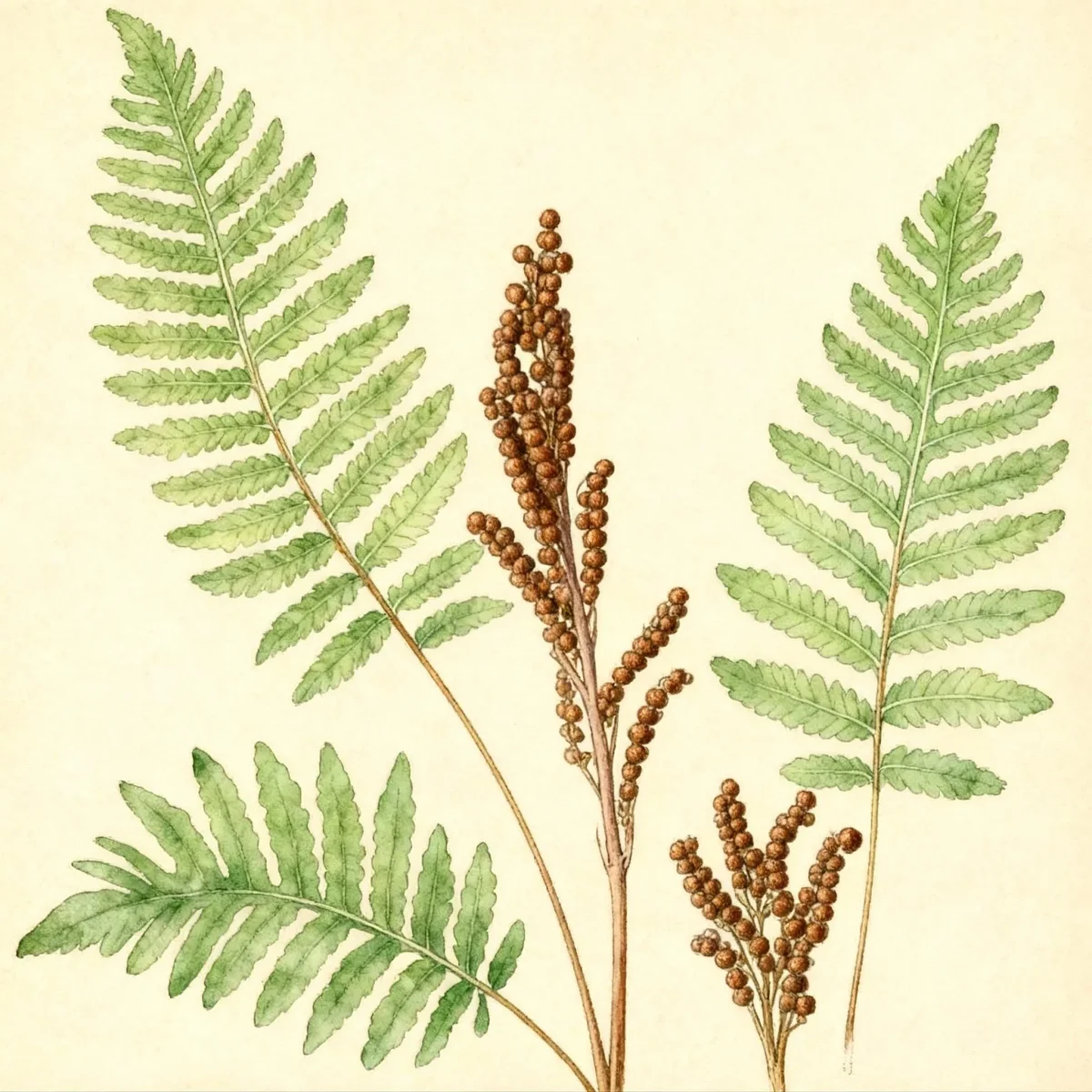
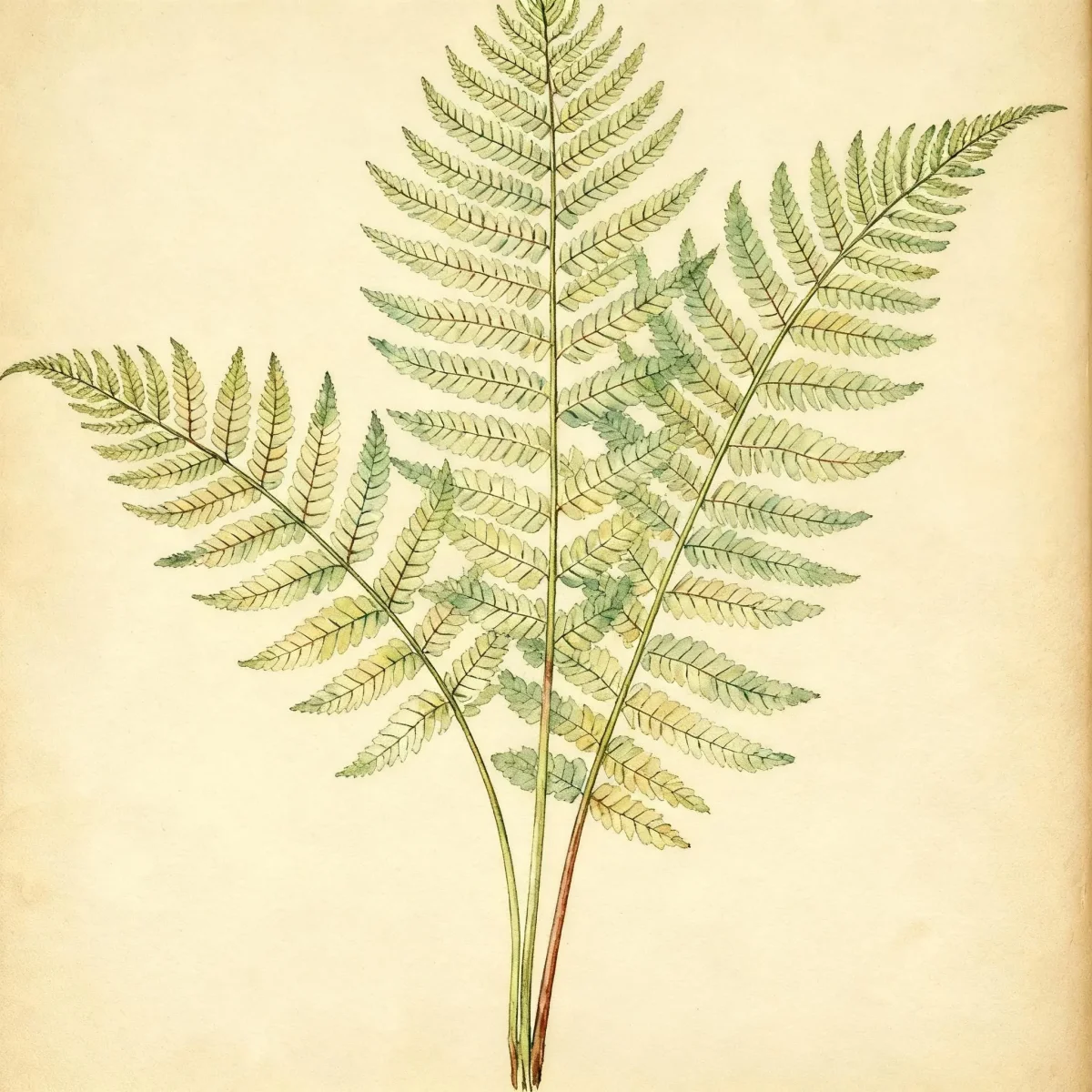
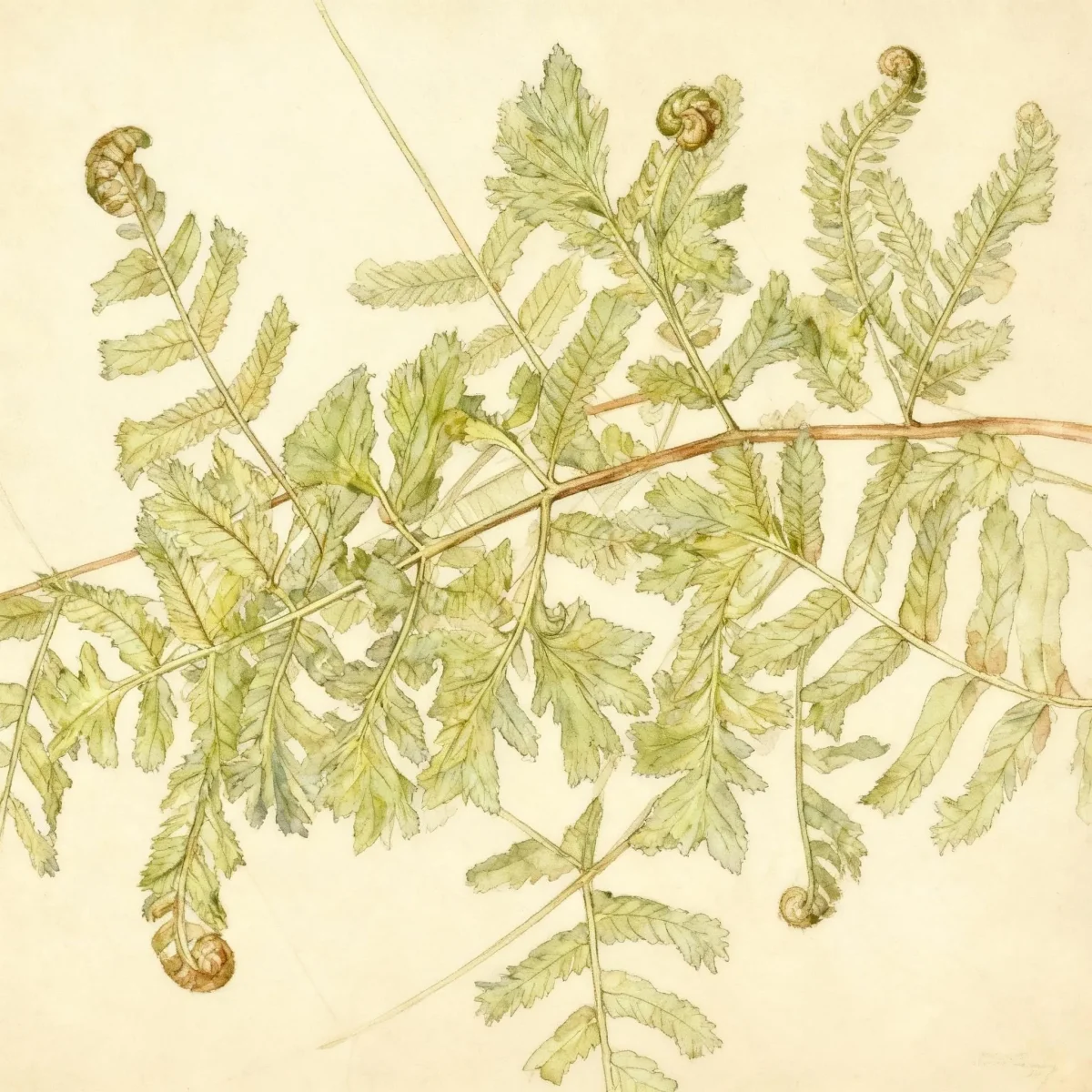
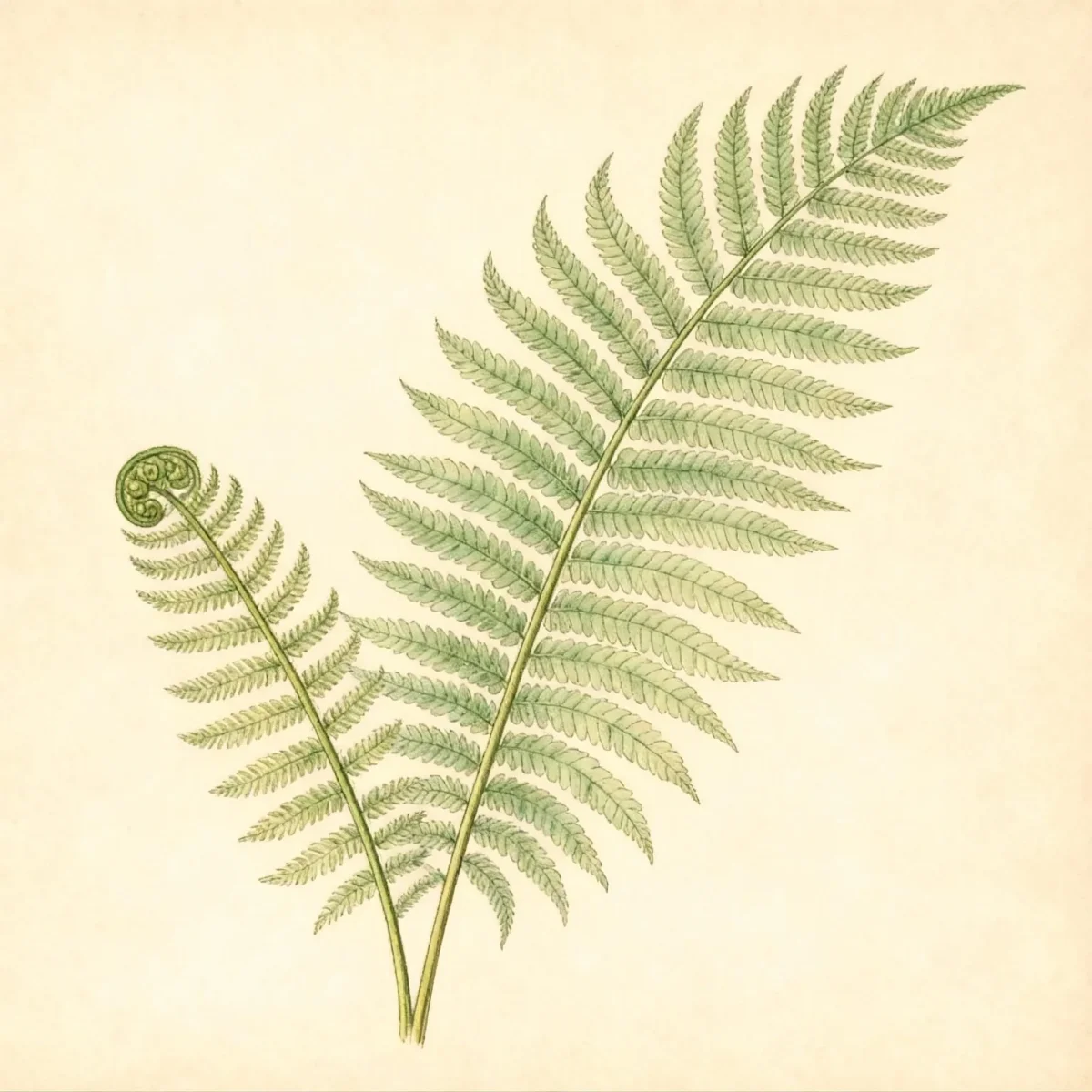
Matteuccia struthiopteris, commonly called ostrich fern, is a clump-forming, upright to arching, rhizomatous, deciduous fern which typically grows 2-3’ tall in cultivation, but may reach 6’ tall in moist, cool climates in the wild. The showy parts of this fern are the finely dissected, medium green, vegetative (sterile) fronds which, as the common name suggests, exhibit the feathery appearance of long ostrich plumes. The vegetative fronds emerge at the narrow base of the clumps in spring as the familiar “fiddleheads” from where they unfurl to a maximum length of 4’.
Tolerances
- Rabbit
- Heavy Shade
- Erosion
- Clay Soil
- Wet Soil
Potential Problems
This fern variety is notably resilient, boasting no serious insect or disease problems under appropriate growing conditions. Maintaining the required heavy moisture levels prevents common stress issues that might weaken the plant. If plants struggle in hot, dry summers, it is usually due to insufficient water or excessive sun exposure, rather than pest infestation. Ensure good air circulation if planting densely to minimize any potential for fungal issues, although this is rare for the robust Matteuccia struthiopteris.
Frequently Asked Questions
What hardiness zones is Ostrich fern suitable for?
This magnificent specimen is hardy across USDA Zones 3 through 7, making it a reliable choice for cooler to temperate regions.
How large does Ostrich fern grow?
This species can reach impressive heights, typically growing between 3 to 6 feet tall, with a spread that can easily reach 5 to 8 feet wide as it naturalizes.
What sun exposure does Matteuccia struthiopteris need?
Matteuccia struthiopteris performs best when situated in areas receiving part shade to full shade, thriving in the filtered light of a woodland setting.
When does Ostrich fern bloom?
As a true fern, Matteuccia struthiopteris is non-flowering; its beauty is derived entirely from its foliage, including specialized upright, spike-like fertile fronds appearing mid-summer.
Conclusion
The Ostrich fern provides unparalleled textural drama and height in heavily shaded, moist garden areas, making the task of conquering a swampy border easy. Its vigorous clumping habit and distinctive, feathery foliage confirm why Matteuccia struthiopteris remains a staple in native and woodland gardens. Before planting, ensure your site provides the rich, consistently wet soil required for this magnificent fern to truly flourish.
Companion Planting
Successful planting near Ostrich fern involves selecting companions that share its specific cultural needs—namely, consistent moisture and dense shade. Plants that enjoy similar conditions will thrive alongside the spreading roots of Matteuccia struthiopteris without competing aggressively for resources once the fern is established. Consider adding plants with contrasting foliage shapes to maximize visual interest in the shady border.
Good partners include plants that tolerate the cool, damp environment the fern desires. For example, Japanese Forest Grass (Hakonechloa macra) provides a graceful, weeping texture that contrasts well with the upright architecture of the fern. Other excellent textural companions are Brunnera (Siberian Bugloss) and Hosta varieties known for their large, bold leaves, which echo the substantial presence of the Ostrich fern.
Seasonal Care Calendar
Spring is the season for emergence and cleanup; look for the characteristic fiddleheads poking through the soil. Gently remove any lingering remnants of the previous year’s dead foliage at this time. Summer is the critical moisture maintenance period; provide supplementary watering if natural rainfall is scarce, ensuring the soil never dries out, especially in warmer climates.
Fall brings the gradual decline of the attractive vegetative fronds; they may brown and look tattered by early frost. Avoid aggressive cutting until they are fully browned. Winter protection is usually minimal, as the plant is fully hardy in its appropriate zones; however, a layer of mulch can help stabilize soil temperatures and retain moisture, benefiting the rhizomes over the cold months.