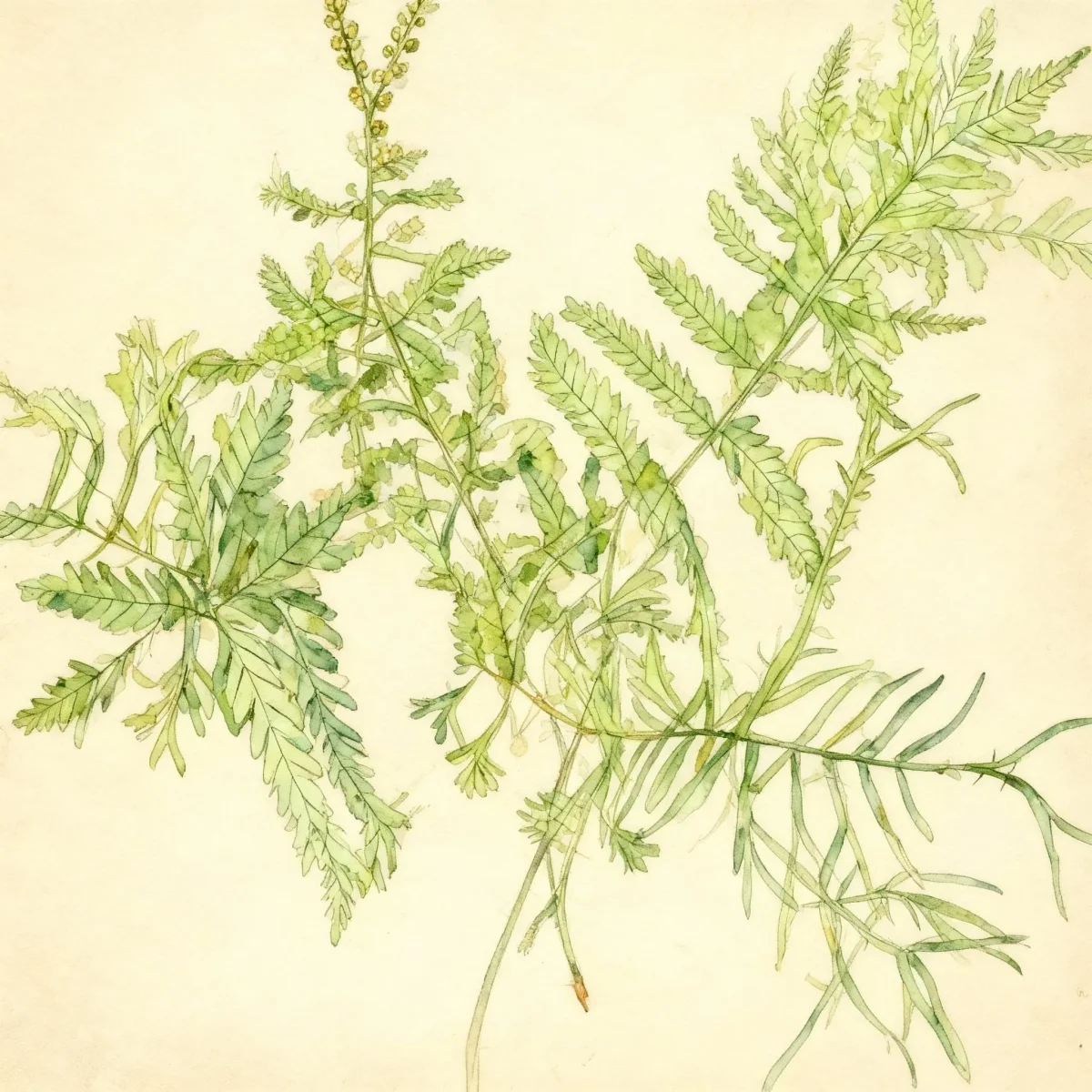
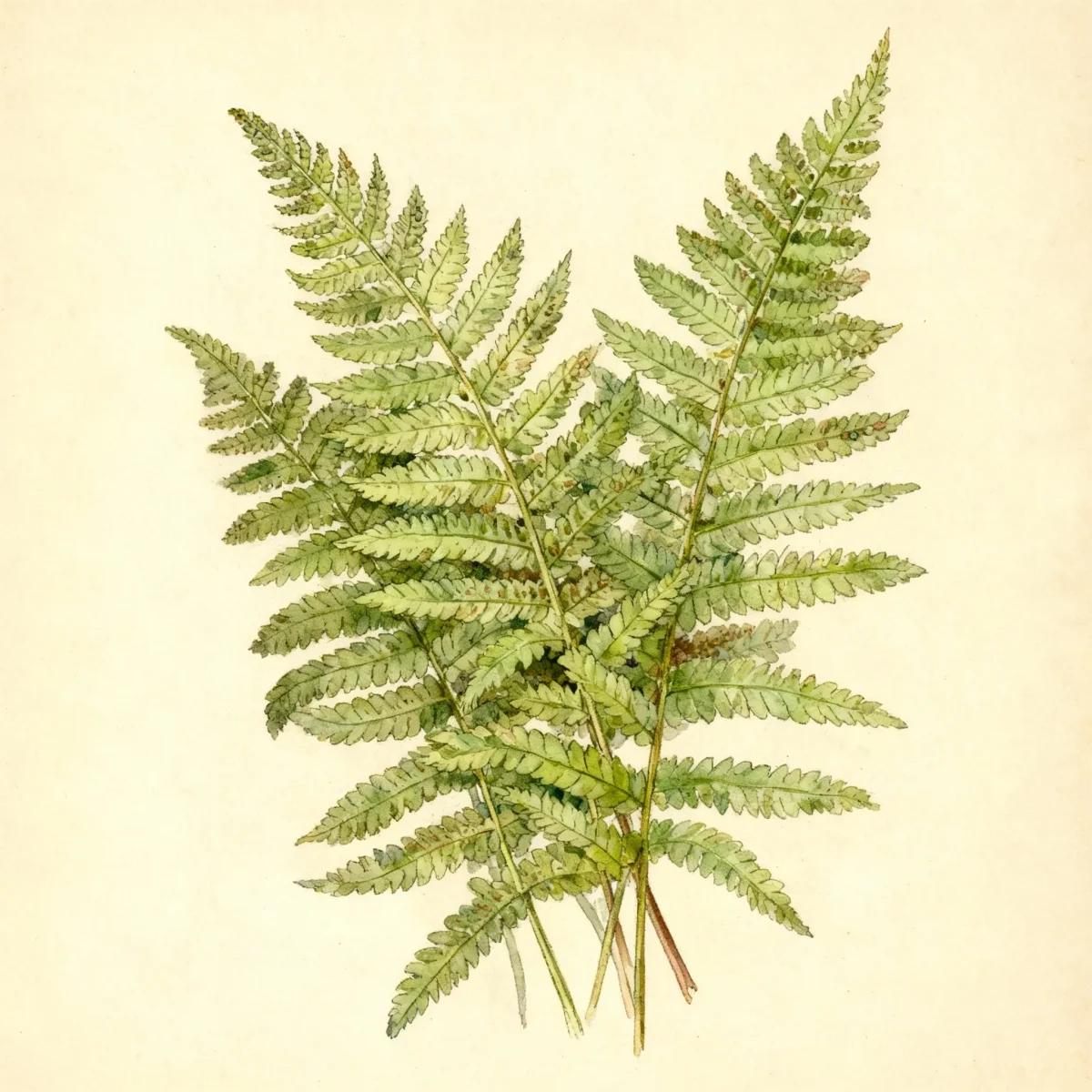
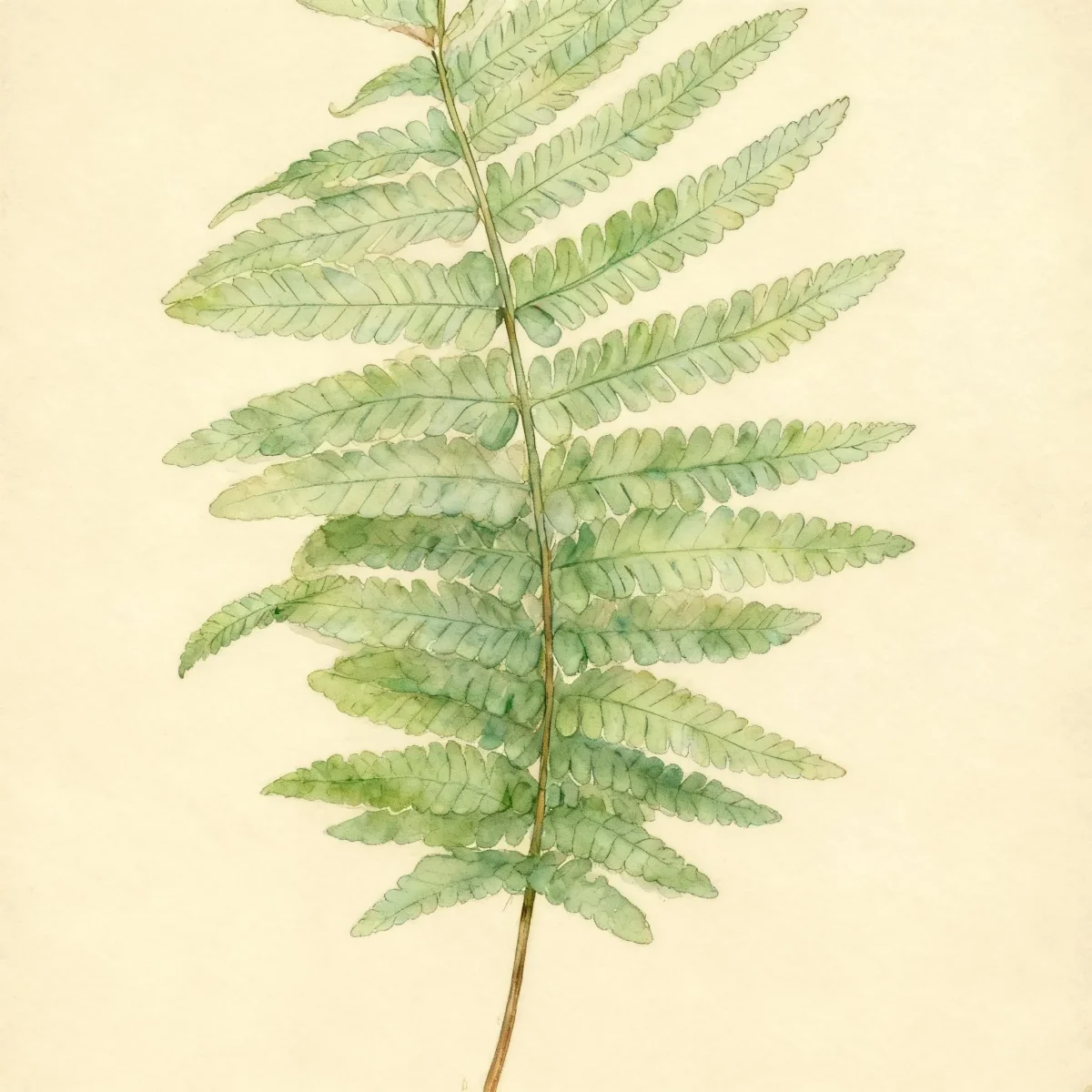
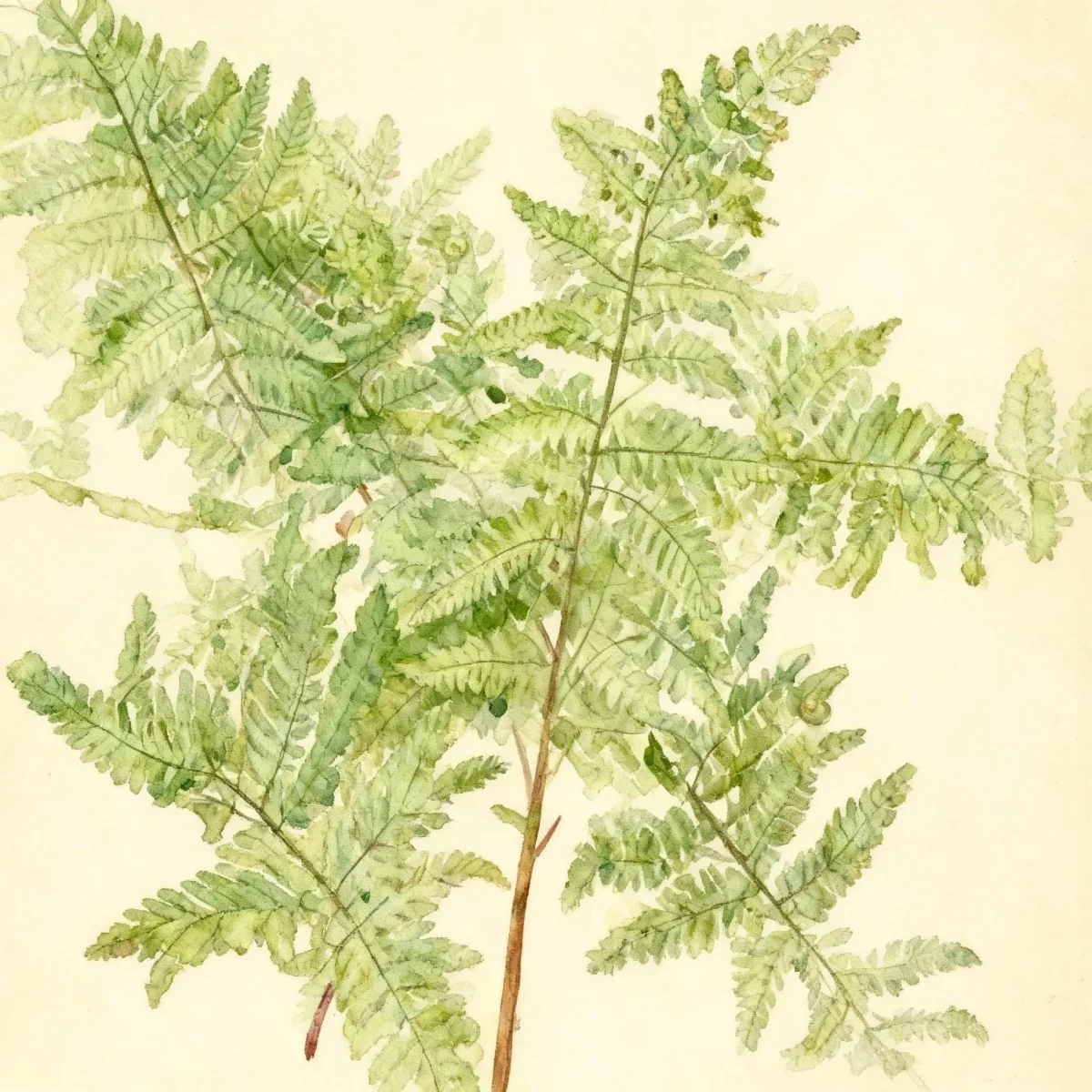
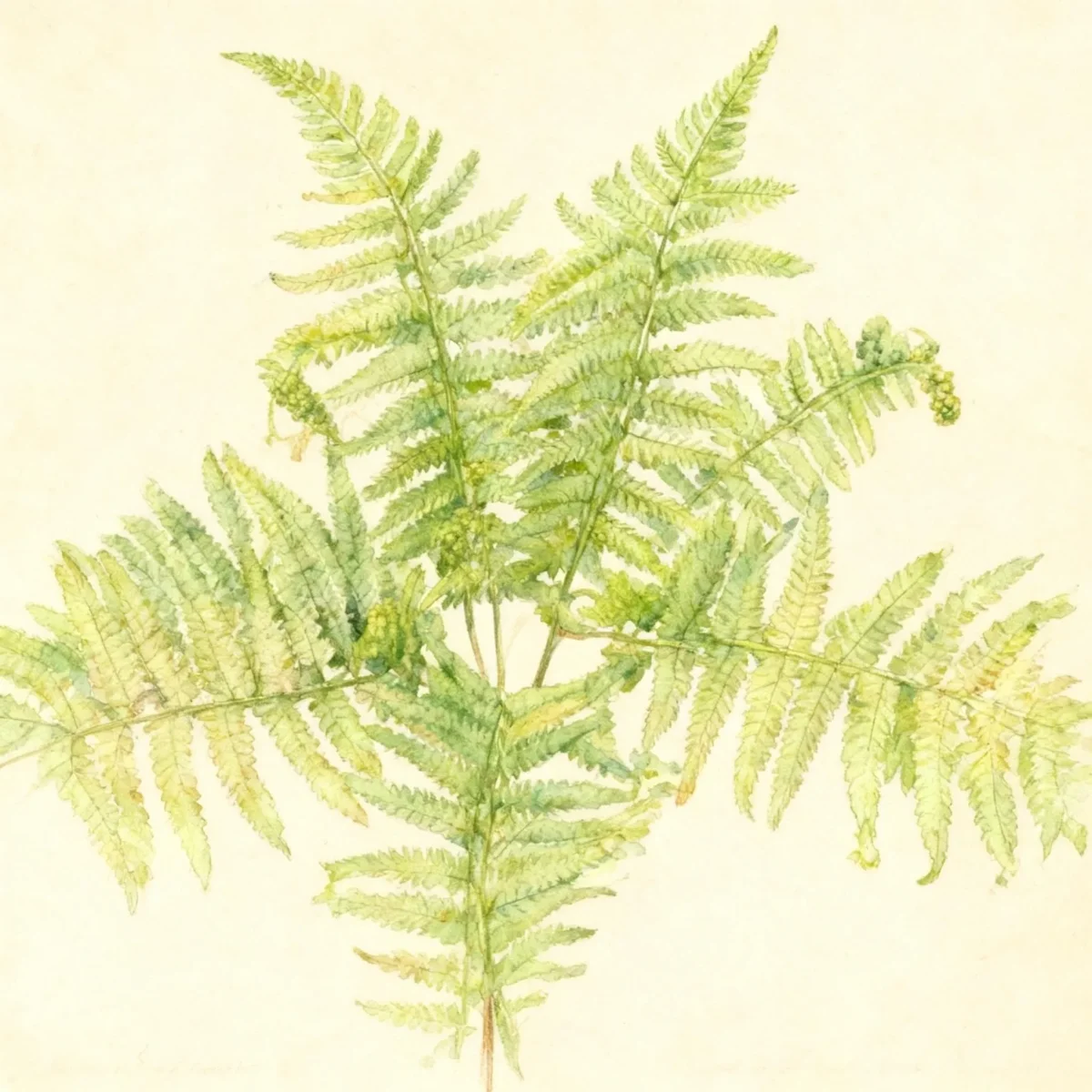
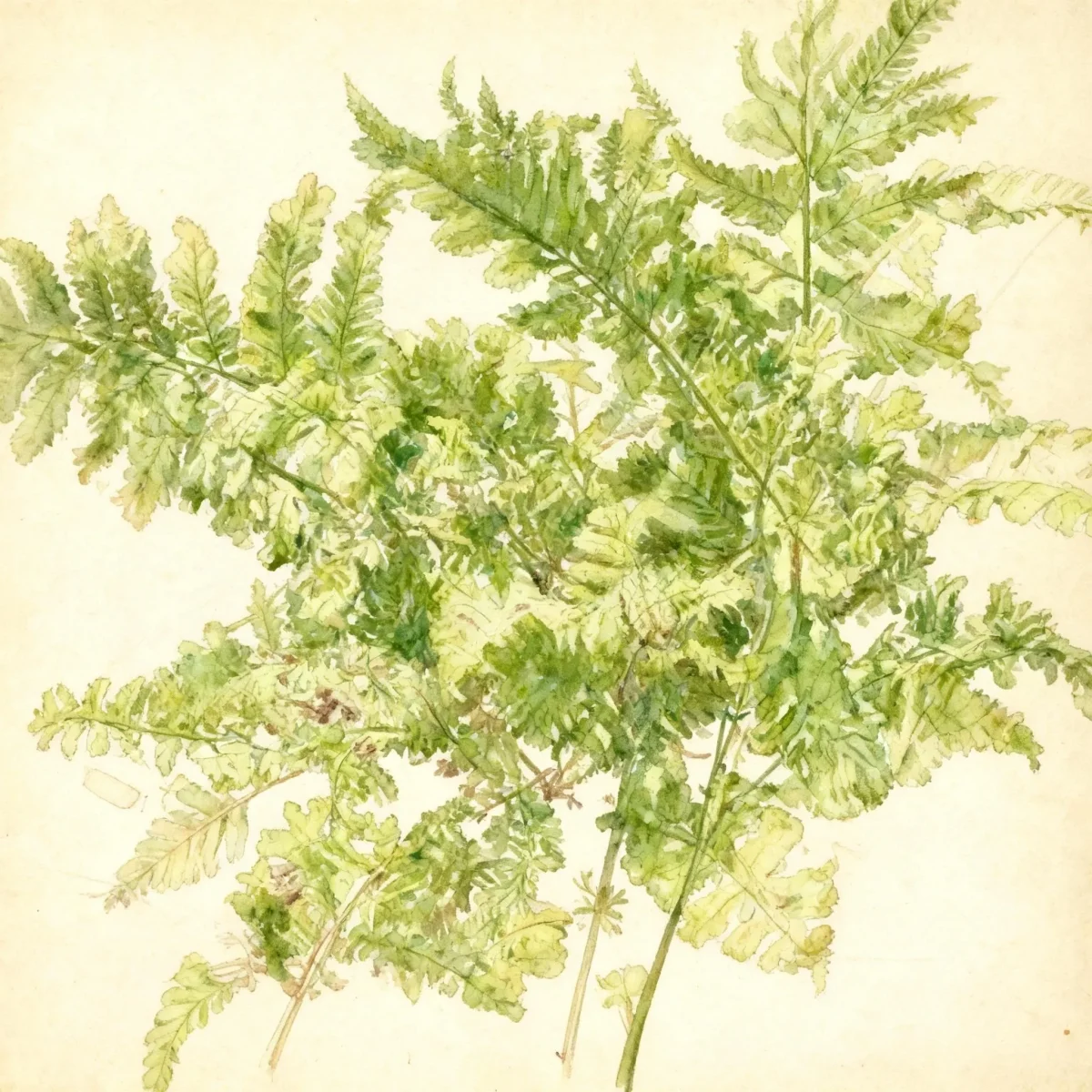
Champion's wood fern (Dryopteris championii)
Discover Dryopteris championii, the Champion's wood fern. An evergreen accent beloved for glossy fronds and low maintenance in shade gardens.
Scroll down to discover growing tips, care requirements, companion plants, and more
Complete Plant Information
Overview
The Champion’s wood fern (Dryopteris championii) is a highly valued evergreen fern perfect for transforming dark garden corners into lush, textured landscapes. Its striking appearance is defined by upright, arching, dark glossy green fronds that remain attractive throughout the winter months. This species, Dryopteris championii, is celebrated for its reliability and tolerance for deep shade environments where few other plants thrive.
Native to Central and eastern Asia, this fern forms a neat, manageable clump, typically reaching 2 to 3 feet tall and wide. Its structure is visually appealing year-round, offering consistent evergreen interest. Gardeners appreciate Dryopteris championii for its low maintenance needs once established, fitting seamlessly into naturalized or woodland settings.
For practitioners of shade gardening, securing a healthy stand of Champion’s wood fern provides excellent textural contrast against coarser foliage or broad-leafed understory plants. Furthermore, it offers a specific benefit by resisting common pests, making it a durable, long-term investment in the perennial border.
Fast Facts
- Plant Family: Dryopteridaceae
- Plant Type: Fern
- Native Range: Central and eastern Asia
- Hardiness Zones: USDA Zones 5-8
- Size at Maturity:
- Height: 2-3 ft
- Spread: 2-3 ft
- Bloom Time: Non-flowering
- Bloom Description: Non-flowering
- Sun Exposure: Part shade to full shade
- Water Needs: Medium
- Maintenance Level: Low
How to Grow
Planting Dryopteris championii is best done in the spring or fall when temperatures are moderate, allowing the roots to establish without the stress of high summer heat. When selecting a location, prioritize sites offering part shade to full shade. These ferns perform optimally in moist, humusy soils that are rich in organic matter, mimicking their natural woodland habitat.
Ongoing care for Champion’s wood fern is straightforward. Ensure the soil maintains medium moisture levels; avoid letting the soil dry out completely, especially during extended dry spells. Fertilizing is rarely necessary if the original soil was amended well with compost, as they derive most nutrients from the rich organic base.
A crucial cultivation tip involves site selection to protect the attractive fronds. Always choose a location sheltered from strong winds, which can cause physical damage and fraying. Pruning is minimal; simply remove any tattered or dead fronds near the base in early spring just as new growth begins to unfurl. Plants slowly spread by short creeping rhizomes, gradually filling in the intended space.
Landscape Uses
The primary strength of Champion’s wood fern lies in its application within woodland and shade gardens. Its upright, arching habit makes it perfect for use beneath high canopy trees or along the north side of structures where direct sunlight is scarce. It provides excellent vertical accenting without being overtly architectural.
Consider using Dryopteris championii to create textured masses along shaded pathways or banking heavily shaded slopes. The deep green, evergreen foliage contrasts beautifully with the lighter greens of hostas, the fine texture of Astilbe, or the broad leaves of Rodgersia in a layered shade border. Its reliable clump-forming nature also makes it suitable for defining the edge of a shade bed.
Standout Features
Noteworthy Characteristics
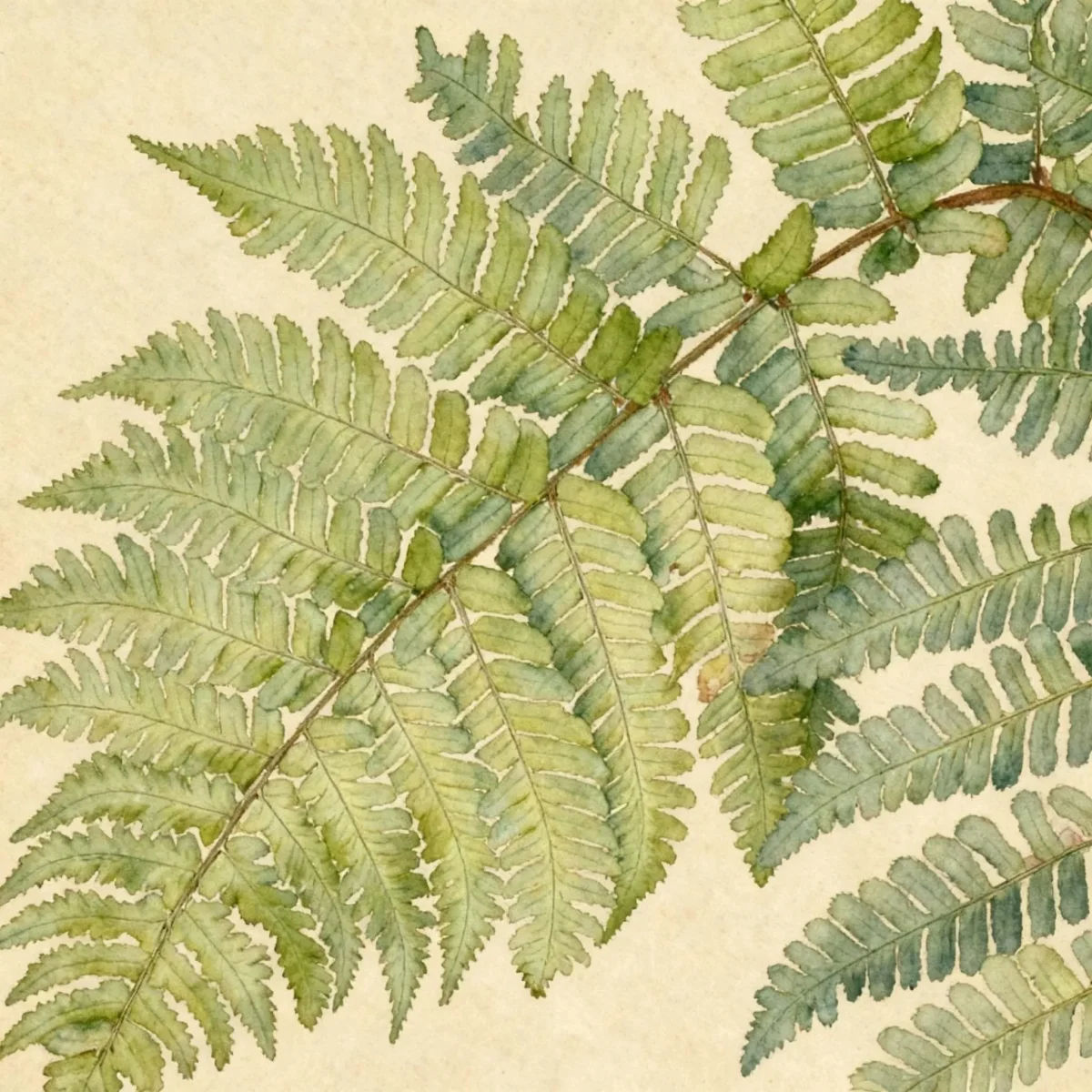
Dryopteris championii, commonly called Champion’s wood fern, is an evergreen fern that is native to Japan, Korea and China. It typically grows a clump reaching 2-3’ tall, featuring upright, arching, bipinnate, dark glossy green fronds. The stipe and rachis are distinctively covered with reddish-brown scales, adding subtle winter interest.
Tolerances
- Rabbit
- Heavy Shade
Potential Problems
One of the main advantages of incorporating Dryopteris championii into your garden plan is its low susceptibility to common garden ailments. This fern generally experiences no serious insect or disease problems when sited correctly. Ensure good air circulation and avoid excessively soggy, poorly draining soil to prevent potential fungal issues common to most ferns.
If leaf damage does occur, it’s usually physical—look for signs of windburn or overly heavy snow loads breaking the fronds. Promptly cutting back damaged foliage at eye level will allow the evergreen leaves to look tidier until new growth emerges next spring.
Frequently Asked Questions
What hardiness zones is Champion’s wood fern suitable for?
The Champion’s wood fern (Dryopteris championii) is hardy and thrives across USDA Zones 5 through 8.
How large does Champion’s wood fern grow?
This fern typically reaches a mature height between 2 and 3 feet tall, spreading to a similar width of 2 to 3 feet.
What sun exposure does Dryopteris championii need?
Dryopteris championii prefers part shade to full shade conditions; it performs best when protected from intense afternoon sun.
When does Champion’s wood fern bloom?
This plant is a fern and is non-flowering; it produces no blooms or fruit.
Conclusion
The Champion’s wood fern offers evergreen structure, low maintenance, and reliable performance even in deep shadow, making Dryopteris championii an indispensable component for shaded perennial designs. Before planting, verify that your garden falls within USDA Zones 5-8 and ensure the soil retains consistent moisture. Introduce this robust beauty to your woodland garden this season for year-round foliage appeal.
Companion Planting
When designing a shade garden around Dryopteris championii, focus on companions that offer contrasting texture or color to maximize visual impact. Consider planting near plants with silvery or chartreuse foliage, such as certain Hosta cultivars or Brunnera ‘Jack Frost’, whose bright leaves illuminate darker areas. Fine-textured companions like Japanese Forest Grass (Hakonechloa macra) pair well, adding movement that contrasts with the stiff, upright presentation of the fern.
For a truly lush, damp environment look, pair the Champion’s wood fern with moisture-loving groundcovers like wild ginger (Asarum) or low-growing ferns. These pairings respect the preference of Dryopteris championii for humus-rich, consistently moist conditions. Avoid placing it near overly aggressive spreaders which might compete too heavily for root space in the slow-draining organic matter it prefers.
Propagation Tips
The primary method for propagating Champion’s wood fern is through the division of its short, creeping rhizomes. This is best done in early spring before significant new fiddleheads begin to unfurl or in the early fall. Gently lift the crown of a mature clump using a sharp spade, ensuring that each division retains a healthy balance of roots, crown tissue, and at least two to three healthy fronds.
New divisions should be replanted immediately into prepared soil that is rich in organic matter, mimicking the established planting site requirements. Keep the newly divided sections consistently moist for several weeks after transplanting to encourage rapid root reestablishment in their new location, significantly reducing transplant shock for this hardy fern.