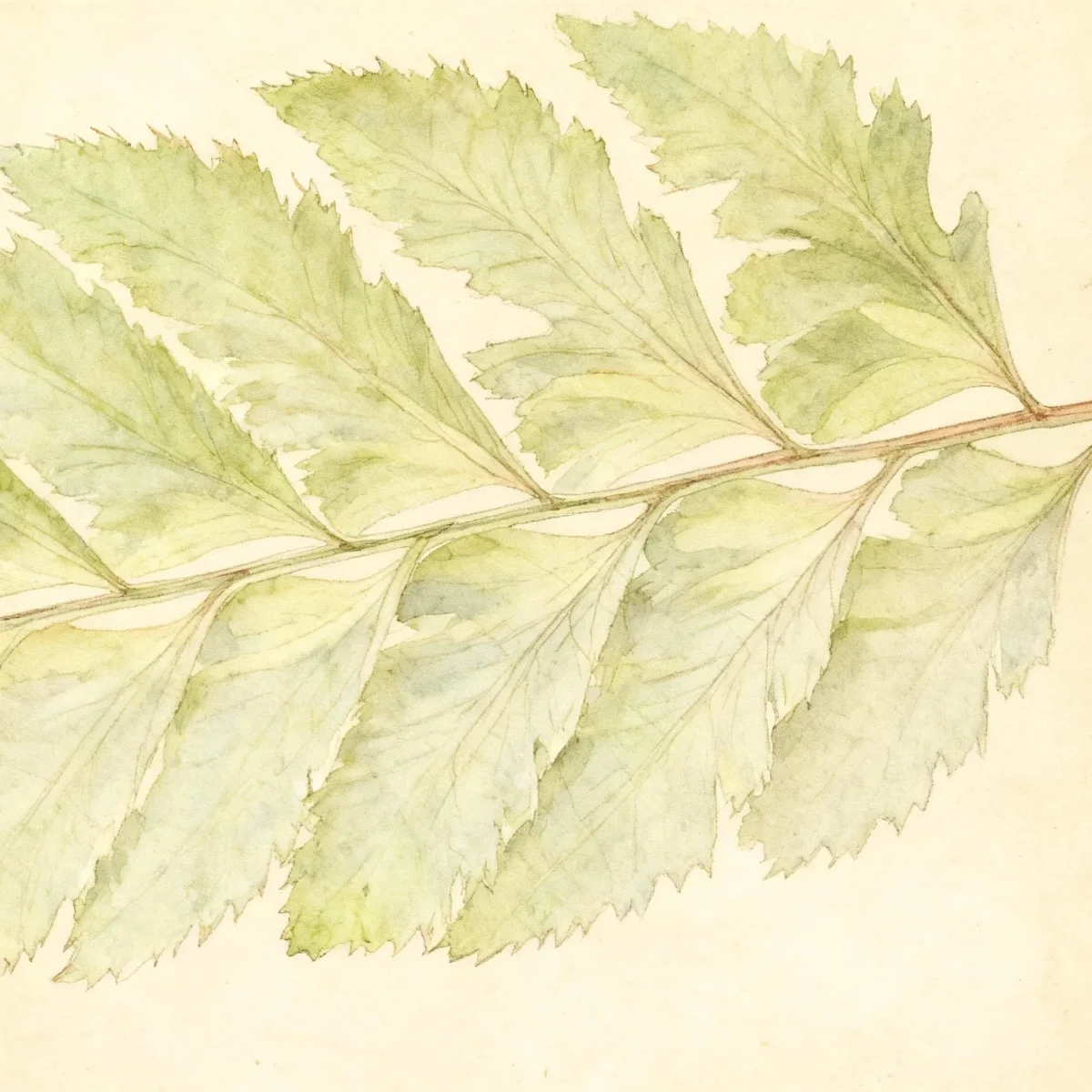
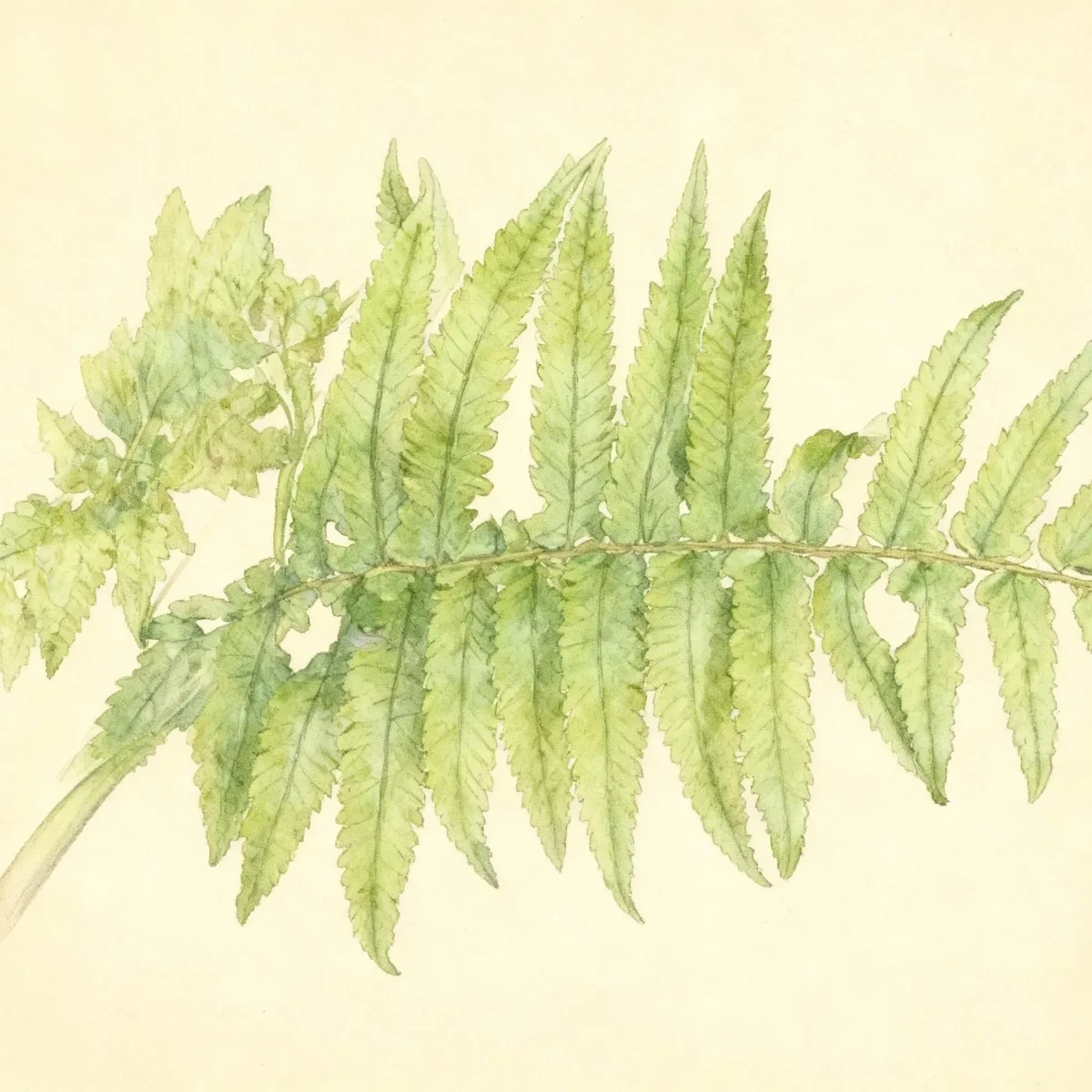
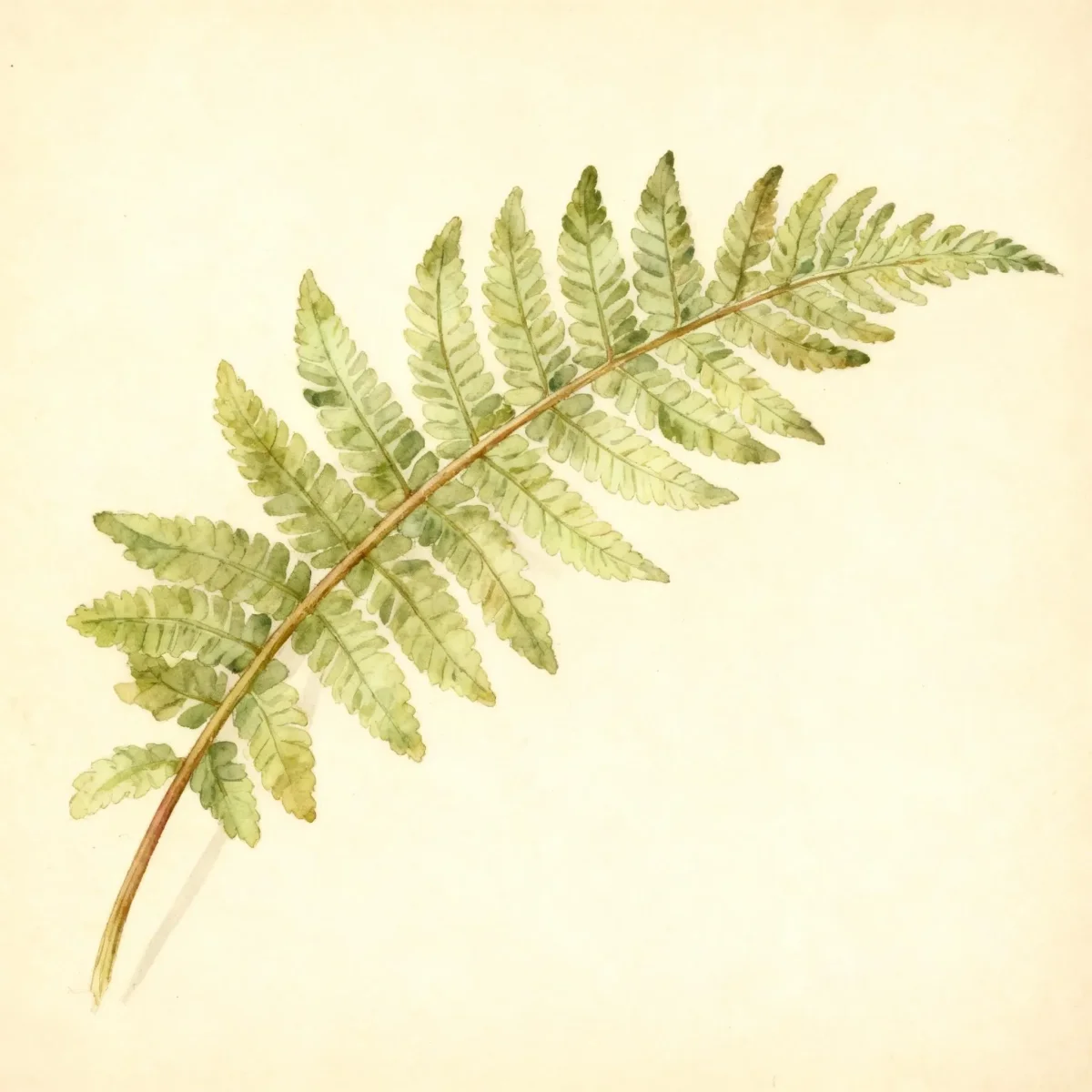
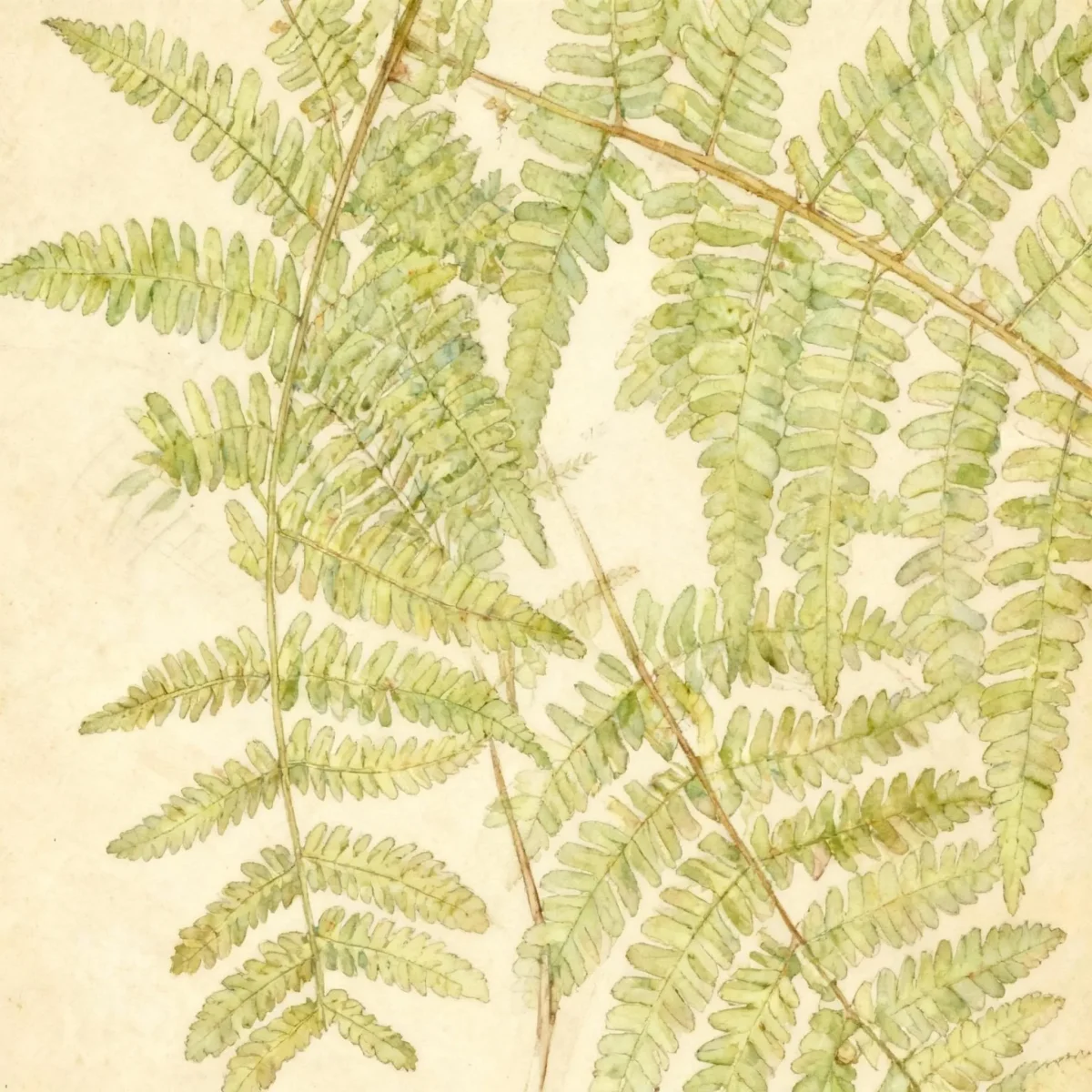
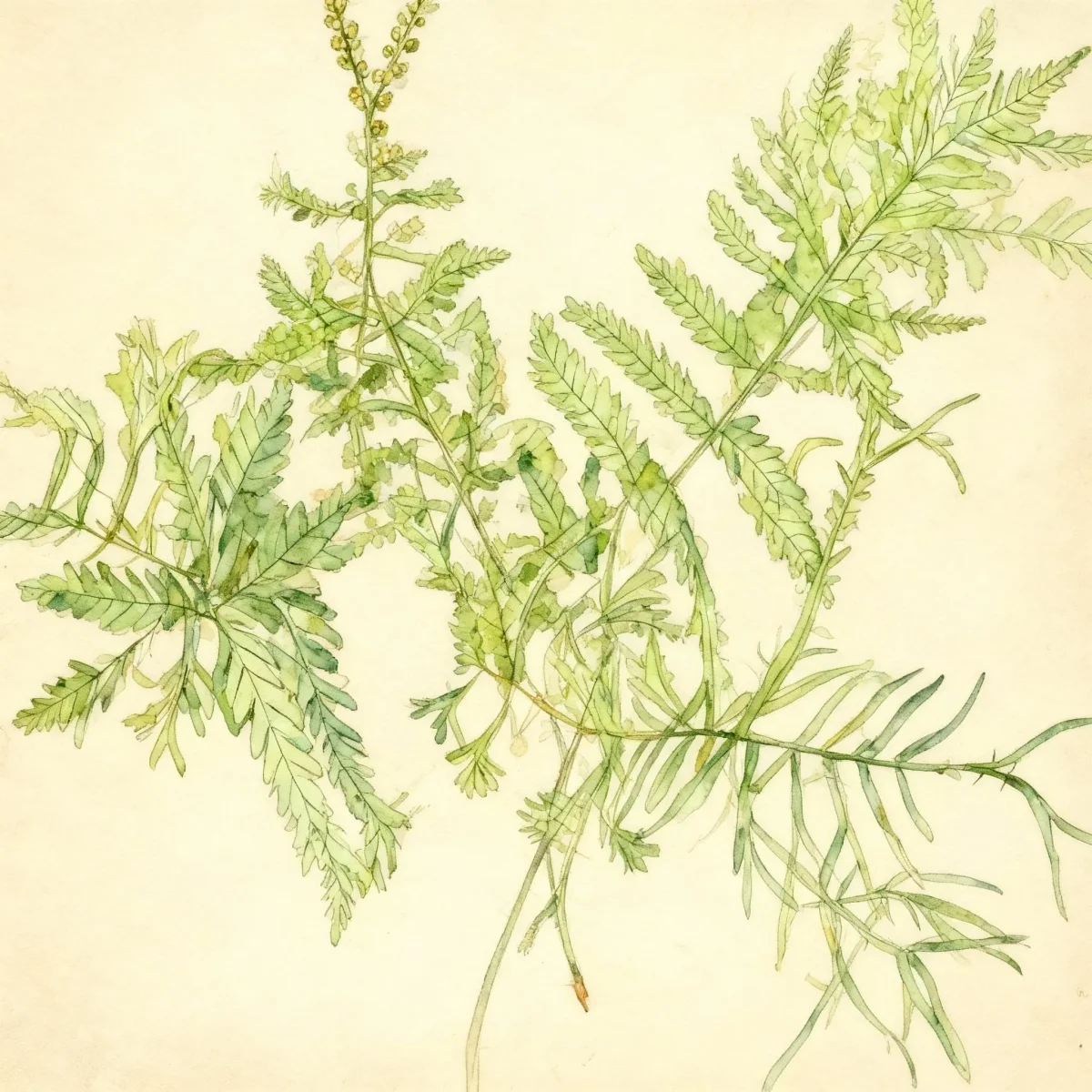
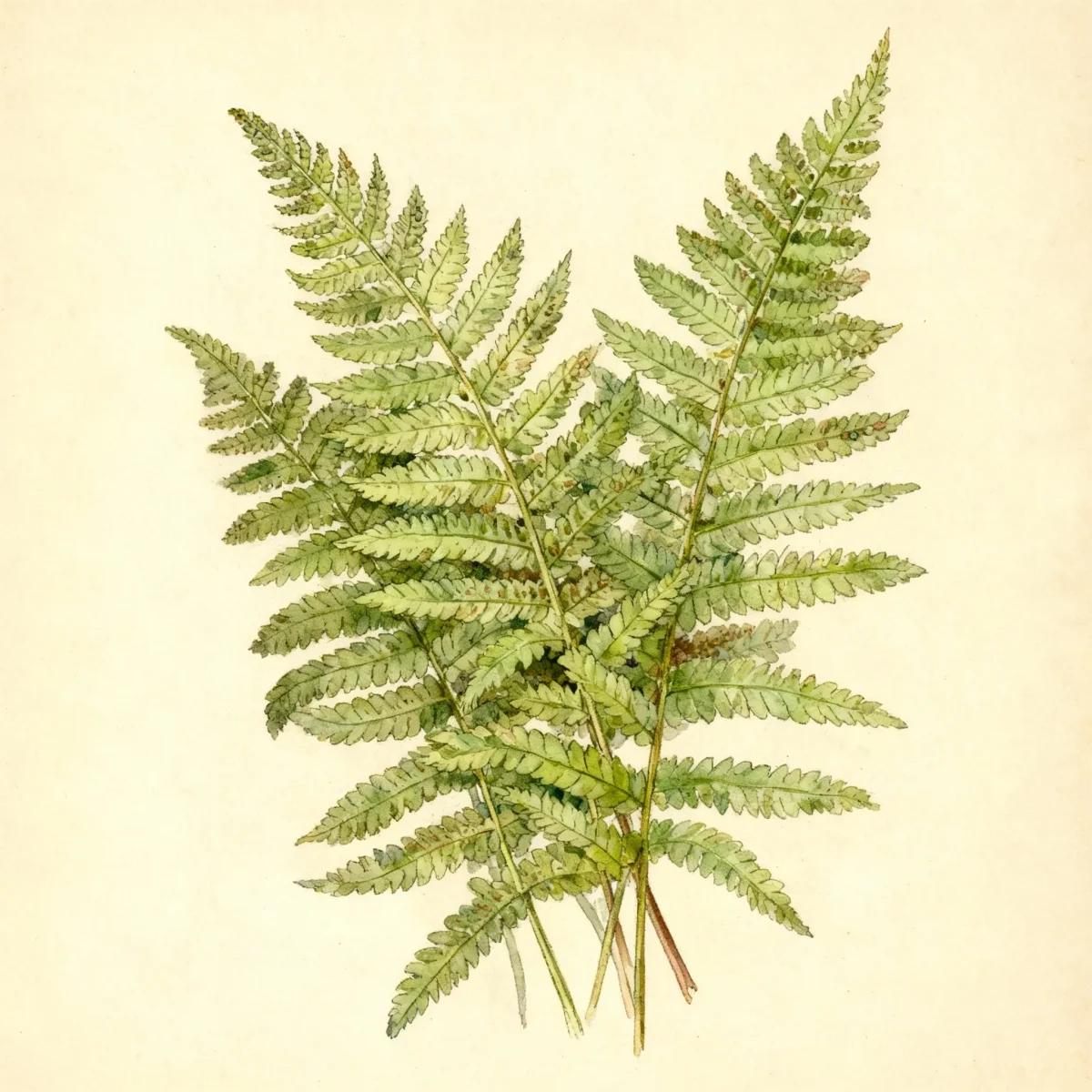
Wood fern (Dryopteris lacera)
Dryopteris lacera, the Wood fern, offers evergreen to semi-evergreen foliage in shade gardens. An easily grown, low-maintenance choice for moist, humusy soils.
Scroll down to discover growing tips, care requirements, companion plants, and more
Complete Plant Information
Overview
Dryopteris lacera, widely known as the Wood fern, is a handsome, low-maintenance evergreen fern native to the moist woodlands of Eastern Asia. Gardeners value this species for its leathery, light green fronds that provide consistent texture and color throughout much of the year, persisting even in the lower end of its hardiness range. The Wood fern naturally forms an attractive, arching clump, making it an excellent architectural accent in shaded areas.
This fern thrives where many flowering plants struggle, preferring deeper shade and consistently moist conditions. A key characteristic of Dryopteris lacera is its unique fertile fronds, which bear deciduous terminal pinnae that drop off after spore release, a distinctive feature for close observation. Its resilience and preference for rich soil contribute to its low maintenance requirements once established.
With a modest stature, reaching up to two feet tall and three feet wide, the Wood fern performs excellently in woodland settings or beneath established trees. For gardeners seeking reliable, relatively pest-free texture for shady spots, Dryopteris lacera represents a fantastic, undemanding addition to the landscape design.
Fast Facts
- Plant Family: Dryopteridaceae
- Plant Type: Fern
- Native Range: Eastern Asia
- Hardiness Zones: USDA Zones 5-8
- Size at Maturity:
- Height: 1-2 ft
- Spread: 1.5-3 ft
- Bloom Time: Non-flowering
- Sun Exposure: Part shade to full shade
- Water Needs: Medium to wet
- Maintenance Level: Low
How to Grow
The best time to establish Dryopteris lacera is typically in the spring or early fall, allowing the Wood fern ample time to acclimate before temperature extremes. Choose a location that provides part shade to full shade, sheltered from harsh, drying winds which can damage the foliage. The most critical factor for success is soil composition; this fern requires average, medium to wet soils that are rich in organic matter and humusy. Never allow the soil to fully dry out, which is essential for maintaining the lush look of the fronds.
Watering should be consistent, ensuring the soil remains moist but well-draining. Due to its preference for wet soil, supplemental irrigation during dry spells might be necessary, especially in its first year. Fertilization is generally unnecessary if the soil is rich in organic matter; excessive feeding can sometimes lead to weak growth. Minimal pruning is required, usually just removing any tattered or dead foliage found in early spring before new growth emerges.
Because the fronds remain evergreen in milder climates, this fern offers year-round structure. In the coldest parts of USDA Zone 5, some winter dieback might occur, but the plant usually recovers quickly as temperatures warm. Protecting the root zone with a light layer of mulch composed of leaf mold or compost will help conserve soil moisture and regulate soil temperature, supporting the health of your Dryopteris lacera.
Landscape Uses
The Wood fern is perfectly suited for creating naturalistic scenes, making it a standout choice for moist woodland gardens where it can mingle with hostas, bleeding hearts, and astilbes. Its arching habit and medium texture allow it to function effectively as a mid-layer plant, softening the edges of pathways or foundations. Consider grouping several Dryopteris lacera specimens together to create a solid mass of rich, green texture against lighter groundcovers.
While best suited to shaded ground planting, even the low maintenance requirements of this species make it suitable for containers situated in deep shade on patios or balconies, provided consistent moisture is maintained. Its hardiness and tolerance for heavy shade, along with its rabbit resistance, make it a reliable choice for ecologically minded gardeners establishing shaded borders or filling in difficult, dark corners of the property.
Standout Features
Noteworthy Characteristics
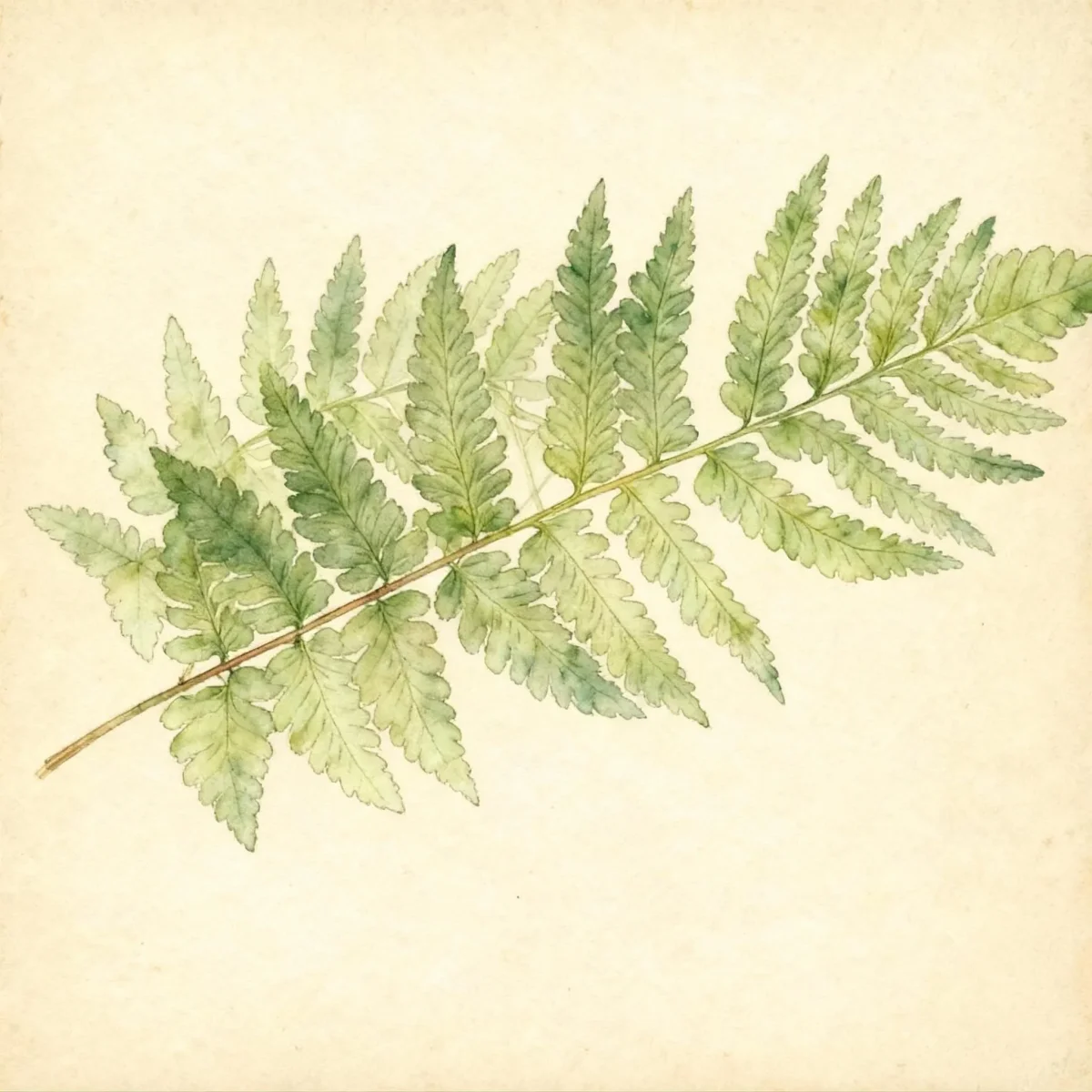
Dryopteris lacera, commonly called wood fern or leathery wood fern, is an evergreen to semi-evergreen fern with distinctive deciduous terminal fertile pinnae. Broad lanceolate, leathery, light green fronds up to 2’ long rise in an arching clump from an erect rhizome, with each frond being pinnate at the base but pinnatifid above. This plant is native to open moist woodlands, slopes, and stream banks in China, Korea, and Japan.
Tolerances
- Rabbit
- Heavy Shade
Potential Problems
This Wood fern generally exhibits excellent resistance to pests and diseases. Gardeners should rarely encounter serious insect infestations or common fungal problems, contributing significantly to its low maintenance profile. The primary care concern is cultural—ensuring the plant receives adequate moisture in its humus-rich soil. Avoid planting in dry, sandy soil where the fronds are most likely to scorch or decline prematurely.
Frequently Asked Questions
What hardiness zones is Wood fern suitable for?
Dryopteris lacera is suitable for USDA Hardiness Zones 5 through 8.
How large does Wood fern grow?
This fern typically reaches a mature height between 1 to 2 feet tall, with a spread ranging from 1.5 to 3 feet wide.
What sun exposure does Wood fern need?
The Wood fern prefers conditions ranging from part shade to full shade in the garden setting.
When does Wood fern bloom?
As a fern, Dryopteris lacera is non-flowering and does not produce blooms or fruit.
Conclusion
The easygoing nature and evergreen foliage of Dryopteris lacera secure its place as a garden staple for shaded landscapes. This delightful Wood fern provides reliable texture and structure without demanding constant attention, provided its need for moist, humusy soil is met. Review your site conditions and plan to plant your Dryopteris lacera during the cooler months for the best establishment success.
Companion Planting
When selecting partners for Dryopteris lacera, focus on plants that share its preference for moist, shaded environments. Hostas with variegated or blue foliage offer a beautiful contrast in texture and color against the leathery green fronds of the Wood fern. Additionally, spreading woodland ephemerals like Dicentra (Bleeding Heart) or springtime bulbs naturalize well around the base of the fern, offering seasonal blooms before the fern fully fills out its canopy.
Another excellent companion category includes other shade-loving perennials that require consistent moisture. Coral Bells (Heuchera), especially cultivars with deep purple or caramel leaves, provide vibrant color that pops against the evergreen backdrop of the Dryopteris lacera. For a denser woodland look, consider positioning shorter ferns like Japanese Painted Fern (Athyrium niponicum) closer to the front of the planting area.
Seasonal Care Calendar
Success with Wood fern is mostly about routine moisture management throughout the growing season. In Early Spring, clear away any lingering dead foliage from the previous season just as new fiddleheads begin to emerge; this is also the ideal time to amend the soil surface with a layer of compost. Summer months require vigilance regarding moisture; check soil every few days to ensure the medium remains consistently medium to wet, especially during heat waves.
Autumn preparation is minimal, as the structure of Dryopteris lacera largely persists. A light application of organic mulch can be beneficial leading into winter to help insulate the root system, particularly in Zone 5. Winter care mostly involves observation; in very cold areas, the fronds may wilt or turn brown, but avoid heavy foot traffic near the plant while the ground is frozen.