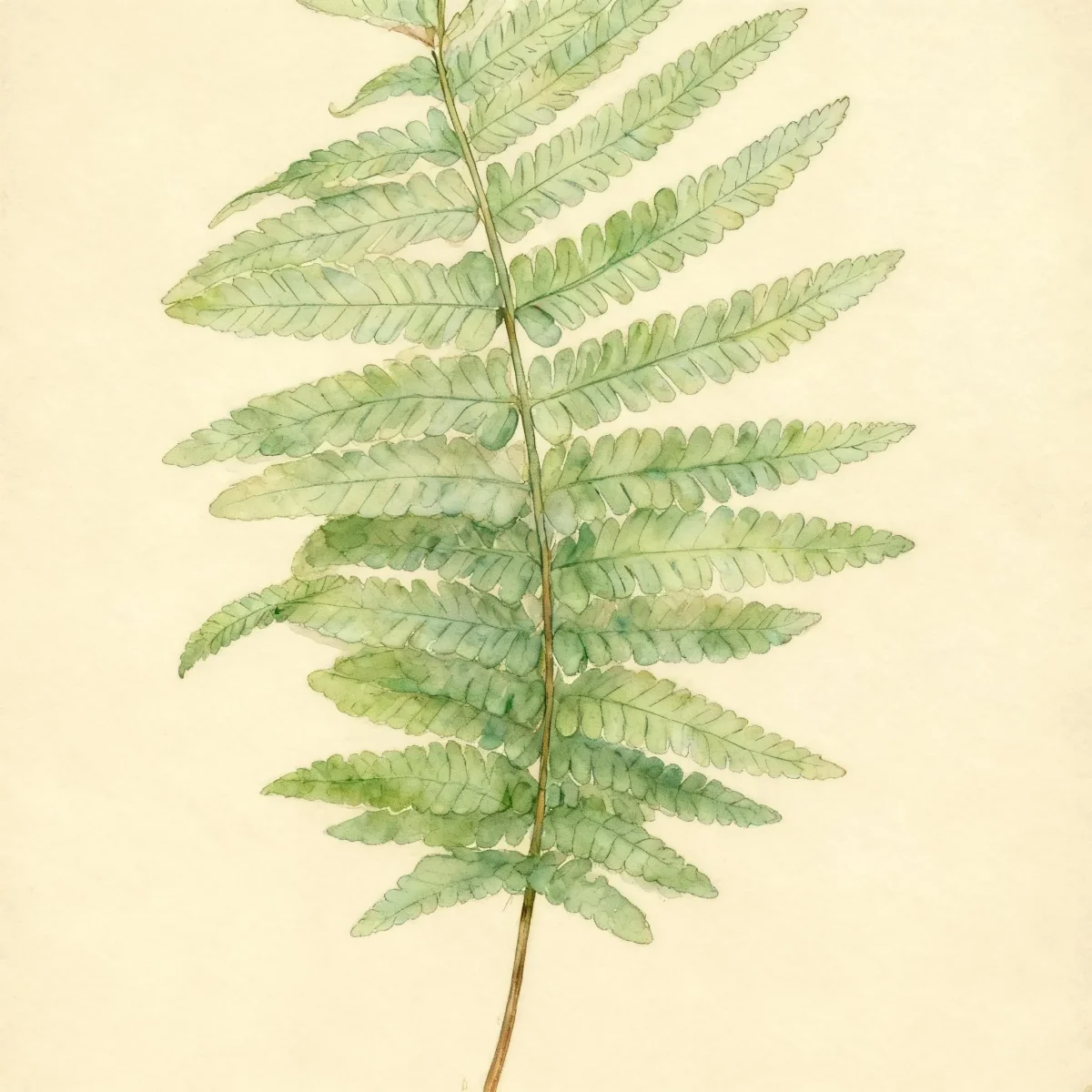
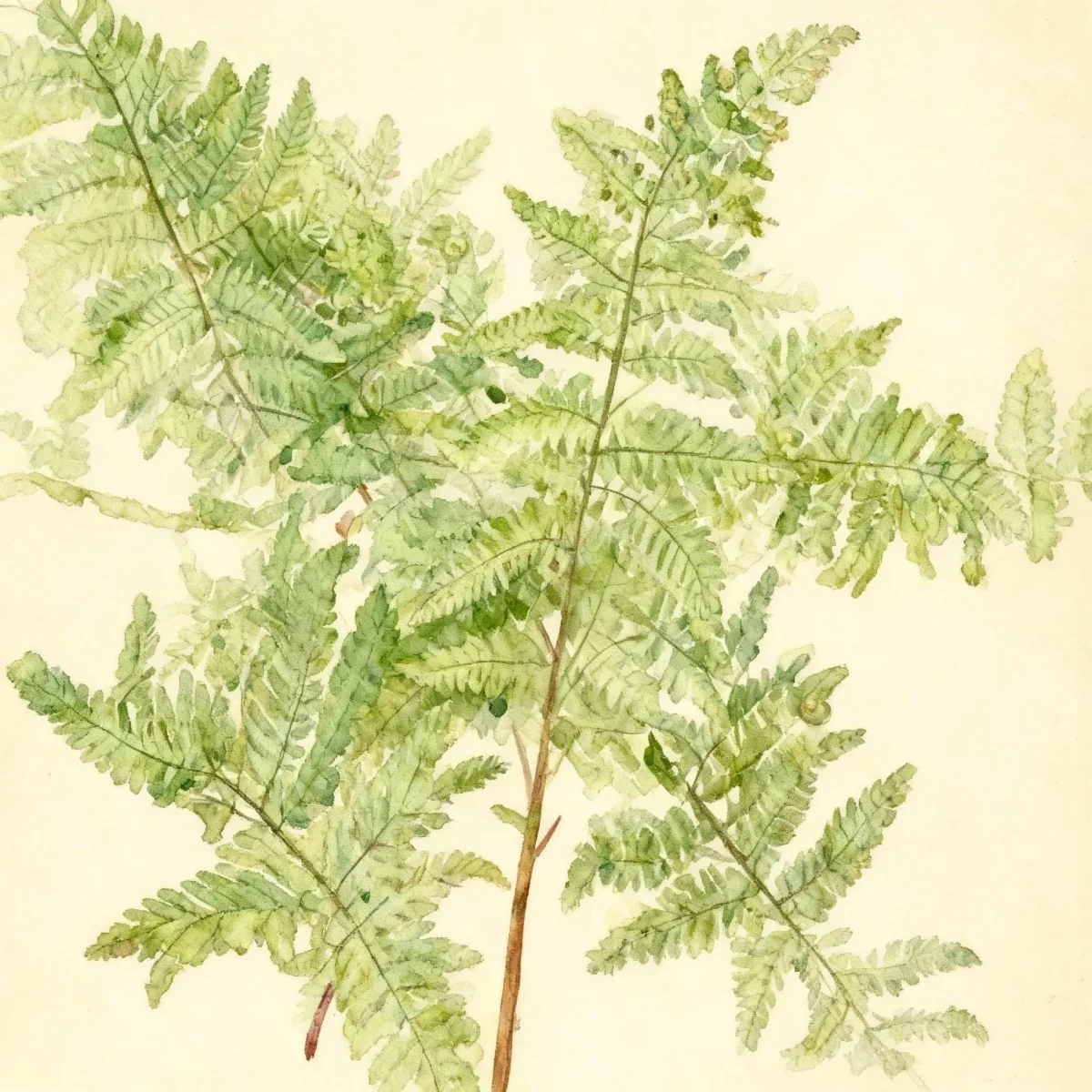
Wood fern (Dryopteris crassirhizoma)
Durable Dryopteris crassirhizoma, or Wood fern, offers semi-evergreen, vase-shaped foliage for deep shade gardens. Low maintenance fern.
Scroll down to discover growing tips, care requirements, companion plants, and more
Complete Plant Information
Overview
The Wood fern (Dryopteris crassirhizoma) is a standout perennial choice for gardeners seeking reliable texture in deeply shaded areas. Native to the wooded slopes of northeastern Asia, this fern establishes a handsome, vase-shaped form that commands attention even when other plants struggle. Its value lies in its robust constitution and semi-evergreen nature, providing structure throughout the year.
What truly distinguishes Dryopteris crassirhizoma is its massive caudex, or woody base, which is conspicuously covered in long, brown scales. The fronds emerge upward from this base, creating a symmetrical display of greenery prized in Japanese-style or woodland gardens. Gardeners appreciate this species for its low maintenance needs combined with its impressive, upright architecture, making it a superior perennial specimen.
While technically non-flowering, the visual interest of Wood fern persists season after season, often remaining green even during cold northern winters, though the fronds may recline flat to the ground. This resilience, especially in heavy shade, ensures that this specific Wood fern variety performs reliably where less adaptable plants fail, providing consistent deep green coverage.
Fast Facts
- Plant Family: Dryopteridaceae
- Plant Type: Fern
- Native Range: Northeastern Asia
- Hardiness Zones: USDA Zones 5-8
- Size at Maturity:
- Height: 2-3.5 ft
- Spread: 2-3 ft
- Bloom Time: Non-flowering
- Bloom Description: Non-flowering
- Sun Exposure: Part shade to full shade
- Water Needs: Medium
- Maintenance Level: Low
How to Grow
When establishing Dryopteris crassirhizoma, aim for planting in spring or fall when weather conditions are mild. Select a location that offers part shade to full shade exposure; avoid harsh, direct afternoon sun which can scorch the delicate foliage. Soil preparation is key: these ferns thrive best when situated in average, medium moisture soils that are rich in organic matter, mimicking their native humusy woodland environment.
Ongoing cultural care for the Wood fern is thankfully straightforward, qualifying it as a low-maintenance choice. Ensure the soil remains consistently moist, but never waterlogged, maintaining a medium watering schedule. Fertilization is rarely necessary if the soil is rich; however, an occasional top-dressing of compost in the spring benefits the development of the stout, erect rhizomes.
Protecting this species from environmental damage is important for maintaining its handsome appearance. Site Dryopteris crassirhizoma where it is sheltered from strong, desiccating winds, which can damage or tatter the emerging fronds. Pruning should be minimal, usually involving removing any tattered or dead fronds in early spring just before new growth begins.
Landscape Uses
The Dryopteris crassirhizoma excels as a specimen plant, particularly where deep shade persists year-round. Its strong vertical habit and reliable texture make it an excellent anchor in moist woodland garden designs. Consider grouping multiple Wood fern plants to create a lush, uniform swathe of green that defines the edges of shaded pathways or borders.
Due to its preference for humusy, moist environments, this fern pairs beautifully with other shade-loving perennials that share similar cultural needs. Think of pairing the upright habit of Dryopteris crassirhizoma with broad-leafed Hostas or delicate Astilbes for textural contrast. Its formal presentation ensures it stands out even when used near shade-tolerant flowering shrubs.
This reliable fern proves an excellent choice for consistent year-round interest in protected garden beds. It is a good specimen for moist woodland or shade gardens, offering a dignified structure that elevates the overall design beneath the canopy of larger trees.
Standout Features
Noteworthy Characteristics
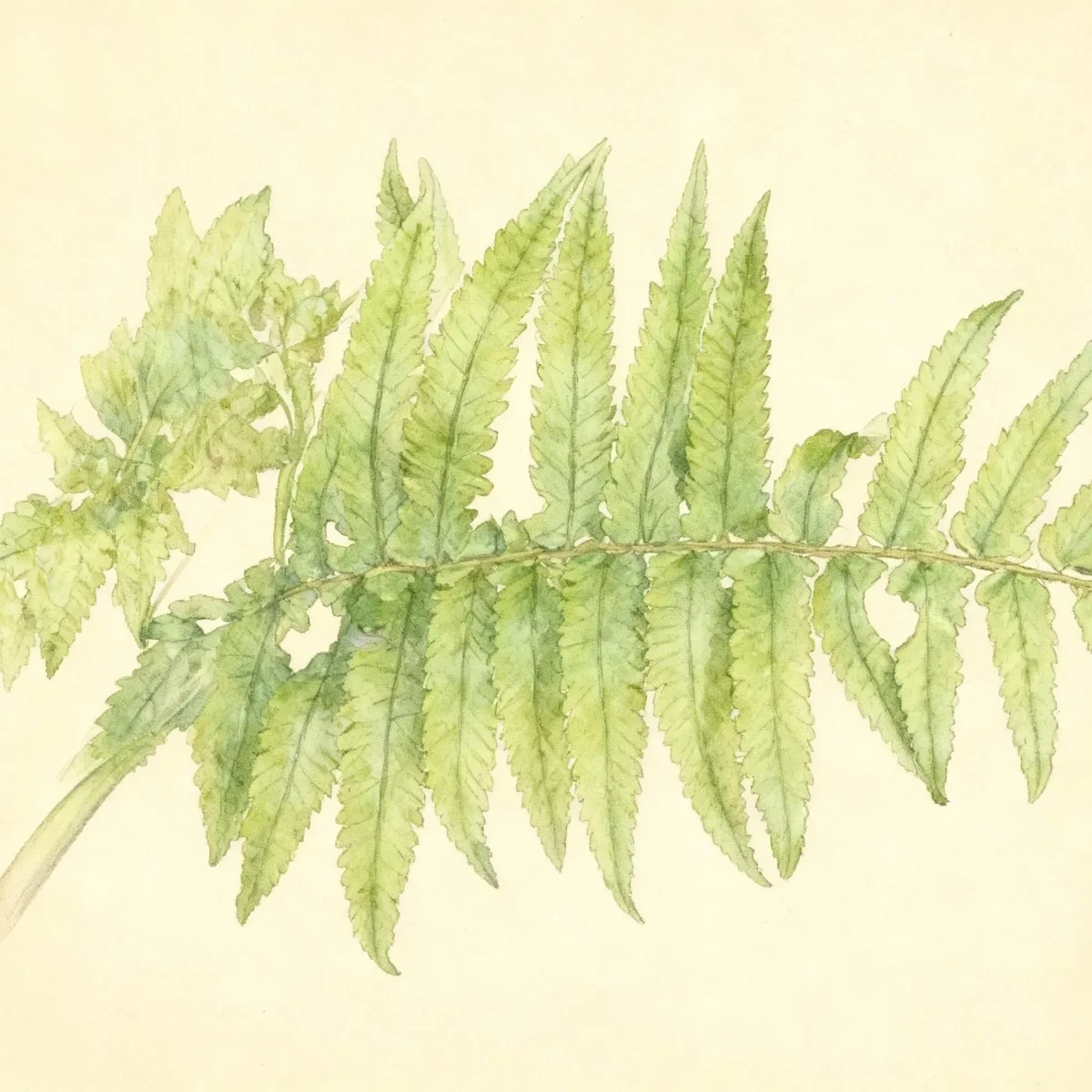
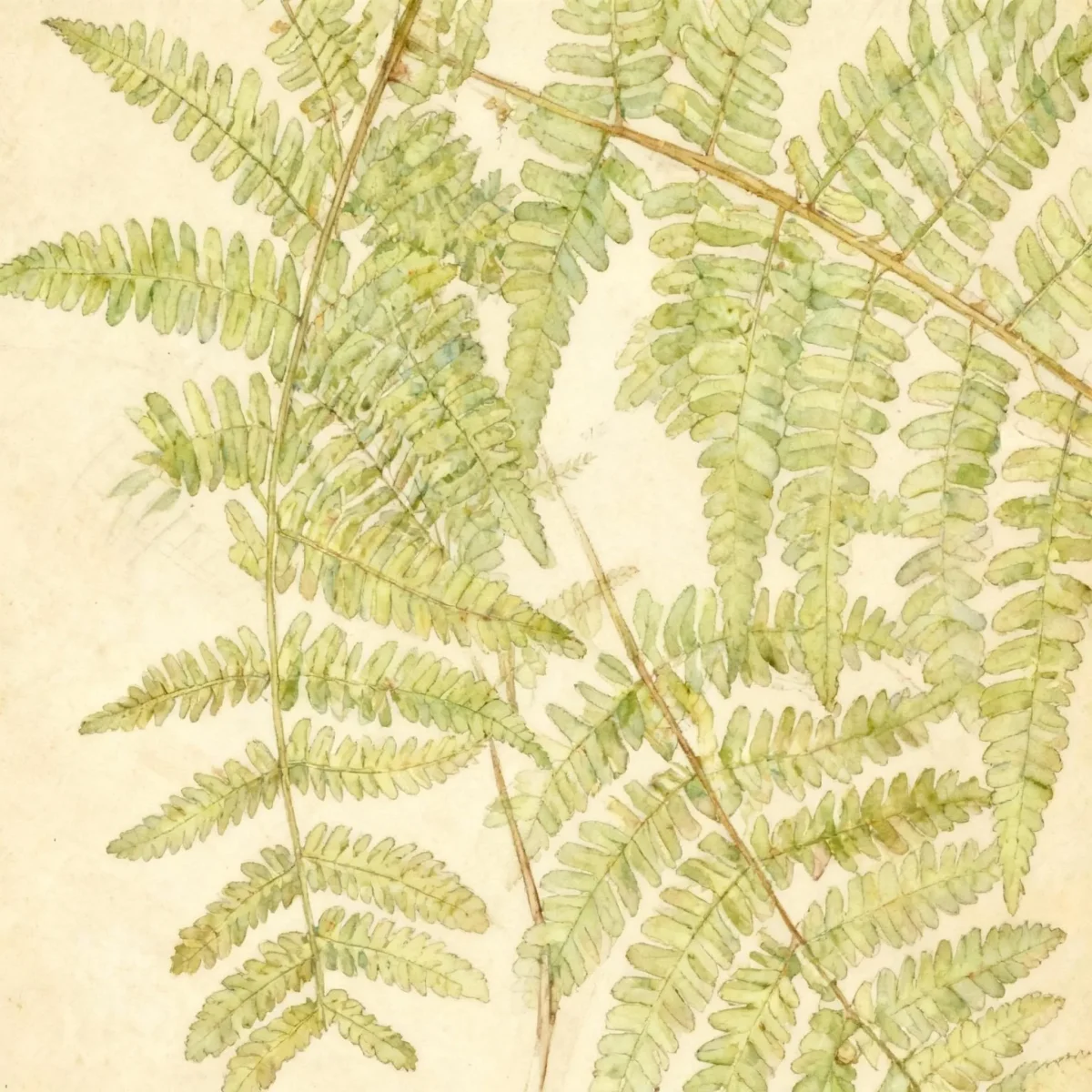
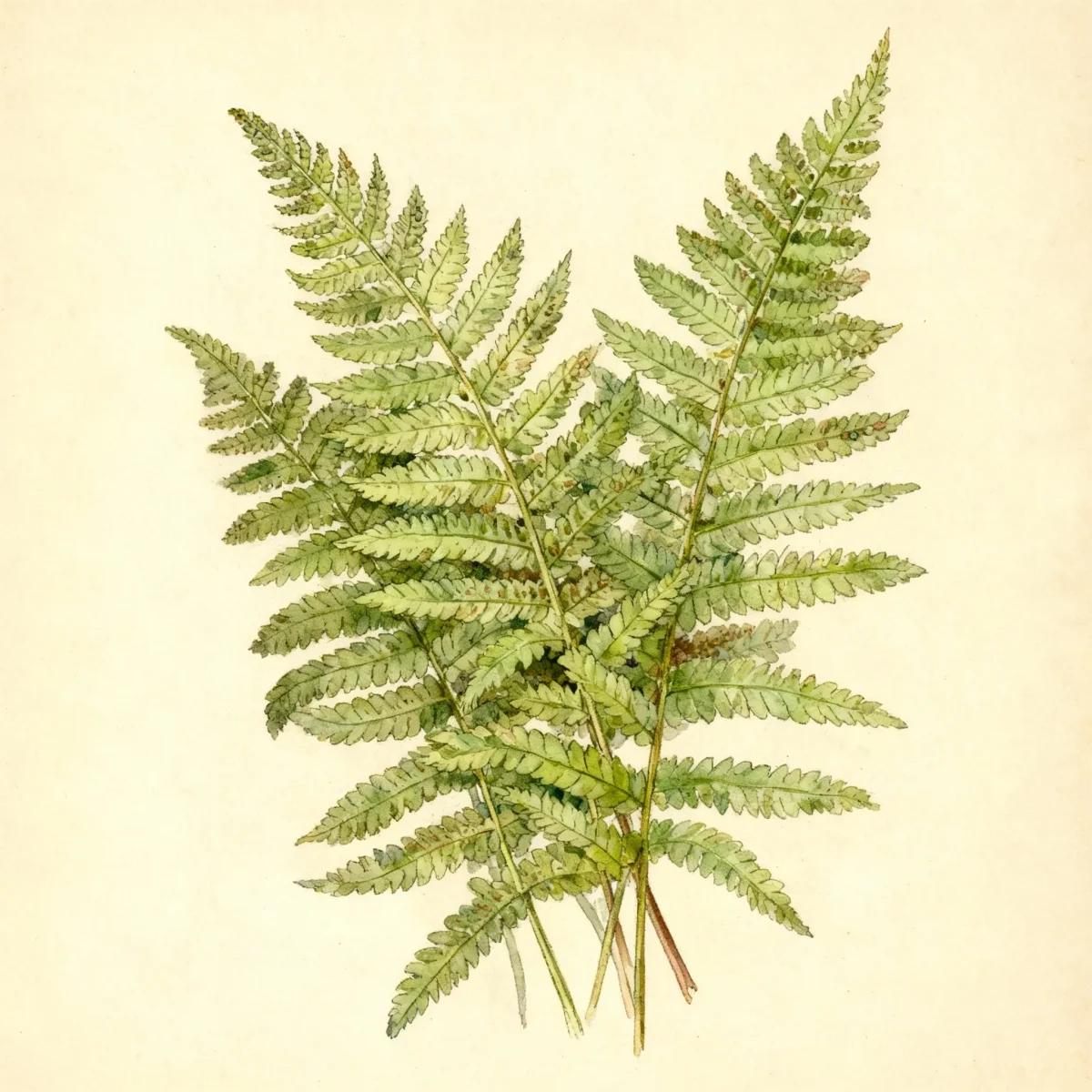
Dryopteris crassirhizoma, commonly called thick stemmed wood fern, is native to wooded slopes in northeastern Asia. It is a semi-evergreen fern that typically grows in a handsome vase-shaped form to 3.5’ tall. As the common name suggests, it is noted for massive caudex (crown or woody base) that is covered with long brown scales. Fronds grow upward from the outside of the crown usually producing a symmetrical vase of greenery. In cold winters, fronds remain green but recline to spread flat along the ground. This fern is somewhat similar in appearance to D. Affinis and D. Filix-mas .Genus name from Greek dryas meaning oak and pteris meaning fern in reference to the presence of some species of wood ferns in woodland areas populated with oaks.Specific epithet refers to the thickened rhizome of the species.
Tolerances
- Rabbit
- Heavy Shade
Potential Problems
Fortunately, Dryopteris crassirhizoma is recognized for its robust health; the plant exhibits no serious insect or disease problems under appropriate cultural conditions. This inherent resistance significantly reduces the maintenance burden on gardeners. Should minor cosmetic issues arise, they are usually related to environmental stress, such as drought or excessive wind exposure, rather than persistent pests or pathogens. Ensure consistent moisture to prevent frond crisping, and the Wood fern will generally remain pest-free.
Frequently Asked Questions
What hardiness zones is Dryopteris crassirhizoma suitable for?
The Wood fern (Dryopteris crassirhizoma) is reliably hardy in USDA Zones 5 through 8.
How large does Wood fern grow?
This species typically reaches a mature height between 2 and 3.5 feet tall, with a comparable spread of 2 to 3 feet.
What sun exposure does Dryopteris crassirhizoma need?
This resilient fern performs best when situated in areas receiving part shade or deep, full shade protection throughout the day.
When does Wood fern bloom?
As a fern, Dryopteris crassirhizoma does not produce flowers; it is classified as non-flowering.
Conclusion
The Wood fern, Dryopteris crassirhizoma, provides invaluable, low-maintenance structural interest through its upright, vase-shaped habit and semi-evergreen foliage. Its tolerance for heavy shade and minimal pest issues affirm its status as a premier woodland garden plant. Ensure your site offers rich, moist soil and protection from high winds, then easily incorporate this superb Dryopteris crassirhizoma into your shaded landscape this season.
Companion Planting
Selecting appropriate companions enhances the aesthetic and cultural success of your Dryopteris crassirhizoma. Because this wood fern demands consistent moisture and humus-rich soil, pair it with other moisture-loving shade denizens. Consider planting near Japanese Painted Ferns or contrasting large-leafed varieties of Hosta in soft greens or blues to highlight the architectural quality of the Wood fern.
Avoid planting the Wood fern in intensely dry, open areas, even if they receive morning sun, as desiccation will quickly degrade the fronds. Plants that tolerate similar root conditions, such as certain woodland Phlox or early emerging spring ephemerals, will complete the layered look typical of a healthy woodland ecosystem.
Seasonal Care Calendar
Spring is the ideal time for cleaning up any winter-worn fronds of Dryopteris crassirhizoma right before new fiddleheads emerge. If your soil is not exceptionally rich, apply a thin layer of aged compost around the plant base to replenish organic matter necessary for moisture retention.
During the summer months, focus entirely on assessing moisture levels. While categorized as medium water needs, the summer heat in Zones 7 and 8 may necessitate supplemental deep watering to keep the soil consistently moist, especially for young specimens. Avoid overhead watering late in the day to discourage fungal issues, although Dryopteris crassirhizoma is generally resistant.
In autumn, the deciduous nature of the fronds in very cold winters or the slight reclining of the semi-evergreen foliage signals that the plant is preparing for dormancy or lessened activity. No major work is typically needed; simply check that the base is covered with mulch or leaf litter for excellent winter protection, which helps insulate the stout rhizomes.