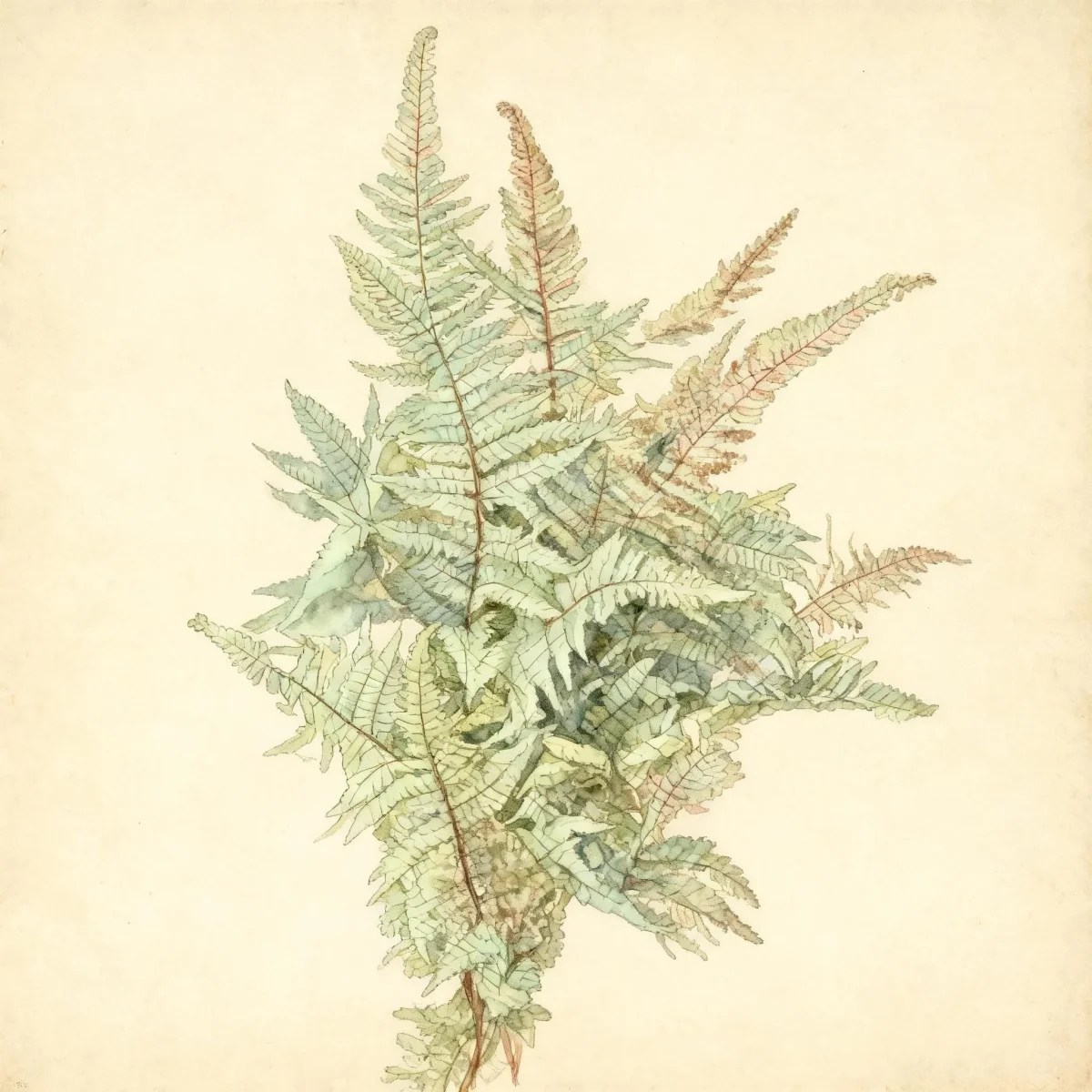
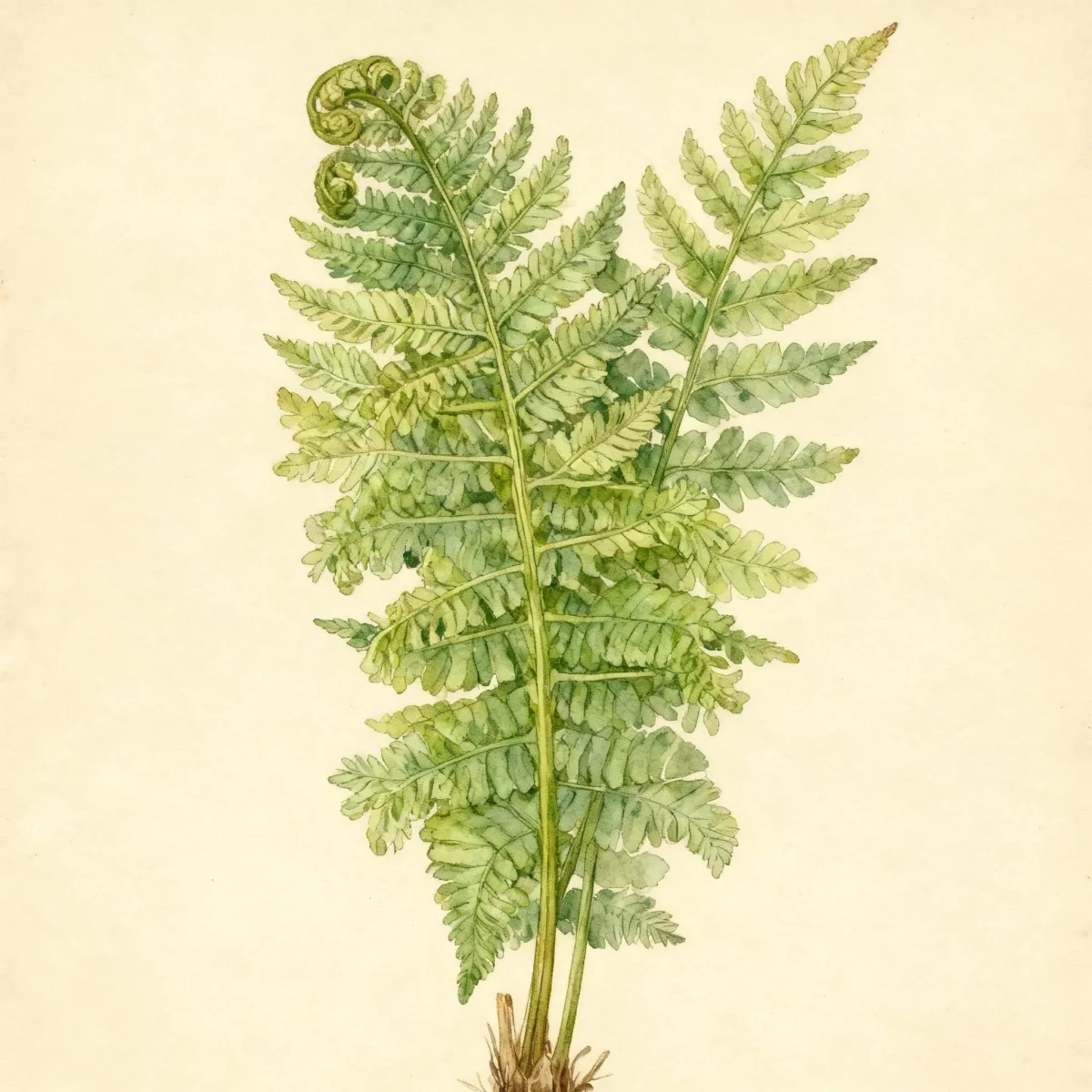
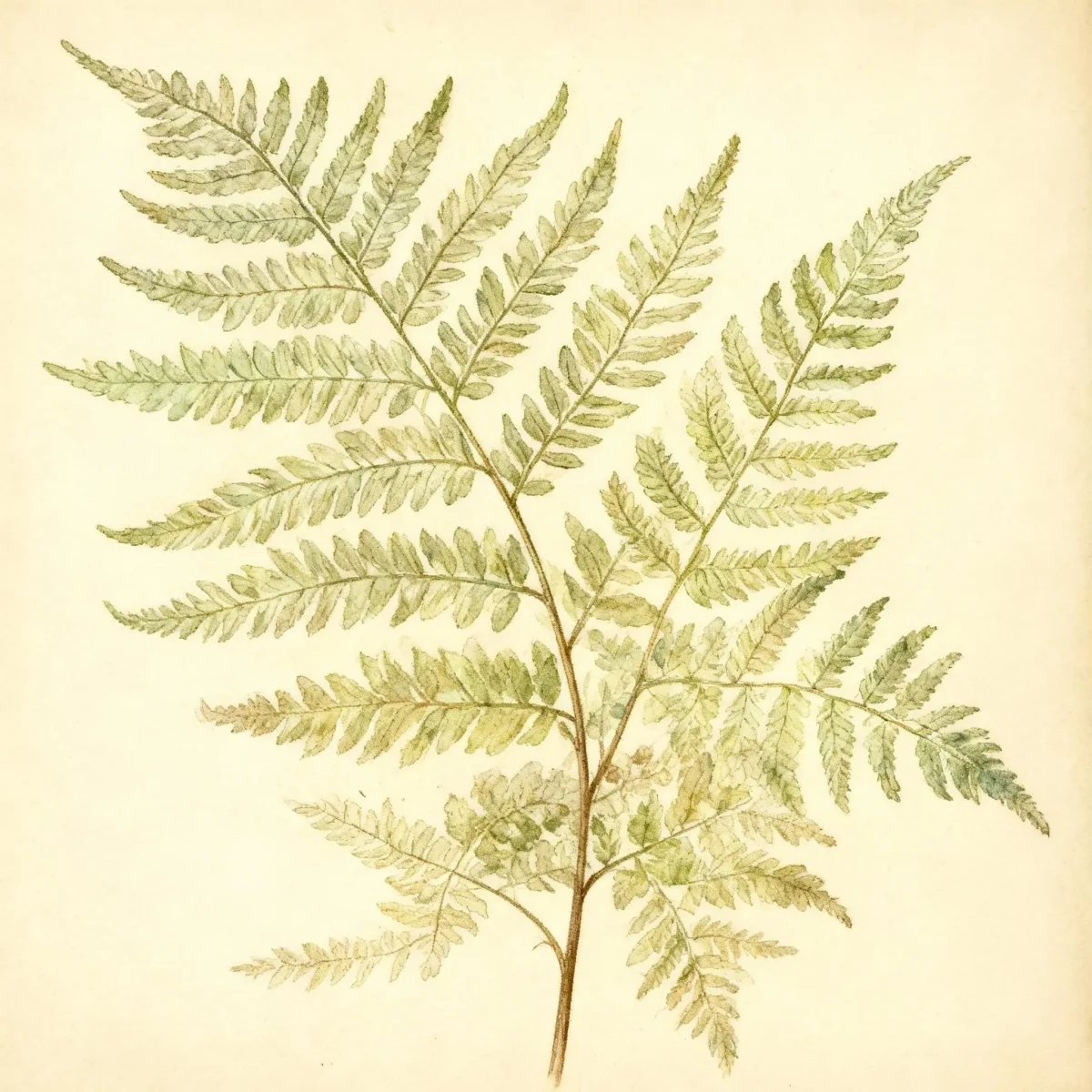
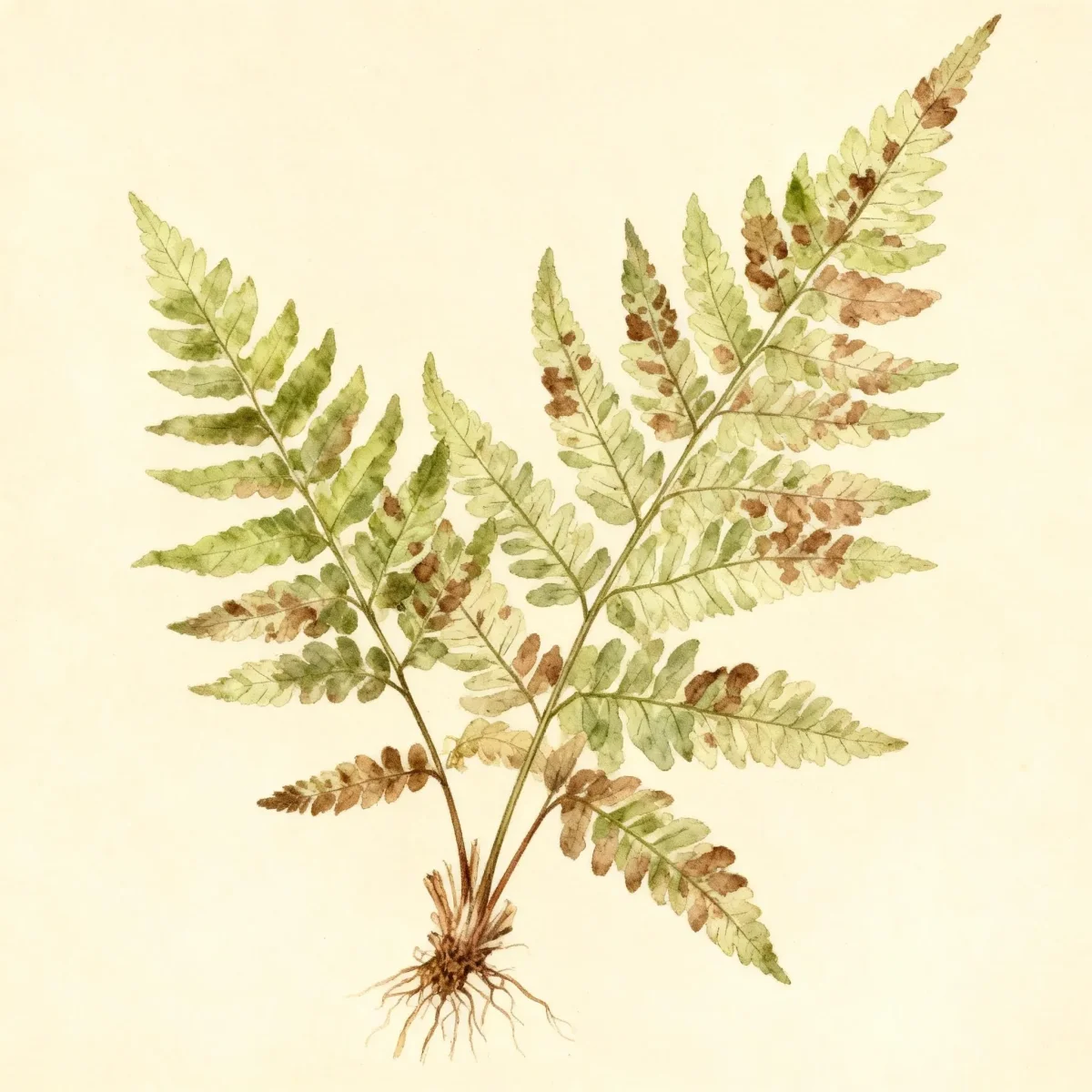
Tapering glade fern (Deparia pycnosora)
The Tapering glade fern, Deparia pycnosora, is a graceful, rhizomatous fern perfect for shady woodland gardens, noted for its yellow-green, finely-dissected fronds.
Scroll down to discover growing tips, care requirements, companion plants, and more

Complete Plant Information
Overview
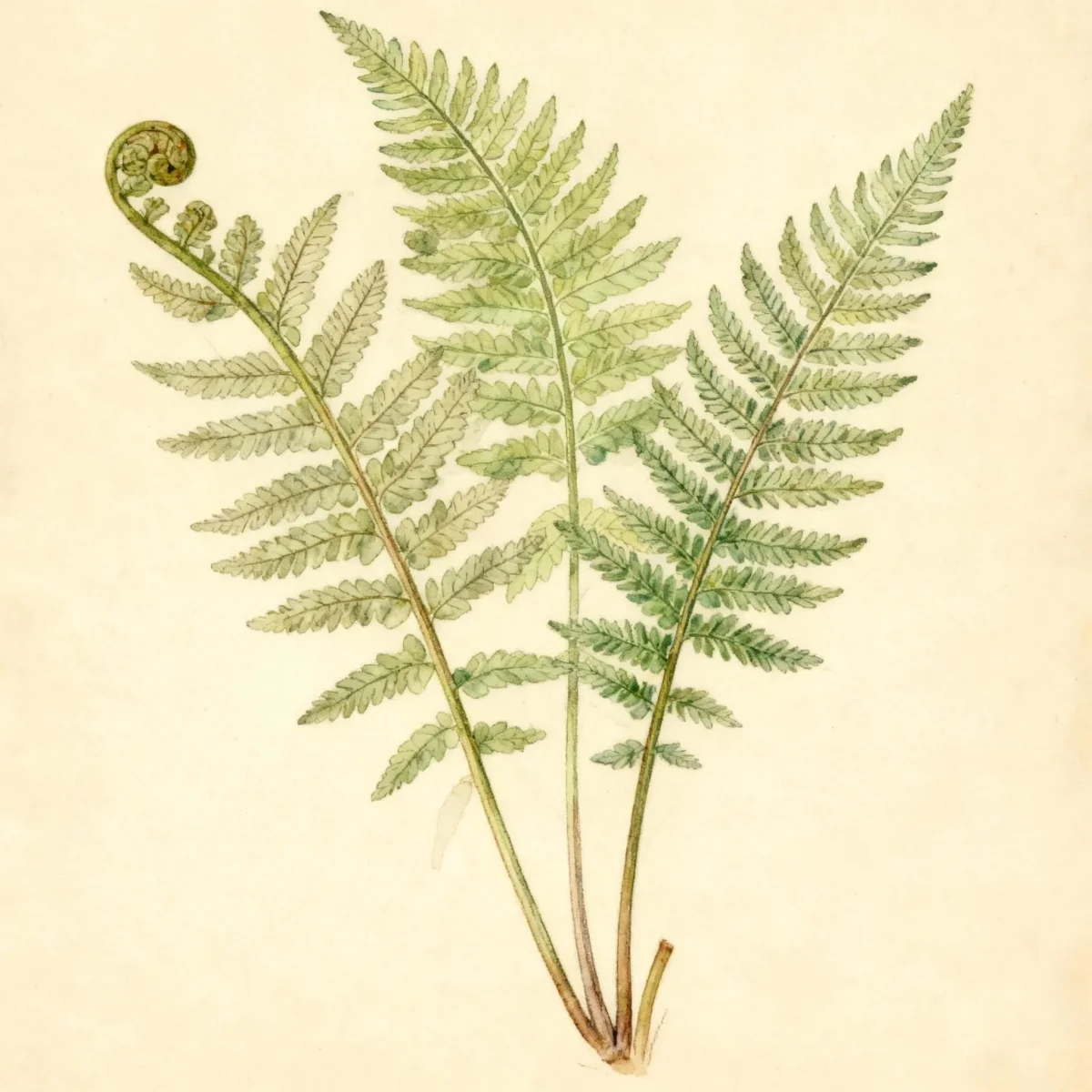
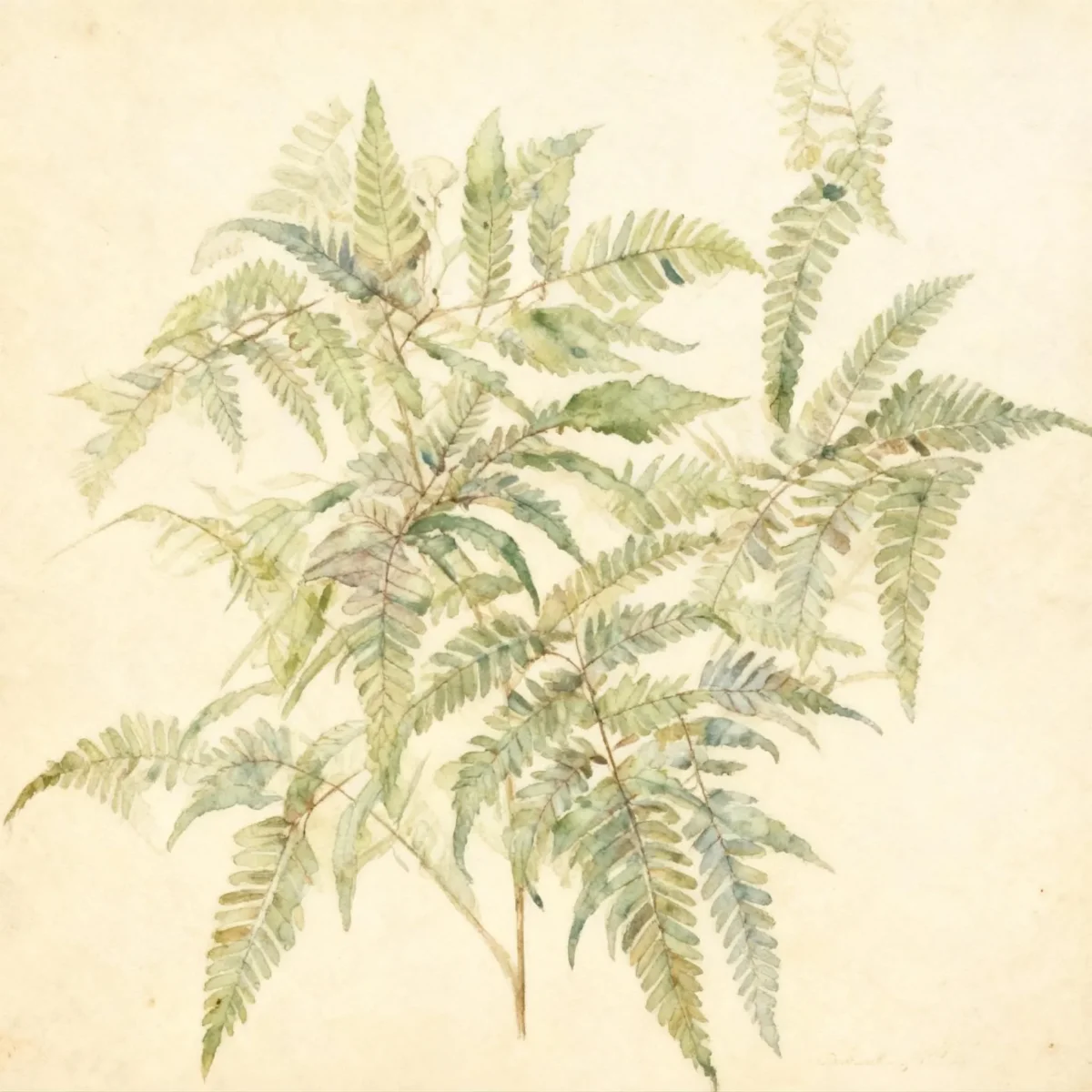
The Tapering glade fern, scientifically known as Deparia pycnosora, offers distinctive texture and elegance to shaded garden spaces. This deciduous fern is deeply appreciated for its finely-dissected, yellow-green fronds that arch gracefully, creating an airy, yet substantial presence. As a rhizomatous spreader, Deparia pycnosora fills in shady areas effectively, serving as an excellent vertical groundcover.
Native to damp forest environments across China, Japan, Korea, and the Russian Far East, this plant naturally thrives where few flowering plants can compete. It reaches a respectable height of 2 to 3 feet, commanding attention without becoming overly aggressive in its spread when properly situated. Gardeners value the Tapering glade fern for achieving that sought-after woodland aesthetic.
Distinguishing features include fronds that taper narrowly at both the tip and the base, an attribute that informs its common name. While it is non-flowering, its foliage provides year-round interest until frost, assuming adequate winter protection in the cooler edges of its hardiness range. Growing Deparia pycnosora is a rewarding endeavor for cultivating deep shade interest.
Fast Facts
- Plant Family: Athyriaceae
- Plant Type: Fern
- Native Range: China, Japan, Korea, Russian Far East
- Hardiness Zones: USDA Zones 4-8
- Size at Maturity:
- Height: 2-3 ft
- Spread: 2-3 ft
- Bloom Time: Non-flowering
- Bloom Description: Non-flowering
- Sun Exposure: Part shade to full shade
- Water Needs: Medium
- Maintenance Level: Medium
How to Grow
The Tapering glade fern establishes best when planted in spring or early fall, benefiting from the cooler, slightly more moist conditions. Optimal placement requires rich, organic, and consistently well-drained soil. Avoid locations where water pools, as Deparia pycnosora is intolerant of standing water, though it requires even moisture to thrive.
Maintain medium watering needs throughout the growing season, especially if planted in areas receiving afternoon shade rather than deep, consistent forest shade. Fertilization is rarely needed if the soil is amended with rich compost; over-fertilizing can lead to coarse, unattractive foliage. Simply ensure the soil remains consistently moist, mimicking its native woodland habitat.
Maintenance for this fern is generally low. Dead fronds can be neatly trimmed back in early spring before new growth emerges, or left over winter for added texture and insulation. Because it spreads via rhizomes, monitor its spread if you desire tighter boundaries, or allow it to colonize a desired shady space, then propagate new clumps by division.
Landscape Uses
The Tapering glade fern is perfectly suited for mass planting schemes where a lush, green carpet is desired under dense tree canopies. It excels when naturalized in woodland gardens, creating vertical interest that contrasts beautifully against low-growing groundcovers like creeping phlox or hostas. Its medium height makes it an excellent middle-layer plant in shade borders.
Planting Deparia pycnosora near shade-loving perennials such as astilbes, bleeding hearts, or ferns with contrasting colors (like silvery Japanese Painted Ferns) enhances the overall texture of the scene. Due to its arching habit, it works well along the edges of a shaded path, softening hard lines and inviting closer inspection of its finely cut texture.
Standout Features
Noteworthy Characteristics
Deparia pycnosora, commonly called tapering glade fern, is a yellow-green finely-dissected, rhizomatous, deciduous fern that grows to 2-3’ tall and as wide. It is native to damp forest areas in China, Japan, Korea and eastern Russia. Narrow deciduous fronds gracefully arch upward and outward to 30” long, featuring a shape tapered at the apex and base, which gives the Tapering glade fern its distinctive appearance. Genus name comes from the Greek word depas meaning saucer in reference to the saucer-like indusium that covers the sori.
Tolerances
- Deer
Potential Problems
This plant rarely suffers from serious insect or disease problems, making Deparia pycnosora a highly reliable performer in the correct environment. When sited incorrectly, the primary risk involves root rot, which occurs if the soil drains poorly or becomes waterlogged. Always amend heavy clay soils with coarse organic matter to ensure adequate aeration and drainage vital for Tapering glade fern health.
Frequently Asked Questions
What hardiness zones is Tapering glade fern suitable for?
The Deparia pycnosora is generally hardy in USDA Zones 4 through 8, offering reliable performance across a wide temperature range for shade gardening.
How large does Tapering glade fern grow?
When mature, Deparia pycnosora typically reaches a height between 2 and 3 feet, with a comparable spread of 2 to 3 feet.
What sun exposure does Deparia pycnosora need?
This fern thrives best in conditions ranging from part shade to full shade, mimicking its native woodland floor environment.
When does Deparia pycnosora bloom?
As a fern, Deparia pycnosora is non-flowering, focusing its aesthetic energy entirely on its beautiful, finely-cut foliage.
Conclusion
The Tapering glade fern (Deparia pycnosora) is an invaluable, low-maintenance addition for creating layered texture and reliable green structure in shaded landscapes. Its resilient nature and attractive, deeply cut foliage ensure visual interest throughout the growing season, living up to the quality expected from the Athyriaceae family. Assess your garden sites for proper moisture and shade levels before planting this superb woodland specimen.
Companion Planting
Selecting companions for Deparia pycnosora should focus on species that share a preference for moist, humus-rich soils and filtered light. Shade-loving bulbs work well, emerging in spring before the fern reaches full height and receding as the Tapering glade fern provides summer coverage. Consider pairing this fern with fine-textured, broad-leaved hostas or low-growing Ajuga for excellent contrast at the soil level.
Groundcover companions that spread horizontally, such as creeping Jenny (Lysimachia nummularia) or hardy pachysandra, help to suppress weeds while visually filling the space between the upright rhizomes of the Deparia pycnosora. Because this fern is deer-resistant, pairing it with other foliage-focused, favored plants enhances protection by creating a dense, continuous barrier.
Propagation Tips
The most straightforward method for increasing your stock of Deparia pycnosora is through division. This should be undertaken in early spring just as new fiddleheads begin to emerge, or in early autumn after the heat of summer has passed. Wait until the plant is established and has formed a sizeable clump before attempting to divide it.
Carefully dig around the clump and gently tease apart the rhizomes, ensuring each new section has several healthy growth points attached. Replant the divisions immediately into prepared soil matching the parent plant’s cultural needs, giving them consistent moisture during the recovery period to help establish strong root systems.